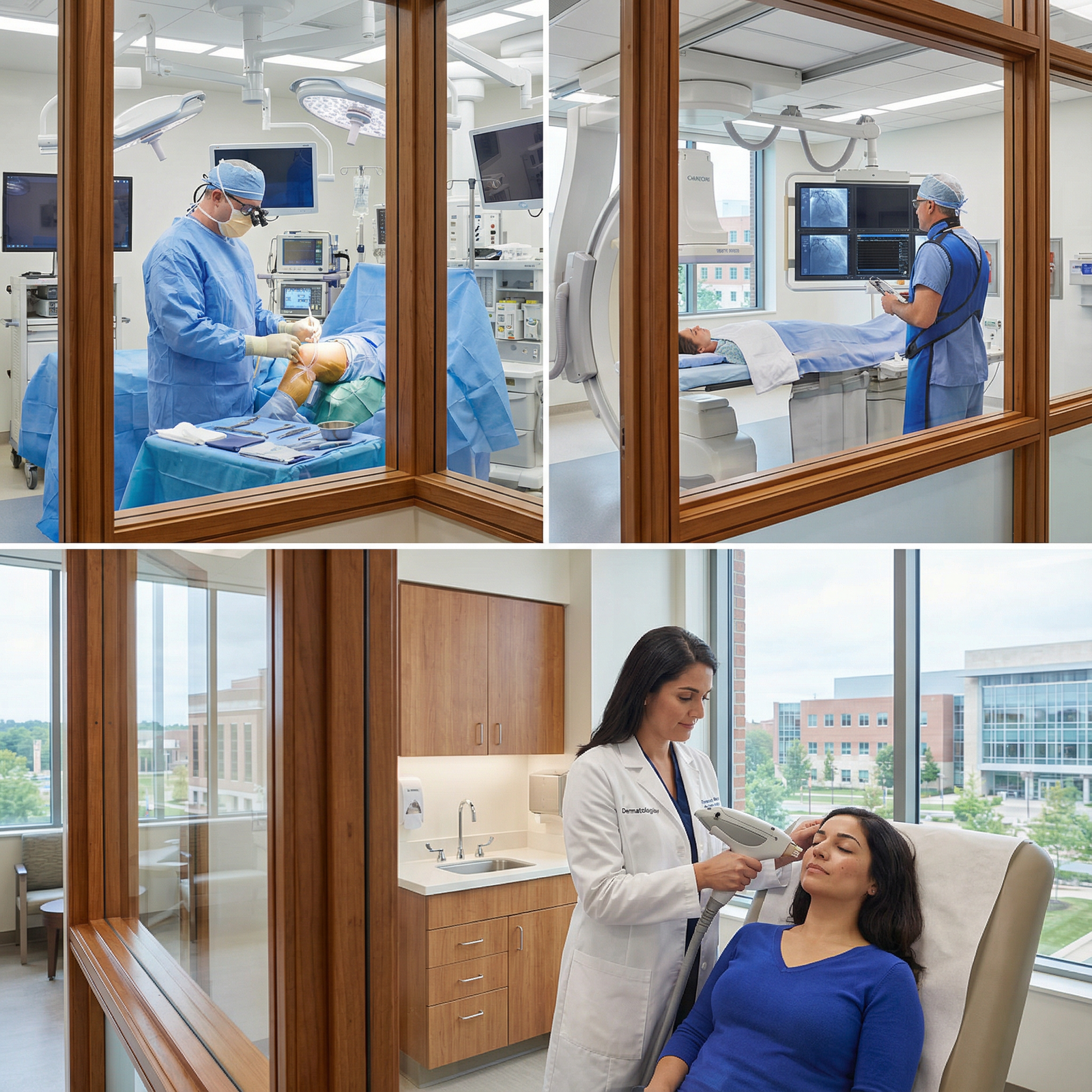
Introduction: How 2023 Is Reshaping High-Earning Medical Specialties
The landscape of physician compensation is changing faster than ever. New technologies, evolving patient demographics, shifts in reimbursement models, and the aftershocks of the COVID-19 pandemic are all influencing which medical specialties command the highest pay. For medical students, residents, and early-career physicians planning their future in healthcare careers, understanding current salary trends is critical.
While medicine has long been a financially rewarding path, not all medical specialties are compensated equally. In 2023, some fields are clearly leading the pack in physician compensation, while others are gaining momentum due to rising demand and expanded scope of practice.
This enhanced guide goes beyond simple numbers. It explores:
- Which high-earning specialties are changing the salary game in 2023
- Why these particular fields are so well-compensated
- How lifestyle, training length, procedure mix, and practice setting affect income
- Practical considerations for residents and students weighing income against long-term career satisfaction
Throughout, the focus is on helping you make an informed decision about specialty choice—one that aligns with both your goals and the realities of 2023 salaries.
Understanding the Modern Landscape of Physician Compensation
Before diving into specific high-paying specialties, it’s important to understand the broader forces reshaping physician compensation. 2023 salaries are not happening in a vacuum; they’re the product of structural changes in the healthcare system.
Key Factors Driving Salary Differences Among Medical Specialties
1. Supply and Demand Imbalances
The most powerful driver of income remains the classic supply–demand equation:
- Specialties with significant workforce shortages (e.g., invasive cardiology, anesthesiology, psychiatry in many regions) often see higher offers, signing bonuses, and better contract terms.
- Training bottlenecks—limited fellowship spots or long training pathways—mean fewer specialists entering the workforce, which pushes compensation up.
- Population aging increases demand in fields like cardiology, orthopedics, urology, oncology, and gastroenterology.
For residents: monitoring workforce reports from organizations like the AAMC and specialty societies can give you a sense of where demand is heading over the next decade, not just in 2023.
2. Reimbursement and Procedure Intensity
Specialties that rely heavily on procedural work tend to earn more than primarily cognitive fields due to current reimbursement structures:
- High-RVU procedures (e.g., catheterizations, orthopedic surgeries, endoscopies) generate more revenue per hour than many clinic-based visits.
- Specialties that own or partner in ambulatory surgery centers (ASCs), cath labs, or imaging centers may benefit from facility fees, further increasing income.
- Pay-for-performance, bundled payments, and value-based care models are gradually shifting some incentives, but procedural volume still drives income in many hospital and group practice settings.
3. Technological Advancements and Subspecialization
High-earning specialties are often those at the forefront of technology:
- Robotic surgery in urology and gynecology
- Advanced endoscopy in gastroenterology
- Interventional techniques in cardiology and radiology
- Laser and cosmetic devices in dermatology
Physicians who master these technologies—and practice in markets that can support them—may realize significantly higher incomes than peers in the same specialty with a more traditional scope of practice.
4. Geographic Variation
Location strongly influences physician compensation:
- Rural and underserved regions often pay more to attract specialists, particularly in anesthesia, psychiatry, and invasive specialties.
- Urban academic centers may offer lower base pay but stronger benefits, research opportunities, and prestige.
- State-level payer mix (commercial vs. Medicare/Medicaid) and malpractice environments also affect take-home pay.
For residents planning ahead, it’s useful to ask: “Would I be open to living in higher-paying but more rural or mid-sized areas, or am I committed to large metropolitan centers?”
5. Policy and Payer Mix
Health policy changes—especially around Medicare, Medicaid, and private insurance—can markedly affect 2023 salaries:
- Adjustments to Relative Value Units (RVUs) and fee schedules impact procedure-heavy specialties.
- Expansion of telehealth has particularly benefited psychiatry and some primary care subspecialties.
- Shifts toward value-based care may alter long-term incentives but currently coexist with volume-based models.

Top Medical Specialties Changing the Salary Game in 2023
Below are the major high-earning medical specialties that are reshaping physician compensation. Salary ranges are approximate and can vary by region, practice type, and experience level, but they reflect common 2023 trends in the U.S. market.
1. Invasive Cardiologists: Leading the 2023 Salary Rankings
Invasive and interventional cardiologists remain at the top of most physician compensation surveys, with annual incomes frequently exceeding $500,000 and often reaching into the $600,000–$800,000 range in high-demand regions.
Why Invasive Cardiology Is So Well-Paid
High procedure volume and acuity:
Procedures such as coronary angiography, percutaneous coronary intervention (PCI), stent placement, structural heart interventions, and peripheral vascular work generate substantial RVUs.Aging and sicker patient population:
Rising rates of hypertension, diabetes, obesity, and metabolic syndrome have driven sustained demand for cardiovascular care and interventions.Advances in interventional technology:
- Transcatheter aortic valve replacement (TAVR)
- Left atrial appendage closure
- Complex PCI techniques
These innovations require advanced training and justify premium compensation.
Considerations for Trainees
- Training length: Internal medicine residency (3 years) + cardiology fellowship (3 years) + possible interventional fellowship (1–2 years).
- Lifestyle: High call burden, frequent emergencies, and physically demanding procedures—especially in cath lab–heavy jobs.
- Career tip: Residents considering this path should seek strong cardiology electives, early mentorship, and research exposure in cardiovascular disease.
2. Orthopedic Surgeons: High Procedural Volume and Elective Demand
Orthopedic surgery continues to be one of the highest-paid surgical specialties, with average physician compensation often ranging from $500,000 to $700,000+. Subspecialties such as spine or joint replacement can exceed that, especially with partnership in private practices.
Drivers of Orthopedic Salary Growth
Joint replacement boom:
- An aging population with longer life expectancy
- Patients seeking to maintain active lifestyles into older age
- Higher demand for knee, hip, and shoulder replacements
These procedures are high-revenue and commonly performed.
Sports medicine and minimally invasive techniques:
Arthroscopy and ligament reconstruction procedures are in strong demand as youth and adult sports participation increases. These can be performed efficiently, improving revenue per operating room hour.Trauma and on-call coverage:
Hospitals often pay additional stipends for orthopedic call coverage, especially in areas with limited specialist availability.
Career and Lifestyle Considerations
- Training: 5-year orthopedic residency, with optional 1-year fellowship (sports, spine, joints, hand, trauma).
- Lifestyle: Can be demanding, especially for trauma and spine surgeons; however, elective joints and sports practices can be structured for more predictable hours.
- Business opportunities: Ownership in ASCs, imaging centers, and physical therapy services can significantly boost total compensation.
3. Dermatologists: High Income With Lifestyle Appeal
Dermatology remains one of the most competitive medical specialties—largely because it combines strong compensation (often $400,000–$500,000+) with excellent work–life balance.
Why Dermatology Stands Out
Rising burden of skin disease:
- Increasing incidence of skin cancers, especially melanoma and non-melanoma skin cancers
- Chronic conditions such as psoriasis, eczema, and acne
These maintain a steady pipeline of medical dermatology patients.
Cosmetic and aesthetic procedures:
Cash-pay services significantly enhance income potential:- Botox and dermal fillers
- Laser therapies and resurfacing
- Chemical peels
- Cosmetic excisions and minor surgeries
In many markets, cosmetic services can account for a substantial share of total revenue.
Predictable clinic-based practice:
Most dermatologists work weekday hours with limited emergencies, making the field extremely attractive for those prioritizing lifestyle.
Considerations for Students and Residents
- Competitiveness: Dermatology is among the most competitive specialties to match into. High USMLE/COMLEX scores, research, and strong letters are crucial.
- Practice models: Private practice often offers higher income and flexibility for cosmetic work; academic dermatologists may earn less but have teaching and research opportunities.
- Location: Densely populated urban areas can be competitive markets; underserved regions may offer faster practice growth and higher starting compensation.
4. Gastroenterologists: Procedural Specialists in High Demand
Gastroenterology sits firmly in the upper tier of physician compensation, with many gastroenterologists earning $400,000–$600,000+ depending on call burden, endoscopy volume, and practice ownership.
Trends Pushing GI Salaries Up
Increased awareness and diagnosis of GI conditions:
More patients are being evaluated for:- GERD and Barrett’s esophagus
- Inflammatory bowel disease (IBD) including Crohn’s and ulcerative colitis
- Irritable bowel syndrome (IBS)
- Nonalcoholic fatty liver disease (NAFLD)
High-volume procedures:
- Screening and diagnostic colonoscopy
- Upper endoscopy (EGD)
- Advanced procedures such as ERCP and EUS in subspecialty-trained physicians
These generate strong RVUs and can be performed efficiently in endoscopy centers.
Cancer screening initiatives:
Public health focus on colorectal cancer screening continues to drive procedural volumes and demand for gastroenterologists.
Training and Lifestyle
- Training: Internal medicine residency (3 years) + GI fellowship (3 years), with potential additional year for advanced endoscopy.
- Lifestyle: Mix of outpatient clinic, endoscopy days, and on-call responsibilities for GI bleeds and emergencies; schedule can be intense but also highly rewarding.
5. Anesthesiologists: Core to Every Surgical Service Line
Anesthesiology remains a consistently high-paying specialty, with many anesthesiologists earning over $400,000 annually, and more in certain geographic or high-demand settings.
Why Anesthesiology Remains a Top Earner
Essential role in surgical care:
Every major surgical service line—orthopedic, cardiovascular, neurosurgical, obstetric—depends on anesthesia coverage. This guarantees steady demand.Diverse practice environments:
Anesthesiologists can work in:- Academic medical centers
- Community hospitals
- Outpatient surgery centers
- Pain management clinics
Many also pursue administrative or leadership roles in perioperative services.
Expanding scope in perioperative medicine:
Concepts like the Perioperative Surgical Home (PSH) and enhanced recovery after surgery (ERAS) protocols are elevating anesthesiologists’ role in system-level care, which may further enhance compensation and influence.
Career Considerations
- Training: 4 years total after medical school (1 clinical base year + 3 clinical anesthesia years), with optional subspecialty fellowships (cardiac, pain, pediatric, critical care).
- Lifestyle:
- Flexibility in choosing more shift-based or predictable schedules in some settings
- Night call and weekends are common in hospital-based roles
- Locum tenens opportunities can offer very high short-term income.
6. Urologists: Aging Population and Technologic Innovation
Urologists, who diagnose and treat conditions of the urinary tract and male reproductive system, commonly earn $400,000–$500,000+, with higher incomes in high-volume or subspecialized practices.
Why Urology Is Financially Strong
Demographic tailwinds:
- Rising rates of prostate enlargement (BPH)
- Prostate and bladder cancers
- Kidney stones
- Incontinence and pelvic floor disorders
As the population ages, these conditions become more prevalent and complex.
Robotic and minimally invasive surgery:
Urology was an early adopter of robotic-assisted surgery. Procedures like prostatectomies, partial nephrectomies, and pelvic reconstructions are well-reimbursed and technically demanding.Combination of clinic and OR work:
A urology practice typically includes:- Office visits and in-office procedures (cystoscopy, vasectomy, biopsies)
- OR-based surgeries
This blend supports a stable and diversified revenue stream.
Training and Lifestyle
- Training: 5–6 years of urology-specific residency following medical school; some pursue 1–2 year fellowships (oncology, female pelvic medicine, pediatrics, infertility).
- Lifestyle: Variable call demands; however, many practices are structured with shared call and significant outpatient volume.
7. Psychiatrists: Rapidly Rising Demand and New Care Models
Historically, psychiatry has not been listed among the very highest paying fields, but psychiatrist salaries have risen sharply, often landing in the $250,000–$300,000+ range, with potential for more in telepsychiatry, geriatric psychiatry, or high-demand regions.
Trends Driving Psychiatry’s Compensation Growth
Surging mental health awareness:
There is increasing recognition and destigmatization of:- Depression and anxiety disorders
- Substance use disorders
- PTSD and trauma-related conditions
- ADHD and neurodevelopmental conditions
This has dramatically increased demand for psychiatric services.
Severe workforce shortage:
Many regions, especially rural areas, have too few psychiatrists to meet demand. This shortage is driving:- High starting salaries
- Generous sign-on bonuses
- Loan repayment packages
Telepsychiatry and flexible practice models:
Psychiatry is uniquely well-suited to telehealth, enabling:- Remote work options
- Expanded access to underserved areas
- More control over schedule and patient mix
Career Considerations
- Training: 4-year psychiatry residency following medical school; subspecialty fellowships (child and adolescent, addiction, geriatric, consult-liaison, forensic) can further increase income.
- Lifestyle: Generally more predictable hours, low procedural burden, and high potential for part-time or flexible work arrangements.
Other High-Earning Medical Specialties to Watch
Several additional specialties remain consistently strong in 2023 salary data and are essential to the highest-paid specialties landscape.
Radiologists
Radiologists—especially those with subspecialty training (e.g., interventional radiology, neuroradiology)—commonly earn $400,000–$500,000+.
- Key factors:
- Central role in diagnostics across almost every clinical discipline
- High volume of imaging studies (CT, MRI, ultrasound, nuclear medicine)
- Teleradiology has expanded opportunities and geographic flexibility
Oncologists
Medical oncologists and hematologist–oncologists often earn $450,000–$600,000, particularly in practice settings with infusion centers and robust support staff.
- Key factors:
- Increasing prevalence of cancer with an aging population
- Growth of targeted therapies and immunotherapy
- Complex, long-term relationships with patients and families
Both specialties require substantial training but offer opportunities for academic and clinical leadership, as well as participation in clinical trials and cutting-edge therapeutics.

Choosing a Specialty: Balancing 2023 Salaries With Long-Term Fit
While income is an important part of any career decision, especially with rising educational debt, it should not be the only factor in choosing among medical specialties.
Key Questions for Students and Residents
What type of daily work energizes you?
- Complex procedures vs. longitudinal patient relationships
- ICU and emergency care vs. outpatient clinic
- High-acuity vs. more stable, chronic conditions
What lifestyle do you realistically want?
- Are you comfortable with frequent call and nights (e.g., invasive cardiology, ortho trauma)?
- Or do you prefer more predictable hours (e.g., dermatology, many outpatient psychiatry roles)?
How long are you willing to train?
Some of the highest-paid fields require 6–8+ years of training after medical school (residency plus fellowship).What settings appeal to you most?
- Academic centers with research and teaching
- Community hospitals
- Private practice or group practice
- Hybrid or telemedicine models
Actionable Steps for Exploring High-Earning Specialties
Seek early exposure:
Rotate through or shadow in specialties of interest, especially during your clinical years and early residency.Talk to attendings and fellows:
Ask candid questions about:- Actual work hours
- Call schedules
- Income variability
- Burnout risk
Review reliable compensation data:
Look at annual surveys from organizations like Medscape, MGMA, Doximity, and specialty societies to understand realistic income expectations.Consider geographic flexibility:
If you are open to multiple regions, your physician compensation options—and negotiation leverage—will be broader.Think long-term, not just about 2023 salaries:
Consider how changes in reimbursement, technology, and workforce patterns could affect your chosen specialty over the next 10–20 years.
FAQ: High-Earning Medical Specialties and 2023 Salary Trends
Q1: Which medical specialty earns the highest salary in 2023?
A: Invasive and interventional cardiology typically leads current compensation rankings, with many cardiologists earning well over $500,000 annually and some approaching or exceeding $700,000–$800,000 in high-demand markets or partnership roles. Orthopedic surgery, particularly spine and joint replacement, is often close behind.
Q2: Are salaries increasing across all medical specialties?
A: Not uniformly. Many procedure-heavy specialties (invasive cardiology, orthopedics, gastroenterology, urology) and shortage fields (psychiatry, anesthesiology in some regions) have seen noticeable income growth. However, some cognitive specialties and primary care fields have experienced more modest increases, especially when adjusted for inflation. Local payer mix, practice structure, and regional competition heavily influence whether individual physicians see rising or flat compensation.
Q3: How much does location affect physician compensation?
A: Location can change income by 20–50% or more for the same specialty and experience level. In general:
- Rural and underserved areas often offer higher base salaries, signing bonuses, and loan repayment.
- Highly desirable metro areas may offer lower starting salaries but more academic and subspecialty opportunities.
- State differences in malpractice premiums, taxes, and payer mix also impact net take-home pay.
Q4: Which high-paying specialties offer the best work–life balance?
A: “Best” is subjective, but in terms of combining strong income with relatively favorable schedules, many physicians highlight:
- Dermatology (high compensation, limited emergencies, mostly daytime clinic)
- Outpatient-focused psychiatry, especially with telehealth options
- Certain radiology roles with shift-based or teleradiology schedules
By contrast, specialties like invasive cardiology, orthopedic trauma, and some surgical fields can have more intense and unpredictable hours despite higher incomes.
Q5: What should aspiring medical students prioritize when choosing a specialty: salary or interest?
A: Long-term career satisfaction and sustainability usually depend more on fit and interest than on salary alone. While physician compensation and 2023 salaries are important—especially when managing educational debt—burnout is common when physicians choose a field that doesn’t match their temperament or clinical preferences. The most sustainable approach is to:
- Identify several specialties that genuinely interest you
- Understand their lifestyle, training, and income profiles
- Choose the one that offers a reasonable financial future while aligning with your strengths, values, and desired day-to-day work
High-earning medical specialties will continue to evolve as healthcare changes. By staying informed about physician compensation trends, training pathways, and lifestyle realities, you can make a strategic, well-rounded decision about your future within the ever-changing world of healthcare careers.