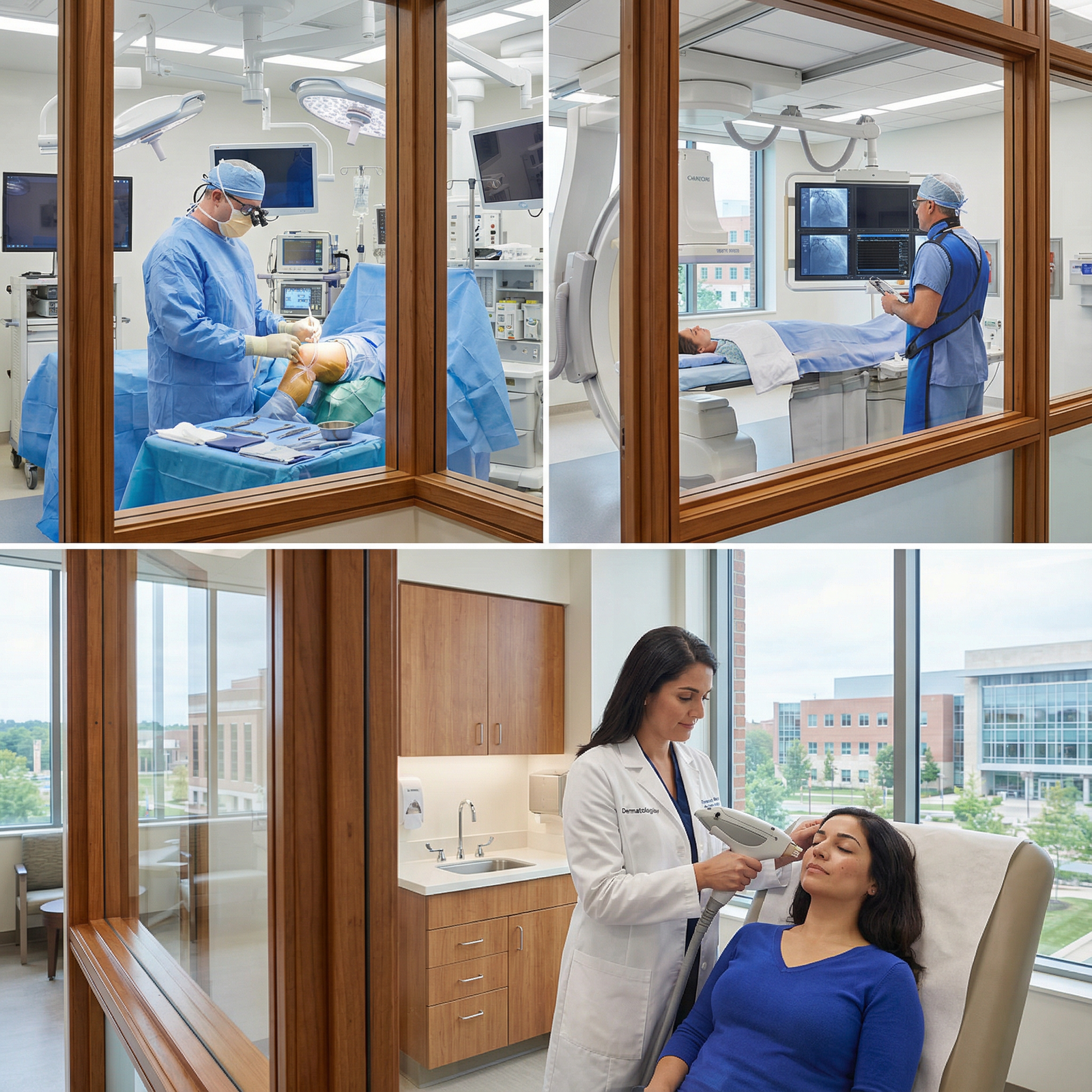
Choosing a medical specialty is one of the most consequential decisions in a physician’s career. Alongside interest, aptitude, and lifestyle, long‑term earning potential often plays a significant role—especially for those graduating with substantial educational debt. Certain medical specialties consistently offer Six-Figure Salaries and above, reflecting the intensity of training, complexity of care, and market demand for these skills.
Below is an in‑depth guide to 10 of the highest-paid Medical Specialties, why they command such strong compensation, and what you should consider as a medical student or resident planning your Healthcare Career. Salary ranges are approximate and can vary based on geography, experience, call burden, practice type, and productivity.
1. Orthopedic Surgery: Musculoskeletal Experts with Top-Tier Earnings
Orthopedic surgery is consistently at or near the top of Physician Earnings surveys. These specialists manage the bones, joints, ligaments, tendons, and muscles that keep patients moving.
Scope of Practice
Orthopedic surgeons treat conditions such as:
- Traumatic fractures and dislocations
- Degenerative joint disease (e.g., hip and knee osteoarthritis)
- Sports injuries (e.g., ACL tears, rotator cuff tears)
- Spinal disorders and deformities
- Pediatric orthopedic conditions (e.g., clubfoot, scoliosis)
Subspecialties include sports medicine, spine, hand, foot and ankle, trauma, and joint replacement. Many surgeons focus heavily on operative care, though conservative management and rehabilitation coordination are also important.
Typical Earnings and Practice Models
Orthopedic surgeons often earn $500,000 to $700,000+ annually, with certain subspecialties (like spine) and high-volume private practice settings exceeding these ranges.
Factors that influence income:
- Procedure-heavy practice (joint replacements, spine, arthroscopy)
- Ownership stake in ambulatory surgery centers (ASC)
- Geographic region (higher pay in rural or underserved areas)
- Call coverage and trauma center work
Why Orthopedic Surgery Pays So Well
- High procedural volume and reimbursement: Major surgeries such as total joint replacements bring substantial facility and professional fees.
- Aging population: Demand for hip and knee replacements continues to grow.
- Injury prevalence: Sports injuries and trauma keep case volumes high.
- Opportunity for ancillary revenue: Physical therapy, imaging, ASCs, and group practice arrangements can increase total compensation.
Training Path and Lifestyle Considerations
- Training: 5-year orthopedic surgery residency, often followed by 1–2 years of fellowship (sports, spine, etc.).
- Lifestyle: Busy OR days, frequent call (particularly in trauma centers), and physically demanding work.
- Fit: Best suited to those who enjoy surgery, teamwork, hands-on procedures, and seeing rapid functional improvement in patients.
2. Cardiology: High-Demand Specialists for a Growing Cardiac Burden
Cardiology remains one of the most coveted and financially rewarding Healthcare Careers. Cardiologists manage some of the most common and lethal conditions worldwide.
Scope of Practice
Cardiologists diagnose and treat:
- Coronary artery disease and myocardial infarction
- Arrhythmias and heart failure
- Hypertension and hyperlipidemia
- Valvular and congenital heart disease
Subspecialties include interventional cardiology, electrophysiology (EP), advanced heart failure, and imaging.
Earnings Across Cardiology Subspecialties
- General (non-invasive) cardiology: ~$400,000 to $500,000+
- Interventional cardiology: $500,000 to $700,000+
- Electrophysiology: often similar to or higher than interventional depending on volume
Hospital employment, academic vs. private practice, call responsibilities, and revenue from procedures (cath, stents, ablations, structural heart work) all shape total compensation.
Why Cardiology Is Highly Compensated
- High disease prevalence: Cardiovascular disease is a leading cause of death globally.
- Life-saving interventions: Urgent procedures (PCI, stenting) drive high reimbursement.
- Complex, longitudinal care: Many patients require lifelong follow-up, medication titration, and advanced imaging.
- Procedural subspecialties: Interventional cardiologists and EP specialists perform resource-intensive procedures that command premium pay.
Training Path and Lifestyle Considerations
- Training: 3-year internal medicine residency + 3-year cardiology fellowship, with additional fellowship (1–2 years) for interventional or EP.
- Lifestyle: High call intensity (especially for interventional), night and weekend emergencies, but rewarding outcomes.
- Fit: Ideal for those who enjoy complex pathophysiology, interpreting imaging, and performing time-sensitive procedures under pressure.

3. Dermatology: High Earnings with Lifestyle Flexibility
Dermatology combines strong Physician Earnings with relatively favorable hours and lifestyle, making it one of the most competitive Medical Specialties.
Scope of Practice
Dermatologists manage:
- Skin cancers (basal cell, squamous cell, melanoma)
- Acne, psoriasis, eczema, and other inflammatory conditions
- Hair and nail disorders
- Cosmetic concerns (aging skin, scars, pigment changes)
Subspecialties include Mohs surgery, pediatric dermatology, and dermatopathology.
Income Streams and Typical Salaries
Dermatologists typically earn $350,000 to $600,000+ annually, with variation depending on:
- Volume of cosmetic procedures (Botox, fillers, laser therapy, peels)
- Practice ownership and self-pay services
- Geographic location and patient demographics
Cosmetic dermatology, often paid out-of-pocket, can significantly increase income because reimbursement is not constrained by insurers.
Why Dermatology Is Financially Attractive
- Mix of medical and cosmetic care: Adds multiple revenue streams.
- High demand with limited supply: Few residency spots and aging population.
- Outpatient-focused practice: Efficient schedules and high patient throughput.
- Lower malpractice risk compared with many surgical and procedural fields.
Training Path and Lifestyle Considerations
- Training: 1-year intern year + 3-year dermatology residency; optional fellowships (Mohs, dermpath, cosmetics).
- Lifestyle: Largely outpatient, predictable hours, minimal emergent call.
- Fit: Great for those who enjoy visual diagnosis, procedures, patient continuity, and a controlled schedule.
4. Gastroenterology: High-Volume Procedures and Strong Compensation
Gastroenterology (GI) blends cognitive medicine with procedural work and is a major contributor to Six-Figure Salaries in internal medicine subspecialties.
Scope of Practice
GI physicians care for:
- GERD, peptic ulcer disease, and dyspepsia
- Inflammatory bowel disease (Crohn’s, ulcerative colitis)
- Hepatitis and other liver diseases
- Pancreatic and biliary disorders
- Colorectal cancer screening and polyp surveillance
Earnings and Procedure-Driven Income
Gastroenterologists commonly earn $400,000 to $600,000+ annually. Key factors include:
- Volume of endoscopic procedures (EGD, colonoscopy, ERCP, EUS)
- Ownership in endoscopy centers or ASCs
- Mix of hospital-based vs. office-based practice
- Regional demand for screening and advanced procedures
Why GI Is Highly Paid
- High demand for colorectal cancer screening: Colonoscopies are a major revenue generator.
- Complex chronic disease management: IBD, cirrhosis, and hepatology require specialized care.
- Procedural skillset: Advanced endoscopy and therapeutic procedures command higher reimbursement.
Training Path and Lifestyle Considerations
- Training: 3-year internal medicine residency + 3-year GI fellowship; additional hepatology or advanced endoscopy fellowship possible.
- Lifestyle: Mix of clinic, endoscopy suite, and inpatient consults. Call can be demanding (GI bleeds, emergent ERCP).
- Fit: Good for those who enjoy procedures, longitudinal patient care, and managing complex internal medicine issues.
5. Radiology: Diagnostic Experts with Broad Impact
Radiologists play a central role in modern Healthcare Careers, providing critical diagnostic information for nearly every specialty.
Scope of Practice
Radiologists interpret:
- X-rays, CT, and MRI scans
- Ultrasound and nuclear medicine studies
- Mammography and interventional procedures
Subspecialties include neuroradiology, interventional radiology (IR), musculoskeletal, and pediatric radiology.
Earnings Across Radiology Roles
General diagnostic radiologists often earn $400,000 to $600,000+ per year, while interventional radiologists may exceed this due to procedural work.
Compensation factors include:
- Practice type (private group vs. academic vs. teleradiology)
- Subspecialty training and call burden
- Case mix (ER, inpatient, outpatient imaging centers)
Why Radiology Is Well Compensated
- Dependence on imaging: Almost all specialties rely on radiology for diagnosis and management.
- High volume: Efficient radiologists interpret large numbers of studies per day.
- Interventional procedures: IR provides minimally invasive alternatives to surgery, with strong reimbursement.
- Flexibility: Teleradiology and remote work options can enhance lifestyle while maintaining income.
Training Path and Lifestyle Considerations
- Training: 1-year internship + 4-year diagnostic radiology residency; IR typically requires additional dedicated training.
- Lifestyle: Variable; some shifts allow for predictable schedules, while ER or IR work involves nights and call.
- Fit: Ideal for those who enjoy pattern recognition, technology, and indirect yet pivotal patient care.
6. Anesthesiology: Guardians of Perioperative Safety
Anesthesiologists are crucial members of surgical teams, responsible for keeping patients safe and comfortable before, during, and after procedures.
Scope of Practice
Anesthesiologists:
- Administer general, regional, and local anesthesia
- Manage airways, hemodynamics, and pain control
- Provide critical care in ICUs (for some)
- Oversee perioperative medicine and enhanced recovery protocols
Subspecialties include cardiac anesthesia, pediatric anesthesia, pain medicine, and critical care.
Income and Practice Environments
Typical salaries for anesthesiologists range from $400,000 to $450,000+, with higher earnings in:
- High-demand regions or rural hospitals
- Cardiac and transplant centers
- Pain management practices (particularly interventional pain)
Practice settings may include hospital employment, private groups, academic departments, or independent pain clinics.
Why Anesthesiology Is Well Paid
- Essential role in surgery: No operating room runs without anesthesia coverage.
- High acuity: Responsibilities for airway, cardiovascular stability, and rapid intervention demand high skill.
- Procedural expertise: Regional blocks, epidurals, and pain procedures add to revenue.
Training Path and Lifestyle Considerations
- Training: 4-year anesthesiology residency (with intern year built in), plus optional 1-year fellowship.
- Lifestyle: Mix of scheduled cases and emergent call; some practices allow shift-based work with limited home call.
- Fit: Strong choice if you enjoy physiology, pharmacology, acute care, and team-based OR environments.
7. Urology: Surgical Care of the Urinary Tract and Male Reproductive System
Urology offers a blend of surgery, clinic-based medicine, and procedural work—with robust compensation and steady demand.
Scope of Practice
Urologists diagnose and treat:
- Prostate, bladder, and kidney cancers
- Kidney stones and urinary obstruction
- Benign prostatic hyperplasia (BPH)
- Incontinence and pelvic floor disorders
- Male infertility and sexual dysfunction
Earnings and Practice Dynamics
Urologists often earn $300,000 to $600,000+, with higher incomes linked to:
- High surgical volume (TURPs, prostatectomies, stone procedures)
- Robotic surgery expertise
- Practice ownership and ancillary services (e.g., in-office procedures, imaging)
Why Urology Is Financially Rewarding
- Aging population: BPH, malignancies, and incontinence become more prevalent with age.
- Procedure-intense specialty: Endoscopic and robotic surgeries are well reimbursed.
- Growing awareness of men’s health: Increasing patient willingness to seek treatment for ED and other issues.
Training Path and Lifestyle Considerations
- Training: 5–6 years of urology residency; optional fellowships in oncology, female pelvic medicine, infertility, etc.
- Lifestyle: OR days, clinic days, and call that includes emergent stone cases and urinary retention.
- Fit: Good for those drawn to surgery, technology (e.g., robotics), and longitudinal patient relationships.
8. Ophthalmology: Vision-Saving Surgeons with Strong Earnings
Ophthalmologists safeguard vision and maintain ocular health, often combining high-volume surgery with clinic-based care.
Scope of Practice
Ophthalmologists manage:
- Cataracts, glaucoma, and macular degeneration
- Diabetic eye disease and retinal detachments
- Refractive errors (LASIK, PRK)
- Pediatric eye conditions and strabismus
Subspecialties include retina, cornea, glaucoma, pediatric ophthalmology, and oculoplastics.
Income and Revenue Drivers
Ophthalmologists typically earn $350,000 to $500,000+ annually, influenced by:
- Surgical volume (especially cataracts and retina procedures)
- Refractive and cosmetic surgeries that are often cash-pay
- Ownership in surgical centers or optical shops
Why Ophthalmology Pays Well
- High demand: Cataract surgery is one of the most commonly performed surgeries worldwide.
- Procedural efficiency: Short, high-throughput surgeries can be highly profitable.
- Aging demographics: Age-related eye diseases are increasingly common.
Training Path and Lifestyle Considerations
- Training: 1-year internship + 3-year ophthalmology residency; 1–2 years additional for subspecialty fellowships.
- Lifestyle: Largely elective surgery, limited emergencies (except retina and trauma), generally predictable hours.
- Fit: Excellent for those who value microsurgery, precision, and restoring or preserving sight.
9. Emergency Medicine: High-Energy Frontline Care with Competitive Pay
Emergency medicine (EM) physicians are the first point of contact for acute illnesses and injuries in the hospital setting.
Scope of Practice
EM physicians:
- Stabilize trauma and critically ill patients
- Diagnose and manage undifferentiated complaints
- Perform procedures (intubation, central lines, reductions, laceration repairs)
- Coordinate care and determine admissions vs. discharges
Compensation and Schedule-Based Pay
Emergency physicians generally earn $350,000 to $500,000+, with total income shaped by:
- Hourly rate × number of shifts
- Rural vs. urban EDs (rural sometimes pay more for recruitment)
- Partnership-track vs. staffed by national contract management groups
Why Emergency Medicine Offers Strong Earnings
- Shift-based work: Nights, weekends, and holidays often pay a premium.
- Universal need: Every hospital with an ED requires EM coverage 24/7.
- High-intensity environment: Skill in managing life-threatening emergencies is highly valued.
Training Path and Lifestyle Considerations
- Training: Typically a 3- or 4-year EM residency.
- Lifestyle: Variable; flexible scheduling, but nontraditional hours can affect sleep and family time.
- Fit: Appeals to those who like fast-paced environments, variety, team-based care, and no long-term panel of patients.
10. Psychiatry: Growing Demand and Expanding Compensation
Psychiatry has historically been mid-range for Physician Earnings, but rapidly rising demand and expanded telemedicine have significantly improved compensation.
Scope of Practice
Psychiatrists treat:
- Mood and anxiety disorders
- Psychotic disorders
- Substance use disorders
- Neurocognitive and neurodevelopmental conditions
They may provide medication management, psychotherapy, or both, and they work in outpatient clinics, hospitals, residential facilities, and telepsychiatry platforms.
Earnings and Practice Flexibility
Psychiatrists commonly earn $250,000 to $350,000+, but:
- Outpatient private practice can exceed these ranges.
- Child and adolescent psychiatry and forensic psychiatry often command higher rates.
- Telepsychiatry and locums work can boost overall income.
Why Psychiatry Is Increasingly Lucrative
- Severe provider shortage: Demand outstrips supply in many regions.
- Growing mental health awareness: More patients seek care than ever before.
- Telemedicine compatibility: Remote visits expand patient reach and efficiency.
Training Path and Lifestyle Considerations
- Training: 4-year psychiatry residency; fellowships (e.g., child and adolescent, addiction, forensic, geriatric) add 1–2 years.
- Lifestyle: Often outpatient, with a focus on scheduled visits; call burden varies by setting.
- Fit: Ideal for those interested in mind–brain relationships, communication, and longitudinal therapeutic relationships.

Key Factors That Influence Physician Earnings Across Specialties
Regardless of specialty, several variables significantly affect income:
Practice Setting
- Private practice: Often higher earning potential, especially with ownership in ancillary services, but greater business risk and administrative burden.
- Hospital-employed: More predictable income and benefits, less practice management responsibility.
- Academic medicine: Typically lower base salaries but with prestige, teaching/research opportunities, and sometimes supplemental income from clinical work.
Geography
Rural or underserved areas may offer:
Higher salaries or sign-on bonuses
Loan repayment incentives
Greater autonomy and broader scope of practice
Urban and coastal regions may pay less per RVU but offer lifestyle or academic advantages.
Experience and Productivity
- Physicians’ earnings often rise with years in practice, increased efficiency, and a stable referral base.
- Productivity incentives (RVU-based or collections-based) can substantially increase income for high-volume clinicians.
Subspecialization and Additional Training
- Additional fellowships often open doors to higher-paying niches (e.g., interventional cardiology, Mohs surgery, IR, EP).
- However, extended training delays peak earning years and may extend time with trainee-level income.
Strategic Advice for Medical Students and Residents
1. Balance Passion with Pragmatism
Salary should be one factor—not the only factor—in specialty choice. Ask yourself:
- Do I genuinely enjoy the daily work of this specialty?
- Can I see myself doing these tasks for 30+ years?
- Does the lifestyle (hours, call) align with my personal goals?
2. Understand the Full Financial Picture
When evaluating potential Six-Figure Salaries, consider:
- Duration and cost of training (e.g., extra years of fellowship)
- Expected loan repayment strategies and timelines
- Malpractice premiums and overhead costs in different practice models
3. Seek Real-World Exposure
- Rotate in multiple specialties, including some you initially overlooked.
- Ask attendings about their typical week, schedule, and income structure.
- Consider shadowing in private practice as well as academic settings.
4. Plan for Flexibility
Healthcare and reimbursement models change. Choosing specialties with broad skills, adaptability (e.g., telemedicine, procedural skills), or multiple practice environments can help you maintain strong Physician Earnings across your career.
FAQ: High-Paying Medical Specialties and Career Planning
Q1: How reliable are salary ranges for medical specialties, and where can I find up-to-date data?
Salary ranges are estimates and can change yearly. More precise data are available from MD surveys (e.g., Medscape Physician Compensation Report), specialty society surveys, and MGMA reports. Use multiple sources and talk with practicing physicians in your region to understand realistic local earnings.
Q2: Do higher-paying specialties always mean worse work-life balance or more burnout?
Not necessarily. Some high-paying fields (e.g., dermatology, ophthalmology) are known for relatively favorable lifestyles. Burnout is multifactorial and depends on organizational culture, call schedules, autonomy, and personal coping strategies. Many physicians in high-acuity fields (e.g., emergency medicine, cardiology) report high career satisfaction despite intensity.
Q3: How much does medical school debt really influence specialty choice?
For some trainees, heavy debt nudges them toward higher-earning specialties. However, income-driven repayment plans, loan forgiveness programs, and geographic incentives can lessen this pressure. Choosing a specialty solely for income, without genuine interest, increases the risk of dissatisfaction later.
Q4: Are there non-clinical ways for physicians to increase income regardless of specialty?
Yes. Physicians across all Medical Specialties may supplement income through:
- Medical consulting (pharma, device companies, startups)
- Teaching, exam preparation courses, or academic roles
- Expert witness work or medico-legal consulting
- Telemedicine or locum tenens shifts
- Administrative leadership (CMO, department chair)
Q5: What’s the best way to explore these high-paying specialties during training?
Maximize elective rotations in your areas of interest, attend specialty interest group meetings, find mentors early, and ask for honest conversations about lifestyle and finances. Consider away rotations or observerships to see different practice environments. Use this exposure to align your choice with both your passions and your long-term financial goals.
Selecting a specialty is ultimately about fit: aligning who you are with how you want to practice medicine. Understanding which Medical Specialties offer Six-Figure Salaries and beyond is valuable, but the most sustainable Healthcare Career is one that balances Physician Earnings with purpose, lifestyle, and long-term professional fulfillment.