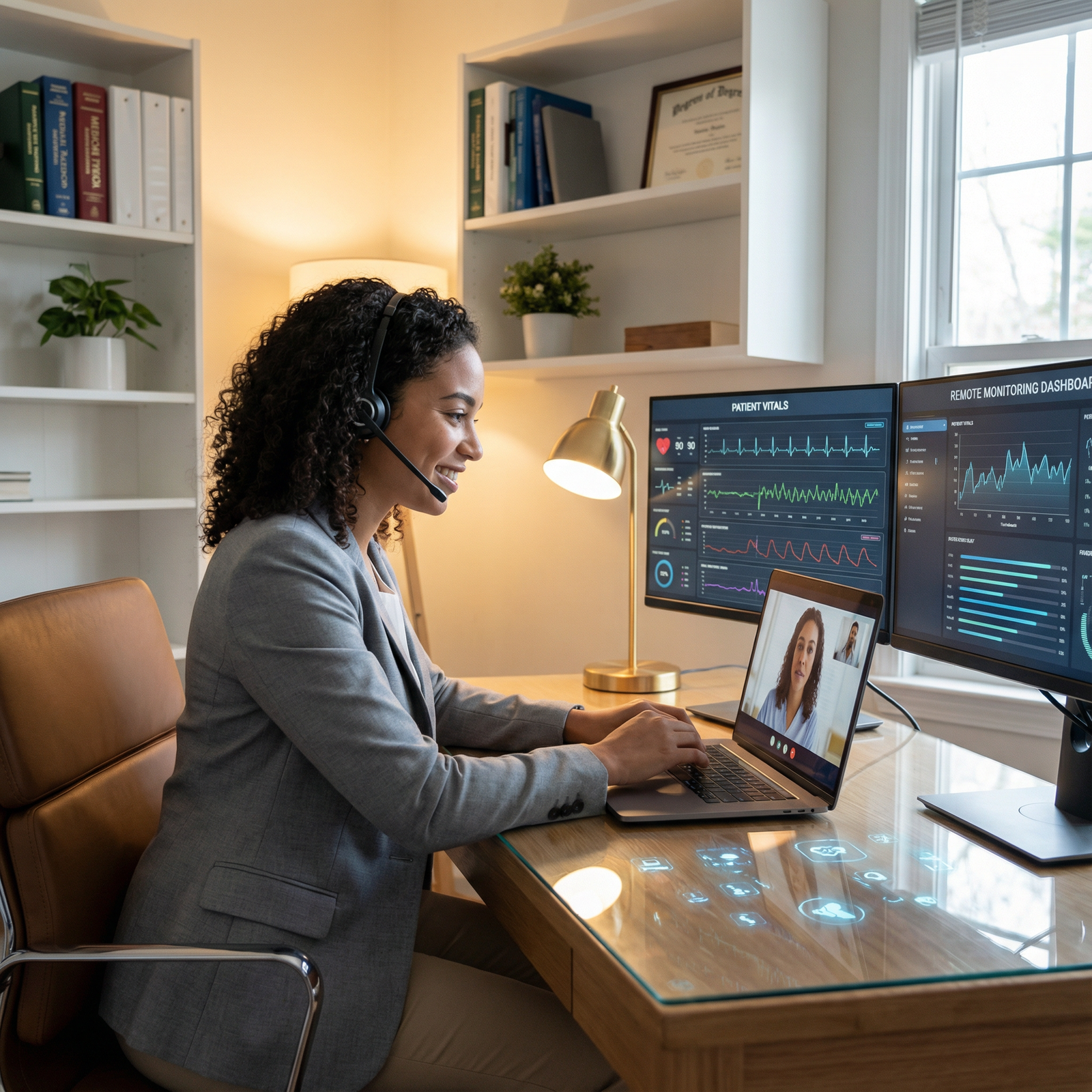
How Telehealth is Changing the Game: Side Hustles for Modern Physicians
Telehealth has moved from fringe concept to foundational pillar of modern healthcare. For physicians at every stage—from residents to seasoned attendings—this shift isn’t just about new tools for Remote Patient Care. It’s also unlocking meaningful Physician Side Hustles and avenues for Medical Entrepreneurship that simply didn’t exist a decade ago.
As healthcare systems, payers, and patients normalize virtual care, clinicians who intentionally leverage Telehealth can design flexible, scalable income streams that align with their expertise, values, and lifestyle. This guide explores how Telehealth is reshaping physician careers and outlines practical, high-yield side hustle ideas grounded in real-world examples.
The Telehealth Revolution and Why It Matters for Physicians
Telehealth, broadly defined, is the delivery of healthcare services via digital communication—video, phone, secure messaging, apps, and remote monitoring devices. Once a niche offering, it became a lifeline during the COVID-19 pandemic.
From Emergency Solution to Permanent Infrastructure
Multiple surveys from major medical organizations show:
- Telehealth visits increased over 150% early in the pandemic and have stabilized at many times pre‑2020 levels.
- Behavioral health, primary care, dermatology, and certain subspecialties now routinely use virtual visits.
- Many major health systems plan to keep hybrid models permanently, integrating in‑person and virtual workflows.
For physicians, this isn’t just a clinical shift—it’s a structural one. The barriers that once made side work difficult (geography, commuting, clinic space, rigid schedules) have been dramatically lowered.
Key Benefits of Telehealth for Physician Side Hustles
Telehealth-based Physician Side Hustles offer a combination of income potential, impact, and flexibility that traditional moonlighting often cannot match.
Increased Accessibility for Patients—and You
- See patients in rural, underserved, or specialist-scarce regions (where you are licensed).
- Reach niche populations (e.g., postpartum women, adolescents, shift workers) who struggle to attend in-person visits.
- Build patient panels that fit your clinical interests (e.g., migraine management, PCOS, ADHD follow-up).
Flexible Scheduling Around a Full-Time Job
- Stack evening or weekend tele-visits from home, without commuting to another facility.
- Open short “micro-clinic” blocks (e.g., 2–3 hours twice a week).
- Pause or ramp up your side work based on your main clinical workload, exam schedules, or life events.
Lower Overhead and Startup Barriers
- No need to lease clinic space or hire front-desk staff.
- Many Telehealth platforms handle scheduling, payment processing, and documentation templates.
- You can test ideas (e.g., a niche clinic or program) with minimal upfront cost.
Diversified Income and Career Risk Mitigation
- A Telehealth side hustle creates a separate revenue stream independent of your primary employer.
- You can experiment with Healthcare Innovation—new service models, digital tools, or educational products—without leaving your day job.
- This diversification can buffer against burnout, contract changes, or institutional instability.
Work–Life Integration
- Conduct visits from a home office, reducing commute-related fatigue.
- Achieve more control over how and when you work, which can be particularly valuable during residency, early parenthood, or career transitions.
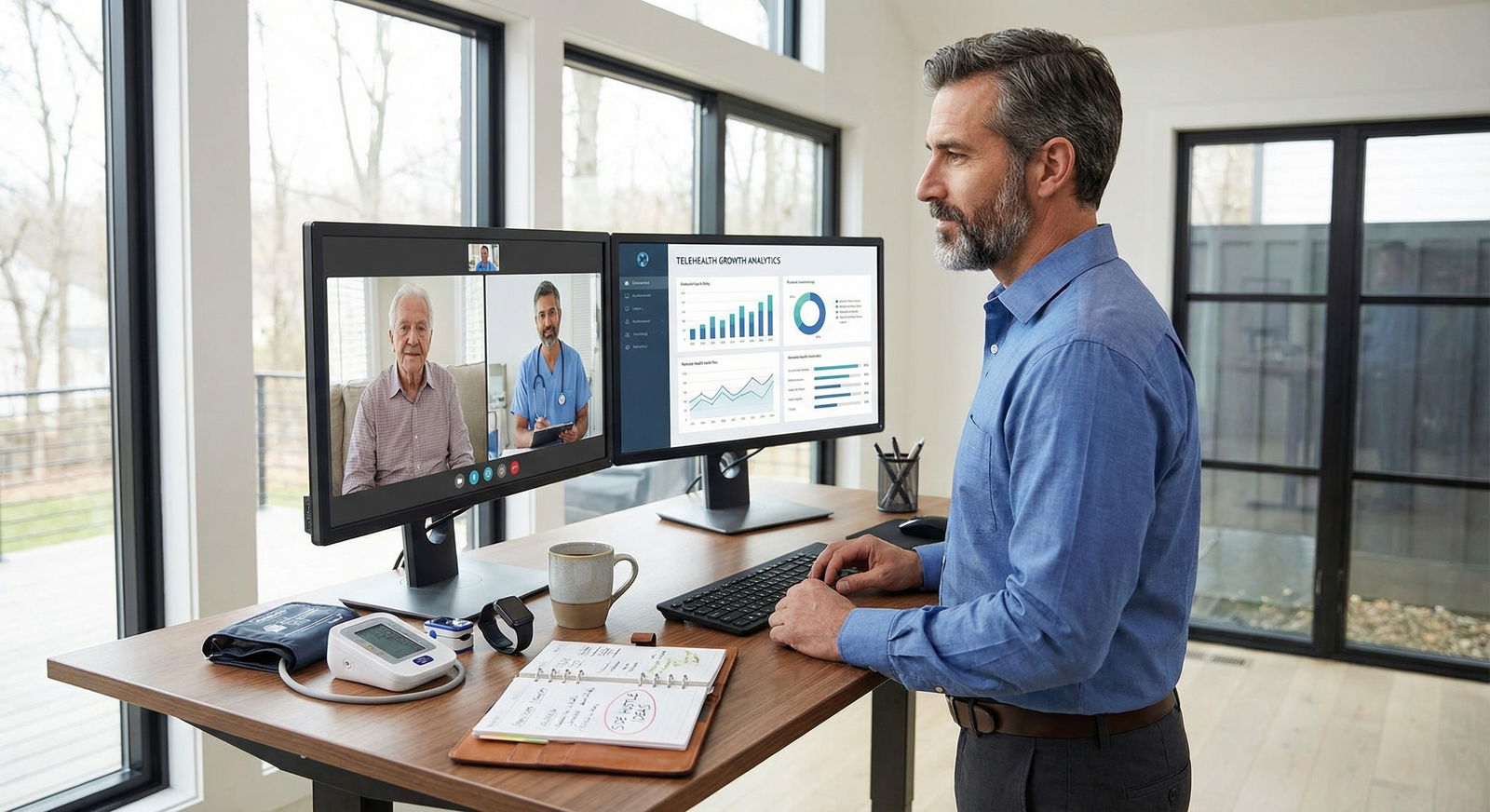
Popular Telehealth Side Hustles for Modern Physicians
Below are practical, high-yield Telehealth-based side hustles. Each can be adapted for residents, fellows, or attendings, depending on licensing, schedule, and institutional policies.
1. Online Consultations and Second Opinions
Offering virtual consultations and second opinions is one of the most straightforward Telehealth side hustles. It leverages your core clinical skills without the need to build an entirely new business model.
What This Side Hustle Looks Like
- Synchronous visits: Video or phone consultations for acute issues (where appropriate), chronic disease follow-up, or specialist input.
- Asynchronous consults: Chart or imaging reviews, secure messaging-based advice, structured second opinions.
- Niche consultations: Focused virtual clinics (e.g., “headache clinic,” “post-COVID complications,” “fertility counseling for women with autoimmune disease”).
You can either:
- Contract with established Telehealth companies, or
- Build your own micro-practice using HIPAA-compliant platforms and payment tools.
Real-World Example
Dr. Sarah, a board-certified dermatologist, started with a few evening Teledermatology sessions per week. She offered:
- Virtual acne and rosacea follow-ups
- Photo-based assessments for rashes
- Cosmetic dermatology counseling
Because she held licenses in multiple states, she quickly expanded her catchment area. She gradually transitioned from purely fee-for-service visits to a hybrid model: short one-time consults plus subscription-based follow-ups for chronic skin conditions.
Actionable Tips
- Verify state Telehealth and prescribing laws—especially for controlled substances and online-only care.
- Clarify whether your primary contract allows outside clinical work. Get necessary approvals in writing.
- Use clear patient-facing language: “Virtual second opinion in [specialty]” ranks better in search and conveys value.
- Consider offering structured packages (e.g., “initial consult + 2 follow-ups over 3 months”) rather than only one-off visits.
2. Virtual Health Coaching and Lifestyle Medicine Services
Health coaching sits at the intersection of Remote Patient Care, prevention, and Medical Entrepreneurship. While “health coaching” is not medical care per se, physicians can design evidence-based coaching programs that complement traditional treatment.
What Physicians Can Offer
- Chronic disease lifestyle management: diabetes, hypertension, obesity, dyslipidemia
- Preventive medicine programs: cancer risk reduction, cardiovascular risk management
- Niche wellness programs: sleep optimization, peri-menopausal health, plant-based transitions, physician wellness
Unlike standard visits, coaching can be structured as:
- Individual sessions
- Group coaching programs
- Fixed-term cohorts (e.g., 8-week or 12-week programs)
These formats can create more predictable revenue and better scale.
Real-World Example
Dr. Mark, an internist with a passion for Lifestyle Medicine, built an online 12-week “Metabolic Reset Program” that included:
- Weekly Telehealth group sessions
- Asynchronous Q&A via a secure app
- Evidence-based nutrition and exercise modules
He marketed primarily to adults with prediabetes and metabolic syndrome. Over time, testimonials and outcome data (e.g., weight loss, A1c improvement) helped him attract corporate contracts for employee wellness.
Legal and Ethical Considerations
- Clearly differentiate coaching from clinical care in your materials and contracts.
- Avoid diagnosing or prescribing within a coaching-only framework unless integrated into a licensed clinical service.
- Discuss malpractice coverage with your insurer—some will explicitly cover lifestyle counseling; others may require endorsement updates.
How to Get Started
- Take an accredited Lifestyle Medicine, obesity medicine, or health coaching course to sharpen your skill set and credibility.
- Use Telehealth-friendly platforms with group video capability and secure messaging.
- Start with a pilot cohort (e.g., 10–15 participants) to refine your curriculum before scaling.
3. Teletherapy and Virtual Mental Health Services
Mental health is one of the best-aligned specialties for Telehealth. For psychiatrists, primary care physicians with additional training, or physicians with dual degrees in psychology, Teletherapy is a powerful side hustle that also addresses a massive access gap.
Why Teletherapy Is in High Demand
- Persistent shortage of mental health professionals
- High patient comfort with video sessions for psychotherapy and medication management
- Reduced stigma when patients can connect from home
- Insurance and employers increasingly covering virtual behavioral health
Real-World Example
Dr. Carla, a psychiatrist, opened a small Telepsychiatry practice focusing on:
- Young adults with anxiety and depression
- Healthcare workers experiencing burnout
- ADHD medication management (within regulatory limits)
She grew her panel largely through word-of-mouth and a modest social media presence that emphasized privacy, flexibility, and stigma-free access. Her Telehealth side practice eventually matched a full clinical FTE income, all with work scheduled around her primary role.
Practical Considerations
- Stay current with DEA and state prescribing rules for controlled substances via Telehealth.
- Ensure your Telehealth platform supports high-quality video and secure documentation.
- Offer diverse appointment times—early morning, lunch hour, or later evenings—to accommodate working professionals.
- Consider integrating asynchronous tools: mood trackers, validated scales, and secure messaging for between-visit support.
4. Educational Webinars, Online Courses, and Virtual Workshops
Educational content is a cornerstone of Healthcare Innovation. Physicians are well-positioned to lead virtual education for patients, caregivers, other clinicians, and even industry partners.
Types of Educational Telehealth Side Hustles
Patient-Facing Webinars
- Topics: chronic disease self-management, pregnancy education, pediatric care basics, cancer survivorship.
- Monetization: ticketed events, sponsorship, bundled access with a membership or coaching program.
Clinician Education and CME
- Topics: guideline updates, practical “how-to” skills (e.g., ECG interpretation), Telehealth best practices.
- Monetization: honoraria, CME course fees, institutional contracts.
Institution or Employer-Sponsored Workshops
- Corporate wellness talks, stress management workshops, ergonomics and musculoskeletal health, etc.
Real-World Example
Dr. James, an internist, started a low-cost monthly webinar series on diabetes self-management. He:
- Partnered with a local diabetes nonprofit for outreach
- Recorded the sessions and turned them into a paid on-demand course
- Used the webinar Q&A data to design a higher-ticket 6-week intensive workshop
His reputation as a diabetes educator also led to invitations for CME talks and consulting on digital diabetes management tools.
Tips for Effective Online Medical Education
- Focus on a very specific problem (e.g., “Reducing nighttime hypoglycemia”) rather than broad, generic topics.
- Use clear visuals and analogies; avoid jargon when speaking to the public.
- Offer downloadable checklists, templates, or handouts to increase perceived value.
- Record and repurpose content: a live webinar can become a course, podcast episode, or blog series.
5. Remote Patient Monitoring (RPM) and Chronic Care Management
Remote Patient Monitoring combines Telehealth, data, and longitudinal care. It’s particularly powerful as both a side hustle and a value-based care tool.
What RPM Involves
- Patients use connected devices (glucometers, blood pressure cuffs, pulse oximeters, weight scales, wearables).
- Data flows into a dashboard monitored by clinicians or care teams.
- Physicians review trends, adjust treatment, and intervene early to prevent complications.
RPM can be structured as:
- An extension of your existing practice (if you own or co-own it).
- A side role working for a startup or health system that runs centralized RPM programs.
Real-World Example
Dr. Lisa, a family physician, integrated RPM for her diabetic and hypertensive patients. With the support of an RPM vendor and remote nursing staff:
- Patients submitted daily readings from home.
- Dr. Lisa reviewed flagged outliers several afternoons each week.
- She charged reimbursable RPM codes in eligible patients, adding a significant revenue stream while reducing hospitalizations.
Considerations for Building an RPM Side Hustle
- Understand the billing and documentation requirements in your country or region.
- Evaluate vendor platforms carefully—workflow integration is key.
- Start with one or two conditions (e.g., hypertension and heart failure) before expanding.
- Track outcomes (blood pressure control, A1c improvement, fewer ED visits) to demonstrate value to payers or potential partners.
6. Medical Content Creation and Digital Thought Leadership
As patients increasingly turn to the internet for health information, there’s a strong demand for accurate, accessible medical content. For physicians, content creation is both an educational mission and a Telehealth-adjacent side hustle.
Content Formats Physicians Can Create
- Written: blogs, newsletter series, ebooks, patient handouts.
- Audio: podcasts on niche topics (e.g., women’s cardiology, rural health, trainee wellness).
- Video: YouTube channels, TikTok or Instagram Reels, explainer videos embedded in Telehealth platforms.
Monetization routes include:
- Ad revenue (YouTube, blog ads)
- Sponsorships and brand partnerships (with strict attention to ethics and disclosures)
- Paid subscriptions or premium content tiers
- Driving patients to your Telehealth practice or courses
Real-World Example
Dr. Alex, an emergency physician, started a YouTube channel demystifying complex topics like chest pain workups, stroke recognition, and pediatric fevers. His channel:
- Grew to hundreds of thousands of subscribers
- Generated steady ad revenue
- Led to paid speaking, consulting, and co-creation of an online course for parents
He also used his platform to promote evidence-based Telehealth triage and appropriate emergency care utilization.
Best Practices for Physician Content Creators
- Stay within your scope of practice and avoid direct personal medical advice online.
- Include clear disclaimers that content is for educational purposes only.
- Be transparent about conflicts of interest and sponsorships.
- Repurpose content across platforms (e.g., one video → blog post → email newsletter) to maximize reach with minimal extra time.
7. Telehealth Consulting and Digital Health Strategy
If you have experience implementing Telehealth programs, navigating regulations, or working with digital tools, Telehealth consulting is a high-leverage way to participate in Healthcare Innovation.
Who Needs Telehealth Consultants?
- Small practices shifting to hybrid models
- Hospitals and health systems scaling virtual care
- Startups building Telehealth platforms or remote care solutions
- Employer clinics designing virtual-first benefits
Consulting work may include:
- Workflow design and virtual clinic protocols
- Provider training and Telehealth etiquette
- Regulatory and licensing strategy
- KPI and outcome measurement frameworks
- Technology selection and integration
Real-World Example
Dr. Tara, a family medicine physician, led Telehealth implementation at her health system. She then began advising smaller clinics and digital health startups on:
- Designing virtual primary care workflows
- Training clinicians in virtual bedside manner
- Ensuring compliance with privacy and security standards
Her initial part-time consulting side hustle evolved into a portfolio career in Medical Entrepreneurship and healthcare strategy.
How to Break into Telehealth Consulting
- Document your Telehealth experience: metrics, before/after outcomes, lessons learned.
- Publish thought leadership content (LinkedIn posts, articles, conference presentations).
- Start with small, time-bounded projects (e.g., 3-month implementation advisory) to build case studies.
- Develop a clear services menu and rate structure (hourly, project-based, or retainer).

Practical Steps to Launch Your Telehealth Side Hustle
Turning ideas into action requires attention to logistics, legality, and sustainability.
1. Clarify Your Goals and Constraints
- Are you optimizing for extra income, schedule flexibility, future career pivot, or impact?
- How many hours per week can you realistically commit?
- Are there non-compete clauses or conflict-of-interest rules in your current contract?
Write down your “must-haves” (e.g., remote only, no nights/weekends) and “nice-to-haves” before committing to a particular side hustle.
2. Ensure Compliance and Risk Management
- Check institutional policies on outside clinical work and Telehealth.
- Confirm license coverage for all states/countries in which you’ll see patients.
- Review malpractice coverage; secure additional coverage if needed for Telehealth or coaching.
- Stay informed about Telehealth regulations—rules around cross-state practice and controlled substances are evolving.
3. Choose the Right Technology Stack
At minimum, you’ll likely need:
- A HIPAA-compliant Telehealth platform (some EHRs offer built-in video).
- Secure messaging and e-prescribing options if providing clinical care.
- An online scheduling and payment system (if operating independently).
- Basic marketing infrastructure (simple website, professional email, and possibly a booking page).
For many “starter” side hustles, an all-in-one Telehealth platform or a curated stack of tools is sufficient.
4. Start Small and Iterate
- Pilot with a narrow scope (e.g., one half-day per week of online consults, a single 4-week group program).
- Gather feedback and track outcomes (patient satisfaction, revenue per hour, no-show rate).
- Refine your processes, scripts, and educational materials before scaling.
5. Protect Your Time and Well-Being
Telehealth can make it too easy to work constantly. To avoid burnout:
- Set clear boundaries: dedicated side-hustle blocks, firm stop times, and no after-hours messages beyond agreed rules.
- Batch administrative tasks (notes, billing, content planning) into specific time windows.
- Periodically reassess: Is this side hustle still aligned with your goals and values?
Telehealth and the Future of Physician Careers
Telehealth is not a temporary pandemic-era workaround—it’s a durable shift in how care is accessed and delivered. For physicians, it opens a new landscape of:
- Portfolio careers that blend clinical practice, education, consulting, and content creation
- Medical Entrepreneurship, where clinicians are central to designing digital health products and virtual-first care models
- Scalable impact, using technology to reach more patients with better-tailored, more convenient services
Physicians who lean into this transformation—thoughtfully and ethically—can craft careers with greater autonomy, financial resilience, and professional fulfillment.
Frequently Asked Questions (FAQ)
1. What exactly counts as Telehealth, and how is it different from Telemedicine?
Telehealth is an umbrella term encompassing all technology-enabled health services: video visits, phone calls, secure messaging, Remote Patient Monitoring, patient education apps, and more.
Telemedicine is often used more narrowly to describe clinical encounters (diagnosis, treatment, prescribing) conducted remotely. Many physician side hustles—like webinars, coaching, and content creation—fall under Telehealth even if they aren’t strictly Telemedicine.
2. Can residents or fellows participate in Telehealth side hustles?
Sometimes, but with more restrictions:
- Many training programs prohibit outside clinical work or require explicit approval.
- If allowed, you must still hold an independent license in the state(s) where patients are located, and have appropriate supervision if required.
- Non-clinical Telehealth-related work (e.g., content creation, product advising, research, or educational webinars) is often more feasible during training.
Always review your GME contract and institutional policies before starting any side work.
3. What certifications or training help if I want to build a Telehealth-based side hustle?
While not always mandatory, the following can strengthen your skill set and marketability:
- Telehealth or digital health certificate programs from medical societies or universities
- Lifestyle Medicine, obesity medicine, or health coaching certification for lifestyle and wellness programs
- CME focused on Telehealth regulations, billing, and virtual communication skills
- Business or entrepreneurship courses if you plan to build a standalone Telehealth practice or tech startup
4. How can I effectively market my Telehealth services without feeling “salesy”?
Focus on service and clarity rather than hype:
- Create a simple, professional website explaining who you help, how, and what makes your approach unique.
- Share educational content on social media and professional platforms that answers common patient questions.
- Ask satisfied patients or participants (where appropriate and compliant with policies) for testimonials.
- Collaborate with primary care clinics, therapists, or community organizations who can refer to your Telehealth services.
Your goal is to make it easy for the right patients to find you—not to convince everyone to sign up.
5. What are the most common challenges physicians face when starting Telehealth side hustles?
Common pain points include:
- Navigating complex licensing and cross-state practice rules
- Managing administrative tasks (scheduling, billing, documentation) as a solo or small operator
- Ensuring robust technology infrastructure and troubleshooting patient tech issues
- Setting boundaries to prevent work from expanding into all available hours
These challenges are manageable with planning: start small, use tools that minimize admin burden, and consider partnering with existing Telehealth platforms if you prefer less operational complexity.
By combining your clinical expertise with the flexibility of Telehealth, you can design Physician Side Hustles that not only increase income, but also expand your impact and future-proof your career in an increasingly digital healthcare landscape.