Whether you're a physician, resident, nurse, PA, or other healthcare professional, your Medical Expertise is valuable far beyond the clinic walls. In an era of Telemedicine, digital health, and remote work, there has never been a better time to turn your training into flexible, diversified income streams.
This guide walks you through practical ways to monetize your medical skills outside traditional practice—without sacrificing your primary career or patient care.
Understanding “Medical Expertise for Hire”
What Does It Mean to Monetize Your Medical Expertise?
Monetizing medical expertise means using your clinical knowledge, training, and professional credibility to provide value in non-traditional ways and get paid for it. Instead of (or in addition to) billing RVUs or shift work, you create income from:
- Telemedicine visits
- Healthcare consulting for startups, law firms, payers, and health systems
- Medical writing and content creation
- Health coaching and patient education programs
- Courses, workshops, and public speaking
- Media, podcasting, and expert commentary
- Expert witness work in legal cases
You’re still practicing at the top of your license intellectually—but in broader, often more flexible, contexts.
Why Consider Non-Clinical Income Streams?
For many trainees and attendings, side work starts as a way to “patch the budget.” But the benefits go far beyond money.
1. Financial Stability and Freedom
- Tackle student loans faster
- Build savings, invest earlier, or reduce reliance on overtime
- Create “optionality” if you later want to reduce clinical hours or pivot careers
2. Burnout Prevention and Career Longevity
Non-clinical work can be:
- More creative
- Less emotionally draining
- Easier to schedule around life events
It allows you to use parts of your brain underutilized by day-to-day patient care and can reignite your interest in medicine.
3. Career Diversity and Skill Development
Side projects build skills that are increasingly valuable in leadership roles:
- Business and strategy (through Healthcare Consulting)
- Communication and teaching (through Medical Writing and education)
- Technology and product thinking (through digital health roles)
These “extras” can actually strengthen your CV and open doors to academic, industry, or administrative roles.
4. Geographic and Schedule Flexibility
Many of these income streams are:
- Remote
- Asynchronous
- Adjustable around call schedules or residency demands
This is especially helpful for dual-career families, parents, and those planning relocations.
Telemedicine: The Gateway Side Hustle for Clinicians
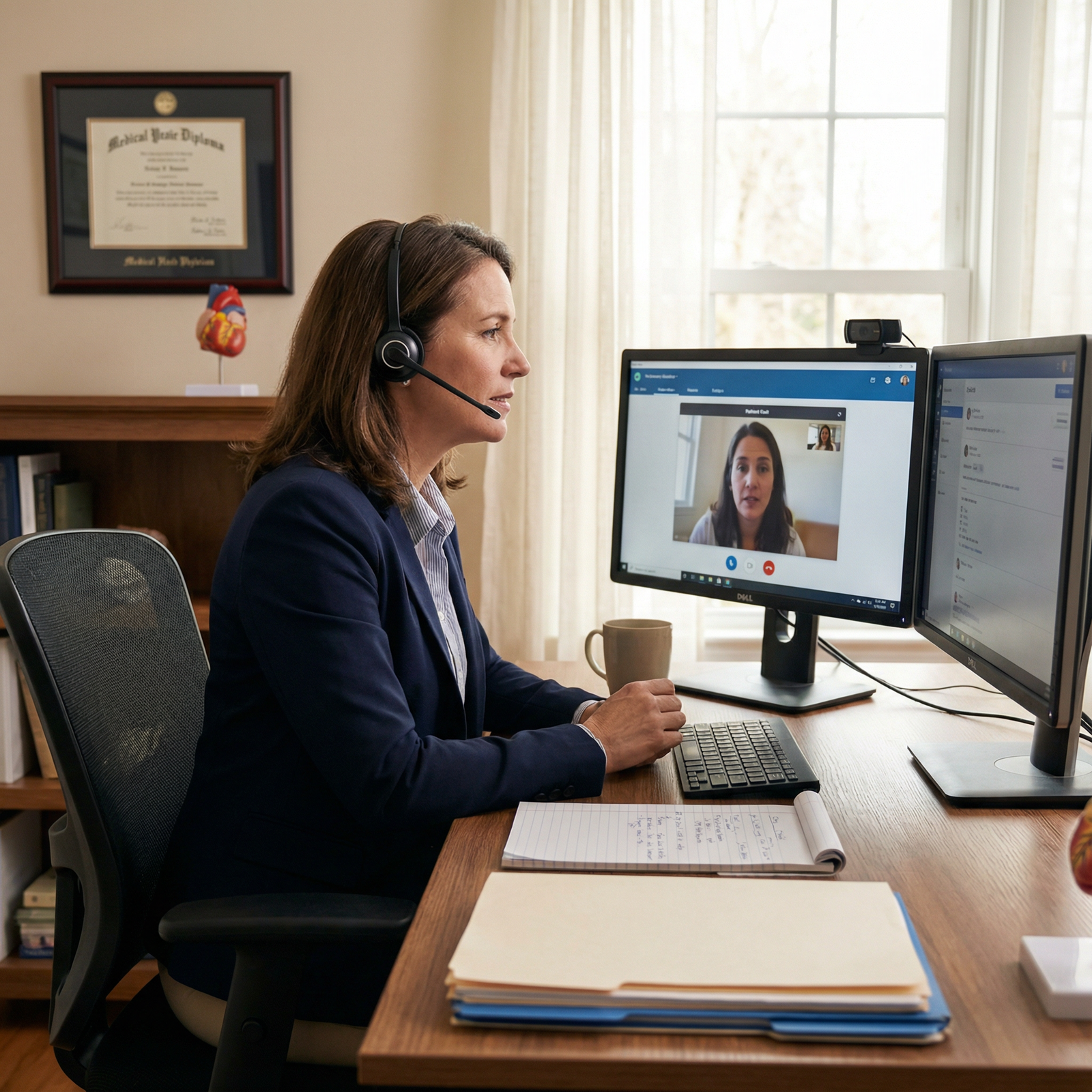
Telemedicine is often the first non-traditional path clinicians explore because it aligns directly with existing skills and licensure.
What Is Telemedicine in Practice?
Telemedicine allows you to:
- Provide virtual acute care, chronic disease management, or specialty consults
- Offer after-hours coverage from home
- Deliver second opinions or follow-up care
- Participate in remote monitoring programs
It’s usually employed status, 1099 independent contracting, or part-time gig work.
How to Get Started in Telemedicine
1. Clarify Your Niche and Scope
Ask yourself:
- Are you comfortable with urgent care-style visits (e.g., minor infections, rashes, basic complaints)?
- Would you prefer scheduled follow-ups in your specialty (e.g., endocrinology, psychiatry, pediatrics)?
- Do you want to incorporate preventive care, lifestyle medicine, or Health Coaching elements?
Your answers inform which platforms and roles you pursue.
2. Choose and Apply to Telehealth Platforms
Common U.S.-based platforms include:
- Teladoc
- Amwell
- MDLIVE
- Doctor on Demand
- Doxy.me (often used by private practices)
When evaluating options, consider:
- Compensation structure: per visit, per hour, or salary
- Minimum shift commitments: Can you choose a few hours per week?
- Malpractice coverage: Is it provided? Does it cover telemedicine specifically?
- Licensure requirements: Multi-state licensure can significantly increase opportunities and pay.
3. Set Up a Professional Telehealth Environment
- Use a HIPAA-compliant platform where required
- Ensure a quiet, private space with neutral background and good lighting
- Invest in a reliable headset and high-speed internet
- Have quick-reference resources for state-specific prescribing rules, especially for controlled substances
4. Build a Personal Brand Around Virtual Care
Even if you work through a platform, you can:
- Share short educational videos on social media
- Write blog posts on telemedicine best practices
- Develop a niche reputation (e.g., “virtual migraine specialist” or “online PCOS educator”)
This can position you for direct-pay telemedicine or private digital practices later.

Healthcare Consulting: Turning Clinical Insight into Strategy
Healthcare consulting is a broad, high-value arena where your clinical experience becomes strategic input for organizations trying to solve complex problems.
Who Hires Clinicians as Consultants?
You may work with:
- Hospitals and health systems (workflow redesign, quality initiatives)
- Health tech startups (product design, usability, clinical validation)
- Pharmaceutical and device companies (education, advisory boards, trials)
- Insurance companies and payers (utilization review, medical policy)
- Management consulting firms (McKinsey, BCG, Bain, smaller boutiques)
Your Medical Expertise helps them avoid expensive mistakes and build patient-centered solutions.
Defining Your Consulting Niche
Reflect on:
- What problems have you solved on the wards or in clinic?
- Are you especially strong in quality improvement, guideline implementation, or clinical operations?
- Do you have experience with EMRs, digital workflows, or patient engagement tools?
Possible niches include:
- Operational efficiency and workflow redesign
- Clinical content development (guidelines, protocols, algorithms)
- Digital health product design
- Regulatory and compliance advising
- Population health and care management strategies
Steps to Start Your Consulting Side Business
1. Clarify Your Offer
Write a short statement:
“I help [type of client] solve [specific problem] by [your method].”
Example:
“I help early-stage digital health startups ensure their remote hypertension programs are evidence-based, safe, and practical in real-world primary care.”
2. Build Credibility Assets
- A concise consulting CV highlighting:
- Clinical background
- Leadership roles
- QI or research projects
- Relevant certifications (e.g., Lean Six Sigma, informatics)
- A simple one-page website describing:
- Who you serve
- Problems you solve
- Testimonials (as you get them)
3. Network Strategically
- Attend digital health, MedTech, or specialty conferences
- Join LinkedIn groups related to healthcare innovation
- Connect with startup founders, product managers, and VC-backed companies
- Offer to give brief lunch-and-learn talks or webinars to showcase your expertise
4. Understand Pricing and Scope
Common models:
- Hourly consulting rate (often $150–$400+/hour depending on specialty and experience)
- Project-based fees for defined deliverables
- Retainer arrangements for ongoing advisory roles
Start modestly, then adjust as demand increases. Always use written agreements, especially for intellectual property and confidentiality.
Medical Writing: Transforming Clinical Knowledge into Clear Content
Medical Writing is one of the most accessible and scalable side hustles for residents and attendings alike. If you can explain complex topics to patients, you already have the core skill set.
Types of Medical Writing You Can Do
- Patient education materials (handouts, website content, app content)
- Continuing medical education (CME) modules
- Regulatory and scientific writing (manuscripts, grants, pharma documents)
- Health journalism and blogging
- Copywriting for health tech or healthcare companies
This blends Medical Expertise and communication—hugely valuable in an information-saturated world.
How to Break Into Medical Writing
1. Start with a Portfolio
- Write 2–3 sample articles on topics you know well
- Typeset them cleanly (PDF or webpage)
- Highlight clarity, evidence-based content, and layperson-friendly explanations
2. Find Initial Clients or Gigs
- Freelancing platforms: Upwork, Freelancer, Kolabtree, and specialized medical writing boards
- Direct outreach:
- Small health tech startups needing blog content
- Clinics or hospitals wanting better patient-facing materials
- Nonprofits needing educational brochures
3. Join Professional Communities
- American Medical Writers Association (AMWA)
- Local or online writing groups
- Medical Twitter/LinkedIn communities where editors and content managers recruit authors
4. Upskill Over Time
You can expand into:
- SEO-focused content writing
- CME development and needs assessments
- Regulatory writing (higher barrier but high compensation)
This side work can later transition into partial or full-time career shifts if desired.
Health Coaching and Patient-Facing Programs
Health Coaching sits at the intersection of behavior change, lifestyle medicine, and patient engagement. It can be a natural extension of your clinical work—especially for primary care, IM, FM, pediatrics, and psychiatry.
What Is Health Coaching for Clinicians?
Unlike traditional medical visits focused on diagnosis and treatment, Health Coaching emphasizes:
- Goal setting
- Accountability
- Lifestyle modification
- Motivational interviewing
As a clinician, you bring added credibility and deeper pathophysiologic understanding, but you must be clear when you are coaching versus practicing medicine, especially for legal and coverage reasons.
Steps to Start Health Coaching or Consulting Programs
1. Decide Your Target Population
Examples:
- Busy professionals with prediabetes
- New moms navigating postpartum health
- Patients with IBS seeking evidence-based lifestyle strategies
- Athletes or students managing mental health and performance
2. Consider Certification
Not always mandatory, but helpful for structure and marketing:
- National Board Certified Health & Wellness Coach (NBC-HWC) eligible programs
- Lifestyle medicine or nutrition courses
- Motivational interviewing training
3. Design Signature Programs
Instead of selling single sessions, offer:
- 6–12 week structured programs with:
- Weekly or biweekly calls
- Educational modules
- Tracking tools and check-ins
You can host materials on platforms like Practice Better, Healthie, or simple HIPAA-compliant tools plus Zoom.
4. Market Your Services Ethically
- Clarify you’re providing Health Coaching, not medical treatment, unless fully integrated into your licensed practice and compliant with local regulations
- Use social media to share educational content and invite interested clients
- Partner with therapists, trainers, or dietitians for joint programs
Health Coaching can be especially fulfilling—watching patients transform over time, beyond the limitations of 15-minute visits.
Teaching, Courses, Workshops, and Public Speaking
You spent years learning medicine; teaching it can be highly rewarding and financially meaningful.
Creating Online Courses and Live Workshops
You can teach:
- Residents and medical students (board prep, clinical reasoning, specialty skills)
- Other clinicians (procedural skills, communication, documentation, billing)
- The public (chronic disease management, pregnancy education, mental health literacy)
Implementation Steps:
Clarify Your Audience and Outcome
- “Residents who want to master ECGs in 4 weeks”
- “New parents learning newborn basics in 2 hours”
Choose a Platform
- Teachable, Thinkific, Kajabi, or Udemy
- Private membership sites or your own WordPress site
- Live Zoom workshops that you later repurpose into recorded courses
Develop Engaging Content
- Short, focused video modules
- Downloadable checklists, algorithms, and templates
- Quizzes and case-based discussions
Promote Your Course
- Email newsletters to former students or colleagues
- Social media content tied to course topics
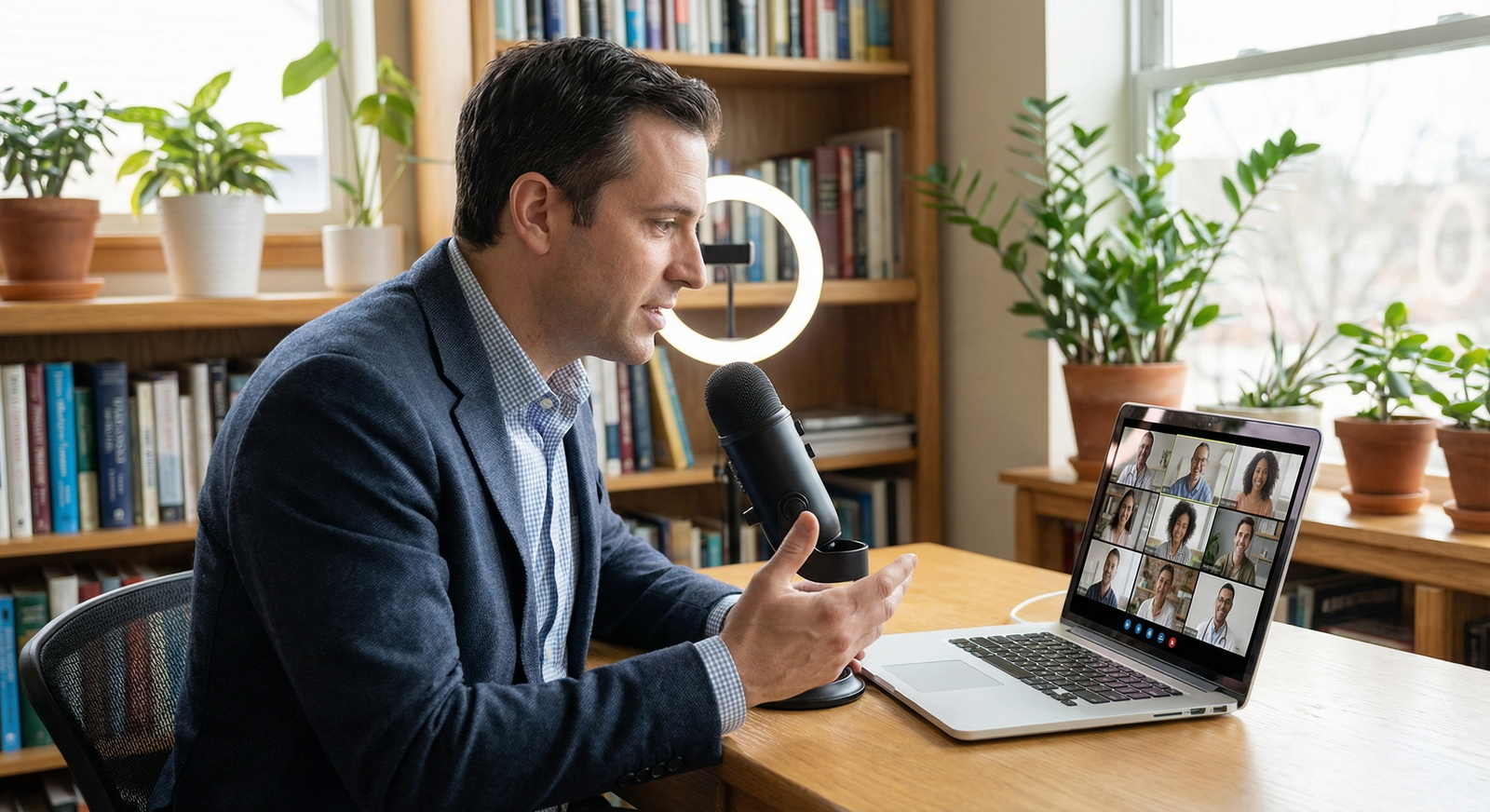
- Partnerships with residency programs, nursing schools, or patient advocacy groups
Public Speaking and Keynotes
Public speaking can pay well and dramatically expand your professional network.
Potential venues:
- Medical conferences
- Hospital grand rounds or CME events
- Employer wellness programs
- Patient advocacy group events
To get started:
- Speak locally and regionally to build a reel and testimonials
- Create a simple speaker page on your website listing talk titles and audience types
- Eventually negotiate speaking fees and travel coverage as your reputation grows

Media, Content, and Legal Expert Work
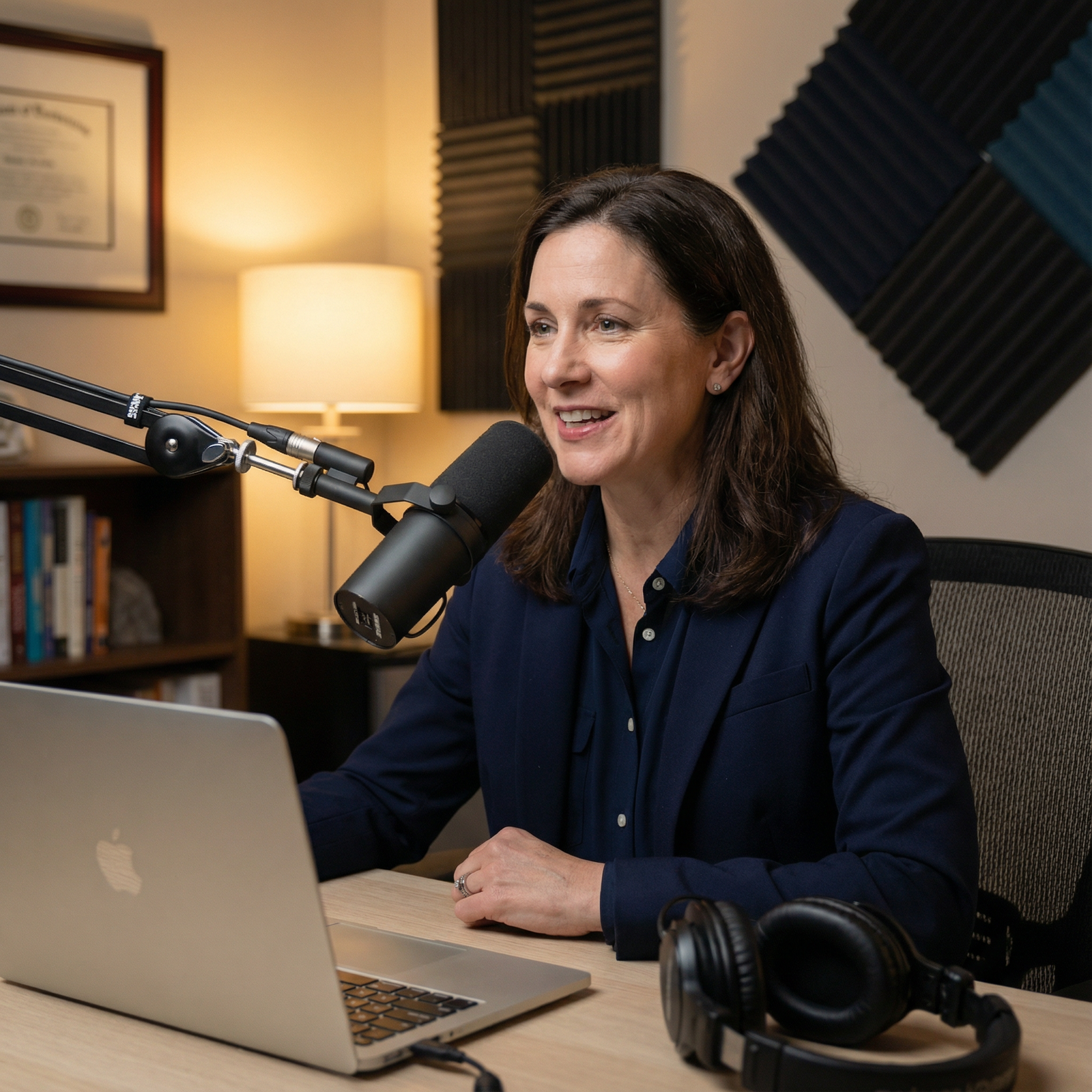
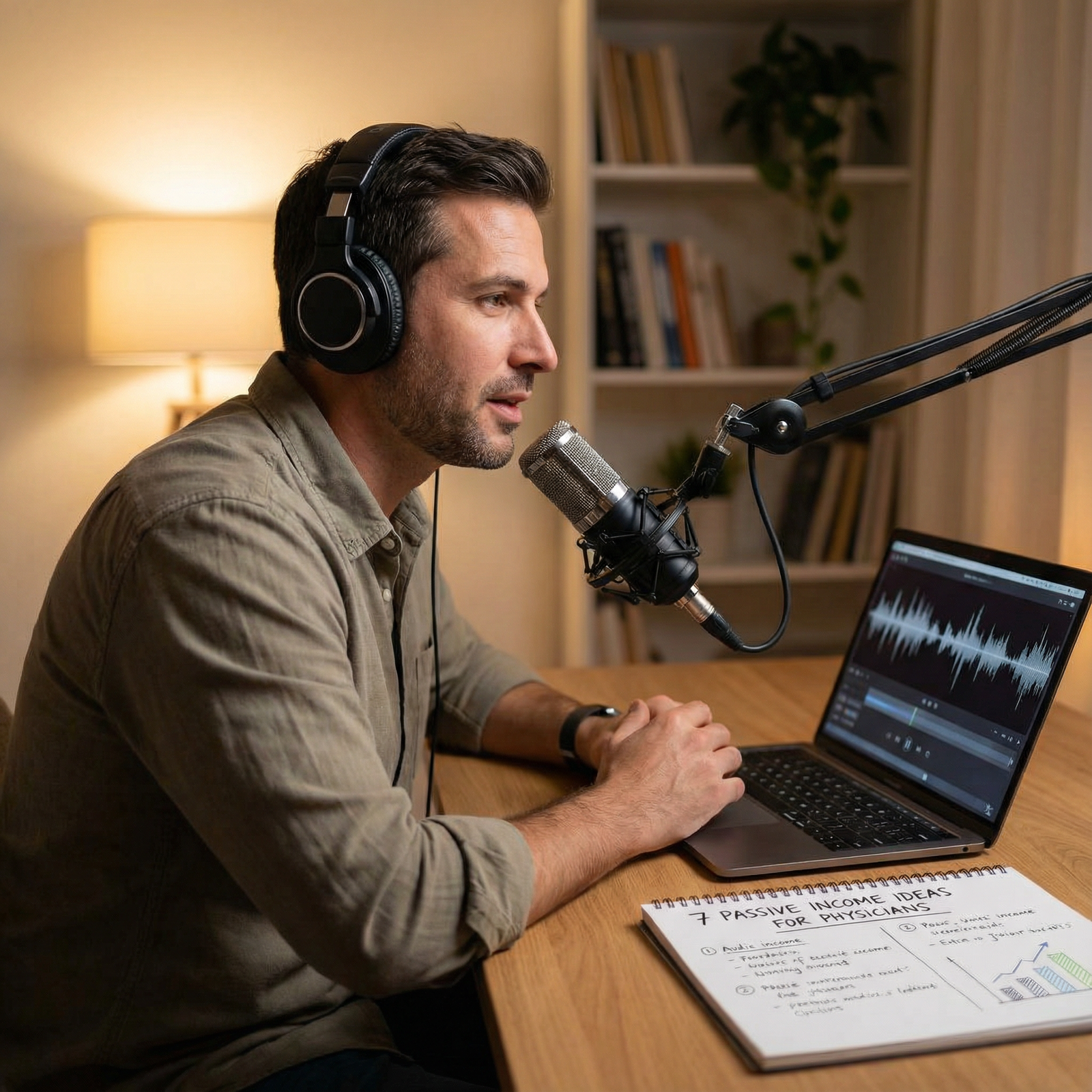
Podcasting, YouTube, and Social Media Channels
Creating a medical podcast or YouTube channel can:
- Build your personal brand
- Generate income via sponsorships, ads, or affiliate programs
- Serve as a funnel to your other offerings (courses, Health Coaching, Telemedicine, Healthcare Consulting)
Key tips:
- Choose a clear niche (e.g., “evidence-based women’s health for busy professionals”)
- Be consistent with posting
- Prioritize accuracy and disclaimers (education, not personal medical advice)
Expert Witness and Legal Consulting
Law firms frequently need clinicians to:
- Review medical records
- Provide written opinions
- Testify as expert witnesses
Areas include:
- Medical malpractice
- Personal injury
- Workers’ compensation
- Disability evaluations
How to get started:
- Create a medicolegal CV emphasizing clinical expertise and academic work
- Join expert witness directories or agencies
- Network with attorneys in healthcare law
Compensation is often by the hour and can be substantial, but expect significant preparation time and the stress of adversarial settings.
Putting It All Together: Strategy, Boundaries, and Ethics
Start Small, Then Iterate
Especially during residency or a busy attending role:
- Begin with one side venture aligned with your strengths (e.g., Medical Writing or Telemedicine)
- Commit a realistic number of hours per week (e.g., 4–6 hours)
- Evaluate: Is it sustainable? Fulfilling? Financially worthwhile?
You can always layer on more later.
Protect Yourself Legally and Ethically
- Understand employer contracts:
- Moonlighting clauses
- Non-compete and intellectual property provisions
- Maintain appropriate malpractice coverage for Telemedicine or other clinical services
- Observe HIPAA and privacy rules strictly, especially online
- Use clear disclaimers for blogs, podcasts, and social media:
- Education only, not individual medical advice
- No doctor–patient relationship formed
Case Example: A Sustainable Multi-Stream Career
Dr. Sarah, an internal medicine physician, initially turned to Medical Writing to fund her children’s education. She:
- Started by writing health blogs for small websites.
- Built a portfolio and began working with larger platforms and CME companies.
- Gradually reduced clinical shifts as her writing income grew.
- Eventually launched an online course teaching clinicians how to enter Medical Writing, blending her experience in Medical Expertise, Medical Writing, and online education.
Today, her schedule includes:
- 2–3 clinic days per week
- 1 day dedicated to writing projects
- Evenings reserved for course updates and occasional webinars
Her story illustrates how small side hustles can evolve into long-term, flexible career designs.
FAQs: Monetizing Your Medical Skills Outside the Clinic
1. How do I choose the best side hustle for my situation?
Start with three questions:
- What do I enjoy most—teaching, writing, clinical problem solving, or systems thinking?
- How many hours per week can I realistically commit without burning out?
- What constraints do I have from my current employer or training program?
If you like direct patient care and flexibility, Telemedicine is a natural start. If you prefer asynchronous work, consider Medical Writing. If you enjoy strategy and innovation, Healthcare Consulting or start-up advising may fit best.
2. Can residents and fellows realistically do this, or is it only for attendings?
Residents and fellows often successfully pursue:
- Medical Writing
- Early-stage content creation (blogs, podcasts, social media education)
- Limited Telemedicine or Health Coaching, if allowed by training contracts and licensure
The key is to:
- Review your program’s outside work policies
- Keep work hours manageable
- Avoid conflicts of interest with institutional responsibilities
Many trainees build foundations (portfolio, audience, skills) that pay off more significantly after graduation.
3. How much can I earn from non-clinical work like Medical Writing or Consulting?
Ranges vary widely based on specialty, experience, and time invested. As of recent market norms:
- Telemedicine: Often $25–$150+ per consult or $80–$200/hour depending on platform and specialty
- Medical Writing: Beginners might earn $0.20–$0.50 per word or $50–$150/hour; experienced writers and regulatory writers can exceed this
- Healthcare Consulting: $150–$400+ per hour for niche expert work; more for complex projects or seasoned experts
- Expert Witness work: Frequently $300–$700+ per hour for case review and testimony
The most sustainable path is usually to combine several moderate streams rather than relying on just one.
4. Do I need a separate business entity (like an LLC) to start?
For small-scale, early work, you can often operate as a sole proprietor and report income on your taxes accordingly. As your income grows, you may consider:
- Forming an LLC or professional corporation for liability and tax reasons
- Opening a separate business bank account
- Consulting a tax professional or attorney familiar with medical professionals
This isn’t a barrier to starting—but it’s wise to plan structure once your side income is consistent.
5. How can I market my services without seeming unprofessional or violating ethics?
- Focus on education-first content: share valuable, evidence-based information freely.
- Use clear boundaries and disclaimers to separate general education from individual medical advice.
- Be transparent about conflicts of interest and sponsorships.
- Leverage professional platforms (LinkedIn, academic talks, conferences) in addition to social media.
Professionalism, transparency, and patient safety should guide every step.
Monetizing your medical expertise outside the clinic is not about abandoning traditional medicine—it’s about expanding how and where you create value. By thoughtfully leveraging Telemedicine, Healthcare Consulting, Medical Writing, Health Coaching, and other creative avenues, you can design a career that is more diversified, resilient, and aligned with your interests—while still advancing patient and community health in powerful ways.