The days surrounding Match Day can feel like the pinnacle of your medical education journey—years of exams, clerkships, and applications distilled into a single result. When that result is “unmatched,” it can be devastating. Yet not matching does not mean the end of your career in medicine. It means you have reached a crossroads that requires strategy, support, and careful planning.
This guide walks you through what happens if you don’t match into residency, explains the Supplemental Offer and Acceptance Program (SOAP), outlines reapplication strategies, explores alternative healthcare careers, and offers practical steps to keep your long-term goals in view.
Understanding the Residency Match and What “Unmatched” Really Means
To make informed decisions about your post-match options, it helps to clearly understand how the residency match process works—and where things may have broken down.
The Structure of the Residency Match in Medical Education
In the United States, the National Resident Matching Program (NRMP) coordinates the main residency match, supported by the Electronic Residency Application Service (ERAS), which handles the majority of application submissions.
Key components of the Match process:
ERAS Application:
You submit your common application, personal statements, USMLE/COMLEX scores, letters of recommendation, and other supporting documents through ERAS to residency programs in your chosen specialties.Interviews:
Programs review applications and invite selected candidates for interviews. This is where “fit,” communication skills, professionalism, and program interest become critical.Rank Order Lists (ROLs):
- Applicants rank programs in order of preference.
- Programs rank applicants they are willing to train.
The Algorithmic Match:
NRMP’s algorithm attempts to place each applicant into their most preferred program that has ranked them and has available positions. It is designed to favor applicants’ preferences as much as possible, given program constraints.Match Results:
On Match Week:- Monday: You learn whether you are matched or unmatched (or partially matched in some cases).
- Friday: If matched, you find out where you matched.
If you are reported as unmatched on Monday, you move into the post-match space, which includes SOAP and other immediate next steps.
Common Reasons Applicants Do Not Match
Understanding why you didn’t match is crucial for planning your next move and improving your residency prospects. Typical contributing factors include:
- Overly competitive specialty choices (e.g., dermatology, plastic surgery, orthopedic surgery) without a parallel plan.
- Limited geographic flexibility or narrow program lists.
- Lower board scores or exam failures that limit interview offers.
- Weak or generic application materials, such as:
- Vague or unfocused personal statements
- Limited or impersonal letters of recommendation
- Insufficient clinical experience or “red flags” such as professionalism concerns or academic probation.
- Interview performance issues, including poor communication, lack of preparation, or difficulty articulating your fit for the specialty.
Identifying which factors applied to you will help you choose between SOAP, reapplying, or exploring alternative healthcare careers in a strategic way.
Managing the Emotional Impact of Not Matching
Learning that you did not match—often in a public, high-stakes environment—is an intense emotional experience. Many applicants describe feeling shocked, embarrassed, or fearful about their future.
Normal Emotional Responses and Why They Matter
Common reactions include:
- Disappointment and grief over a long-held vision of your training path
- Anxiety about loans, career timelines, and expectations from family or peers
- Shame or isolation, especially when many classmates are celebrating
These reactions are normal. However, unmanaged emotional distress can impair decision-making during a period (Match Week and beyond) when you need to think clearly and act quickly.
Immediate Steps to Protect Your Mental Health
Consider the following in the first 24–72 hours:
Acknowledge your feelings:
Give yourself permission to be upset. Suppressing emotions often prolongs distress.Reach out for support:
- Talk to a trusted mentor, faculty advisor, or dean.
- Lean on classmates, friends, or family who can offer perspective and encouragement.
- If available, access your school’s wellness or counseling services.
Separate your identity from this outcome:
Not matching is a single data point, not a summary of your worth or potential as a physician. Many successful residents and attendings have been unmatched at least once.Pause before deciding anything drastic:
Avoid impulsive decisions about changing careers or abandoning medicine in the heat of the moment. Focus first on understanding your options.
Once you’ve stabilized emotionally, you can move into active problem-solving—starting with SOAP.

Post-Match Pathway #1: Navigating the SOAP (Supplemental Offer and Acceptance Program)
For unmatched applicants, the SOAP represents the most immediate, structured opportunity to obtain a PGY-1 residency position during the same academic year.
SOAP Eligibility and Basic Requirements
You may participate in SOAP if:
- You registered for the NRMP Match, and
- On Monday of Match Week, your status is:
- “Unmatched,” or
- “Partially matched” (e.g., advanced position without a preliminary year), and
- You are not withdrawn from the Match for any reason.
Your medical school and NRMP will confirm your SOAP-eligible status. ERAS access during SOAP is time-limited and structured, so preparation is critical.
How SOAP Works: Step-by-Step
While exact timelines can vary slightly year to year, the general structure is:
List of Unfilled Positions Released:
NRMP publishes a list of programs with unfilled positions, including specialties and locations.Application Phase:
- You may apply (through ERAS) to a limited number of programs (a cap applies each round).
- You can tailor personal statements and program-specific messages, but you must move quickly.
Interview and Communication:
- Programs may contact you for phone or video interviews or brief discussions.
- You are not allowed to solicit or accept offers outside the SOAP framework.
Offer Rounds:
- Multiple offer rounds are held over several days.
- If you receive an offer in a round, you must decide within a short time window (often hours) to accept or reject.
- Accepting an offer through SOAP is a binding commitment, and you are then removed from subsequent rounds.
Completion of SOAP:
- By the end of Match Week, all SOAP-placed positions are finalized.
- If you are still unmatched after SOAP, you remain eligible for post-SOAP, off-cycle opportunities and can plan to reapply in the next residency cycle.
Strategy Tips to Maximize Your Chances in SOAP
Get organized before Match Week:
- Have updated versions of your CV and a flexible personal statement that can be quickly adapted to different specialties (e.g., internal medicine vs. family medicine).
- Review your prior application materials and identify areas needing quick revision.
Be realistic and flexible:
- SOAP positions are often in less competitive specialties or in geographically less popular areas.
- Broadening your specialty list (e.g., considering family medicine, internal medicine, psychiatry, pediatrics) can significantly improve your chances.
Quickly tailor your applications:
- Write brief, targeted paragraphs showing genuine interest in the specialty and program type (e.g., community hospital vs. academic center).
- Highlight any relevant rotations, sub-internships, or research related to the specialty.
Prepare for brief, focused interviews:
- Be ready to answer:
- “Why this specialty, especially at this stage?”
- “Why our program?”
- “What have you been doing recently to prepare for residency?”
- Have a concise explanation (not an excuse) for not matching and what you’ve learned from the experience.
- Be ready to answer:
Work closely with your school:
- Many medical schools run structured SOAP support, including:
- Faculty advisors to help target programs
- Help editing quick-turnaround personal statements
- Real-time communication support during offer rounds
- Many medical schools run structured SOAP support, including:
SOAP is intense, fast, and emotionally demanding—but for many unmatched applicants, it leads directly to a residency position and a clear path forward.
Post-Match Pathway #2: Reapplying for Residency in a Future Cycle
If you do not secure a position through SOAP—or if none of the available programs align with your long-term career goals—you may decide to reapply in the next residency cycle. A strategic, well-planned reapplication can substantially improve your chances.
Conducting a “Post-Match Audit” of Your Application
Start by honestly assessing your original application:
Academic metrics:
- Step scores and attempts
- Class rank, honors (e.g., AOA, Gold Humanism), and clerkship performance
Specialty choice and competitiveness:
- Were your chosen specialties aligned with your academic profile?
- Did you have a realistic backup or parallel plan?
Application breadth:
- How many programs did you apply to?
- Were you open to a wide range of geographic locations and program types?
Letters of Recommendation (LORs):
- Were your letters from the right specialties and senior faculty?
- Did they likely provide strong, personalized support?
Personal statement and CV:
- Was your narrative coherent, focused, and authentic?
- Did you clearly convey your interest and fit for the specialty?
Interview performance:
- Did you receive interviews but not rank highly enough?
- Were you prepared, confident, and able to articulate your goals?
Collect input from multiple advisors—deans, program directors, or faculty mentors who have experience reviewing applications. Their honest feedback is invaluable.
Strengthening Your Next Residency Application
Once you identify your primary weaknesses, develop a structured plan:
1. Improve Academic and Clinical Credentials
Address exam concerns:
- If you struggled with board exams, consider:
- Structured board prep courses
- Tutoring
- Formal learning assessments or accommodations, if appropriate
- If you struggled with board exams, consider:
Gain strong US clinical experience (especially for IMGs):
- Clinical observerships
- Hands-on externships, if allowed
- Sub-internships or additional electives if you’re still affiliated with a school
Update your CV with meaningful activities:
- Quality Improvement (QI) projects
- Case reports or publications
- Community health initiatives, especially in underserved areas
2. Refine Your Narrative and Application Materials
Personal Statement:
- Focus on a clear, specialty-specific narrative.
- Address not matching briefly and professionally if relevant, emphasizing growth:
- What you learned
- How you used your time productively
- Why you remain committed to this specialty (or why you pivoted)
Letters of Recommendation:
- Seek fresh, strong LORs from supervising physicians who:
- Know you well clinically
- Can speak to your work ethic, growth, and readiness for residency
- Seek fresh, strong LORs from supervising physicians who:
Program Selection:
- Broaden your program list—include:
- Community-based programs
- Less competitive geographic locations
- Consider related specialties if your original choice is extremely competitive.
- Broaden your program list—include:
3. Plan a Productive “Application Year”
If you are taking a year before reapplying, make it count:
- Research positions (paid or volunteer)
- Clinical jobs such as:
- Clinical research coordinator
- Scribe in a busy clinic or ED
- Medical assistant roles (where licensure allows)
- Teaching roles:
- Anatomy or clinical skills instructor
- USMLE/COMLEX tutoring
- Advanced degrees or certificates (if aligned with your goals):
- MPH, MHA, or MS in Clinical Research
- Short certificates in medical education, quality improvement, or public health
Aim for experiences that show continuous engagement with medicine, growing responsibility, and alignment with your chosen specialty.
Post-Match Pathway #3: Exploring Alternative Career Paths in Healthcare and Beyond
Not every unmatched applicant will decide to reapply for residency. Some discover during this process that clinical residency is not the only—or best—fit for their skills and goals. The field of healthcare careers is broad and expanding.
Healthcare and Medical Education Careers Without Traditional Residency
While certain roles require board certification, many impactful careers draw on your medical training even without residency completion:
Clinical Research and Trials Coordination:
- Work as a clinical research coordinator, project manager, or research associate.
- Contribute to study design, patient recruitment, data collection, and regulatory compliance.
Medical Education and Teaching:
- Teach anatomy, physiology, clinical skills, or basic sciences at:
- Medical schools
- Nursing schools
- Physician assistant or allied health programs
- Develop curricula, OSCE stations, or simulation-based training.
- Teach anatomy, physiology, clinical skills, or basic sciences at:
Medical Writing and Communications:
- Write or edit for:
- Medical journals
- Educational platforms
- Pharmaceutical and biotech companies
- Health policy organizations
- Roles include:
- Medical writer
- Scientific editor
- Medical content strategist
- Write or edit for:
Healthcare Consulting and Industry Roles:
- Join consulting firms focusing on:
- Hospital operations
- Health systems strategy
- Digital health implementation
- Work with biotech, pharma, or medtech companies in roles such as:
- Medical science liaison
- Clinical development associate
- Health outcomes analyst
- Join consulting firms focusing on:
Public Health and Global Health:
- Positions in government agencies, NGOs, or global health organizations.
- Work on program design, epidemiology, policy, or health systems strengthening.
These roles can be long-term careers or temporary positions while you reassess and potentially prepare for reapplication.
Taking a Structured Gap Year: Personal and Professional Growth
A “gap year” is not simply a break; it can be a strategic pause to recalibrate your path in medicine:
Professional development options:
- Complete an MPH or other graduate degree.
- Participate in health policy fellowships or leadership programs.
- Engage in full-time research with the goal of abstracts and publications.
Personal development and well-being:
- Address burnout through rest, therapy, or wellness activities.
- Volunteer in local or global health projects to reconnect with your motivation.
Clarifying your long-term goals:
- Use this time to reflect: Do you still want residency? The same specialty? Another healthcare career?
- Seek guidance from mentors who know both clinical and nonclinical career paths.
A gap year—when intentional and well-structured—can make your application stronger or reveal alternative careers that are a better fit.
The Power of Networking, Mentorship, and Professional Support
Regardless of which path you pursue—SOAP, reapplication, or alternative careers—relationships are central to your success.
Strategic Networking in Medicine and Healthcare
Re-engage with your medical school:
- Meet with student affairs, career advisors, and department chairs.
- Ask for specific advice and potential introductions to program directors or research mentors.
Attend conferences and specialty meetings:
- Even as an unmatched graduate, you can:
- Present posters or abstracts
- Participate in workshops
- Meet residents, fellows, and faculty in your area of interest
- Even as an unmatched graduate, you can:
Use professional online platforms:
- Maintain a polished LinkedIn profile that highlights your clinical training, skills, and goals.
- Join relevant specialty societies and online communities.
Finding Mentors Who Understand the Residency Journey
Not all mentors have experienced going unmatched, but many have advised students who did:
Seek out:
- Program directors or associate PDs.
- Faculty who are active in residency selection.
- Alumni who took nontraditional paths.
Ask for specific help:
- Review of your ERAS application
- Honest feedback on competitiveness and specialty fit
- Introductions to potential research or clinical opportunities
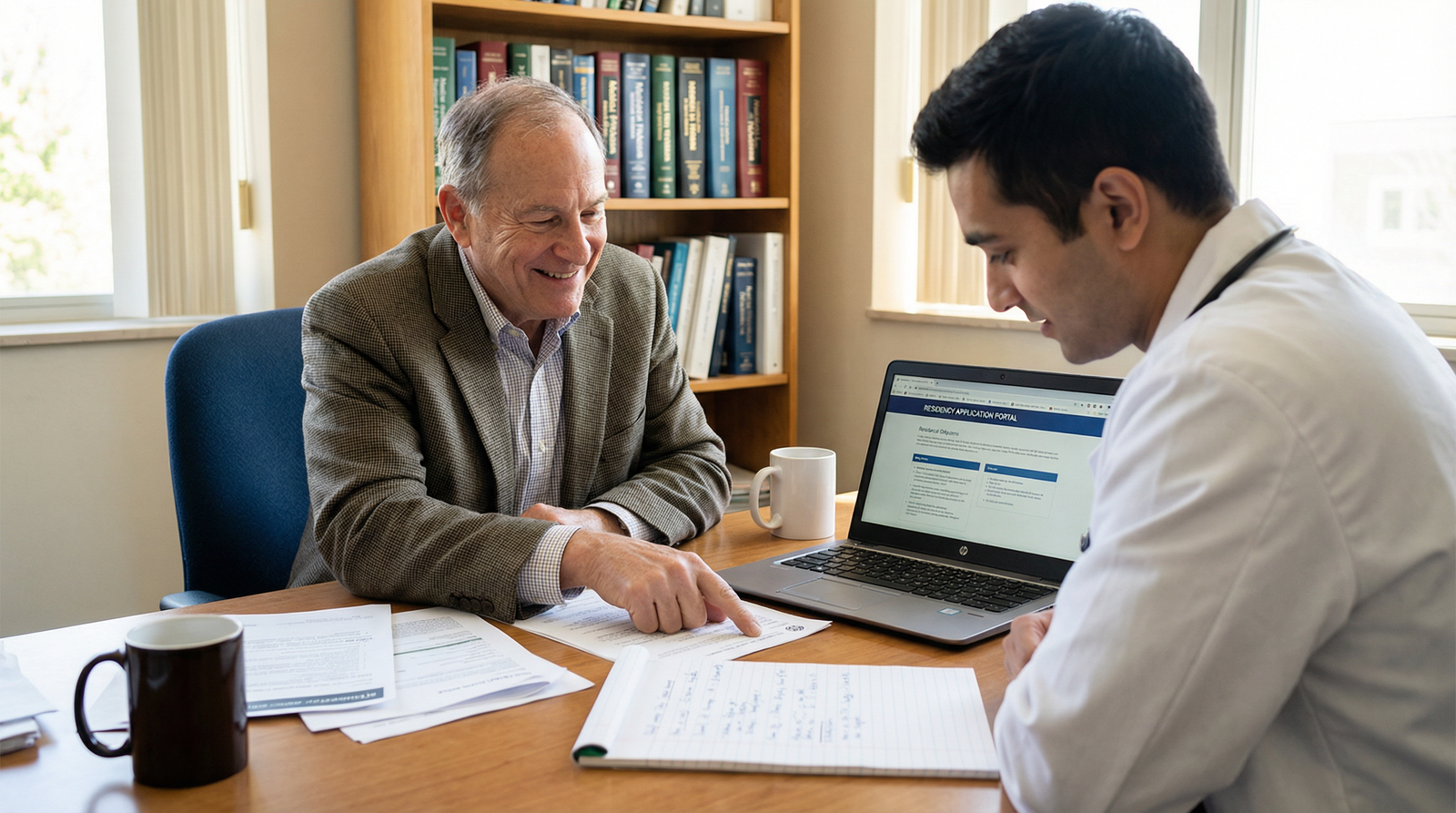
Mentors can also be critical advocates, providing the strong recommendations and behind-the-scenes support that programs value.
Frequently Asked Questions About Post-Match Options and Not Matching
Q1: What is SOAP, and how do I know if I should participate?
SOAP (Supplemental Offer and Acceptance Program) is an NRMP-organized process that allows eligible unmatched or partially matched applicants to apply for unfilled residency positions during Match Week.
You should participate in SOAP if:
- You are eligible (registered for the Match and reported as unmatched/partially matched).
- You are prepared to accept a position in one of the available specialties and locations.
- You want to start residency in the upcoming academic year.
If the available positions are far from your specialty or geographic preferences, discuss with advisors whether it’s better to accept a SOAP position or wait and reapply next cycle.
Q2: How can I make my reapplication to residency more competitive?
To strengthen a reapplication:
- Clarify why you didn’t match (with honest input from mentors and advisors).
- Address the biggest gaps:
- Improve exam performance or complete additional clinical experiences.
- Obtain stronger, more detailed letters of recommendation.
- Demonstrate ongoing engagement in medicine:
- Research, teaching, healthcare employment, or quality improvement projects.
- Broaden and adjust your strategy:
- Apply more widely by geography and program type.
- Consider less competitive or related specialties if appropriate.
- Refine your narrative:
- Update your personal statement to show growth, insight, and sustained commitment.
Q3: Is taking a gap year after not matching viewed negatively by residency programs?
No—a gap year is not inherently negative. Program directors care more about how you used that time than about the gap itself.
A well-utilized gap year might include:
- Clinical or research work relevant to your chosen specialty
- Graduate coursework (e.g., MPH, MHA, MS) that supports your long-term goals
- Quality improvement, leadership roles, or teaching experiences
What can raise concern is a gap year with no clear activities related to medicine or professional development. Plan your year intentionally and be prepared to explain your choices and what you gained from them.
Q4: What if I decide not to pursue residency at all—will my medical education still be valuable?
Absolutely. A medical degree equips you with:
- Deep knowledge of human biology, disease, and healthcare systems
- Critical thinking, communication, and problem-solving skills
- A strong foundation for roles in research, education, policy, consulting, and industry
Many professionals build fulfilling careers in:
- Medical education
- Clinical and health services research
- Public and global health
- Pharmaceuticals, biotechnology, or digital health
- Health policy and administration
- Medical writing and communication
Your training remains valuable; you’re simply applying it in a different context.
Q5: How important is networking after not matching, and how do I start?
Networking is extremely important—especially when you’re exploring new opportunities or planning a stronger reapplication.
To start:
- Reconnect with your medical school network:
Ask faculty and advisors for advice and introductions, not just letters. - Participate in professional events:
Attend specialty conferences, workshops, and webinars. - Use online platforms:
Maintain a professional LinkedIn profile and connect with peers and mentors in your field of interest. - Request informational meetings:
Brief conversations (in-person or virtual) with physicians, program leaders, or professionals in nonclinical roles can reveal opportunities and strategies you might not have considered.
Networking isn’t about asking for favors; it’s about building genuine professional relationships that can guide and support your career development.
Not matching into residency is a significant challenge, but it is also a pivot point, not a dead end. Whether you pursue SOAP, reapply to residency, or explore alternative healthcare careers, you are still very much on a viable professional path. With honest reflection, strategic planning, and strong mentorship, you can transform this setback into a foundation for long-term growth and success in medicine and beyond.