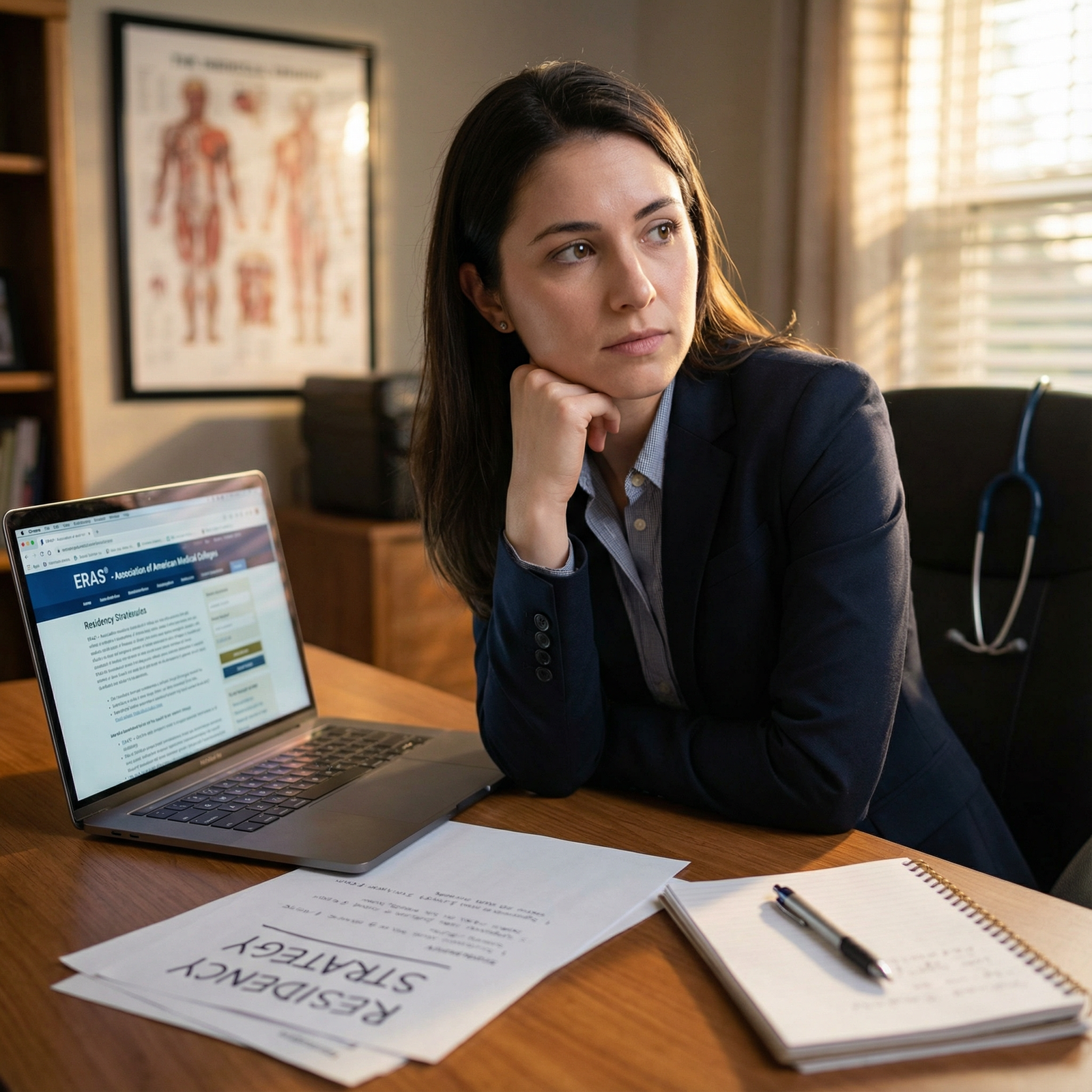
Can You Improve Your Match Chances After Unmatching? A Comprehensive Guide
Not matching into residency can feel devastating, especially after years of medical education, exams, and clinical rotations. But unmatching is not the end of your journey in medicine—or your chances in the Residency Match. Many excellent physicians matched on a later attempt after thoughtfully reassessing, rebuilding, and reapplying with a stronger profile.
This guide walks you step-by-step through what to do after unmatching: how to analyze what happened, how to strategically strengthen your application, and how to approach the next residency cycle with a more competitive and realistic plan. It is designed for medical students, graduates, and international medical graduates (IMGs) navigating post-unmatch uncertainty and planning their next moves in healthcare careers.
Understanding Unmatching in the Residency Match
What Does It Mean to Go Unmatched?
Unmatching occurs when a medical graduate participates in the National Resident Matching Program (NRMP) but does not secure a position in any residency program. This can happen:
- After participating in the Main Residency Match and not being ranked by any programs (or being ranked but not high enough).
- After participating in the Supplemental Offer and Acceptance Program (SOAP) and still not obtaining a position.
It’s important to recognize that unmatching is common enough that there are established processes and strategies to address it. Thousands of applicants each cycle are in a similar situation.
Common Reasons Applicants Go Unmatched
Understanding why you didn’t match is the foundation of your improvement plan. Common contributing factors include:
High competition in certain specialties
- Competitive specialties (e.g., dermatology, plastic surgery, orthopedic surgery, ENT, neurosurgery) have far more applicants than available positions.
- Even strong applicants can go unmatched in these fields.
Application weaknesses
- Lower-than-average USMLE/COMLEX scores or exam failures.
- Limited or weak U.S. clinical experience, especially for IMGs.
- Generic or poorly written personal statements.
- Letters of recommendation that are vague, lukewarm, or not from the right specialty.
- Limited or non-specialty-aligned research (for fields where research is important).
Application strategy issues
- Applying to too few programs.
- Focusing mostly on prestigious “name” programs.
- Narrow geographic preferences (e.g., only major coastal cities).
- Not including a sufficient number of “safety” programs.
Misalignment between profile and specialty
- Applying to a highly competitive specialty without having competitive metrics for that field.
- Minimal specialty-specific rotations, research, or mentorship.
While some factors (like prior exam failures) can’t be erased, almost every application has areas that can be strengthened or reframed. The key is an honest, systematic review.
Step One: Honest Self-Assessment After Unmatching
Before jumping into action, spend time understanding what went wrong.
Evaluate Your Application in Detail
Sit down with your full application (ERAS, CV, personal statement, letters if you saw them, interview list, and rank list) and ask:
Program List
- How many programs did I apply to?
- How competitive were those programs and that specialty?
- Did I include a mix of academic, community, rural, and less competitive programs?
Interview Invitations
- How many interviews did I receive?
- Did the number of interviews reflect typical benchmarks for my specialty?
- At which stage did my process break down (few interviews vs. many interviews but no rank/match)?
Scores and Exams
- Are my USMLE/COMLEX scores in line with or below the averages for my target specialty?
- Do I have exam failures or attempts that may require additional explanation or remediation?
Clinical Experience
- Did I complete enough rotations in my target specialty?
- Do I have U.S. clinical experience, especially if I’m an IMG?
- Did my clinical evaluations and narratives reflect strong performance?
Personal Statement and CV
- Was my personal statement specific, compelling, and specialty-focused?
- Does my CV show continuity, growth, and engagement in medicine, or unexplained gaps?
Seek objective feedback from:
- A dean or student affairs/residency advising office.
- A trusted program director, faculty mentor, or residency advisor.
- For IMGs, advisors experienced with IMG-specific match challenges.
Their external perspective is crucial; it’s hard to self-diagnose accurately when emotions are still raw.
Reassessing Your Specialty Choice
One of the most impactful decisions after unmatching is whether to:
- Reapply to the same specialty with a stronger application, or
- Pivot to a different, less competitive specialty that still aligns with your interests and career goals.
Consider:
- Data: Review NRMP Charting Outcomes and specialty-specific match statistics. Where do your scores and experiences fall relative to matched applicants?
- Personal Fit: Are your motivations for the original specialty strong and sustainable, or were they influenced by prestige, pressure, or limited exposure?
- Alternative Paths: Could related specialties still offer the kind of patient care, procedures, or lifestyle you are seeking? For example:
- Instead of orthopedic surgery → consider physical medicine & rehabilitation or general surgery.
- Instead of dermatology → consider internal medicine with a focus on dermatologic interests.
- Instead of radiology → consider internal medicine with imaging-focused subspecialties.
Changing to a less competitive specialty can substantially improve your match odds, but it should be an intentional decision, not purely reactionary.
Improving Interview Skills
If you received interviews but did not match, interview performance may be a key issue.
- Arrange mock interviews with:
- Mentors and faculty.
- Career services or residency advising offices.
- Resident friends or colleagues who recently went through the process.
Focus on:
- Communicating your story clearly and confidently.
- Explaining any red flags (gaps, low scores, prior unmatch) in a calm, honest, and growth-oriented way.
- Demonstrating insight, professionalism, and team orientation.
Record mock sessions (if possible) to identify habits like rambling, avoiding difficult questions, or lacking clear structure in your responses.
Assessing Clinical Readiness and Professionalism
Programs care deeply about clinical reliability, teamwork, and professionalism. Reflect on:
- Any professionalism concerns, repeated lateness, or conflicts during rotations.
- Feedback from supervisors that might hint at issues with communication, documentation, or clinical judgment.
- Specific steps you can take to address those concerns (e.g., additional supervised clinical work, communication skills workshops).

Strategies to Strengthen Your Residency Match Application
Once you’ve clarified what needs improvement, you can design a targeted plan to become a stronger candidate for the next Residency Match.
1. Rebuild Your Application Strategy
Broaden and Diversify Your Program List
For the next cycle:
- Apply to more programs, especially if you previously applied to a small or selective subset.
- Include:
- Community-based hospitals.
- Rural or underserved area programs.
- Programs that historically interview or match IMGs, if applicable.
- Use data sources like:
- AAMC’s Residency Explorer.
- NRMP data on program characteristics.
- Specialty-specific applicant guides and forums (cautiously and critically).
Think of your list as a portfolio balancing reach, realistic, and safety programs.
Expand and Strengthen Your Network
Networking in medical education and healthcare careers can open doors:
- Attend specialty conferences, regional meetings, and virtual events.
- Join professional societies for your specialty of interest—even as a student or graduate member.
- Engage in:
- Hospital or clinic work where you can interact with faculty in your target field.
- Online academic communities, journal clubs, or educational webinars.
The goal is not to “bypass” the system, but to get guidance, mentorship, and potential advocates who may later support your application or provide strong letters.
2. Gain Targeted Clinical and Academic Experience
Clinical Experience: Staying Active and Relevant
Programs are wary of applicants who appear “clinically rusty.” Use any gap period to maintain or enhance your clinical engagement:
- U.S. Clinical Experience (USCE) for IMGs:
- Observerships.
- Externships.
- Hands-on rotations where allowed.
- Postgraduate fellowships or transitional roles, such as:
- Preliminary or transitional year positions, if available.
- Non-ACGME fellowships or clinical research fellowships with patient contact.
For each experience, aim to:
- Work in your target specialty or a closely related field.
- Demonstrate reliability, initiative, and teamwork.
- Cultivate relationships with attending physicians who might later write strong letters.
Research and Scholarly Work
Research is especially valuable for competitive specialties and academic programs:
- Join clinical, translational, or quality improvement projects related to your intended specialty.
- Seek opportunities to:
- Present at conferences.
- Co-author posters, abstracts, or manuscripts.
- Even small projects (e.g., case reports, chart reviews, QI projects) can show scholarly engagement and persistence.
Highlight these on your CV and discuss what you learned in interviews and your personal statement.
Additional Coursework, Certificates, and Skills
Depending on your circumstances, consider additional training that supports your career development:
- Graduate degrees (e.g., MPH, MS in Clinical Research, MBA) if they genuinely align with long-term goals and you can commit the time.
- Certificates in:
- Health systems science.
- Medical education.
- Quality improvement and patient safety.
- Skills courses: point-of-care ultrasound, EKG interpretation, basic procedures, or simulation-based training.
These credentials should complement—not replace—clinical and application improvements.
3. Crafting a Stronger Personal Statement and Narrative
Your personal statement is where you integrate your experiences, including unmatching, into a coherent, forward-looking story.
Addressing Unmatching Thoughtfully (When Appropriate)
You do not need to dedicate your entire personal statement to unmatching, but many applicants benefit from briefly acknowledging it:
- Avoid self-pity or blame.
- Use a concise, reflective approach:
- What happened.
- What you learned.
- How you responded and improved.
- Emphasize resilience, insight, and renewed commitment to patient care and your chosen specialty.
Programs respect candidates who can confront setbacks, extract lessons, and move forward constructively.
Demonstrate Specific Fit With the Specialty
Move beyond generic statements (“I enjoy working with people”):
- Provide concrete clinical moments that shaped your interest.
- Highlight cases, rotations, or mentors that clarified your career path.
- Connect your strengths (e.g., procedural skills, communication, attention to detail) to the demands of the specialty.
Ask multiple mentors, including one in your target specialty, to review your personal statement for clarity, authenticity, and appropriateness.
4. Optimizing Letters of Recommendation
Letters of recommendation (LORs) can significantly influence your Residency Match outcome, especially if they come from well-known or highly respected faculty in the field.
Choose the Right Recommenders
Aim for:
- Faculty in your target specialty who have directly supervised your clinical work.
- Program directors, clerkship directors, or division chiefs when possible.
- Attending physicians who:
- Know you well.
- Can speak to your clinical judgment, professionalism, communication, and fit for the specialty.
If your prior letters were generic, try to secure new, stronger letters based on recent clinical or research work.
Support Your Recommenders
Provide:
- An updated CV.
- A brief personal statement or summary of your career goals.
- A reminder of specific cases or projects you worked on together.
- Your list of target specialties (and any major red flags they may need to address supportively).
Be clear about timelines, and thank them for their time; these relationships are vital for long-term career development.
5. Navigating the Supplemental Offer and Acceptance Program (SOAP)
If you go unmatched again, the SOAP can be an important avenue for securing a position that same year.
Prepare for SOAP Before Match Week
Before results are released:
- Understand the SOAP timeline and rules on the NRMP website.
- Have:
- Updated personal statements for backup specialties.
- A flexible list of specialties and program types you’d realistically consider during SOAP.
- Coordinate with your school or advisor to:
- Access resources quickly (transcripts, dean’s letter updates, etc.).
- Get help rapidly editing documents if needed.
During SOAP: Be Organized and Responsive
If you enter SOAP:
- Review available unfilled positions strategically; consider:
- Less competitive specialties.
- Geographic flexibility.
- Community and rural programs.
- Respond to interview requests promptly and professionally.
- Be ready for short-notice phone or virtual interviews.
Even if SOAP does not result in a position, the process itself is a learning experience you can leverage in future cycles.
6. Using a Gap Year Strategically
A “gap year” between attempts at the Residency Match can either be a liability or a major asset, depending on how you use it.
Build a Coherent Story
Plan your gap year so that, in future interviews, you can say:
- “I recognized that my application needed strengthening in X areas.”
- “I focused this year on Y (clinical work, research, teaching, etc.), which helped me grow in Z ways.”
Strong gap year choices include:
- Clinical work as a research assistant with patient contact, clinical associate, or similar role.
- Dedicated, productive research in your field of interest.
- Teaching or academic roles in anatomy, physiology, clinical skills, or exam prep.
- Meaningful volunteer work in healthcare outreach, global health, or free clinics.
Avoid large, unexplained gaps where you are not engaged in medicine or skill-building.
Protecting Your Emotional Well-Being and Resilience
Unmatching is not just a professional setback; it can be emotionally and psychologically painful.
Seek Support and Community
- Talk openly with:
- Trusted classmates or fellow unmatched applicants.
- Residents and attendings who have faced setbacks in their careers.
- Consider counseling or mental health support, especially if you’re experiencing anxiety, depression, or burnout.
Recognize that many accomplished physicians have non-linear paths. Unmatching does not define your worth or your future in medicine.
Maintain Healthy Habits and Perspective
- Preserve routines such as sleep, exercise, hobbies, and time with family or friends.
- Set short-term goals (weekly/monthly) in addition to long-term Match goals.
- Celebrate small wins: securing an observership, finishing a research project, improving mock interview performance.
Your ability to recover and grow from this challenge is itself a professional competency—resilience—that programs value.

FAQs: Improving Your Residency Match Chances After Unmatching
Q1: When should I start preparing for the next Residency Match after unmatching?
Preparation should begin soon after Match Week, once you’ve had a brief period to process emotions. In the first 1–2 months, focus on honest self-assessment with mentors, securing clinical or research opportunities, and clarifying your specialty strategy. Application components (personal statement, CV, LORs) should be actively updated and refined by late spring and early summer, well before ERAS opens.
Q2: Are there residency programs more open to applicants who previously went unmatched?
Yes. Many community-based and some academic programs are open to candidates reapplying, especially when you can show clear growth and sustained engagement in medicine. Programs in less competitive specialties (e.g., family medicine, internal medicine, pediatrics, psychiatry) and in rural or underserved regions may be more flexible, particularly if your application aligns with their mission and patient population.
Q3: Should I address my prior unmatch in my personal statement or interviews?
In most cases, yes—but briefly and constructively. In the personal statement, you might include a short paragraph acknowledging the unmatch, outlining what you learned, and emphasizing how you’ve improved. In interviews, be prepared with a calm, honest, and solution-oriented explanation. Avoid blaming others; instead, show maturity, insight, and resilience.
Q4: Is taking a gap year between applications harmful to my chances of matching?
A gap year can be beneficial if used strategically. Programs want to see that you remained connected to medicine and were actively working to improve your candidacy. A gap year filled with targeted clinical work, research, teaching, or impactful volunteer service strengthens your narrative. A gap year with little medical engagement, however, can raise concerns about your commitment or clinical readiness.
Q5: How can I stay motivated and confident during the reapplication process?
Break the process into manageable steps and track progress—not just the outcome. Surround yourself with supportive peers and mentors, and remind yourself why you chose medicine in the first place. Maintain balance through self-care, hobbies, and relationships outside medicine. Remember that many physicians have experienced detours on their path; your response to this challenge can ultimately make you a more empathetic, resilient clinician.
Unmatching from the Residency Match is a serious setback, but it is not a final verdict on your potential as a physician. By honestly evaluating your prior application, strategically strengthening your profile, seeking mentorship, and protecting your well-being, you can significantly improve your chances of success in a future cycle. With persistence, planning, and growth, your goal of a fulfilling career in medicine remains firmly within reach.