Post-Match Survival Guide: What to Do After Match Day
Match Day marks a major turning point in your medical career—one that can bring elation, surprise, confusion, or disappointment. Whether you matched into your top-choice Medical Residency, landed in a less desired program, or did not match at all, what you do in the days and months afterward has a significant impact on your long-term Career Development.
This expanded post-match survival guide walks you through concrete next steps for every scenario: matched, partially satisfied, or unmatched. You’ll learn how to interpret your results, make strategic decisions, leverage SOAP, optimize a potential gap year, and use Networking and mentorship to move your career forward—no matter how Match Day unfolded.
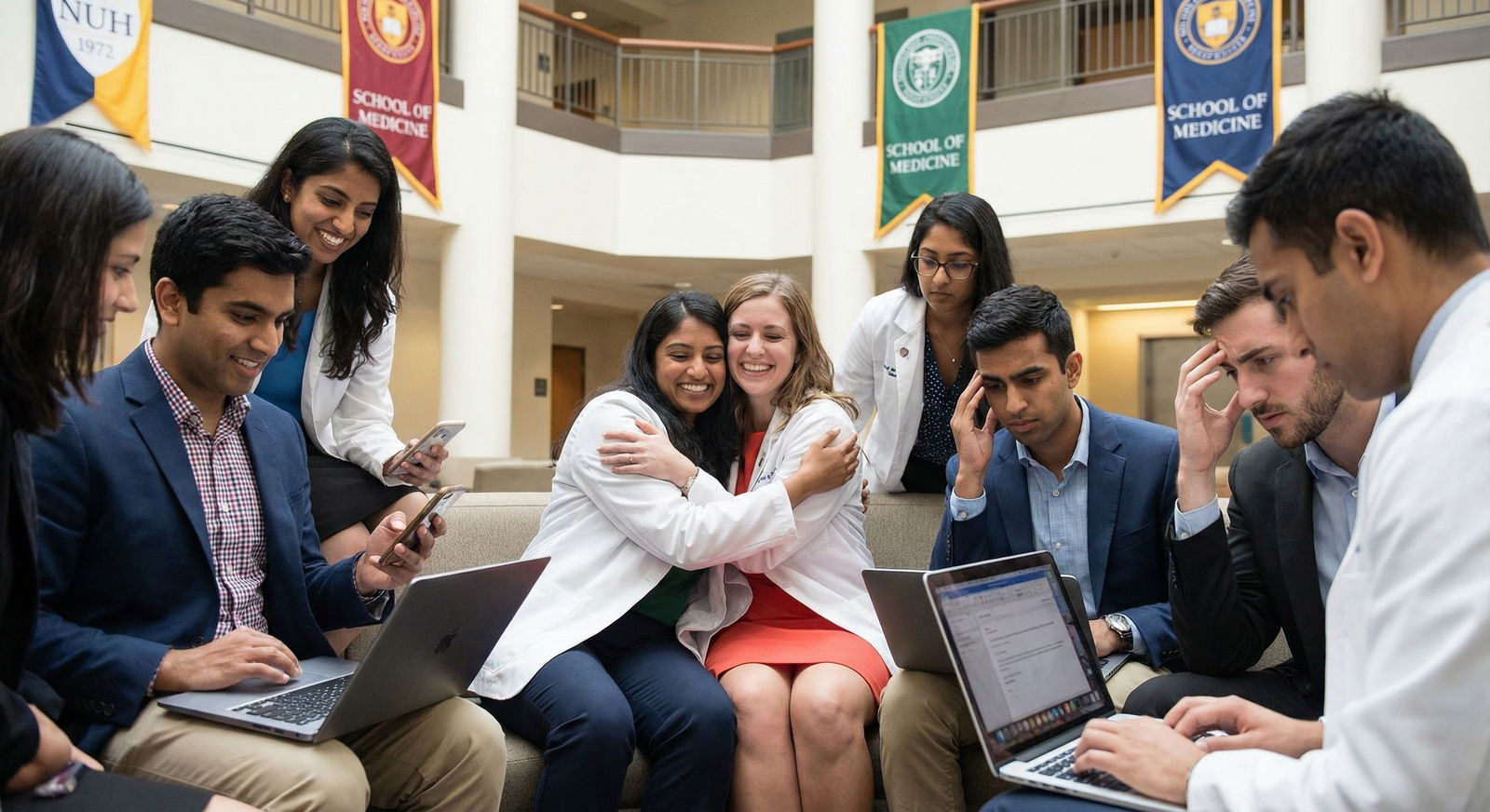
Understanding Your Match Day Outcome
Before you can plan your next move, you need to clearly understand where you stand in the residency match process. On Match Day (and the days leading up to it), you may fall into one of three main categories:
- Matched successfully into a program on your rank list
- Matched, but into a less desired program than you hoped
- Unmatched (or prelim-only when you needed an advanced spot)
Each situation requires a different strategy—but all are compatible with a successful, fulfilling career in medicine.
1. Matched Successfully: You Have a Residency Position
You received the outcome every applicant hopes for: you matched into a residency position in your chosen specialty. Even if the program wasn’t your first choice, you now have a secured training position and a clear path into your field.
2. Matched into a Less Desired Program
You matched, but perhaps not at the institution, geographic region, or specific specialty track you most wanted. Maybe you got your specialty but not your preferred location, or you matched into a preliminary year when you were hoping for a categorical spot.
This can bring up complex emotions—gratitude for matching, mixed with disappointment or uncertainty about fit and long-term goals.
3. Unmatched: No Residency Position Secured (Yet)
If you did not match, it may feel like the floor dropped out from under you. You’re not alone—every year, many capable applicants find themselves in this position, including U.S. seniors and international medical graduates (IMGs). Medicine is full of physicians who initially went unmatched and later built impactful careers.
Allowing Space for Emotions—and Normalizing Them
No matter your outcome, you may experience:
- Relief and joy
- Shock, confusion, or disappointment
- Anxiety about the future
- Guilt or comparison with peers
These reactions are normal. Give yourself at least a short window—hours or a day—to feel what you feel without judgment. If you did not match (or matched into a program you’re unhappy about), the emotional impact is real and valid.
At the same time, remember: Match Day is a milestone, not a final verdict on your worth or potential as a physician. The decisions you make now are far more important than the initial result.
If You Matched Successfully: Maximizing Your Transition to Residency
If you matched into a residency position, your next step is to transition from student to resident physician as smoothly and strategically as possible.
Celebrate Intentionally
You’ve invested years of work—pre-med, MCAT, medical school, exams, rotations, applications, interviews. Matching into residency is a genuine achievement.
- Celebrate with family, friends, and classmates.
- Take photos and document the moment for yourself.
- If emotions are mixed (e.g., not your top choice program), allow both realities to coexist: pride in your accomplishment and honest acknowledgment of any disappointment.
Learn About Your Program and New Role
Use the weeks after Match Day to become an informed, prepared incoming resident.
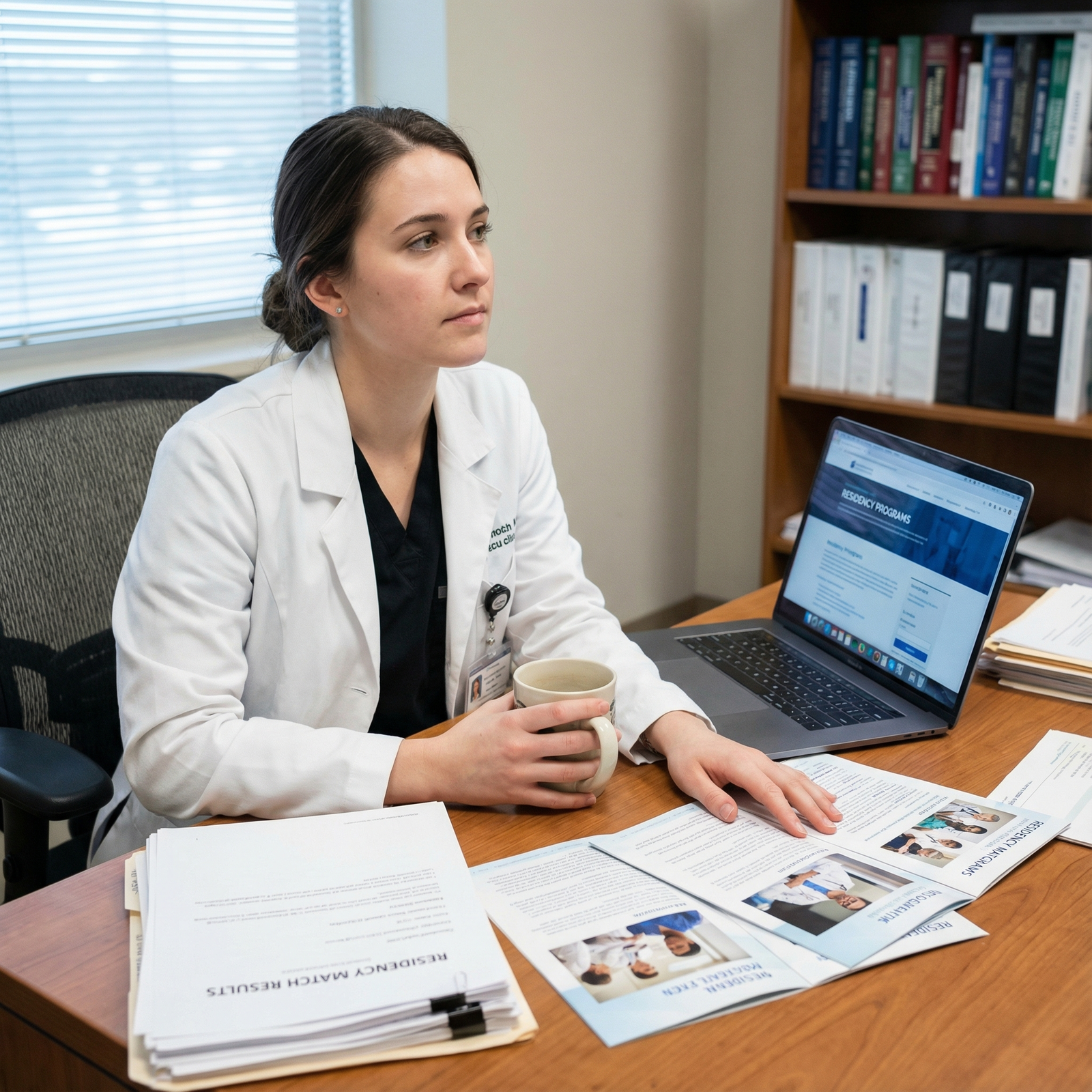
Review your program’s website and materials
- Rotation structure and call schedule
- Curriculum, teaching methods, and conferences
- Mission, patient population, and hospital system
Identify key people and contacts
- Program Director (PD) and Associate PDs
- Chief residents
- Program Coordinator
- Residents in your incoming class (often via group chats or email lists)
Read your contract and onboarding documents carefully
- Salary and benefits (health insurance, retirement, meal allowances)
- Required licensing steps (e.g., training license, DEA later)
- Moonlighting, duty hour policies, and leave policies
Handle Logistics Early
Residency will be demanding. Reduce avoidable stress by organizing practical details well in advance.
Housing and relocation
- Decide whether to rent or buy (most interns rent).
- Research neighborhoods for safety, commute times, and cost.
- Ask current residents where they live and what they recommend.
- Schedule your move to avoid overlap with orientation.
Licensing and credentialing
- Complete paperwork for state training license as soon as allowed.
- Gather documents: transcripts, diploma, immunization records, exam scores.
- Track deadlines from your Graduate Medical Education (GME) office.
Financial planning
- Review student loan repayment options (e.g., income-driven plans, PSLF).
- Build a simple budget based on your resident salary.
- Consider disability and renters’ insurance.
Protect Your Well-Being Before Internship
Residency is exciting but physically and emotionally taxing. Use the pre-residency period to recharge:
- Take a short trip or staycation if finances allow.
- Reconnect with hobbies and non-medical interests.
- Establish or strengthen routines: sleep, exercise, nutrition.
- If needed, start or continue therapy to build coping tools.
Keep Your Clinical Knowledge Fresh
You don’t need to master everything before day one, but you’ll feel more confident if you review key concepts for your specialty.
- Work through a Q-bank or case-based review book in your field.
- Refresh core topics: common emergencies, bread-and-butter diagnoses, medication dosing.
- For IMGs or those with a longer gap since clerkships, consider:
- Online review courses
- Hospital-based observational experiences (if available)
Remember: residency is where you will truly learn your specialty. Your goal is not perfection—just a solid foundation and a readiness to grow.

If You Matched into a Less Desired Program: Making the Most of Your Situation
Matching into a program that wasn’t high on your list—or in a location you didn’t prefer—can be emotionally complex. However, a “less desired” program can still be an excellent launchpad for your career.
Clarify Why You Feel Disappointed
Before making any decisions, pinpoint what’s bothering you most:
- Location? Far from family, undesirable climate, cost of living?
- Program reputation? Less well-known, smaller academic footprint?
- Training style or resources? Community vs. academic, case diversity, research?
- Personal factors? Relationship, spouse/partner job, family obligations?
Write these out. Some concerns are emotional but manageable. Others (e.g., major family health or immigration issues) may require more serious problem-solving.
Seek Perspective from Trusted Mentors
Talk openly with:
- Faculty advisors
- Program directors or deans at your medical school
- Residents who trained at or know your matched program
Ask questions such as:
- “How will this program be viewed for fellowship or future job opportunities?”
- “What strategies have others used to thrive in a similar situation?”
- “What are realistic pathways if I eventually want to transfer or pursue a fellowship elsewhere?”
Often, mentors can help you see strengths you might be overlooking—strong clinical exposure, hands-on responsibility, or excellent board pass rates.
Understand the Reality of Transfers and Reapplication
Some residents do change programs or specialties, but this process is competitive, uncertain, and administratively complex.
Transfers may be possible if:
- A program elsewhere unexpectedly has a vacancy.
- Your current PD supports your move.
- You are performing very well and have a compelling reason.
Reapplying to the Match after starting residency is also an option, but:
- You must be transparent about prior training.
- You’ll need strong letters from your current PD and faculty.
- Programs will expect a clear, thoughtful explanation for the change.
In many cases, the most realistic and effective approach is to commit to being an outstanding resident where you are and later shape your path through:
- Competitive fellowships
- Chief residency
- Targeted research or QI projects
- Strategic Networking and mentorship
Focus on What You Can Control
Even in a program you didn’t rank highly, you can:
- Build strong relationships with faculty and co-residents.
- Seek out mentors who support your goals.
- Get involved in research, teaching, or leadership roles.
- Attend conferences and present posters or oral presentations.
- Develop a strong professional reputation—reliable, teachable, hardworking.
Residency is a stepping stone, not your final destination. Many physicians at top academic centers or prestigious fellowships started in modest or community-based residency programs.
If You Did Not Match: A Stepwise Action Plan
If you are unmatched, your priority is to move from emotional overwhelm to a structured, time-sensitive strategy. This involves understanding SOAP, evaluating whether to participate, and planning a strong comeback if a gap year becomes necessary.
Step 1: Engage Thoughtfully with SOAP
The Supplemental Offer and Acceptance Program (SOAP) is a structured process run by NRMP to fill unfilled positions during Match Week. It can give unmatched applicants another opportunity to secure a residency position in the same cycle.
Understand How SOAP Works
- You will be notified if you are eligible for SOAP.
- An updated list of unfilled positions becomes available.
- You can apply to a limited number of programs through ERAS during SOAP rounds.
- Programs review applications and initiate contact—they must be the first to reach out.
- Offers occur in a series of rounds; you can accept, reject, or let offers expire.
Always refer to the latest NRMP SOAP guidelines for exact limits, timelines, and rules.
Strategize Your SOAP Applications
Time is short during SOAP. Assemble a small “rapid response” team:
- A dean or advisor from your school
- A trusted faculty mentor in your specialty of interest
- Possibly a career advisor or mentor outside your institution
Together, decide:
Which specialties to target
- Are you willing to pivot to a different but related specialty?
- Are you open to preliminary or transitional year positions?
What geographic constraints you have
- Are you open to relocating anywhere for a position?
- Do you have absolute constraints (e.g., visa requirements, family care)?
Update and tailor:
- Your CV
- Personal statement (you might need versions for multiple specialties)
- List of recommenders you can rapidly contact for updated letters
Step 2: If SOAP Does Not Work Out—Plan a High-Impact Gap Year
If you do not secure a position through SOAP, or if you decide SOAP options are not right for you, start planning an intentional “enhancement year.”
A gap year can make you a much stronger applicant for the next Match if it is:
- Structured (clear goals and timelines)
- Relevant to your target specialty
- Demonstrable on your CV and in your personal statement
Productive Gap Year Options
Clinical Experience (Highly Valuable)
- Clinical research coordinator roles
- Hospitalist scribe or advanced scribe programs
- Physician assistant or extender roles if you have prior qualifications
- Observerships or hands-on experience (for IMGs where permitted)
Focus on roles that:
- Keep you close to patient care
- Provide faculty interactions and potential letters of recommendation
Research and Academic Work
- Join a research group in your desired specialty.
- Aim for:
- Abstracts and posters at conferences
- Manuscripts (case reports, reviews, original research)
- Learn skills like data management, basic statistics, or systematic reviews.
Public Health or Advanced Degree Programs
- MPH, MS in Clinical Research, or relevant certificate programs.
- Especially useful if:
- You’re interested in academic medicine or population health.
- You want structured time to develop research skills and leadership.
Volunteer and Community Health Work
- Free clinics, community outreach programs, health education projects.
- International medical missions (when structured, supervised, and reputable).
These experiences:
- Demonstrate sustained commitment to patient care.
- Allow you to speak authentically about service during interviews.
Targeted Skill-Building
- Ultrasound, simulation, clinical teaching, or quality improvement (QI).
- Online courses (e.g., evidence-based medicine, biostatistics).
Whichever route you choose, keep detailed records of your responsibilities, accomplishments, and measurable outcomes (e.g., projects completed, patients served, abstracts submitted).
Step 3: Leverage Networking and Mentorship
In medicine, Networking is not superficial—it’s about building genuine professional relationships that open doors and provide honest feedback.
Build and Maintain Your Network
Reconnect with faculty who know you well
- Ask for feedback on your prior application.
- Request their help identifying opportunities (research, observerships, clinical roles).
Engage with alumni
- Many alumni have navigated non-linear paths.
- Ask how they strengthened their applications and whom you should meet.
Join specialty societies and organizations
- National specialty societies (e.g., ACP, AAFP, APA depending on your field).
- Student or resident sections often have reduced fees.
- Attend regional and national conferences if possible.
Use informational interviews
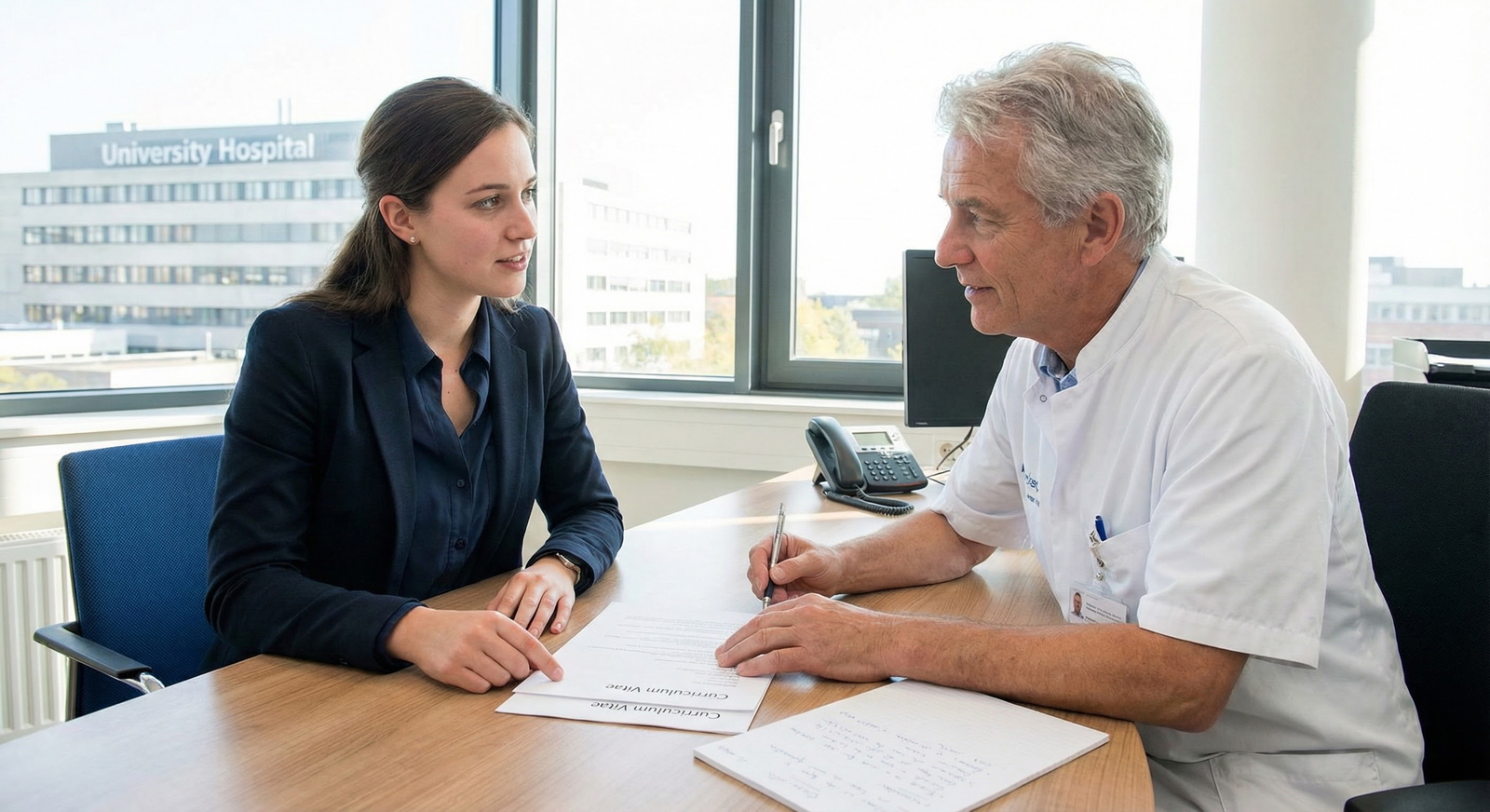
- Request 20–30 minute conversations with physicians in your field of interest.
- Ask about:
- Their career path
- How they view applicants with gap years
- Recommended experiences in your situation
Be respectful of time, follow up with a brief thank-you email, and keep them updated periodically on major milestones.
Step 4: Reflect Honestly and Revise Your Strategy
An unmatched result is not random. It usually reflects a combination of:
- Specialty competitiveness
- Application strategy (where and how many programs)
- Academic metrics (grades, scores, attempts)
- Letters of recommendation
- Personal statement and narrative
- Interview performance
- Visa or IMG-related factors
With a mentor or advisor, analyze your prior application:
- Were your specialty choices realistic given your profile?
- Did you apply broadly enough to a range of programs?
- Did your letters and personal statement strongly support your story?
- Were there red flags (gaps, professionalism issues, exam failures) that need to be directly addressed?
Then, build a concrete plan to improve:
- Rewrite your personal statement with a clearer, more compelling narrative.
- Seek stronger letters from faculty who can speak to your growth.
- Practice interviews with standardized questions and honest feedback.
- Broaden or adjust your specialty choices if needed (e.g., adding a less competitive but still satisfying specialty).
Your goal is not just to “do more,” but to do the right things differently for the next cycle.

Frequently Asked Questions: Post-Match Options and Next Steps
1. What should I do immediately if I learn I did not match?
First, take a few hours to process your emotions and reach out to supportive people. Then:
- Contact your medical school’s advising office or dean as soon as possible—most schools have a structured process to assist unmatched students.
- Confirm your eligibility for SOAP and review NRMP’s updated SOAP timeline and rules.
- Assemble your support team (advisor, mentor, possibly a career counselor).
- Update your CV and personal statement and identify target specialties and programs for SOAP.
Remember that time is critical during Match Week, so balancing emotional processing with swift, strategic action is key.
2. How can I make my application stronger for the next Match if I take a gap year?
Focus on activities that directly address prior weaknesses and align with your target specialty:
- If clinical experience was limited: Seek roles with direct patient contact or close collaboration with physicians.
- If research was lacking: Join a research team and aim for tangible outputs (abstracts, posters, papers).
- If letters were generic: Work in positions where supervisors can observe your reliability, knowledge, and communication, then request detailed letters later.
- If interviews were challenging: Practice with mentors, residents, or through formal mock interview programs.
Track your accomplishments and be ready to reflect on how the gap year clarified your goals, strengthened your skills, and prepared you to be a better resident.
3. Is it okay to change specialties after not matching, or after starting a residency?
Yes, many physicians ultimately practice in a different specialty than they originally pursued. However:
Changing specialties after not matching:
- May increase your chances if you pivot to a less competitive but still appealing field.
- Requires a new, authentic narrative about why this specialty is the right fit.
- Should still be guided by your genuine interests and strengths.
Changing specialties after starting residency:
- Possible but logistically complex.
- Requires transparent communication with your current Program Director.
- You will likely need new letters from your current faculty and a clear, honest explanation for the change.
In both cases, seek guidance from mentors who can discuss trade-offs honestly and help assess your fit.
4. What kind of Networking actually helps with residency applications?
Effective Networking is purposeful and relationship-based:
- Faculty Mentorship: Build ongoing relationships with attendings who see your work regularly; they may write strong letters, advocate for you, or connect you with opportunities.
- Professional Societies: Join national organizations in your target specialty, attend meetings, and introduce yourself to leaders or fellowship directors.
- Alumni Networks: Reach out to recent graduates matched into programs or specialties you’re interested in; they can provide insider perspectives and sometimes recommend you.
- Conferences and Presentations: Presenting posters or talks lets you meet faculty and program leaders in a natural, professional context.
Always approach Networking with professionalism and gratitude—lead with curiosity about others’ work and seek genuine mentorship, not just favors.
5. How do I stay positive and resilient after a disappointing Match outcome?
Resilience is a skill you build over time. Helpful strategies include:
- Normalize your experience: Many successful physicians have had detours, including not matching or transferring programs.
- Focus on growth, not perfection: Reframe the year ahead as an opportunity to gain skills and experiences that will ultimately make you a stronger clinician.
- Stay connected: Lean on peers, mentors, family, and mental health professionals if needed. Isolation makes disappointment feel larger.
- Set short- and medium-term goals: Break your plan into manageable steps (e.g., complete three research projects, secure two new letters, improve interview skills).
- Protect your well-being: Maintain routines, exercise, sleep, and hobbies. A sustainable life outside medicine keeps you grounded and effective.
No matter where you landed on Match Day—elated, conflicted, or unmatched—you still have multiple paths forward in medicine. Your Medical Residency outcome is not a final judgment, but one chapter in a long Career Development journey. With clear-eyed reflection, strategic use of SOAP and/or a gap year, and intentional Networking and mentorship, you can reposition yourself for success.
Your future as a physician is defined far more by your persistence, integrity, and growth than by a single day in March.