The worst residency interview weeks are not the busy ones. They are the unplanned ones.
If you are walking into a 7–10 day block of back‑to‑back residency interviews without a pre‑interview week plan, you are volunteering for avoidable mistakes: wrong time zones, repetitive answers, low‑energy screen fatigue, and sloppy follow‑up. I have watched strong applicants quietly sink themselves this way.
Here is how to build a one‑week runway before a heavy interview stretch so that, when day one hits, you are running a system—not improvising.
Overview: Your Pre‑Interview Week at a Glance
You have a block of back‑to‑back interviews coming up—maybe 4–8 interviews in 7–10 days.
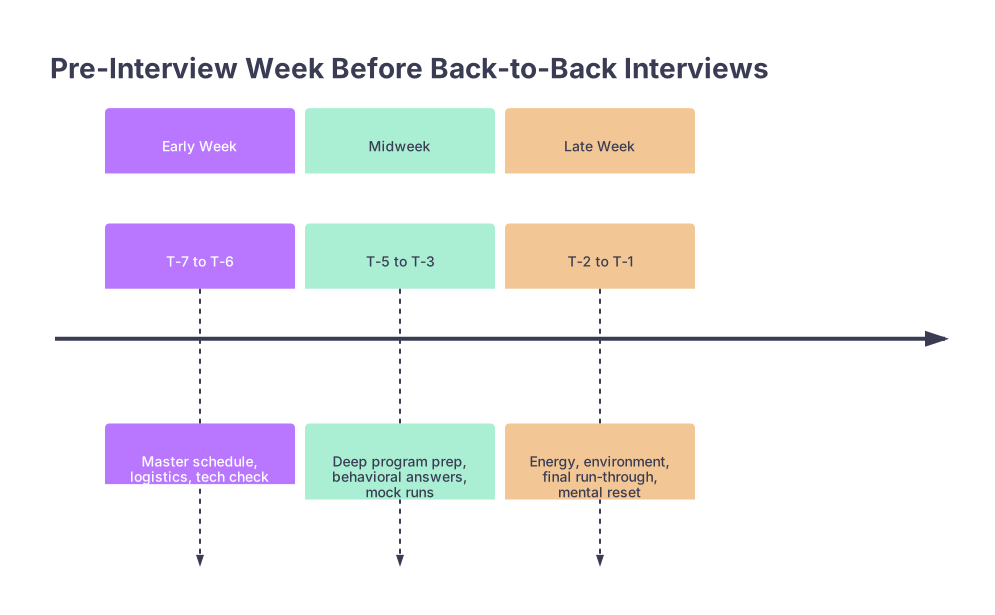
The week before that block should be structured like this:
| Period | Event |
|---|---|
| Early Week - T-7 to T-6 | Master schedule, logistics, tech check |
| Midweek - T-5 to T-3 | Deep program prep, behavioral answers, mock runs |
| Late Week - T-2 to T-1 | Energy, environment, final run-through, mental reset |
To keep this concrete, I will walk you day‑by‑day: from T‑7 (seven days before your first interview in the block) to T‑1 (the day before).
First, set your baseline constraints.
At this point you should:
- Know the exact dates and times of every interview in the block
- Know your clinical schedule (call, shifts, exams) during the pre‑interview week
- Decide where you will physically be interviewing from (home, hotel, office space)
If you do not have those locked in, stop and fix that before anything else.
Day T‑7: Build the Master System
Seven days before the first interview in the block, your only job is infrastructure.
Skip the fluff. You need a control center for this interview block.
1. Create a single master table
Use a spreadsheet or a big sheet of paper. Not five different notes apps. One master.
At this point you should sit down and build something like this:
| Date | Program | Time (Local) | Time Zone | Platform | Key People | Priority Notes |
|---|---|---|---|---|---|---|
| Nov 10 | Univ A IM | 8:00–12:30 | EST | Zoom | PD, APD, Resident | Strong research fit |
| Nov 11 | Comm Hosp B | 9:00–1:00 | CST | Thalamus | PD, 2 faculty | Strong clinical volume |
| Nov 12 | Univ C | 7:30–1:30 | PST | Zoom | PD, Chair | Academic interest |
Fill out:
- Date and local time converted to your time zone
- Video platform (Zoom, Webex, Thalamus, proprietary links)
- Interviewers listed in the invite (PD, APD, residents, “TBD”)
- Any stated themes (research track, primary care, rural track)
Highlight anything early (before 8 a.m.) or spread across a long day. Those days will require extra sleep and food planning later.
2. Time‑zone sanity check
You would be shocked how many people miscount this.
At this point you should:
- Convert every interview time into your time zone using the same tool (phone clock app, Timeanddate, Google)
- Add calendar events with correct time zones specified
- Turn on alerts:
- 24 hours before
- 1 hour before
- 15 minutes before
If you are traveling into a different time zone for part of the block, mark those dates in a different color.
3. Technology baseline
Do not “trust” your tech. Prove it.
On T‑7:
- Confirm: laptop, charger, headphones, webcam all working
- Run speed test on the exact internet you will use (target ≥10 Mbps up/down)
- Update Zoom/Webex/Teams now, not the morning of
- Rename your display name to a clean “First Last, Medical School”
Take 30–45 minutes and do one full mock call with a friend on the platform you will use most often. Force yourself to share screen, mute/unmute, use chat. You do not want your first stumble in front of a PD.
Day T‑6: Travel, Environment, and Appearance
Now you secure the physical world around your interviews.
1. Lock travel and lodging
If your block involves moving between cities during or right after the block, this is where people get sloppy.
At this point you should:
- Confirm flight/train times and arrival the day before any in‑person interview
- Choose a lodging option that guarantees quiet + stable Wi‑Fi for virtual days
- Call the hotel (actually call) and ask:
- Can I request a quiet room away from elevators?
- What is your internet speed and is there a wired option?
If your interviews are entirely virtual and you are at home, you still need a travel mindset: communicate with roommates, family, or partners. Block off those hours as “no‑interrupt zones.”
2. Prepare your interview space
Do not wait until the night before.
On T‑6:
- Pick your background: neutral wall, bookcase, not a messy bed
- Sit where you will sit, turn on your camera, and ask:
- Is the lighting even or are there harsh shadows?
- Is anything distracting behind me?
- Adjust: add a lamp behind your laptop, remove clutter, raise laptop to eye level
Take a screenshot of how it looks. If it looks amateurish, fix it now.
3. Wardrobe and “uniform” planning
You should not be picking a tie at 7:55 a.m.
At this point you should:
- Choose 2–3 complete interview outfits (top to bottom)
- Try them on on camera and sit down; tight collars and weird bunching show
- Check colors: avoid busy patterns and pure white shirts that blow out on camera
- Set aside comfortable but clean bottoms and shoes if you are virtual all week
Hang each outfit together. Label them by day if you like. Decision fatigue is real when you are on day 4.
Day T‑5: Program Research and Thematic Prep
With logistics stable, you now build program‑specific content. Not generic scripts. Real, differentiated material.
1. One‑pager per program
At this point you should create a one‑page summary sheet for each program in the block. Not 10 pages. One.
Include:
- 3 reasons you are genuinely interested in this program
- 2–3 specific features (tracks, curricula, patient population, call structure)
- Names and roles of key faculty (PD, APD, chief residents)
- 3 questions you actually want answered
Example for an academic IM program:
- Interests: strong cardiology, urban underserved, QI projects
- Specifics: night float system, X+Y structure, resident‑run clinic, Hospital B VA affiliation
- People: Dr. Smith (PD, quality focus), Dr. Lee (APD, cards), Dr. Gomez (chief)
- Questions: how they support residents in obtaining ACGME research time, how they protect clinic time during ICU months, etc.
Print these or have them in a clearly labeled folder on your desktop. One per program, fast to scan between interviews.
2. Align your narrative with each program
Here is where strong applicants separate themselves.
At this point you should:
- For each program, decide:
- Which part of your story fits best (research, community service, leadership)
- Which one or two experiences you will almost certainly mention there
For the community‑heavy program, you emphasize continuity clinic and free clinic work. For the research‑heavy university, your project and poster. Write a single sentence at the top of each one‑pager: “Main angle: _______.”
Day T‑4: Core Answers, Rehearsed Intelligently
You already know the standard questions. The trick is building modular answers that do not sound memorized.
At this point you should spend a solid 2–3 hour block on:
1. Polishing your “big three”
These must be automatic:
- “Tell me about yourself.”
- “Why this specialty?”
- “Why our program?” (program‑specific, from your one‑pagers)
Write bullet‑point skeletons, not full scripts:
- 3–4 key beats for each answer
- Clear beginning and end
- 60–90 seconds max for #1 and #2, 45–60 seconds for #3
Record yourself once on your phone giving each answer. Watch it. Fix the rambling and the monologue tone. Your future self at day 5 of interviews will be grateful.
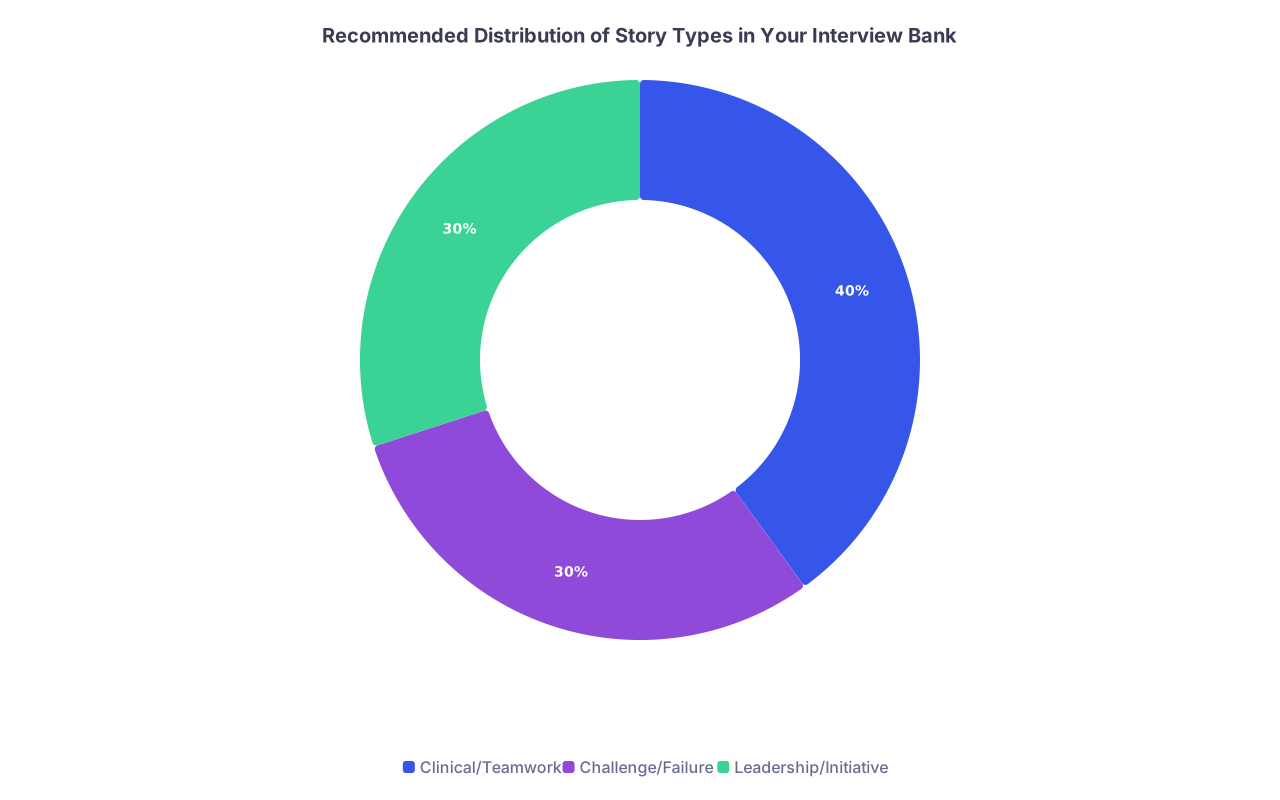
2. Behavioral and “story bank” prep
List:
- 3 clinical conflict/communication stories
- 2 mistake or failure stories with clear reflection
- 2 leadership or initiative stories
At this point you should write the name of each story and 3 bullets under it (situation, what you did, what you learned). That is enough to improvise naturally without blanking.
| Category | Value |
|---|---|
| Clinical/Teamwork | 4 |
| Challenge/Failure | 3 |
| Leadership/Initiative | 3 |
You are building a bank you can pull from every day without repeating the same story to the same program.
Day T‑3: Full Mock and Block Simulation
Three days before the block, you test the system under near‑real conditions.
1. Run a full mock interview
At this point you should schedule a 45–60 minute mock with:
- An attending or fellow
- A career advisor
- Or at minimum, a co‑applicant who will be honest
Simulate:
- You log on 10 minutes early
- You do an intro with “Tell me about yourself”
- They ask 6–8 questions, including at least:
- “Why our program?” (pick one from your block)
- One behavioral question
- One ethical or difficult patient question
- End with your questions
Ask for blunt feedback on: pacing, eye contact, rambling, and whether your “why us” answer would make them remember you.
2. Simulate a multi‑day block on paper
You will not feel the cumulative fatigue until the real thing, but you can at least plan for it.
Take your master sheet and, for each interview day, sketch:
- Wake time
- Breakfast / coffee plan
- Commute or pre‑call routine
- 30–60 minute decompression and notes time afterward
| Time | Activity |
|---|---|
| 06:45–07:15 | Wake, shower, light breakfast |
| 07:15–07:30 | Tech setup, log‑in check |
| 07:30–12:30 | Interview day |
| 12:30–13:00 | Quick meal, walk/stretch |
| 13:00–13:30 | Notes on program, thank‑you draft |
If you cannot find a 30‑minute block for post‑interview notes on any given day, fix that now, not when you are exhausted.
Day T‑2: Energy Management and Contingency Plans
At this point you have content and logistics. Now you prevent the predictable disasters.
1. Sleep and caffeine strategy
Back‑to‑back blocks destroy people who “wing” sleep.
On T‑2 you should:
- Look at your earliest interview start time in the block
- Set a consistent wake schedule that works for that time plus at least 60 minutes
- Commit to starting that wake time tomorrow (T‑1), not first day of the block
Aim to shift your sleep now so your body is not in shock on day one.
Caffeine rule: do not change your baseline habits dramatically. If you usually have one coffee, do not jump to three. If you are caffeine‑sensitive, front‑load a smaller dose early; avoid “rescue” caffeine at 3 p.m. that destroys your night.
2. Food and hydration logistics
Nobody talks about this, then they hit hour 4 of a poorly scheduled interview day and they are lightheaded.
At this point you should:
- Plan exact simple breakfasts for each interview day (yogurt + fruit, toast + eggs, oatmeal—nothing experimental)
- Buy or prep snacks that are not messy and do not rattle on camera: nuts, protein bars, cut fruit
- Place a full water bottle or glass at your desk for every interview
Do this shopping or prep on T‑2, not in a panic between interviews.
3. Contingency kit
Assume that one thing will go wrong. Power, Wi‑Fi, illness. Your job is to reduce the damage.
Prepare:
- Backup device charged (tablet or second laptop, phone as last resort)
- Phone numbers or emergency contacts for each program’s coordinator (in your master sheet)
- A short template email ready to send if tech fails:
- “I am having unexpected technical issues with my connection. I am attempting to reconnect via [backup method]. I apologize for the disruption.”
Take 15 minutes and assemble a small “desk kit”: tissues, lip balm, pen, paper, charger, pain reliever. You do not want to be hunting for any of these on camera.
Day T‑1: Final Run‑Through and Mental Reset
This is not a cram day. If you treat it like one, you will show up tight and scattered.
Morning: Light Review Only
At this point you should:
- Skim each program’s one‑pager in the order they occur during the block
- Read over your story bank headings (not full stories)
- Do one quick out‑loud run of:
- “Tell me about yourself”
- “Why this specialty?”
Limit this to 60–90 minutes. If you catch yourself rewriting answers the day before, stop. That is anxiety, not improvement.
Midday: Environment and Tech Final Check
Rehearse your start of day routine exactly as you will do it:
- Set out tomorrow’s outfit, including backup shirt/blouse
- Lay out breakfast items so you are not cooking an experiment at 7 a.m.
- Open your laptop at the actual desk, check:
- Camera framing
- Audio input/output
- Background and lighting at your interview time (if possible)
Then close everything. You do not need 20 tabs open by bedtime.
Late Afternoon: Short Mock and Voice Warm‑up
You do not need another full mock, but you do need to get your vocal cords and face used to talking.
At this point you should:
- Call a friend or partner and ask them to rapid‑fire 3–4 questions
- Answer each in 60–90 seconds, focusing on energy and clarity
Do a quick 3–5 minute voice warm‑up: read a paragraph out loud, do a few tongue twisters, practice smiling while you talk. It sounds silly until you see how flat people look when they speak all day without warming up.
Evening: Non‑Medical, Low‑Stimulation Reset
Last few hours before bed, your only real task is to not sabotage tomorrow:
- No rewriting your ERAS
- No panic Googling “top 50 residency interview questions” at 11:30 p.m.
Instead:
- Light movement: walk, gentle stretching
- Screen‑light reduction 60 minutes before sleep
- Prep alarms (yes, multiple) and plug phone away from the bed
You want to arrive at day one of the block feeling like it is day three of a rotation. Familiar. Not like the MCAT.
How to Adjust if Your Pre‑Interview “Week” is Shorter
Sometimes you do not have seven days. You have three. Or less.
Here is how to compress without destroying the structure:
| Priority Level | Tasks to Keep |
|---|---|
| Must‑do | Master schedule, time zones |
| Must‑do | Tech and environment check |
| High | Program one‑pagers |
| High | Big three answers |
| Optional | Full mock, story bank depth |
- If you have 3–4 days: combine T‑7 and T‑6 (scheduling + space) into one, and compress T‑5/T‑4 (program prep + answers) into one longer session.
- If you have 1–2 days: focus on logistics, tech, and your “big three” answers. Skim programs rather than building full one‑pagers.
Common Mistakes In Back‑to‑Back Blocks (And When to Prevent Them)
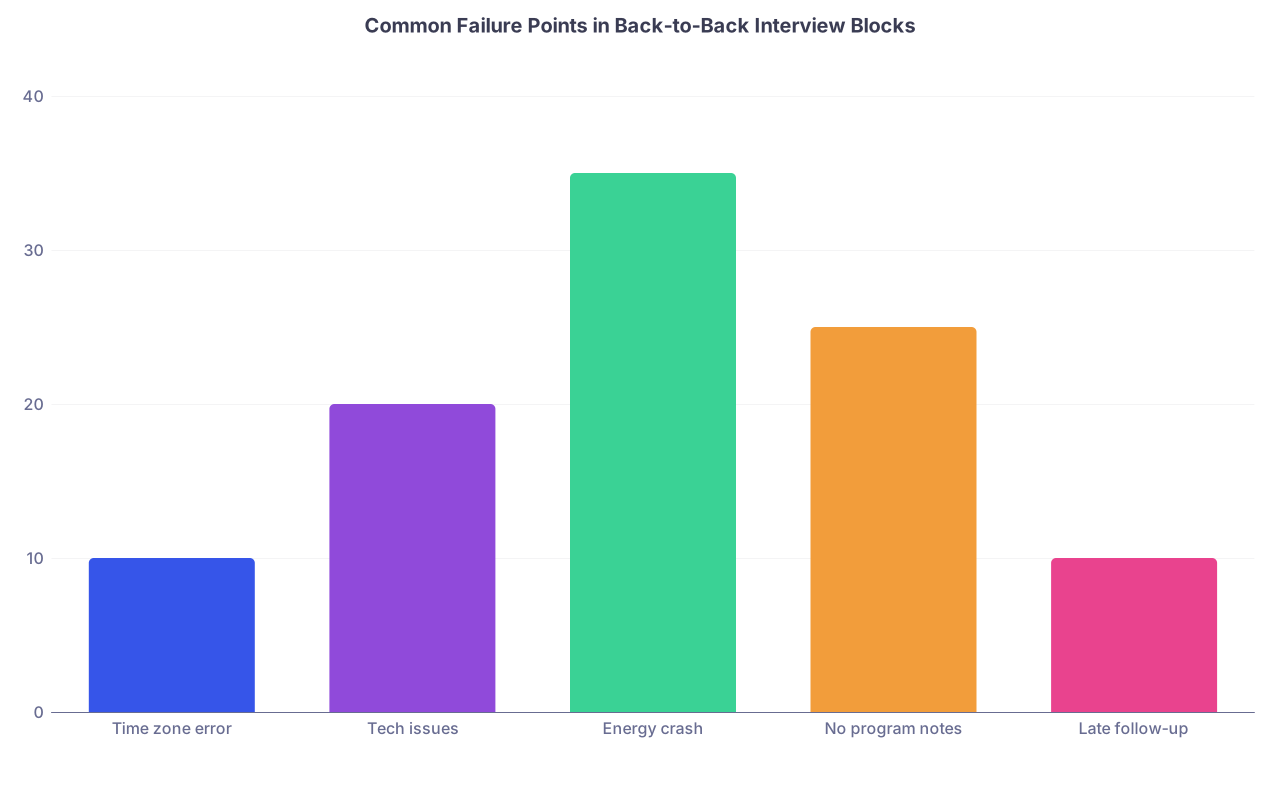
| Category | Value |
|---|---|
| Time zone error | 10 |
| Tech issues | 20 |
| Energy crash | 35 |
| No program notes | 25 |
| Late follow-up | 10 |
You prevent:
- Time zone errors on T‑7
- Tech issues on T‑7 and T‑6
- Energy crashes on T‑2 and T‑1
- Forgetting programs (they all blur together) by scheduling 20–30 minutes immediately after each interview day during the block to write comparison notes
If you build the week I laid out, you will still be tired. That is normal. But you will not be disorganized, late, or caught flat‑footed by obvious questions.
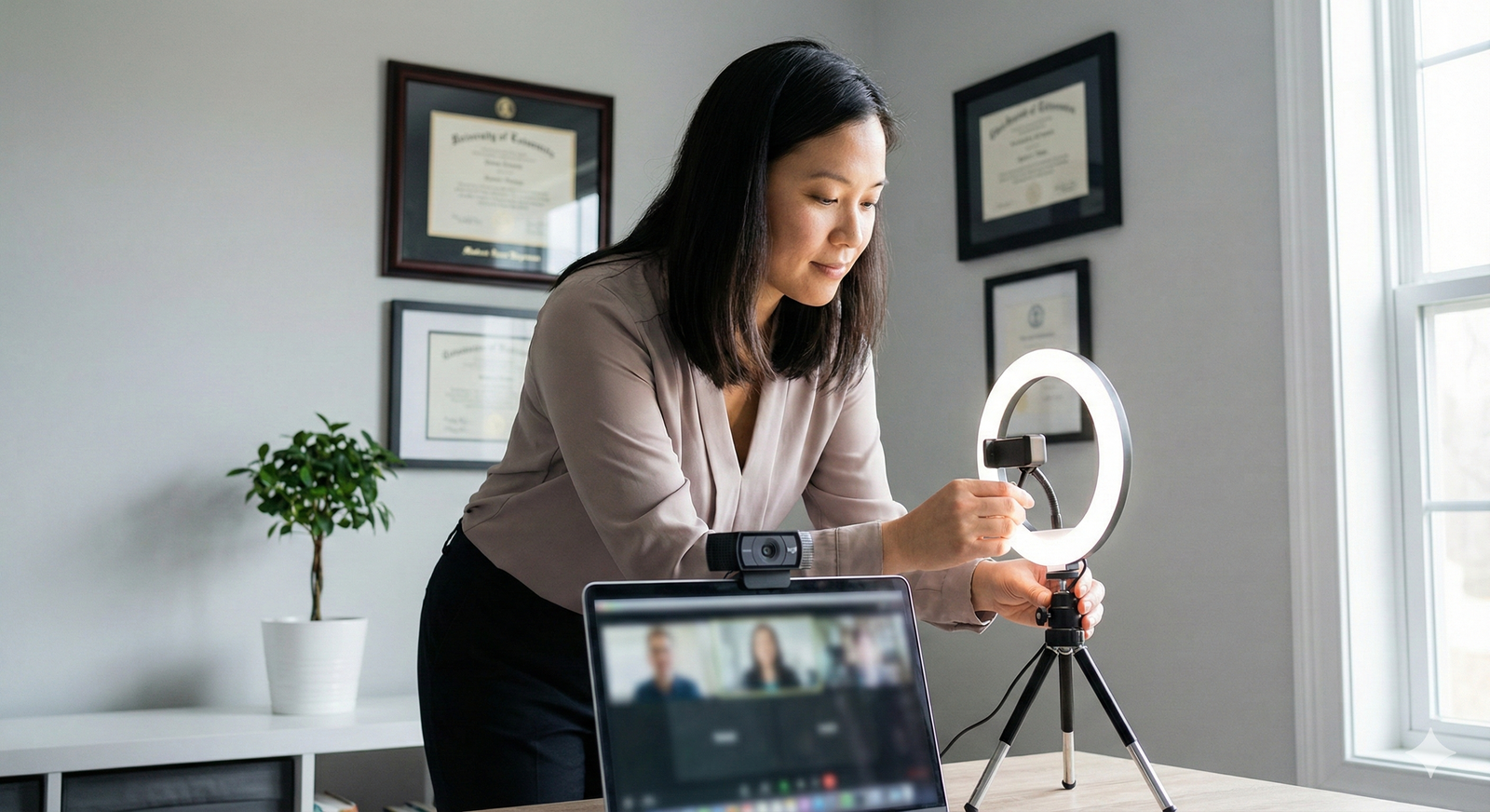
FAQ (Exactly 4 Questions)
1. How many hours per day should I spend preparing in the week before a big interview block?
For a true back‑to‑back block, 1–3 focused hours per day in the pre‑interview week is usually enough if you follow a plan. Front‑load heavier work (logistics, program one‑pagers, story bank) on T‑7 to T‑4. T‑2 and T‑1 should be lighter, focused on energy and environment, not new content. If you are on a demanding rotation, aim for 60–90 minutes of high‑quality prep rather than half‑awake late‑night marathons.
2. How many mock interviews do I actually need before a block of interviews?
If you have already done a few earlier in the season, one solid 45–60 minute mock on T‑3 is enough. If this block is your first interview stretch, try for two: one general mock 1–2 weeks before, and a targeted one on T‑3. Past that, more mocks often just increase anxiety and push you toward over‑rehearsed, robotic answers. Depth of reflection on your real experiences matters more than the sheer number of fake interviews.
3. Should I change my answers between programs during a back‑to‑back week?
Your core story—who you are, why the specialty, your major experiences—should stay the same. However, your emphasis must shift based on the program. That is exactly why you create one‑pagers with a “main angle” for each site. University program with strong research? Lead with your project and academic goals. Community program with underserved focus? Push your clinic and service experience. The mistake is either giving the same generic answer everywhere or contorting yourself into a new person for each interview.
4. How do I keep programs from blending together during a long interview block?
You solve this in two phases. Pre‑interview week: build concise, distinct one‑pagers that highlight what makes each program unique. During the block: reserve 20–30 minutes after each interview day to write specific notes—people you met, cases discussed, your gut feeling, pros/cons. Keep all of that in one document or spreadsheet. By the time you rank, you will not be relying on vague impressions from a week when you were exhausted and running on adrenaline.
Key points:
- Use the pre‑interview week to build a system: master schedule, one‑pagers, story bank.
- Lock logistics and energy management early so interview days feel routine, not chaotic.
- Treat T‑1 as a calm run‑up, not a cram session; you win this block with structure, not last‑minute heroics.