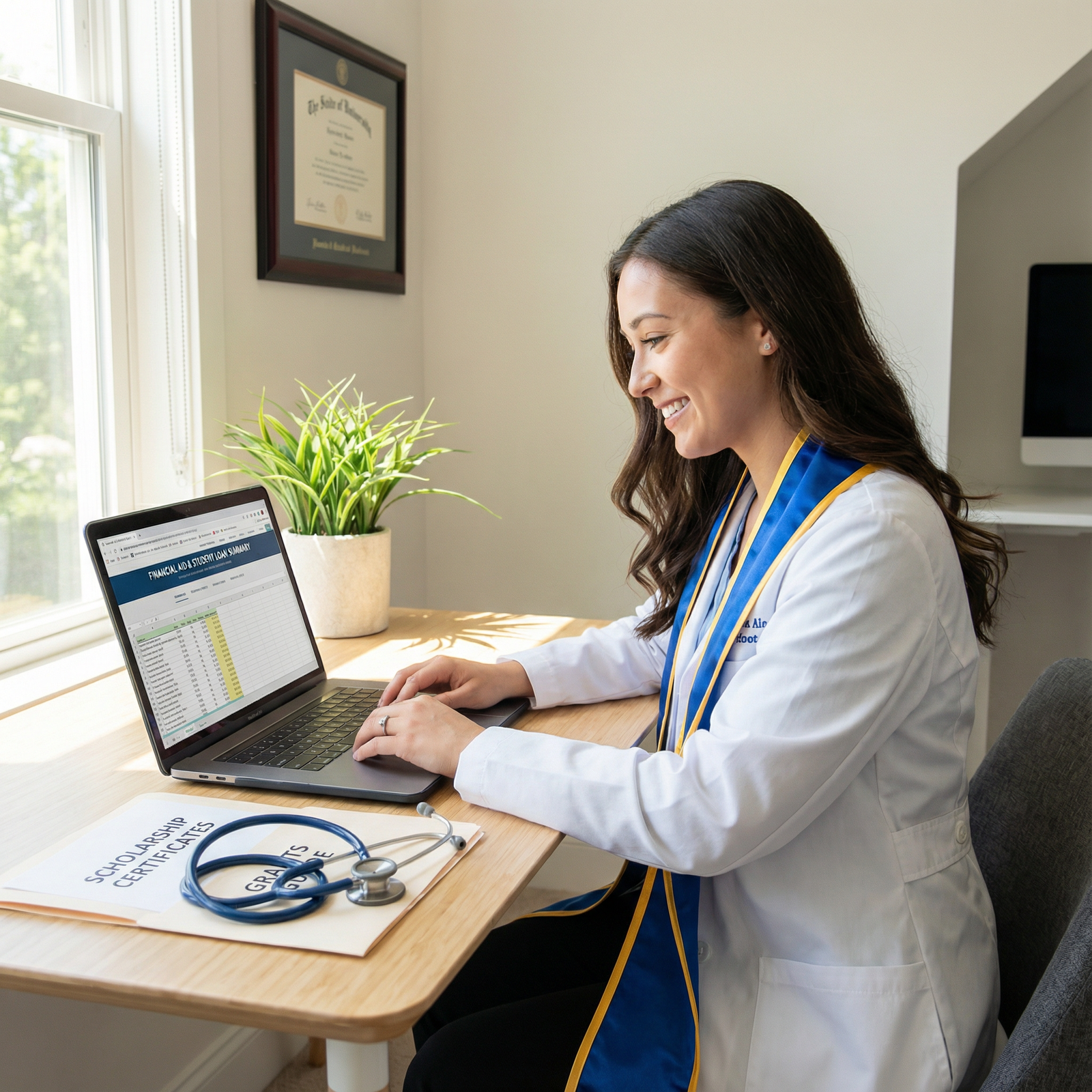
Medical school is one of the most demanding and rewarding paths you can choose—but it’s also one of the most expensive. Between rising tuition, fees, board exams, and cost of living, many students graduate with six-figure student loans. While federal aid and traditional part‑time work help, they often don’t go far enough, and rigid schedules can clash with clinical rotations and exam blocks.
That’s where non-traditional income opportunities come in. With thoughtful planning, you can create flexible, higher‑value income streams that support your financial goals without undermining your academic performance. Many of these side hustles also build skills and experiences that improve residency applications and future career prospects.
This guide explores practical, non-traditional ways to earn money during Medical School, how to choose what’s right for you, and how to balance Income Opportunities with the realities of training to become a physician.
Why Non‑Traditional Income Opportunities Matter in Medical School
Flexibility Around an Unpredictable Schedule
Traditional jobs—waiting tables, campus jobs, or fixed‑shift clinical roles—often don’t align with:
- Exam-heavy weeks
- Rotations with call nights
- Step/Level preparation blocks
- Research deadlines
Non-traditional income options, especially remote work and Freelancing, tend to offer:
- Asynchronous work (you choose when to complete tasks)
- Project‑based pay instead of fixed shifts
- The ability to ramp up or down around test blocks or intense rotations
This flexibility can be the difference between sustainable side income and burnout.
Leveraging and Building Valuable Skills
Many non-traditional jobs allow you to:
- Use your existing medical knowledge (e.g., tutoring, medical writing)
- Develop marketable non‑clinical skills (e.g., writing, web design, data analysis)
- Gain exposure to healthcare technology, education, or business
These skills can be highlighted on CVs, ERAS applications, and in residency interviews, particularly if you can show sustained contribution or leadership in these roles.
Networking and Career Exploration
Certain Income Opportunities—like working with digital health startups or contributing to educational platforms—connect you with:
- Physicians and researchers
- Entrepreneurs and product teams
- Health tech innovators
- Medical education leaders
These connections can organically lead to research projects, letters of recommendation, or even post‑residency opportunities.
Strategic Impact on Student Loans and Financial Health
Earning even a modest, reliable side income during Medical School can help you:
- Reduce how much you borrow each semester
- Cover exam fees, interview travel, or application costs
- Start an emergency fund to reduce reliance on credit cards
- Potentially make interest‑only payments on Student Loans during school, limiting capitalization after graduation
Combined with smart Financial Tips—like budgeting apps, avoiding lifestyle inflation, and understanding loan terms—non‑traditional work can significantly improve your long‑term financial trajectory.
How to Choose the Right Side Income as a Medical Student
Before jumping into specific opportunities, it’s important to choose options that truly fit your situation.
Key Questions to Ask Yourself
How predictable is my current schedule?
Pre‑clinical students may have more flexibility than those on sub‑internships or audition rotations.Do I prefer remote work or in‑person roles?
Remote options (writing, online tutoring, design) often scale better during busy rotations.What skills do I already have that people will pay for?
This might include test‑taking strategies, graphic design, coding, or social media content creation.How quickly do I need income?
Some options (e.g., blogging, YouTube) take months to monetize, while tutoring or Freelancing can generate income almost immediately.What is my burnout risk?
If you’re consistently exhausted or struggling with coursework, low‑intensity, low‑commitment work may be safer.

Top Non‑Traditional Income Opportunities for Medical Students
Below are non-traditional, flexible Income Opportunities that align well with Medical School demands and can help you strategically address Student Loans.
1. Freelance Medical Writing and Editing
If you enjoy writing and have a strong grasp of scientific concepts, freelance medical writing can be both lucrative and professionally relevant.
Types of Work Available
- Patient education articles for health websites
- Blog posts for medical practices or hospitals
- Continuing medical education (CME) materials
- Editing journal submissions or abstracts
- Board review content or question writing
- Marketing copy for digital health companies or medical devices
How to Get Started
Build a simple portfolio
- Start with 3–5 sample pieces:
- Summaries of recent journal articles
- Patient‑friendly explainers (e.g., “Understanding Hypertension”)
- Blog‑style posts about study strategies or Med School life
- Publish on a personal website, Medium, or LinkedIn.
- Start with 3–5 sample pieces:
Use Freelancing platforms strategically
- Create profiles on sites like Upwork, Freelancer, or specialized platforms.
- Highlight:
- Your Medical School status
- Any research publications or abstracts
- Specific clinical interests or expertise
Network within the medical writing community
- Join professional organizations (e.g., American Medical Writers Association).
- Follow medical education companies and journals on LinkedIn/X and watch for calls for writers.
- Ask faculty mentors if they know of paid writing opportunities.
Set boundaries and realistic workloads
- Start small: 1–2 short pieces per month.
- Protect exam weeks by not accepting new assignments then.
Why It’s High‑Value
- Highly flexible and remote
- Directly uses your medical training
- Strengthens your CV with academic and educational experience
- Can grow into a substantial side business during residency and beyond
2. Tutoring and Academic Coaching
Tutoring is one of the most accessible ways to earn money and reinforce your own knowledge at the same time.
Who You Can Tutor
- Pre‑med undergraduates:
- General chemistry, biology, physiology, organic chemistry, physics
- Standardized test prep:
- MCAT, DAT, GRE (especially if you scored high)
- Pre‑clinical peers:
- Anatomy, physiology, biochemistry, pathology, pharmacology
- Step/COMLEX prep:
- Basic concepts, test‑taking strategies, study plans
Benefits of Tutoring
- Reinforces your own understanding by teaching concepts
- Flexible scheduling around classes and rotations
- Strong addition to your academic or education‑focused CV
- Potential to transition into group courses or paid online workshops
How to Get Started
- Within your school
- Ask your learning center, academic support office, or student affairs if they hire or recommend peer tutors.
- Online platforms
- Join sites like Wyzant, Varsity Tutors, or pre‑med/MCAT‑focused companies.
- Independent tutoring
- Advertise through:
- Pre‑med clubs and listservs at local colleges
- Social media posts targeting pre‑med communities
- Word of mouth from prior students
- Advertise through:
Practical Tips
- Offer a free 15–20 minute consultation to understand goals.
- Use structured tools: shared Google Docs for study plans, Anki guidance, and exam date planning.
- Charge appropriately for your expertise—especially for MCAT or USMLE/COMLEX prep.
3. Contributing to Mobile Health and Digital Health Startups
The explosion of telehealth and mobile health applications has created new roles for Medical School trainees.
Types of Roles You Might Fill
- Clinical content contributor
- Review health app content for accuracy
- Write in‑app educational materials
- User testing and feedback
- Give feedback on clinical workflows, patient-facing UX, or triage logic
- Medical advisor (junior level)
- Help align product features with real‑world clinical needs
- Outreach and education
- Produce blog posts, webinars, or social media content for the company
Where to Find Opportunities
- University entrepreneurship centers or innovation hubs
- Local startup incubators and pitch competitions
- LinkedIn—search “digital health,” “telemedicine,” “health tech”
- Specialized communities like:
- digital health Slack groups
- online startup job boards
Why This Can Be Especially Valuable
- Exposure to healthcare innovation and industry
- Potential equity or long‑term consulting opportunities
- Excellent talking points for residency interviews in EM, IM, FM, PM&R, or any tech‑adjacent specialty
- Flexibility—many tasks are project‑based and remote
4. Participating in Research Studies and Paid Surveys
While you’ll likely be involved in research as an investigator, you can also earn money by participating in certain IRB‑approved studies.
Types of Studies
- Behavioral research (e.g., decision‑making, sleep, study habits)
- Surveys on stress, burnout, or learning strategies
- Non‑invasive physiological studies (e.g., heart rate monitoring, fitness trackers)
What to Consider
- Time commitment vs. compensation:
Ensure the pay is worth the hours and visits required. - Safety and ethics:
Confirm IRB approval, understand all risks, and never feel pressured to participate. - Scheduling:
Choose studies that fit with your existing campus presence and rotation schema.
How to Find Studies
- School listservs and “call for participants” emails
- Flyers in research buildings, student centers, or hospital hallways
- ClinicalTrials.gov (filter by healthy volunteers and your region)
Though this won’t be a major income source, it can offer supplemental funds with minimal prep work.
5. Creating Online Courses, Webinars, and Digital Products
If you’ve developed systematic approaches that work—whether for exams, time management, or wellness—you can package that knowledge.
Potential Topics
- MCAT or pre‑med strategy
- First‑year survival guide (anatomy, biochem, time management)
- Step 1/Level 1 study frameworks
- Burnout prevention, mindfulness, and resilience
- Efficient use of Anki, Notion, or other study tools
Ways to Monetize
- Pre‑recorded courses on Teachable, Udemy, or Thinkific
- Live group workshops or bootcamps over Zoom
- Downloadable templates (study schedules, rotation checklists, note templates)
- Membership communities or study groups with monthly subscriptions
Steps to Get Started
Identify a specific audience and problem
Example: “Non‑traditional pre‑meds aiming to increase their MCAT CARS scores.”Outline a concise curriculum
Focus on clarity and high‑impact strategies rather than length.Create small MVP (minimum viable product)
- Start with a 60–90 minute workshop or mini‑course.
- Get feedback, refine, then expand.
Promote through:
- Pre‑med forums and Discord servers
- Social media accounts focused on Med School/Pre‑med life
- Word of mouth from previous tutoring clients
Online courses take more upfront work but can generate semi‑passive income if you continue to market and update them.
6. Pet Sitting, Dog Walking, and House Sitting
When cognitive bandwidth is low, non‑clinical and non‑academic work may be the best choice to avoid burnout.
Why This Works Well for Med Students
- You can often study while pet sitting or house sitting.
- It gets you outside and moving—helpful for stress and mental health.
- Short‑term or recurring gigs can be scheduled around exam blocks.
How to Start
- Sign up on platforms:
- Rover, Wag, TrustedHousesitters (for house/pet sits)
- Create a profile that emphasizes:
- Reliability
- Experience with pets (or willingness to learn)
- Your Medical School status (often builds trust)
- Ask early clients for reviews to build credibility quickly.
This is a particularly good option for students who are overwhelmed by clinical content and need low‑pressure Income Opportunities.
7. CNA, Medical Assistant, or Nursing Assistant Positions
If you have prior training or are willing to complete a short certification, working as a CNA or medical assistant can provide both income and clinical experience.
Pros
- Direct, hands‑on patient care experience
- Exposure to hospital workflows, nursing staff, and interdisciplinary teams
- Strengthens your clinical resume for certain specialties (e.g., EM, IM, FM)
Cons
- Less flexible than remote freelance work
- Shifts may conflict with rotations or exam schedules
- Physically demanding and potentially exhausting on top of school
Tips for Making It Work
- Seek PRN or per‑diem roles with highly flexible scheduling.
- Prioritize weekend or holiday shifts if weekday schedules are packed.
- Be honest with employers about Medical School commitments.
This path works best for pre‑clinical students with stable schedules or those in gap years before matriculation.
8. Freelance Graphic Design, Web Development, or Tech Services
If you came to Medical School with technical or creative skills, don’t leave them unused.
Possible Services
- Logo design for clinics or small businesses
- Website setup for private practices or local companies
- Social media content creation (canva posts, infographics)
- Simple app or script development for non‑medical clients
Finding Clients
- Create a portfolio on Behance, Dribbble, or GitHub (for dev work).
- List services on Fiverr or Upwork with a clear niche (e.g., “websites for independent therapists”).
- Network through:
- Local small business associations
- LinkedIn connections
- Physician groups wanting an online presence
This is classic Freelancing: you trade time and specialized skills for project‑based income, usually at higher hourly rates than many on‑campus jobs.
9. Blogging, Vlogging, and Social Media Content Creation
Documenting your Medical School journey can eventually become an income stream—though it’s a slower path to direct revenue.
Platforms to Consider
- Blogging: WordPress, Ghost, or Medium
- YouTube: Long‑form vlogs, day‑in‑the‑life, study videos
- TikTok / Instagram Reels: Short‑form tips, motivation, Q&A
- Newsletters: Substack or ConvertKit, especially for long‑form reflection and mentorship content
Monetization Options
- Ad revenue on YouTube or your blog
- Sponsorships and brand partnerships (e.g., scrubs, stethoscopes, study tools)
- Affiliate links for books, courses, or services
- Selling your own digital products or courses
Key Tips
- Choose a sustainable posting schedule (e.g., 1 video or blog per week).
- Focus on authenticity and value: clear takeaways, practical advice, and honest reflections.
- Keep your school’s professionalism and social media policies in mind.
While this path may not provide immediate funds for Student Loans, it can evolve into a powerful personal brand and long‑term asset.
10. Coaching or Teaching Sports and Fitness
If you have a background in athletics or fitness, this can be a healthy and enjoyable side job.
Opportunities Include
- Coaching youth sports teams (soccer, basketball, swimming, etc.)
- Teaching group fitness classes (yoga, spin, HIIT) after certification
- Personal training—either independent or through a gym
Benefits
- Encourages regular physical activity and stress relief
- Flexible scheduling, often evenings or weekends
- Connects you with the local community
How to Start
- Contact local community centers, schools, or clubs.
- Highlight any certifications (e.g., personal trainer, yoga instructor).
- Start with short‑term or seasonal commitments (e.g., one sports season, a 6‑week class series).
This can be particularly appealing if you’re interested in sports medicine, PM&R, or lifestyle medicine.
Practical Financial Tips: Making Your Side Income Count
Earning extra money only helps your Student Loans if you use it strategically.
1. Build a Simple Budget
- Use apps like YNAB, Mint, or EveryDollar, or a basic spreadsheet.
- Track:
- Fixed costs (rent, utilities, insurance)
- Variable costs (food, transport)
- Academic expenses (books, exams, resources)
- Allocate a clear percentage of side income toward:
- Emergency fund (aim for at least 1–3 months of essential expenses)
- Extra loan payments (if you’re able)
- Smaller sinking funds (e.g., Step exams, interview travel, ERAS fees)
2. Understand Your Student Loans
- Know:
- Interest rates
- Subsidized vs. unsubsidized vs. private loans
- Grace period and when interest capitalizes
- If possible, make interest‑only payments during school to slow your balance growth.
- Learn about:
- Income‑Driven Repayment (IDR) plans
- Public Service Loan Forgiveness (PSLF)
- State or specialty loan repayment programs
3. Avoid Lifestyle Inflation
It’s tempting to “reward yourself” with every new check. Instead:
- Keep your core lifestyle modest.
- Designate a small “fun” percentage of every side‑income payment (e.g., 10%) and direct the rest toward loans, savings, or planned expenses.
4. Protect Your Time and Energy
- Use time-blocking to schedule study, work, and rest.
- Regularly reassess:
- Is the income worth the stress?
- Is this still aligned with my academic performance and mental health?

FAQs: Non‑Traditional Income and Student Loan Management in Medical School
1. What is the best non‑traditional job for a busy medical student?
There’s no universal “best” job—it depends on your schedule, energy, and skills. Some of the most Med School‑friendly options are:
- Freelance medical writing: high flexibility, directly related to medicine.
- Tutoring (especially MCAT or Step/COMLEX): good hourly rates, reinforces your own learning.
- Remote Freelancing (design, programming, editing): fully asynchronous and scalable.
If you’re on intense clinical rotations, options that require minimal scheduling (like asynchronous writing projects or occasional pet sitting) often work better than shift‑based roles.
2. Can I realistically start a side hustle as a first‑year medical student?
Yes—many students do, but timing and scope are critical.
- First semester: Focus on adjusting to Med School rigor. Consider very low‑commitment work if at all.
- After your first exam block: Re‑evaluate your bandwidth. If you’re performing well and managing stress, you can experiment with:
- Light tutoring
- Occasional freelance writing
- Early content creation (blogging or vlogging) with no pressure to monetize immediately
Start small, track your grades and stress levels, and be willing to pause if needed.
3. Will non‑traditional work hurt my residency application?
Not if you manage it appropriately—and it can actually help.
Positive impact when:
- Your side work is clearly secondary to your academic performance.
- It aligns with professional goals (e.g., medical education, health tech, global health).
- You can show sustained involvement, leadership, or tangible outcomes (publications, successful programs, startups contributions).
Potential risks:
- Falling grades or poor exam performance due to overcommitment.
- Work that conflicts with professional standards or school policies.
- Sharing unprofessional content online for social media income.
Residency programs care primarily about your academic performance, clinical evaluations, and professionalism. If those are solid, well‑chosen side income projects can be a strength, not a liability.
4. How do I balance side jobs with demanding medical courses and rotations?
Some practical strategies:
- Time‑block your week:
- Fixed class/rotation times
- Protected study blocks
- Restricted, pre‑defined windows for side work
- Schedule no work during:
- The week before major exams
- Especially intense sub‑internships or away rotations
- Choose asynchronous or highly flexible roles whenever possible.
- Build in true rest time—chronic burnout will hurt both your income and your career.
If your grades slip, Step/COMLEX scores are at risk, or your wellness declines, cut back or pause side work.
5. Should I use my side income to pay down student loans during school or save it?
It depends on your situation:
- High‑priority uses in Medical School:
- Building a small emergency fund (1–3 months of essential expenses)
- Covering upcoming known expenses (Step exams, application fees, travel)
- After that, consider:
- Making interest‑only payments on high‑interest loans to slow balance growth
- Saving in a high‑yield savings account for flexibility
If you’re unsure, meeting with a student financial advisor or a fee‑only financial planner (especially one familiar with physician finances) can help you decide how to deploy your side income most effectively.
Non‑traditional Income Opportunities can’t erase the cost of Medical School, but they can give you control, flexibility, and a head start on managing Student Loans. More importantly, they can help you develop skills and connections that support your long‑term career as a physician.
By intentionally choosing side work that fits your schedule, aligns with your strengths, and supports your well‑being, you can ease financial pressure now while building a more secure and fulfilling professional future.