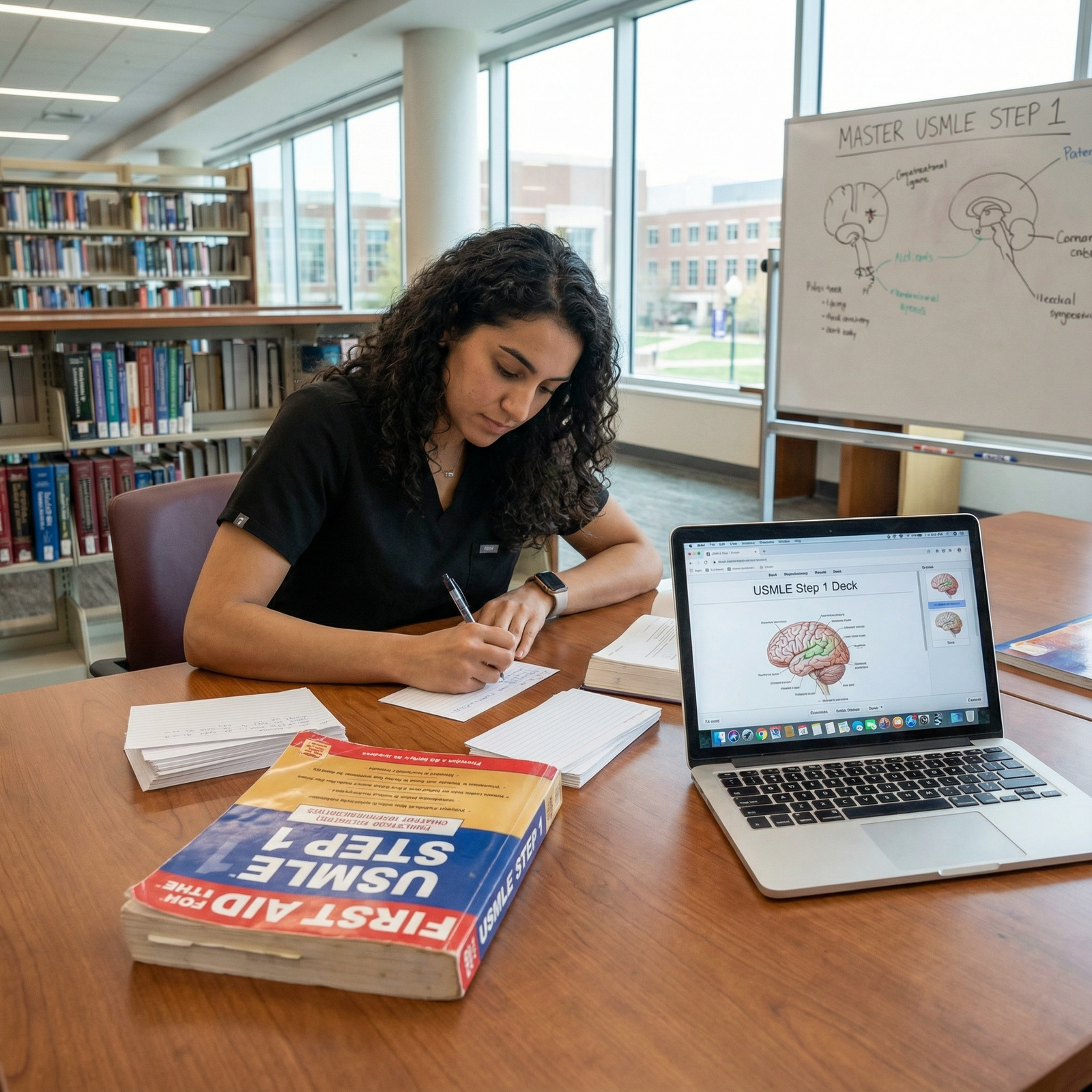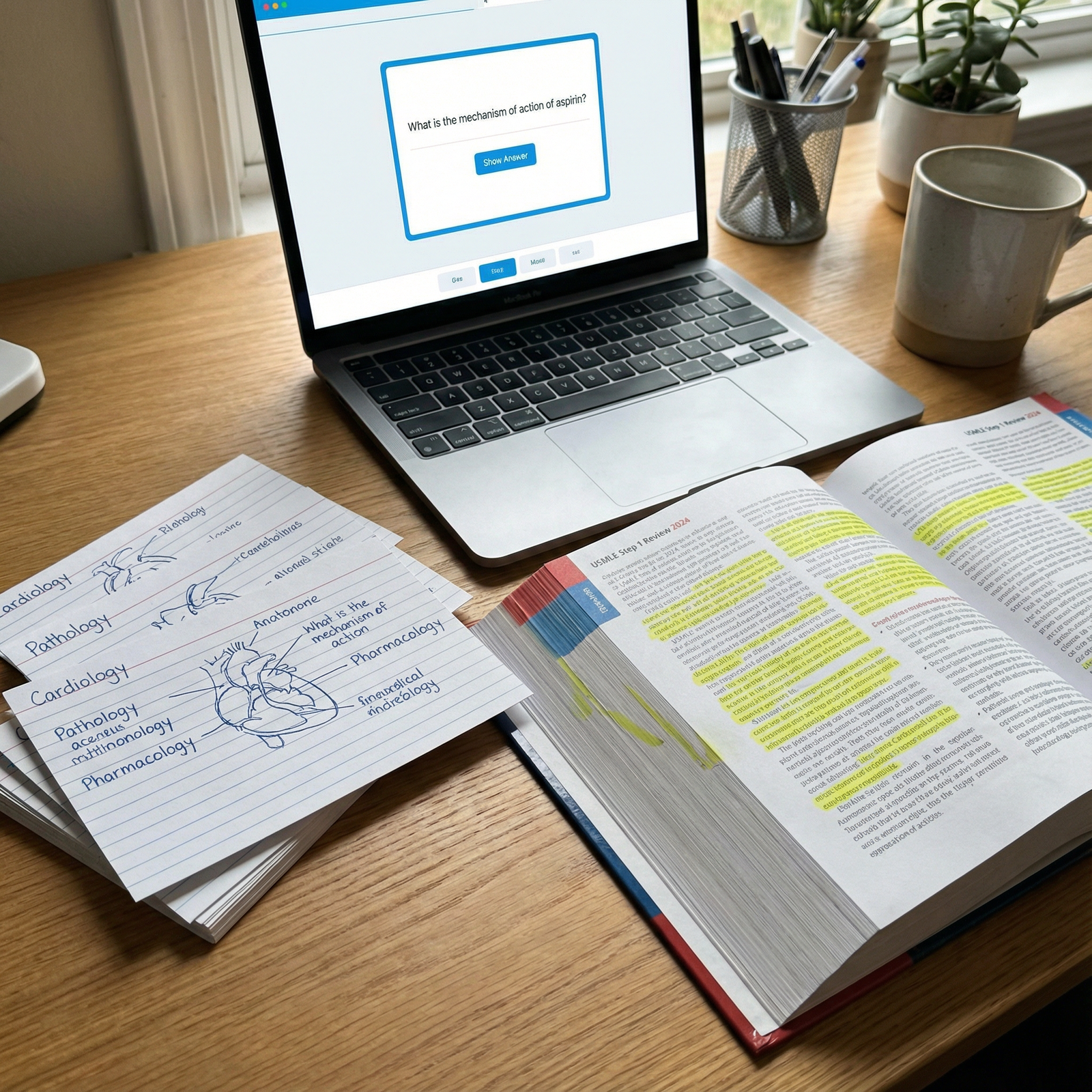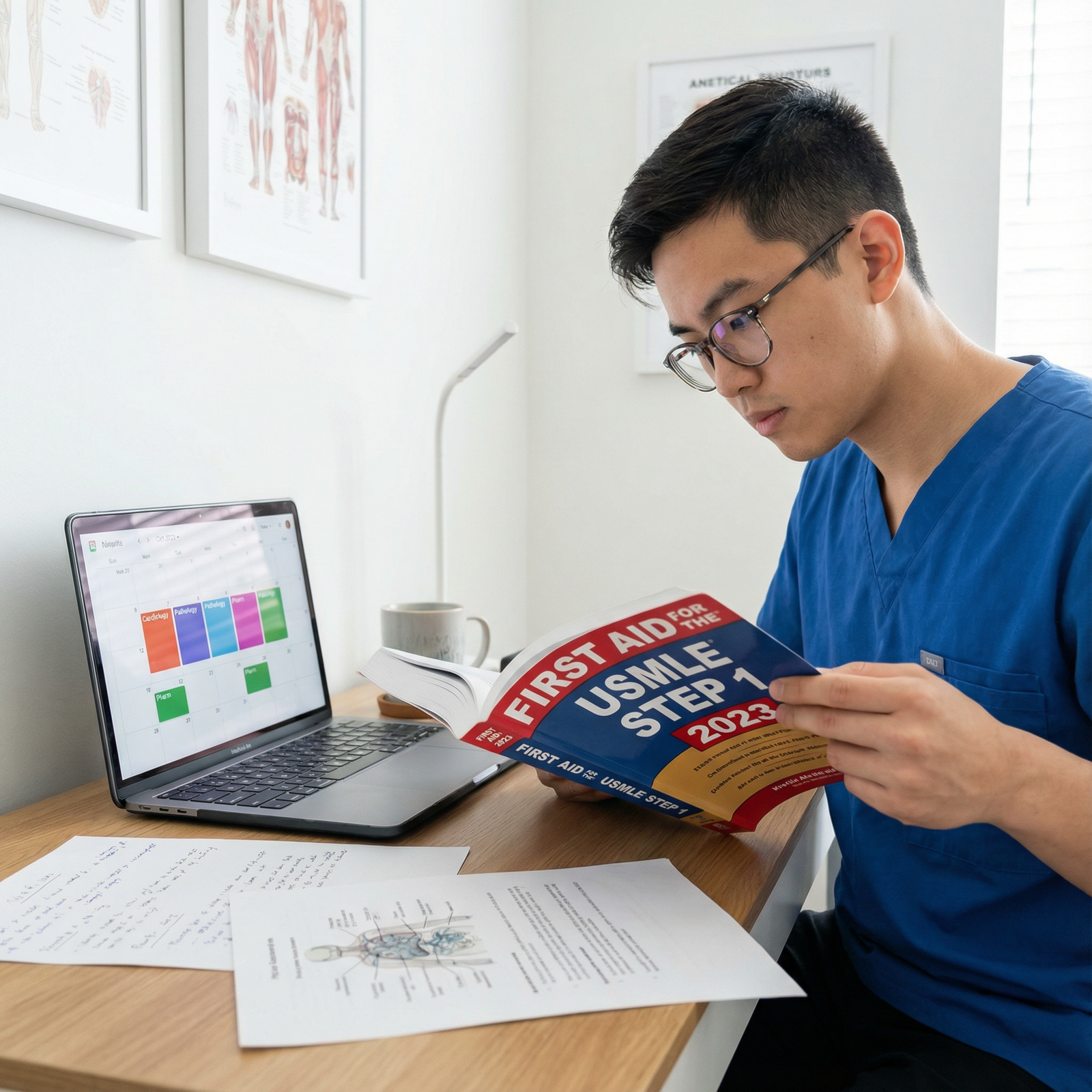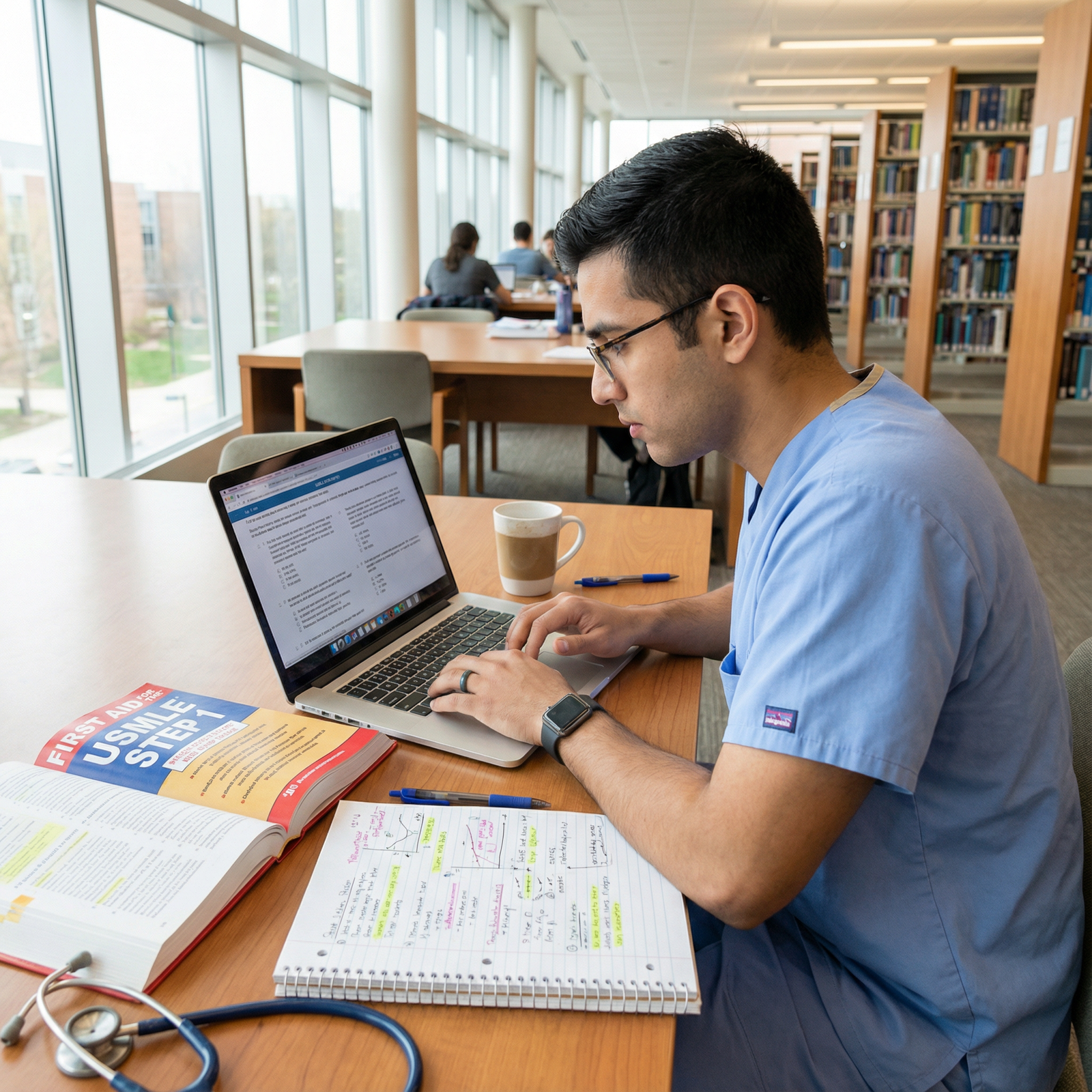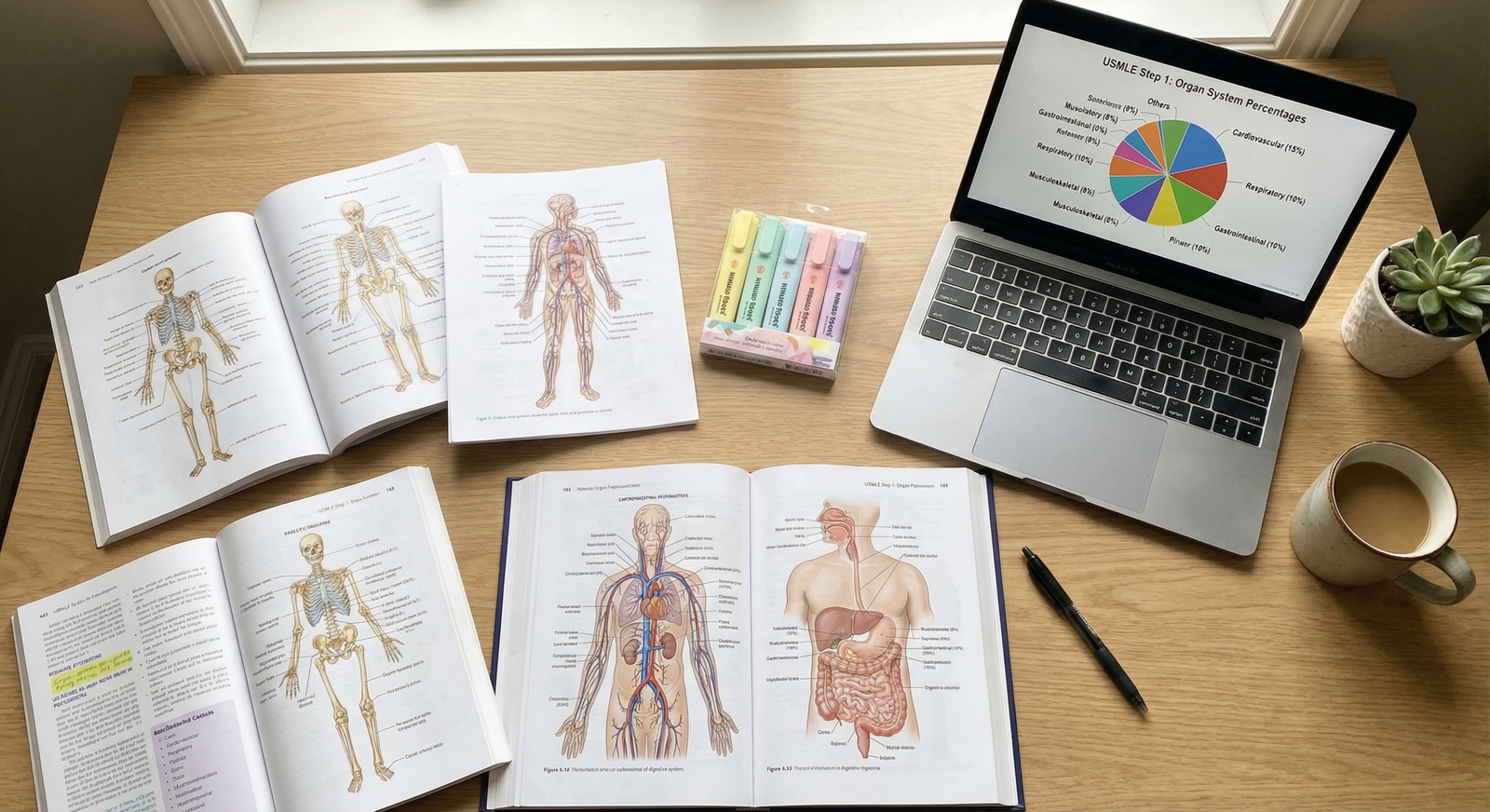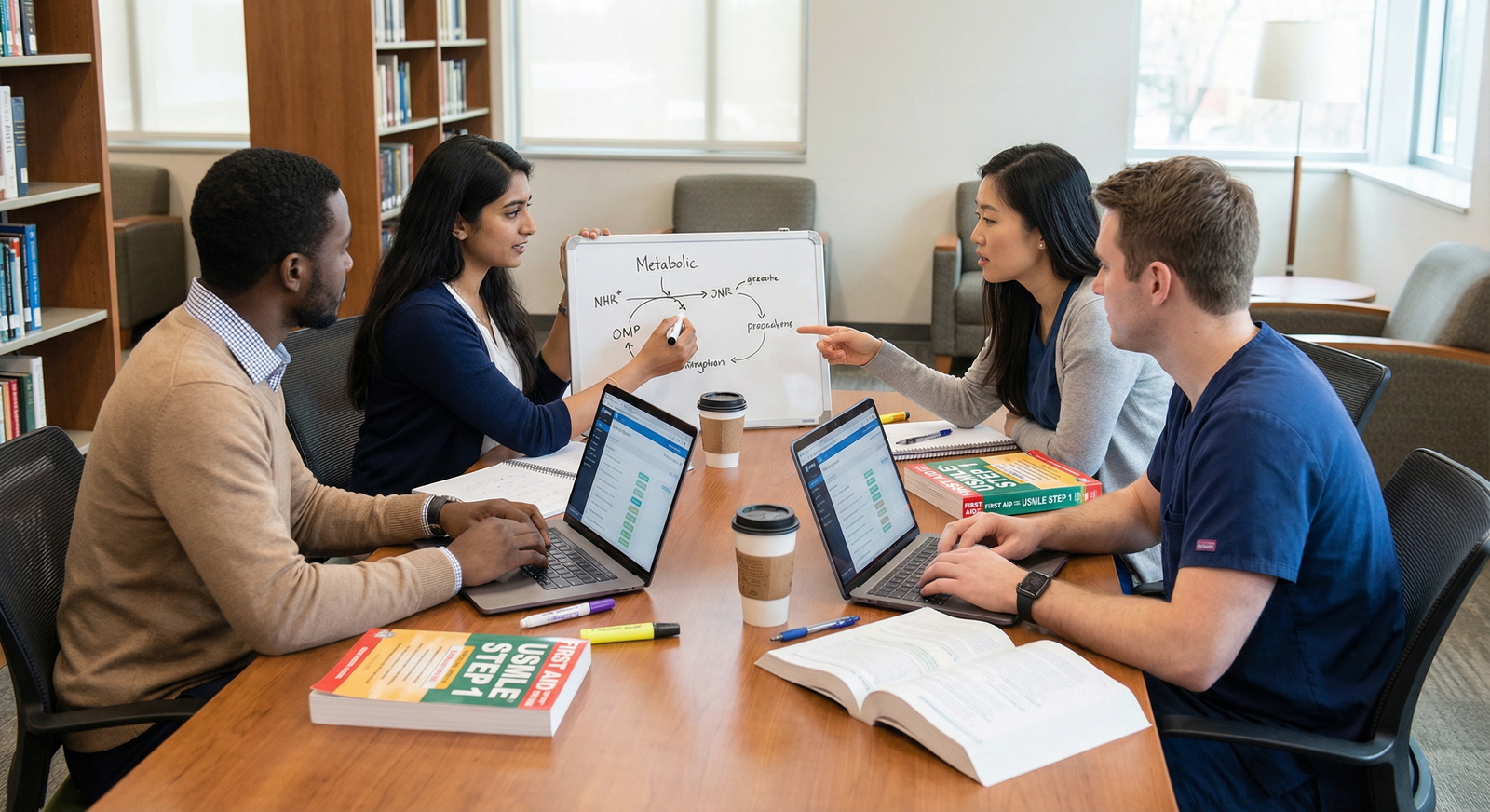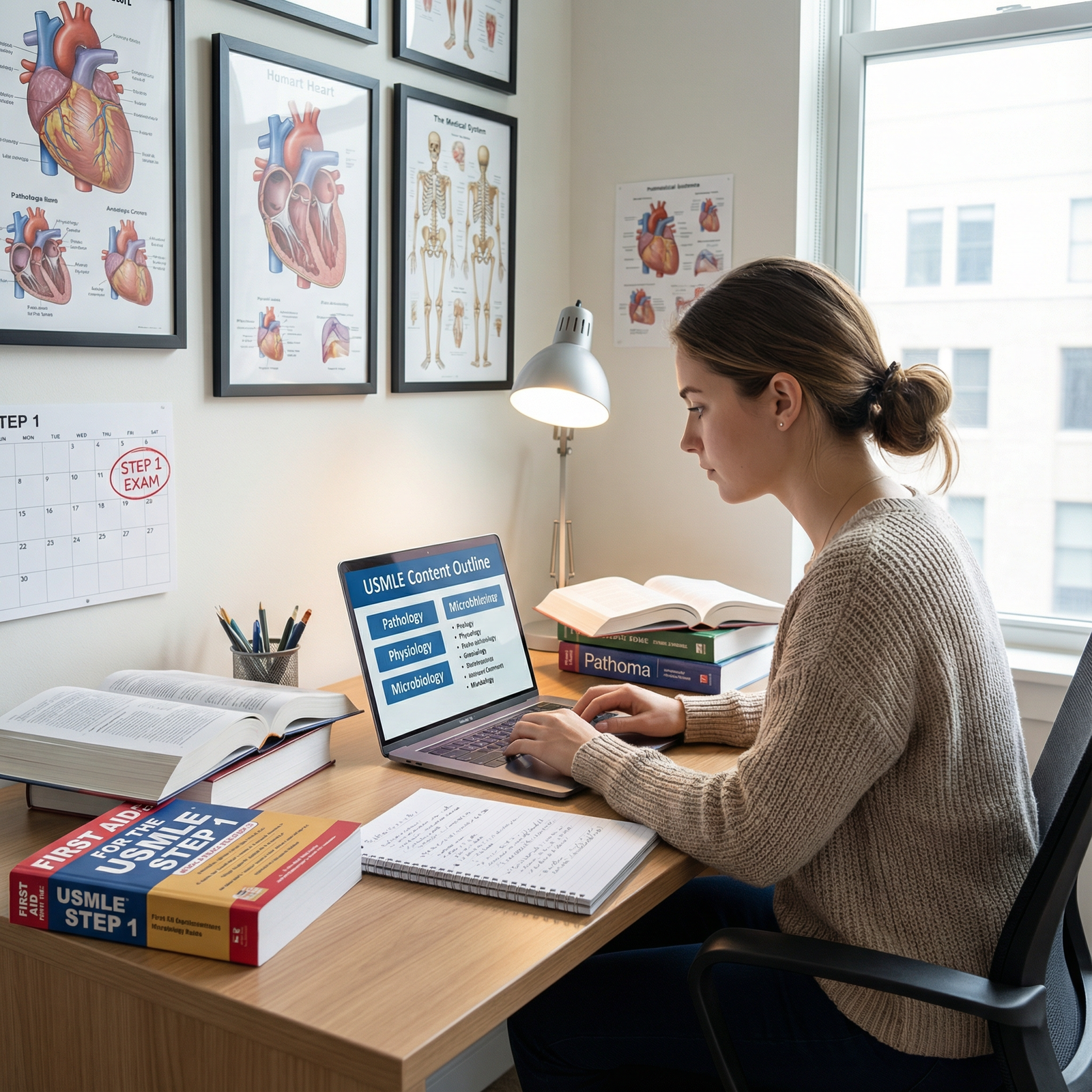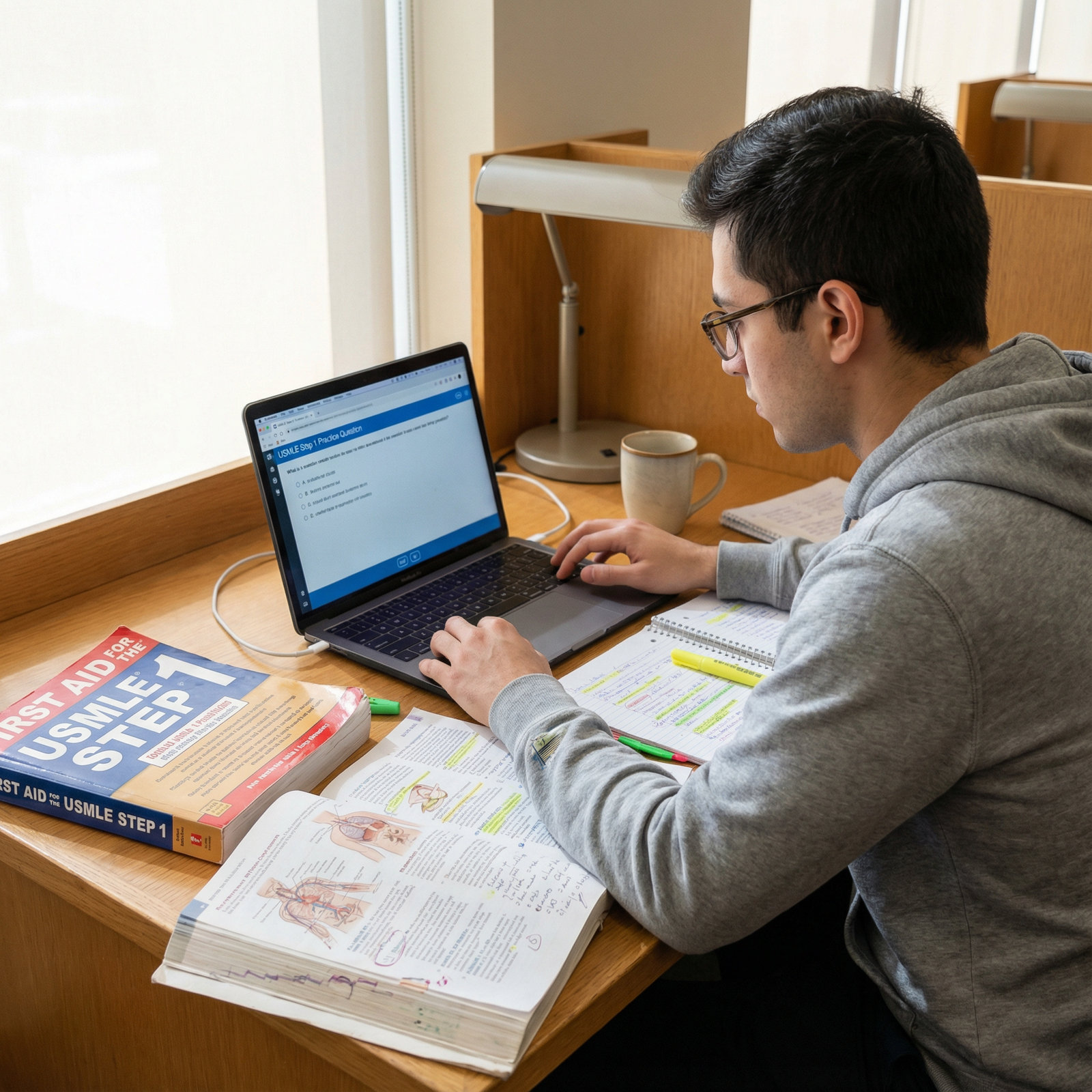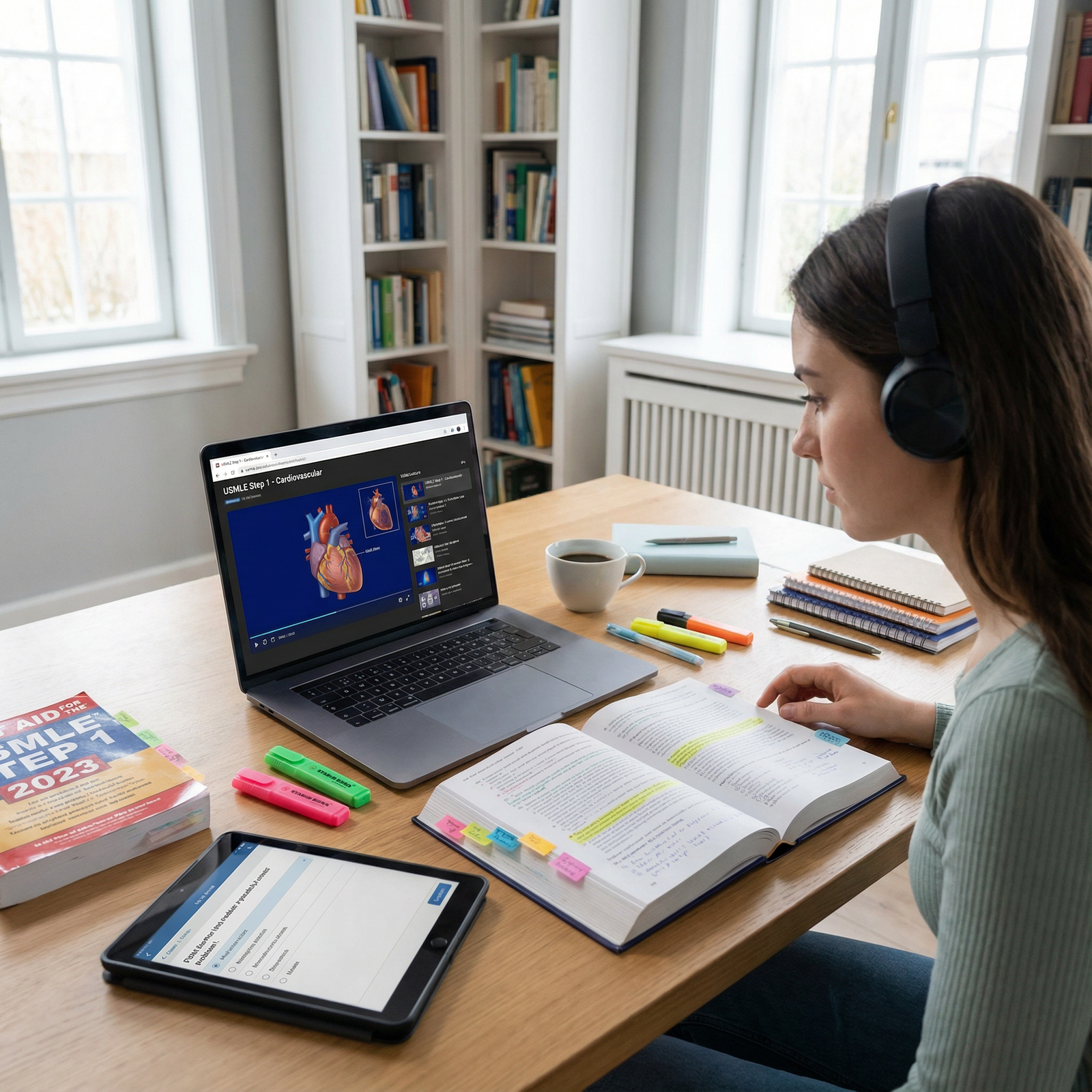
Preparation for the USMLE Step 1 is one of the most demanding phases of medical school. Between anatomy atlases, dense pathology texts, question banks, and review books, it can be difficult to decide how to best structure your study routine. Among the many resources available today, Video Lectures have become a cornerstone of modern medical education, especially for Step 1 preparation.
This expanded guide explores, in depth, why integrating video lectures into your USMLE Step 1 study plan can significantly improve understanding, retention, and long-term performance—while also helping you study more efficiently and in a way that matches your unique learning style.
Understanding USMLE Step 1 and the Role of Video Lectures
Before diving into strategies, it helps to understand what Step 1 actually demands and where video lectures fit in the bigger picture of study techniques.
What USMLE Step 1 Really Tests
USMLE Step 1 is designed to test how well you understand and can apply the basic medical sciences to clinical scenarios. It’s not just a recall exam. The content spans:
- Anatomy, histology, and embryology
- Biochemistry and molecular biology
- Physiology
- Microbiology and immunology
- Pathology
- Pharmacology
- Behavioral sciences, biostatistics, and epidemiology
- Multisystem processes and foundational interdisciplinary topics
Even with the recent shift to pass/fail scoring, Step 1 remains high stakes. A strong foundation here makes Step 2 CK and clinical rotations much more manageable. The challenge is not only the volume of content but also the integration across disciplines.
Why Video Lectures Fit Modern Medical Education
Traditional approaches—reading heavy textbooks and going to in-person lectures—are no longer the only options. High-yield video lectures have transformed Step 1 prep by:
- Breaking complex systems into digestible segments
- Providing visual and auditory explanations aligned with exam content
- Integrating clinical vignettes directly into basic science teaching
- Allowing on-demand, repeatable exposure to difficult topics
These features make video lectures especially powerful when combined with active learning resources like question banks and spaced repetition.
1. Harnessing Visual Learning: Why Video Lectures Stick
Many medical students naturally lean toward visual or multimodal learning. Video lectures leverage graphics, animation, and live drawing to make abstract concepts concrete—something a static page can rarely achieve.
How Visuals Improve Retention and Understanding
Video lectures often integrate:
- Dynamic diagrams and animations – such as ion channels opening, action potentials propagating, or renal transporters moving solutes
- Flowcharts and concept maps – outlining pathways, disease mechanisms, and drug interactions
- Illustrated clinical correlations – linking pathology slides, imaging, and physical findings to basic science
These visual tools support:
- Better memory encoding: You’re more likely to remember the animation of an EKG change in hyperkalemia than a paragraph describing it.
- Stronger conceptual frameworks: Seeing multiple related pathways arranged visually helps your brain organize information into a coherent mental map.
- Quicker recall during questions: When facing a Step 1 question, students often “see” the lecture slide or animation in their mind, guiding them toward the right answer.
Example: Visualizing the Heart’s Anatomy and Function
Consider a lecture on cardiac anatomy and physiology. A well-designed video might:
- Show a 3D animation of the heart rotating in space
- Highlight coronary artery territories in different colors
- Animate blood flow through chambers and valves in sync with the cardiac cycle
- Overlay pressure-volume loops with valve opening and closing
Now, when you face a question about a murmur that increases with inspiration or a coronary artery infarct territory, that mental model helps you reason through the scenario, not just recall random facts.
Supporting Different Learning Styles
While pure “learning styles” theory is debated, it’s clear that varied modalities help most learners. Video lectures blend:
- Visual learning – diagrams, animations, charts
- Auditory learning – verbal explanations, repetition of key points
- Reading/writing – integrated slides, captions, accompanying notes
- Kinesthetic elements – when paired with active note-taking, drawing, or explaining concepts aloud
By engaging multiple pathways, video lectures can help cement concepts more robustly than text alone.
2. Flexibility and Control: Video Lectures on Your Schedule
One of the biggest challenges in medical school is time management. Curricular demands, extracurriculars, research, personal life, and Step 1 prep can compete for your attention. Video lectures give you flexibility and control that traditional lectures rarely allow.
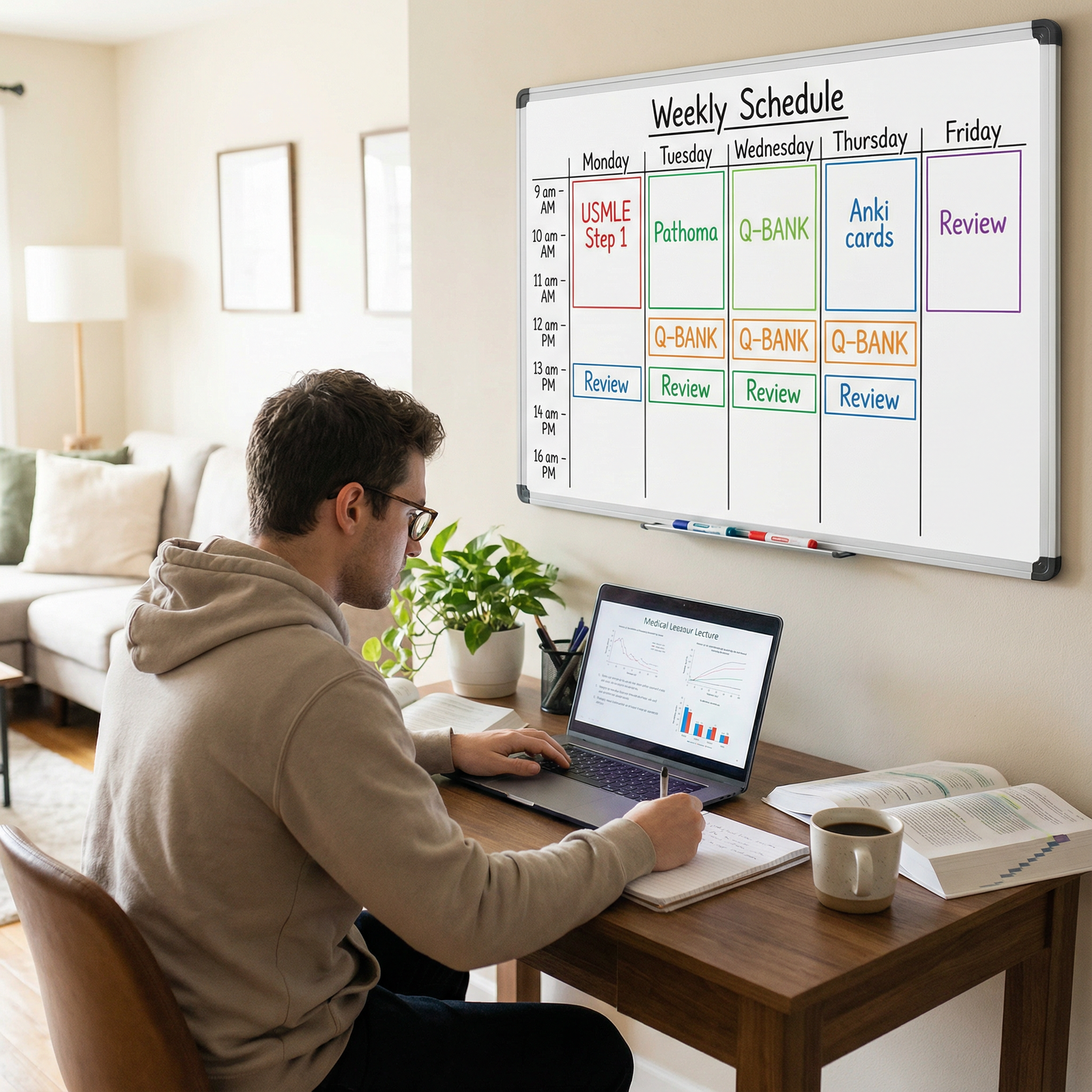
On-Demand Access: Study When You’re at Your Best
With video lectures you can:
- Watch content anytime, anywhere – early mornings, late evenings, during lunch breaks, or on commutes (audio only).
- Adapt to your peak focus times – some students do their heaviest cognitive work in the morning and save videos for afternoons; others invert that.
- Keep momentum during clinical or pre-clinical obligations – even a short 20–30 minute block can be productive with a targeted video lecture.
This flexibility is crucial when preparing for Step 1 during busy pre-clinical years or while integrating early clinical experiences.
Self-Paced Learning: Adjust Speed and Depth
Control over pace is one of the most underappreciated advantages:
- Speed up (1.25x–2x) lectures on familiar topics to save time while still reviewing key points.
- Slow down in challenging areas like biochemistry pathways or renal physiology.
- Pause and rewind to write notes, annotate First Aid, or review a particularly dense explanation.
This level of control helps prevent the “I got lost halfway through the lecture but couldn’t stop the professor” feeling common in live classrooms.
Example: Personalizing Time for Weak Areas
Suppose biochemistry is your weakest subject. You might:
- Assign longer blocks for biochemistry videos in your weekly schedule
- Watch key biochem lectures once at normal speed, then again at 1.5x for reinforcement
- Immediately follow each lecture with 5–10 targeted UWorld or NBME-style questions
This structured repetition, made possible by on-demand scheduling, can turn a weak area into a manageable one.
3. Engaging Teaching Styles and Active Learning Strategies
Not all explanations are equal. One of the strengths of Step 1 video lecture platforms is the diversity of teaching styles and the integration of active learning elements that promote deeper understanding.
Variety in Instruction: Finding the Right Voice
Different instructors appeal to different learners. When you use major Step 1 video resources, you may benefit from:
- Storytellers who build clinical vignettes and narratives around basic science concepts
- Diagram-focused teachers who sketch pathways and mechanisms in real time
- Mnemonics experts who use word associations, visuals, and memory palaces
- Clinically oriented instructors who always tie each fact to a patient story or real-world scenario
Combining these styles prevents monotony and aids retention. If one explanation doesn’t click, another instructor may present the same concept in a way that finally makes sense.
Incorporating Interactivity and Retrieval Practice
Many modern video platforms now embed active learning features:
- Pause-and-think prompts – where the educator asks a question and gives you time to think before explaining
- Mini-quizzes or polls during or after the lecture
- Case-based segments that require you to apply what you just learned to a Step 1-style question
You can further enhance interactivity on your own:
- Take notes strategically: jot down only what clarifies or extends beyond First Aid; avoid transcribing the entire lecture.
- Teach back: after finishing a video, explain the concept out loud (or on paper) as if teaching a junior student.
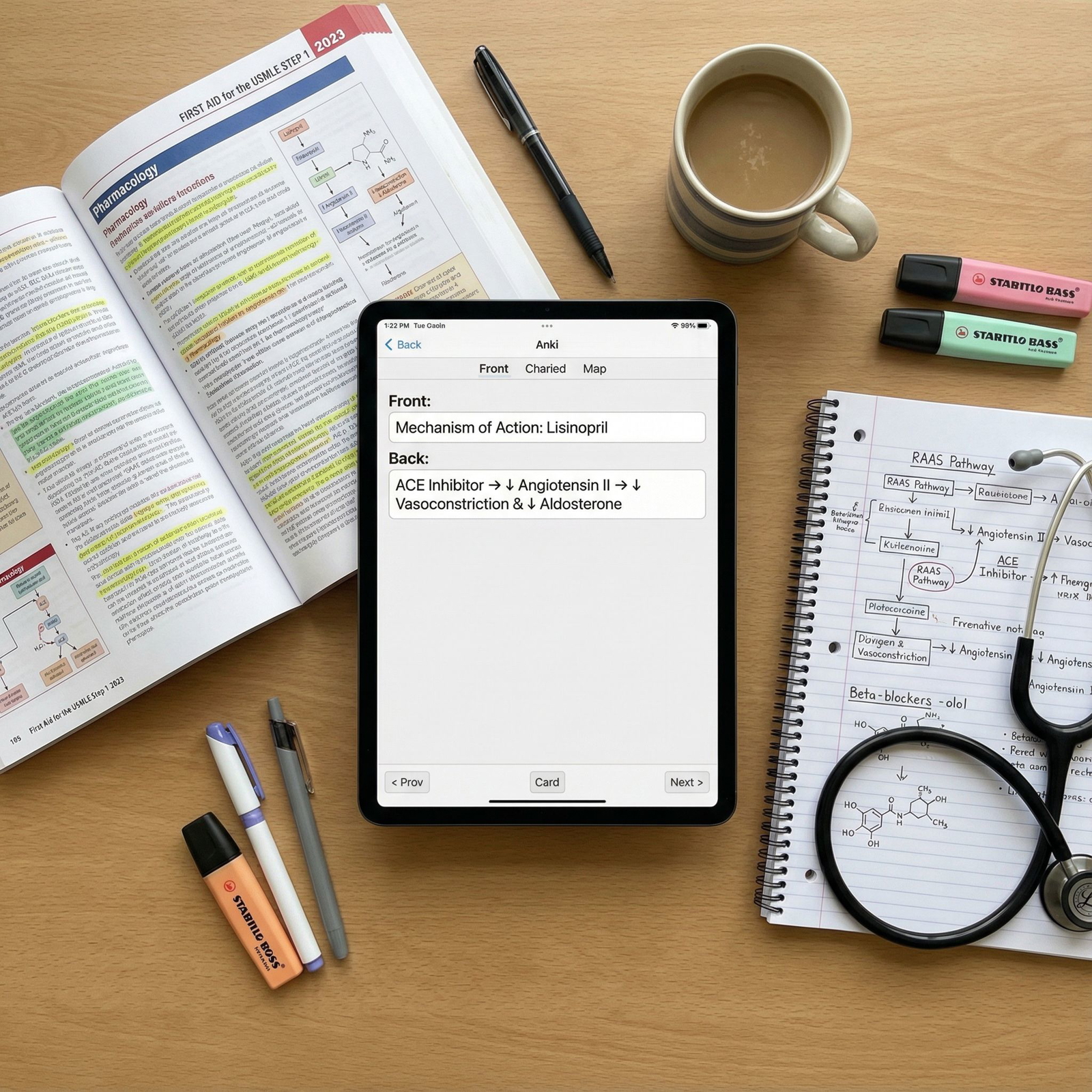
- Create Anki cards: convert key points or tricky concepts into flashcards immediately after viewing.
These strategies transform video watching from passive consumption into active learning, which is essential for long-term retention.
Example: A Memorable Pharmacology Lecture
Imagine a series where one instructor:
- Uses vivid clinical vignettes to introduce each drug class
- Explains side effects with mnemonics and visual metaphors
- Ends each segment with 2–3 exam-style questions that test mechanisms, adverse effects, and contraindications
Because the learning is layered (narrative → visual → mnemonic → application), you’re more likely to recall the material months later when you face a complex Step 1 question.
4. Comprehensive, Exam-Focused Coverage of Step 1 Content
Choosing high-yield Step 1 video lectures gives you a structured path through the vast content. This is particularly valuable if you feel overwhelmed or unsure how to organize your study plan.
Systematic Coverage of the Curriculum
Most reputable Step 1 video lecture series are:
- Organized by organ system (cardiovascular, respiratory, renal, etc.) and/or discipline (pathology, pharmacology, physiology)
- Aligned with official USMLE content outlines
- Designed with exam weightings in mind—spending proportionally more time on high-yield systems and concepts
This structure allows you to:
- Follow a logical sequence (e.g., physiology → pathology → pharmacology for each system)
- Quickly identify gaps in your knowledge
- Use videos as the spine of your study plan, adding books and Q-banks as layers on top
Integration with Other Resources
High-yield Step 1 video platforms often provide or integrate with:
- Accompanying notes or transcripts you can annotate or search
- Practice questions or links to question banks
- Recommended reading sections (e.g., relevant First Aid pages or textbook chapters)
- Downloadable slides or diagrams for quick review
You can optimize your workflow by:
- Watching the video lecture
- Annotating First Aid or your favorite Step 1 review book with key clarifications
- Doing 10–20 practice questions on that topic the same day
- Using Anki or another SRS tool to review the most important facts over time
Example: Leveraging Free and Paid Platforms
- Free options like Khan Academy’s health and medicine sections can provide helpful explanations, especially early in medical school.
- Paid, dedicated Step 1 resources (e.g., Boards and Beyond, Kaplan, Amboss videos, others) tend to be more exam-focused, integrated with Q-banks, and tightly aligned with USMLE-style thinking.
Your choice will depend on budget, learning preferences, and where you are in your training, but the principle remains: use structured video content to ensure you don’t miss major exam domains.
5. Building Confidence, Reducing Stress, and Optimizing Mindset
Step 1 prep is not only a cognitive challenge; it’s a psychological one. Burnout, anxiety, and imposter syndrome are common. Thoughtful use of video lectures can support a healthier mental approach.
Motivation Through Expert Guidance
Watching passionate, experienced instructors explain difficult material can:
- Normalize that confusion is part of the process
- Show how experts think through clinical problems, modeling the reasoning you’re expected to develop
- Provide reassuring structure during times you feel lost or overwhelmed
Some instructors share brief personal experiences about their own board prep or clinical practice, which can be surprisingly encouraging when you’re deep in exam prep.
Reducing Anxiety and Cognitive Load
Video lectures help reduce decision fatigue and anxiety by:
- Providing clear study sequences, so you’re not constantly asking, “What should I do next?”
- Breaking content into manageable segments, often 10–30 minutes each
- Allowing you to review difficult topics multiple times, increasing familiarity and confidence
When you know you can rewatch a renal physiology series or a biostatistics explanation as needed, it lowers the stakes of “getting it” the first time and reduces performance pressure.
Student Perspective: Confidence Through Repetition
Many students report that:
- The first time they watch a lecture, they understand maybe 60–70%
- The second pass, especially after doing related Q-bank questions, fills in many gaps
- By the third exposure (perhaps in dedicated study period), the topic feels far more manageable
This layered, video-supported approach transitions you from memorizing to truly owning the content.
6. Community, Discussion, and Networking in Video-Based Learning
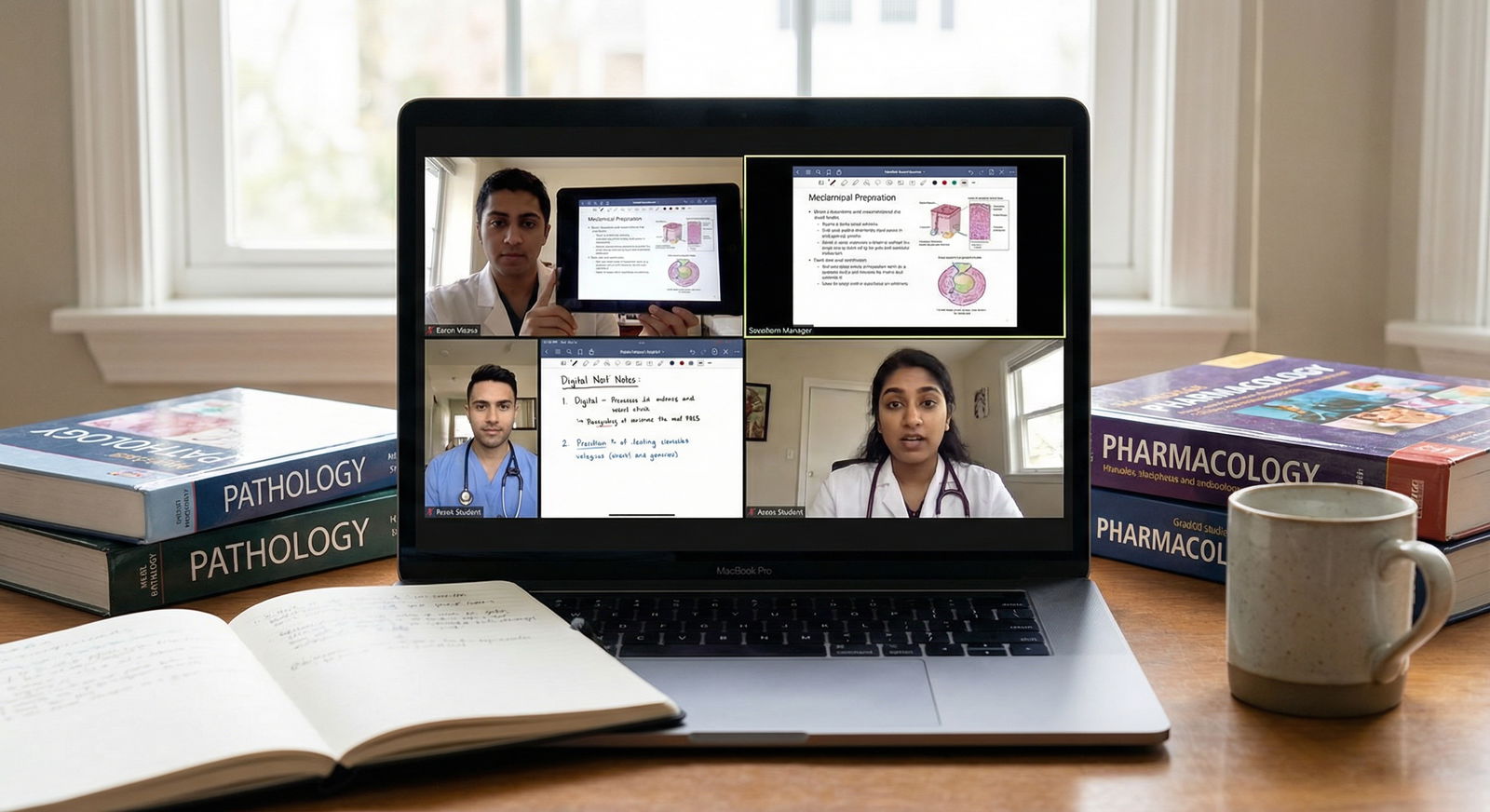
Modern Step 1 video platforms are rarely just a collection of isolated lectures. Many include built-in communities and discussion spaces where you can learn with others.
Peer Support and Collaborative Learning
Discussion forums, comment sections, and social media study groups can facilitate:
- Clarifying confusing points: If multiple students are stuck on the same mechanism, you can benefit from explanations or instructor replies.
- Sharing mnemonics and memory tricks discovered by others.
- Comparing study schedules: Seeing how peers integrate video lectures, Q-banks, and Anki can refine your own routine.
- Reducing isolation: It’s easier to stay motivated when you know others are working through the same lectures and question sets.
Networking and Long-Term Career Benefits
Engaging with instructors and peers can:
- Open doors to research opportunities if you connect with academic physicians involved in content creation.
- Provide mentorship from senior students or residents who previously used the same resources.
- Help you build a professional network that may support you later during residency applications and career decisions.
Even simple participation—asking good questions, helping explain topics to peers—can reinforce your own learning while establishing your presence in the community.
Practical Strategies: How to Integrate Video Lectures Into Your Step 1 Study Plan
Understanding the benefits is only half the battle; the real value comes from using video lectures strategically. Here are concrete ways to integrate them into your routine effectively.
1. Use Videos as Your Conceptual Foundation
For new or challenging material:
- Pre-read (optional): Skim relevant First Aid pages or lecture notes.
- Watch the video lecture: Focus on understanding, not memorizing.
- Annotate: Add only high-yield or clarifying points to First Aid or your notes.
- Reinforce: Do a set of related Q-bank questions the same or next day.
This workflow helps transform passive watching into a powerful understanding-building step.
2. Pair Videos With Question Banks
For Step 1, question practice is essential. You might:
- Assign each day a system or topic (e.g., Monday: renal, Tuesday: endocrine)
- Watch 1–3 topic-specific videos
- Immediately complete 10–20 UWorld or similar questions on that topic
- Review explanations thoroughly and, if needed, revisit segments of the lecture
This tight feedback loop solidifies learning and reveals where your conceptual gaps still lie.
3. Calibrate Video Time During Dedicated vs. Preclinical Periods
- Preclinical years: Heavier emphasis on video lectures as you’re building foundations alongside your school curriculum.
- Dedicated Step 1 period: More focus on Q-banks and practice exams; video lectures are used to rapidly review weak areas or clarify persistent confusion.
You might reduce video time during the final weeks before your exam, prioritizing high-yield review and practice tests.
4. Avoid the “Video Trap”
A common pitfall is over-watching without sufficient active practice. To avoid this:
- Set a daily maximum number of video hours (e.g., 2–3 hours) and dedicate equal or more time to questions and active review.
- Do not aim to complete “every single video” on a platform; instead prioritize weak subjects and high-yield systems.
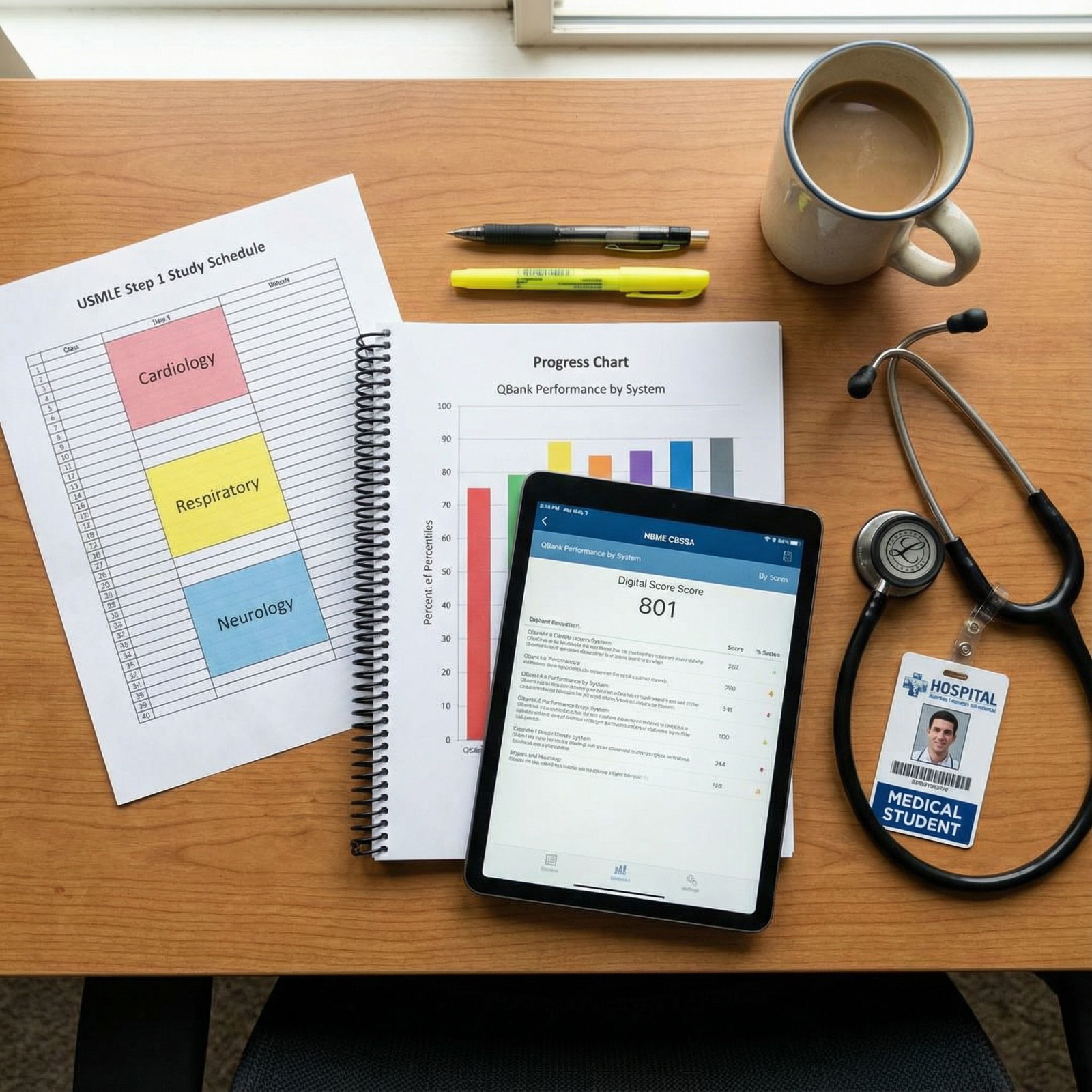
- Regularly track your NBME practice scores and adapt your video use based on objective performance, not just perceived comfort.
FAQs: Video Lectures and USMLE Step 1 Preparation
1. Are video lectures alone enough to prepare for USMLE Step 1?
No. Video lectures are excellent for building understanding and organizing content, but Step 1 success also requires:
- Extensive practice with board-style questions (UWorld, NBME forms, other reputable Q-banks)
- Spaced repetition for high-yield facts (e.g., Anki or similar tools)
- Periodic self-assessment exams to identify strengths and weaknesses
Think of video lectures as the foundation. Practice questions and spaced review turn that foundation into a durable, exam-ready structure.
2. How should I choose the best video lecture resource for my learning style?
Consider:
- Teaching style: Do you prefer diagram-heavy, clinically oriented, or mnemonic-based explanations?
- Content structure: System-based vs. subject-based; how well it aligns with your school curriculum or planned study schedule.
- Integration: Does it pair nicely with your primary Q-bank, Anki deck, or First Aid?
- Trial access: Use free trials or sample videos when available and see if you stay engaged and actually remember content afterward.
Popular options (as of recent years) include:
- Boards and Beyond
- Kaplan Step 1 lectures
- Amboss videos
- Pathoma (for pathology)
- Others emerging over time
Select one primary platform to avoid spreading yourself too thin.
3. How many hours per day should I spend watching video lectures during Step 1 prep?
It depends on your phase of training and baseline knowledge, but a balanced approach might be:
- During preclinical years: 1–3 hours of video per day, integrated with school lectures and light Q-bank use.
- During dedicated study period: 0.5–2 hours per day, with most time spent on questions, review, and practice exams.
A useful rule of thumb:
Aim for at least 50% or more of your dedicated study time to be active (questions, teaching back, flashcards) rather than passive watching or reading.
4. Is it helpful to rewatch the same lecture multiple times?
Often yes—especially for difficult topics. You might:
- Watch once early for initial exposure
- Rewatch key segments after doing related practice questions to fill gaps
- Do a final, condensed rewatch (often at higher playback speed) closer to the exam as a refresher
However, avoid endlessly rewatching without pairing it with active practice. If a topic remains confusing after several exposures, try a different instructor or another resource for that specific area.
5. How do I stay focused and avoid passive watching during video lectures?
To maintain engagement:
- Watch in short, intentional blocks (e.g., 25–40 minutes) with breaks.
- Take targeted notes—summarize in your own words rather than copying text from slides.
- After each video, quickly explain the concept aloud or write a brief summary from memory.
- Immediately follow with a small set of related questions to force retrieval practice.
If you find yourself zoning out repeatedly, reduce your daily video load and increase question-based learning.
Incorporating video lectures into your USMLE Step 1 study routine can transform how you learn—providing clarity on complex topics, flexibility with your schedule, and a structured path through overwhelming material. When combined with active practice, spaced repetition, and thoughtful time management, video lectures become a powerful ally in building the knowledge and confidence you need not only to pass Step 1, but to excel in your future clinical training.