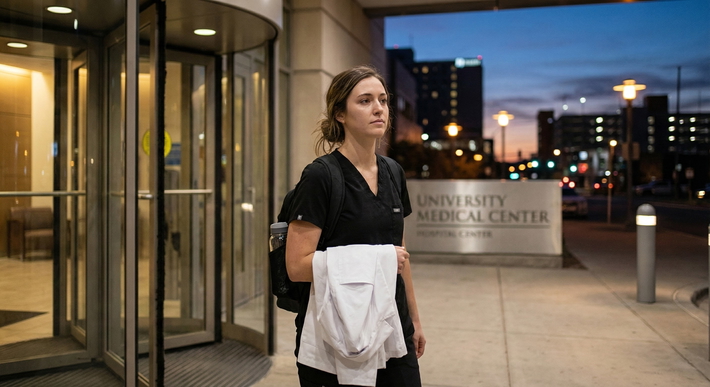
Introduction: Redefining Success for Female Physicians
The journey into medicine has always been as diverse as the patients physicians serve. For today’s Female Physicians, that diversity extends far beyond specialty choice or practice setting. Women in Medicine are reshaping the field not only through excellent clinical care, but by forging non‑traditional career paths, leading healthcare organizations, building startups, influencing policy, and championing Diversity in Healthcare.
This expanded guide explores the “road less traveled” for female physicians—those who step beyond traditional expectations and create careers that align with their values, skills, and lives. You’ll see how Women in Medicine are:
- Breaking stereotypes in male-dominated specialties
- Stepping into Healthcare Leadership and innovation
- Building impactful global health and community-focused careers
- Navigating persistent gender bias and work–life integration challenges
- Leveraging Mentorship and sponsorship to advance their careers
- Preparing the next generation to enter a more equitable, inclusive profession
Whether you are a premed, medical student, resident, or early-career physician, this article offers concrete examples, frameworks, and ideas to help you envision—and design—your own unique path in medicine.
Breaking Stereotypes: Women in Medicine Pioneering New Frontiers
Historically, medicine was designed and led by men—structurally, culturally, and symbolically. Yet over the past few decades, Women in Medicine have transformed that landscape. In many medical schools, women now represent 50–55% of the class. However, representation is still uneven across specialties and leadership roles.
Female Physicians are not only entering the profession in greater numbers; they are intentionally choosing paths where women have been historically underrepresented, and reshaping those environments along the way.
Entering and Thriving in Male-Dominated Specialties
Some of the most visible stereotype-defying roles for female physicians are found in surgical and procedure-heavy specialties—fields long perceived as “too physical” or “too demanding” for women. That narrative is changing.
Diverse Specializations: From Orthopedics to Interventional Cardiology
Consider the story of Dr. Latonia Smith, an orthopedic surgeon whose journey illustrates how personal interests can translate into unique strengths in medicine.
- Background: Latonia grew up in a family of auto mechanics, spending weekends learning how to take apart and rebuild engines.
- Path: In medical school, she gravitated toward surgery, drawn to the tangible, mechanical problem-solving that surgery offers. Orthopedics—with its hands-on, engineering-like approach—fit perfectly.
- Impact: Now, as one of few women in her orthopedic group, she:
- Advocates for women pursuing surgery and orthopedics
- Leads workshops for high school girls on “the mechanics of medicine”
- Serves as a Mentor to female medical students and residents interested in procedural fields
Orthopedics, interventional cardiology, neurosurgery, and critical care are all experiencing a gradual increase in female representation. While women may still be the minority in many of these specialties, they bring important strengths: collaborative leadership styles, communication-focused patient care, and often a strong commitment to equity and patient-centered outcomes.
Practical Tips for Entering Male-Dominated Fields
For trainees considering similar paths:
- Seek early exposure: Shadow in the OR, join specialty interest groups, attend skills workshops.
- Find visible role models: Even one female attending or senior resident can change your perception of what’s possible.
- Track your outcomes and skills: Document cases, research, and feedback to build objective evidence of your capabilities.
- Build allies, not just mentors: Supportive male colleagues and program directors can be powerful partners in breaking stereotypes.
Beyond the Exam Room: Female Physicians as Leaders and Innovators
Many Female Physicians are also redefining what a “successful” medical career looks like by stepping into Healthcare Leadership and innovation-focused roles that extend beyond direct patient care.
Non-Traditional Roles for Women in Medicine
Women physicians are increasingly visible as:
Healthcare Administrators and System Leaders
- Example: Dr. Carla Johnson, a former internist who transitioned into hospital administration.
- As Chief Medical Officer of a large health system, she:
- Leads quality and safety initiatives
- Champions Diversity in Healthcare hiring and promotion practices
- Designs policies to improve work–life integration for clinicians, such as flexible scheduling and parental leave
Health Tech Entrepreneurs and Innovators
- Example: Dr. Shreya Patil, an OB/GYN who noticed critical gaps in postpartum care for women in rural communities.
- She founded a telehealth startup focused on maternal health, providing:
- Remote monitoring for high-risk pregnancies
- Virtual lactation and mental health support
- Bilingual education and follow-up programs
Public Health and Policy Leaders
- Example: Dr. Angela Washington, a family physician who shifted part of her career into public health.
- She leads a community-based initiative targeting diabetes and hypertension in underserved neighborhoods, collaborating with:
- Local churches and schools
- Community health workers
- City health departments to influence policy on food deserts and access to care
These non-traditional paths allow Women in Medicine to leverage their clinical insight at scale—impacting thousands or millions of patients through systems, technology, and policy.
How to Explore Non-Traditional Roles as a Trainee
- Elective rotations in administration, quality improvement, or public health
- Participation in hospital committees or student government
- Dual degrees (e.g., MD/MPH, MD/MBA, MD/MS in health informatics)
- Involvement in digital health hackathons or innovation labs
These experiences signal your interest, help you build real skills, and connect you with mentors who have walked similar paths.

Global Perspectives: Female Physicians Making Impact Across Borders
The “road less traveled” often extends beyond national borders. Many Female Physicians find purpose in global health, humanitarian work, and cross-cultural partnerships that address disparities in access to care.
Global Health as a Platform for Equity and Advocacy
Global health work is increasingly moving away from short-term “mission trips” toward sustainable, partnership-oriented models. Female Physicians are at the forefront of this shift.
Case Study: Dr. Maria Gonzalez – Pediatrician and Global Health Advocate
- Background: Dr. Gonzalez grew up in a developing country where many children lacked basic vaccines and medical care.
- Work: After training in pediatrics in the U.S., she structured her career to include:
- Several months each year working in rural villages in Central America
- Training local community health workers and midwives
- Collaborating with NGOs to build sustainable vaccination and nutrition programs
- Impact:
- Improved childhood vaccination rates and reduced preventable illnesses
- Advocated for international funding focused on long-term health system strengthening
- Mentored other early-career physicians (especially women) interested in global child health
Her work highlights how Women in Medicine frequently bring a relational, community-centered approach to global health—prioritizing sustainability, local leadership, and cultural humility.
Ways Trainees Can Explore Global Health Careers
- Structured electives: Global health rotations through medical schools or residency programs
- Fellowships: Global health or humanitarian medicine fellowships after residency
- Research projects: Collaborations with international partners on topics like maternal health, infectious disease, or non-communicable diseases
- Language skills: Learning a second (or third) language to improve communication and impact
A global health career doesn’t necessarily mean moving abroad permanently. Many Female Physicians design blended careers combining domestic practice with recurring, focused work in specific regions or with international organizations.
Persistent Challenges: Gender Disparities and Work–Life Integration
Despite inspiring progress, Female Physicians continue to encounter real barriers. Recognizing and naming these challenges is a crucial step in changing them—and in developing personal strategies to thrive.
Gender Disparities in Pay, Promotion, and Respect
Multiple studies across countries and specialties have documented that Female Physicians:
- Earn less than male counterparts, even after accounting for specialty, hours worked, and productivity
- Are less likely to hold senior leadership positions or be full professors
- Are more likely to experience microaggressions, biased assumptions, and interruptions in professional settings
A 2022 survey, for example, reported that female physicians earn nearly 20% less than male physicians on average. Over a career, this gap translates into substantial differences in financial security, retirement savings, and perceived value.
Common Manifestations of Gender Bias
- Being assumed to be a nurse or “support staff” rather than the physician
- Patients or colleagues asking, “When is the doctor coming?”
- Women’s assertiveness being labeled as “aggressive” while the same behavior in men is considered “confident”
- Women being overlooked for high-visibility projects or leadership roles
Strategies to Address and Navigate Disparities
On an individual and institutional level, meaningful change can include:
- Contract literacy and negotiation skills:
- Reviewing compensation data by specialty and region
- Negotiating for salary, protected time, resources, and titles
- Transparent pay structures:
- Advocating for institutions to conduct and publish regular pay-equity analyses
- Bias training with accountability:
- Implementing not just training, but metrics and consequences related to diversity and inclusion goals
- Sponsorship, not just mentorship:
- Senior leaders actively nominating women for awards, speaking invitations, and leadership roles
For residents and early-career physicians, learning the basics of contracts, RVUs, and metrics that drive pay can be a powerful first step.
Work–Life Integration: Moving Beyond “Having It All”
Work–life “balance” often feels like an unrealistic ideal in medicine, especially for women who shoulder disproportionate caregiving responsibilities. A more useful concept is work–life integration—designing a career that aligns with your values and life stages.
Unique Pressures on Female Physicians
- Greater likelihood of being primary caregivers for children or aging parents
- Social expectations to manage household responsibilities in addition to demanding careers
- Guilt or stigma around choosing part-time roles, flexible schedules, or academic paths with less clinical time
These pressures contribute to higher rates of burnout, depression, and career dissatisfaction among Women in Medicine compared with male colleagues.
Evidence-Informed Strategies for Sustainable Careers
Flexible Work Arrangements
- Job-sharing positions (two part-time physicians sharing one full-time role)
- Telehealth clinical work, especially in primary care, psychiatry, and some subspecialties
- Non-traditional schedules (e.g., 7-on/7-off, 3 long days instead of 5 shorter days)
Boundary Setting and Delegation
- Setting clear limits on email, charting, and non-urgent messages
- Negotiating for scribes or team-based documentation support in certain settings
- Delegating at home: outsourcing cleaning, grocery delivery, shared digital calendars
Support Networks and Peer Communities
- Participation in women physician groups (local, specialty-specific, or national organizations)
- Informal “accountability partners” to check in on well-being and professional goals
- Group coaching or wellness programs tailored specifically to Female Physicians
Framing these strategies not as “accommodations” but as best practices for sustainable, high-quality care benefits both clinicians and patients.
Mentorship and Sponsorship: Building Relationships That Change Careers
Mentorship is one of the most powerful tools for advancing Women in Medicine—especially for those taking less traditional or more entrepreneurial paths.
The Many Forms of Mentorship in Medicine
Effective mentorship networks are rarely linear or singular; instead, they are portfolios of different relationships.
Types of Mentorship
Peer-to-Peer Mentoring
- Colleagues at similar stages (e.g., co-residents, junior attendings) providing mutual support
- Sharing strategies on exam preparation, childcare, scheduling, and negotiation
Traditional Senior Mentors
- Faculty or senior physicians who can provide:
- Career guidance and feedback
- Introductions to key leaders
- Letters of recommendation
- Faculty or senior physicians who can provide:
Near-Peer Mentors
- Trainees a step ahead (e.g., senior residents mentoring interns, fellows mentoring residents)
- Often more accessible and aware of current training realities
Sponsorship (often confused with mentorship)
- A sponsor uses their social and political capital to:
- Nominate you for leadership roles and committees
- Recommend you for speaking invitations or high-profile projects
- Publicly advocate for your promotion or new opportunities
- A sponsor uses their social and political capital to:
For Female Physicians, sponsorship is particularly critical in overcoming systemic barriers to visibility and leadership.
Success Story: Building a Mentorship Pipeline
Case Study: Dr. Lin Chen
- Role: Academic internist and program director deeply committed to Diversity in Healthcare.
- Initiative: She launched a structured mentorship program connecting female medical students with female residents and attending physicians across various specialties.
- Program Features:
- Regular small-group meetings
- Workshops on negotiation, leadership, and impostor syndrome
- Specialty-specific speed-mentoring events
- Impact:
- Improved retention and success of female students from underrepresented backgrounds
- Increased number of women applying to historically male-dominated specialties from her institution
- Higher reported sense of belonging among Women in Medicine at her school
How to Build Your Mentorship Network as a Trainee
- Proactively request meetings with faculty whose careers interest you
- Come to meetings with specific questions or goals (e.g., “I’m trying to decide between X and Y specialty”)
- Join professional organizations’ women’s sections or committees
- Use alumni networks and social platforms (e.g., LinkedIn, specialty societies) to identify potential mentors
- Remember that one mentor is rarely enough—diversify your network across roles and expertise
The Future of Women in Medicine: Designing Inclusive, Impactful Careers
The next generation of Female Physicians is entering a rapidly changing healthcare environment—one defined by digital transformation, team-based care, and evolving patient expectations. This presents enormous opportunity for Women in Medicine to lead.
Institutional Shifts: Building Structures That Support Female Physicians
Many medical schools, hospitals, and professional organizations are actively investing in:
Diversity, Equity, and Inclusion (DEI) Initiatives
- Recruiting and retaining women and underrepresented groups in medicine
- Anti-bias training, equity task forces, and transparent policies
Scholarship and Funding Programs
- Financial support for women in dual-degree programs (e.g., MD/MPH, MD/MBA)
- Travel grants for female residents to present research at national conferences
Leadership Development Programs
- “Women in Medicine” leadership academies teaching:
- Strategic planning
- Negotiation and conflict resolution
- Media skills and public speaking
- Structured leadership tracks within residency and faculty positions
- “Women in Medicine” leadership academies teaching:
These initiatives are not charity—they are recognition that Diverse leadership teams deliver better outcomes, more innovation, and stronger patient trust.
Community and Global Impact: Beyond the Clinic Walls
Female Physicians are also driving change through:
- Community health partnerships
- Collaborations with schools, faith communities, and advocacy groups to address social determinants of health
- Media and storytelling
- Writing books, blogs, and op-eds
- Hosting podcasts that highlight Women in Medicine and address health inequities
- Policy and advocacy work
- Testifying before legislatures
- Serving in local or national health agencies
- Leading professional society committees focused on ethics and equity
By stepping into these spaces, Women in Medicine help align healthcare systems with the values of equity, inclusion, and patient-centered care.

FAQs: Female Physicians, Unique Career Paths, and Healthcare Leadership
1. What are the most common challenges Female Physicians face today?
Female Physicians commonly face:
- Gender pay gaps, often around 15–20% less than male peers on average
- Bias and microaggressions, including doubt about their competence or authority
- Underrepresentation in leadership, particularly at the department chair, dean, and C-suite levels
- Work–life integration struggles, especially for those balancing caregiving and demanding clinical schedules
Institutions are beginning to address these barriers with DEI initiatives, flexible scheduling, and pay equity analyses, but significant work remains.
2. How can mentoring and sponsorship help Women in Medicine advance their careers?
Mentorship and sponsorship:
- Provide career guidance, honest feedback, and emotional support
- Open doors through introductions, recommendations, and nominations
- Help women navigate complex decisions such as specialty choice, job selection, and leadership opportunities
- Counteract isolation, especially for women in male-dominated fields or from underrepresented backgrounds
Early-career female physicians are encouraged to seek multiple mentors and actively cultivate at least one sponsor—someone in a leadership role who can advocate for them when decisions are being made.
3. Are more Female Physicians entering male-dominated specialties?
Yes. Increasing numbers of women are entering specialties such as:
- Orthopedic surgery
- Neurosurgery
- Interventional cardiology
- Critical care and emergency medicine
While parity has not yet been reached, the presence of visible female role models, supportive training programs, and targeted recruitment and mentorship efforts have contributed to steady growth. These pioneers often help reshape the culture of their specialties toward more inclusivity and collaboration.
4. What steps can trainees take if they want a non-traditional career path in medicine?
Trainees interested in Healthcare Leadership, innovation, or non-clinical roles can:
- Pursue electives in administration, public health, quality improvement, or global health
- Get involved in research or projects related to health policy, digital health, or medical education
- Consider dual degrees (MD/MPH, MD/MBA, MD/MS) if feasible and aligned with long-term goals
- Join professional organizations and attend conferences focused on leadership and innovation
- Seek mentors currently working in the spaces they’re interested in (e.g., industry, government, NGOs, startups)
The key is to intentionally explore and build skills in parallel with clinical training, rather than waiting until after residency to start.
5. How can institutions better support Diversity in Healthcare and Women in Medicine?
Effective institutional strategies include:
- Conducting regular pay equity audits and transparently addressing gaps
- Implementing family-friendly policies such as paid parental leave, lactation support, and flexible scheduling
- Creating leadership pipelines that intentionally identify and develop women and underrepresented physicians for future roles
- Supporting formal mentorship and sponsorship programs for Female Physicians at all career stages
- Collecting and publicizing diversity data (e.g., by rank, department, leadership level) and tying DEI outcomes to leadership evaluations
Such changes benefit not only Women in Medicine but the entire healthcare workforce and the patients they serve.
Female Physicians are charting paths that previous generations could scarcely imagine—paths that blend clinical excellence with leadership, innovation, advocacy, and global engagement. By understanding their journeys, challenges, and strategies, you can begin to design a career that fits who you are, contributes to a more equitable healthcare system, and leaves a lasting impact on patients and communities worldwide.