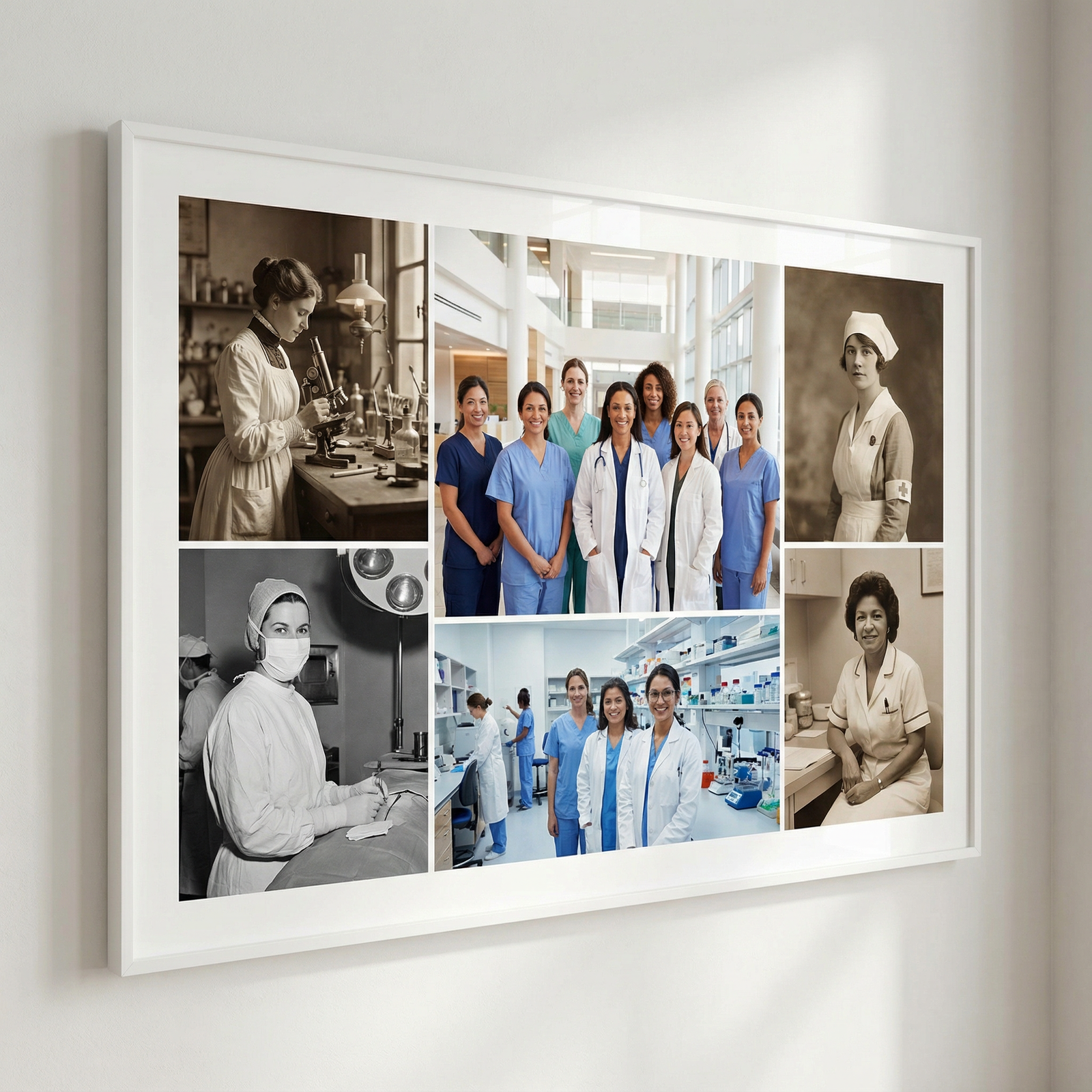
In every era of the History of Medicine, women have advanced care, challenged norms, and reshaped what is possible in healthcare. From the first women who fought simply for the right to study medicine to contemporary scientists leading global vaccine efforts, female trailblazers have expanded our understanding of disease, improved patient outcomes, and pushed the profession toward greater Healthcare Equality.
For medical students and residents, these stories are more than historical anecdotes. They offer practical lessons in resilience, advocacy, leadership, and ethical responsibility. Understanding the legacy of Women in Medicine can help you better navigate your own training, career choices, and role in creating a more inclusive healthcare system.
This article highlights landmark figures, situates them in their historical context, connects their work to today’s practice, and offers concrete ways you can carry their legacy forward.
Historical Barriers and Breakthroughs in Women’s Medical Education
For most of recorded history, women’s participation in formal medicine was restricted or outright prohibited. Despite this, women provided care as midwives, healers, nurses, and informal community practitioners long before they were allowed in lecture halls or operating theaters.
Early Exclusion from Medical Institutions
Until the late 19th century, most medical schools worldwide refused to admit women. Common arguments against women physicians included:
- Claims that women were “too delicate” for medical practice
- Fears that mixed-gender education would be “improper”
- Assumptions that women lacked the intellectual capacity for rigorous scientific study
Yet even in this climate, early Medical Pioneers refused to accept exclusion as inevitable.
Elizabeth Blackwell: Opening the Door
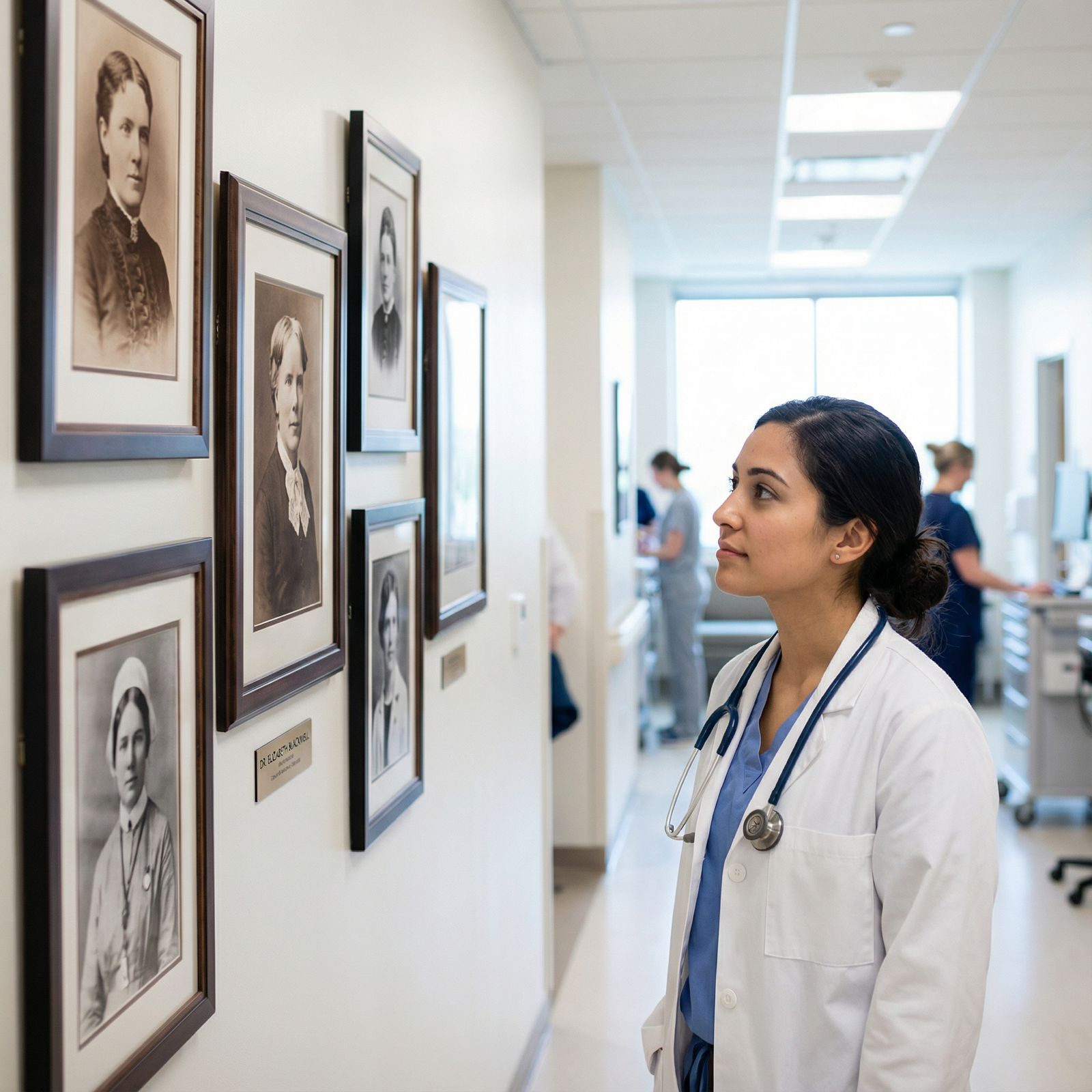
Elizabeth Blackwell (1821–1910) is often considered the archetype of Female Trailblazers in medicine. After being rejected by multiple medical schools, she was finally admitted to Geneva Medical College in New York—reportedly as a “joke” vote by male students who didn’t believe she would come.
She did come, graduated first in her class in 1849, and became the first woman in the United States to receive a medical degree.
Blackwell’s impact extended far beyond that singular milestone:
- She co-founded the New York Infirmary for Indigent Women and Children, offering care to underserved populations at a time when women often avoided male physicians.
- The infirmary doubled as a training site for women doctors and nurses, creating a pipeline for future female clinicians.
- She advocated internationally for women’s access to medical education and championed preventive medicine and public health.
For today’s learners, Blackwell’s story illustrates how one person’s persistence can transform structural barriers, not just for themselves but for generations of women in medicine.
Mary Edwards Walker: Surgeon, Soldier, and Reformer
Mary Edwards Walker (1832–1919) pushed boundaries not only in medicine but also in military and social spheres:
- One of the earliest female surgeons in the United States
- Served as a surgeon during the American Civil War, initially as a volunteer because the Union Army refused to commission women as medical officers
- Captured and held as a prisoner of war by the Confederacy
- Became the only woman ever awarded the U.S. Medal of Honor for her wartime service
Walker challenged gender norms in nearly every aspect of her life, from her choice of dress to her insistence on professional roles equal to those of male physicians. Her career highlights how the fight for Healthcare Equality has always been linked to broader struggles for civil and human rights.
Pioneering Women Who Transformed Clinical Practice and Science
As educational doors slowly opened, more women not only entered medicine but profoundly changed how it is practiced. Their discoveries and innovations remain embedded in daily clinical routines worldwide.
Virginia Apgar: Safeguarding Newborn Lives
Virginia Apgar (1909–1974) revolutionized obstetric and neonatal care through a deceptively simple idea: systematically scoring newborns’ condition immediately after birth.
The Apgar Score, introduced in the 1950s, evaluates:
- Heart rate
- Respiratory effort
- Muscle tone
- Reflex irritability
- Skin color
Each category is rated from 0–2, with total scores at 1 and 5 minutes (and sometimes 10) guiding urgent interventions.
Impact on modern practice:
- Standardized assessment of neonatal well-being worldwide
- Immediate identification of infants needing resuscitation or extra support
- Raised awareness of the impact of anesthesia, delivery techniques, and perinatal care on newborn outcomes
For residents rotating through obstetrics, pediatrics, emergency medicine, or anesthesia, Apgar’s work illustrates how carefully designed clinical tools can become global standards—and how a single idea can save millions of lives.
Helen Brooke Taussig: Building Pediatric Cardiology
Helen Brooke Taussig (1898–1986) is widely regarded as the founder of pediatric cardiology. Working at Johns Hopkins, she focused on children born with congenital heart disease—patients who, at the time, had few if any treatment options.
Key contributions:
- Recognized and characterized “blue baby syndrome” (tetralogy of Fallot)
- Collaborated with Alfred Blalock and Vivien Thomas to develop the Blalock–Taussig shunt, the first successful palliative surgery for cyanotic heart defects
- Helped usher in the era of pediatric cardiac surgery
- Advocated against the use of thalidomide in pregnancy after recognizing associated birth defects, influencing drug safety regulations globally
Taussig’s career demonstrates how careful clinical observation, collaboration across disciplines, and advocacy can converge to create entirely new fields of medicine.
Gerty Cori: Nobel Laureate in Biochemistry
Gerty Cori (1896–1957) broke multiple barriers:
- First woman to win the Nobel Prize in Physiology or Medicine (1947)
- Shared the prize with her husband Carl Cori for elucidating the Cori cycle, the metabolic pathway through which the body converts glycogen to glucose and back again
Her discoveries:
- Clarified how muscles and the liver cooperate during periods of exertion and rest
- Laid foundational knowledge for understanding diabetes, glycogen storage diseases, and other metabolic disorders
- Influenced pharmacologic strategies targeting metabolic pathways
Cori’s story also highlights persistent gender inequities in academia. Despite working as an equal intellectual partner, she remained in lower-ranking positions and faced salary disparities for years. For those pursuing research careers, her trajectory underscores both the impact of scientific perseverance and the importance of confronting institutional bias.
Mary Eliza Mahoney: Transforming Nursing and Representation
Mary Eliza Mahoney (1845–1926) became the first professionally trained African American nurse in the United States, graduating from the New England Hospital for Women and Children in 1879.
Her legacy includes:
- Setting a standard of professionalism and excellence in nursing at a time of intense racial discrimination
- Co-founding the National Association of Colored Graduate Nurses (a forerunner to today’s National Black Nurses Association)
- Advocating for racial integration in nursing education and professional societies
- Inspiring generations of nurses of color to pursue leadership and advanced practice roles
Mahoney’s work reminds us that diversity in medicine is not an optional “add-on,” but central to delivering equitable care across communities.
Modern Female Trailblazers and the Ongoing Fight for Healthcare Equality
Women’s representation in medicine has grown dramatically. In many countries, women now make up half or more of medical school classes. Yet representation in training does not automatically translate into equality in leadership, pay, or opportunity.
Contemporary Leaders Reshaping Medicine
Kizzmekia Corbett: mRNA Vaccines and Global Health
Dr. Kizzmekia Corbett, an immunologist, played a central role in developing mRNA vaccines against COVID-19 while working at the NIH Vaccine Research Center.
Her impact:
- Helped design and optimize the spike protein-based mRNA vaccine platform
- Demonstrated the power of rapidly adaptable vaccine technologies
- Became a visible voice highlighting the importance of diversity in research teams and trust in science, particularly for communities historically marginalized in healthcare
Dr. Corbett’s work shows how women in medicine and science are leading responses to global crises, and how representation in research can improve outreach and public health communication.
Nadine Burke Harris: ACEs and Population Health
Dr. Nadine Burke Harris, a pediatrician and the first Surgeon General of California, brought the science of adverse childhood experiences (ACEs) into mainstream medical and policy conversations.
Key contributions:
- Documented how childhood trauma increases lifetime risk for chronic diseases, mental health conditions, and premature mortality
- Advocated for routine ACEs screening and trauma-informed care in pediatric and primary care settings
- Worked at the intersection of medicine, public health, and policy to address social determinants of health
Her career exemplifies a broader trend among Women in Medicine: leveraging clinical insight to drive systemic change in how we think about health, prevention, and equity.
The Current Landscape: Progress, Gaps, and Ethical Imperatives
For medical students and residents, understanding the current state of gender equity is essential for ethical, effective practice and leadership.
Where Progress Is Evident
- Medical school enrollment: In many regions, women now comprise 50–60% of entering classes.
- Visibility of role models: More women are department chairs, deans, academic leaders, and journal editors than ever before.
- Policy advancements: Growing awareness of parental leave, lactation accommodations, and anti-discrimination protections in training and employment.
- Professional organizations: Groups like the American Medical Women’s Association (AMWA) and specialty-specific women’s sections provide advocacy, mentorship, and career development.
Persistent Barriers for Women in Medicine
Despite progress, multiple challenges remain:
- Leadership gaps: Women, especially women of color, remain underrepresented in senior leadership (chairs, deans, C-suite roles, major society presidencies).
- Pay inequities: Studies consistently show gender-based pay gaps, even after adjusting for specialty, hours worked, and academic rank.
- Bias and microaggressions:
- Being mistaken for non-physician staff
- Differential evaluations in residency and promotion
- Higher expectations for “service” work (committees, mentoring, emotional labor)
- Work–life integration challenges: Disproportionate burden of caregiving, limited flexibility in scheduling, stigma around part-time or non-linear career paths.
- Intersectional disparities: Women who are Black, Latina, Indigenous, Asian, LGBTQ+, or from other marginalized backgrounds often face compounded barriers.
For trainees, recognizing these dynamics is not about pessimism; it’s about informed engagement. Awareness equips you to protect your own well-being, advocate for fair policies, and support colleagues effectively.
Practical Strategies: How Trainees Can Honor and Extend This Legacy
Female trailblazers in medicine were not only exceptional individuals—they were also builders of systems, communities, and movements. As a medical student or resident, you can continue this legacy in tangible ways.
1. Build and Participate in Mentorship Networks
- Seek multiple mentors: Include both women and men, clinicians and researchers, and mentors within and outside your specialty.
- Engage with affinity groups: Join women-in-medicine, diversity, or equity committees within your institution or national organizations (e.g., AMWA, AMA Women Physicians Section, specialty-specific women’s groups).
- Become a mentor yourself: Even as a student or intern, you can mentor undergraduates, early medical students, or high school students interested in health careers.
Mentorship was central to many pioneers’ success—Elizabeth Blackwell mentored younger women physicians; Mary Eliza Mahoney uplifted other Black nurses. Continuing that tradition is critical.
2. Advocate for Fair Policies and Inclusive Culture
You don’t need a formal title to influence culture:
- Speak up when a colleague is misidentified, interrupted, or dismissed because of gender or race.
- Support transparent pay structures and promotion criteria in academic and clinical settings.
- Participate in committees addressing duty hours, parental leave, lactation accommodations, and wellness.
- Normalize inclusive language: Use correct professional titles (e.g., “Dr.”) for all colleagues, not just men.
Small, consistent actions help shift norms and expectations over time.
3. Integrate Gender and Equity Perspectives into Clinical Care
Honoring women’s contributions to medicine also means addressing the ways gender still shapes health outcomes:
- Know sex- and gender-based differences in disease presentation, pharmacokinetics, and treatment response (e.g., cardiovascular symptoms in women, autoimmune disease prevalence).
- Recognize gender bias in diagnosis and pain management, especially in conditions like chronic pain, autoimmune diseases, and mental health disorders.
- Screen for gender-based violence and trauma in a trauma-informed way, recognizing their profound impact on long-term health.
- Support reproductive autonomy and evidence-based women’s health care within your scope and local regulations.
These are not “women’s issues”—they are central to high-quality, ethical medicine.
4. Protect Your Own Well-Being and Career Development
Women in medicine historically sacrificed enormously; learning from their experiences includes avoiding preventable harm:
- Recognize burnout warning signs and seek support early.
- Negotiate boundaries where possible—call schedules, committee work, and non-promotable tasks.
- Plan strategically for career milestones (board exams, fellowship applications, research output) while factoring in life events.
- Ask explicitly for opportunities: leadership roles, authorship, speaking engagements, and advanced procedures.
Resilience is not about enduring inequity silently; it is about using available tools, allies, and systems to sustain a long, meaningful career.
Carrying the Torch: Ethical Responsibilities for the Next Generation
The stories of these pioneers in the History of Medicine are not just inspirational—they are instructive. They reveal an ethical throughline: medicine must continually evolve toward justice, equity, and respect for all people, both patients and professionals.
As a future leader in healthcare, consider:
- How can you ensure your team’s culture is as inclusive as your clinical practice is evidence-based?
- How will you use your influence—however small at first—to open doors for those who follow?
- What policies, norms, or assumptions in your environment mirror the barriers Elizabeth Blackwell or Mary Eliza Mahoney faced, and how can you challenge them?
The legacy of Women in Medicine is still being written, and your training years are not a waiting period; they are an active chapter.
FAQ: Women in Medicine, History, and How to Make a Difference
Q1: Why is it important for medical students and residents to learn about women pioneers in medicine?
Understanding the contributions of women medical pioneers does more than fill historical gaps. It helps you:
- Recognize how structural barriers shape careers and care delivery
- Identify persistent inequities in your own training environment
- Find role models whose paths may resemble your own
- Appreciate that many “standard” practices (like the Apgar Score) emerged from challenging status quo thinking
This awareness can inform your ethical decision-making, leadership style, and approach to mentorship.
Q2: What practical steps can I take during training to support women and other underrepresented groups in medicine?
Actionable steps include:
- Using correct professional titles for all colleagues and correcting misidentification (“She is the attending physician”).
- Joining or starting a women-in-medicine or diversity group at your institution.
- Amplifying colleagues’ ideas in meetings and crediting their contributions.
- Offering to mentor or tutor junior learners from underrepresented backgrounds.
- Supporting policies that promote Healthcare Equality, such as transparent promotion criteria, equitable parental leave, and flexible scheduling.
Small, consistent actions reinforce an inclusive culture over time.
Q3: Are there still major barriers for women in medicine today, even with gender parity in medical school enrollment?
Yes. While admissions have improved, inequities persist in:
- Leadership representation (chairs, deans, medical directors)
- Compensation and access to high-revenue specialties or procedures
- Authorship on high-impact research and invitations for keynote talks
- Exposure to informal networks and sponsorship
- Experiences of bias, harassment, and microaggressions
Addressing these barriers requires institutional commitment and individual advocacy from people of all genders.
Q4: How can I find mentors and role models as a woman or ally in medicine?
You can start by:
- Asking faculty you admire for brief “career chats” and seeing who is a good fit
- Joining national organizations (e.g., AMWA, specialty-specific women’s sections, student interest groups)
- Attending conferences and introducing yourself to speakers whose work resonates with you
- Using alumni networks from your medical school or residency
- Recognizing that different mentors can serve different roles: research mentor, clinical mentor, wellness mentor, leadership mentor
Don’t wait for a perfect mentor to appear; build a mosaic of supporters over time.
Q5: What resources or organizations support women in medicine and healthcare equality?
Several key organizations include:
- American Medical Women’s Association (AMWA): Advocacy, leadership training, scholarships, and mentorship.
- National Medical Association (NMA), National Hispanic Medical Association (NHMA), and similar groups: Support intersectional identities in medicine.
- Specialty-specific women’s sections (e.g., in cardiology, surgery, emergency medicine): Networking and career development.
- Local institutional groups: Offices for diversity, equity, and inclusion; women’s leadership programs; GME committees focused on wellness and equity.
Engaging with these communities can provide concrete tools, a sense of belonging, and opportunities to advance Healthcare Equality as part of your daily professional life.
The stories of Elizabeth Blackwell, Virginia Apgar, Helen Brooke Taussig, Gerty Cori, Mary Eliza Mahoney, Kizzmekia Corbett, Nadine Burke Harris, and countless others remind us that progress in medicine is never accidental. It is built by individuals who refuse to accept unjust limits—on their own potential or on the care their patients receive.
As you move through your training and career, you are not just inheriting their legacy; you are shaping what comes next.