
Transforming Medicine: Success Stories of Women in Cardiology
Introduction: Women Redefining the Heart of Medicine
Women in Cardiology are reshaping what heart care, Medical Innovation, and Healthcare Leadership look like in the 21st century. Once a specialty with very few female physicians, cardiology is now home to a growing number of women who are excelling as clinicians, researchers, educators, and policy leaders. Their stories illuminate not only personal achievement but also systemic change—driving improvements in heart health for women, expanding research agendas, and modeling Female Empowerment in medicine.
This expanded look at women’s success stories in cardiology goes beyond individual biographies. It explores:
- How women are breaking barriers in training and practice
- Their role in driving cutting-edge research and Medical Innovation
- The impact of their leadership and mentorship on the next generation
- Their critical work in advocacy for heart health, especially for women
- Practical takeaways for students, residents, and early-career physicians who aspire to follow a similar path
These narratives are more than inspirational; they are strategic roadmaps for building a more inclusive, effective, and equitable future in cardiovascular care.
Breaking Barriers in Cardiology: From Pioneers to Powerhouses
The Courage to Choose a Historically Male-Dominated Field
Cardiology has traditionally been one of the most male-dominated medical specialties. Long hours, high-acuity care, procedural intensity, and a historically hierarchical culture have all contributed to discouraging many women from entering the field. Yet, over the past few decades, women have steadily pushed through these barriers—often becoming the “first” in their departments, institutions, or even countries.
One prominent example is Dr. Elizabeth Nabel, the first female director of the National Heart, Lung, and Blood Institute (NHLBI). Her rise to such a visible leadership role signaled a turning point: women were not only participating in cardiology but shaping national research agendas and policy.
Dr. Nabel championed:
- Large-scale studies addressing cardiovascular disease in women
- Increased attention to how sex and gender affect disease biology and outcomes
- Funding priorities that elevated women’s heart health to a national concern
Her work helped challenge an old paradigm in which heart disease was primarily studied in—and modeled upon—men. By promoting sex-specific analyses and trial designs, she helped uncover critical differences in how women experience heart disease, paving the way for more accurate diagnosis, risk stratification, and treatment.
Change Makers in Clinical Practice: Redefining Care at the Bedside
Beyond research and policy, many women in cardiology are revolutionizing clinical practice. Dr. Marjan Jahangir, a distinguished cardiologist and leader at the University of Michigan, exemplifies this shift. She has focused on optimizing care for women with cardiovascular disease across the continuum: from prevention to acute care, to long-term management.
Her contributions include:
- Developing protocols tailored to women’s unique symptom profiles and risk factors
- Incorporating psychosocial factors such as caregiving duties, stress, and access to care
- Advocating for sex-specific quality metrics and clinical pathways
Dr. Jahangir emphasizes personalized, inclusive care, recognizing that women often have subtler or atypical presentations—such as shortness of breath, fatigue, or epigastric discomfort—rather than the “classic” crushing chest pain more frequently described in men. Her work has directly influenced how cardiology departments worldwide rethink triage, diagnostic algorithms, and discharge planning for female patients.
For students and trainees, her example underscores a key principle: excellence in cardiology today requires an understanding of sex-based differences and a commitment to equity in clinical decision-making.

Research and Medical Innovation: Women Driving the Science of Heart Health
The Power of Inquiry: Women Leading Cardiovascular Discovery
Women in Cardiology are at the forefront of game-changing research and Medical Innovation that directly impacts heart health globally. They are advancing fields such as cardiogenetics, interventional cardiology, imaging, heart failure, and preventive cardiology.
Dr. Nadine M. T. Abdullah, an emerging leader in cardiogenetics, is one such example. Her work delves into the genetic foundations of inherited heart conditions, such as:
- Hypertrophic cardiomyopathy
- Long QT syndrome and other channelopathies
- Familial dilated cardiomyopathy
By identifying specific genetic variants and understanding their phenotypic expression, Dr. Abdullah’s research:
- Enables earlier diagnosis in at-risk family members
- Guides personalized surveillance and therapeutic strategies
- Informs counseling about family planning and lifestyle modifications
This is Medical Innovation in action: translating molecular discoveries into tangible improvements in patient care. For aspiring cardiologists, her career shows the powerful intersection of bench research with bedside practice.
Groundbreaking Studies in Women’s Cardiovascular Health
Across the globe, female cardiologists are driving urgently needed research on cardiovascular disease in women—a long-neglected area historically overshadowed by male-centric data.
Dr. Deepika Deokar has been recognized for her work in preventive cardiology and acute coronary syndromes in women. Her studies, often published in high-impact journals, have highlighted:
- Differences in early warning signs and symptom clusters in women
- Under-recognition of heart attack symptoms by both patients and clinicians
- Delays in diagnosis and reperfusion therapy for women presenting with ACS
- The need for gender-informed training in emergency and internal medicine curricula
By quantifying these disparities and documenting their consequences, Dr. Deokar and her colleagues have provided the evidence base for:
- Revising chest pain protocols and triage tools
- Educating emergency department staff on sex-specific presentations
- Designing public health campaigns that speak directly to women’s risk and symptoms
Their work also fuels advocacy for increased research funding directed toward women’s cardiovascular health and ensures that clinical trials enroll and analyze adequate numbers of female participants.
Practical Takeaways for Trainees Interested in Research
For medical students and residents, these leaders illustrate how to build a research-oriented career in cardiology:
- Start early: Join a cardiology research team in medical school or early residency.
- Seek mentorship: Identify a female (or ally) mentor engaged in heart health, Medical Innovation, or healthcare disparities research.
- Learn the toolkit: Gain skills in biostatistics, study design, and critical appraisal.
- Align your passion with a gap: Focus on areas where evidence is limited—such as women’s heart health, cardiac care in marginalized populations, or implementation science.
Women in Cardiology who lead research programs demonstrate that inquiry, curiosity, and persistence can transform clinical practice on a global scale.
Leadership, Mentorship, and Healthcare Leadership: Building a Stronger Future
Breaking the Glass Ceiling in Cardiovascular Leadership
Leadership roles in cardiology—division chiefs, department chairs, program directors, society presidents—have long been dominated by men. Increasingly, however, women are rising into these positions and redefining what effective Healthcare Leadership looks like.
Dr. C. Noel Bairey Merz is a standout example. As a pioneering leader in cardiovascular medicine and director of a major women’s heart program (such as the renowned women’s heart center she helped shape), she has:
- Led influential research on ischemic heart disease in women
- Advocated for the recognition of microvascular angina and INOCA (ischemia with no obstructive coronary arteries)
- Elevated the conversation around how “normal” angiograms can mask real disease in women
Crucially, Dr. Bairey Merz has used her leadership platforms not only to advance science but also to mentor and sponsor younger cardiologists, especially women. As director of the Cindy Russo Memorial Women’s Heart Health Program, she emphasizes:
- Structured mentoring relationships for trainees and junior faculty
- Career development workshops addressing negotiation, promotion, and work–life integration
- Opportunities for women to present, publish, and serve on committees
Her career demonstrates that leadership is not just about having a title—it is about using that position to open doors for others and reshape the culture of cardiology to be more inclusive and supportive.
Building Networks and Community: Women Supporting Women
Formal and informal networks are critical to sustaining Female Empowerment and retention in cardiology. Organizations such as the American College of Cardiology’s (ACC) Women in Cardiology (WIC) Section have been instrumental in this effort.
These networks provide:
- Mentorship and Sponsorship: Matching mentees with senior cardiologists who can offer guidance, feedback, and advocacy.
- Educational Resources: Webinars, workshops, and conference sessions targeting leadership skills, clinical updates, and work–life integration.
- Visibility and Advocacy: Highlighting women’s contributions through awards, speaking invitations, and leadership nominations.
- Peer Support: Safe spaces (both virtual and in-person) to discuss challenges such as bias, burnout, parenting, fertility, or family caregiving.
For trainees and early-career physicians, engaging with WIC groups—locally and nationally—is a high-impact strategy to:
- Find role models whose careers reflect your values
- Discover research, quality improvement, and leadership opportunities
- Learn practical strategies to navigate challenges unique (or more common) to women in cardiology
These communities reinforce the idea that no one advances alone; collective progress is accelerated when women are intentionally connected and supported.
Health Advocacy and Public Education: Women Leading the Charge for Heart Health
Championing Women’s Heart Health on a Global Stage
Cardiovascular disease remains the leading cause of death among women worldwide, yet it is still under-recognized and frequently under-treated. Many women cardiologists have embraced advocacy as a professional calling, ensuring that heart health is understood as a women’s health issue as well.
Dr. Geetha R. Reddy is one such Health Advocacy leader. Her work focuses on:
- Educating clinicians about sex-based differences in symptoms, risk, and response to treatment
- Promoting the use of risk calculators and guidelines that accurately reflect women’s data
- Raising public awareness of subtle or “atypical” heart attack signs in women
Through lectures, media appearances, guideline committees, and community partnerships, Dr. Reddy and others like her help shift public perception: heart disease is not just a “man’s problem.” Their efforts highlight risk factors especially relevant to women, such as:
- Pregnancy-related complications (preeclampsia, gestational diabetes, preterm delivery)
- Autoimmune conditions (lupus, rheumatoid arthritis)
- Early menopause or surgical menopause
- Psychosocial stressors and intimate partner violence
By advocating for sex- and gender-informed care, these leaders are driving a fundamental realignment in how heart disease is prevented, detected, and treated.
Public Speaking, Community Outreach, and Digital Platforms
Women in Cardiology are also powerful communicators. Many translate complex science into accessible information for patients, policymakers, and the public. Their strategies include:
Community Screenings and Workshops
Organizing blood pressure checks, cholesterol screenings, and educational talks in community centers, churches, and workplaces—especially in underserved areas.Media and Social Media Engagement
Using television, radio, podcasts, and social media platforms (Twitter/X, Instagram, LinkedIn) to share evidence-based tips about heart health, debunk myths, and amplify diversity in medicine.Policy Engagement
Testifying before legislative bodies, advising on public health campaigns, and contributing to national or international guidelines on cardiovascular disease prevention and treatment.
For aspiring advocates, the steps to get started include:
- Develop your expertise in a focused area (e.g., women’s heart health, hypertension, heart failure, cardio-obstetrics).
- Volunteer with hospital outreach programs or local heart health organizations.
- Learn to communicate clearly with non-medical audiences—practice explaining clinical concepts in plain language.
- Partner with community leaders to design culturally sensitive, accessible educational programs.
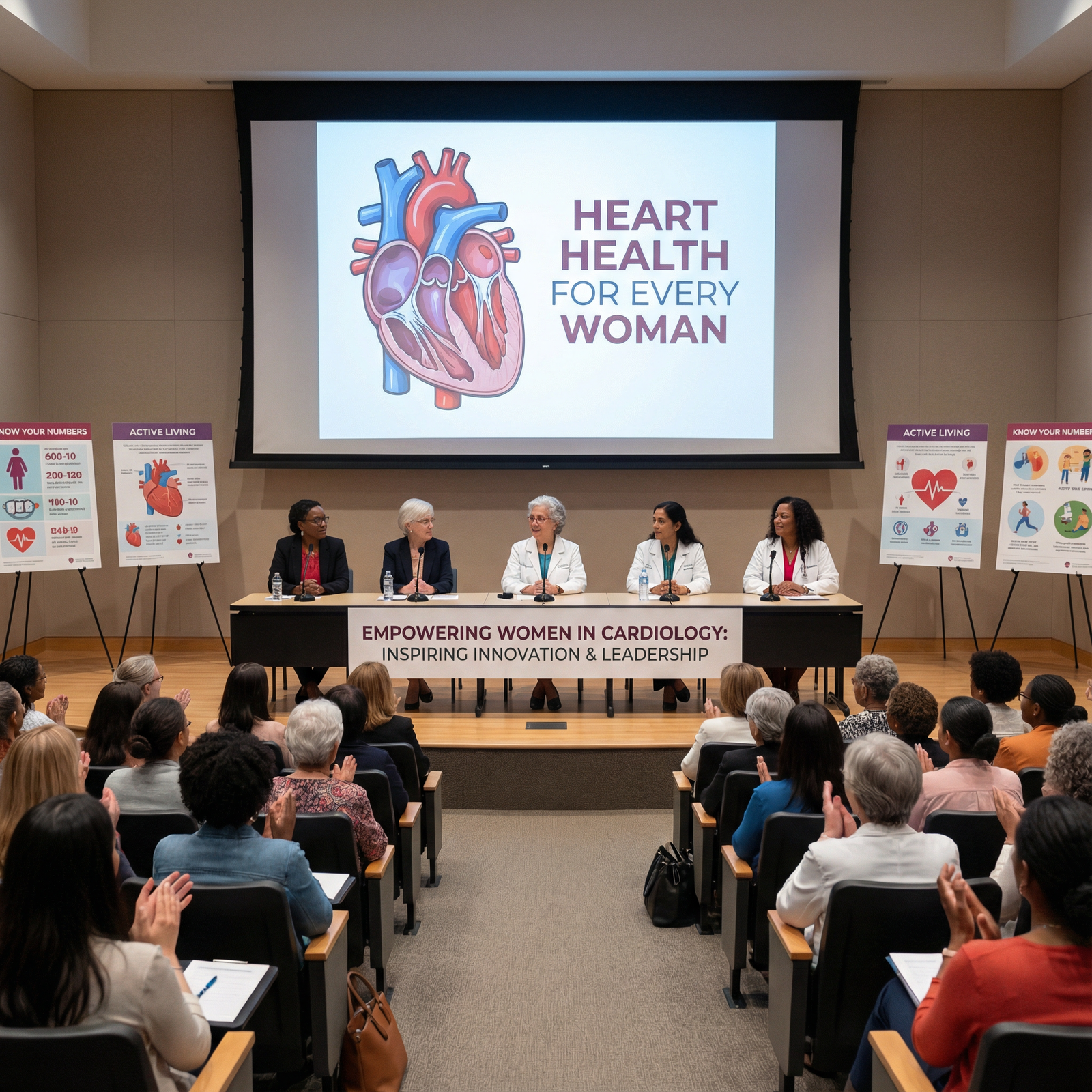
This integration of clinical practice, research, and advocacy strengthens the entire ecosystem of heart health and showcases the broader societal impact of women in cardiology.
Lessons and Actionable Advice for Future Women in Cardiology
Navigating Training and Early Career Choices
For medical students and residents considering cardiology, the path can feel daunting. The experiences of successful women cardiologists offer concrete guidance:
Explore Early:
- Rotate in cardiology during clinical years.
- Attend cardiology conferences and WIC events as a student or resident.
- Join institutional or national cardiology interest groups.
Be Strategic About Mentorship:
- Seek multiple mentors (clinical, research, career development).
- Include at least one mentor who understands gender-specific challenges in the field.
- Actively schedule regular check-ins and come with clear questions or goals.
Build Your Skills Portfolio:
- For procedural cardiology (interventional, EP), seek hands-on exposure early and express your interest to program leadership.
- For academic-focused careers, pursue research projects and aim for abstracts, presentations, and publications.
- For advocacy, volunteer with heart health organizations, patient groups, or public health initiatives.
Addressing Bias, Burnout, and Work–Life Integration
Women in Cardiology often describe facing unique pressures: subtle or overt gender bias, questions about “fit” for procedural work, and scrutiny around family planning or work–life balance. Practical strategies include:
Know Your Value
- Document your accomplishments (clinical volume, outcomes, teaching evaluations, research productivity).
- Use data and evidence when negotiating roles, promotions, and compensation.
Set Boundaries Intentionally
- Clarify your priorities—clinical, academic, family, personal—and communicate your needs where appropriate.
- Explore flexible scheduling models, part-time tracks, or job-sharing if needed.
Seek Allies and Sponsors
- Identify leaders (of any gender) who actively promote equity and inclusion.
- Ask them to nominate you for speaking roles, committees, or leadership positions.
Protect Your Well-being
- Recognize early signs of burnout—emotional exhaustion, cynicism, decreased sense of efficacy.
- Use institutional wellness resources, counseling services, and peer support groups.
- Normalize conversations about mental health among colleagues.
By implementing these strategies, future women in cardiology can build sustainable, fulfilling careers while continuing to advance heart health and Medical Innovation.
Conclusion: Women in Cardiology at the Center of Change
Women in Cardiology are not merely participating in a historically male-dominated specialty; they are transforming it. Through cutting-edge research, patient-centered clinical practice, visionary Healthcare Leadership, and tireless advocacy, they are:
- Improving the quality and equity of heart health care globally
- Driving Medical Innovation in areas like cardiogenetics, women’s ischemic heart disease, and preventive cardiology
- Mentoring and empowering the next generation of diverse cardiologists
- Changing policies, guidelines, and public awareness so that women’s cardiovascular needs are finally recognized and addressed
Trailblazers such as Dr. Elizabeth Nabel, Dr. C. Noel Bairey Merz, Dr. Marjan Jahangir, Dr. Nadine M. T. Abdullah, Dr. Deepika Deokar, and Dr. Geetha R. Reddy represent only a fraction of the women leading this transformation. Their careers remind us that progress in medicine requires courage, collaboration, and sustained advocacy.
For students, residents, and early-career physicians, their stories are both an invitation and a challenge: to step into cardiology with confidence, to seek and provide mentorship, and to use your expertise not only to treat disease but to reshape systems. As more women rise in cardiology, the specialty—and the patients it serves—will continue to benefit from richer perspectives, more inclusive research, and more equitable care.
The heart of medicine beats stronger when women lead.
FAQ: Women in Cardiology, Leadership, and Heart Health
1. What challenges do women in cardiology still face today?
Women in cardiology continue to face:
- Underrepresentation in procedural subspecialties and senior leadership roles
- Gender bias in hiring, promotion, and compensation
- Limited visibility in high-profile speaking roles and guideline authorship
- Work–life integration pressures, especially related to pregnancy and parenting during training or early career
- Under-recognition of their academic and leadership contributions
However, dedicated WIC initiatives, institutional diversity efforts, and visible role models are gradually helping to mitigate these barriers.
2. How is women’s heart health different from men’s heart health?
Women’s cardiovascular health differs in several important ways:
- Symptom Presentation: Women may have subtler heart attack symptoms—shortness of breath, fatigue, nausea, or back/jaw discomfort—rather than classic chest pain.
- Risk Factors: Pregnancy-related complications, early menopause, autoimmune disease, and psychosocial stress play a larger role in many women.
- Disease Patterns: Women may have more microvascular dysfunction or non-obstructive coronary disease (INOCA), which can be missed with standard tests.
- Outcomes and Treatment: Women are sometimes less likely to receive timely reperfusion, guideline-directed medical therapy, or cardiac rehabilitation.
These differences underscore the need for sex-specific research, education, and clinical pathways.
3. How can a medical student or resident interested in Women in Cardiology get started?
Practical steps include:
- Join your institution’s cardiology interest group and seek out women cardiologists as mentors.
- Attend national conferences (ACC, AHA) and participate in Women in Cardiology (WIC) sessions.
- Get involved in research, particularly in areas like women’s heart health, prevention, or disparities.
- Shadow in cardiology clinics, cath labs, or echo labs to understand the range of career options.
- Engage in advocacy or community outreach projects related to heart health.
Early exposure helps you make informed decisions about fellowship and career paths.
4. Are there specific organizations focused on women in cardiology and healthcare leadership?
Yes. Key organizations and sections include:
- American College of Cardiology (ACC) Women in Cardiology Section
- American Heart Association (AHA) Council on Clinical Cardiology Women in Cardiology Committee
- National and regional women-in-medicine societies that provide networking, mentorship, and leadership training
- Institutional Women in Cardiology or Women in Medicine groups at many academic centers
These organizations offer mentorship programs, educational resources, leadership development, and opportunities to advocate for gender equity in medicine.
5. What can institutions do to better support women in cardiology?
Institutions can:
- Ensure transparent, equitable promotion and compensation structures
- Provide parental leave policies and flexible scheduling options
- Support childcare resources and family-friendly conference policies
- Monitor and address gender disparities in leadership roles, speaking invitations, and committee membership
- Create formal mentorship and sponsorship programs for women in cardiology
- Invest in research and clinical programs focused on women’s heart health
By aligning policies with principles of equity and inclusion, institutions help ensure that talented women can thrive and lead in cardiology.
For more insights into the journeys of women in medicine and Healthcare Leadership, explore resources on women in healthcare, advocacy in health, and gender disparities in medicine.