Introduction: Anxiety Management During Residency Board Exams
Board exams are defining milestones in medical residency. They influence fellowship opportunities, credentialing, and future job prospects. For many residents, they also coincide with demanding clinical rotations, night shifts, and life transitions. It’s no surprise that board exams are a major trigger for anxiety.
This anxiety is not a sign of weakness or incompetence—it is a predictable response to a high-stakes situation. However, unmanaged anxiety can interfere with concentration, recall, decision-making, and ultimately performance on exam day.
This guide focuses on Anxiety Management specifically tailored to residents preparing for board exams. You’ll find practical, evidence-informed strategies you can implement immediately—before, during, and after your exam—to help you approach testing with more calm, clarity, and confidence.
Understanding Exam Anxiety in Medical Residency
Before you can effectively manage anxiety, it helps to understand how and why it shows up, especially in the unique context of medical residency.
How Exam Anxiety Manifests
Exam-related anxiety can appear in three overlapping domains:
Physical symptoms
- Racing or pounding heart
- Sweating or clammy hands
- Gastrointestinal upset (nausea, diarrhea, “butterflies”)
- Headaches or muscle tension
- Insomnia or non-restorative sleep
- Tremors or feeling “wired”
Emotional symptoms
- Irritability or being easily frustrated
- Feeling overwhelmed, hopeless, or “stuck”
- Dread leading up to practice tests or the real exam
- Shame or fear of being “found out” as inadequate
- Heightened sensitivity to criticism or comparison
Cognitive symptoms
- Racing thoughts (“I’m going to fail,” “I’m not ready,” “Everyone else knows more than I do”)
- Difficulty focusing during study sessions
- Over-fixation on perceived weaknesses or mistakes
- Catastrophic thinking about exam outcomes
- Blank mind or difficulty retrieving information when stressed
Recognizing these symptoms early is the first step in Anxiety Management. Once you can label what’s happening—“This is anxiety, not a true measure of my ability”—you can engage strategies to regulate your response rather than letting anxiety dictate your behavior.
Why Anxiety is So Common in Residency Board Exams
Several factors make board exams during residency uniquely stressful:
- Time pressure: You’re balancing full clinical responsibilities, documentation, and sometimes research, family, or leadership roles alongside exam preparation.
- Perfectionistic culture: Medicine often rewards perfectionism and self-sacrifice, which can fuel harsh self-criticism when you feel behind.
- High stakes: Board exams can affect fellowship applications, visas, promotions, and future practice settings.
- Peer comparison: Study groups, social media, and program pass-rate statistics can amplify comparison and self-doubt.
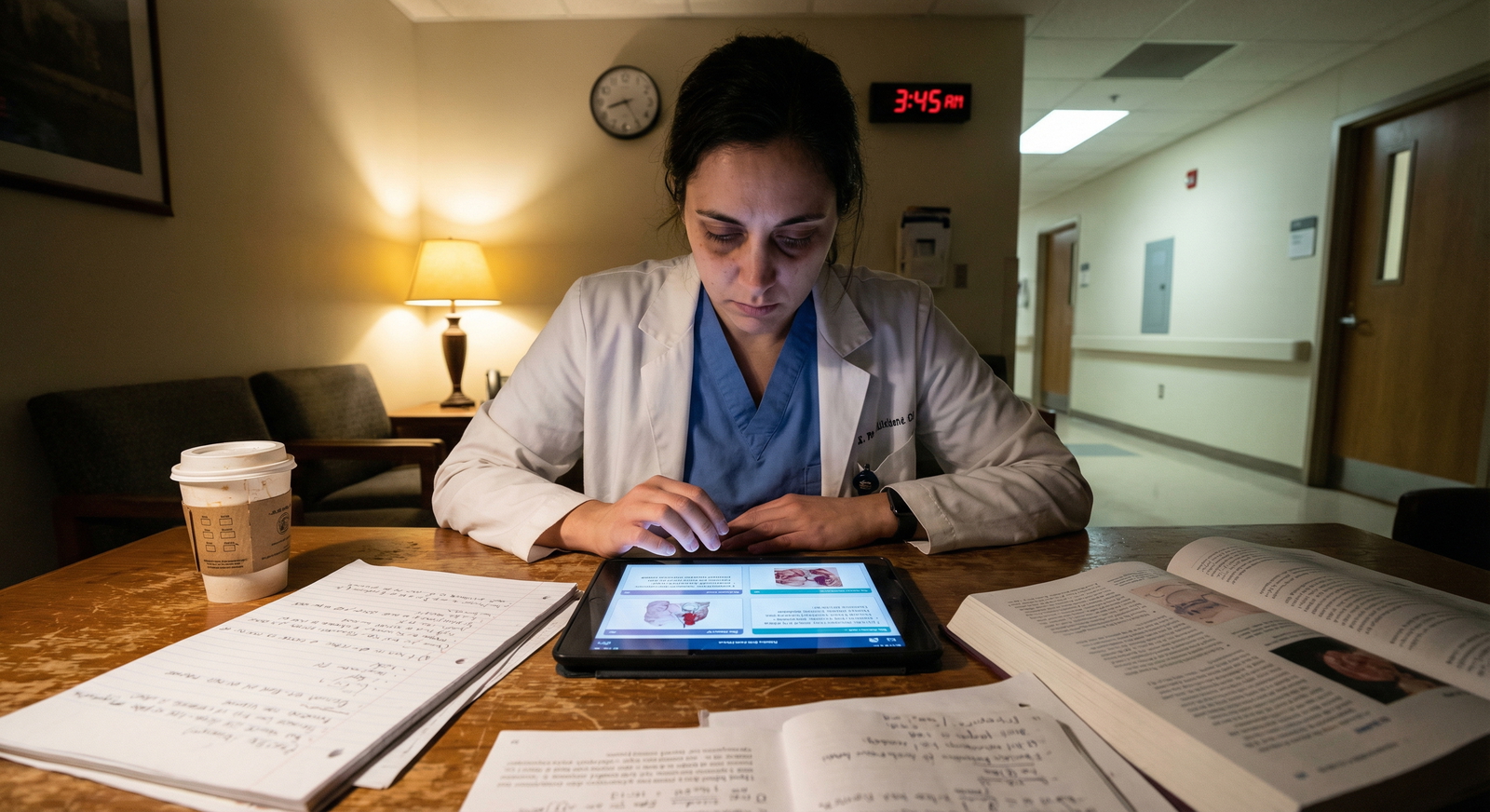
- Sleep disruption: Night float and call schedules can impair memory consolidation and emotional regulation.
Understanding these factors can help you normalize your experience and shift from “What’s wrong with me?” to “Of course I feel this way—now how can I support myself through it?”
Strategic Exam Preparation to Reduce Anxiety
Preparation itself is one of the most powerful tools in Anxiety Management. Not because you must know “everything,” but because a deliberate, realistic plan replaces vague dread with concrete action.
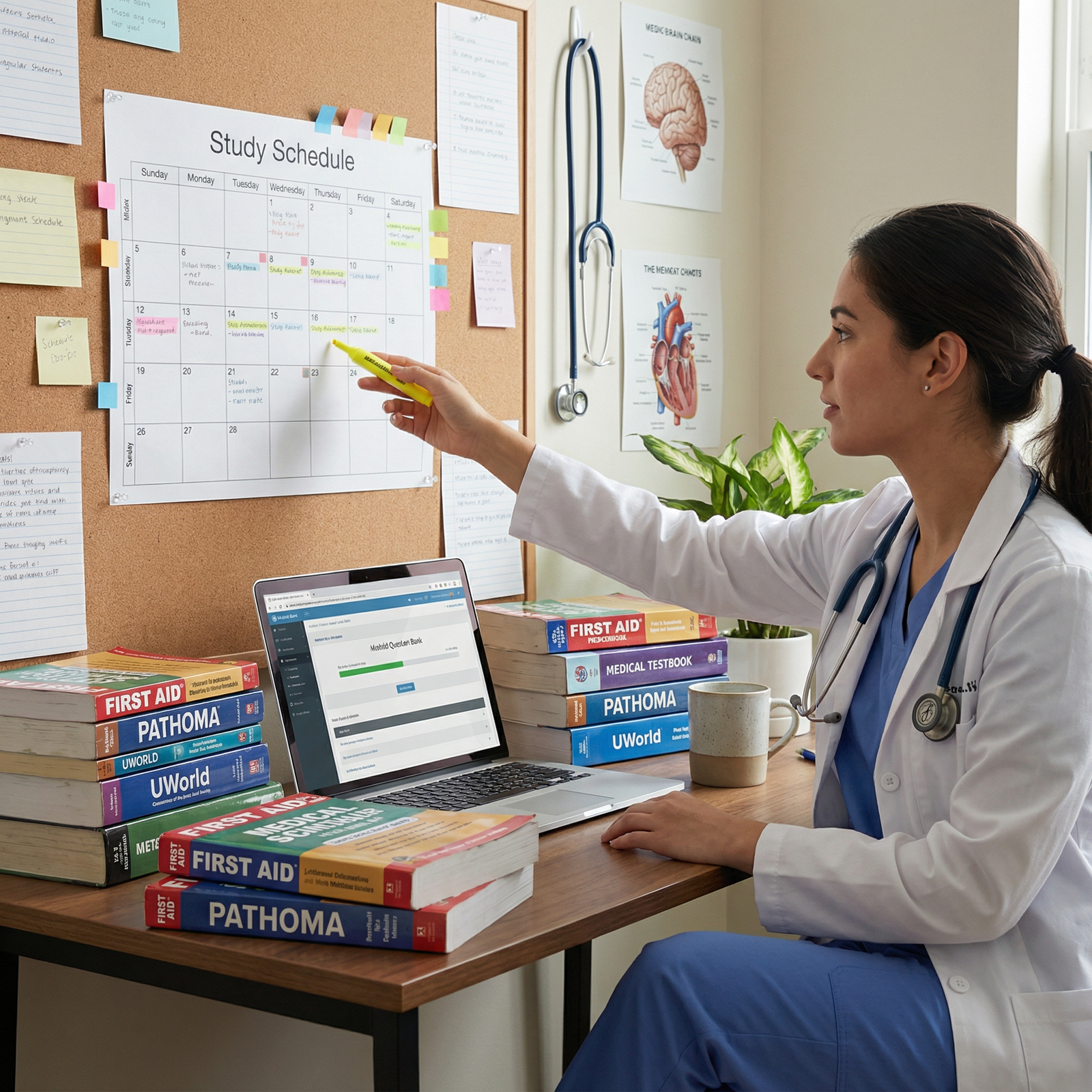
Build a Realistic, Residency-Sensitive Study Schedule
Instead of trying to “fit studying in” around everything else, build a schedule that accounts for your actual life.
Map your rotation calendar
- Identify heavy rotations (ICU, nights, wards) versus lighter ones (electives, research).
- Front-load more intensive study on lighter months; aim for maintenance during heavier months.
Set weekly and daily targets
- Convert vague goals (“Do a lot of questions”) into specific targets:
- e.g., “150 questions/week with full review”
- “Review one high-yield topic per day”
- Use time blocks (e.g., 25–50 minutes focused work + 5–10 minute breaks).
- Convert vague goals (“Do a lot of questions”) into specific targets:
Protect dedicated study time
- Treat study blocks like clinical commitments: schedule them, communicate them (to partner/roommates if relevant), and minimize distractions.
- Use digital tools (calendar apps, task managers, Pomodoro timers) to stay on track.
Include built-in flexibility
- Residents get sick, get called in, or experience emergencies. Build in one “catch-up” block per week so one bad day doesn’t derail your whole plan.
Use Active Learning and Question-Based Study
Active techniques not only improve retention but also build exam confidence.
Question banks (Q-banks)
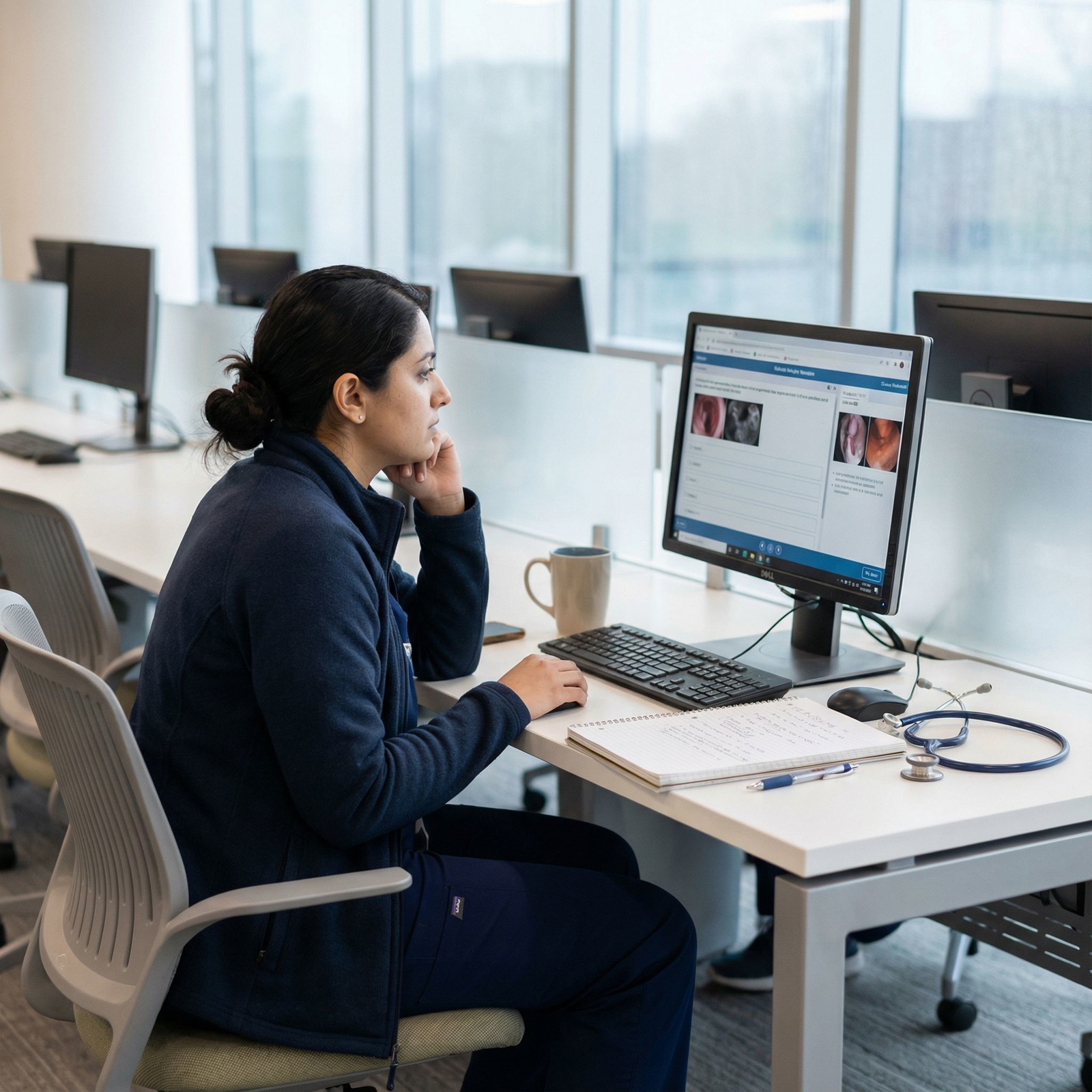
- Prioritize board-style questions as a core piece of your exam preparation.
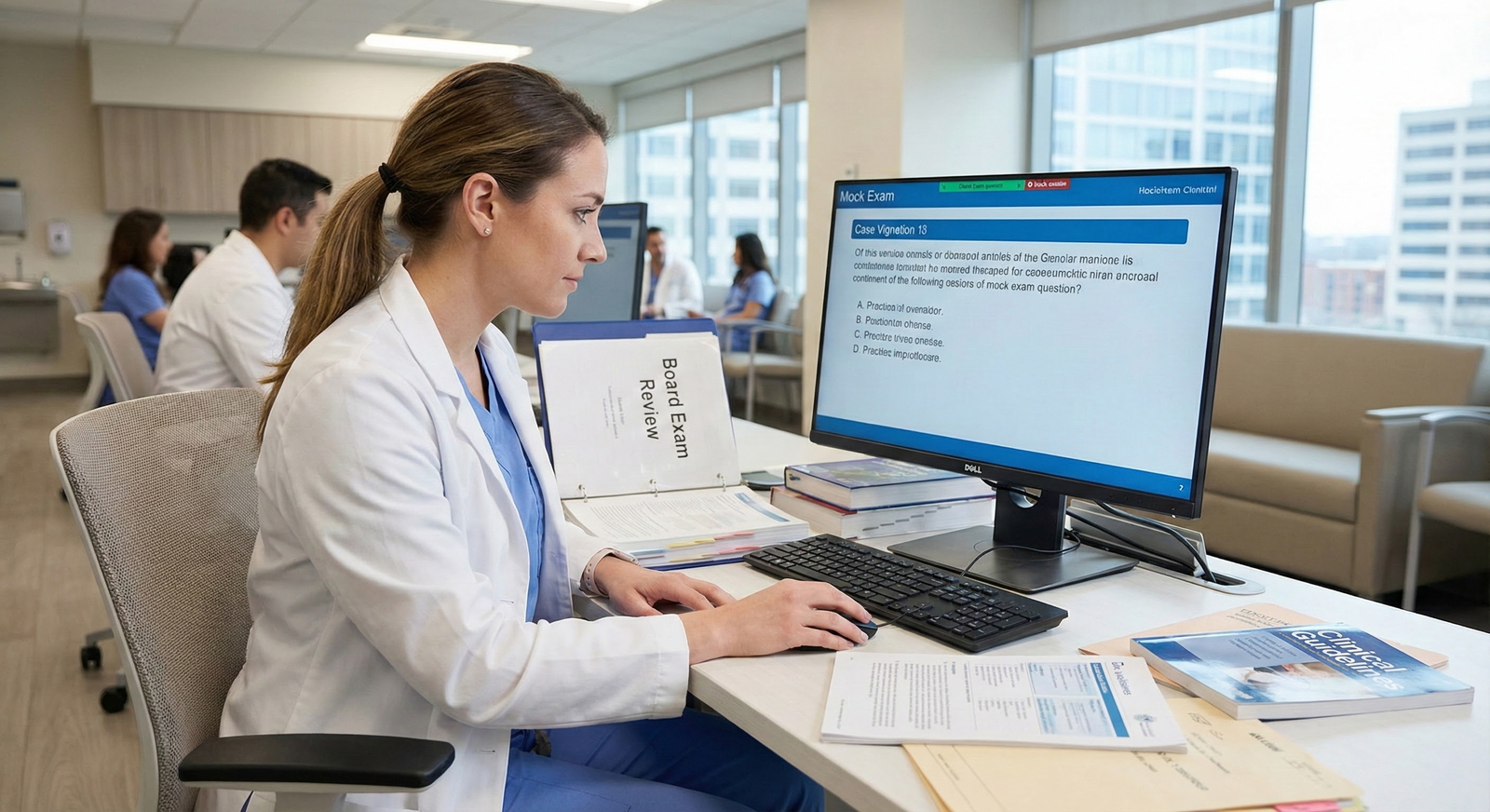
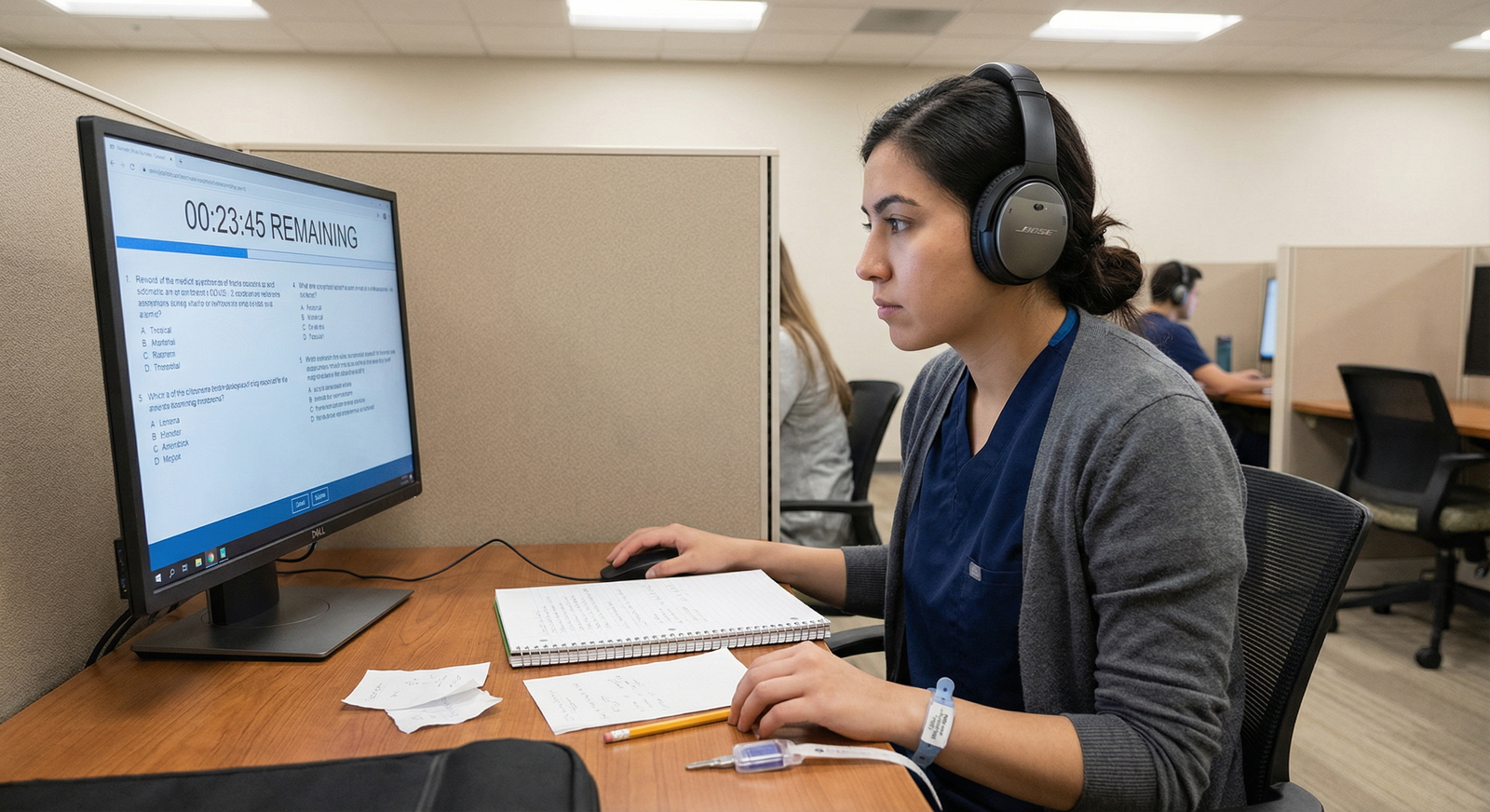
- Simulate test conditions for some sessions: timed mode, no notes, quiet space.
- After each session, thoroughly review explanations—especially why wrong options are wrong.
Spaced repetition and flashcards
- Use tools like Anki or other spaced repetition apps for high-yield facts and algorithms.
- Short, frequent flashcard sessions (10–20 minutes) work well around clinical duties.
Teach back
- Explain complex concepts to a co-resident, student, or even to yourself out loud.
- Teaching uncovers gaps and reinforces understanding.
Study groups (used wisely)
- Small, focused groups (2–4 people) can:
- Divide and teach topics
- Discuss tough vignettes
- Normalize anxiety and share strategies
- Avoid groups that devolve into bragging, panic, or comparison; it’s okay to opt out.
- Small, focused groups (2–4 people) can:
Calibrate Your Expectations
Perfectionism amplifies anxiety. A more balanced mindset can be protective:
- Aim for competence and steady progress, not omniscience.
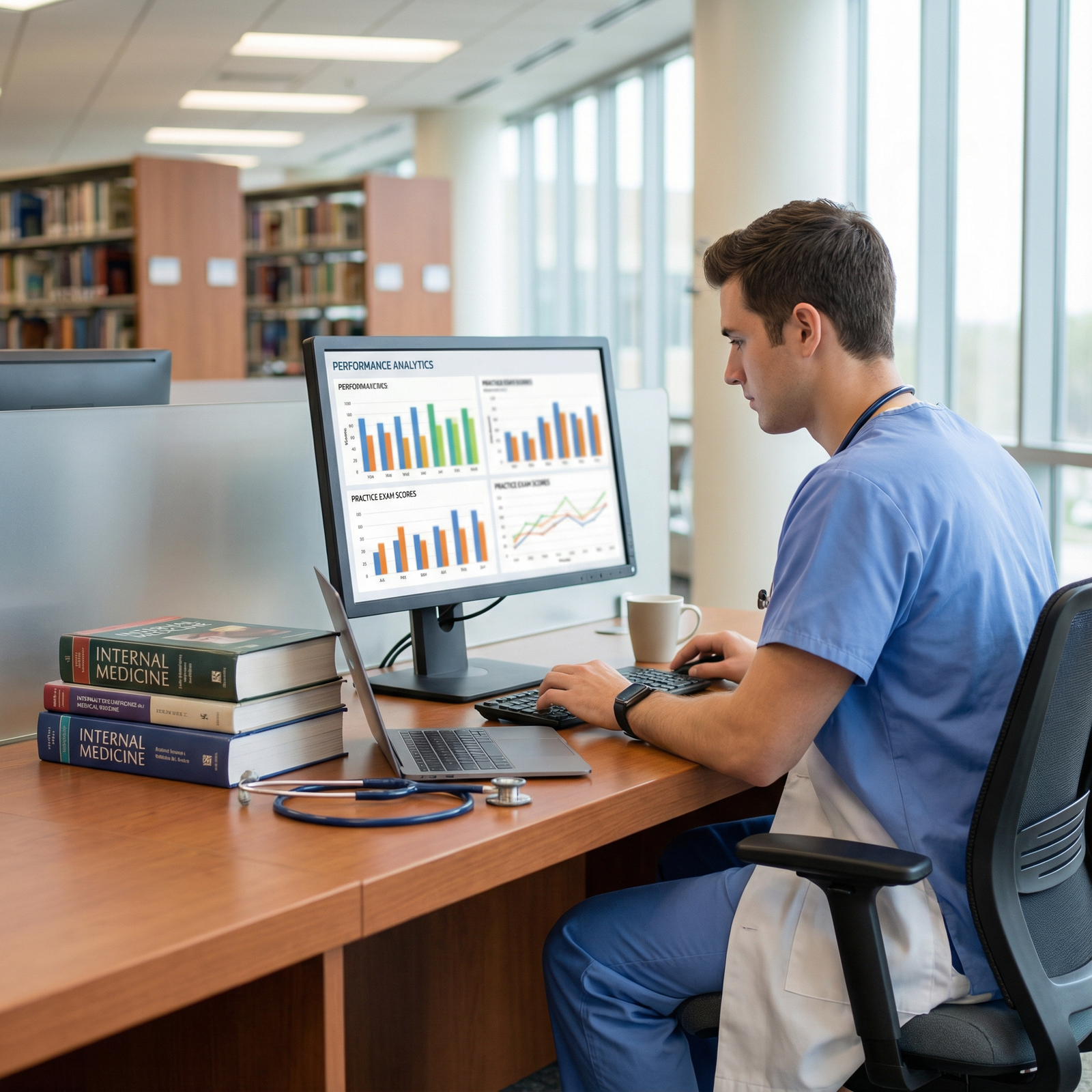
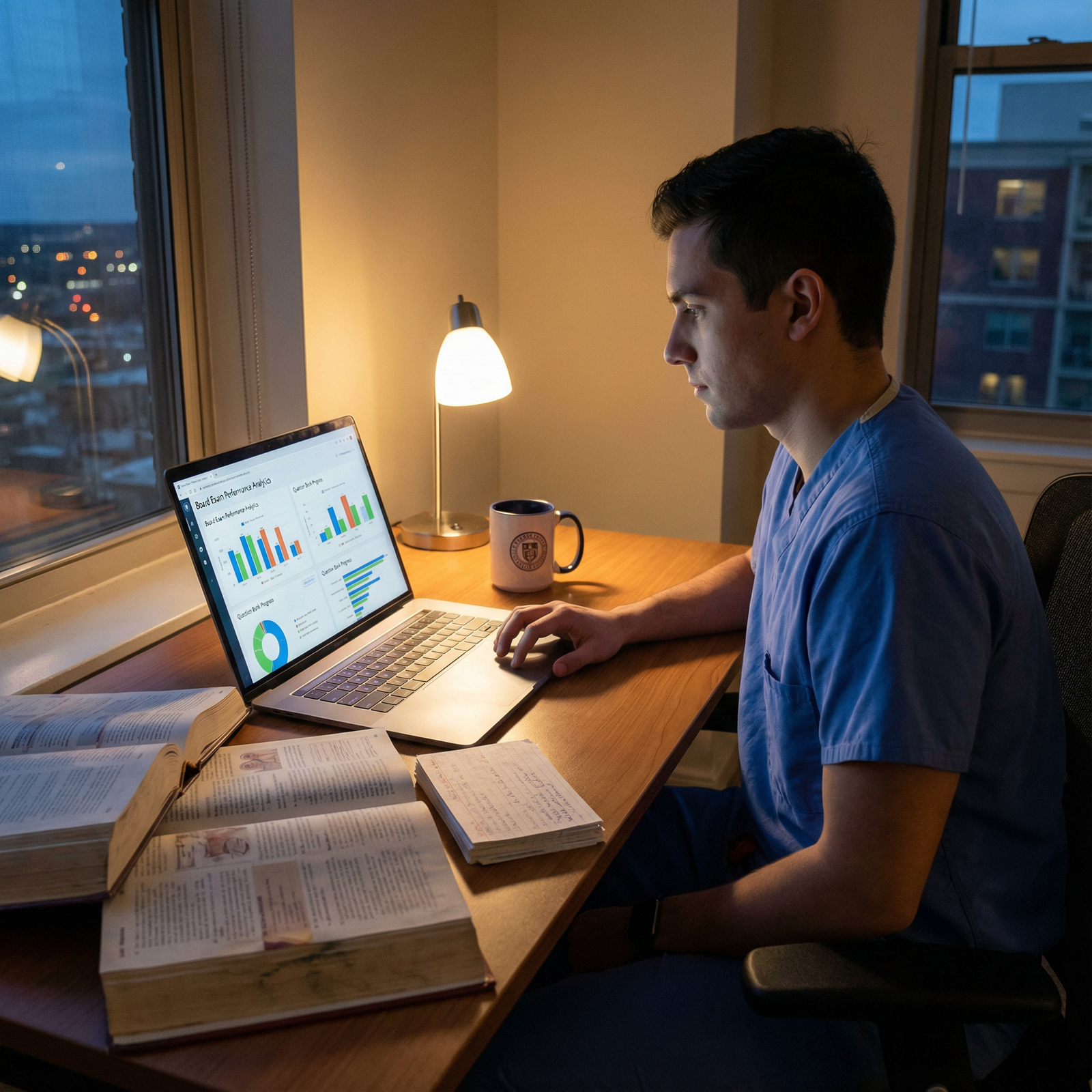
- Track your trends (e.g., Q-bank scores over weeks) rather than obsessing over any single score.
- Accept that not knowing some questions is expected on any well-designed board exam.
Mindfulness Techniques and Lifestyle Habits to Support Performance
High-yield Anxiety Management is not just about content review; it’s about keeping your brain and body in a state where they can perform.
Practical Mindfulness Techniques for Residents
You don’t need hour-long meditation sessions to benefit from mindfulness techniques. Short, structured practices can help interrupt anxious spirals and re-center your focus.
1. Tactical Breathing (Box Breathing)
Use this before starting a Q-bank block, pre-rounds, or during the exam:
- Inhale through your nose for 4 seconds.
- Hold your breath for 4 seconds.
- Exhale slowly through your mouth for 4 seconds.
- Hold your lungs empty for 4 seconds.
- Repeat for 4–6 cycles.
This can physiologically reduce sympathetic activation and help you regain cognitive control.
2. One-Minute Grounding Exercise
When you feel overwhelmed:
- Name 5 things you can see.
- Name 4 things you can touch.
- Name 3 things you can hear.
- Name 2 things you can smell.
- Name 1 thing you can taste or are grateful for.
Grounding pulls you out of catastrophic thinking and back into the present moment.
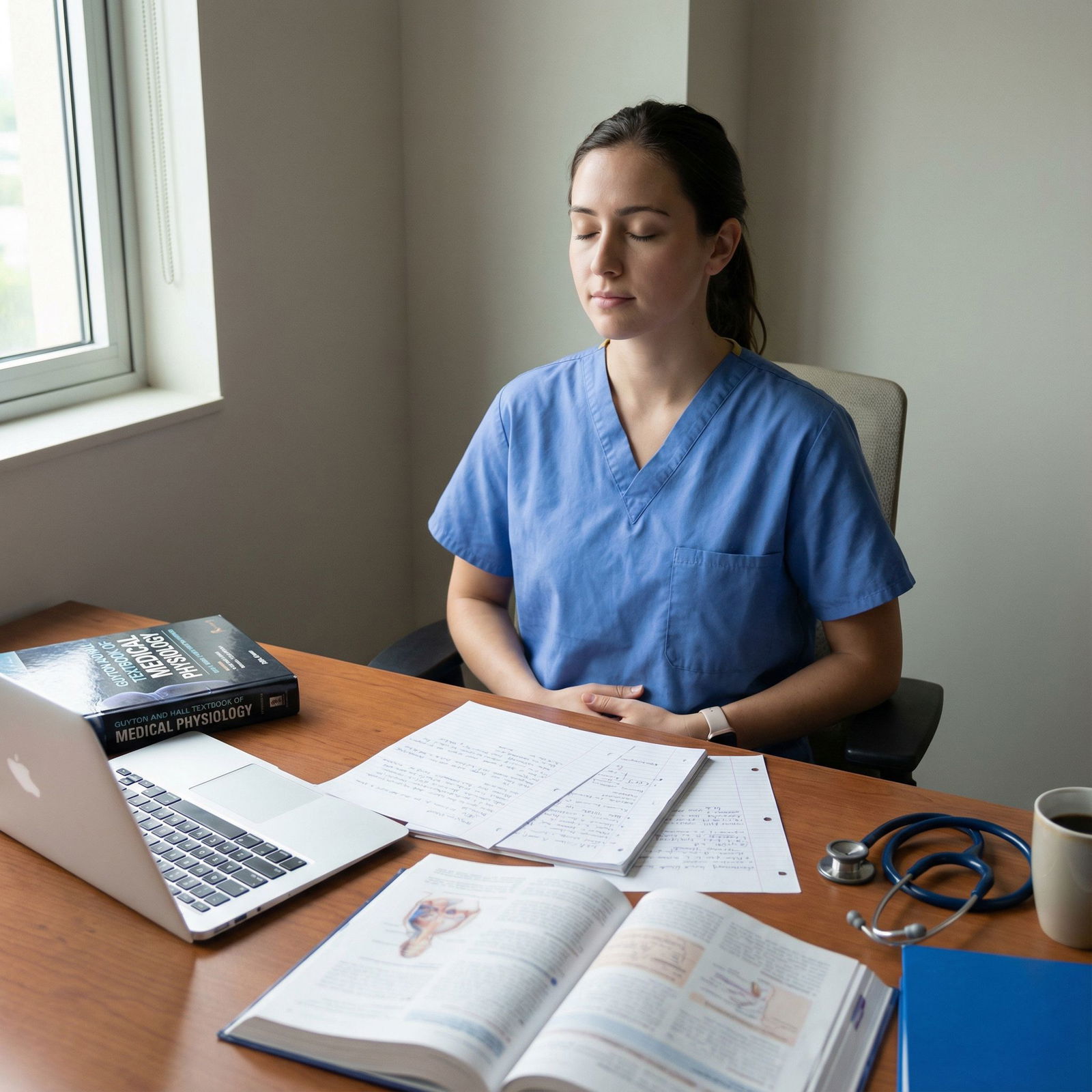
3. Micro-Meditations
- Use 3–5 minutes in the call room or before bed:
- Close your eyes, notice your breath.
- When your mind wanders (it will), gently return to the breath without judgment.
- Apps (Headspace, Calm, Insight Timer) offer resident-friendly, short guided practices.
Protecting Physical Health: The Foundation of Exam Performance
Your brain’s ability to encode, store, and retrieve information depends heavily on sleep, nutrition, and movement.
Sleep Hygiene for Residents
While you may not control your schedule fully, you can optimize what you can:
- Aim for consistent sleep windows on non-call days.
- Use a wind-down routine: dim lights, avoid large screens 30–60 minutes before bed, brief stretch or breathing practice.
- Keep your sleep environment as dark, quiet, and cool as possible.
- After night shifts, use sleep masks, earplugs, and blackout curtains; protect your post-call sleep time.
Exercise as an Anxiety Management Tool
Even brief movement can help regulate mood and stress:
- On busy days: 10–15 minutes of brisk walking or stair climbing.
- On lighter days: 30 minutes of cardio or strength training, 3–4 times per week.
- Combine movement and mindfulness: walking without your phone, focusing on breaths and footsteps.
Nutrition and Caffeine
- Aim for balanced meals with:
- Lean protein
- Complex carbohydrates (whole grains, legumes)
- Healthy fats (nuts, seeds, olive oil)
- Fruits and vegetables for micronutrients
- Be mindful with caffeine:
- Use it strategically; avoid large doses late in the day.
- Watch for anxiety spikes or sleep disruption after high intake.
Day-of-Exam Strategies: Staying Calm Under Pressure
How you handle the 24 hours around the exam can significantly influence performance, regardless of how well you prepared.
The Day Before the Exam
- Light review only
- Skim high-yield summaries or your personal notes.
- Avoid starting new, complex topics.
- Set up logistics
- Confirm exam time, location, transportation, and what you must bring.
- Lay out clothes and ID the night before.
- Wind down intentionally
- Engage in a relaxing, non-medical activity: brief walk, simple meal, low-stress show, or time with a supportive person.
- Protect your sleep as much as possible.
Morning-of Exam Routine
Create a simple, repeatable routine that signals safety and readiness:
- Wake up with enough time to avoid rushing.
- Do 5–10 minutes of gentle stretching and one short mindfulness or breathing exercise.
- Eat a breakfast that you know sits well with you.
- Avoid cramming; if needed, review one or two familiar summary pages just to feel warmed up.
At the Testing Center: Managing Spike Anxiety
- Arrive early
- Aim for 30–45 minutes early to buffer transportation issues and reduce rushing.
- Use pre-entry time wisely
- Rather than scrolling social media or discussing the test with others, use:
- Calming music
- Breathing exercises
- Positive self-statements such as:
- “I’ve prepared consistently and I can handle this.”
- “I don’t need to know everything. I just need to do my best on each question.”
- Rather than scrolling social media or discussing the test with others, use:
In-Exam Coping Skills
When anxiety spikes during the exam, use brief, actionable tools:
- Pause–Breathe–Reset
- If you freeze on a question:
- Take one slow breath in and out.
- Silently say: “Focus on what’s in front of me.”
- Re-read the question stem, focusing on key data.
- If you freeze on a question:
- Structured Question Approach
- Identify the clinical task: diagnosis? next best step in management? test interpretation?
- Cover the answer choices and think: “What do I expect to see?”
- Then uncover answers and select the closest match.
- Time management
- Keep a steady pace. Don’t spend disproportionately long on one question.
- Option: Mark difficult questions and move on, returning if time allows.
- Use scheduled breaks
- Eat, hydrate, stretch, and do 1–2 minutes of tactical breathing.
- Avoid discussing specific questions with others during breaks—it usually increases anxiety rather than helps.
Leveraging Support Systems and Professional Help
You do not have to navigate board exam stress alone. Social and professional supports are powerful parts of Anxiety Management.

Engaging Your Personal Support Network
Family and friends
- Let them know your exam date and what kind of support you prefer:
- Encouraging messages
- Help with errands during intense study periods
- Respecting boundaries when you need quiet time
- Gently limit interactions with people who increase your stress with criticism, pressure, or comparison.
- Let them know your exam date and what kind of support you prefer:
Co-residents and peers
- Share your anxieties honestly with trusted co-residents—chances are they feel similarly.
- Consider “accountability partners” to check in on progress, not just scores.
Using Institutional and Professional Resources
- Program leadership
- Program directors or chief residents may:
- Help adjust schedules closer to exam time
- Offer study resources or advice
- Normalize your concerns as part of training
- Program directors or chief residents may:
- Mental health professionals
- If anxiety becomes overwhelming, persistent, or interferes with daily functioning:
- Seek evaluation from a therapist, psychiatrist, or counseling service—ideally someone familiar with physician-trainee stress.
- Evidence-based treatments like CBT (Cognitive Behavioral Therapy) can:
- Target catastrophic thinking (“If I fail, my career is over”)
- Build coping strategies for test anxiety
- Medication may be appropriate for some residents, in consultation with a psychiatrist.
- If anxiety becomes overwhelming, persistent, or interferes with daily functioning:
Seeking help is a sign of professionalism and self-awareness, not weakness. Addressing mental health proactively can improve not only exam performance but also patient care.
If Things Don’t Go as Planned
Even with excellent exam preparation and robust Anxiety Management, you may still experience challenging moments—during the exam or with the outcome.
During the Exam: When You Feel Overwhelmed
If you feel panic rising:
- Pause—take your hands off the keyboard for a moment.
- Breathe—do 2–3 cycles of slow inhalation and exhalation.
- Ground—feel your feet against the floor, notice the sensation of the chair.
- Refocus—tell yourself: “I only need to answer one question at a time.”
Most test-takers have moments where they feel lost. What matters is your ability to recover and continue.
After the Exam: Managing Uncertainty and Outcomes
- Immediately after
- Avoid post-mortem analysis of specific questions; it rarely helps and often worsens anxiety.
- Give yourself permission to rest and decompress.
- While waiting for results
- Resume normal routines and interests.
- Limit time spent ruminating about the exam; notice when your mind is replaying it and gently redirect to the present.
- If you do not pass
- Remember:
- Many excellent physicians have failed an exam at some point.
- One exam does not define your worth, your competence, or your future.
- Take a structured approach:
- Review your score report to identify patterns.
- Honestly assess your study methods and life circumstances.
- Seek guidance from mentors or program leadership for a revised plan.
- Consider incorporating more formal supports: a dedicated study coach, counseling, structured review courses.
- Remember:
Resilience in the face of setbacks is a core professional competency. How you respond to difficulty often matters more than whether you encountered it.
FAQs: Anxiety Management and Board Exam Preparation in Residency
Q1: How far in advance should I start preparing for my residency board exams?
Most residents benefit from 6–12 months of structured preparation, depending on baseline knowledge, rotation schedule, and personal responsibilities. Early months can focus on:
- Lower-intensity question practice (e.g., 10–20 questions/day)
- Identifying weak areas
- Integrating study into your routine
The last 2–3 months typically involve more intensive, exam-focused review.
Q2: What should I do if my schedule is extremely demanding and I feel I don’t have time to study?
When time is limited:
- Prioritize question-based learning: even 10–15 questions on busy days are valuable.
- Use micro-blocks: 15–30 minutes between cases, during lunch, or pre-rounds for flashcards or short topics.
- Coordinate with your program early to see if lighter rotations or study days can be arranged closer to the exam.
- Remember that consistency beats intensity; small, regular efforts accumulate.
Q3: How do I know if my anxiety is “normal” or if I should seek professional help?
Anxiety is a normal response to board exams, but consider professional help if you notice:
- Persistent insomnia, appetite changes, or physical symptoms
- Panic attacks or frequent episodes of intense fear
- Inability to study or function at work due to anxiety
- Thoughts of self-harm or feeling that life is not worth living
In these situations, reach out promptly to your primary care provider, mental health services, or your institution’s wellness resources.
Q4: Do mindfulness techniques actually improve exam performance, or do they just make me feel calmer?
Mindfulness techniques can do both:
- Subjectively, they reduce distress and help you feel calmer.
- Objectively, they can improve attention, working memory, and cognitive flexibility—skills directly relevant to board exams.
Short, consistent practices (even 5–10 minutes/day) are more beneficial than sporadic, longer sessions.
Q5: What if study groups increase my anxiety because I feel behind compared to my peers?
Study groups are not mandatory, and they are not equally helpful for everyone. If you notice:
- Leaving group sessions more discouraged than motivated
- Constant comparison and self-criticism
- Reduced study efficiency
then it may be better to: - Switch to a smaller or more structured group
- Set clear rules (no score-sharing, no bragging)
- Or study primarily solo and use peers only for targeted discussions
By combining realistic exam preparation, targeted Anxiety Management strategies, and supportive mindfulness techniques, you can approach your residency board exams with greater confidence and resilience. You’ve already navigated years of rigorous training; these tools are about helping your best self show up on exam day—not transforming you into someone else.