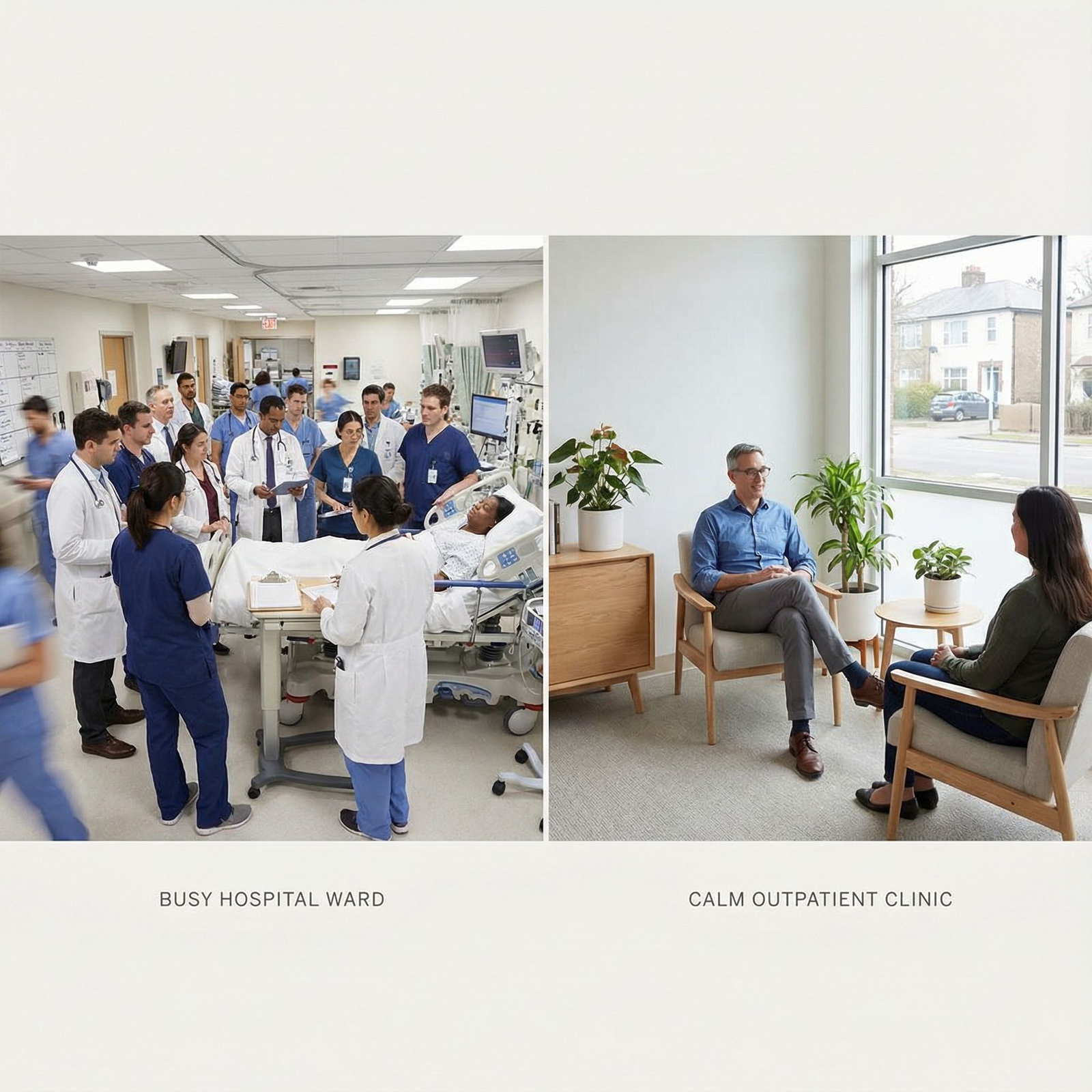
Choosing a medical specialty is one of the most personal and high‑stakes decisions in your medical education. It affects where you train, how you spend your days (and nights), what kinds of patients you see, your long‑term lifestyle, and how you grow as a physician. Yet for many students, specialty choice feels like navigating a maze with incomplete information and limited time.
This guide is designed to provide structured, practical physician guidance as you move from uncertainty to a confident, well‑reasoned decision. It blends self-assessment, real-world examples, and actionable strategies rooted in medical education best practices and career development research.
Understanding Why Medical Specialty Choice Matters
Your choice of medical specialty is more than just picking a field; it’s choosing a day-to-day professional life.
How Specialty Shapes Your Daily Reality
Each Medical Specialty comes with its own:
Clinical focus
- Internal Medicine: complex problem-solving, multimorbidity, longitudinal care
- Surgery: procedures, acute decision-making, operating room dynamics
- Psychiatry: narrative-based care, communication, psychopharmacology
- Pediatrics: family-centered care, development, prevention
Typical work patterns
- Hospital-based vs. outpatient
- Shift work vs. continuity work
- Scheduled vs. unpredictable emergencies
Team structure
- Highly interdisciplinary (e.g., oncology, ICU)
- Solo or small-group practice
- Academic vs. community vs. rural practice
Your long-term satisfaction often hinges less on prestige or income and more on how well your personality, values, and preferred work style align with these day-to-day realities.
Long-Term Implications: Beyond Residency Match
Specialty choice can influence:
- Work–life integration: Flexibility, part-time options, remote work (e.g., telepsychiatry, teleradiology), call burden
- Geographic flexibility: Some fields (e.g., primary care, general surgery) are needed in nearly all regions, while others (e.g., pediatric subspecialties) cluster in major centers
- Income trajectory: Compensation differs across specialties and practice models, but debt repayment strategies and lifestyle expectations should be planned realistically
- Career development paths: Opportunities in leadership, research, global health, education, and health systems vary by specialty and training environment
Understanding these implications early helps you make a choice grounded not just in what excites you now, but in what will sustain you 10–20 years into your career.
Deep Self-Assessment: Knowing Yourself as a Future Physician
Effective specialty choice starts with honest self-assessment. This isn’t just “What do I like?” but “Who am I in clinical settings?” and “What work makes me feel both challenged and energized?”
Structured Self-Assessment Tools
Self-assessment tools can’t choose your field for you, but they can clarify patterns that matter.
Personality and Strengths Tools
- MBTI (Myers-Briggs Type Indicator): May highlight whether you recharge in reflection vs. social interaction, prefer structure vs. flexibility, and how you approach problem-solving.
- StrengthsFinder (CliftonStrengths): Identifies core themes like empathy, analytical thinking, communication, or strategic planning that can map to specific specialties.
- Big Five personality assessments: Can help you understand your levels of conscientiousness, openness, extraversion, and emotional stability.
Example:
A student who scores high on “empathy” and “harmony” and prefers steady, scheduled work may find strong alignment with primary care, pediatrics, or outpatient psychiatry, while someone high in “command” and “risk-taking” may gravitate toward emergency medicine or acute surgical fields.
Interest Inventories and Specialty-Specific Tools
- Holland Code (RIASEC): Classifies people into categories such as Investigative, Social, Realistic, etc.
- Investigative + Social: Internal medicine, pediatrics, psychiatry
- Realistic + Investigative: Surgery, anesthesiology, radiology, EM
- Medical specialty preference tools (e.g., online specialty quizzes from organizations like AAMC or other academic institutions): These blend interests, values, and personality traits to suggest specialties for exploration—not prescriptions, but useful starting points.
Reflective Questions for Personal Insight
Beyond formal tools, use guided reflection:
Clinical pace:
- Do I like fast-paced, high-acuity environments, or slower, reflective ones?
- Do I enjoy “controlled chaos” (e.g., emergency medicine) or predictable routines (e.g., dermatology clinic)?
Type of thinking:
- Do I prefer broad diagnostic puzzles (e.g., internal medicine) or focused technical mastery (e.g., interventional cardiology)?
- Do I enjoy longitudinal stories or discrete episodes of care?
Patient relationships:
- Do I want long-term continuity with patients and families?
- Am I comfortable with limited, high-impact interactions (e.g., anesthesiology, radiology)?
Procedural tolerance and interest:
- How do I feel during and after procedures or surgeries?
- Do I like hands-on technical tasks or prefer cognitive/relational work?
Document your reflections after each major clinical experience. Over time, patterns emerge that provide powerful guidance.
Learning From Your Experiences: Rotations, Extracurriculars, and Beyond

Maximizing Clinical Rotations for Specialty Exploration
Core and elective rotations are one of your most valuable self-assessment tools—if you approach them intentionally.
What to Observe on Rotations
During each rotation, track:
Your energy level at the end of the day
- Drained but satisfied? Energized and engaged? Or chronically depleted?
Your emotional reactions
- Which patient interactions feel deeply meaningful?
- What types of cases keep you thinking after you go home?
The attendings and residents you admire
- Whose career and day-to-day life would you willingly trade places with?
- What traits do they share (calm under pressure, great teacher, procedural skill, empathy)?
The culture of the specialty
- Is the communication style direct, gentle, humorous, formal?
- Does teamwork feel collaborative or hierarchical?
- Do you feel you could “speak this language” comfortably long-term?
Keep a brief rotation journal (even just bullet points in your phone). After each block, ask:
- What did I like most and least?
- What surprised me?
- Could I imagine myself in this specialty at age 45?
Leveraging Volunteer Work and Extracurricular Experiences
Not all career-shaping experiences happen on wards:
- Community clinics / free clinics: Clarify your feelings about underserved medicine, health equity, and primary care.
- Global health experiences: Reveal interest in public health, infectious disease, or surgery in resource-limited settings.
- Research projects: Indicate tolerance for detail-oriented work, data analysis, and delayed gratification—common in academic careers, pathology, or radiology.
- Teaching and mentoring: Can point toward specialties with strong academic and educational traditions, like internal medicine, pediatrics, or family medicine.
Even non-clinical experiences (e.g., leadership in a student organization, advocacy work) illuminate what roles you might want within your specialty—program director, health policy leader, department chair, or community physician.
Strategic Exploration: Do’s and Don’ts for Navigating the Options
Do: Seek Broad and Intentional Exposure
Breadth early on helps you avoid premature closure.
Sample different environments:
- Academic vs. community hospitals
- Urban vs. rural settings
- High-acuity units (ICU, ED) vs. outpatient clinics
Pursue elective rotations wisely:
- Use early electives to confirm or disconfirm interest in broad fields (e.g., medicine, surgery, pediatrics).
- Use later electives and sub-internships to deepen experience and build relationships in potential match specialties.
Network across specialties:
Talk to residents and faculty in related fields (e.g., internal medicine vs. family medicine vs. pediatrics for primary care interests; neurosurgery vs. neurology for brain-focused interests).
Don’t: Let External Pressures Drive Your Decision
Common but unhelpful pressures include:
Peer comparison:
- “Everyone in my study group is going into competitive fields.”
- Remember: fit > perceived prestige. Burnout often stems from misalignment, not insufficient achievement.
Family expectations:
- Well-intentioned but uninformed opinions (“You’d make a great surgeon because you’re decisive”) may not reflect your internal experience.
Short-term experiences:
- A single bad call night or one difficult attending shouldn’t eliminate a specialty.
- Likewise, one great rotation shouldn’t be your only data point.
Instead, anchor your choice in repeated, consistent experiences across time and settings.
Do: Use High-Quality Information Sources
When researching specialties:
Review AMA, ACGME, AAMC, and specialty society websites for:
- Training pathways and length
- Typical practice models
- Workforce and salary data
- Future trends in demand and technology
Attend career panels, specialty interest group events, and grand rounds to hear how physicians describe their day-to-day work and career trajectories.
Bring questions about lifestyle, call, practice options, and career development—not just board scores and competitiveness.
Key Factors to Weigh in Your Specialty Decision
Lifestyle and Work–Life Integration
Lifestyle is not superficial; it’s central to career sustainability and well-being.
Consider:
Typical weekly hours and call frequency
- Shift-based (EM, anesthesia, hospitalist medicine) vs. continuous responsibility (surgery, some subspecialties).
- Home call vs. in-house call.
Predictability of schedule
- Dermatology, ophthalmology, many outpatient specialties: generally more predictable.
- OB/GYN, surgery, EM: more irregular, nights, weekends.
Flexibility over time
- Some specialties allow more control later in career (e.g., outpatient psychiatry, outpatient internal medicine).
- Others may stay intensity-heavy unless you modify your role (e.g., leaving trauma call for elective surgery).
Align this with your personal goals: family plans, hobbies, health needs, and how you define a fulfilling life outside medicine.
Job Market Demand and Geographic Opportunities
Passion matters—but so does employability and location choice.
Research:
National and regional shortages
- Primary care, psychiatry, and certain surgical and rural fields often report ongoing need.
- Some subspecialties or highly urban-focused fields can be more saturated.
Your geographic priorities
- If you have strong location constraints (family, partner, visa), you may value specialties with broad national demand (e.g., family medicine, general internal medicine, general surgery, anesthesiology).
Practice variety
- Some specialties allow a wide range of practice environments (e.g., internal medicine → hospitalist, outpatient, academic, subspecialties).
- Others are more narrowly defined.
Use this information for realistic planning, not to override genuine fit, but to understand trade-offs.
Your Learning Style and Tolerance for Training Length
Consider how you like to learn and how long you want to train:
Length of training
- 3 years: Family medicine, pediatrics, internal medicine, psychiatry.
- 4–5+ years: Surgery, OB/GYN, EM, radiology, anesthesiology, subspecialties.
Nature of training
- Procedure-heavy residencies vs. cognitive-heavy residencies.
- Research requirements for academic tracks.
Some students are excited by a longer path with complex skill acquisition; others prefer entering independent practice sooner.
Making the Most of Mentorship and Institutional Resources
Finding and Using Mentors Strategically
High-quality mentorship is one of the strongest predictors of a satisfying specialty choice and successful match.
Types of Mentors to Seek
- Near-peer mentors: Senior students or residents who recently navigated specialty choice can provide practical, emotionally resonant guidance.
- Faculty mentors in your top choices: They can discuss specialty realities, career development, and competitiveness.
- Cross-specialty mentors: Advisors in related fields (e.g., internal medicine and anesthesia) can help you compare nuanced differences.
How to Engage Mentors Effectively
Come prepared with:
- A short self-introduction and your current thinking (“I’m choosing between IM and EM and here’s why”).
- Specific questions (lifestyle, intellectual fit, procedural content, career trajectory).
Ask:
- “What do you love most and least about your specialty?”
- “What kind of student or resident tends to thrive here—and who tends to struggle?”
- “If you could advise your younger self about specialty choice, what would you say?”
Request:
- Opportunities to shadow
- Introductions to residents
- Honest feedback on your fit and competitiveness
Leveraging Medical School Career Development Resources
Most medical schools offer structured Physician Guidance for specialty choice:
Advisory committees or deans for student affairs:
- Provide overview of all specialties
- Help you map your interests to realistic residency application strategies
Career offices and workshops:
- Sessions on ERAS, CV building, and exploring specialties
- Panels on primary care, hospital-based fields, surgical careers
Specialty interest groups:
- Exposure to subspecialty talks, skills workshops, and networking events
Engage early—ideally from first or second year—so you’re not compressing exploration into your final months before applications.
Building a Practical Timeline for Specialty Decision-Making
Suggested Milestones During Medical School
While exact timing varies by curriculum, a general framework is:
Preclinical years (M1–early M2)
- Broad self-assessment: interests, strengths, values
- Attend specialty panels and interest group events
- Begin light shadowing in 2–3 areas that intrigue you
Core clinical year (M3)
- Treat each rotation as genuine exploration
- Keep a running list of “pros/cons” and “could I see myself doing this?”
- By mid-year, narrow to 2–4 serious contenders
- Seek targeted mentorship in these fields
Late M3 to early M4
- Decide on your top specialty (and sometimes a back-up if appropriate)
- Schedule home and away sub-internships if needed
- Begin preparing application materials, research gaps, and letters of recommendation
M4 application season
- Confirm specialty choice with key mentors and advisors
- Apply strategically (range of programs, geographic planning)
- Continue reflecting: Does this still feel right as you do your sub-internship?
Remember: timelines differ for those taking research years, dual degrees, or non-traditional paths. The key is having intentional checkpoints, not rigid dates.
Using Shadowing and Additional Experiences for Fine-Tuning
Shadowing: Seeing the Unfiltered Daily Reality
Shadowing complements rotations by revealing:
- The “invisible” parts of the job: documentation, phone calls, coordination with other services
- How attendings structure their day when not supervising students
- How work changes at different career stages (early attending vs. senior partner)
When shadowing, focus on:
- Rhythm of the day: Downtime vs. constant motion
- Emotional climate: Stress levels, humor, collegiality
- Interactions: With patients, families, nurses, consultants, and trainees
Ask to shadow in varied settings: academic, community, outpatient, and procedural areas when possible.
Supplementing with Research, Teaching, and Leadership
If you’re between two specialties, your extracurricular choices can help you test each field:
- Research in a specialty can deepen your understanding of its questions and future directions.
- Teaching activities reveal whether you enjoy the educational roles common in academic medicine.
- Leadership roles, advocacy, or quality improvement work can align with fields that emphasize systems-based practice (e.g., internal medicine, public health–oriented specialties).
Evaluating Work Environment and Specialty Culture

Each specialty has its own micro-culture, shaped by history, typical personalities, and clinical demands.
Assessing Team Dynamics
Observe during rotations and shadowing:
Hierarchy vs. collaboration
- Is input from nurses and residents valued?
- How do attendings respond to questions and uncertainty?
Communication style
- Blunt and rapid-fire, or measured and reflective?
- Does it fit how you naturally interact?
Attitude toward students and residents
- Are trainees respected as learners and future colleagues?
- What is the teaching culture like?
Gauging Philosophical and Ethical Fit
Different specialties approach patient care from different philosophical angles:
- Acute rescue vs. chronic management
- Quality of life vs. life extension
- Technical/procedural mastery vs. holistic, biopsychosocial care
Ask yourself:
- Do I resonate more with “fixing a problem now” or “walking with patients over time”?
- Am I comfortable regularly confronting life–death decisions, or do I prefer prevention and optimization?
Aligning with a specialty’s underlying philosophy is often as important as liking its typical cases.
Bringing It All Together: A Structured Framework for Decision
When you’re ready to make a decision, synthesize your data:
List your top 2–3 specialties.
For each, rate (e.g., 1–5 scale) on:
- Intellectual fit
- Procedural vs. cognitive balance fit
- Desired level of patient interaction and continuity
- Lifestyle and schedule alignment
- Geographic and job market opportunities
- Culture and team dynamics
- Training length and tolerance
Write a short “personal statement paragraph” for each specialty:
- Why it fits you
- What trade-offs you accept
- How it supports your long-term career development goals
Share this with a trusted mentor or advisor:
- Invite critique and reality checks regarding competitiveness and alignment.
Your goal isn’t a perfect choice—it doesn’t exist—but a well-reasoned, evidence-based choice you can stand behind.
Frequently Asked Questions About Choosing a Medical Specialty
How early should I start thinking about my medical specialty?
You should begin broad self-assessment and casual exploration in your first year of medical school:
- Attend specialty interest talks
- Do light shadowing
- Reflect on what drew you to medicine initially
Serious narrowing typically happens during your core clinical year, with final decisions usually made by late M3 to early M4 for most curricula.
What if I’m still undecided by the time residency applications are approaching?
Being undecided late in training is more common than people admit. If you’re unsure:
- Schedule urgent meetings with your advising dean and 1–2 faculty mentors.
- Arrange short targeted shadowing or “audition” experiences in your top 1–2 fields.
- Use a structured comparison grid (as above) to evaluate your options.
- Consider applying in one specialty with clear rationale rather than splitting focus—unless your advisors specifically recommend a dual-application strategy.
Clarity often emerges when you deliberately compare your options rather than just thinking about them in isolation.
How do I know if a specialty is truly a good fit for me?
Consistent signs of good fit include:
- You feel engaged and curious rather than just “competent but bored.”
- You can imagine yourself doing the work at age 40, 50, and beyond.
- The lifestyle trade-offs feel acceptable, not like sacrifices you’d resent.
- Physicians in that specialty feel like “your people”—you relate to their mindset and daily concerns.
- When you talk about the specialty, you feel a sense of authentic excitement and ownership.
If these are present across multiple experiences and mentors corroborate your fit, you’re likely on the right path.
Are some specialties always “better” for work–life balance?
No specialty guarantees balance, but some tend to offer more control over schedule in many practice settings (e.g., dermatology, pathology, radiology, outpatient psychiatry, many outpatient subspecialties). However:
- Individual practice choices (academic vs. private, call vs. no call, full-time vs. part-time) can dramatically change lifestyle in nearly any field.
- Personal boundaries, time management, and workplace culture are as important as specialty itself.
Focus on how you want to structure your life and discuss realistic options with mentors in your target field.
Can I change my specialty later if I make the “wrong” choice?
Career paths in medicine are more flexible than they appear:
- Some physicians retrain in a different residency after completing or leaving a first one.
- Others shift roles within a specialty (e.g., from high-acuity inpatient work to outpatient, from clinical to administrative or educational roles).
- Additional fellowships, certificates, or leadership roles can alter the nature of your work significantly.
While changing specialties later involves time and logistical challenges, it is absolutely possible. Choosing now is important, but it isn’t irrevocable.
Selecting a medical specialty is one of the defining steps in your medical education and career development. By combining structured self-assessment, intentional exposure, thoughtful mentorship, and realistic planning, you can move from feeling lost in a maze to confidently stepping onto a path that fits who you are—both as a physician and as a person.