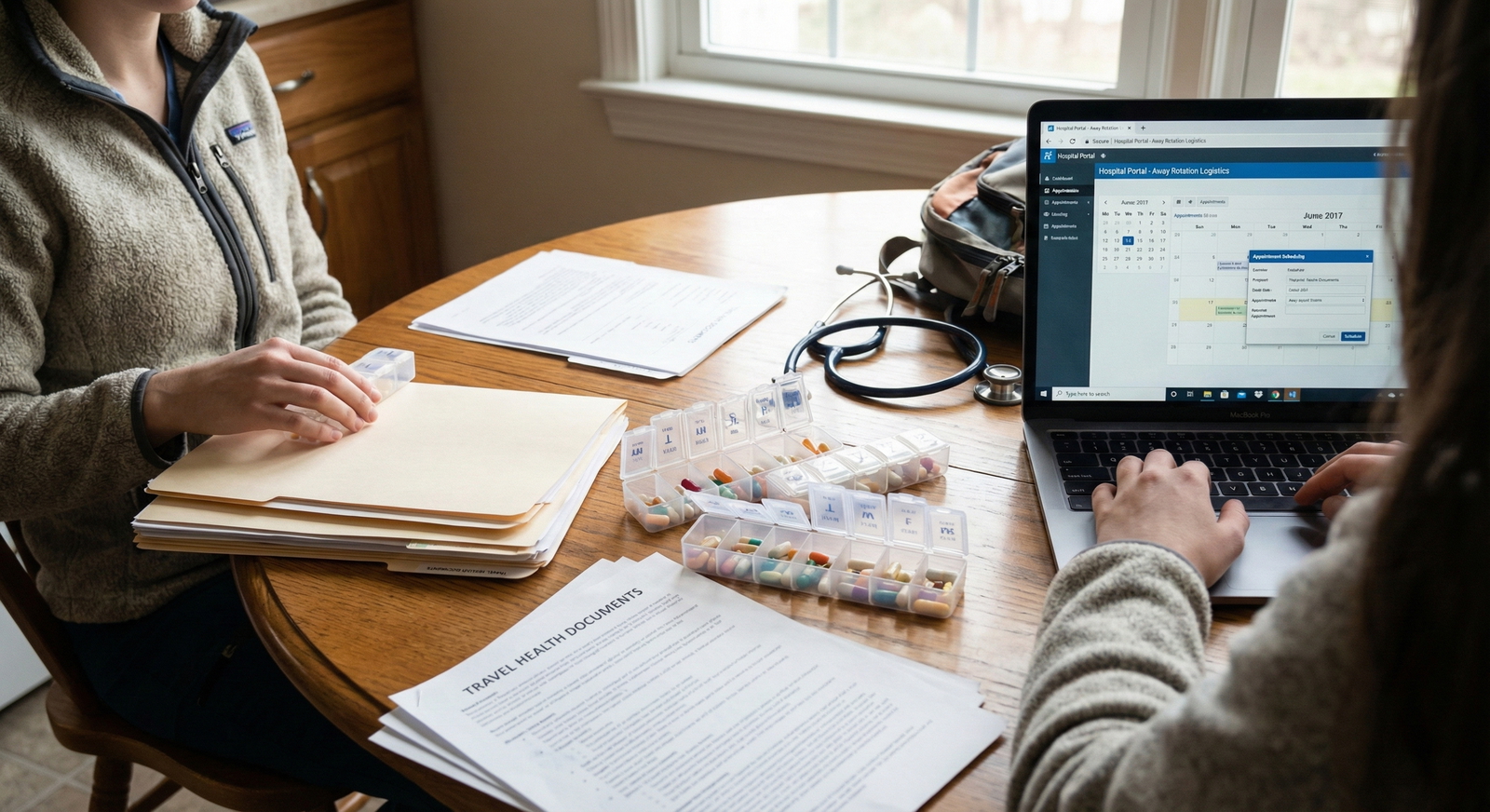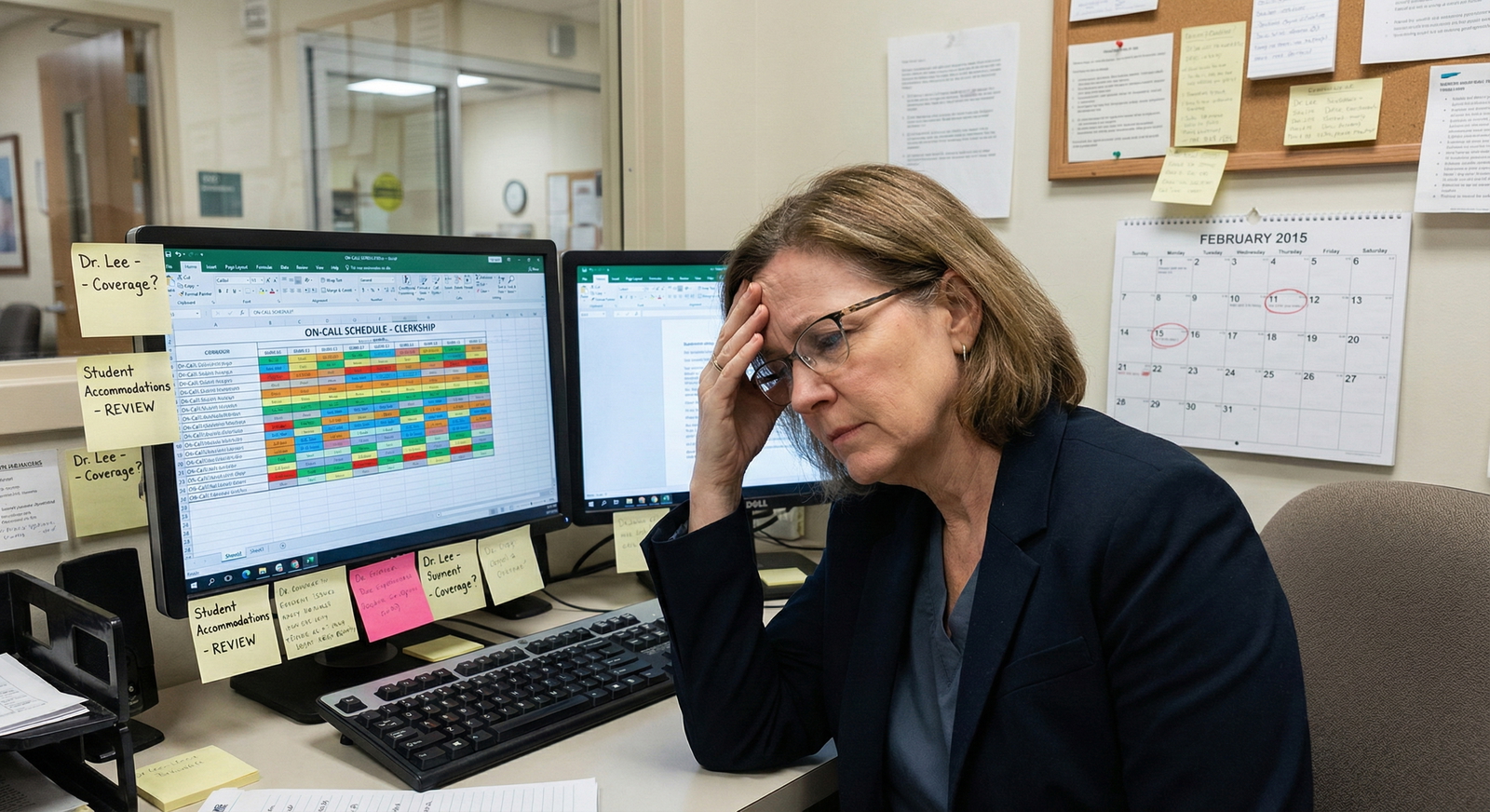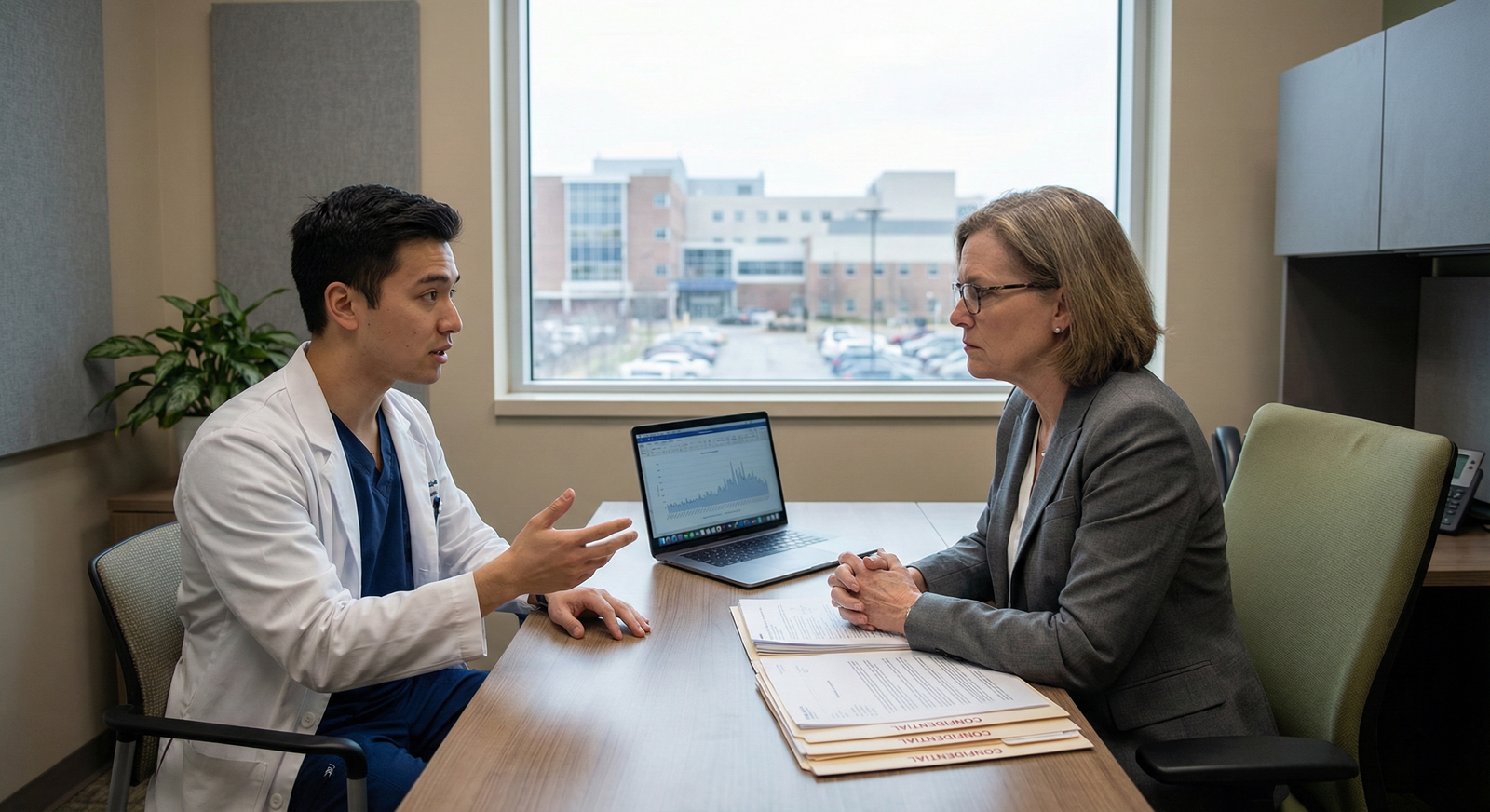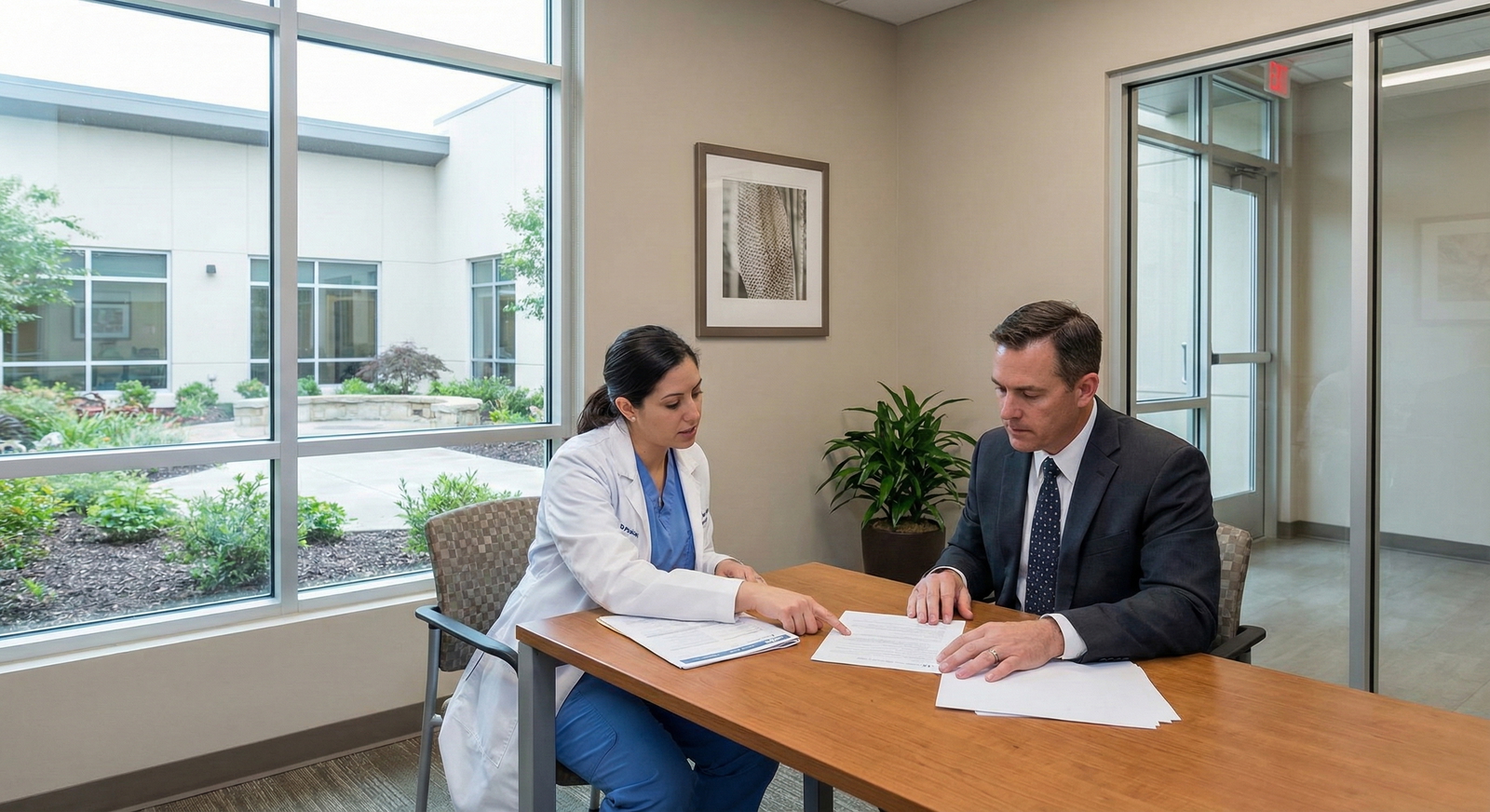
Understanding Chronic Illness in the Context of Osteopathic Residency Training
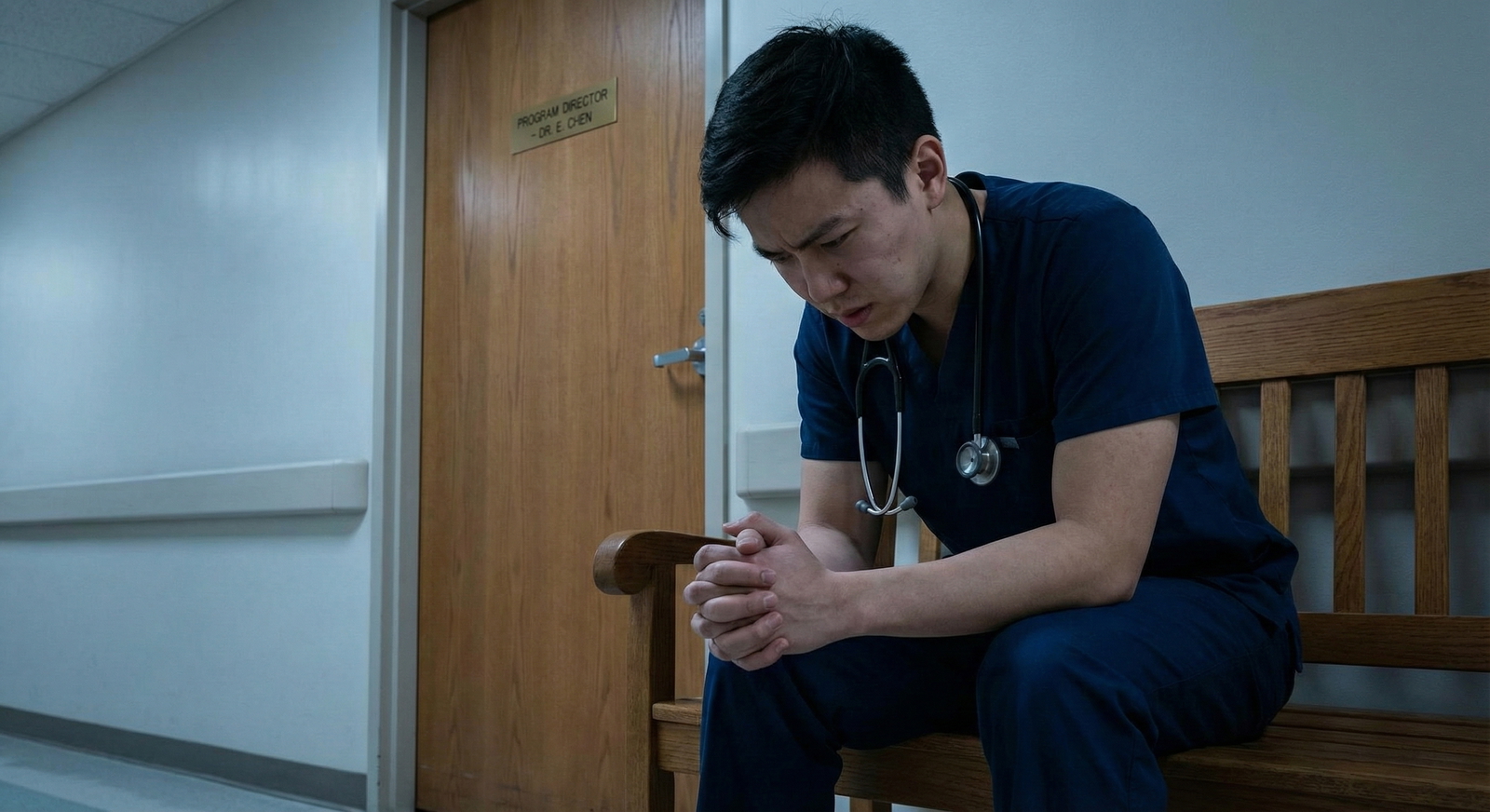
As a DO graduate living with a chronic illness, you are navigating two demanding journeys at once: the transition from student to resident and the ongoing work of managing your health. Balancing these realities can feel isolating, especially when most conversations about residency focus on “grit” and “stamina,” not sustainability and accommodations.
Residency is intense—but intensity does not mean inaccessibility. Many physicians with chronic illnesses (visible and invisible) complete training successfully by planning proactively, understanding their rights, and leveraging disability accommodations in residency in a thoughtful, strategic way.
This article is written specifically for the DO graduate residency applicant who:
- Has a chronic illness (e.g., diabetes, autoimmune disease, migraine, mental health condition, cancer history, chronic pain, POTS, IBD, epilepsy, sickle cell disease, etc.), and/or
- Needs or anticipates needing reasonable accommodations in residency, and
- Is preparing for or currently in the osteopathic residency match (NRMP/Main Match, AOA legacy programs now in the single accreditation system).
We will focus on:
- How chronic illness intersects with residency training realities
- Legal and institutional frameworks around disability and accommodations
- Strategic planning for the osteopathic residency match as a chronic illness medical student or DO graduate
- How, when, and whether to disclose your health condition in applications and interviews
- Practical examples of possible accommodations and how to request them
- Long‑term career planning to protect your health and your license
Throughout, remember: asking for what you need is not a weakness or a favor. It is a professional risk‑management strategy—for you, your patients, and your program.
1. Chronic Illness, Disability, and Residency: Key Concepts DO Graduates Need to Know
1.1 What counts as a “disability” in residency?
Under the Americans with Disabilities Act (ADA) and Section 504 of the Rehabilitation Act (for institutions that receive federal funds), a person has a disability if they have:
- A physical or mental impairment that substantially limits one or more major life activities (e.g., working, walking, seeing, learning, concentrating, immune function), or
- A history of such an impairment, or
- Are perceived as having such an impairment.
Many chronic illnesses fall under this umbrella, even if you don’t label yourself “disabled”:
- Autoimmune diseases (e.g., lupus, rheumatoid arthritis)
- Diabetes (Type 1 or Type 2)
- Crohn’s disease and ulcerative colitis
- Epilepsy and seizure disorders
- Sickle cell disease and other hemoglobinopathies
- Migraine disorders
- Cancer (current or in remission)
- Cardiac conditions (e.g., cardiomyopathy, arrhythmias)
- POTS and dysautonomia
- Severe asthma or COPD
- Chronic pain conditions (e.g., Ehlers‑Danlos, fibromyalgia)
- Major depressive disorder, anxiety disorders, bipolar disorder, PTSD, OCD
- Some hearing or vision impairments
If your condition makes it substantially harder to function in residency without adjustments, you are very likely entitled to reasonable accommodations.
1.2 “Reasonable accommodations” vs. “essential functions”
Programs are required to provide reasonable accommodations unless doing so would create an undue burden or fundamentally alter the program’s essential requirements.
Key terms:
- Essential functions: The non‑negotiable core duties of a resident in that specialty (e.g., being able to perform in‑house call for some specialties, complete certain rotations, provide safe patient care, comply with duty-hour limits, etc.).
- Reasonable accommodations: Modifications that allow you to fulfill essential functions safely (e.g., certain scheduling adjustments, assistive devices, extra breaks, ergonomic equipment, protected time for medical appointments).
Accommodations can change how you perform tasks but not what must ultimately be accomplished. This is critical when thinking about what requests are likely feasible in a given osteopathic residency match program.
1.3 The DO perspective: Osteopathic principles with chronic illness
As a DO graduate, your training emphasizes:
- The body as a unit (mind, body, spirit)
- The self‑healing capacity of the body
- The importance of structure and function
- Treating the whole person, not the disease
Living with a chronic illness can deepen your understanding of these principles. You are often better positioned to:
- Recognize subtle functional limitations in patients
- Practice more empathetic, patient‑centered communication
- Navigate complex, long‑term treatment regimens
- Advocate for system‑level disability accommodations in residency and beyond
Your lived experience can become a professional asset, not a liability—if you manage disclosure and accommodations strategically.
2. Strategic Planning for the Osteopathic Residency Match When You Have a Chronic Illness
2.1 Choosing specialties with your health in mind
One of your most consequential decisions is which specialties to rank. The “right” answer is deeply personal, but you should honestly consider:
Workload and lifestyle
- Average hours, overnight call requirements, and frequency of 24‑hour (or longer) shifts.
- Physical demands: standing, procedures, heavy lifting, fine motor demands.
- Cognitive load and sleep disruption (e.g., ICU, EM, surgery vs. outpatient specialties).
Predictability and control
- Outpatient vs. inpatient dominance.
- Continuity clinic vs. shift work.
- Ability to schedule regular medical appointments.
Exposure risks
- Immunosuppression and high‑risk patient populations.
- Radiation exposure (radiology, interventional specialties).
- Infectious disease risk and availability of PPE and prophylaxis.
Some chronic illness medical students and DO graduates gravitate toward:
- Internal Medicine → can lead to outpatient primary care, hospitalist roles, or subspecialties with varying lifestyles.
- Family Medicine → broad training; many outpatient‑heavy, predictable positions post‑residency.
- Psychiatry → often more predictable schedules, less physical strain.
- PM&R (Physiatry) → a natural fit for those interested in disability, function, and chronic conditions.
- Pathology, Radiology (with caution re: radiation planning) → less direct physical strain, though intense in other ways.
- Outpatient‑focused specialties (e.g., Allergy/Immunology after IM/Peds, Endocrinology, Rheumatology).
This does not mean you cannot pursue demanding fields like surgery, EM, OB‑GYN, or critical care—but you should assess:
- Whether your health is compatible with the training demands, and
- Whether there are realistic accommodations that would make it safe and sustainable.
2.2 Evaluating programs for compatibility and support
When researching osteopathic residency match programs (or categorical programs accepting DO graduates), look for signs that they understand wellness and flexibility:
Official resources:
- GME office or hospital ADA/disability policy available online.
- Mention of disability accommodations residency processes in program materials.
- Robust GME wellness, mental health, and employee health services.
Program culture clues:
- Residents talk openly (within reason) about support for illness, pregnancy, family responsibilities.
- Genuine, not perfunctory, conversations about wellness initiatives.
- Reasonable, stable schedules; adherence to duty‑hour rules.
- Faculty who speak respectfully about colleagues on leave or with limitations.
During interviews or second looks, consider neutral, non‑disclosing questions like:
- “How does your program handle unexpected health issues or prolonged absences?”
- “What systems are in place if a resident needs temporary schedule changes for medical reasons?”
- “How does the program collaborate with GME and employee health on accommodations?”
You’re not asking permission to be ill; you’re assessing whether the system is capable of handling reality.
2.3 Deciding if and when to disclose your health condition
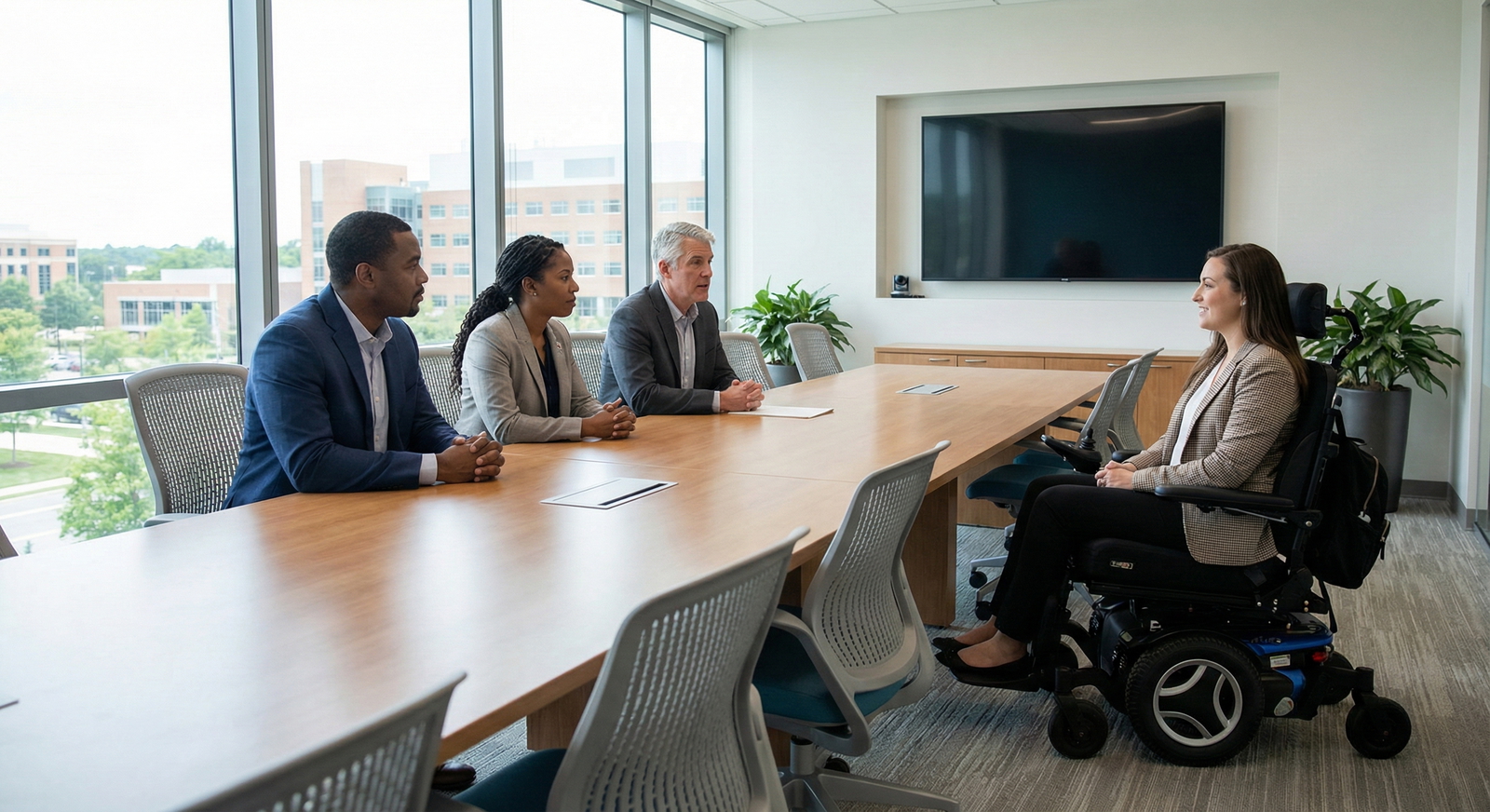
This is one of the most complex decisions for DO graduate residency applicants with chronic illness. Key stages:
Personal statement / ERAS application
- You are never required to disclose a diagnosis.
- Many applicants choose not to disclose specific conditions due to bias risk.
- Consider limited disclosure if:
- Your illness significantly shaped your career goals or advocacy work.
- You can frame it as a professional strength (e.g., improved empathy, systems thinking).
- You do not need immediate, extensive accommodations during intern year.
- If you do mention it, you can:
- Focus on insights and growth, not medical details.
- Avoid naming the specific diagnosis if you prefer (“a chronic health condition”).
Interview stage
- Programs cannot ask illegally discriminatory health questions. However, subtle or inappropriate questions do arise. You can redirect:
- “I’m confident I can fulfill the essential functions of the program, and if I ever require accommodations, I would work through the appropriate GME and institutional channels.”
- Voluntary disclosure might be considered if:
- You need a major, non‑standard accommodation from day one (e.g., no 24‑hour call at all in a call‑heavy specialty).
- You want to see how the program responds before ranking them highly.
- Any disclosure should be brief, confident, and focused on capability.
- Programs cannot ask illegally discriminatory health questions. However, subtle or inappropriate questions do arise. You can redirect:
Post‑match / pre‑start
- For many, this is the safest time to formally disclose and request accommodations.
- You have a contract/position secured; programs are more clearly under ADA obligations.
- You will typically work with:
- GME office
- Institutional disability services / ADA coordinator
- Occupational/employee health
Rule of thumb:
- If you need only modest, standardized accommodations (e.g., ability to attend regular medical appointments, access to a refrigerator for medication, ergonomic equipment), consider waiting to disclose until after you match, through formal channels.
- If your needed accommodations are substantial and could dramatically affect your ability to meet standard rotation or call schedules, consider at least partial, high‑level disclosure during interviews with select programs, so you don’t end up in a setting where your needs are impossible to meet.
3. Requesting and Negotiating Accommodations in Residency
3.1 Typical accommodation process for residents
While each institution differs, a common pathway looks like this:
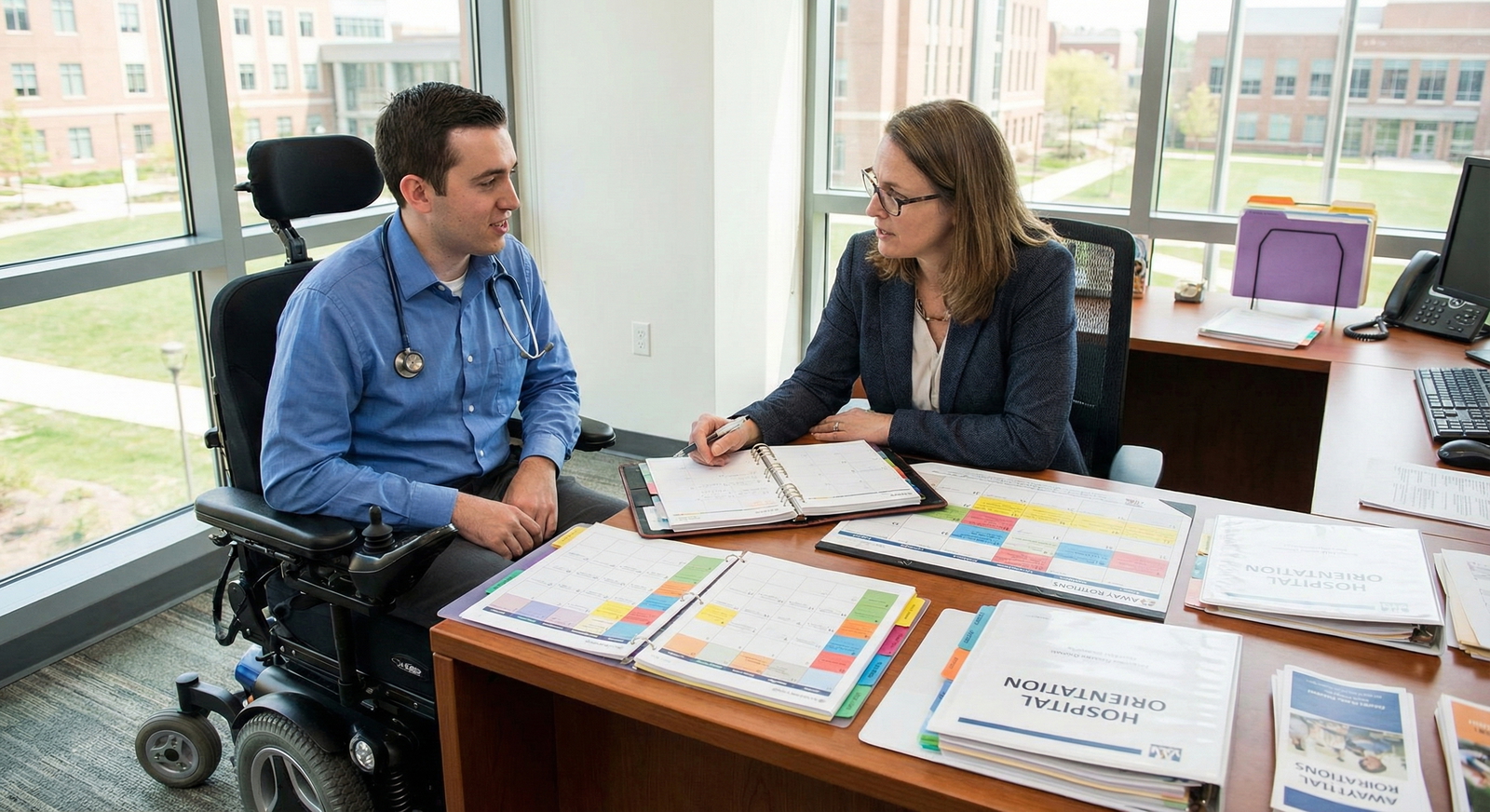
Self‑identification: You contact the GME office or the institution’s ADA/disability services office, not just your program director, and state that you’re requesting accommodations due to a medical condition.
Documentation: You provide a letter from a treating clinician that:
- Confirms you have a qualifying medical condition (without necessarily naming it in detail, if not required).
- Describes functional limitations (e.g., cannot stand for prolonged periods, needs regular meal breaks, must avoid overnight shifts more than X per month).
- Suggests the type of accommodations that may help.
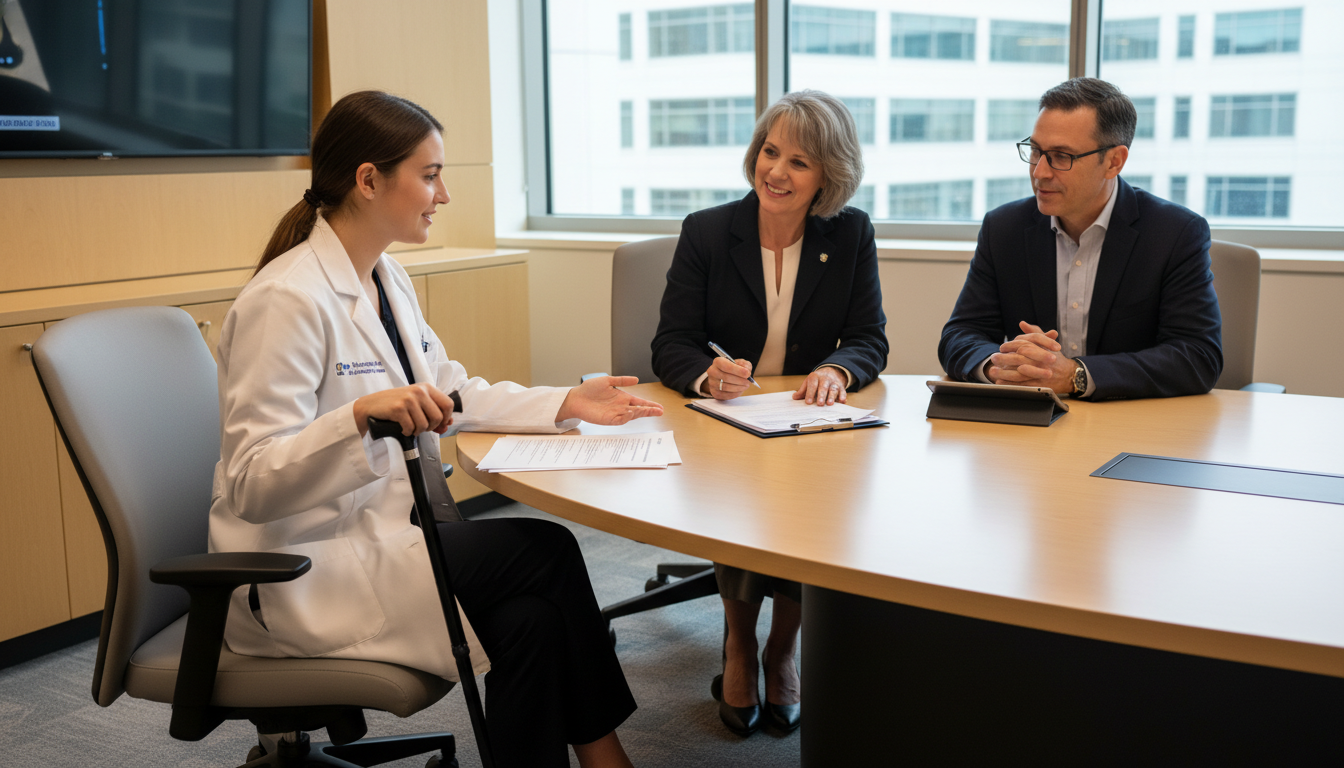
Interactive process: The institution, often with GME and HR, meets with you to discuss what you need and what is possible. This should be a collaborative process.
Determination: The institution decides which accommodations are reasonable given:
- Essential functions of your role
- Patient safety
- Scheduling and staffing realities
Implementation and review: Accommodations are put into place and revisited periodically to ensure they are effective and still necessary.
Important:
- It is usually better to have formal, documented accommodations than rely on informal promises that can evaporate with leadership changes or staffing crises.
- Your program should not be privy to detailed medical information; they are told only what adjustments are approved.
3.2 Examples of realistic accommodations for DO residents
Reasonable accommodations for residents with chronic illnesses may include:
Scheduling and workload
- Adjusted call schedules (e.g., fewer 24‑hour shifts, avoiding consecutive night shifts when possible).
- Protected time for regular medical appointments and treatments (e.g., infusion days, mental health visits).
- Reduced frequency of night float with redistribution of responsibilities (as long as duty‑hour and education standards remain intact).
- Flexibility with start/end times to accommodate medication timing or mobility issues.
- Temporary part‑time schedule or extension of training in limited situations (note: this can affect board eligibility and graduation timing; must be coordinated with the specialty board and ACGME).
Physical environment and aids
- Ergonomic equipment (e.g., supportive chair at workstations, wrist supports).
- Accessible workspaces (ramps, elevators, closer parking).
- Access to a refrigerator or climate‑controlled storage for medications.
- Permission to keep snacks or glucose monitoring devices accessible on rotations.
- Assistive devices (e.g., screen readers, amplified stethoscopes).
Cognitive and mental health accommodations
- Adjusted schedules for those with sleep‑sensitive conditions (e.g., epilepsy, bipolar disorder).
- Access to quiet rest space for migraine‑prone residents when acute attacks occur.
- Permission to step away briefly to use coping strategies or medications.
- Extended time or reduced distractions for certain institutional exams or modules.
Remote or alternative tasks (case‑by‑case)
- Temporary re‑assignment during acute flares or immunosuppression (e.g., telehealth sessions, quality improvement projects, simulation teaching), as long as essential competency requirements are still met.
Not every request will be granted. Institutions will weigh:
- Patient safety
- Fair distribution of workload
- ACGME requirements
- Feasibility given staffing and finances
Your goal is to ask for what is genuinely necessary, supported by clear medical documentation, and be open to creative alternatives that still meet your health needs.
3.3 How to talk about accommodations with your program
Once the formal determination is made, you’ll often still need to communicate with your program leadership (PD/APDs/Chiefs) about implementation. Tips:
Use functional language, not diagnostic labels:
- Instead of: “Because of my lupus…”
- Say: “I’ve been approved to avoid back‑to‑back overnight calls and to have specific infusion days protected each month. I’d like us to review how best to incorporate that into the call schedule.”
Emphasize your commitment to patient care and team contribution:
- “I’m committed to meeting all core competencies. These accommodations allow me to function at my best and provide safe care.”
Be proactive and collaborative:
- Offer ideas: “I could cover more weekend day shifts in exchange for fewer overnights,” or “I’m happy to pick up extra outpatient clinics to balance inpatient limitations.”
Keep records:
- Save emails, accommodation letters, and any updated schedules. Documentation can protect you if leadership turns over or if disputes arise.

4. Protecting Your Health and Career Over the Long Term
4.1 Medical stability and flare‑management strategies
Before starting residency, work with your treating clinicians to:
Optimize your regimen:
- Switch to longer‑acting or less frequent dosing where possible.
- Sync lab checks and monitoring with practical times.
- Consider devices that reduce management burden (e.g., CGM, auto‑injectors).
Plan for stress and sleep disruption:
- Ask: “How might night shifts or 24‑hour calls affect my condition?”
- Develop flare plans: early intervention strategies, rescue medications, thresholds for ED/urgent care.
Prepare documentation:
- Have an up‑to‑date health summary (diagnoses, medications, allergies, baseline labs/imaging) in case you require care at your training institution.
- Ensure your outside specialists are willing to write detailed functional letters for accommodation requests.
4.2 Mental health as part of chronic illness management
Residency amplifies stress. Chronic illnesses often coexist with depression, anxiety, and burnout risk. As a DO graduate, you know the mind‑body connection is real; treat your mental health as core medical care, not an optional extra.
Consider:
- Establishing care with a therapist or psychiatrist before residency begins.
- Using institution‑provided, confidential counseling services—but recognize limits of confidentiality in small systems.
- Setting a personal threshold: “If I reach X number of weeks with Y symptoms (e.g., insomnia, hopelessness, panic), I will seek professional help.”
Mental health conditions themselves may qualify for disability accommodations in residency (e.g., schedule modifications to prevent complete circadian disruption for someone with bipolar disorder). Approach them as you would any other chronic health condition application.
4.3 Licensing, disclosures, and board requirements
As your career progresses:
State licensure applications
- Historically, many boards asked intrusive questions about past mental health or substance use. Advocacy groups have pushed for reform; some boards now focus only on current impairment.
- Answer truthfully but note the distinction between:
- Having a condition, vs.
- Being currently impaired in a way that affects safe practice.
Specialty board eligibility
- Check your specialty board’s policies on:
- Part‑time training
- Leaves of absence
- Extension of residency beyond standard durations
If you’re considering prolonged medical leave or part‑time training as an accommodation, coordinate with:
- Your program director
- GME office
- Specialty board
Goal: ensure you remain eligible for board certification without unnecessary delays.
4.4 Building a sustainable career path
Residency is temporary. When planning long‑term:
Consider practice settings:
- Large group practice or academic center with institutional support vs. solo practice.
- Telehealth or hybrid models.
- Hospital employment vs. outpatient clinics with predictable schedules.
Consider job structure:
- Part‑time or “0.8 FTE” roles if financially feasible.
- Non‑clinical components (administration, QI, teaching, research) that may be less physically intensive.
Stay active in professional communities:
- DO‑specific organizations
- Specialty‑specific groups for physicians with disabilities or chronic illness
- Advocacy or policy groups around disability accommodations in medicine
Your health may change over time; your career can adapt. The goal is not to mimic a mythical “ideal resident” but to practice medicine safely and meaningfully, as yourself.
5. Practical Tips and Common Pitfalls for DO Graduates with Chronic Illness
5.1 Concrete strategies for the application and match cycle
Start early: Build in extra time for away rotations, COMLEX/USMLE exams, and application preparation. Flares happen.
Document everything: Keep copies of:
- GME correspondence
- Disability office emails
- Health condition application materials
Consider a mentor:
- Ideally a physician (DO or MD) with a chronic illness or experience in disability advocacy.
- They can help you sense‑check what’s realistic and how to phrase requests.
Be strategic about program lists:
- Rank programs not only by prestige or location, but by:
- Culture of support
- Flexibility and wellness infrastructure
- Rotational structures compatible with your needs (e.g., fewer months of heavy ICU).
- Rank programs not only by prestige or location, but by:
5.2 Avoiding common traps
Trap 1: Waiting until crisis to seek accommodations
- If you know you will likely need adjustments, don’t wait until you’re decompensating or making errors. Early, proactive requests are safer for you and your patients.
Trap 2: Over‑disclosure to the wrong people
- You are not obligated to share diagnostic details with co‑residents, attendings, or even your PD. Keep detailed medical discussions between you, your treating clinicians, and the designated disability/employee health professionals.
Trap 3: Taking on extra guilt or overcompensation
- Some residents feel compelled to “make up” for accommodations by overworking. This defeats the purpose and can harm your health. You deserve a fair, not inflated, workload.
Trap 4: Assuming bias is universal
- Bias exists, but so do genuinely supportive colleagues and institutions. Don’t let the fear of discrimination prevent you from using your rights; instead, focus on finding the right environment.
FAQs: Chronic Illness, DO Graduates, and Residency Accommodations
1. Will disclosing my chronic illness hurt my chances in the osteopathic residency match?
There is always a risk of bias, which is why many applicants choose to limit or delay disclosure. You are not required to mention your diagnosis on your application. If you do discuss it, frame it professionally: focus on how you’ve developed resilience, empathy, and systems‑level insight—not on the details of your illness. Many DO graduates share only very high‑level information (or none at all) until after they match, then work through formal institutional accommodation processes.
2. What if my program says they “can’t” accommodate my health needs?
Programs must provide reasonable accommodations unless they can show that doing so would cause an undue burden or fundamentally alter the program’s essential functions. If you believe your request is reasonable and you receive a blanket “no,” you can:
- Ask for the decision and rationale in writing.
- Request to speak with the institutional ADA coordinator or GME leadership.
- Consult with disability rights or physician advocacy organizations.
- In extreme cases, seek legal counsel specializing in health‑care employment or disability law.
Your leverage is greatest when you document everything and remain calm, professional, and evidence‑based in your requests.
3. Can I do part‑time residency or extend my training due to chronic illness?
In some cases, yes—but it’s complex. Part‑time training and extended timelines must satisfy:
- ACGME requirements for your specialty
- Specialty board policies for eligibility
- Your institution’s HR and GME policies
Sometimes the accommodation is not labeled “part‑time” but rather a temporary reduction of workload with a formal extension of training to meet all requirements. This can be an effective strategy but may affect your income and graduation date, so it requires careful planning.
4. How do I handle frequent medical appointments during busy rotations?
Protected time for medical appointments is a common and reasonable accommodation. Practical tips:
- Work with your specialists to cluster appointments as much as possible.
- Provide your GME/disability office with a sense of anticipated frequency (e.g., “infusions every 6 weeks,” “psychiatry visits monthly”).
- Ask that your appointments be blocked into the schedule in advance when possible.
- On the ground, communicate respectfully with co‑residents about coverage, while avoiding unnecessary disclosure (“I have a standing medical appointment on Tuesday mornings; the schedule has me covered that time, and I’ll gladly help with admissions later that day”).
Living with a chronic illness as a DO graduate entering residency is demanding—but entirely compatible with a successful, fulfilling career in medicine. By understanding your rights, planning strategically for the osteopathic residency match, and advocating for thoughtful disability accommodations in residency, you can build a professional path that honors both your patients’ needs and your own health.