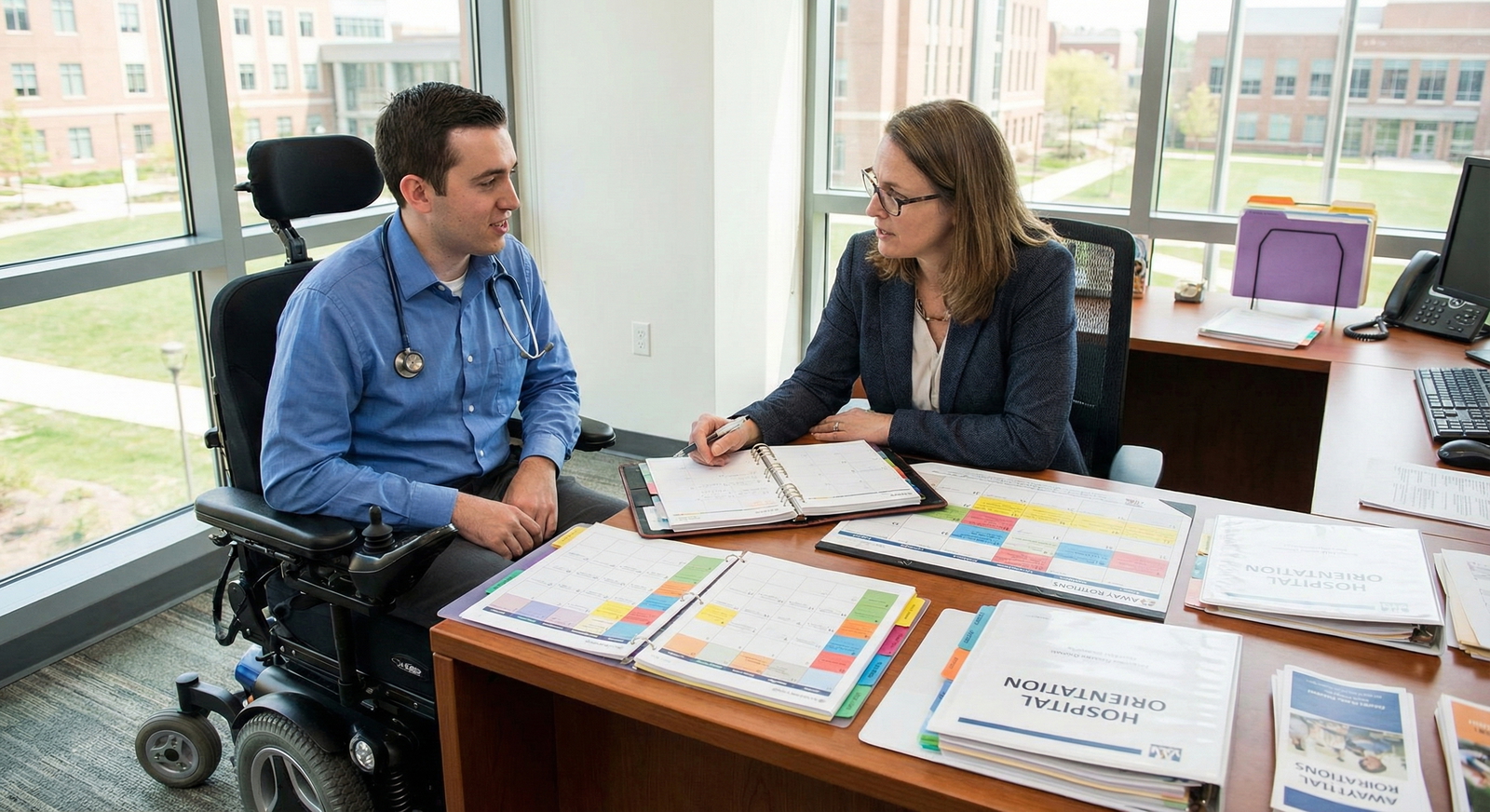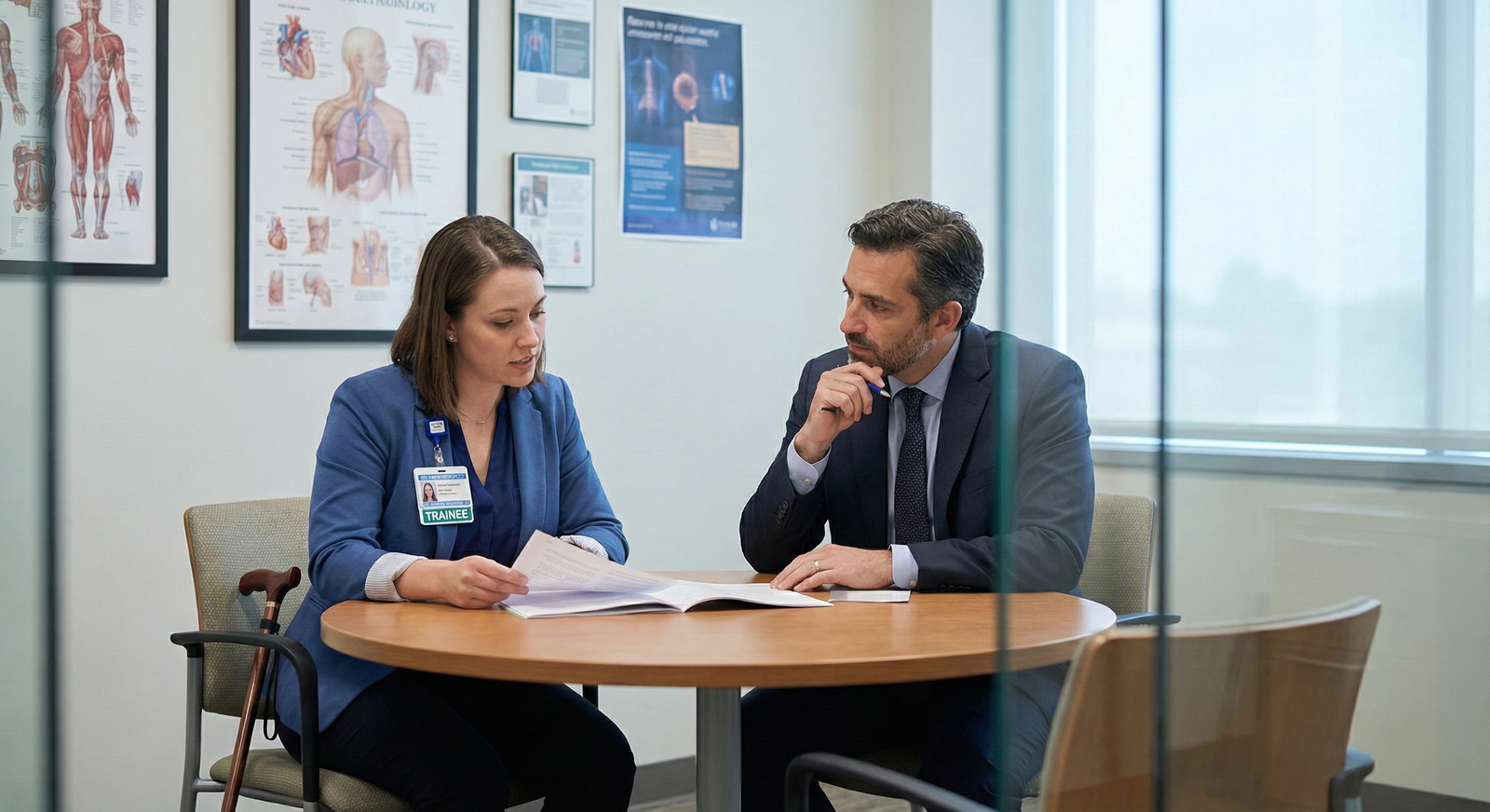
Understanding Chronic Illness as a Non‑US Citizen IMG
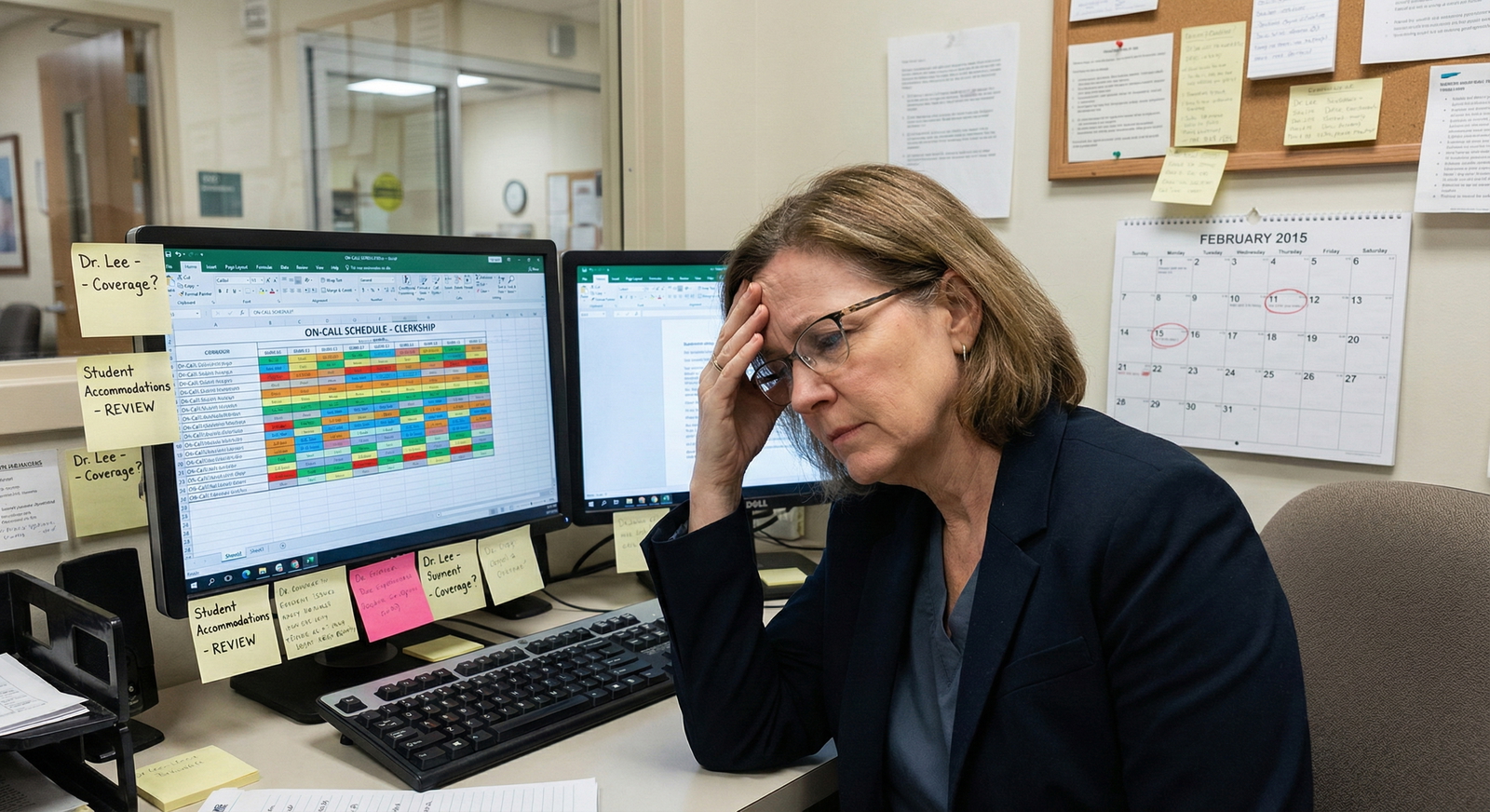
Navigating the U.S. residency application process is demanding for any applicant; doing so as a non‑US citizen IMG who lives with a chronic illness adds extra layers of complexity. You may be balancing visa issues, licensing exams, limited support networks in the U.S., and your health—all at once.
This article is designed specifically for you: a foreign national medical graduate with a chronic condition who is preparing for U.S. residency. It focuses on:
- How chronic illness and disability are viewed in U.S. medical training
- Your rights and options for disability accommodations in residency
- How and when to disclose a health condition in your application
- Visa and immigration considerations for non‑US citizen IMGs with chronic illness
- Practical strategies to protect your health while staying competitive
Nothing here is legal advice, but it will give you a solid framework and vocabulary so you can ask targeted questions of program coordinators, disability services, attorneys, and your own physicians.
Key Legal and Cultural Frameworks in the U.S.
1. Disability and Chronic Illness: Basic Concepts
In U.S. medical education, “disability” is usually defined legally under the Americans with Disabilities Act (ADA) and related laws. A condition may be considered a disability if it substantially limits one or more major life activities (e.g., walking, seeing, concentrating, lifting, working).
For residency and medical school, this can include:
- Physical impairments: mobility limitations, chronic pain, arthritis, autoimmune disorders
- Sensory impairments: hearing loss, visual impairment
- Chronic medical conditions: diabetes, epilepsy, inflammatory bowel disease, congenital heart disease, sickle cell disease, cancer history, severe asthma
- Mental health conditions: major depression, anxiety disorders, bipolar disorder, ADHD
- Neurodevelopmental conditions: autism spectrum, learning disorders
Even if you do not think of yourself as “disabled,” many chronic illness medical students and residents are legally entitled to accommodations when their condition significantly impacts functional abilities.
2. What the ADA Does—and Doesn’t—Do for You
The Americans with Disabilities Act (ADA) and the Rehabilitation Act:
- Protect qualified individuals with disabilities from discrimination
- Require employers (including residency programs) to provide reasonable accommodations
- Apply to residents because they are employees of hospitals and academic institutions
However, a critical nuance for you as a non‑US citizen IMG:
- The ADA protects you while you are present and employed in the U.S.
- The ADA does not control immigration or visa decisions
- Consular officers and U.S. Citizenship and Immigration Services (USCIS) mainly care about public charge issues and visa eligibility, not the ADA
You should think of it as two overlapping systems:
- Employment and education law (ADA, institutional policies)
- Immigration law (visa categories, health-related grounds of inadmissibility, public charge rules)
They interact, but they are not the same.
Deciding Whether, When, and How to Disclose Your Condition
1. Do You Have to Disclose Your Health Condition?
In almost all cases, no.
For most chronic illnesses, you are not required to disclose a diagnosis during:
- ERAS application
- Personal statement
- Interview
- Rank list submission
Exceptions and nuances:
- If your condition significantly affects your ability to perform essential functions of the job (e.g., frequent unpredictable absences, inability to work nights at all) and you need major disability accommodations in residency, disclosing at some stage is necessary to access those accommodations.
- Some state medical licenses ask about conditions that impair your ability to practice safely if untreated. The exact language varies by state.
You can often delay disclosure until after you match, when you’re negotiating specific accommodations with your program or occupational health, unless:
- You need major structural changes (e.g., reduced hours below ACGME minimums)
- Your condition will clearly affect scheduling (e.g., dialysis appointments multiple times per week)
- You need a program that can handle specific accommodations (e.g., always having an interpreter, guaranteed proximity to a specialty center)
In these cases, early targeted disclosure to selected programs can help you find a better fit.
2. Strategic Disclosure: Pros and Cons
Potential advantages of disclosing (selectively and strategically):
- You can evaluate whether a program is willing and able to accommodate your needs
- You may receive interview offers from programs that value diversity and inclusion
- You control the narrative: you can demonstrate resilience, insight, and professionalism through your story of managing a health condition in your application
- It reduces anxiety about “hiding” something significant
Potential downsides:
- Unconscious bias: some programs may quietly rank you lower
- Misunderstanding of your capacity: programs may assume you are unable to tolerate a normal residency workload
- Overfocus on your condition instead of your strengths
Because of these risks, many foreign national medical graduates choose:
- No disclosure in ERAS, and
- Private disclosure after Match to program leadership and human resources/disability services, or
- Targeted disclosure only to select programs known for strong wellness and disability support
3. How to Frame Your Chronic Illness if You Choose to Discuss It
If you decide to talk about your condition (personal statement, supplemental ERAS question, interview), focus on:
- Functional impact, not just diagnosis
- Skills gained: time management, empathy, advocacy, adaptability, resilience
- Boundaries and insight: how you know your limits and maintain patient safety
- Evidence of success despite challenges: exam scores, clinical evaluations, research, leadership
Example structure for a short personal statement paragraph:
- Brief context: “During medical school I was diagnosed with [condition].”
- Functional impact: “This required periodic treatment and forced me to re‑evaluate how I manage time, energy, and stress.”
- Growth: “I learned to create realistic schedules, ask for help early, and prioritize self-care without compromising patient care.”
- Outcome: “Despite these challenges, I maintained strong clinical evaluations and completed additional research in [field].”
- Forward-looking: “These experiences shape my interest in [specialty], especially caring for patients with chronic disease and navigating their own health systems.”
Avoid oversharing specifics of treatment unless it is necessary to explain practical constraints (e.g., “I require infusions every 8 weeks, which I have reliably scheduled during off‑time for several years.”).

Navigating Disability Accommodations in Residency
1. What Counts as a “Reasonable Accommodation”?
By law, residency programs must provide reasonable accommodations to qualified residents with disabilities, as long as these do not:
- Fundamentally alter the essential functions of the residency program
- Create an undue hardship on the institution
- Compromise patient safety or violate accreditation standards
Common accommodation categories:
Scheduling and hours
- More predictable schedules when feasible
- Protected time for medical appointments or infusions
- Strategic allocation of night calls (e.g., grouping them to allow recovery periods)
Environment and equipment
- Ergonomic chairs, standing desks, adjustable exam tables
- Modified duty for severe physical limitations (e.g., avoiding heavy lifting)
- Close parking or campus shuttle access
Educational/testing accommodations
- Extra time on in‑training exams if you have a documented learning or processing disability
- Quiet rooms, breaks during exams
- Assistive technology (screen readers, magnification, hearing assist devices)
Task modification
- Limited participation in specific tasks that are medically contraindicated (e.g., certain exposures for immunocompromised residents, handling chemotherapy agents for someone with a rare sensitivity, or specific call locations for seizure risk)
Important: Residency is still intense—accommodations adjust how you work, not whether you do the work. You must still meet core competencies and minimum clinical experience.
2. The Accommodations Process: Step-by-Step
Exact procedures vary by institution, but typically follow this pattern:
You disclose your condition privately to one or more of:
- Program Director
- Graduate Medical Education (GME) office
- Occupational Health
- University Disability Services
You provide medical documentation describing:
- Diagnosis (sometimes general category is enough)
- Functional limitations (e.g., cannot stand for more than 30 minutes; risk of hypoglycemia with prolonged overnight shifts)
- Recommended accommodations (e.g., frequent snack breaks, ability to sit during long procedures)
Institution conducts an interactive process:
- They evaluate your job description and essential duties
- They discuss possible accommodations with you
- They may propose alternatives if your initial request is not feasible
Formal accommodation letter or agreement is drafted:
- Specifies what is granted
- Clarifies who is informed (usually supervisors on a need‑to‑know basis)
You and the program implement and adjust:
- Regular review of how the accommodations are working
- Modifications as your health or responsibilities change
3. Example Scenarios and Possible Accommodations
Scenario 1: Resident with Type 1 Diabetes
- Challenges: risk of hypoglycemia during long surgeries or night shifts, need for regular meals and glucose monitoring.
- Possible accommodations:
- Permission to carry snacks and medical supplies at all times
- Scheduled brief breaks for meals and glucose checks when on long cases
- Access to a refrigerator for insulin storage
- Option to step out for urgent glucose management during non‑critical moments
Scenario 2: Resident with Inflammatory Bowel Disease (IBD)
- Challenges: sudden need for restroom access; exacerbations causing fatigue.
- Possible accommodations:
- Avoiding rotation sites where bathroom access is unpredictable
- Flexible start times or occasional tele‑health days during milder flares (if program structure permits)
- Scheduling infusions/appointments on outpatient days rather than inpatient call days
Scenario 3: Resident with Mobility Impairment
- Challenges: walking long distances between hospital buildings; standing for prolonged periods.
- Possible accommodations:
- Close parking spot or shuttle access
- Use of a mobility aid (cane, walker, wheelchair)
- Modifying call locations so they are primarily at accessible sites
- Use of stools or chairs during rounds or procedures when possible
For a non‑US citizen IMG, the process and eligibility are the same as for U.S. citizens once you are employed in the U.S. The difference is that you must also consider how accommodations intersect with visa requirements and your long‑term career plans.
Visa and Immigration Considerations for IMGs with Chronic Illness
1. Health and the US Visa Process
When you apply for a J‑1 or other visa, you may worry that disclosing chronic illness will harm your chances. In most cases, stable, well‑managed chronic conditions do not prevent visa issuance, especially if:
- You can work full time
- You have health insurance coverage (required for J‑1)
- You are not likely to become a “public charge” (reliant on government-funded care)
Common medical exam focus:
- Infectious diseases of public health significance (e.g., TB)
- Vaccination status
- Conditions that suggest you cannot support yourself
Many chronic illness medical students and residents successfully obtain and maintain visas. But you must:
- Ensure ongoing access to your medications in the U.S. (insurance formularies, availability, cost)
- Understand how your condition might affect your flexibility for travel (e.g., frequent follow‑up required in your home country vs. U.S.)
2. J‑1 vs H‑1B and Chronic Illness
For foreign national medical graduates, the primary residency visas are:
- J‑1 (ECFMG-sponsored)
- H‑1B (employer-sponsored, where permitted)
Key distinctions in the context of chronic illness:
J‑1 Visa:
- Requires health insurance meeting minimum standards (this is good for chronic conditions but check coverage carefully)
- Usually requires home-country return for 2 years after training (unless you obtain a waiver)
- Less flexible if your health requires permanent settlement in the U.S. soon after residency
H‑1B Visa:
- Tied directly to employer; insurance provided as for other employees
- Does not have a 2‑year home return requirement
- Often perceived as more stable if you anticipate needing long‑term specialized care in the U.S.
- But: harder to obtain in some specialties and programs (many programs only sponsor J‑1)
Your health status does not automatically disqualify you from either type, but:
- Programs may be cautious about H‑1B sponsorship if they perceive future intermittent work limitations
- You should have a realistic plan for how you will meet full-time training expectations despite illness
3. Travel, Medication, and Continuity of Care
Practical steps for a non‑US citizen IMG with chronic illness:
Before departure:
- Carry updated medical summaries in English (diagnosis, meds, allergies, prior surgeries)
- Bring several months of essential medications if allowed
- Research U.S. formulations and whether your exact drug is available; identify equivalents if not
Upon arrival:
- Register with your residency program’s health insurance and choose a primary care physician early
- Establish care with relevant specialists (endocrinologist, rheumatologist, etc.)
- Confirm coverage and prior authorizations for biologics or high-cost meds well before your supply runs low
If you need frequent follow‑up:
- Discuss with your residency leadership how to schedule appointments outside of peak service times
- Plan for potential travel back to your home country for care, if needed, and how that fits within vacation or leave policies

Practical Strategies to Protect Your Health and Strengthen Your Application
1. Choosing Specialties and Programs Wisely
Not every specialty exposes your chronic illness in the same way. Consider:
Schedule intensity and predictability
- More intense, less predictable: general surgery, OB/GYN, some surgical subspecialties
- More predictable, often more outpatient: psychiatry, pathology, radiology, dermatology, PM&R, sometimes internal medicine with ambulatory emphasis
Physical demands
- Heavy standing and manual tasks: surgery, emergency medicine
- More seated and cognitive: radiology, psychiatry, pathology
You do not have to avoid your passion, but aligning your specialty with your functional strengths can:
- Reduce risk of burnout and medical complications
- Make accommodation requests easier to implement
- Improve your long-term career satisfaction
When researching programs, look for:
- Historical evidence of supporting residents with family responsibilities, mental health treatment, or disabilities
- Wellness initiatives, mental health resources, and flexibility in scheduling
- Whether the institution has a robust disability services office and transparent GME policies
2. Presenting a Strong Application as a Candidate with Chronic Illness
As a non‑US citizen IMG, you already face competitiveness pressures (USMLE scores, U.S. clinical experience, letters). A chronic illness may have influenced these metrics—gaps in training, repeat exams, etc. To counterbalance:
- Explain brief gaps strategically (if necessary):
- Focus on what you did during leave (studying, research, language courses, rehabilitation) and how you returned to full function.
- Highlight consistent upward trajectory:
- “My first attempt at Step 1 coincided with an undiagnosed health condition. After treatment and new study strategies, my subsequent scores and clinical evaluations improved significantly.”
- Gather strong letters from supervisors who can attest to:
- Your reliability
- Your ability to manage workload
- Your professionalism around any health-related schedule adjustments
Do not allow your chronic illness to become the main defining feature of your application. It is part of your story, but your clinical skills, judgment, and teamwork remain central.
3. Day-to-Day Health Management During Residency
Once you match, protecting your health becomes an everyday task. Some practical approaches:
Energy and symptom tracking:
- Use simple tools (apps or paper) to track fatigue, pain, mood, and triggers. Adjust diet, sleep, and activity proactively.
Task batching and planning:
- On better days, pre‑prepare meals, organize medications for the week, and do small chores to free time on busier days.
Clear communication with your care team:
- Inform your specialists about the nature of residency and ask for treatment plans that minimize unpredictable disruptions (e.g., grouping tests on one day).
Boundary setting:
- Say no to extra shifts or projects when they jeopardize your health. Residency culture often rewards overwork, but long-term disability or hospitalization helps no one.
Emergency planning:
- Ensure colleagues know essential information (e.g., what to do if you have a seizure, where you keep rescue meds). Keep this concise and professional.
4. Building a Support Network in a New Country
Many non‑US citizen IMGs start residency with limited local support, which can exacerbate stress when you have a chronic illness.
Build support intentionally:
Professional allies:
- Identify at least one faculty mentor aware (even generally) of your health challenges and career goals.
- Engage with GME wellness officers or ombudspeople.
Peer networks:
- Connect with other IMGs, residents from your home region, or trainees with chronic illness/disability (some institutions have affinity groups).
Online communities:
- Join IMG forums or chronic illness physician groups (being careful about privacy and professionalism when sharing details).
FAQs: Chronic Illness and Residency Applications for Non‑US Citizen IMGs
1. Should I mention my chronic illness in my ERAS application?
You are generally not required to mention your chronic illness in ERAS. Consider mentioning it only if:
- It directly explains a significant academic or training gap, and
- You can present it as a story of growth and resilience, and
- You are comfortable with programs knowing about it before they decide to interview or rank you
Otherwise, many applicants choose to disclose only after matching, during the onboarding and accommodations process.
2. Will asking for disability accommodations in residency hurt my chances of promotion or fellowship?
Legally, requesting accommodations is protected, and you should not face retaliation. In practice, institutions vary in culture. To reduce risk:
- Approach the process professionally and focus on functional needs, not labels
- Document communications and agreements
- Build relationships with mentors who understand disability law and GME structure
Many residents with chronic illness successfully complete training, become fellows, and work as attendings. Having a documented history of safe performance with reasonable accommodations can actually demonstrate your reliability.
3. Can my program terminate my contract because of my chronic illness?
Programs can only terminate or non‑renew contracts based on performance, professionalism, or inability to meet essential requirements, not simply because you have a chronic illness. However:
- If your illness leads to repeated absences or inability to complete core competencies despite accommodations, they may extend training or consider non‑renewal.
- This is why proactive management, realistic accommodation requests, and honest dialogue with leadership are critical.
If you feel you are being discriminated against because of your disability, you can consult your institution’s GME office, disability services, ombudsman, or an employment lawyer familiar with ADA and healthcare training.
4. How do I handle USMLE exam accommodations as a foreign national medical graduate?
If your chronic illness or disability affects test-taking (e.g., ADHD, learning disability, low vision, severe anxiety, physical limitations), you may be eligible for USMLE accommodations (extra time, breaks, equipment, etc.). Steps include:
- Comprehensive documentation from qualified professionals (often including neuropsychological testing for cognitive/learning issues)
- Clear explanation of functional impairment and prior accommodations (if any) from medical school
- Early application—decisions can take months
Being a foreign national medical graduate does not affect your eligibility; what matters is the quality and completeness of your documentation.
Living with a chronic illness as a non‑US citizen IMG is demanding, but not incompatible with a successful U.S. residency and long-term medical career. By understanding your rights, planning strategically, and advocating effectively for disability accommodations in residency, you can protect your health while continuing to grow as a physician.