Understanding the Landscape: Chronic Illness as a US Citizen IMG
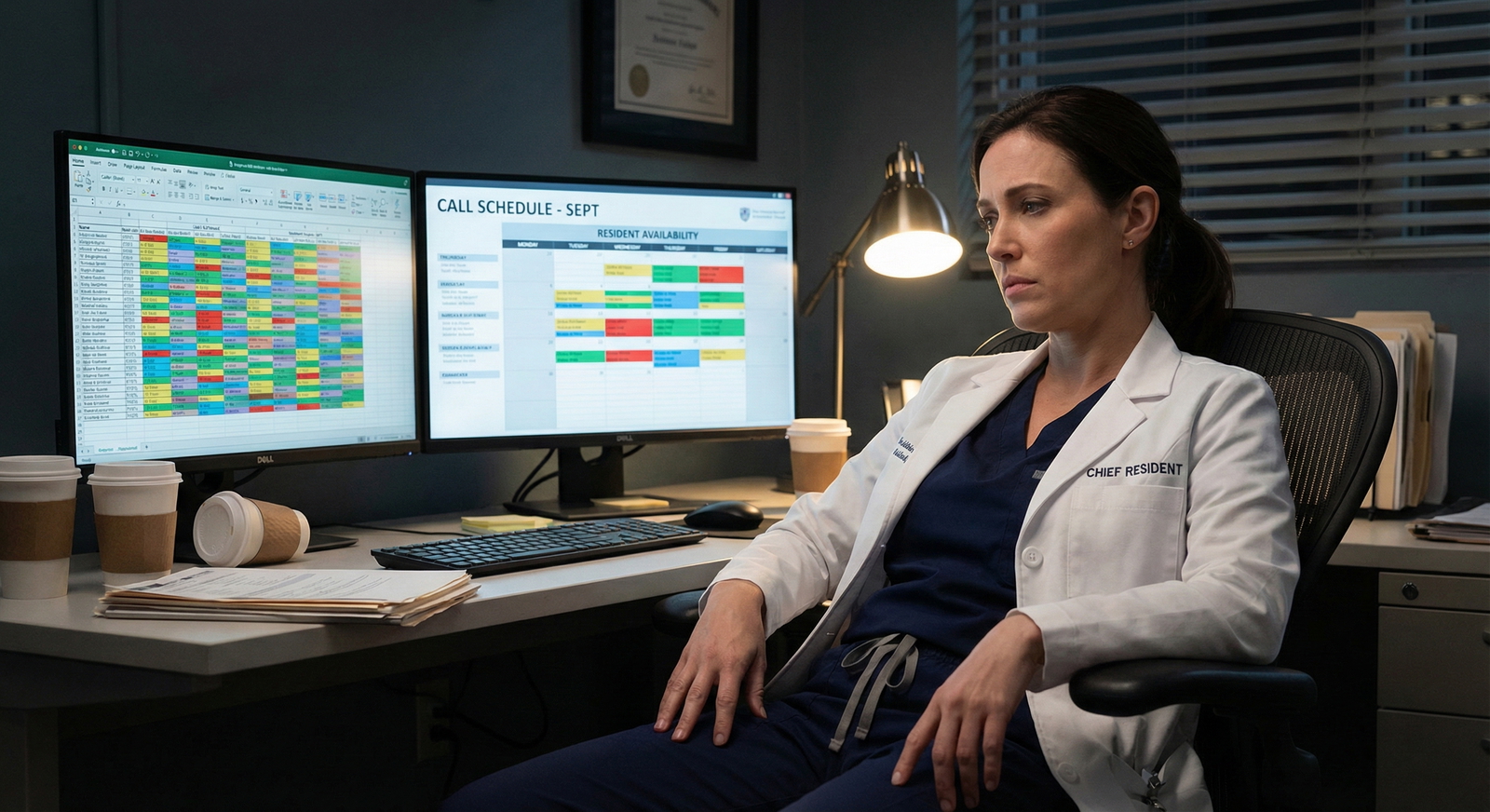
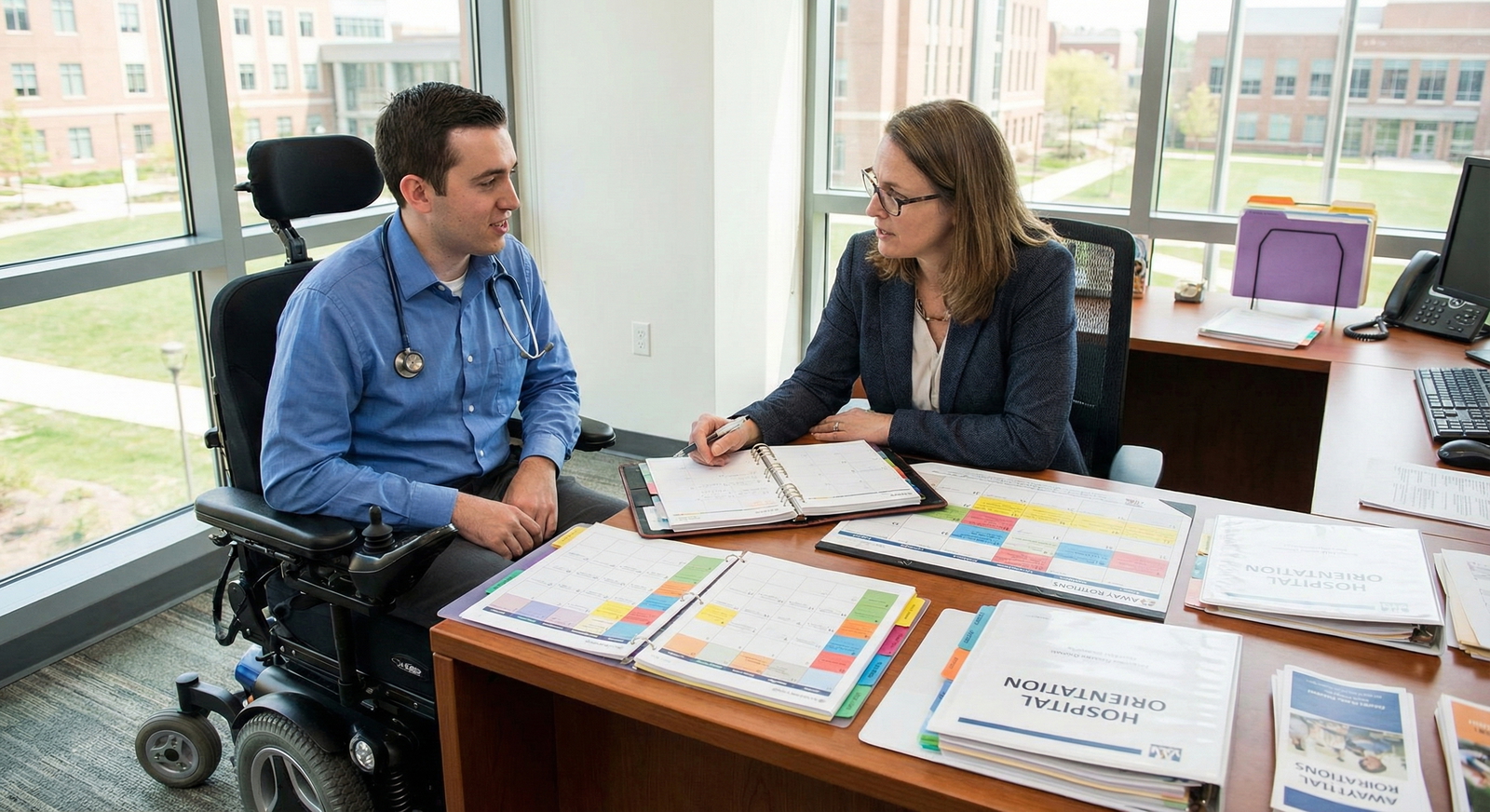
Navigating residency applications is demanding for any applicant. For a US citizen IMG (American studying abroad) living with a chronic illness, it can feel exponentially more complex. You may be managing ongoing medical appointments, medication schedules, fatigue, or unpredictable flares while also juggling exams, clinical rotations, and a deeply competitive match process.
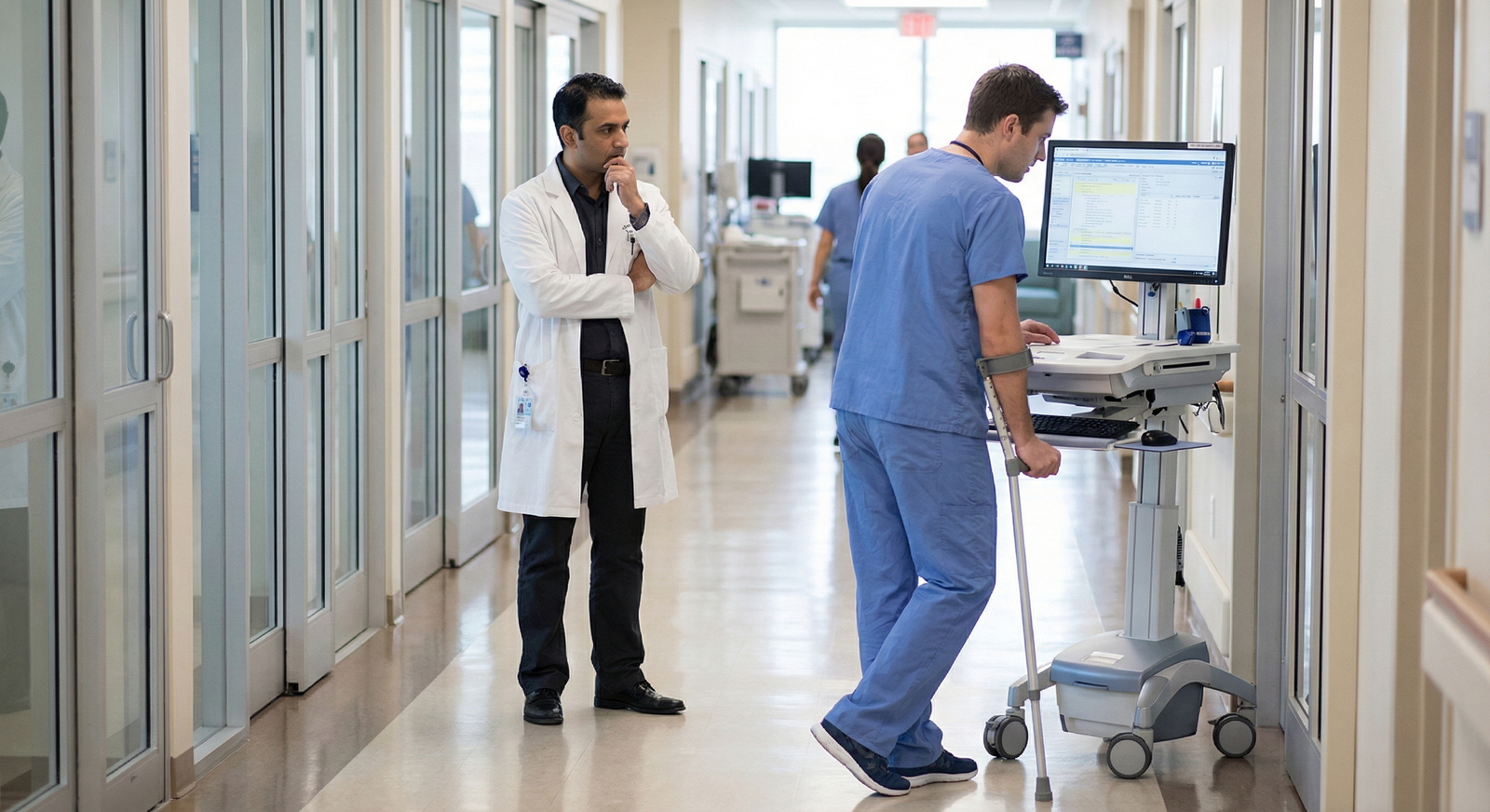
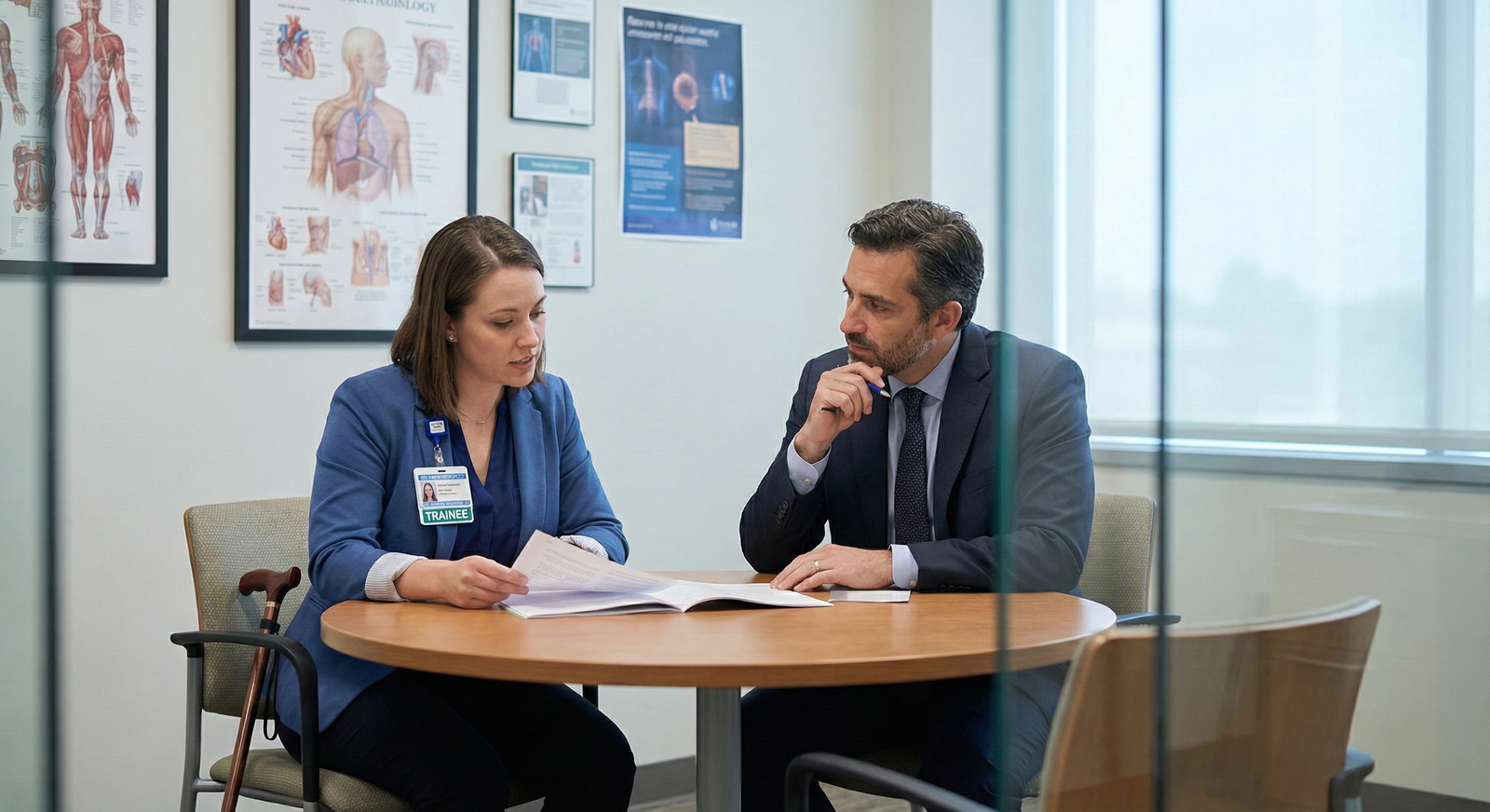
Yet, many residents and attendings successfully practice medicine with chronic health conditions, disabilities, and neurodivergence. What makes the difference is realistic planning, strategic communication, and a clear understanding of your rights and resources—especially around disability accommodations in residency.
In this guide, we’ll cover:
- How to think about your chronic illness in the context of your career
- Legal and institutional frameworks that protect you
- How to plan your US residency path as a US citizen IMG with a health condition
- When and how to disclose your condition during applications and interviews
- Practical approaches to requesting and using disability accommodations in residency
- Self-advocacy strategies and common pitfalls to avoid
Throughout, we’ll focus on the specific context of an American studying abroad returning to the US for residency training.
Reframing Chronic Illness in Medicine
Chronic Illness and Professional Identity
Many chronic illness medical students worry: “Will programs see me as weak or less reliable?” This fear is real, but it often leads applicants to overcompensate, push through unsafe limits, or hide critical health needs. Long-term, that’s unsustainable.
Instead, consider reframing:
- You already function under constraints every day.
- You’ve likely built:
- Advanced organizational skills
- Strong self-awareness of limits and triggers
- Empathy for patients navigating health systems
- Problem-solving around unpredictable issues (flares, energy, symptoms)
These qualities are highly relevant to residency. The question is not “Do I have a chronic illness?” but “How do I safely and sustainably meet the demands of training given my health condition?”
Essential Functions: What Residency Actually Requires
Residency programs are obligated to ensure residents can perform the essential functions of the role, with or without reasonable accommodation. These functions differ somewhat by specialty, but often include:
- Being present for scheduled clinical duties
- Participating in call or night shifts (frequency varies by program)
- Performing patient evaluations and documentation
- Communicating effectively with patients and team members
- Carrying out essential procedures or using assistive technologies when appropriate
A key self-reflection exercise:
- List the major demands of your intended specialty (e.g., internal medicine: inpatient wards, outpatient clinic, nights; radiology: prolonged screen time; surgery: long hours standing; psychiatry: cognitive/emotional load).
- Map each demand against your specific limitations:
- Endurance (standing, walking, sitting)
- Cognitive function (brain fog, medication side effects)
- Sleep/wake tolerance (night float, 24-hour calls)
- Infection risk (immunosuppression)
- Physical limitations (mobility, fine motor skills)
- Ask: “With appropriate scheduling, assistive devices, or workflow changes, could I realistically fulfill these duties most of the time?”
If the answer is “yes, with adjustments,” you are exactly the type of trainee disability accommodations are designed to support.
Legal Protections & Institutional Realities in Residency
Legal Framework You Should Know
In the US, residency programs are both educational experiences and employment. That means multiple legal protections may apply:
Americans with Disabilities Act (ADA), Titles I & II
Protects qualified individuals with disabilities in employment and public services. Residency programs must provide reasonable accommodations unless doing so causes undue hardship or fundamentally alters the program.Section 504 of the Rehabilitation Act
Prohibits discrimination on the basis of disability in programs receiving federal funding (which includes most teaching hospitals and universities).State and institutional policies
Some states or institutions have additional protections or formalized disability accommodations procedures, often through:- Graduate Medical Education (GME) office
- Human Resources (HR)
- Institutional disability services office
You are not required to understand every legal detail, but you do need to know:
If your chronic illness substantially limits major life activities (working, walking, concentrating, etc.), you may qualify for disability accommodations in residency.
What Counts as a “Disability” in This Context?
Many chronic conditions qualify if they significantly affect day-to-day function, including:
- Autoimmune diseases (e.g., lupus, rheumatoid arthritis, IBD)
- Diabetes, endocrine disorders
- Chronic pain syndromes, migraine, fibromyalgia
- Cardiac or pulmonary disease
- Neurologic disorders (e.g., epilepsy, MS)
- Mental health conditions (e.g., major depression, bipolar, anxiety disorders, PTSD)
- Neurodivergence (ADHD, autism) when significantly impacting function
- Cancer and its treatments
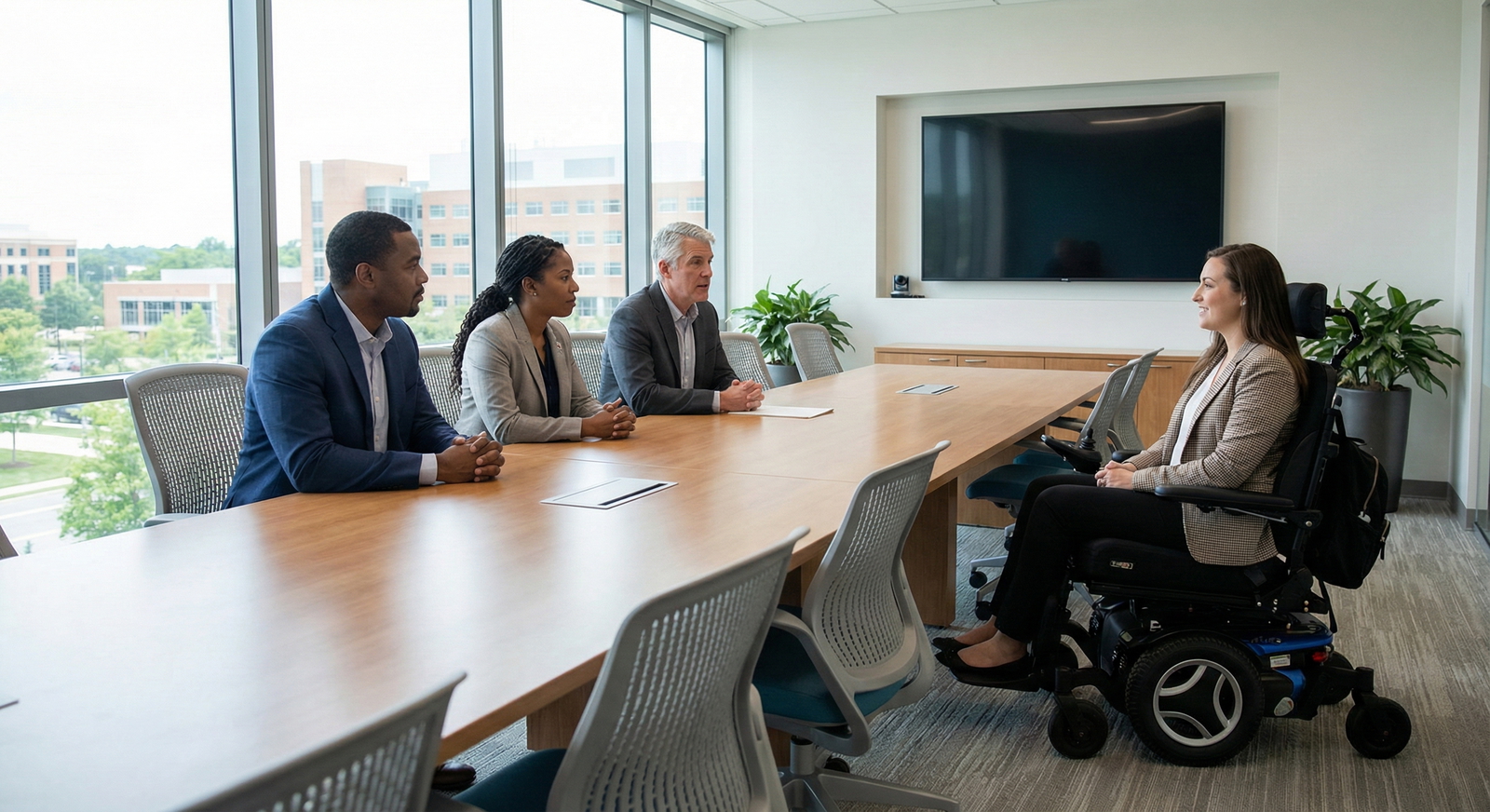
- Significant visual, hearing, or mobility impairments
You don’t need to label yourself as “disabled” to access accommodations, but leaning into the legal framework of disability often unlocks more structured and enforceable support.
The Reality: Policies vs. Culture
Policies look supportive on paper; culture varies widely.
As a US citizen IMG, you face additional layers:
- Programs may already be less familiar with your medical education background.
- You may feel pressure to project “perfect health” to counter IMG bias.
- You may be more isolated socially, with fewer local supports when relocating.
Key mindset: Use the law and institutional structures to protect yourself, while assessing cultural fit to minimize friction. The best strategy is to know your rights but also choose environments likely to honor them in good faith.
Strategic Residency Planning as a US Citizen IMG with Chronic Illness
Choosing the Right Specialty for Your Health Profile
Your long-term health and career satisfaction depend heavily on alignment between your condition and your chosen specialty.
Questions to ask yourself:
What are my non-negotiables?
Examples:- I cannot safely work 28-hour in-house calls.
- I must limit heavy lifting or prolonged standing.
- I need predictable access to bathroom breaks (e.g., IBD).
- I need to avoid high infection exposure (e.g., severe immunosuppression).
How flexible is the specialty structurally?
- Typically more flexible (on average):
Psychiatry, pathology, radiology, PM&R, preventive medicine, some outpatient-focused internal medicine or pediatrics tracks, certain anesthesia or radiology roles with modifications. - Typically more physically grueling or schedule-intense:
General surgery and many surgical subspecialties, critical care, OB/GYN, some EM programs, some inpatient-heavy programs with frequent 24-hour calls.
- Typically more flexible (on average):
What is the realistic accommodation potential?
Some specialties can more easily:- Adjust call frequency
- Shift to more outpatient or consult-based duties
- Use assistive devices or flexible time Others rely on essential functions (e.g., long operations) that are harder to modify without fundamentally altering the role.
This doesn’t mean you can’t be, for example, a surgeon with chronic illness—but it does mean you must be very honest about what’s feasible over several years of demanding training.
Location, Support, and Continuity of Care
For an American studying abroad returning to the US, you may be re-establishing care in a new healthcare system or state. Consider:
Proximity to specialists:
Choose programs in cities with robust subspecialty care for your condition.Insurance and medication access:
Check formularies, prior authorization requirements, and whether your meds and infusions are typically covered where you’re applying.Social support:
Being near family or trusted friends can be critical during flares or hospitalizations.Climate considerations:
For some conditions (like severe asthma, certain autoimmune disorders, or chronic pain), extreme heat, cold, or seasonal variation may impact function. Regional climate can matter.
Building a Health-Conscious Application Strategy
Incorporate your chronic illness into your planning, even if you never mention it explicitly in your application documents.
Practical examples:
Program selection:
- Prioritize programs with:
- Larger resident classes (more flexibility to redistribute call if needed)
- Strong wellness or GME support offices
- Track record of accommodating pregnancy, part-time, or leave of absence
- Ask current residents (informally) about how the program handled colleagues needing medical leave.
- Prioritize programs with:
Interview season pacing:
- Schedule fewer interviews per week if fatigue is a factor.
- Prefer virtual interviews when offered.
- Plan rest days between travel-heavy clusters if in-person.
Back-up planning:
- Have a list of programs in slightly less competitive tiers as “safety” options that still fit your health needs.
- Consider preliminary/transitional year options if your health trajectory is uncertain and you might need flexibility after PGY-1.
Disclosure & Communication: When and How to Talk About Your Condition
Do You Have to Disclose Your Chronic Illness?
You are not required to disclose your chronic illness during:
- ERAS application
- Personal statement
- Interviews
- Ranking
You may choose to disclose:
- To explain gaps or irregularities (e.g., leave of absence, exam delay)
- To request specific interview accommodations
- After matching, to request residency accommodations
Your main decision is timing and level of detail.
Strategic Timing Options
No disclosure until after Match:
- Pros:
- Avoids potential unconscious bias during selection.
- You present yourself purely on academic and clinical merits.
- Cons:
- You cannot directly assess how a program responds to your needs during recruitment.
- Some accommodations may be harder to negotiate if the program feels blindsided right after Match.
- Pros:
Limited disclosure during interviews (general, not diagnostic):
- Pros:
- Allows you to gauge program culture.
- Lets you ask targeted questions about workload flexibility.
- Cons:
- Risk of bias, especially in programs less familiar with disability law.
- Risk of oversharing if you’re not prepared with a tight script.
- Pros:
Full/diagnostic disclosure post-Match for formal accommodations:
- Typically the legally safest path:
- Use the institutional HR/GME pipeline to document disability and request accommodations.
- Program leadership is now obligated to engage in an “interactive process” to identify reasonable modifications.
- Typically the legally safest path:
For many US citizen IMGs with chronic illness, a hybrid approach works best: avoid detailed disclosure during selection; share minimal, need-focused information with GME after Match.
How to Talk About Your Health Without Oversharing
Focus on function and solutions, not on the full medical narrative.
Instead of:
“I have severe lupus and was hospitalized three times with kidney involvement. It’s unpredictable and flares when I’m stressed.”
Consider:
“I manage a chronic health condition that’s stable with ongoing treatment. I’ve learned to recognize early warning signs and seek proactive care. In my rotations, I’ve consistently met clinical expectations, and I’ve developed strong organizational systems to keep my health and work balanced.”
If explaining a gap or LOA due to illness in your ERAS application or personal statement:
- Be brief, neutral, and demonstrate resilience and return to function.
Example language:
“During my third year, I took a medical leave of absence to address a chronic health condition. I returned with my physician’s clearance and have successfully completed all required clinical rotations without further interruption. This experience deepened my empathy for patients living with chronic illness and strengthened my time-management and self-advocacy skills.”
You are not obligated to name the diagnosis.
Questions You Can and Cannot Be Asked
Legally, programs should not ask:
- “Do you have any disabilities?”
- “Have you ever been hospitalized or treated for mental illness?”
- “Are you on any medications?”
They may ask:
- “Is there anything that would prevent you from performing the essential functions of a resident with or without reasonable accommodations?”
- “Can you meet the requirements of our call schedule?”
You can respond by affirming your ability with accommodations if needed, without disclosing specifics:
“Yes, I am able to perform the essential functions of the residency role with or without reasonable accommodation.”
If pressed for details, it’s reasonable to respond:
“I’m confident in my ability to meet the core requirements. If I ever need accommodations, I understand there’s a formal process through HR or GME, and I would work through that channel.”
Requesting and Using Disability Accommodations in Residency

The Typical Accommodations Process
While each institution differs, a common path is:
Obtain current documentation from your treating physician:
- Diagnosis (can sometimes be summarized without every detail)
- Functional limitations (what you cannot reliably do)
- Recommended accommodations (schedule, physical, environmental, etc.)
Contact the appropriate office:
- Often HR, GME office, or centralized disability services
- Ideally before orientation or early in PGY-1, especially for time-sensitive accommodations
Interactive process:
- You, the institution rep, and sometimes program leadership discuss:
- Essential job functions
- Your limitations
- Reasonable options that don’t cause undue hardship
- You, the institution rep, and sometimes program leadership discuss:
Written accommodation plan:
- Get accommodations formalized in writing.
- Clarify:
- Who knows what (confidentiality)
- How to request adjustments if your condition changes
- Who to contact if accommodations aren’t being honored
Common Types of Reasonable Accommodations for Residents
Examples that often fall within a “reasonable” range:
Scheduling / duty hour adjustments:
- Avoiding back-to-back overnight calls
- Limiting the number of consecutive night shifts
- Allowing predictable time for medical appointments
- Shorter shift lengths where compatible with service needs
Physical/environmental adjustments:
- Ergonomic workstations (chairs, footrests, keyboard)
- Ability to sit during rounds or in the OR when safe
- Access to private space to check glucose, take meds, or manage ostomy/bathroom needs
Task modifications / alternative methods:
- Use of assistive technology (screen readers, magnification)
- Written rather than purely oral sign-outs in some circumstances
- Adjusted procedural volume if some procedures are not safe for you to perform physically, while still meeting core training requirements
Leave and time off:
- Intermittent leave for flares or infusion therapy
- Extended leave under FMLA if applicable, sometimes with program extension
Cognitive / neurodivergent accommodations:
- Quiet space for test-taking or dictation
- Extra time on in-training exams with proper documentation
- Structured checklists or workflow aids
Note: Programs are not required to remove essential responsibilities (e.g., “no call at all,” if call is essential to all residents), but they sometimes can flex frequency or structure.
How to Frame Your Requests Effectively
When asking for accommodations:
- Be specific but flexible:
- “I need protected time for infusion every 6 weeks (half-day). I’m open to scheduling this on a regular clinic or lighter day that suits the program.”
- Emphasize your commitment:
- “These adjustments will help me be a more reliable, consistent resident and reduce unexpected absences.”
Avoid framing that suggests you cannot perform essential functions at all; instead, position accommodations as enabling you to meet them more consistently and safely.
Monitoring and Adjusting Over Time
Chronic illnesses evolve, and so do residency roles. Plan to:
- Reassess annually with your provider and, if necessary, the accommodations office.
- Document if accommodations are not implemented or are implemented inconsistently (dates, instances).
- Request modifications if:
- Your health changes significantly.
- New rotations (e.g., ICU, nights) pose new challenges.
If problems arise, know your escalation ladder:
- GME office / Program coordinator
- DIO (Designated Institutional Official)
- Institutional HR or ombuds office
- External advocacy (e.g., legal aid, disability rights organizations) as a last resort
Self-Advocacy, Resilience, and Long-Term Career Planning
Protecting Your Health During Residency
As a chronic illness medical student transitioning to residency, you already know basic self-care, but training magnifies everything. Build structures now:
Non-negotiable medical care:
- Schedule follow-ups in advance of busy rotations.
- Use patient portal messaging or telehealth when possible to reduce missed work.
Energy management (spoon theory in practice):
- Identify your “high-output” versus “recovery” days.
- Use low-demand periods for admin tasks, reading, or rest rather than overcommitting socially.
Medication routines:
- Store backup doses at work if safe.
- Use alarms for time-sensitive meds, especially on nights and 24-hour calls.
Emergency planning:
- Let at least one trusted co-resident know how to recognize a serious flare or emergency (e.g., seizures, anaphylaxis).
- Wear medical ID if needed.
Building a Support Network
As a US citizen IMG, you may lack the built-in network of classmates from US schools. Consciously build:
- Peer allies:
- One or two co-residents you trust to swap shifts occasionally or cover brief gaps.
- Mentors who “get it”:
- Faculty who have disclosed their own health issues or caregiving responsibilities.
- IMG faculty who understand your unique path as an American studying abroad.
- Chronic illness/disabled physician communities:
- Online groups and organizations (e.g., chronic illness physician networks, disability in medicine groups).
- These spaces can help with problem-solving, script-writing, and moral support.
Long-Term Career Design
Your career is longer than residency. As you look beyond the Match:
- Consider practice settings that align with your health:
- Outpatient-focused roles
- Telemedicine or hybrid models
- Academic positions with protected non-clinical time
- Think about board certification and licensing:
- Plan enough time to study with your condition in mind.
- Explore testing accommodations for board exams early.
Your chronic illness doesn’t disqualify you from a fulfilling medical career; it shapes the kind of practice in which you’ll thrive and sustain yourself.
Frequently Asked Questions (FAQ)
1. Should I mention my chronic illness in my personal statement?
Usually, no—unless:
- You need to briefly explain a significant gap, leave of absence, or unusual academic pattern, and
- You can frame the experience in terms of growth, resilience, and insight without centering your entire narrative on illness.
Keep it short, functional, and focused on your readiness for residency. You are not obligated to mention the diagnosis itself.
2. As a US citizen IMG, will disclosing a health condition hurt my chances more than for a US MD?
There is some risk that being a US citizen IMG plus disclosing a chronic illness triggers additional bias, conscious or unconscious. That’s why many applicants:
- Avoid detailed disclosure before Match.
- Use neutral, function-based language if they must explain a gap.
- Save formal diagnostic disclosure for post-Match accommodation processes.
Your goal is to minimize opportunities for bias while still protecting your legal rights and health needs.
3. Can a residency program refuse to accommodate my disability?
Programs may refuse specific accommodations if they can show:
- It would cause undue hardship (e.g., staffing or financial burden beyond reason), or
- It would fundamentally alter essential job functions (e.g., permanently removing all call in a call-heavy specialty).
However, they are required to engage in an interactive process to explore alternatives. They cannot simply say, “We don’t do accommodations.” If you feel summarily dismissed, you may need to escalate within the institution or seek outside advice.
4. What if my health worsens during residency and I can’t keep up?
You have options, though none are easy:
- Adjust or expand accommodations.
- Take medical leave (sometimes with program extension).
- Transition to a less physically or cognitively demanding specialty through reapplication.
- In rare cases, step away from clinical medicine, potentially into non-clinical roles (education, research, industry).
The most important thing is early, honest communication with your treatment team and, when safe, with institutional support structures. Many physicians have non-linear training paths and still build meaningful careers.
Living with a chronic illness while navigating residency as a US citizen IMG is challenging—but entirely possible with forethought, strategy, and support. By understanding your rights, planning realistically, and advocating for sustainable accommodations, you can not only match, but also build a career that honors both your ambition and your health.