
Introduction: Why Your IMG Identity Matters More Than Ever
International Medical Graduates (IMGs) face intense competition when applying for U.S. residency programs. You are evaluated alongside thousands of applicants with strong exam scores, clinical experience, and research. In this environment, simply being “qualified” is not enough.
Your advantage is your story.
Crafting a clear, compelling, and authentic IMG identity allows you to present yourself as more than a list of scores and rotations. It helps residency programs understand:
- Who you are
- What you bring that others don’t
- How you will enrich their team and serve their patients
This article will show you how to define and communicate your unique identity as an IMG, so your application feels cohesive, memorable, and aligned with what residency programs actually value. We will connect these strategies directly to residency applications, networking in healthcare, and long‑term success in the U.S. system.
Understanding the Power of a Unique IMG Identity
A “unique IMG identity” is more than branding or buzzwords. It is a thoughtful, honest synthesis of your background, values, skills, and long‑term goals as a physician. It should consistently show up across your application materials, interviews, and online presence.
What Your Identity Should Encompass
Your unique identity as an IMG should integrate:
Academic and clinical training
– Where and how you trained
– Types of patients and conditions you’ve seen
– Resource levels and clinical responsibilitiesCultural and personal background
– Your country(ies) of origin
– Languages you speak
– Cultural insights and lived experiences that shape your approach to careProfessional values and patient care philosophy
– How you define good care
– What matters most to you (equity, safety, communication, innovation, etc.)
– How you approach difficult situations and ethical dilemmasCareer direction
– Your specialty interests
– The populations or settings you hope to serve
– The kind of physician you are becoming
When all of these elements line up clearly, programs can quickly grasp who you are and where you fit within their environment.
Why Identity Is Critical in Residency Applications
1. Differentiation in a Crowded Field
Many applicants may have similar board scores and comparable clinical experiences. Residency programs use your narrative to distinguish you from others.
A strong identity answers questions like:
- “Why should we remember this applicant?”
- “What would this person add to our program that we don’t already have?”
- “Is there a consistent story behind their choices and experiences?”
2. Emotional Connection and Fit
Programs don’t just recruit test scores; they recruit colleagues who will work on their teams for years. A clear identity helps faculty and residents connect with you as a person.
For example, a program with a strong underserved-community mission will be drawn to an IMG whose story highlights community outreach, health disparities work, and a long‑term commitment to vulnerable populations.
3. Demonstration of Cultural Competency
Cultural Competency is not a buzzword for IMGs; it’s one of your greatest potential strengths. Your ability to:
- Work with diverse populations
- Navigate language and culture barriers
- Understand health beliefs across cultures
…can be a major asset in modern U.S. healthcare systems that serve heterogeneous communities. A well‑crafted identity makes that explicit.
Core Strategies to Craft Your Unique IMG Identity
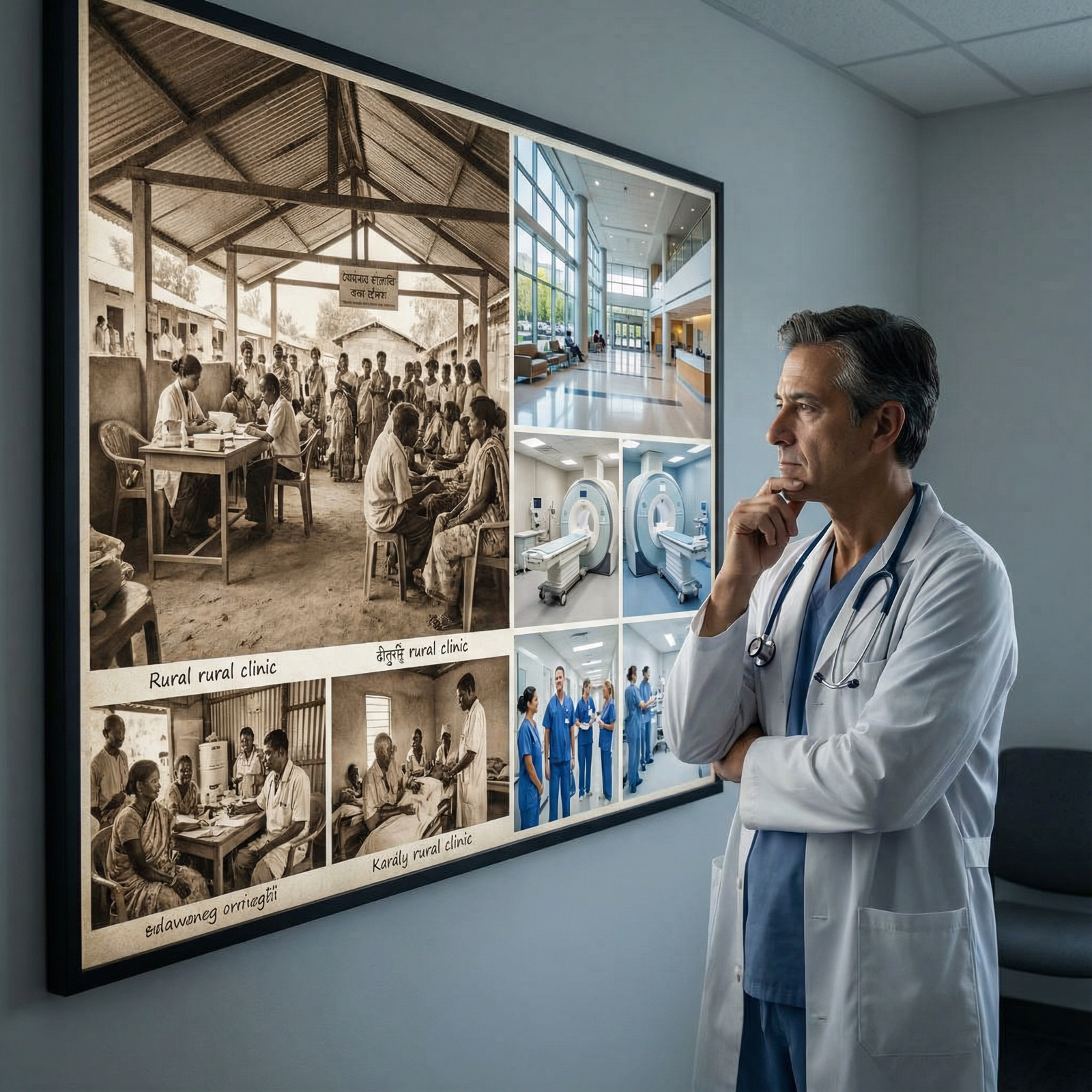
1. Leverage and Frame Your International Experience
Your experience outside the U.S. is not something to minimize; it is often your most powerful differentiator—if you frame it well.
Ask yourself:
- What kinds of patients did I serve (rural, urban, low-resource, conflict zones, refugee populations)?
- What health system challenges did I witness (limited resources, access barriers, cultural stigma)?
- How did practicing in that system shape me as a physician?
Then, connect those experiences directly to U.S. residency training.
Example Approach:
Instead of saying:
“I worked in a rural hospital with limited resources.”
Frame it as:
“Working in a rural district hospital with a single ventilator and limited lab access taught me to prioritize patient safety, clinical reasoning, and teamwork under pressure. These experiences shaped my calm approach in high-stress situations and my respect for interprofessional collaboration—skills I will bring to residency in [specialty].”
Action Steps
- Identify 2–3 defining international experiences that shaped your values or skills.
- For each, write:
- The situation
- What you learned
- How it will help you succeed in U.S. residency
Use these stories in your personal statement, interviews, and even your ERAS “Experiences” section.
2. Articulate a Clear Motivation and Purpose
Vague statements like “I want to help people” or “I have always wanted to be a doctor” do not create a unique identity. Programs want to know: Why this field? Why now? Why in the U.S.?
Deepen Your “Why”
Reflect on:
- A specific patient or clinical situation that changed your thinking
- A moment you saw the impact (or failure) of a health system
- A turning point that solidified your specialty interest
Then be precise:
- “This experience made me realize…”
- “It changed how I think about…”
- “Since then, I have focused on…”
Example:
“During my internship, I cared for a 52-year-old man with uncontrolled diabetes who had traveled 6 hours to reach our clinic. He had already lost vision in one eye. Realizing that earlier preventive care could have changed his outcome pushed me toward internal medicine and population health. Since then, I have sought roles that combine direct patient care with systems-level improvements, such as my work in a community screening program for metabolic disease.”
This type of narrative shows maturity, reflection, and direction—core elements of a strong IMG identity.
3. Showcase Distinct Skills and Attributes Strategically
IMGs often underestimate skills that U.S. programs consider highly valuable. When thinking about Unique Identity Strategies, look beyond pure academics.
Potential differentiating strengths include:
- Multilingual abilities (e.g., Spanish, Arabic, Mandarin)
- Experience working in resource-limited settings
- Leadership roles (class representative, committee work, project leadership)
- Research or quality improvement projects
- Teaching experience (students, patients, community groups)
- Advocacy or community outreach
- Experience in different health systems (public vs private, multiple countries)
Build a Skills Inventory
Create a document with three columns:
Skill/Attribute
– e.g., “Fluent in Spanish,” “Experience with TB management,” “Strong patient counseling skills”Evidence / Example
– A concrete scenario showing you used this skillRelevance to U.S. Residency
– How this benefits a residency program and its patients
Then, intentionally integrate these into:
- Your CV (section titles, bullet points)
- Your personal statement (specific examples)
- Your interview answers (“Tell me about yourself,” “What are your strengths?”)
- Your ERAS “Most Meaningful Experiences”
Maintaining Cohesion Across Your Application Materials
A major marker of a strong residency application is coherence. Everything should point toward the same core identity.
4. Align Your CV, Personal Statement, and Letters of Recommendation
Curriculum Vitae (CV)
Your CV should not be just chronological—it should be strategic.
Prioritize experiences that support your identity (e.g., community work for primary care, research for academic careers)
Use clear, outcome-focused bullet points
– “Coordinated weekly diabetes education sessions for 30+ patients, resulting in improved adherence as measured by follow-up visits”Create sections that highlight your strengths:
- “Global Health & Community Service”
- “Research and Quality Improvement”
- “Leadership and Teaching Experience”
Personal Statement
Your personal statement is the central narrative that connects everything:
- Start with a specific, vivid story (not your CV copied into paragraph form).
- Highlight 2–3 key themes that define your identity (e.g., cultural bridging, global health, patient advocacy, research).
- Link your past experiences to your future goals in U.S. residency and beyond.
- Explicitly state:
- Why this specialty
- Why you are drawn to certain patient populations or settings
- What kind of resident and future attending you aim to be
Letters of Recommendation (LoRs)
Letters can powerfully reinforce your identity when you guide your recommenders.
- Choose writers who know you well and can speak to your unique qualities, not just your exam scores.
- Provide:
- Your CV
- Personal statement draft
- A short summary of the aspects of your identity you hope they can highlight (e.g., cultural competency, work ethic, leadership, empathy)
Ask them (politely and professionally) to comment on:
- How you work with diverse patients
- Your communication and teamwork
- Any standout experiences that support your narrative
Cultural Competency as a Cornerstone of Your Identity
For many IMGs, Cultural Competency is not an add‑on; it is the foundation of their professional identity. You can position it as a strength, not just a buzzword.
5. Turn Cultural Insight into a Competitive Advantage
Reflect on:
- Times when your understanding of culture, language, or health beliefs improved patient trust or adherence
- Situations where you bridged misunderstandings between patients and the healthcare team
- Your experience with stigmatized conditions, traditional medicine, or cultural taboos
Example to Use in Applications:
“In my home country, I frequently encountered patients reluctant to discuss reproductive health due to cultural norms. By learning to approach sensitive topics with respect for beliefs while still providing evidence-based care, I became skilled at building trust and negotiating treatment plans. In a multicultural U.S. setting, I will bring this sensitivity to conversations around mental health, sexual health, and chronic disease management.”
This demonstrates both advanced communication and cultural humility—qualities U.S. programs value highly.
Networking in Healthcare: Extending Your Identity Beyond Paper
Building a strong identity is not just for your written application. It should inform how you introduce yourself, what you share, and the connections you build.
6. Build Intentional Professional Connections
Networking in Healthcare is especially important for IMGs who may not have a built-in U.S. medical school network.
Focus on:
Clinical observerships and externships
- Treat each as both a learning and networking opportunity
- Ask for feedback, express your goals, and show curiosity
- Stay in touch with attendings and residents who support you
Professional societies and IMG-oriented organizations
- Join specialty societies (e.g., ACP, AAFP, APA, ACS) and attend local or virtual events
- Seek out IMG or international committees within these organizations
Hospital and community events
- Volunteer for health fairs, screening events, or community education sessions
- These experiences further reinforce your identity (especially if you highlight serving diverse, underserved, or linguistically isolated populations)
7. Use Online Platforms to Showcase Your Professional Identity
Your digital presence can significantly extend your reach.
Create a complete, polished profile with:
- Professional photo
- Clear headline (e.g., “Internal Medicine–Focused International Medical Graduate with Global Health Experience”)
- Summary that mirrors your residency identity
Share:
- Short reflections on clinical experiences (respecting privacy)
- Summaries of articles you read in your specialty
- Updates about observerships, conferences, posters, or publications
Other Online Spaces
- Specialty forums and professional communities
- Program open houses and virtual info sessions
- If appropriate, a simple professional website or portfolio
The goal is consistency: online, on paper, and in person, your identity should feel aligned and authentic.
Sample Success Stories: How IMGs Turned Identity into Strength
Example 1: Dr. Maya Raj – Community-Oriented Advocate
Dr. Maya Raj, an IMG from India, built her identity around women’s health, community service, and health equity.
Key identity elements:
- Years of involvement in rural health camps focusing on maternal and child health
- Leadership in a maternal health initiative that provided prenatal education in remote areas
- Strong interest in OB/GYN and primary care for underserved populations
How she used this:
- Her CV highlighted “Community Women’s Health Projects” as a distinct section.
- Her personal statement opened with a story of counseling a pregnant woman in a village with no reliable access to obstetric care.
- Her interview answers consistently circled back to her mission to improve maternal health and address disparities.
Programs with a strong community and public-health orientation immediately recognized the fit—and she matched into a residency that emphasizes community outreach.
Example 2: Dr. Liam O’Conner – Cultural Bridge and Communicator
Dr. Liam O’Conner from Ireland grew up bilingual in English and Spanish, later training in a multicultural environment.
Key identity elements:
- Dual fluency in English and Spanish
- Clinical experiences working with Latino communities
- Passion for communication and patient education
How he used this:
- On his CV and in ERAS, he emphasized “Bilingual Clinical Interactions” and “Cross-Cultural Communication.”
- His personal statement described specific encounters where his language skills prevented misunderstandings and built trust.
- During interviews in Miami, he highlighted how he could immediately help reach Spanish-speaking patients without an interpreter.
Residency programs seeking physicians to serve diverse, Spanish-speaking populations recognized him as a high-impact candidate.
These examples show that when IMGs lean into their genuine strengths and experiences, their identity becomes their greatest competitive advantage.

Practical Steps to Start Crafting Your IMG Identity Today
Write a one-sentence identity statement.
Example: “I am an IMG with extensive experience in low-resource primary care, committed to improving chronic disease outcomes among underserved, multilingual populations through patient education and systems-based interventions.”List 3–5 core themes that define you (e.g., global health, research, patient advocacy, teaching, mental health, rural care).
Choose 3–4 key experiences that best illustrate those themes.
Audit your application materials:
- Does your CV reflect these themes clearly?
- Does your personal statement reinforce them?
- Do your letters of recommendation support them?
Practice a 60–90 second introduction for networking and interviews that conveys your identity clearly:
- Who you are
- Where you trained
- What you are passionate about
- What you seek in a residency program
Repeat and refine based on feedback from mentors, advisors, and peers.
FAQ: Crafting a Unique IMG Identity for Residency Applications
1. What is an International Medical Graduate (IMG)?
An International Medical Graduate is a physician who obtained their primary medical degree from a medical school outside the United States or Canada. Many IMGs go through additional steps—such as ECFMG certification, USMLE exams, and U.S. clinical experience—to qualify for U.S. residency programs.
2. Why is crafting a unique identity so important for IMGs in residency applications?
Residency programs receive far more applications than available positions. A well-defined IMG identity:
- Differentiates you from applicants with similar exam scores or CVs
- Helps programs quickly understand your strengths and how you fit their mission
- Demonstrates maturity, reflection, and professionalism
- Highlights the advantages that come from your international and cultural background
Without a clear identity, your application risks blending into the background, even if your credentials are strong.
3. How can I practically enhance my residency application as an IMG?
To strengthen your application:
- Highlight international experience in a way that connects to U.S. healthcare needs.
- Craft a focused personal statement that tells a compelling, coherent story.
- Emphasize unique skills (languages, cultural competency, research, leadership).
- Pursue U.S. clinical experience (observerships, externships, research programs).
- Network strategically in healthcare through conferences, professional societies, and online platforms.
- Ensure coherence across your CV, personal statement, and letters of recommendation.
4. How does Cultural Competency improve an IMG’s chances in the Match?
Cultural Competency signals that you can:
- Communicate effectively with patients from diverse backgrounds
- Understand how culture and social context affect health behaviors
- Navigate language barriers and sensitive topics with respect
Residency programs serve increasingly diverse patient populations. When you clearly show how your background prepares you to care for these patients, you become more attractive to programs focused on equity, inclusion, and patient-centered care.
5. How important is networking for IMGs, and how do I start?
Networking in Healthcare is particularly valuable for IMGs because:
- It provides insight into how programs think and what they value
- It can lead to mentorship, letters of recommendation, or research opportunities
- It helps you feel less isolated and more informed about the Match process
To get started:
- Attend virtual or in-person residency open houses and ask thoughtful questions.
- Join specialty societies and IMG groups.
- Connect with alumni from your medical school who matched in the U.S.
- Build a professional LinkedIn profile and engage with content in your specialty.
When networking, always present yourself consistently with the identity you’ve crafted—this makes you more memorable and authentic.
By consciously shaping and communicating a unique IMG identity, you transform your residency application from a collection of separate components into a clear, compelling story. Your international background, cultural insights, and diverse experiences are not obstacles to overcome; they are assets to highlight. When you align these strengths with the needs and values of U.S. residency programs, you significantly increase your chances of standing out and successfully matching into the right training environment for you.