Cultural Competence: Essential Skills for International Medical Graduate Applicants
Introduction: Why Cultural Competence Matters More Than Ever
International Medical Graduates (IMGs) bring tremendous value to healthcare systems worldwide—clinical expertise, multilingual skills, and unique perspectives on illness and healing. Yet, moving into a new healthcare system also brings significant challenges, especially around understanding and responding to cultural differences in Patient Care.
In many countries, particularly the United States, Canada, and the UK, residency programs and licensing bodies now explicitly evaluate Cultural Competence and Medical Communication skills. Program directors know that technical excellence alone is not enough; residents must be able to work effectively with patients and colleagues from a wide range of backgrounds.
For IMGs, Cultural Competence is not an optional “soft skill.” It is:
- A core competency for safe, high-quality Patient Care
- A key factor in residency selection and interview performance
- A foundation for strong teamwork and leadership
- Essential for navigating Healthcare Diversity and health inequities
This article will expand on:
- What Cultural Competence really means in the context of modern medicine
- Why it is especially important for IMG applicants during the residency match
- The key skills that residency programs look for
- Practical, step-by-step strategies to develop and demonstrate these skills
- How to integrate Cultural Competence into your clinical work, applications, and interviews
Understanding Cultural Competence in Healthcare
What Is Cultural Competence?
In healthcare, Cultural Competence is the ability of clinicians and systems to deliver care that is respectful of, and responsive to, the health beliefs, practices, cultural and linguistic needs of diverse patients.
It is not about memorizing stereotypes or “facts” about specific ethnic groups. Instead, it involves:
- Recognizing that culture influences how people experience illness, pain, trust, authority, and healthcare
- Adjusting your Medical Communication style so that patients can understand, participate, and feel respected
- Identifying and mitigating your own biases and blind spots
- Understanding how structural and social determinants (race, immigration status, poverty, discrimination) affect health outcomes
Many institutions now frame this as Cultural Humility rather than “mastery” of other cultures. Cultural Humility emphasizes:
- Lifelong learning and self-reflection
- Acknowledging power imbalances in the clinician–patient relationship
- Partnering with patients and communities, rather than assuming expertise about their lives
Core Components of Cultural Competence
You can think of Cultural Competence as building four interconnected capacities:
Self-Awareness (Awareness)
- Recognizing your own cultural background, values, and assumptions
- Identifying personal biases (conscious and unconscious)
- Understanding how your communication style may be perceived by others
Cultural Knowledge (Knowledge)
- Knowing that different cultures may have different norms around decision-making, family involvement, pain expression, mental health, gender roles, and end-of-life care
- Understanding common barriers such as limited health literacy, language differences, or immigration-related fear
- Being familiar with local cultural groups and community resources
Clinical and Communication Skills (Skills)
- Using plain language, teach-back, and active listening
- Skillfully working with interpreters and cultural mediators
- Negotiating treatment plans that respect patient values while maintaining medical safety
Empathy and Respect (Attitudes/Empathy)
- Approaching each patient with curiosity rather than judgment
- Validating the patient’s perspective and experiences
- Showing genuine respect for beliefs that may differ from your own
For IMG applicants, demonstrating growth across all four domains is powerful evidence of readiness for residency in a diverse system.

Why Cultural Competence Is Critical for IMG Residency Applicants
1. Enhancing Medical Communication With Diverse Patients
As an IMG, you will likely care for patients whose:
- First language is different from yours
- Health beliefs and explanatory models of disease differ significantly from Western biomedical norms
- Expectations of physicians (authority, formality, time spent) are culturally shaped
Miscommunication can easily occur around:
- Medication instructions and dosing
- Follow-up plans and urgency
- Informed consent for procedures
- Sensitive topics such as sexual health, mental health, or end-of-life decisions
Cultural Competence helps you:
- Ask open-ended questions like, “What do you think is causing your symptoms?”
- Clarify understanding using teach-back: “To make sure I explained it clearly, can you tell me in your own words how you’ll take this medication?”
- Notice nonverbal cues that a patient is confused, uncomfortable, or not in agreement
Residency programs want residents who can prevent avoidable errors and misunderstandings through excellent Medical Communication.
2. Improving Patient Outcomes and Reducing Disparities
Research consistently shows that culturally responsive care:
- Increases adherence to treatment plans
- Improves glycemic control in diabetes and blood pressure control in hypertension
- Reduces missed appointments and hospital readmissions
- Enhances patient satisfaction and trust
For example:
- A patient from a religious background with fasting traditions may have uncontrolled diabetes if their regimen is not adjusted around religious holidays.
- A patient with limited English proficiency may not take medications correctly if instructions are given quickly, in complex language, without an interpreter.
IMGs who actively incorporate cultural and social factors into their assessments and plans are better equipped to deliver equitable care and contribute to reducing health disparities.
3. Building Trust and Therapeutic Alliance
Many patients—especially those from historically marginalized communities or recent immigrants—may:
- Have prior negative experiences with healthcare
- Fear discrimination or judgment
- Worry about confidentiality, especially regarding immigration status or sensitive conditions
As an IMG, you can either reinforce or help heal this mistrust.
Showing Cultural Competence helps you:
- Build rapport quickly, even in busy clinical settings
- Encourage honest disclosure of symptoms, lifestyle, and concerns
- Negotiate realistic, mutually agreed-upon care plans
Residency faculty pay close attention to whether applicants can earn patient trust, especially with vulnerable populations.
4. Adapting to a New Healthcare System and Culture
IMGs often transition from systems where:
- Physician–patient relationships are more paternalistic
- Relatives routinely make decisions for patients
- Documentation, legal considerations, and patient rights differ significantly
In many Western systems, there is heavier emphasis on:
- Shared decision-making
- Explicit informed consent
- Strict privacy regulations (e.g., HIPAA in the U.S.)
- Documentation of social determinants of health
Cultural Competence includes understanding this professional culture shift. It helps you adapt to:
- Different expectations of punctuality, hierarchies, and interprofessional collaboration
- Norms around feedback, supervision, and error disclosure
- The culture of patient autonomy and advocacy
5. Strengthening Professional Relationships and Residency Applications
Residency is a team sport. Culturally competent IMGs are more likely to:
- Work effectively in multidisciplinary teams (nurses, pharmacists, social workers, interpreters)
- Manage conflict respectfully across cultural or communication style differences
- Become valued colleagues and future leaders in Healthcare Diversity initiatives
Program directors increasingly value:
- Applicants who can contribute positively to an inclusive learning environment
- Residents who relate well to staff from all backgrounds
- Physicians who can represent the program well in a diverse community
Highlighting your Cultural Competence in your personal statement, ERAS application, and interviews can set you apart.
Key Cultural Competence Skills IMG Applicants Should Develop
1. Active, Culturally Sensitive Listening
Active listening goes beyond hearing words. It includes:
- Maintaining appropriate eye contact (adjusted to cultural norms)
- Using open body language and avoiding distractions
- Allowing pauses and silence for patients who need time to formulate responses
- Reflecting and summarizing: “It sounds like you are most worried about…”
Example:
A patient says they are “tired of taking pills.” Instead of assuming noncompliance, a culturally competent IMG might ask:
- “Can you tell me more about what makes it hard to take your medications?”
- “What have been your experiences with medicines in the past?”
This can uncover beliefs about medications, fears of addiction, financial barriers, or cultural preferences for traditional remedies.
2. Deep Self-Awareness and Reflection
Self-awareness means asking:
- How does my own background (country, religion, gender, class) shape how I view illness and authority?
- What assumptions do I make unconsciously about certain groups?
- How might these assumptions influence my tone, the time I spend, or the diagnoses I consider?
Actionable strategies:
- After a challenging encounter, write a brief reflection: What went well? What felt uncomfortable? What might I do differently next time?
- Request feedback from attendings, nurses, and peers: “Was there anything in that interaction that I might have handled more sensitively?”
3. Adaptability in Communication Style
Adaptability involves:
- Adjusting the level of formality depending on patient preference
- Modifying speed and complexity of speech for patients with limited health literacy or language proficiency
- Using visual aids, drawings, or translated patient education materials
Example:
With an older patient who defers to family, you might say:
- “I’d like to hear your thoughts first, and then we can talk together with your family about the options.”
With a younger patient who prefers autonomy:
- “You have several options here; let’s review the pros and cons so you can decide what fits you best.”
4. Empathy and Nonjudgmental Attitude
Empathy in a cross-cultural context means:
- Acknowledging that practices may differ from your own norms without labeling them as “wrong”
- Validating emotions even when you don’t fully understand the cultural framework
Example:
Instead of saying, “You shouldn’t be using traditional remedies,” you might say:
- “I see that these traditional medicines are important to you. Let’s talk about how we can safely combine them with your prescribed treatment.”
5. Foundational Knowledge of Local Cultural Contexts
You are not expected to be an expert in every culture, but you are expected to:
- Be aware of the major cultural, religious, and linguistic groups in your training region
- Understand basic considerations (e.g., fasting practices, modesty concerns, attitudes toward mental illness)
- Know when to ask more and when to involve chaplains, cultural brokers, or community health workers
For IMG residency applicants, reading local public health reports and community profiles is a practical way to prepare.
6. Language Skills and Interpreter Use
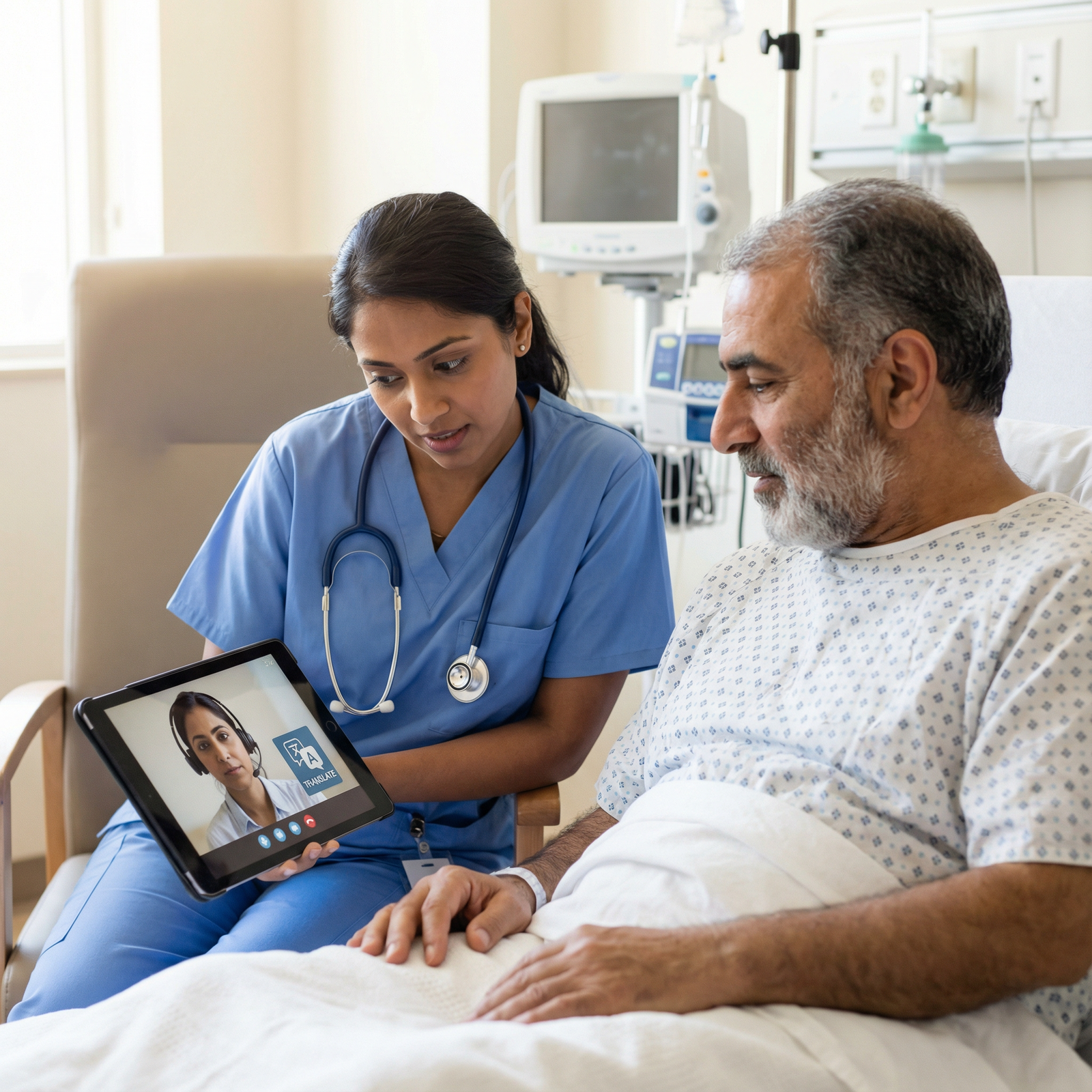
Even if you speak several languages, you will frequently encounter patients whose primary language you don’t speak. Cultural Competence here includes:
- Recognizing when language barriers are significant enough to require a professional interpreter
- Speaking directly to the patient, not the interpreter
- Using short sentences, avoiding idioms, and pausing regularly
Learning key phrases in common local languages (greetings, expressions of empathy) can also strengthen rapport, as long as you are honest about your limitations.
7. Collaboration and Team-Based Care
Culturally competent physicians:
- Actively seek input from nurses, social workers, case managers, and interpreters who may understand the patient’s context better
- Respect the diverse cultural backgrounds of team members
- Address miscommunications early and respectfully
For IMGs, showing that you can integrate smoothly into an interdisciplinary team is a major plus in the residency selection process.
Practical Strategies to Build and Demonstrate Cultural Competence as an IMG
1. Participate in Cultural Humility and DEI Trainings
Look for:
- Hospital or medical school workshops on Cultural Competence, bias mitigation, or trauma-informed care
- Online CME courses on caring for LGBTQ+ patients, immigrants, refugees, or patients with disabilities
- Sessions on social determinants of health and health inequities
On your CV and ERAS application, you can list relevant workshops and briefly describe what you learned and how you applied it in practice.
2. Seek Clinical Exposure in Diverse Settings
Whenever possible, choose rotations or observerships that serve:
- Immigrant and refugee populations
- Underserved urban or rural communities
- Clinics focusing on specific cultural or linguistic groups
During these experiences, pay attention to:
- How attendings approach culturally sensitive topics
- How interpreters are integrated into care
- How social workers and case managers address barriers like housing, food insecurity, or legal issues
You can reference specific patient encounters (without identifying details) in personal statements or interviews to illustrate your growth in Cultural Competence.
3. Volunteer in Community and Public Health Programs
Volunteering outside the hospital offers:
- Deeper understanding of community strengths and challenges
- Opportunities to practice listening and communication in non-clinical settings
- Insight into how culture shapes health behaviors and trust
Examples:
- Health fairs in immigrant neighborhoods
- Free clinics for uninsured or asylum seekers
- Community education sessions on chronic diseases or preventive care
4. Learn or Improve a Local Language
If you are planning to practice in an area where Spanish, French, Arabic, Mandarin, or another language is common, even basic proficiency can:
- Demonstrate commitment to the community
- Improve rapport and reduce misunderstanding
- Make you more competitive as a residency applicant
You can note language courses, certifications, or self-study efforts in your application.
5. Find Mentors Skilled in Culturally Competent Care
Look for mentors who:
- Are known for excellent bedside manner and patient rapport
- Work extensively with diverse or underserved populations
- Participate in diversity, equity, and inclusion (DEI) efforts
Ask them:
- How they approach challenging cross-cultural encounters
- What mistakes they made early in their careers and what they learned
- How you can improve based on observed interactions and feedback
6. Use Reflective Practice to Consolidate Learning
After encounters that are culturally complex or emotionally intense, take 5–10 minutes to reflect:
- What cultural or social factors influenced this case?
- Where did I feel uncertain or uncomfortable?
- What might I try differently next time?
Over time, this reflective habit sharpens your Cultural Competence and gives you concrete stories for interviews and essays.
7. Integrate Cultural Competence Into Your Application Narrative
In your:
- Personal Statement: Include one or two concise stories showing how you navigated a cross-cultural challenge, what you learned, and how it changed your practice.
- ERAS Experiences Section: Highlight roles where you worked with diverse populations or advocated for patients facing barriers.
- Interviews: Be ready to answer questions like, “Tell me about a time you worked with a patient from a different background than your own,” or “How do you handle situations where your beliefs differ from your patient’s?”
Frequently Asked Questions About Cultural Competence for IMG Applicants
1. How can I show residency programs that I am culturally competent?
You can demonstrate Cultural Competence through:
- Specific examples in your personal statement describing cross-cultural patient encounters and what you learned
- Experiences in your CV (e.g., volunteering in diverse communities, global health work, language learning, DEI committees)
- Letters of recommendation from supervisors who can comment on your rapport with diverse patients and teamwork
- Interview answers that highlight reflection, growth, and concrete skills (e.g., using interpreters, adapting communication, addressing social determinants of health)
2. I am already from a different culture. Doesn’t that automatically make me culturally competent?
Being an IMG gives you valuable perspective and often greater empathy for migrants and minorities. However, Cultural Competence is context-specific. You still need to:
- Learn the cultural norms of your new patient population
- Understand the healthcare system’s expectations and legal framework
- Reflect on your own biases, including toward groups you may not have met in your home country
Residency programs are looking not only for diversity in background, but for demonstrated skills and behaviors in culturally responsive care.
3. What are common mistakes IMGs make related to cultural competence in the clinical setting?
Some frequent pitfalls include:
- Assuming all patients want a paternalistic style or expect the physician to make all decisions
- Underestimating the importance of professional interpreters and over-relying on family members for translation
- Using complex medical jargon or speaking too quickly with patients who have limited health literacy or language proficiency
- Avoiding difficult topics (e.g., mental health, sexual health, end-of-life) due to fear of offending, without exploring the patient’s openness
- Making assumptions based on appearance, accent, or religion rather than asking open-ended questions
Awareness of these pitfalls allows you to actively counter them.
4. How does Cultural Competence affect my day-to-day work as a resident?
On a typical day, Cultural Competence will influence how you:
- Conduct history-taking and break bad news
- Prioritize and document social determinants of health in your notes
- Decide when and how to involve interpreters, social workers, or chaplains
- Present cases to attendings, incorporating cultural and social context into your assessment and plan
- Communicate with families and navigate differing expectations around prognosis and decision-making
Residents who do this well often experience fewer conflicts, better patient cooperation, and stronger relationships with their teams.
5. What are some practical resources IMGs can use to improve Cultural Competence?
Consider exploring:
- Institutional resources: DEI offices, hospital-based Cultural Competence training, interpreter services training modules
- Online courses: WHO, CDC, major academic centers offering free CME on Cultural Competence, health equity, or immigrant health
- Reading: Local public health department reports, books on narrative medicine, articles on healthcare disparities
- Professional groups: IMG associations, minority physician organizations, or specialty societies with DEI sections
Using and mentioning these resources can both improve your practice and signal your commitment during the residency match process.
Cultural Competence is not a box to check; it is a continuous process of learning, reflecting, and adapting. For International Medical Graduates, it is also a powerful differentiator in the residency application process and a cornerstone of safe, equitable Patient Care. By intentionally developing these skills now—and showcasing them effectively—you position yourself not only to match successfully, but to excel as a physician in an increasingly diverse and interconnected world.