Resilience is not optional for International Medical Graduates (IMGs); it is a core competency. The path to U.S. medical training is demanding—standardized exams, licensing hurdles, visa uncertainty, cultural adjustment, and a competitive residency match process. Yet thousands of IMGs succeed every year, not because their path is easy, but because they deliberately develop resilience.
This expanded guide explores how IMGs can build resilience in a structured, intentional way—so you don’t just endure medical training, but grow, adapt, and ultimately thrive.
Understanding Resilience in the Context of IMG Training
Resilience is more than “staying strong” or “not giving up.” In the context of medical training, resilience is the capacity to adapt, recover, and continue moving forward with purpose despite setbacks, stress, and uncertainty.
For International Medical Graduates, resilience involves:
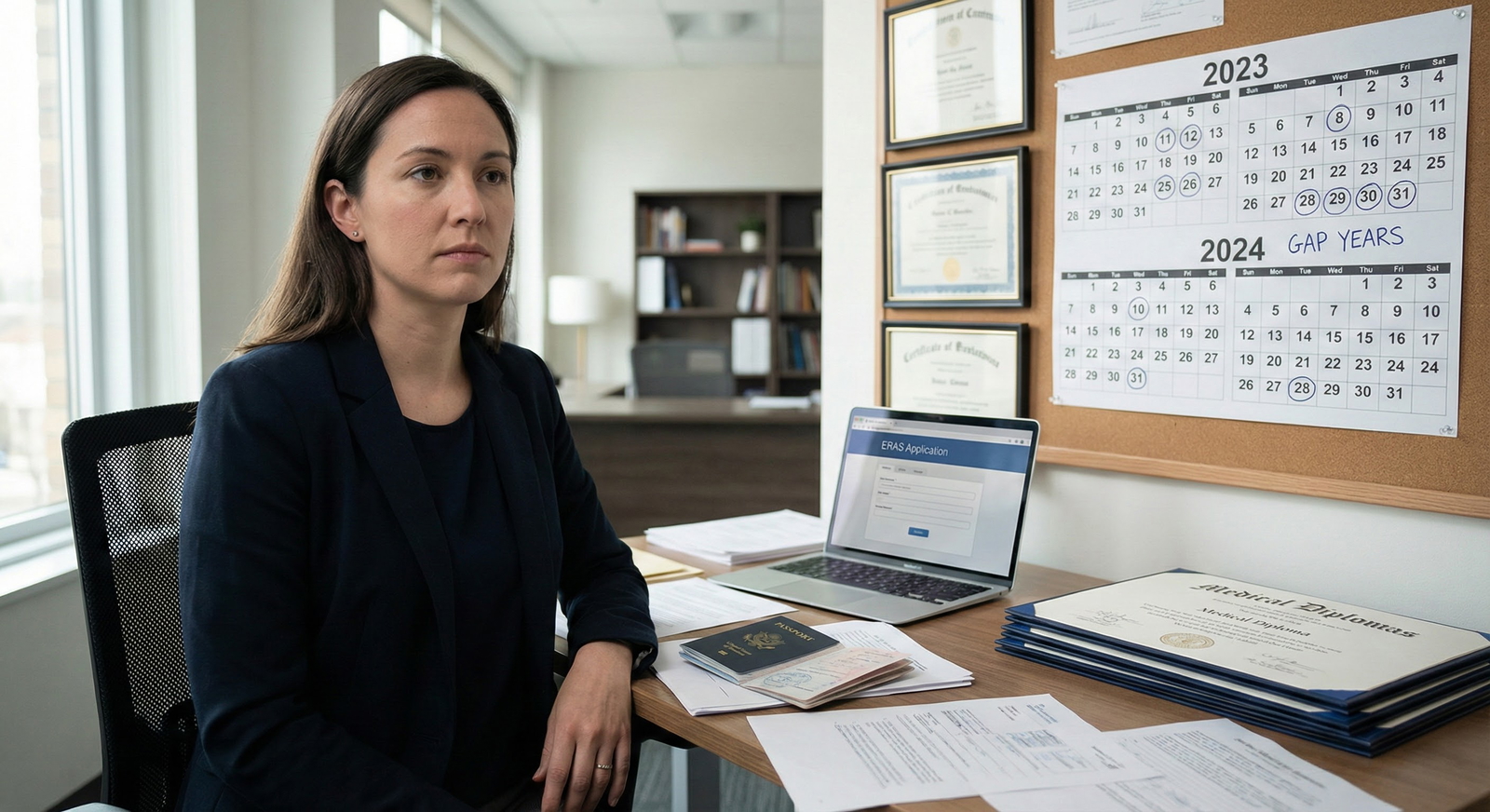
- Continuing to apply after an unmatched year
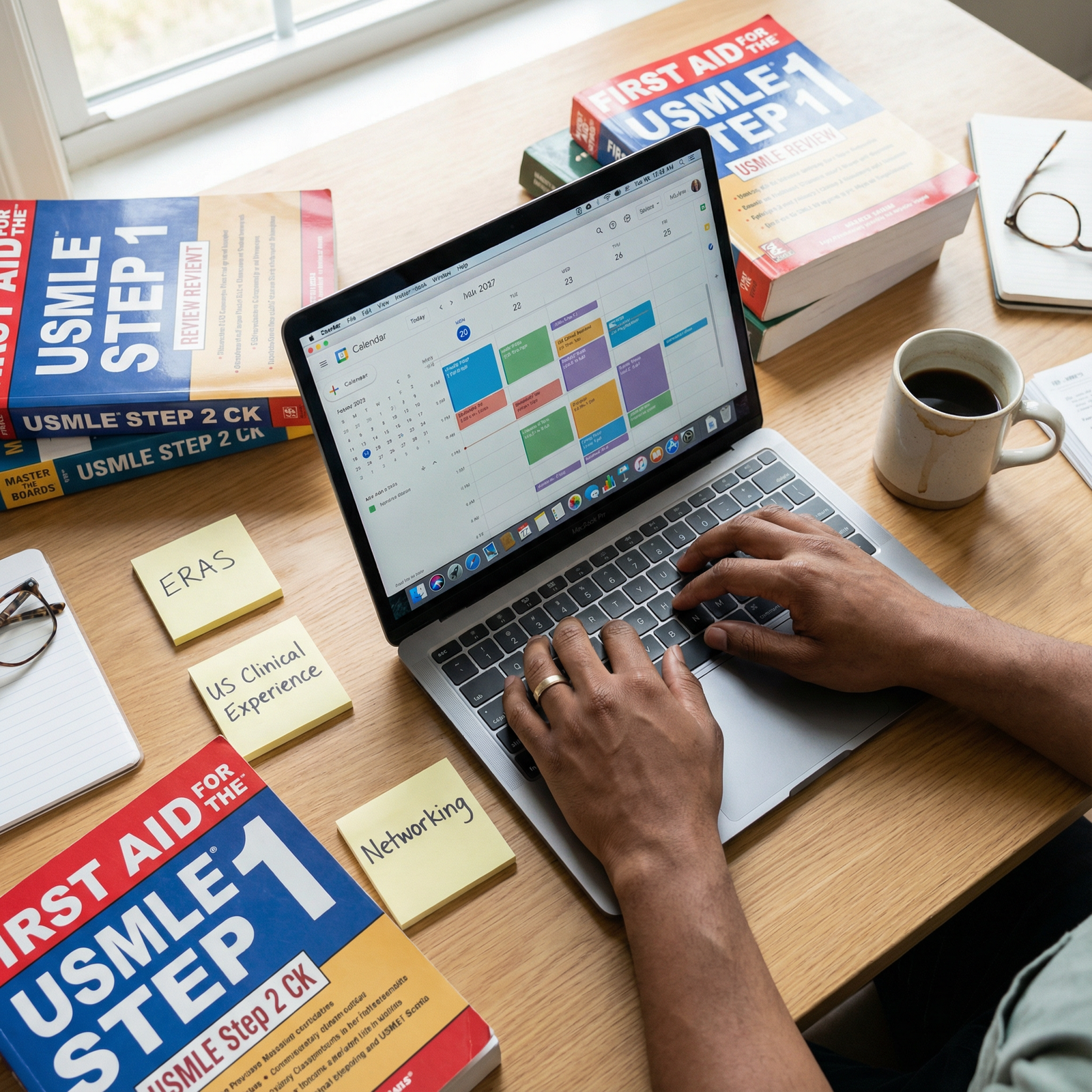
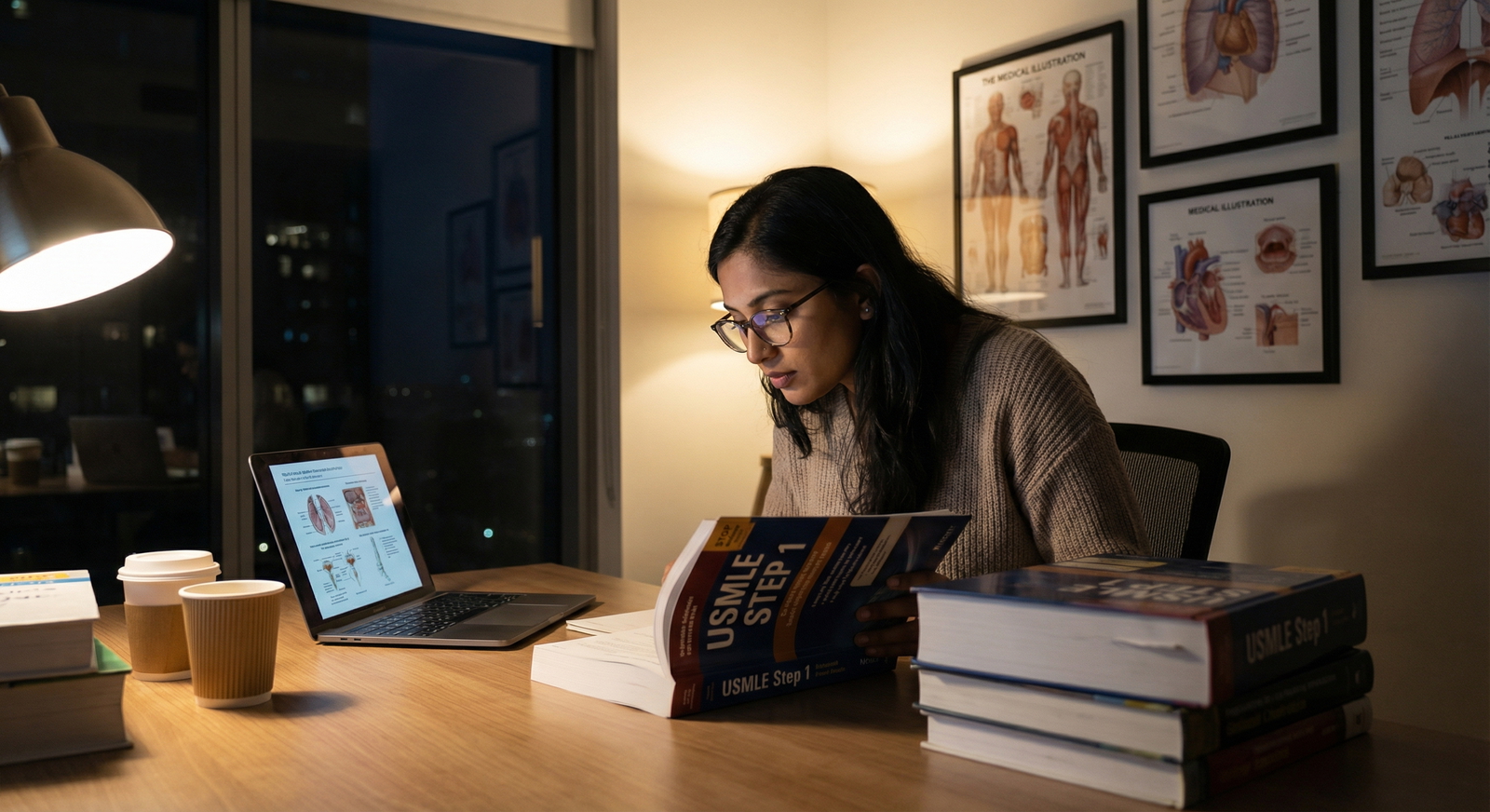
- Studying for USMLE exams while working or supporting family
- Managing homesickness and cultural differences
- Facing visa delays or rejections
- Reframing disappointments into learning and growth
What Resilience Is—and What It Is Not
Resilience is:
- The ability to recover from difficulties and keep functioning
- A set of skills and habits that can be learned and practiced
- Dynamic—it changes as your circumstances and experience change
- Closely linked to self-care, social support, and mindset
Resilience is not:
- Suppressing emotions or pretending everything is fine
- Endlessly tolerating unhealthy situations or abuse
- A personality trait you either have or don’t have
- A substitute for structural support, fair opportunities, or institutional change
Recognizing resilience as a trainable skill gives you agency. Instead of seeing yourself as a passive victim of circumstances, you can deliberately build routines, connections, and mindsets that protect your well‑being and enhance your performance.
Why Resilience Is Especially Crucial for IMGs
The IMG experience carries added layers of complexity beyond standard medical training. Some of the most common challenges include:
Cultural Adjustment and Identity Strain
- Adapting to different communication styles (e.g., more direct feedback, shared decision-making with patients)
- Adjusting to new learning styles and expectations during clerkships or observerships
- Navigating microaggressions or bias based on accent, nationality, or training background
Regulatory and Visa Challenges
- ECFMG certification requirements and documentation
- USMLE exam costs and scheduling constraints
- Visa categories (J-1, H-1B), waiver processes, and immigration uncertainty
Residency Match and Career Uncertainty
- Limited interview invitations compared to U.S. graduates
- Pressure to secure observerships, research experiences, and strong letters
- Coping with the possibility of going unmatched despite strong effort
In this context, resilience is not just about personal toughness; it is a strategic asset that helps you sustain motivation, protect your mental health, and make better decisions under pressure.
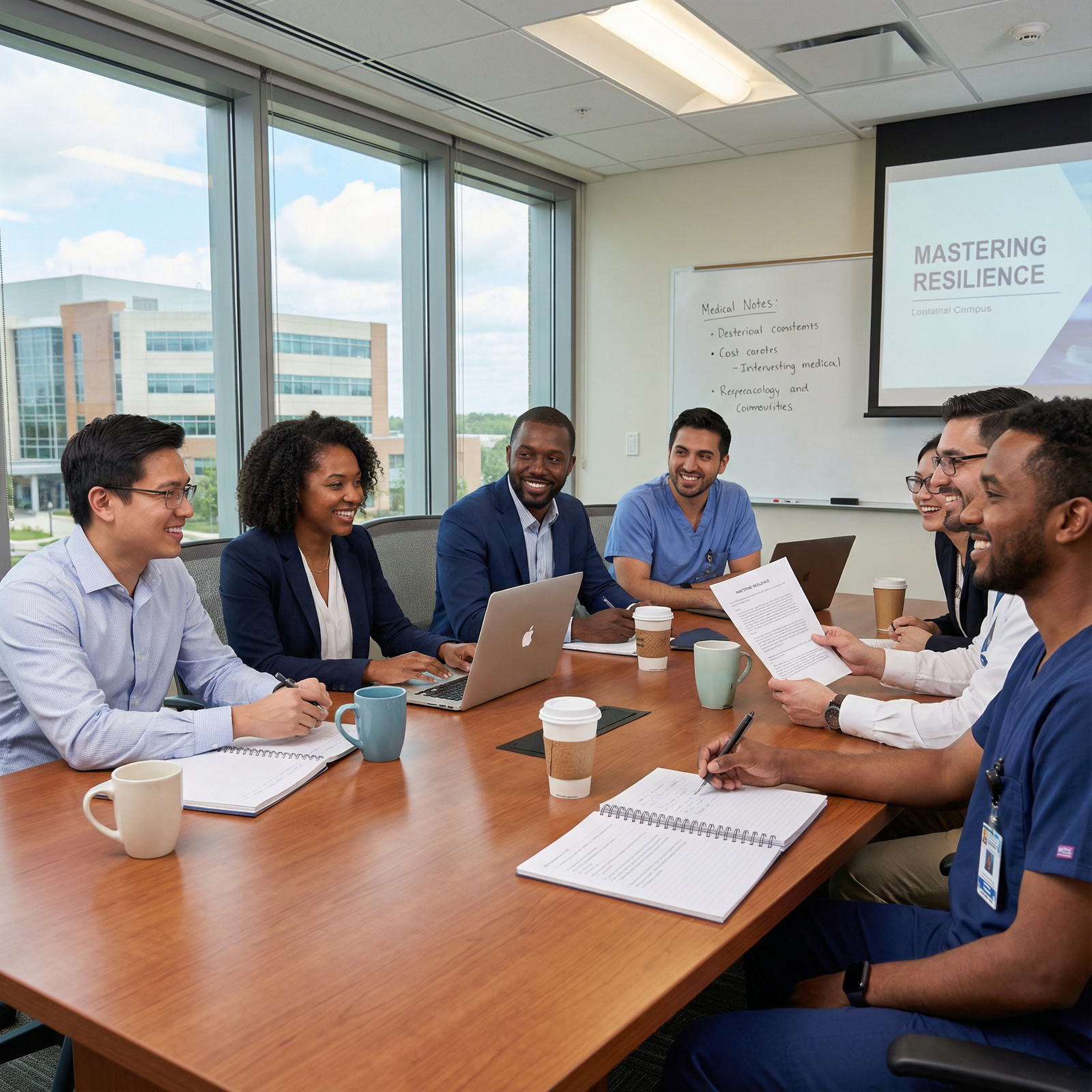
Step 1: Build a Strong, Supportive Network
Resilience grows in community, not in isolation. The most successful IMGs rarely walk this path alone.
Connecting with Fellow International Medical Graduates
Other IMGs are uniquely positioned to understand what you are going through. They may know:
- Which residency programs are more IMG-friendly
- How to structure study schedules around work or family
- How to cope with cultural and family expectations
- What it feels like to be geographically and emotionally distant from home
Practical ways to connect:
- Join IMG-focused Facebook, WhatsApp, or Telegram groups for your region or specialty interest.
- Participate in online communities such as Student Doctor Network (SDN) or Reddit’s IMG subforums—use these primarily for support and general insight, not for definitive advice.
- Attend webinars, virtual conferences, and in-person meetups organized by IMG associations or local medical societies.
These connections can turn what feels like a solitary journey into a shared, collaborative effort.
Finding and Working with Mentors
Effective mentorship can accelerate your progress and buffer stress. Mentors can provide:
- Honest feedback on your CV, personal statement, and interview skills
- Insight into the residency Match, specialty selection, and backup plans
- Emotional support and role modeling during difficult periods
Where to find mentors as an IMG:
- Local hospitals or clinics where you do observerships, externships, or research
- Professional organizations such as the American Medical Association (AMA), state medical societies, or specialty societies (e.g., ACP, AAFP) that offer IMG mentorship programs
- Alumni from your medical school already in U.S. training
How to make mentorship work:
- Be specific when you reach out: “I’m an IMG interested in internal medicine, preparing for the Match in 2026. Could I schedule a brief meeting to ask about strengthening my application?”
- Respect their time: come with organized questions, follow through on advice, and show appreciation.
- Build a “mentor team”: one for research, one for clinical skills, one for wellness/career coaching if possible.
Professional Counseling and Mental Health Support
Resilience is not about enduring endless stress alone. Many IMGs benefit from professional counseling, especially during periods of:
- Burnout while preparing for major exams
- Anxiety or depression during unmatched years
- Grief related to distance from family, illness back home, or major life changes
Options may include:
- University or hospital counseling centers if you are already in training or research
- Telehealth psychotherapy that accommodates your schedule and time zone
- Community mental health resources or low-cost counseling networks
Seeking psychological support is a strength, not a weakness; it is an evidence-based way to build long-term resilience.
Step 2: Prioritize Self-Care as a Core Professional Skill
Self-care is not indulgent—it is a professional responsibility. Without it, your ability to study, care for patients, and perform well in interviews or residency is compromised.
Physical Health: Your Foundation for Performance
Healthy body habits support exam performance, emotional stability, and clinical efficiency.
Actionable strategies for IMGs:
- Exercise in short, consistent intervals:
- 20–30 minutes of walking, home workouts, or yoga 4–5 days per week
- Use free apps or YouTube workouts if you lack access to a gym
- Nutrition on a budget and tight schedule:
- Prepare simple, balanced meals in bulk (e.g., rice, beans, vegetables, lean protein)
- Limit excessive sugar and caffeine; use them strategically, not constantly
- Sleep hygiene, even during exam prep:
- Aim for 7–8 hours when possible; short-term sacrifice of sleep often backfires
- Keep a consistent sleep/wake schedule and avoid screens right before bed
Your physical habits are one of the most powerful, controllable drivers of resilience.
Mental Wellness and Emotional Regulation
IMGs often carry multiple stressors: academic pressure, financial concerns, immigration uncertainty, and family expectations. Intentional mental health practices can buffer these.
Helpful tools:
- Mindfulness and meditation:
- 5–10 minutes daily can improve focus and reduce rumination
- Use apps like Headspace, Calm, or free guided meditations
- Journaling:
- Reflect on daily wins, challenges, and lessons learned
- Track your emotional patterns around exams, interviews, or rejections
- Cognitive reframing:
- Shift from “I failed, I’m not good enough” to “This is data. What can I improve for next time?”
Even modest, consistent practices can substantially lower stress and increase emotional resilience.
Setting Boundaries and Preserving Work–Life Balance
Many IMGs feel they must be “on” all the time to catch up or compete. This can quietly erode well-being.
Consider:
- Scheduling specific “off” hours each week where you do not study or check email
- Protecting time for meaningful activities—religious practice, family calls, hobbies, exercise
- Communicating clearly with family about your schedule and limits—“I may not call every day, but it doesn’t mean I care less”
Resilience isn’t how much you can endure—it’s how sustainably you can continue over the long term.
Step 3: Develop Practical Coping Strategies for IMG Stressors
Resilience becomes real when you face specific obstacles: a failed exam, a visa delay, or an unmatched cycle. Proactive coping strategies help you respond rather than react.
Problem-Solving in a Structured Way
Instead of being overwhelmed by complexity, break challenges into manageable steps.
Example: Visa Application Stress
- Clarify the exact visa type (J-1 vs H-1B) preferred or required by your target programs.
- Create a checklist of documents based on official government and ECFMG resources.
- Set internal deadlines ahead of external ones to account for delays.
- Ask mentors, program coordinators, or IMGs currently on that visa to review your plan.
Using checklists, timelines, and flowcharts can turn vague anxiety into a concrete action plan.
Emotional Regulation in High-Pressure Moments
During interviews, exams, or high-stakes emails (e.g., Match results), strong emotions are normal.
Techniques to regulate emotions:
- Deep breathing: 4 seconds inhale, 6 seconds exhale, repeated 5–10 times
- Grounding exercises: name 5 things you can see, 4 you can feel, 3 you can hear, 2 you can smell, 1 you can taste
- Positive self-talk scripts:
- “I have prepared for this.”
- “One interview does not define my entire career.”
- “I can learn from this experience regardless of the outcome.”
Practicing these skills before stressful events makes them more accessible when needed.
Setting Realistic and Strategic Goals
Resilience grows when you see consistent progress, even if results (like a residency position) are not immediate.
Create layered goals:
- Micro-goals (daily):
- “Complete 40 UWorld questions and review explanations.”
- Short-term goals (weekly/monthly):
- “Finish the cardiology section,” “Draft my personal statement,” “Reach out to 3 potential mentors.”
- Long-term goals (6–24 months):
- “Take Step 2 CK by [date],” “Apply to 120 internal medicine programs,” “Secure at least 2 U.S. clinical experiences.”
Celebrate small successes—a strong letter of recommendation, a score improvement, one more interview than last year. These reinforce your belief that effort leads to progress.
Step 4: Maintain a Growth Mindset Throughout Medical Training
A growth mindset—the belief that skills and intelligence can be developed through effort, strategies, and help from others—is a cornerstone of resilience for IMGs.
Reframing Failure and Rejection
Nearly every IMG will face at least one major setback: a low exam score, a limited number of interviews, or an unmatched year.
Growth mindset reframes:
From “I’m not smart enough for this”
→ to “My current strategy didn’t work; I need different resources, feedback, or time.”From “They rejected me; I’ll never match”
→ to “This feedback tells me how to adjust my application for the next cycle.”
Practical steps after a setback:
- Analyze objectively: scores, CV gaps, clinical experience, specialty choice, visa limitations.
- Seek external review: mentors, program directors you trust, IMG advisors.
- Adjust the plan: change specialty target, gain more U.S. clinical experience, retake an exam if appropriate, or add research.
Using Feedback to Drive Improvement
Feedback—from attendings, mentors, exam scores, or interview outcomes—is valuable data.
To use feedback effectively:
- Ask for specific examples, not just “you need to improve communication.”
- Translate feedback into action steps:
- “Practice oral case presentations weekly with a peer.”
- “Enroll in a communication skills or accent reduction course if it’s becoming a barrier.”
- Track improvement over time to reinforce your growth.
Feedback is not a verdict on your worth as a physician—it is raw material for your development.
Reflective Practice: Learning from Each Experience
Regular reflection turns experiences into learning.
Reflection prompts for IMGs:
- “What was the most challenging moment this week, and how did I respond?”
- “Where did I feel most confident clinically or academically?”
- “What will I do differently next time in similar situations?”
You can reflect through journaling, discussing with a peer, or recording voice notes. This habit deepens self-awareness and helps you recognize your progress.
Step 5: Strengthen Cultural Competence to Reduce Stress and Improve Performance
Cultural Competence is a core skill for all clinicians, but it is especially critical for International Medical Graduates navigating U.S. medical training.
Understanding U.S. Medical Culture and Communication
Some key differences you may encounter:
- Patient-centered care and shared decision-making are emphasized; patients are often encouraged to question and participate in decisions.
- Communication style may be more direct; feedback may be blunt but intended to improve safety and learning.
- Hierarchy exists, but open communication across team members (nurses, pharmacists, social workers) is strongly valued.
How to build cultural competence:
- Attend workshops, online courses, or hospital orientations focused on U.S. healthcare culture and communication.
- Observe how attending physicians explain diagnoses, discuss risks/benefits, and respond to patient concerns.
- Practice presenting cases in the SBAR (Situation–Background–Assessment–Recommendation) style used widely in U.S. hospitals.
Volunteer, Shadow, and Gain U.S. Clinical Experience
Direct exposure to the system makes you more comfortable and confident.
Benefits of observerships, externships, volunteering, or research roles:
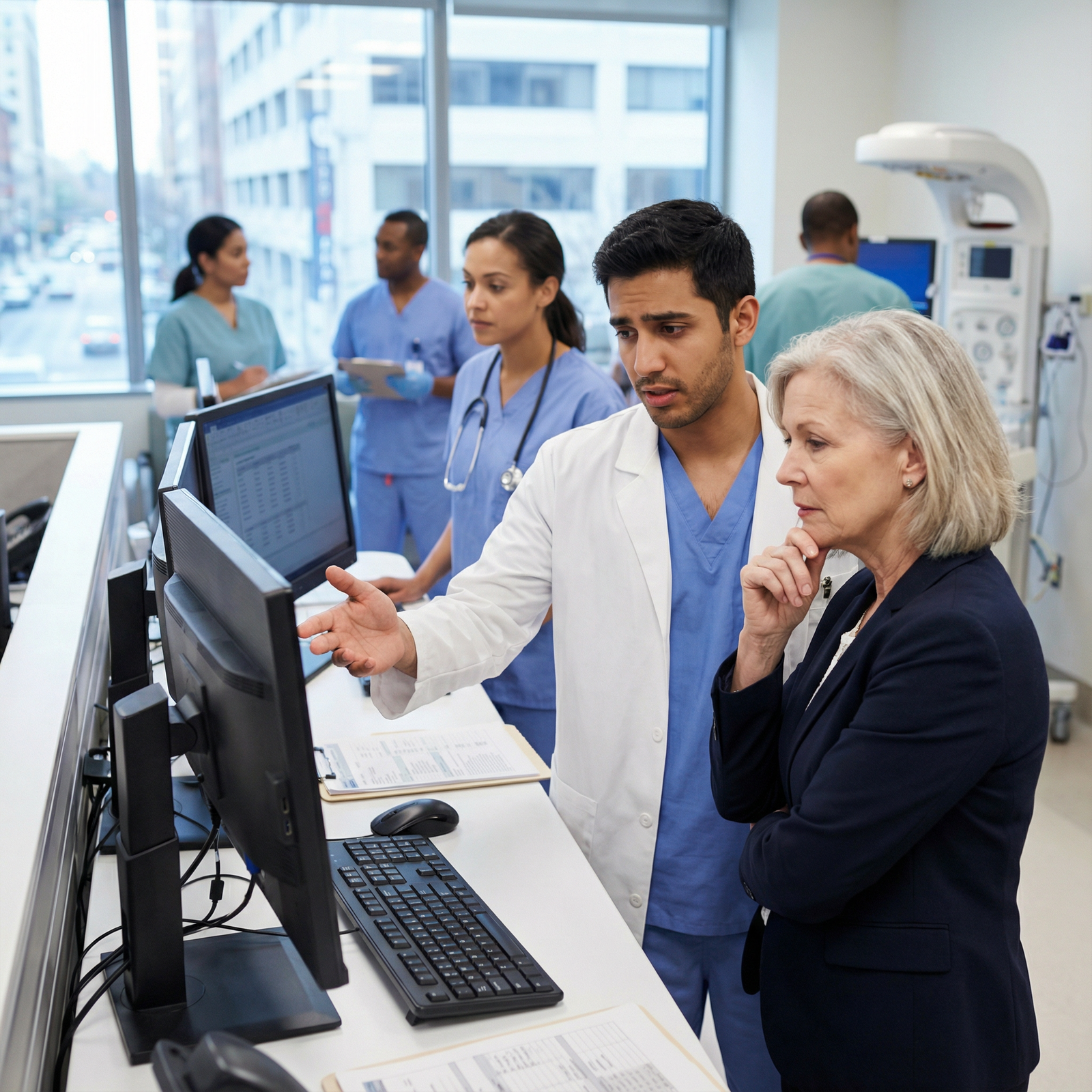
- Learn EMR workflows, SOAP notes, and documentation standards.
- Observe interprofessional dynamics with nurses, social work, case management, and consultants.
- Build relationships that may lead to strong letters of recommendation.
Even if you are not in a hands-on clinical role, you can still learn professional etiquette, multidisciplinary collaboration, and patient interaction styles.
Seek Feedback on Your Interpersonal Style
Because many IMGs worry about accent, language, or communication, explicit feedback can be extremely helpful.
- Ask supervisors: “Is there anything I can adjust in how I present cases or speak with patients?”
- Work with peers to practice mock patient interactions and case presentations.
- Consider communication coaching or language support if you receive recurring feedback regarding clarity.
Cultural competence minimizes misunderstandings, improves patient care, and significantly increases your sense of belonging in the healthcare team—key factors in resilience.
Step 6: Use Technology and Structured Resources to Support Resilience
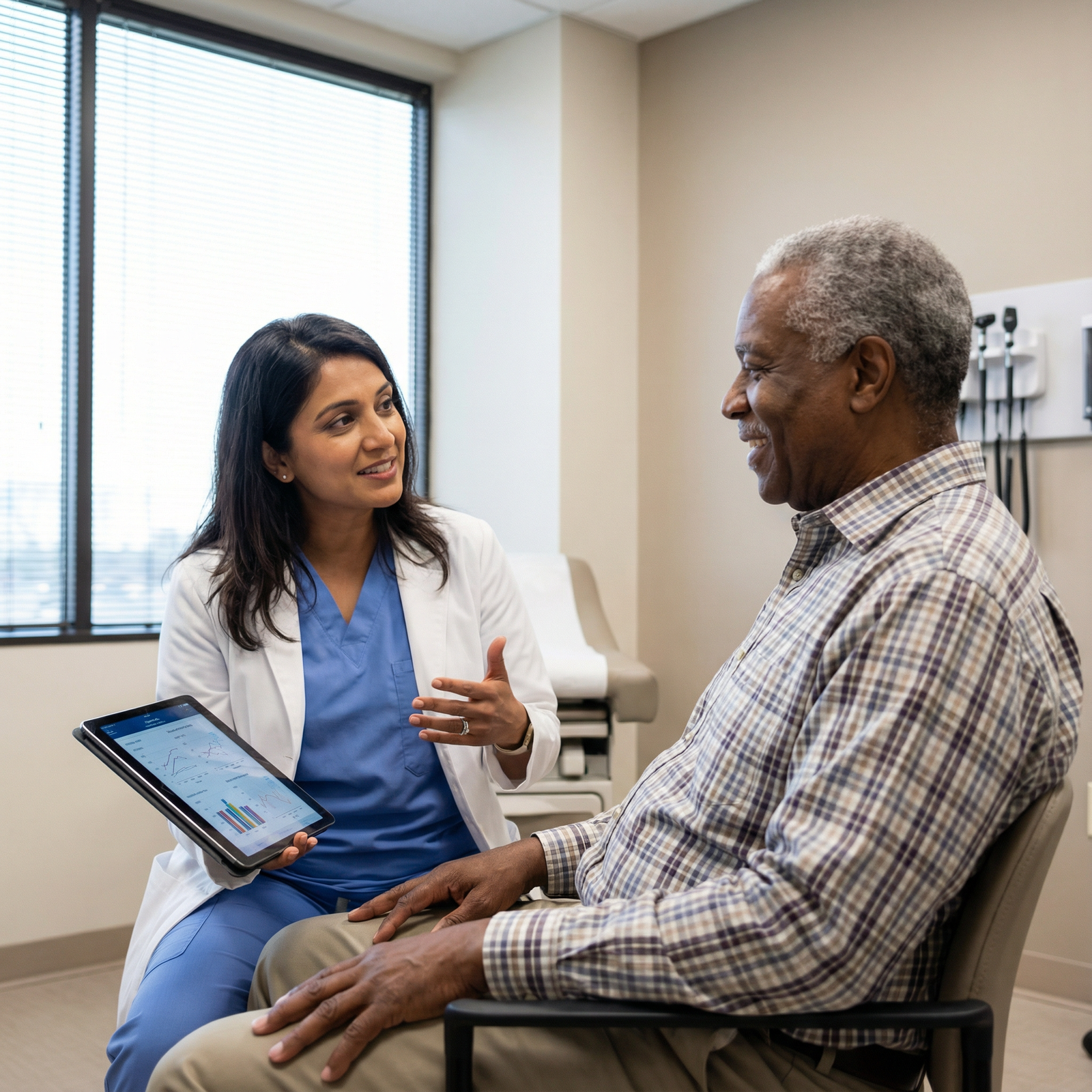
Modern tools can reduce uncertainty, save time, and offer emotional support.
Online Platforms for Residency and Career Planning
- FREIDA (AMA) – Research programs, IMG friendliness, visa sponsorship, and competitiveness.
- AAMC and NRMP resources – Understand Match statistics, specialty competitiveness, and timeline.
- IMG-focused blogs and YouTube channels – Learn from IMGs who share their journey, study strategies, and Match outcomes.
Use these resources to set realistic targets and avoid relying solely on anecdotes or rumors.
Digital Tools for Self-Care and Productivity
- Study and productivity apps: Anki, Notion, Todoist, or Google Calendar to organize study schedules and application tasks.
- Mental health and mindfulness apps: Headspace, Calm, Insight Timer.
- Sleep and habit trackers: To monitor your routines and identify patterns that affect your performance.
Structured tools reduce mental load, which directly contributes to resilience.
Telehealth and Remote Opportunities
Telemedicine and remote work options (e.g., research, quality improvement projects, telehealth scribing) can:
- Provide income or experience while you prepare for exams or applications
- Build familiarity with technologies increasingly used in U.S. healthcare
- Offer flexible hours that accommodate study and family obligations
These opportunities may not directly replace residency but can strengthen your CV and provide professional continuity.
Conclusion: Turning IMG Challenges into Stepping Stones
Resilience for International Medical Graduates is both a survival skill and a path to excellence. The journey through exams, ECFMG certification, visa processes, and the residency Match is demanding—but it is also an opportunity to develop the habits, mindsets, and cultural competence that will sustain you throughout your medical career.
By:
- Building a supportive network of peers, mentors, and professionals
- Practicing consistent self-care and emotional regulation
- Developing structured coping strategies for predictable stressors
- Adopting a growth mindset that transforms setbacks into learning
- Strengthening your cultural competence in U.S. medicine
- Using technology and resources strategically
you can move from merely enduring the process to actively shaping your trajectory.
Resilience does not guarantee an easy path—but it greatly increases your capacity to navigate obstacles, protect your well-being, and ultimately succeed in U.S. medical training.
FAQs About Resilience and the IMG Residency Journey
1. What should I do if I go unmatched as an IMG?
First, allow yourself to process the disappointment—your feelings are valid. Then shift into problem-solving mode:
- Request post-Match feedback from a few programs if possible.
- Objectively review your application: USMLE scores, gaps since graduation, U.S. clinical experience, letters, specialty competitiveness, and visa limitations.
- Consider strengthening your profile with:
- Additional U.S. clinical experience (observerships/externships)
- Research, quality improvement, or teaching roles
- Improved personal statement and interview skills
- Re-evaluate specialty choice and program list; you may need to broaden both.
Many IMGs match on their second or even third attempt after making focused, strategic changes.
2. How can I find reliable mentors as an IMG?
- Start with supervisors from observerships, externships, research positions, or volunteer roles.
- Join professional organizations (AMA, ACP, AAFP, specialty societies) and look for IMG or early-career sections.
- Use formal mentorship programs offered by ECFMG, state medical societies, or hospital systems.
- Reach out to alumni from your medical school who are already in U.S. residency or practice.
When you contact a potential mentor, briefly introduce yourself, explain your goals, and ask for a short meeting. Be respectful, prepared, and consistent.
3. How can I reduce stress during the residency application and interview season?
- Create a detailed timeline for ERAS, letters, exams, and visa paperwork to reduce last-minute panic.
- Limit time on online forums that trigger anxiety; use them for information, not constant comparison.
- Maintain non-negotiable self-care habits (sleep, movement, nutrition, brief relaxation practices).
- Build a small circle of trusted friends or fellow IMGs to share concerns and practice interviews together.
Remember that the application season is a marathon, not a sprint; sustainable habits matter more than occasional bursts of effort.
4. Are there specific resources for International Medical Graduates to build resilience and navigate U.S. medical training?
Yes. In addition to ECFMG and AAMC resources, you can explore:
- Professional societies with IMG sections or committees
- Hospital-based wellness programs (once in residency)
- Online IMG support communities and webinars focused on mental health, resilience, and career strategy
- Articles and courses on physician well-being and resilience in medical education
These resources can offer both practical guidance and emotional support.
5. What are some concrete self-care practices that fit a busy IMG schedule?
- 10–20 minutes of brisk walking or stretching daily
- A simple mindfulness practice (even 5 minutes) before bed or after waking
- Batch-cooking one or two healthy meals on weekends
- Regular, scheduled calls with supportive family or friends
- A weekly “no-study evening” to recharge through hobbies, faith activities, or relaxation
Even small, consistent habits can significantly enhance your resilience and help you perform at your best throughout your IMG journey.