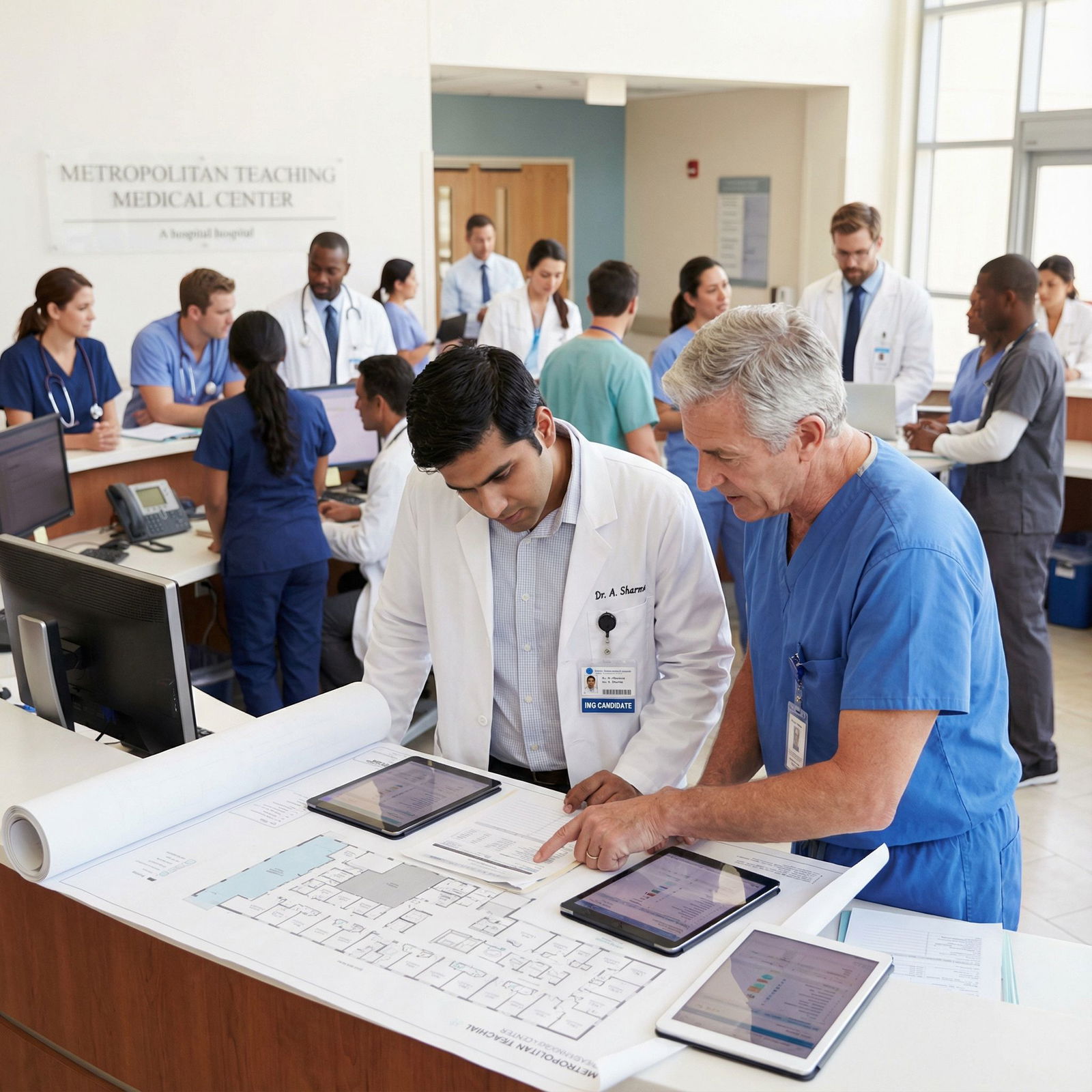
Introduction: Why Understanding the US Healthcare System Matters for IMGs
International Medical Graduates (IMGs) are indispensable to the US healthcare workforce. They provide care across a wide range of specialties and are especially critical in rural and underserved communities. Yet, despite their skills and experience, IMGs often face a steep learning curve when transitioning into the US healthcare system.
For residency applicants, understanding this system is not just “nice to have”—it directly impacts your USMLE success, competitiveness for residency programs, and your eventual effectiveness as a physician. Residency program directors increasingly expect IMGs to demonstrate not only strong clinical knowledge, but also familiarity with US healthcare delivery, Medical Licensing requirements, Cultural Adaptation, and ongoing Professional Development.
This expanded guide builds on the original content to give you a deeper, more practical roadmap. You will learn:
- How the US healthcare system is structured and financed
- The major challenges IMGs typically encounter during Residency Match and applications
- Concrete strategies to overcome those challenges and stand out as a strong candidate
- How to build a sustainable career path in the US through continuous growth and networking
Understanding the US Healthcare System: Structure, Payment, and Care Settings
The US healthcare system is a complex, mixed public–private model. For many International Medical Graduates, the sheer number of entities—government agencies, private insurers, hospital systems, and independent practices—can feel overwhelming. Breaking it into core components makes it easier to understand and explain in interviews and personal statements.
Public Programs and Government Involvement
Public programs anchor much of the safety net and elderly care in the US:
Medicare
- Federal program mainly for people aged 65+ and certain younger individuals with disabilities or end-stage renal disease.
- Divided into Parts A–D (hospital, outpatient, Medicare Advantage, and prescription drug coverage).
- Critical in hospital billing and reimbursement; many inpatients are Medicare beneficiaries.
- Knowing what Medicare covers and its documentation requirements will matter later in residency and practice.
Medicaid
- Joint federal–state program for low-income individuals and families, including children, pregnant people, people with disabilities, and some seniors.
- Eligibility and benefits vary by state, so IMGs must understand that “US healthcare” is not uniform everywhere.
- Medicaid is particularly relevant in safety-net hospitals and community health centers, where many IMGs train.
Children’s Health Insurance Program (CHIP)
- Provides low-cost coverage to children in families that earn too much to qualify for Medicaid but cannot afford private insurance.
- Frequently encountered in pediatrics and family medicine clinics.
Understanding which patients are on which public programs helps you appreciate differences in access, formularies, and follow-up care.
Private Health Insurance: The Dominant Payer in US Healthcare
Private insurance is the most common form of coverage for working-age Americans:
- Employer-sponsored insurance is the primary model—patients receive coverage through their or their spouse’s job.
- Individual marketplace plans (e.g., via the Affordable Care Act exchanges) cover others who buy their own insurance.
- Plans may be:
- HMO (Health Maintenance Organization) – restricted networks, referrals usually required.
- PPO (Preferred Provider Organization) – more flexibility in provider choice but often higher cost.
- High-deductible health plans – lower premiums but higher out-of-pocket costs until deductible is met.
For clinicians, this means:
- You will often need to know whether a service, medication, or procedure is covered.
- Prior authorizations and formularies can impact treatment choices.
- Patients may delay or refuse recommended care due to cost—this can be surprising to IMGs from systems with universal coverage.
Healthcare Delivery Settings and Team-Based Care
The US system is highly decentralized, with many types of care settings:
- Academic medical centers and teaching hospitals – primary sites for residency training; often tertiary or quaternary referral centers.
- Community hospitals – smaller, local hospitals with or without residency programs.
- Outpatient clinics and Federally Qualified Health Centers (FQHCs) – focus on primary care and prevention, often serving underserved populations.
- Urgent care centers and emergency departments – key access points for patients with limited primary care access.
- Skilled nursing facilities, rehab centers, and long-term care – involved in post-acute and chronic care management.
Care is delivered by interprofessional teams:
- Physicians and residents
- Nurse practitioners and physician assistants
- Nurses, pharmacists, social workers, care coordinators
- Physical, occupational, and speech therapists
- Case managers and utilization review specialists
Understanding the scope of practice and roles of these team members is crucial. Program directors look for IMGs who can integrate smoothly into these teams and communicate effectively.
Regulatory Bodies and Quality Oversight
Several regulatory and accrediting bodies shape how care is delivered:
- FDA (Food and Drug Administration) – regulates drugs, devices, and biologics.
- CMS (Centers for Medicare & Medicaid Services) – oversees Medicare and Medicaid and sets many quality and documentation standards.
- State health departments and medical boards – set local licensing requirements and public health policies.
- The Joint Commission – accredits hospitals and influences policies on safety, infection control, and documentation.
For IMGs, this means:
- US medical practice is heavily regulated and highly documented.
- Quality metrics (e.g., readmission rates, patient satisfaction scores, sepsis bundles) influence hospital priorities and workflows.
Patient-Centered Medical Home and Value-Based Care
The Patient-Centered Medical Home (PCMH) model exemplifies shifts in US healthcare:
- Emphasizes comprehensive, coordinated, and continuous primary care.
- Focuses on prevention, chronic disease management, and social determinants of health.
- Often uses care managers, electronic health records, and population health tools.
Increasingly, payment models are moving from fee-for-service to value-based care, where:
- Providers are rewarded for outcomes and cost control rather than volume alone.
- Quality metrics, preventive care, and appropriate resource use are rewarded.
As an IMG, being able to discuss PCMH, value-based care, and population health in interviews can set you apart as someone who understands current US trends.
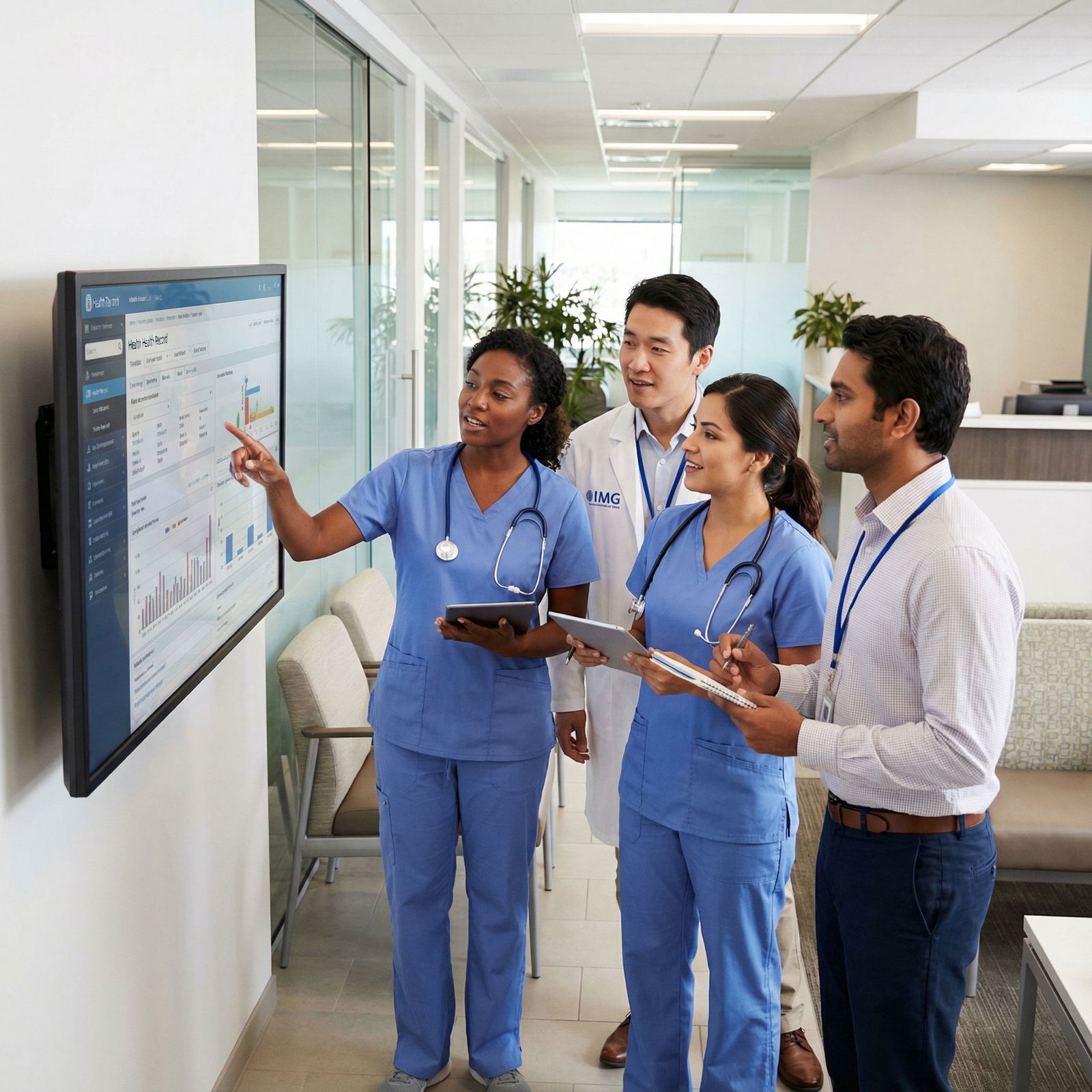
Key Challenges Faced by International Medical Graduates in the US System
The challenges IMGs encounter during Residency Match and early training usually fall into four domains: Medical Licensing, Cultural Adaptation, policy awareness, and Professional Development. Recognizing these challenges early allows you to plan ahead and avoid common pitfalls.
1. Certification, Exams, and State Medical Licensing
The journey from foreign medical school graduate to licensed US physician involves multiple steps:
ECFMG Certification
- Confirms that your medical education meets US standards.
- Requires primary source verification of your diploma and transcripts.
- Requires passing:
- USMLE Step 1 – basic sciences and application to clinical scenarios.
- USMLE Step 2 CK – clinical knowledge and decision-making.
Without ECFMG certification, you cannot start an ACGME-accredited residency. Planning your exam timing in relation to Match deadlines is critical.
Residency Training and the Match
- Applications are submitted through ERAS (Electronic Residency Application Service).
- Program selection is processed via the NRMP (National Resident Matching Program).
- Competition is intense, especially in specialties like dermatology, plastic surgery, and radiology.
- Many IMGs match successfully in internal medicine, family medicine, pediatrics, psychiatry, neurology, and some surgical specialties—but only with careful planning.
Your profile is evaluated holistically:
- USMLE attempts and scores
- Recency of graduation (YOG)
- US clinical experience (observerships, externships, electives)
- Research, publications, and quality of letters of recommendation (LORs)
- Evidence of professionalism and cultural fit
State Medical Licensing
- After or near the end of residency, you will apply for a state medical license. Requirements differ by state and may include:
- Completion of 1–3 years of ACGME-accredited training
- Passing Step 3
- Background checks and documentation of training, exams, and ECFMG certification
- Planning which state you may want to practice in can influence residency program choices.
2. Cultural Adaptation and Communication in the US Healthcare Context
Cultural Adaptation is one of the most underestimated challenges for IMGs, yet it is central to patient safety, teamwork, and evaluations.
Patient-Centered Communication
US medicine strongly emphasizes:
- Shared decision-making
- Informed consent and respect for autonomy
- Nonjudgmental discussion of sensitive topics (sexual health, substance use, mental health)
- The use of plain language and avoiding medical jargon
Examples of adaptation:
- Instead of giving direct orders, clinicians often frame recommendations as collaborative:
- “Let’s talk about the options and decide together what makes the most sense for you.”
- Physicians are expected to explore the patient’s values and preferences:
- “What matters most to you as we think about treatment?”
Diversity, Equity, and Social Determinants of Health
Residents are expected to:
- Recognize how race, ethnicity, language, immigration status, income, housing, and education affect health.
- Use interpreters appropriately (not family members) for Limited English Proficiency (LEP) patients.
- Document and address barriers to follow-up, such as transportation or cost of medications.
Being conversant in these topics allows you to answer interview questions like, “Tell me about a time you cared for a patient from a different cultural background,” with concrete, relevant examples.
Interprofessional and Hierarchical Culture
The US clinical environment has:
- Clear but relatively flat hierarchies compared with some countries. Nurses, pharmacists, and therapists often speak up about patient safety.
- Expectations of closed-loop communication, read-backs for critical information, and respectful disagreement.
As an IMG, learning to:
- Accept feedback without defensiveness
- Advocate for patients while respecting roles
- Document thoroughly and on time
…will help you succeed in residency evaluations.
3. Navigating US Healthcare Policies, Ethics, and Legal Obligations
The legal and policy framework can feel foreign to many IMGs but is essential for safe practice.
Affordability of Care and Insurance Barriers
You must learn to:
- Recognize when prior authorization is needed for medications or imaging.
- Offer cost-conscious alternatives when patients cannot afford ideal therapies.
- Collaborate with social workers and case managers to connect patients to assistance programs.
Discussing real or hypothetical cases in which you balanced optimal care with cost constraints can show maturity in interviews.
Legal Compliance and Patient Privacy
Key areas include:
- HIPAA (Health Insurance Portability and Accountability Act) – governs patient privacy and information sharing.
- EMTALA (Emergency Medical Treatment and Labor Act) – requires EDs to provide emergency care regardless of ability to pay.
- Mandatory reporting (e.g., for suspected child abuse, some communicable diseases, and certain injuries).
Residency programs want to know that you understand:
- You cannot access charts out of curiosity.
- You cannot share patient information casually or on social media.
- Documentation must be accurate and timely because “if it’s not documented, it didn’t happen.”
4. Networking, Mentorship, and Professional Development
Professional Development is particularly critical for IMGs who may lack natural local connections.
Mentorship
- Seek mentors who understand both your specialty interests and the IMG journey.
- Use hospital IMG groups, alumni networks, and professional societies to find them.
Professional Organizations
- Join specialty societies (e.g., ACP, AAFP, APA) and large organizations such as the AMA or ACP.
- Many offer IMG sections, discounted student memberships, and mentorship programs.
- Presenting posters or case reports at national or regional conferences can significantly strengthen your application.
Reputation and Professionalism
- Respond promptly to emails.
- Show reliability in observerships and research roles.
- Be punctual and prepared for all commitments.
For IMGs, every interaction can serve as a reference point—positive or negative—for future opportunities.
Practical Strategies for Success as an IMG Residency Applicant
Transforming understanding into action is what will distinguish you in a crowded applicant pool. The following strategies are especially valuable during the Residency Match and application phase.
1. Leverage Educational Workshops, Courses, and High-Yield Resources
Beyond official exam prep, immerse yourself in US medical education culture.
Online repositories such as:
- MedEdPORTAL – free teaching materials, cases, OSCE scenarios.
- AAMC – resources on professionalism, competencies, and healthcare systems.
Institution-specific resources
- Some universities run IMG “bridging courses,” USMLE prep series, or introductions to US healthcare systems and EHRs.
- Look for webinars from American specialty societies (e.g., “How to Apply for Internal Medicine Residency as an IMG”).
Action step: Create a structured learning plan covering not just Step content, but also US healthcare systems, ethics, and interprofessional care using these resources.
2. Observerships, Externships, and Fellowships: Building Real US Clinical Experience
US clinical experience (USCE) is one of the most valuable assets for your application.
Observerships
- You observe clinical encounters without providing direct patient care.
- Good for understanding:
- Workflow, EHR navigation, and documentation styles
- Communication with patients and families
- Team-based rounding and sign-out practices
Externships / Hands-on Experiences
- Usually reserved for students or recent graduates with appropriate liability coverage.
- Offer chances to:
- Take histories, perform physical exams (under supervision)
- Present patients on rounds
- Participate in note writing, orders (where allowed), and care plans
Research or Clinical Fellowships
- Some institutions offer non-ACGME research positions to IMGs.
- Benefits:
- Publications, abstracts, and posters
- Strong letters of recommendation from US faculty
- Exposure to US academic culture and quality-improvement projects
To maximize impact:
- Prioritize programs that regularly host IMGs and understand visa issues.
- Aim for continuity—months at one institution are more valuable than many short visits at multiple sites.
- Ask for structured feedback to identify gaps in communication or documentation.

3. Using Online Platforms Strategically: Beyond Social Media
Online platforms can be powerful if used intentionally:
LinkedIn
- Build a concise, professional profile showcasing: medical school, exams, research, USCE, languages, and volunteer work.
- Connect with faculty from your observerships, alumni from your school now in US residency, and IMG mentors.
- Share or comment thoughtfully on relevant medical education and healthcare policy posts.
Professional forums and communities
- Student Doctor Network, Reddit (e.g., r/IMGreddit), and specialty-specific forums can provide peer insights.
- Use them for information, but verify advice through official sources.
Personal or academic websites
- Especially useful if you have a substantial research portfolio.
- Can be linked in ERAS (if appropriate) to showcase publications and projects.
4. Strengthening Clinical Skills and Systems-Based Practice
While exam scores open doors, your performance in clinical and systems-based competencies keeps them open.
Clinical skills workshops
- OSCE practice, simulation centers, and communication workshops are increasingly available online or in person.
- Focus not just on diagnosis but also on counseling, delivering bad news, and interprofessional communication.
EHR and documentation
- If possible, familiarize yourself with common US EHRs (Epic, Cerner).
- Learn the basics of US-style SOAP notes, discharge summaries, and consult notes.
- Understand how documentation is linked to billing and quality metrics.
Quality improvement (QI) and patient safety
- Many programs value applicants who understand root cause analysis, PDSA cycles, and error reporting.
- Participation in a QI project during observerships or research positions is a strong talking point.
5. Building a Supportive IMG Network
Emotional resilience and peer support are crucial for navigating setbacks, including exam failures or unmatched cycles.
- Join IMG associations, WhatsApp or Telegram groups focused on specific specialties or geographic regions.
- Share resources such as interview questions, study plans, and visa experiences.
- Collaborate on research or presentations when possible.
A strong IMG network can provide realistic feedback on your profile, help you refine your program list, and offer encouragement when the process feels isolating.
Expanded FAQ: Common Questions from IMG Residency Applicants
1. What is ECFMG certification, and when should I start the process?
ECFMG certification verifies that your international medical degree meets US standards and is mandatory to start ACGME-accredited residency. You should:
- Begin the application and primary source verification of your credentials during or soon after medical school.
- Plan USMLE Step 1 and Step 2 CK so that results are available before ERAS application deadlines.
- Monitor the ECFMG website for any changes in eligibility pathways, especially if you graduated from a school with evolving accreditation status.
2. How competitive is residency for International Medical Graduates, and how can I improve my chances?
Residency spots are competitive, but thousands of IMGs match every year. To strengthen your application:
- Aim for strong USMLE scores and minimize exam attempts.
- Obtain US letters of recommendation from physicians who have observed you in clinical or research settings.
- Accumulate meaningful US clinical experience and, if possible, some research or QI work.
- Demonstrate clear understanding of the US Healthcare System, Cultural Adaptation, and Professional Development in your personal statement and interviews.
3. How can I better adapt to US medical culture and communication expectations?
You can accelerate Cultural Adaptation by:
- Observing and modeling how attendings and residents speak to patients and team members.
- Seeking direct feedback on your communication style during observerships or hands-on experiences.
- Practicing standardized patient encounters or mock OSCEs focused on empathy, shared decision-making, and difficult conversations.
- Learning standard phrases used for informed consent, error disclosure, and safety reporting.
4. Are observerships and research really worth the time and cost for IMGs?
Yes, when chosen strategically. Observerships and research positions provide:
- First-hand exposure to US clinical workflows and documentation.
- Opportunities for strong letters of recommendation from US faculty.
- Talking points for interviews demonstrating your commitment and understanding of US practice.
To maximize value, prioritize structured programs with clear roles, regular feedback, and faculty willing to mentor and advocate for you.
5. What ongoing Professional Development should I pursue once I match into residency?
Residency is only the beginning of your US medical career. For long-term success:
- Continue attending workshops on leadership, teaching, and systems-based practice.
- Get involved in Professional Development offerings from your specialty society (e.g., career coaching, leadership tracks).
- Consider additional training such as chief residency, fellowships, or formal degrees (MPH, MBA, MEd) aligned with your goals.
- Stay informed about evolving policies, payment models, and technology that shape the US Healthcare System.
By deeply understanding the structure, challenges, and expectations of the US healthcare environment—and actively pursuing Medical Licensing steps, Cultural Adaptation, and Professional Development—you position yourself not just to match into residency, but to thrive as a physician who contributes meaningfully to patients, teams, and communities across the United States.