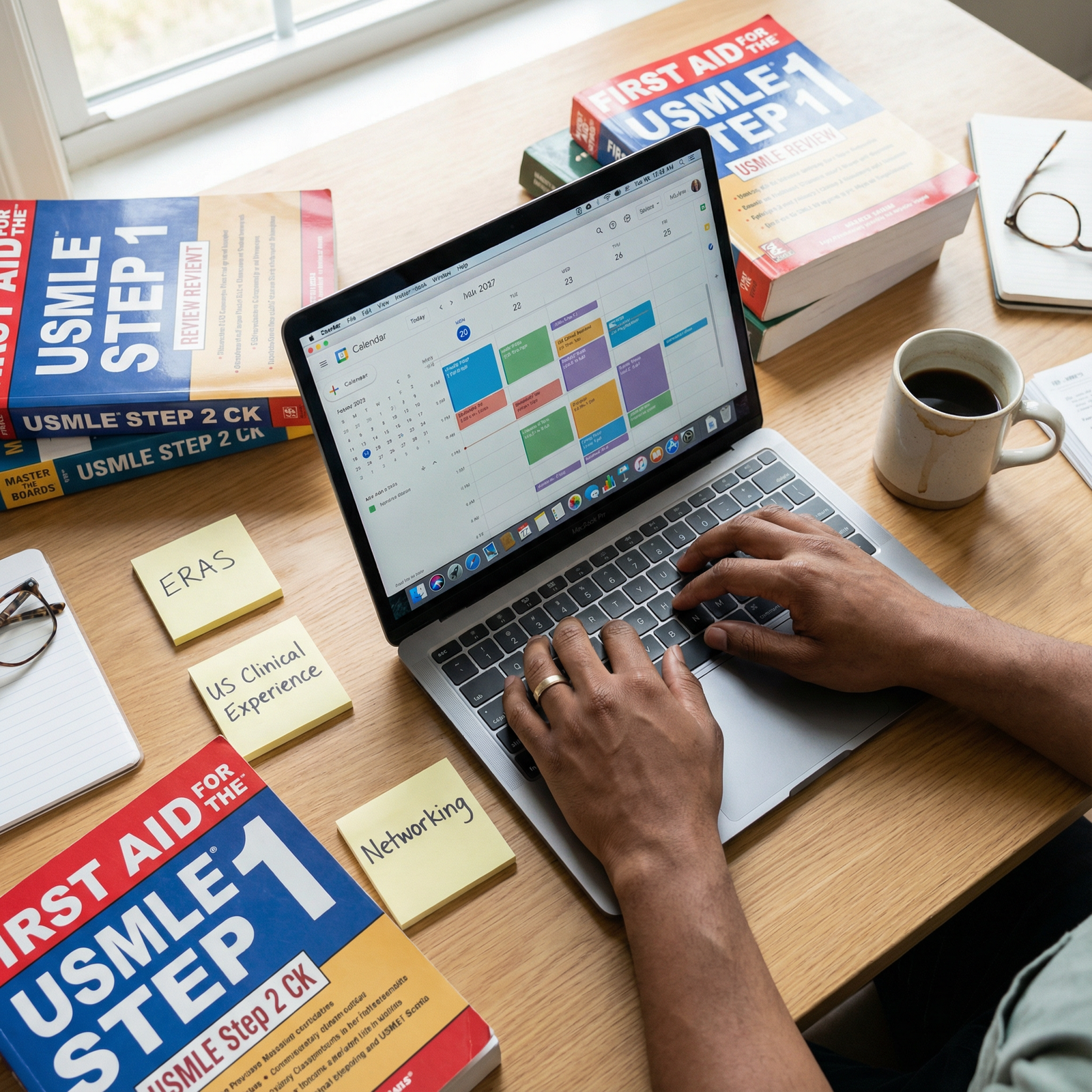
Overcoming Cultural Adaptation Challenges as an IMG Applicant
The journey from International Medical Graduate (IMG) to U.S. resident physician is more than exams, observerships, and applications. It is also a deep process of Cultural Adaptation—learning how to think, communicate, and work effectively in a healthcare system that may be very different from the one in which you trained.
For many IMGs, the technical components of the residency application are clear: USMLE scores, clinical experience, letters of recommendation. What often feels less visible—but is just as crucial for residency match success—is how well you adapt to the culture of U.S. medicine and broader American society.
This article explores the biggest cultural challenges IMGs face during residency applications and early training, and offers concrete, actionable strategies to help you not only adjust, but thrive.
Understanding Cultural Adaptation in U.S. Medical Training
What Is Cultural Adaptation in Medical Education?
Cultural Adaptation is the psychological and behavioral process of adjusting to a new cultural environment. For international medical graduates entering U.S. medical education and residency, it means far more than learning slang or social norms—it is about:
- Understanding how the U.S. healthcare system operates
- Recognizing unspoken expectations in professional behavior
- Adjusting communication styles with patients, colleagues, and supervisors
- Interpreting feedback, hierarchy, and autonomy in new ways
This process affects your daily performance on clinical rotations, how program directors perceive you, and ultimately your competitiveness in the residency match.
Why Cultural Adaptation Matters for IMGs in the Residency Match
Residency programs assess far more than clinical knowledge. They are evaluating whether you can safely, effectively, and smoothly integrate into a U.S. healthcare team. Cultural competence from an IMG perspective directly influences:
Patient Trust and Satisfaction
Understanding patient expectations around autonomy, privacy, shared decision-making, and informed consent is crucial. U.S. patients may:- Expect to be involved in all decisions about their care
- Question or challenge recommendations
- Have diverse cultural and religious beliefs about illness and treatment
Your ability to listen, explain clearly, and respect different values is a key part of Healthcare Communication and can be a major strength as an IMG.
Teamwork and Interprofessional Collaboration
U.S. healthcare is highly team-based. Nurses, pharmacists, social workers, case managers, and physician assistants all contribute to patient care. An IMG who adapts well to this collaborative structure is more likely to:- Be perceived as a strong team player
- Receive positive evaluations from multiple disciplines
- Build strong professional relationships that support career growth
Professionalism and Ethical Practice
U.S. medical ethics strongly emphasize:- Patient autonomy and shared decision-making
- Confidentiality and HIPAA compliance
- Clear documentation and informed consent
Demonstrating understanding of these principles is fundamental for safe practice—and programs expect incoming residents to be aligned with these standards.
Well-Being, Resilience, and Burnout Prevention
Cultural stress is real. IMGs often face isolation, homesickness, and identity conflicts. Poor adaptation can:- Increase anxiety and self-doubt
- Make learning and performance more difficult
- Contribute to burnout and depression
Conversely, proactive cultural adaptation supports your mental health and helps you focus on learning and Professional Development.
Common Cultural Adaptation Challenges for International Medical Graduates
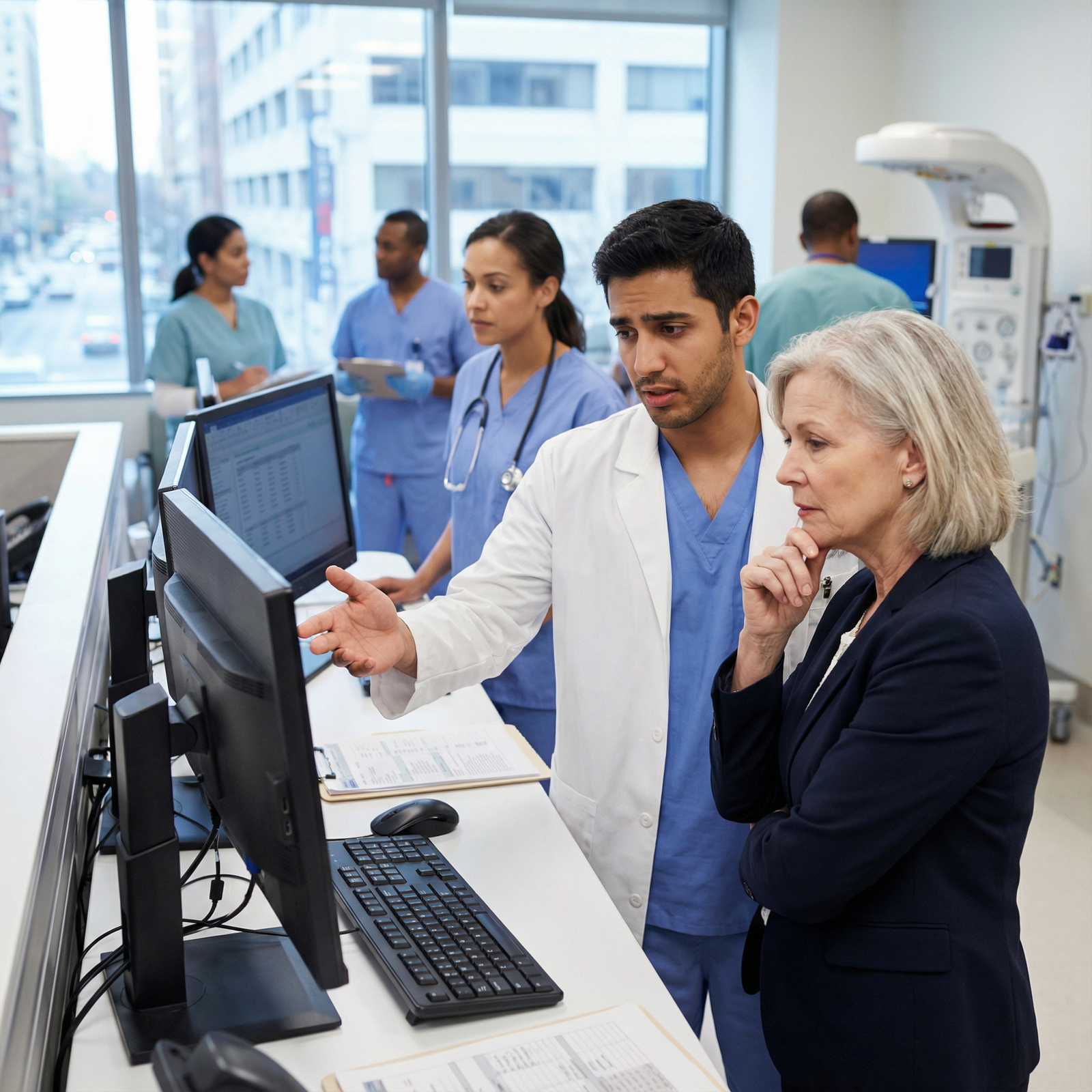
1. Language and Healthcare Communication Barriers
Many international medical graduates are technically fluent in English yet still struggle with:
- Fast-paced clinical conversations with acronyms, idioms, and slang
- Regional accents and different pronunciations
- Subtle communication cues, such as using indirect language to show politeness or avoiding blunt disagreement
- Explaining complex medical concepts to patients with low health literacy
Even minor language barriers can affect:
- How confident program directors feel about your ability to manage patients independently
- How easily team members understand your presentations and notes
- How comfortable patients feel sharing sensitive information with you
2. Differences in Medical Education, Hierarchy, and Practice
The structure of U.S. medical education and residency can be very different from many IMGs’ training environments:
- Teaching style: More case-based, interactive, and focused on critical thinking rather than pure memorization
- Assessment: Continuous evaluation through direct observation, workplace-based assessments, and narrative feedback
- Hierarchy: While hierarchy exists, U.S. systems often expect more open communication and questions from trainees
- Autonomy: Residents may be granted structured autonomy early, with close supervision—but are expected to voice concerns when uncomfortable
If you come from a system where hierarchy is strict and questioning seniors is discouraged, you may initially:
- Hesitate to ask for clarification or help
- Avoid speaking up in rounds or case conferences
- Misinterpret direct feedback as disrespect or personal criticism
3. Social Integration and Professional Networking
Building a social and professional network can be one of the hardest parts of Cultural Adaptation:
- You may feel like an outsider among U.S. graduates who already know each other
- Social references (movies, sports, humor, idioms) may be unfamiliar
- You might be unsure how informal or formal to be with attendings, program directors, or nursing staff
Yet, networking and informal interactions greatly influence:
- Letters of recommendation quality
- Advocacy from faculty during rank meetings
- Access to research, observerships, or elective opportunities
4. Understanding the U.S. Healthcare System
The U.S. healthcare system is complex and often very different from IMG home countries:
- Insurance types (Medicare, Medicaid, private plans, uninsured)
- The role of primary care and referrals
- Electronic health records and extensive documentation requirements
- Legal and regulatory frameworks (HIPAA, mandatory reporting, billing and coding considerations)
Not understanding these systems can make you appear less prepared, even if your medical knowledge is strong.
5. Professionalism, Boundaries, and Interpersonal Conduct
Norms around professionalism can vary significantly between cultures. In the U.S., expectations include:
- Punctuality: Being on time is a sign of respect and reliability
- Boundaries: Maintaining appropriate professional distance with patients and colleagues
- Communication style: Being clear, concise, and respectful—even when disagreeing
- Appearance and demeanor: Professional dress, good hygiene, and calm body language
You may come from a culture where:
- Calling seniors by their first names is considered disrespectful—or the opposite
- Physical gestures (like touching a patient’s shoulder) are interpreted differently
- Gift-giving by patients is common and seen as a sign of gratitude
Understanding U.S. norms in these areas is crucial for avoiding misunderstandings and negative evaluations.
Practical Strategies for Effective Cultural Adaptation as an IMG
1. Strengthen Medical English and Clinical Communication
Improving your Healthcare Communication skills is one of the highest-yield investments you can make.
Actionable strategies:
Enroll in Medical English or Communication Courses
Look for:- University-based programs for healthcare professionals
- Online courses focusing on clinical communication, patient interviews, and presentations
- IMG-focused language programs that include OSCE-style practice
Practice Clinical Scenarios in English
- Role-play patient interviews with friends or peers
- Record yourself giving oral case presentations, then critique clarity and organization
- Practice SBAR (Situation, Background, Assessment, Recommendation) for handoffs
Use Language Exchange and Conversation Platforms
- Partner with native English speakers interested in your language
- Focus on real clinical phrases, patient education language, and small talk
Learn Common Phrases and Idioms in Healthcare Settings
Examples:- “Let’s circle back to this later.”
- “Can you walk me through your thought process?”
- “What matters most to you about your treatment?”
These subtle expressions make you sound more natural and help you understand attendings and patients more easily.
2. Seek Mentorship, Coaching, and Peer Support
Having guides who understand both your background and the U.S. system is invaluable.
How to build a supportive network:
Find a Mentor Familiar with IMG Challenges
- Look for IMGs who are now residents, fellows, or attendings
- Ask them about their own Cultural Adaptation journey: what surprised them, what they wish they had known
- Request specific feedback on your communication, presentations, and professional demeanor
Engage in IMG-Focused Organizations and Groups
- National IMG associations
- Specialty-specific IMG interest groups
- Hospital or university-based IMG support communities
Create Peer Study and Support Groups
- Practice mock interviews and case presentations together
- Share experiences about cultural challenges and solutions
- Debrief uncomfortable situations to understand cultural nuances
Mentors and peers can help you interpret unwritten rules, decode feedback, and navigate the hidden curriculum of U.S. medical education.
3. Build Cultural Competence and Self-Awareness
Cultural Adaptation is not about abandoning your identity; it is about adding new skills and perspectives.
Concrete steps:
Attend Cultural Competence and Diversity Workshops
Many institutions offer training on:- Caring for diverse populations
- Implicit bias and health disparities
- Communication with patients from different cultural and linguistic backgrounds
Use Online Courses and Resources
- Platforms like Coursera, edX, or FutureLearn often have courses on cultural competence in healthcare
- Professional organizations (AMA, specialty societies) provide modules focused on communication with diverse patients
Reflect on Your Own Cultural Assumptions
Ask yourself:- How does my culture view hierarchy, authority, and questioning seniors?
- How are emotions expressed—or suppressed—in my culture?
- What assumptions do I make about patients and families?
This self-awareness makes it easier to recognize when your default behaviors might clash with U.S. norms.
4. Learn the U.S. Healthcare System from the Inside
Understanding how the system works will make you more confident and more impressive to program directors.
Effective approaches:
Read Structured Overviews of the U.S. Healthcare System
Focus on:- Types of insurance and implications for access to care
- Differences between outpatient, inpatient, emergency, and long-term care
- Roles of various healthcare professionals
Engage in Observerships, Externships, or Volunteer Roles
- Observe how residents interact with nurses, pharmacists, and case managers
- Pay attention to how attendings conduct family meetings and informed consent discussions
- Notice how documentation is structured in the electronic medical record
Ask Intentional Questions During Clinical Experiences
Examples:- “How would this be documented for billing purposes?”
- “What would be the next step if the patient had no insurance?”
- “Who else is routinely involved in managing this condition?”
This shows curiosity, professionalism, and a commitment to understanding the broader system.
5. Adopt a Growth Mindset and Structured Reflection
Cultural Adaptation is not a one-time task; it is an ongoing process throughout your Professional Development.
Practical techniques:
Reframe Mistakes as Learning Opportunities
- Instead of thinking, “I embarrassed myself,” ask, “What did I learn about this culture or system?”
- Keep a small notebook or digital file of cultural lessons you observe
Use a Simple Reflection Framework
After challenging interactions, ask:- What happened?
- How did I interpret it?
- How might a U.S. colleague interpret it differently?
- What will I do differently next time?
Seek Specific, Behavior-Based Feedback
Instead of asking, “How am I doing?” ask:- “How can I improve my patient presentations?”
- “Is there anything in my communication style that I should adjust?”
Active, targeted feedback helps you adapt faster and shows your commitment to growth.
6. Engage with Communities—Inside and Outside Medicine
You are not only adapting to the culture of medicine, but also to American society.
Suggestions:
Join Cultural, Religious, or Regional Communities
- These spaces provide emotional support, familiarity, and a sense of belonging
- They can help buffer stress while you adapt professionally
Participate in Community Health or Outreach Programs
- Health fairs, free clinics, vaccination drives
- You learn about local health beliefs, barriers, and social determinants of health
- These experiences are valuable to discuss in residency interviews, demonstrating both service and Cultural Adaptation
Real-World Examples of Successful Cultural Adaptation
Case Study 1: Mary, IMG from India – Building Confidence in Communication
Mary, an international medical graduate from India, initially struggled with:
- Fast-paced clinical discussions on her observership
- Understanding idiomatic expressions used by residents
- Knowing how informal she could be with attendings
What she did:
- Enrolled in a Medical English and U.S. Healthcare Communication course
- Scheduled weekly conversation practice with a native English-speaking volunteer
- Volunteered at local community health events, conducting blood pressure checks and brief counseling
Outcome:
- Her patient interactions became more natural; she learned to use understandable language instead of textbook phrasing
- Feedback from supervisors shifted from “quiet and reserved” to “clear, empathetic communicator”
- She felt more comfortable engaging in small talk and building rapport with teams—skills she later showcased during residency interviews
Case Study 2: John, IMG from Nigeria – Navigating the U.S. Healthcare System
John, an IMG from Nigeria, was overwhelmed by:
- Insurance considerations affecting patient care
- Documentation complexity and legal aspects
- The idea of questioning an attending’s plan when he had concerns
What he did:
- Found a mentor—an attending physician who had also been an IMG
- Completed an observership where he shadowed residents in both inpatient and outpatient settings
- Read structured guides about the U.S. healthcare system and discussed them with his mentor
Outcome:
- He gained a practical understanding of workflow, communication, and documentation standards
- He learned how to respectfully raise concerns (“I’m wondering if we should also consider…”)
- His mentor wrote a strong letter describing not only his clinical knowledge but also his impressive Cultural Adaptation and teamwork—critical factors in his successful residency match

Putting It All Together: Cultural Adaptation as a Core Residency Skill
For international medical graduates, Cultural Adaptation is not a side issue—it is central to your success in the residency match and beyond. When residency programs review applicants, they are asking:
- Can this person communicate clearly and compassionately with our patients?
- Will they function smoothly within our healthcare teams?
- Do they understand and respect U.S. standards of professionalism and ethics?
- Are they resilient and adaptable in a demanding environment?
By intentionally working on language skills, seeking mentorship, understanding the healthcare system, building cultural competence, and engaging with both medical and local communities, you position yourself as a strong, mature, and adaptable candidate.
You bring unique strengths as an IMG—global perspectives, multilingual abilities, exposure to different healthcare systems, and resilience. Cultural Adaptation allows you to integrate these strengths into U.S. Medical Education and practice in a way that benefits you, your colleagues, and your patients.
Frequently Asked Questions (FAQ)
Q1: How early should I start working on Cultural Adaptation as an IMG applicant?
Start as early as possible—ideally while you are preparing for USMLE or planning clinical experiences in the U.S. Cultural Adaptation takes time, and skills like Healthcare Communication, understanding the U.S. healthcare system, and networking are best developed gradually. Early exposure (through online courses, virtual observerships, or networking with current residents) can significantly smooth your transition.
Q2: What are the most important communication skills residency programs look for in IMGs?
Programs prioritize:
- Clear, structured oral case presentations
- Ability to explain diagnoses and plans in simple language to patients
- Professional, respectful tone with all team members
- Openness to feedback and willingness to clarify misunderstandings
Demonstrating these skills during observerships, externships, and interviews strongly supports your residency application.
Q3: Can I still be competitive for residency if I struggle with accents or fast speech?
Yes—if you show continuous improvement and use effective strategies. Many IMGs initially struggle with accents and speed. What matters is:
- Your willingness to ask for clarification when needed
- Your effort to practice and refine listening and speaking skills
- How well you communicate clearly in critical clinical moments
Programs value growth, self-awareness, and safety: asking “Could you please repeat that?” is seen as responsible, not weak.
Q4: How can I demonstrate Cultural Adaptation in my personal statement or interviews?
You can showcase it by:
- Describing specific experiences where you adapted to new systems or cultures
- Highlighting lessons learned from working with diverse patients
- Explaining how you sought feedback and changed your approach over time
- Discussing community involvement, volunteer work, or cross-cultural experiences
Concrete examples are much stronger than general statements like “I am adaptable” or “I value diversity.”
Q5: What should I do if I experience cultural misunderstandings or bias during training?
First, ensure your safety and emotional well-being. Then consider:
- Discussing the situation with a trusted mentor, faculty member, or resident
- Using institutional resources (e.g., GME office, diversity and inclusion office, ombudsman) if needed
- Reflecting on what was cultural misunderstanding versus possible bias or discrimination
You have the right to be treated with respect. Seeking guidance from supportive individuals can help you respond professionally and protect your well-being while continuing your Professional Development.
By approaching Cultural Adaptation intentionally—just as you approach exam preparation—you transform a major challenge into one of your greatest strengths as an international medical graduate in the U.S. residency landscape.