
Most physicians who “start telehealth” are not building a brand. They are spinning up an expensive Zoom account with malpractice. That is not a business.
You are post‑residency, staring at a job market that feels increasingly commoditized. RVU hamster wheel on one side, corporate telehealth mills on the other. You want something different: a specialty‑specific telehealth brand that is yours, differentiated, and actually viable.
Let me break this down very specifically. Not “start a telemedicine practice” fluff. A framework for launching a specialty‑specific telehealth brand that can survive regulatory scrutiny, payer skepticism, and real‑world patient expectations.
1. Pick a Narrow, Defensible Niche (Not “Virtual Everything”)
If your idea is “I’ll do telehealth internal medicine for everyone,” you have already lost. The word you used in your prompt matters: specialty‑specific.
You need a clinical niche where telehealth is not just possible, but clearly superior or dramatically more convenient than the status quo.
Think like this:
- What problem do I see in my specialty that is high‑frequency, high‑friction, and poorly served?
- Can 80%+ of encounters be safely done virtually with clear protocols?
- Can I define exactly who this is for in one sentence?
Concrete examples that actually work in 2025:
- Dermatology: “Same‑week virtual acne clinic for adults 20–40 with moderate to severe acne, Rx management + asynchronous photo review.”
- Endocrinology: “Telehealth titration program for newly diagnosed type 2 diabetes, focused on GLP‑1 initiation, titration, and lifestyle support.”
- Psychiatry: “Virtual ADHD clinic for adults 18–45 with stable comorbid depression/anxiety, structured assessments, and meds management.”
- Rheumatology: “Tele‑Rheum for established RA patients in rural counties, focused on follow‑up, med monitoring, and flare plans.”
- GI: “Virtual IBS program with standardized workup, low‑FODMAP coaching, and symptom tracking.”
Notice what these are not: they are not “general tele‑psych,” “virtual derm for everyone,” or “online internal medicine.”
You want:
- Defined condition set
- Defined age band or life stage
- Defined geography (at least per license)
- Defined service boundaries (what you do and what you do not do)
Write it out as a brand sentence:
“[Brand] is a virtual [specialty] clinic for [specific patient profile] with [specific problems], providing [core services] in [geography].”
If you cannot do that without sounding vague, you are not niche enough.
2. Decide Your Core Clinical Model: Synchronous, Asynchronous, or Hybrid
Telehealth is not one thing. You must pick your operational “lane” first, then layer technology and branding on top.
There are three main models:
- Synchronous video visits (live visits, scheduled)
- Asynchronous care (store‑and‑forward, messaging, structured questionnaires)
- Hybrid (e.g., async intake + brief synchronous for decision points)
For most specialty‑specific brands, hybrid wins. Why?
Because:
- You can scale the front‑end with structured data capture (forms, photos).
- You reduce wasted synchronous time on basic triage.
- You can formalize clinical pathways and turn them into assets (your “secret sauce”).
Example model for a specialty ADHD tele‑clinic:
- New patient: async intake (validated screening tools, collateral questionnaires) → 45‑minute video evaluation.
- Follow‑ups: mostly 15‑minute video with in‑between async check‑ins and refill workflows.
- Protocolized messaging workflows for side effects, dose changes, and adherence.
Example model for a virtual acne clinic:
- New patient: async visit with photo upload, ROS, acne history, med history → derm review → plan sent via portal.
- Only certain cases escalate to synchronous video for counseling or diagnostic uncertainty.
- Follow‑ups: mostly async with periodic video check‑ins for nonresponders.
Design this before you touch a web designer or EHR demo. Your tech stack will follow this model, not the other way around.
3. Regulatory and Legal: Build on Solid Ground, Not Vague Hope
This is where many bright, ambitious physicians get sloppy because they assume “I am a doctor; I am fine.” No. Regulators do not care that you trained at Hopkins.
You need to formalize at least these domains:
3.1 Licensure and Geography Strategy
Telehealth is still location‑bound by licensure. Your brand is virtual; your legal risk is not.
You must know:
- Where are your target patients physically located?
- Which states will you actually serve in Year 1?
- What compact options exist? (e.g., IMLC for many specialties, PSYPACT for psychology, licensure compacts for nursing, etc.)
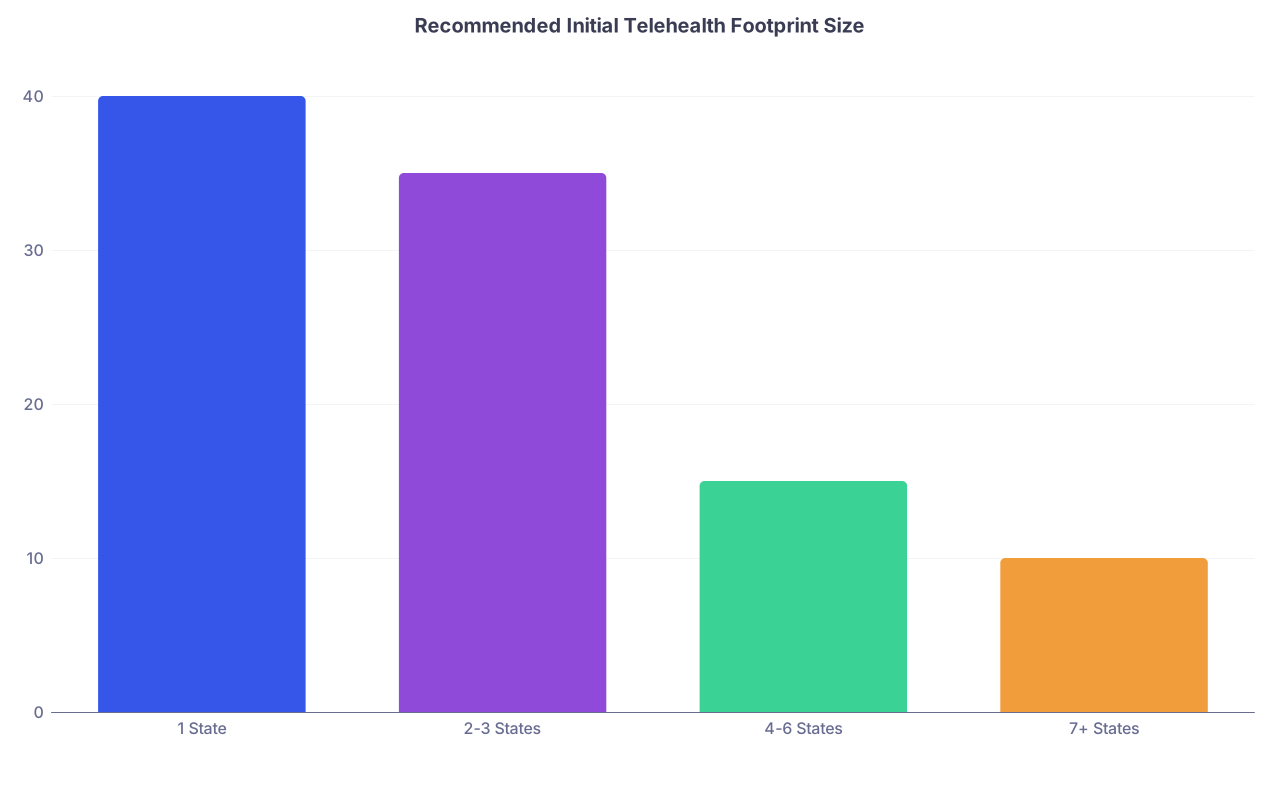
Do not scatter‑shot licenses unless your model justifies them. A tightly branded “Texas GLP‑1 tele‑clinic” is better than a vague “multi‑state endocrine telehealth” with no density anywhere.
| Category | Value |
|---|---|
| 1 State | 40 |
| 2-3 States | 35 |
| 4-6 States | 15 |
| 7+ States | 10 |
My usual advice: start with 1–3 states where:
- You already have a license or can obtain one via compact.
- There is real demand and poor access (rural, few subspecialists).
- Malpractice premiums are tolerable.
3.2 Telehealth Rules That Actually Matter
You cannot hand‑wave these. Your malpractice carrier certainly will not.
You need to be explicit about:
- Establishing the physician‑patient relationship via telehealth in your states.
- Permissible prescribing via telemedicine (especially controlled substances under Ryan Haight and post‑COVID flex rules).
- Any state‑specific informed consent requirements for telemedicine.
- Whether you are doing urgent care vs continuity. Regulators will judge your protocols differently.
For controlled substances (ADHD, certain pain, psych, etc.), you need a crisp answer to:
- Will I require at least one in‑person visit? If so, how and where?
- Am I going to partner with local clinics for hybrid assessments?
- How will I document evaluation, monitoring, and PDMP checks?
If your model touches Schedule II or IV medications, get a healthcare attorney who has actually set up tele‑psych clinics. Not your cousin who does real estate law.
3.3 Corporate Structure and Risk Containment
You are building a brand, which means entity structure matters.
A simple pattern I have seen work:
- Professional corporation or PLLC for the clinical practice in each state as required.
- A separate management services organization (MSO) for branding, non‑clinical staff, marketing, and technology.
- Contracts (MSA) between the MSO and your practice entity.
This gives you:
- Clean separation of clinical vs non‑clinical activities.
- A container for non‑physician co‑founders or investors without violating corporate practice of medicine laws.
- A future‑proof structure if you want to bring in more clinicians or expand to more states.
Is it overkill for a solo doc seeing 10 patients a week? Maybe. But you are not launching a hobby; you are building an asset.
4. Reimbursement Model: Decide How You Actually Get Paid
Most telehealth “startups” die not from lack of patients but from a complete mismatch between their revenue model and their patient population.
You have four broad options (you can mix, but you must pick a dominant strategy):
- Cash‑pay, fee‑for‑service
- Cash‑pay, subscription / program based
- Insurance‑based (in‑network)
- Hybrid (limited insurance + cash elements)
Let’s be blunt.
- If you are in a high‑demand niche with motivated patients (ADHD, weight loss, acne, fertility), cash models are very workable.
- If you are in bread‑and‑butter chronic disease management (diabetes, CHF, COPD), insurance or value‑based partnerships will matter.
- If you plan to serve Medicaid or low‑income populations, cash‑only is a non‑starter; design for payers from day one.
| Model | Pros | Cons |
|---|---|---|
| Cash FFS | Simple, fast to launch | Price sensitivity, no scale |
| Cash Subscription/Program | Predictable revenue, engagement | Requires strong retention |
| Insurance In‑Network | Larger pool, trust | Credentialing, admin burden |
| Hybrid | Flexibility | Operational complexity |
My bias for most post‑residency founders in specialty niches:
Start with cash FFS or cash program in one or two states, nail your clinical and operational model, prove outcomes and patient satisfaction, then selectively add payer relationships where they make business sense.
Example: A tele‑endocrine GLP‑1 program might do:
- Initial consultation: cash
- Ongoing visits and labs: insurance where in‑network, cash where not
- Add employer contracts later for bundled per‑member‑per‑month chronic care programs.
5. Tech Stack: Stop Overbuilding, Start with the Minimum Viable System
This is where people love to waste money. Fancy multi‑tenant platforms, custom apps, full‑stack builds. You do not need that to see your first 200 patients.
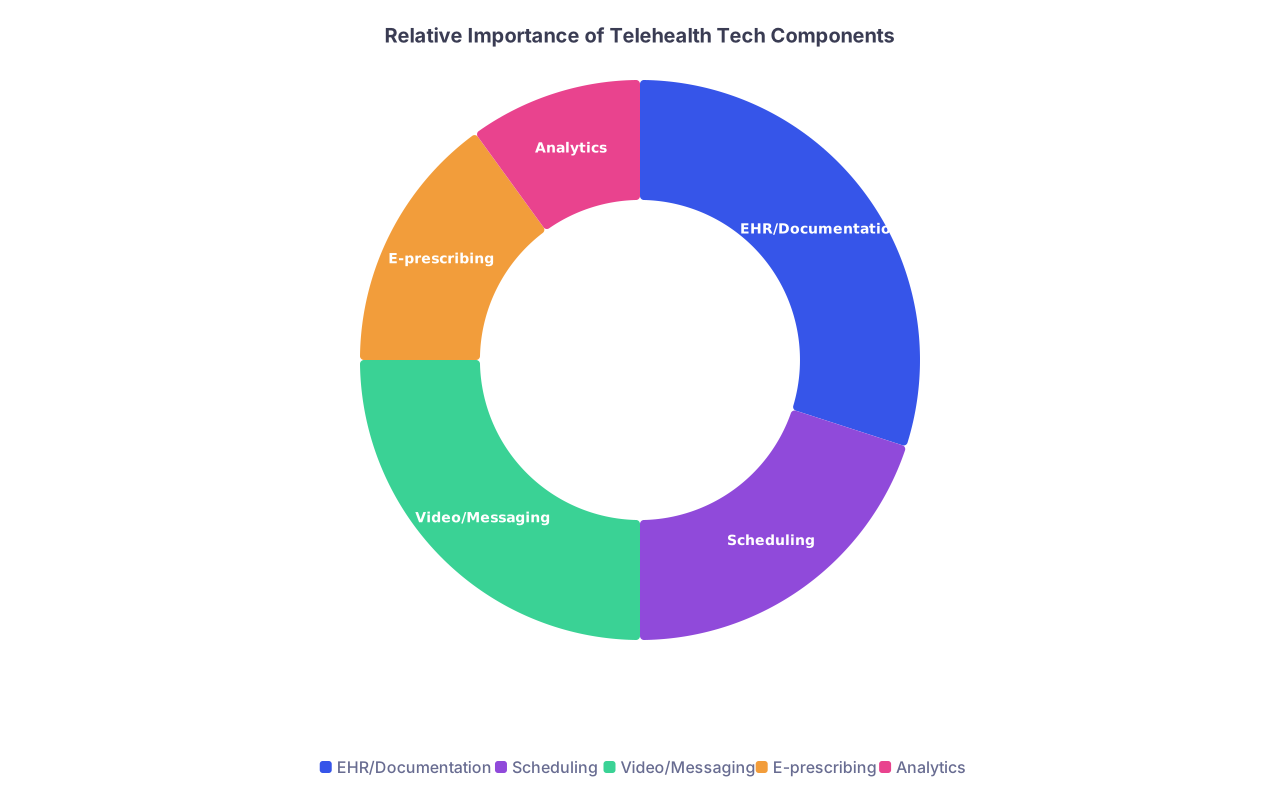
Your stack must support:
- Scheduling
- Video (if synchronous)
- Secure messaging / async intake
- E‑prescribing
- Documentation and billing
- Patient intake forms and outcome tracking
- Basic analytics (volume, show rate, conversion)
| Category | Value |
|---|---|
| EHR/Documentation | 30 |
| Scheduling | 20 |
| Video/Messaging | 25 |
| E-prescribing | 15 |
| Analytics | 10 |
The options:
- All‑in‑one telehealth EHR (e.g., for psych, derm, small specialties)
- General EHR + telehealth add‑ons
- Modular stack (EHR + separate scheduling + separate telehealth video/messaging)
For a focused, specialty‑specific brand where you want clean UX and tight workflows, I generally prefer:
- Niche or lightweight EHR that is telehealth‑friendly and does e‑prescribing.
- A patient‑facing portal or app (off‑the‑shelf) with good UX for async intake and messaging.
- Embedded video from a HIPAA‑compliant provider if needed.
Do not build custom software until:
- You have at least several hundred patients.
- You know exactly what workflows your off‑the‑shelf stack fails at.
- You can articulate, in sentences, the 3–4 custom features that would meaningfully differentiate your care model.
You are not building Epic. You are proving a brand and a clinical model.
6. Clinical Pathways: Turn Your Expertise into Repeatable Systems
Your specialty‑specific edge is not that you “care more” or “provide personalized care.” Every website says that. Your real edge is having codified care pathways that normal clinics do poorly or haphazardly.
You need explicit, written clinical protocols for at least:
- New patient evaluation structure (what is always done, what is optional)
- Risk stratification rules (who is appropriate for pure telehealth vs needs in‑person)
- Follow‑up cadence by risk category
- Medication protocols (start, titrate, monitor, when to stop, when to refer)
- Red flag escalation rules and ED criteria
- Lab/imaging policies and coordination with local facilities
These do three things:
- Make care safe.
- Make care scalable (you can add NPs/PAs, other physicians).
- Become intellectual property. Your “playbook.”

| Step | Description |
|---|---|
| Step 1 | Online Intake Form |
| Step 2 | Initial Triage Review |
| Step 3 | Refer Local In Person |
| Step 4 | New Patient Visit |
| Step 5 | Risk Stratification |
| Step 6 | Standard Follow Up Path |
| Step 7 | High Risk Follow Up Path |
| Step 8 | Routine Labs and Check In |
| Step 9 | Short Interval Visits |
| Step 10 | Escalate or Stabilize |
| Step 11 | Return to Standard Path |
| Step 12 | Meets Tele Criteria |
If you cannot show a skeptical payer or employer a simple flow like this with associated protocols, you are not a serious clinical brand. You are just “a doc on video.”
7. Brand Positioning: You Are Not a Telehealth Commodity
Now we talk about brand. This has nothing to do with logos and everything to do with positioning.
Ask yourself:
- Why does this brand exist?
- Why this condition set, this patient type, this geography?
- What do we believe about how this condition should be managed that is different from usual care?
For a specialty‑specific telehealth brand, your positioning typically leans on one or more of:
- Access: “Wait times for [specialty] are 4–6 months; we see you within 7 days.”
- Consistency: “You are seen by subspecialists who only manage [condition].”
- Structure: “We follow a clear, evidence‑based program, not random 10‑minute refills.”
- Data: “We track outcomes, not just visits.”
Take an example: a virtual IBS program.
Weak brand:
“Telehealth GI clinic for IBS patients. We offer video visits and medication management.”
Strong brand:
“We are a virtual IBS‑only clinic for adults 20–50 who have been dismissed or rushed by general GI. Our 16‑week program combines structured workup, a standardized low‑FODMAP protocol, and close symptom tracking so you finally know what works and what does not.”
See the difference? One is a commodity; the other is a program with an opinion.
8. Patient Acquisition: The Brutal Reality of Getting Your First 100 Patients
If you build it, they will not come. You are competing with VC‑backed telehealth platforms throwing seven‑figure budgets at Google.
You need a ground game that is realistic for a physician‑founder.
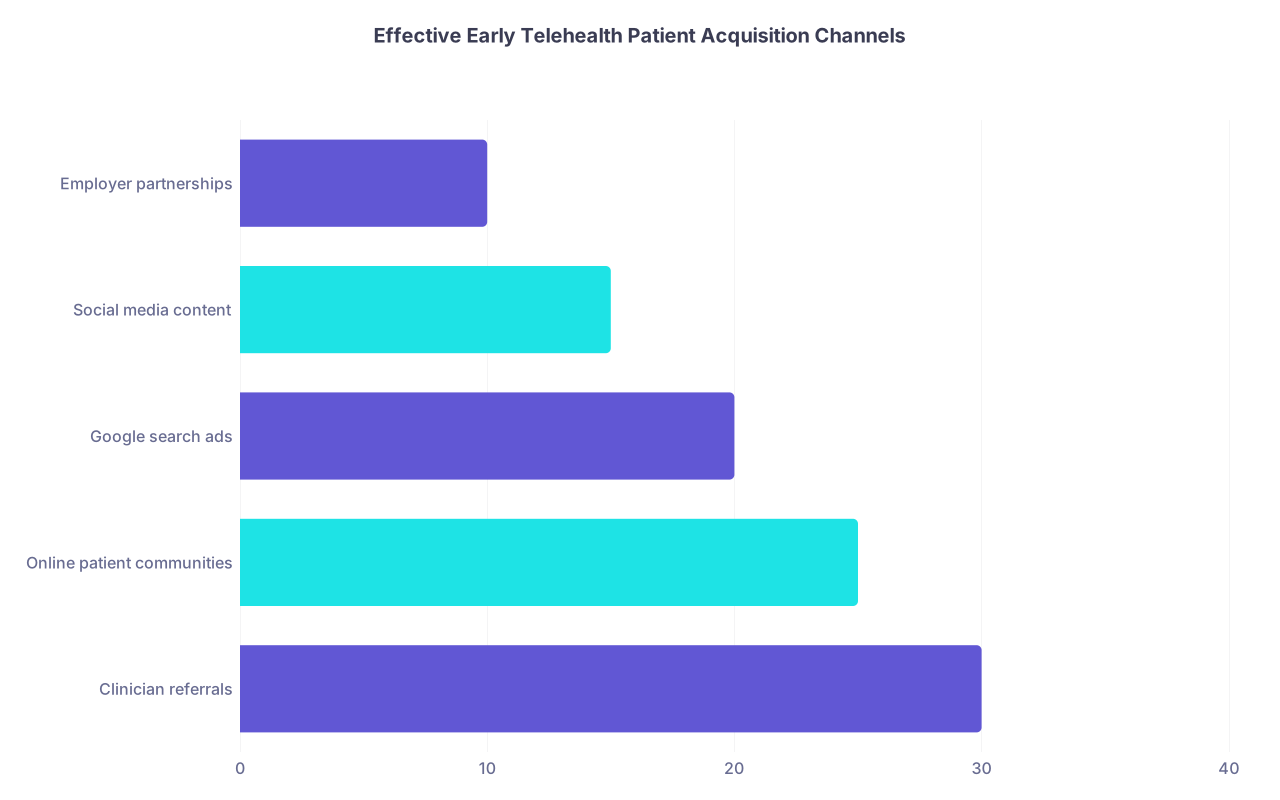
Four primary acquisition channels that actually work at small scale:
- Clinician referrals: PCPs or generalists stuck with long specialty wait lists.
- Targeted patient communities: Facebook groups, Reddit subs, condition‑specific forums.
- Search for high‑intent queries: Patients literally Googling “[condition] online doctor [state].”
- Employers or small self‑funded plans: For chronic disease or high‑cost categories.
| Category | Value |
|---|---|
| Clinician referrals | 30 |
| Online patient communities | 25 |
| Google search ads | 20 |
| Social media content | 15 |
| Employer partnerships | 10 |
Let me be concrete.
If you are launching a virtual acne clinic in Texas:
- Make a list of 50–100 primary care and pediatric clinics within your licensed states that do not have easy derm access. Send a one‑page PDF with clear referral criteria and a human cell phone number.
- Join 3–5 large acne‑related online communities. Do not spam. Offer actual value. Share case patterns, FAQs, and when tele‑derm works well (and when it does not).
- Run tightly targeted Google ads for “acne online doctor Texas,” cap your budget, refine relentlessly.
- Ask your own patients who are doing well to leave honest public reviews and tell friends with similar issues.
For an ADHD tele‑psych brand:
- Network with therapists who cannot prescribe but see tons of undiagnosed or undertreated ADHD. Offer fast access and structured collaboration.
- Publish 3–5 high‑quality articles on adult ADHD in professionals, women, etc. These will rank over months and years, but only if they are actually good.
- Consider paid search initially; social media for brand building, not pure acquisition.
You are post‑residency. You know how to grind. Apply that to direct outreach and relationship building, not just refreshing your website analytics.
9. Operations and Metrics: Run This Like a Real Business, Not a Side Gig
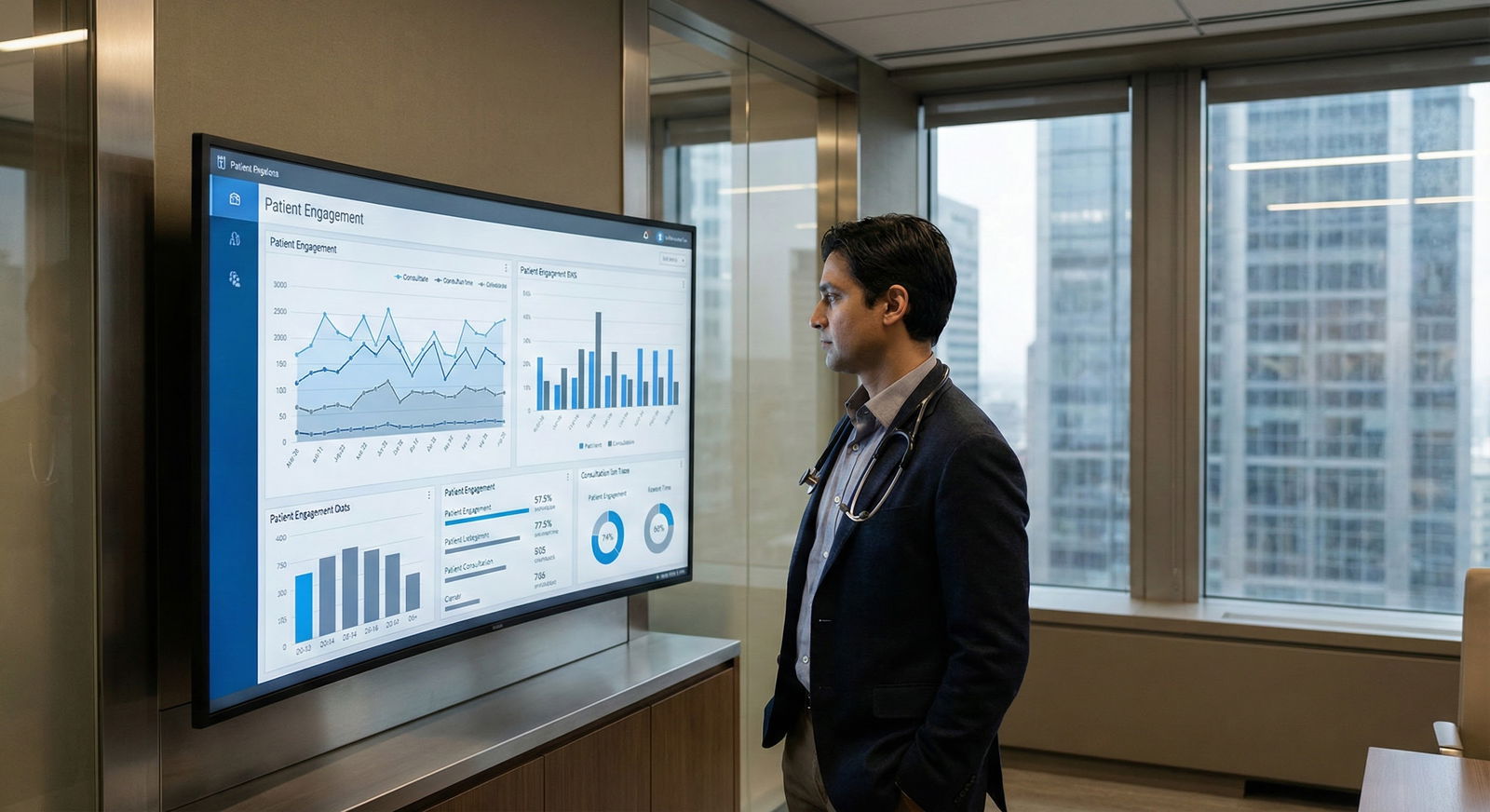
If you want a durable brand, you must track what matters.
Operational metrics you should monitor monthly:
- New patient inquiries
- Conversion rate (inquiry → scheduled → completed)
- No‑show rate
- Average time to first appointment
- Visit mix (new vs follow‑up, async vs synchronous)
- Average revenue per patient over 3–6 months
Clinical/program metrics (relevant to your specialty):
- Standardized symptom scores (PHQ‑9, GAD‑7, ADHD scales, acne severity, A1c, etc.)
- Medication adherence rates
- Lab completion rates
- Hospitalizations or ED visits (for chronic disease programs)
- Program completion / dropout rates (for structured programs)
You need a simple monthly operations review:
- What is working in acquisition?
- Where are patients dropping off?
- Which workflows are breaking repeatedly?
- Are patients actually getting better?
This does not have to be a 40‑page slide deck. A one‑page metrics summary and 3–5 concrete action items is enough.
10. Hiring and Scaling: Do Not Hire Before You Have a Machine
Do not start with a full clinical team. Earn the right to scale.
The order I usually recommend:
- You as the sole clinician, plus:
- A part‑time admin/virtual assistant for scheduling, basic support.
- Once volume is stable:
- A part‑time nurse or MA for pre‑visit intake, labs coordination, and basic education.
- Only when demand is clearly exceeding your capacity with stable margins:
- A second clinician (NP/PA or physician) trained in your exact protocols.
Your protocols, training materials, and EMR templates should be built as if you plan to bring in others from day one. That way, scaling is an onboarding problem, not a reinvention problem.

If your first instinct is to hire 3 NPs and “figure out the workflows as we go,” you are building a liability, not a brand.
11. Risk Management and Failure Modes: How Telehealth Brands Actually Die
I have watched more than one promising tele‑specialty concept flame out. The patterns are boringly consistent.
The main failure modes:
- Fuzzy niche → you drift into generic telehealth, lose pricing power, and get crushed by big platforms.
- Dirty regulatory setup → you get sideways with state boards or DEA rules and panic‑shut down.
- Weak clinical protocols → an adverse outcome exposes how ad hoc your care really was.
- Customer acquisition fantasy → you assume “people will find us” and run out of money or energy before volume materializes.
- Overbuilding tech → you spend your seed money on custom development and then discover the model is wrong.
Mitigation is straightforward:
- Be brutally narrow at the outset.
- Over‑invest in protocols and legal review early.
- Prove demand manually before you scale or automate.
- Resist complex tech until you are embarrassed by your manual hacks.
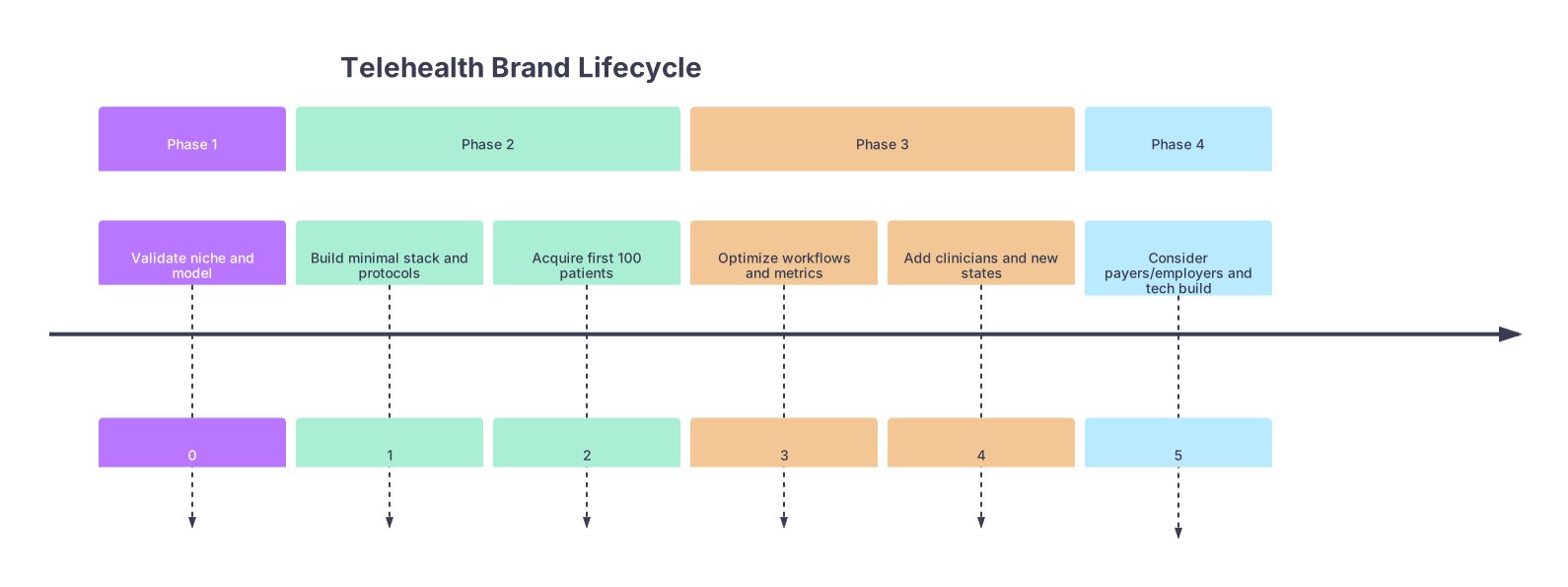
| Period | Event |
|---|---|
| Phase 1 - Validate niche and model | 0 |
| Phase 2 - Build minimal stack and protocols | 1 |
| Phase 2 - Acquire first 100 patients | 2 |
| Phase 3 - Optimize workflows and metrics | 3 |
| Phase 3 - Add clinicians and new states | 4 |
| Phase 4 - Consider payers/employers and tech build | 5 |
You do not need to be perfect. You do need to be deliberate.
12. A Concrete Launch Checklist (First 90 Days)
Let me distill this into something you can actually act on in 3 months.
Week 1–2: Strategy and Regulatory
- Choose a tight clinical niche and write your brand sentence.
- Decide: synchronous, async, or hybrid. Draw the patient journey on paper.
- Pick 1–2 states to launch.
- Engage a healthcare attorney for:
- Entity structure (PC/PLLC + MSO if needed).
- Telehealth, prescribing, and consent rules in your states.
- Apply for any additional licenses if needed.
Week 3–4: Clinical and Tech Foundations
- Draft your initial clinical protocols:
- New patient intake checklist.
- Risk stratification criteria.
- Follow‑up cadence.
- Med or intervention algorithms.
- Red flag and ED criteria.
- Select and configure:
- An EHR with e‑prescribing.
- A telehealth video/messaging solution.
- Online intake forms (could be built‑in or external).
- Set up basic analytics (even a spreadsheet is fine).
Week 5–6: Brand and Web Presence
- Register your brand name and domain.
- Build a simple, clean website with:
- Clear description of who you serve.
- What you do and what you do not do.
- Pricing and availability (if cash‑based).
- FAQ on telehealth safety and appropriateness.
- Create a simple referral PDF for clinics.
Week 7–10: Soft Launch and Manual Acquisition
- Start seeing a small number of patients (friends of friends, local referrals).
- Personally reach out to:
- 30–50 local clinicians.
- 3–5 online patient communities.
- Collect feedback and refine workflows.
- Track your first metrics manually.
Week 11–12: Adjust and Decide
- Review:
- Demand: are people actually signing up?
- Operations: what consistently breaks?
- Clinical: are you comfortable with the safety and quality?
- Decide:
- Where to double down.
- Whether to expand marketing.
- Whether to add another state or hold.

FAQs
1. Should I start in private practice first, then add telehealth, or launch pure telehealth from day one?
If your niche is inherently tele‑friendly (acne, ADHD, IBS, stable rheum follow‑ups), I lean toward a pure or majority‑telehealth model. A small in‑person footprint can help with regulations and controlled substances, but you do not need a full traditional office if your protocols are sound and your states allow tele‑first care. Hybrid is ideal only if your condition set truly needs physical exam or procedures early in care.
2. How much capital do I really need to launch a specialty‑specific telehealth brand?
If you are lean and do not overbuild tech, you can absolutely start in the $15k–$50k range: legal and entity work, initial licenses, EHR/telehealth subscriptions, basic website, initial marketing. If you are trying to build custom software, hire multiple clinicians, and blast paid ads, that number jumps fast. I recommend starting lean, proving model and demand, then raising or investing more.
3. Is it realistic to go in‑network with insurance as a brand‑new telehealth practice?
It is possible but slow and operationally heavy. Credentialing can take 3–6+ months per payer, and some plans are still suspicious of pure‑telehealth specialty practices. For many physician‑founders, it is cleaner to start cash‑based, gather outcome and satisfaction data, and then approach selective payers or employer groups once you can demonstrate clear value. Going all‑in on payer contracts from day one can choke you with admin work.
4. How do I differentiate my telehealth brand from the big VC‑backed platforms?
You cannot out‑spend them; you out‑specialize them. Be narrower. Be more opinionated. Offer structured programs with clear protocols instead of generic 10‑minute visits. Make your documentation, education, and follow‑up obviously deeper and more evidence‑based. And do what the big platforms are terrible at: build real relationships with local clinicians, therapists, and patient communities who see you as a trusted subspecialty partner, not a volume machine.
5. What is the biggest mistake physicians make when launching a telehealth startup after residency?
They confuse “having a medical license and a video platform” with “having a business.” The biggest single mistake is failing to define a sharp niche and a clear model before signing any software contracts or designing a logo. Close second: underestimating the grind of patient acquisition and assuming “patients will come” because the idea sounds good to colleagues. You avoid both by doing the unglamorous early work: define your niche, write your protocols, design your patient journey, and personally hustle for your first 50–100 patients.
Key takeaways:
- Pick a brutally specific specialty niche and design your clinical model, protocols, and regulatory setup before you touch branding or tech.
- Start lean with a minimal telehealth stack, cash‑friendly revenue model, and manual patient acquisition; prove demand and safety first.
- Treat this like a real business: track metrics, refine workflows, and protect your clinical standards so your telehealth brand is an asset, not just a way to do video visits.