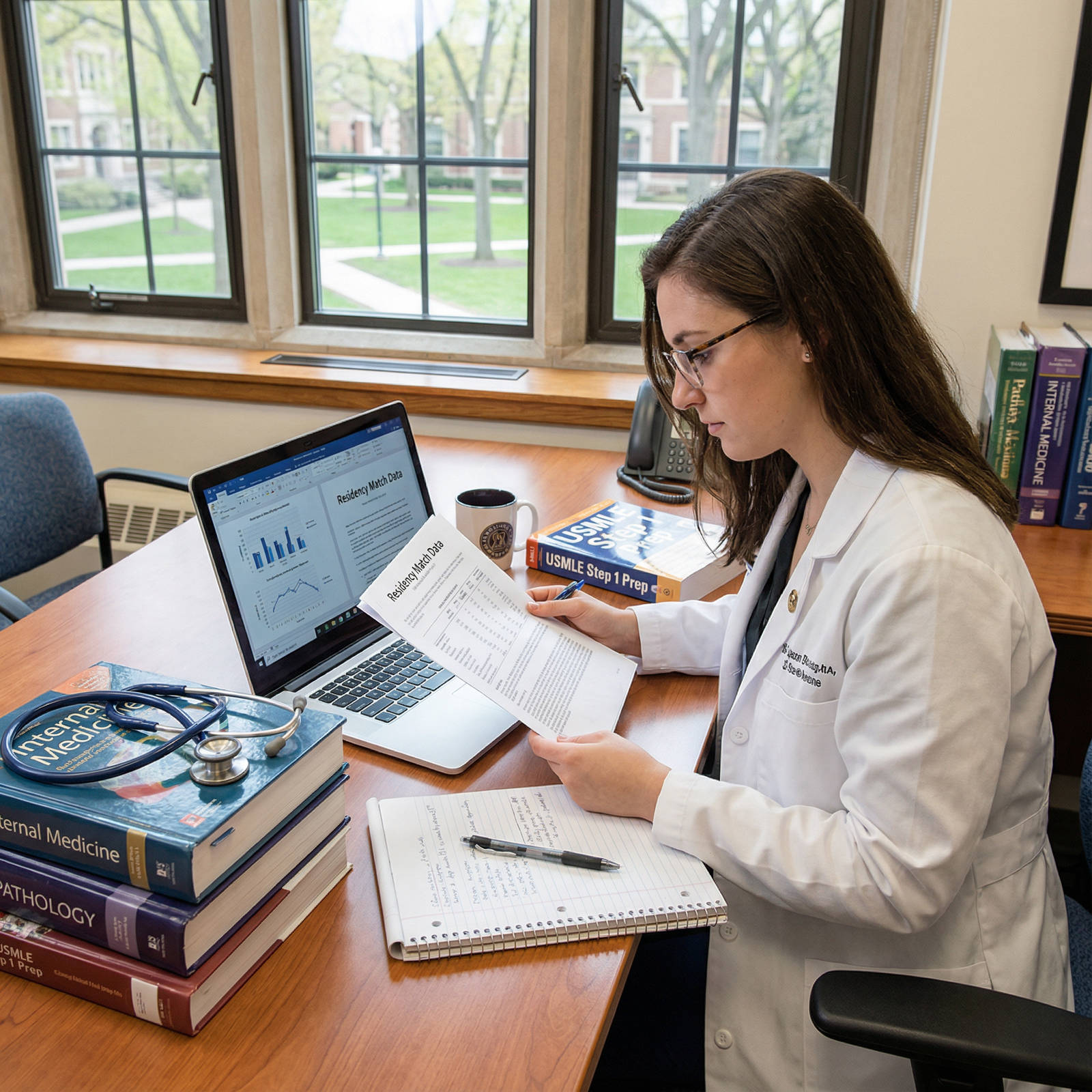
Evaluating Your Chances: Personal Metrics for Matching into Competitive Specialties
When you envision your future career in medicine, the specialty you choose shapes nearly everything: your daily schedule, the types of patients you care for, your work–life balance, and often your long‑term earning potential. For many students, highly competitive medical specialties—such as Dermatology, Orthopedic Surgery, Plastic Surgery, Neurosurgery, Ophthalmology, Otolaryngology (ENT), and Radiology—hold particular appeal.
Yet the Residency Application process for these fields can feel intimidating. High applicant volume, limited positions, and intense selection criteria make them some of the toughest paths in Graduate Medical Education. The good news: your chances are not determined by a single number. A thoughtful, honest evaluation of your personal metrics—and a strategic plan to strengthen them—can meaningfully improve your probability of matching.
This guide walks you through how to assess your personal metrics, interpret them in the context of competitive medicine, and build a targeted strategy to position yourself for a successful Career in Medicine.
Why Personal Metrics Matter in Competitive Specialties
Residency programs evaluate applicants using a combination of quantitative and qualitative data points. When we talk about “personal metrics,” we mean all the attributes and achievements that tell the story of who you are as a future resident and specialist.
What Are Personal Metrics?
Key personal metrics for a Residency Application typically include:
- Academic performance
- Preclinical grades
- Clinical clerkship evaluations
- Class rank or quartile (when available)
- Standardized exam performance
- USMLE Step 1 (now pass/fail but still reviewed)
- USMLE Step 2 CK (increasingly critical for competitive specialties)
- Clinical experience
- Core and elective rotations
- Sub-internships (“sub‑Is” or acting internships)
- Away rotations (audition electives)
- Research and scholarly activity
- Publications, presentations, posters
- Research projects aligned with your intended specialty
- Letters of recommendation
- Specialty-specific letters from well-known or respected faculty
- Evidence of strong clinical performance and professionalism
- Personal and interpersonal attributes
- Communication skills
- Teamwork and leadership
- Resilience, maturity, and reliability
- Professionalism and ethical behavior
These metrics don’t just exist to “score” you; they help programs predict how you will perform in residency and beyond. By proactively analyzing your own profile, you can:
- Identify strengths that differentiate you from peers
- Recognize gaps that might limit your competitiveness
- Make strategic decisions about research, rotations, and networking
- Tailor your application to match what specific specialties and programs value most
Turning Self-Assessment into Strategy
Self-assessment is useful only if it leads to action. Instead of passively comparing yourself to others, use your personal metrics to inform:
- Which specialties are realistic “reach,” “target,” and “safety” options
- How broad your application list should be
- Whether to pursue a dedicated research year
- How to prioritize Step 2 prep, sub‑Is, and away rotations
- What to emphasize in your personal statement and interviews
Honest self-evaluation—ideally with input from advisors and mentors—helps you move from anxiety and guesswork to a deliberate, data‑informed plan.
Understanding the Competitive Landscape of Medical Specialties
To evaluate your own chances, you need to understand what makes a specialty “competitive” and how different fields define a strong applicant.
What Makes a Specialty Competitive?
Common factors that increase competitiveness include:
- High application volume
- Many more applicants than positions (e.g., Dermatology, Plastic Surgery)
- Few training spots per program
- Small departments with limited capacity
- Perceived lifestyle or income advantages
- E.g., dermatology for controllable schedule; some surgical subspecialties for higher compensation
- Desirable procedural content
- Fields that blend medicine and surgery or offer cutting-edge technologies
- Limited number of programs nationally
- Fewer total positions (e.g., neurosurgery, ENT)
Examples of specialties often considered highly competitive:
- Dermatology
- Orthopedic Surgery
- Plastic Surgery
- Neurosurgery
- Otolaryngology – Head & Neck Surgery (ENT)
- Ophthalmology
- Diagnostic Radiology & Interventional Radiology
- Some subspecialty tracks (e.g., integrated vascular surgery)
Shared Features of Competitive Programs
Regardless of specialty, highly competitive residency programs tend to emphasize:
- Rigorous academic performance
- Strong clerkship grades, especially in core rotations
- Honors in specialty-specific rotations
- High standardized exam performance
- Now especially USMLE Step 2 CK as a key differentiator
- Robust research portfolio
- First- or co‑author publications
- Specialty-aligned projects and presentations
- Prestigious or well-known letters
- From faculty recognized within that specialty
- From mentors who can provide detailed, enthusiastic endorsements
- Demonstrated commitment to the field
- Longitudinal interest (e.g., early involvement in specialty group)
- Thoughtful explanation of “why this specialty” in personal materials
- Fit and professionalism
- Strong interpersonal skills
- Maturity, reliability, and a track record of being “easy to work with”
Understanding these expectations helps you interpret your own personal metrics in context and decide where to focus your energy.

Core Personal Metrics to Evaluate (and How to Strengthen Them)
1. Academic Performance: Grades and Exams
Academic record remains one of the most visible and comparable components of your application.
Preclinical and Clinical Grades
- Preclinical performance
- Some programs still consider class rank or preclinical honors
- Consistent performance suggests strong work ethic and knowledge base
- Clinical clerkship grades
- Often weighted more heavily than preclinical grades
- Honors in Internal Medicine, Surgery, and your target specialty are especially valuable
- Narrative comments in evaluations can substantially influence how PDs view you
Action Steps:
- If early grades were weaker, demonstrate an upward trend:
- Strong performance in core clerkships
- Improved narrative comments about clinical reasoning and professionalism
- Ask for mid-rotation feedback and adjust your performance proactively.
- Learn each rotation’s evaluation criteria (e.g., mini‑CEX, direct observation tools) and align your behavior accordingly.
USMLE/COMLEX and Standardized Exams
With Step 1 now pass/fail, Step 2 CK (and COMLEX Level 2 for DOs) has become a central quantitative metric in competitive medicine.
Programs often use Step 2 CK as:
- A screening tool to handle large application volumes
- A tie-breaker between similarly qualified candidates
- A signal of medical knowledge and test-taking skills
Action Steps:
- Treat Step 2 CK as a major priority:
- Plan your dedicated study period strategically (often after core clerkships)
- Use high-yield question banks and practice exams (e.g., UWorld, NBME)
- If Step 1 or earlier exams were average:
- Aim for a clear improvement on Step 2 CK to show growth.
- If you have a lower-than-average score:
- Consider applying more broadly geographically
- Strengthen other metrics (research, letters, sub‑Is) to offset this
2. Clinical Experience: Rotations, Sub‑Internships, and Away Rotations
Direct patient care experiences are where programs see you function as a near-intern.
Core and Specialty Rotations
- Core clerkships (IM, Surgery, Pediatrics, OB/Gyn, Psychiatry, Family Medicine) provide:
- Narrative evidence of clinical skills, work ethic, and teamwork
- Electives in your target specialty:
- Show commitment and allow faculty to get to know you well
- Offer opportunities to earn strong letters of recommendation
Sub‑Internships (Acting Internships)
Sub‑Is simulate intern-level responsibility and are extremely valuable:
- You demonstrate:
- Ownership of patients
- Ability to function with greater autonomy
- Readiness for residency-level work
- Programs observe:
- How you integrate into the team
- How you handle stress and workload
Away Rotations (“Auditions”)
In some competitive specialties (e.g., Ortho, ENT, Derm), away rotations can significantly affect your chances:
- Pros:
- Let you showcase your work ethic and personality directly
- Provide inside-track letters and advocates
- Help you evaluate program culture and fit
- Cons:
- Time-intensive and expensive
- Performance is high-stakes; being unprepared can hurt you
Action Steps:
- Plan at least one sub‑I in your target specialty at your home institution.
- Discuss with advisors whether away rotations are recommended for your field and competitiveness level.
- On every rotation:
- Be reliable (on time, follow through on tasks)
- Be teachable (open to feedback, eager to learn)
- Be professional (respectful, prepared, ethical)
- Keep a log of notable patient cases and feedback; this will help with later interviews and personal statements.
3. Research Experience and Scholarly Activity
Research is often a major differentiator for competitive specialties.
Why Research Matters
- Demonstrates:
- Intellectual curiosity
- Ability to complete long-term projects
- Familiarity with the scientific basis of your specialty
- Signals serious interest in an academic or academic-leaning career
- Contributes to your “academic productivity” metrics frequently tracked by programs
Some fields (e.g., Dermatology, Radiation Oncology, Radiology, Neurosurgery) place particularly strong emphasis on research and publications.
Types of Valuable Research Experiences
- Original research (clinical, translational, or basic science)
- Quality improvement (QI) projects
- Case reports or case series in your target specialty
- Review articles or book chapters
- Poster or oral presentations at regional/national meetings
You don’t need multiple first-author RCTs; a thoughtful, completed project with clear impact is far better than many unfinished ideas.
Action Steps:
- If early in medical school:
- Join a research group in your target specialty or related field.
- Aim to stay involved longitudinally rather than hopping between projects.
- If later in medical school and research-light:
- Seek shorter-term projects (case reports, chart reviews, QI projects).
- Consider a dedicated research year if your target specialty is ultra-competitive and your metrics are otherwise average.
- Track your work:
- Maintain an updated CV with all abstracts, posters, and manuscripts.
- Ask mentors if you can present at local or national conferences.
4. Letters of Recommendation: Who and How
Letters of Recommendation (LoRs) are among the most nuanced and influential parts of a Residency Application.
What Makes a Strong Letter?
- Written by someone who:
- Knows you well
- Has directly observed your clinical work
- Can speak to your character, professionalism, and growth
- Includes:
- Specific examples of your performance
- Context (“top 5% of students I’ve worked with”)
- Clear, enthusiastic endorsement
For competitive specialties, programs often expect:
- At least one letter from a faculty member in that specialty
- Sometimes multiple specialty-specific letters (check specialty-specific guidelines)
- One letter from a generalist or core clerkship director to attest to overall clinical competence
Choosing and Cultivating Letter Writers
Action Steps:
- Identify potential writers:
- Attendings you’ve worked closely with on rotations or sub‑Is
- Research mentors who have seen your long-term work ethic
- Program directors or clerkship directors who know your clinical performance
- Build relationships early:
- Show sustained interest in their field
- Ask for feedback and act on it
- Stay in contact after rotations (update them on your progress)
- When requesting a letter:
- Ask for a “strong” or “enthusiastic” letter specifically.
- If they hesitate, consider choosing another writer.
- Provide:
- Your CV
- Personal statement draft
- A brief summary of key cases or projects you did with them
- A reminder of specific strengths you hope they can comment on
- Ask for a “strong” or “enthusiastic” letter specifically.
Well-chosen, personalized letters can often offset modest metrics by demonstrating your potential and fit.
5. Interpersonal Skills, Professionalism, and “Fit”
In highly competitive specialties, almost all applicants have strong grades and exams. What often separates matched applicants is how they function as teammates and future colleagues.
Core Interpersonal Competencies
Programs look for:
- Communication skills
- Clarity and empathy with patients and families
- Professional, effective communication with staff and consultants
- Teamwork
- Collaborative, not competitive, with peers
- Reliability in shared tasks
- Leadership
- Appropriate initiative for your training level
- Ability to organize, prioritize, and support junior team members
- Resilience and emotional intelligence
- Ability to handle feedback constructively
- Awareness of your own limitations and willingness to seek help
These skills are often captured in narrative comments, letters, and how you perform on sub‑Is and away rotations.
Action Steps:
- Actively solicit feedback from residents, attendings, and peers.
- Reflect on difficult interactions and what you might do differently next time.
- Participate in:
- Student leadership roles (interest groups, committees, quality initiatives)
- Peer teaching or tutoring
- Volunteer work that involves real responsibility and teamwork
- If you receive concerns related to professionalism:
- Address them immediately with advisors
- Take concrete steps to improve and document your progress
Programs want colleagues they can trust in the middle of the night, not just high test scorers.
Building a Strategic Plan to Maximize Your Match Chances
Once you’ve honestly assessed your personal metrics, you can design a practical plan to enhance your competitiveness.
Step 1: Create a Realistic Self-Profile
Compile a concise summary of your:
- Step scores (and trends)
- Clerkship grades and honors
- Research output (with emphasis on specialty-aligned work)
- Anticipated letters of recommendation
- Notable leadership, service, or unique experiences
Compare this with:
- NRMP and specialty-specific data (e.g., Charting Outcomes)
- Your school’s match outcomes for recent graduates
- Input from specialty advisors and mentors
This helps you categorize specialties and programs into reach, target, and safety tiers.
Step 2: Set Clear, Measurable Goals
Convert your self-assessment into specific goals, such as:
- Achieve ≥ X on Step 2 CK
- Obtain Y number of specialty-specific letters from clinical rotations and research mentors
- Complete Z research projects and submit at least one manuscript
- Honor targeted clerkships and your sub‑I
Create a timeline that aligns these goals with application milestones, including ERAS opening, interview season, and rank list deadlines.
Step 3: Adjust Scope and Backup Plans
If your metrics are below the typical range for your dream specialty:
- Consider:
- Applying to a related, less competitive specialty as a parallel plan (e.g., Internal Medicine with a plan for fellowship instead of Integrated Cardiac Surgery)
- Expanding your geographical range and including a mix of academic and community programs
- A research year or additional training options if recommended by trusted advisors
A smart backup plan is a sign of maturity, not failure.
Step 4: Leverage Networking and Mentorship
Connections don’t replace qualifications, but they can open doors and provide crucial guidance.
- Seek mentors:
- In your target specialty at your home institution
- Through professional societies and interest groups
- Attend specialty conferences and local meetings:
- Present your work if possible
- Introduce yourself to faculty and residents
- Follow up professionally:
- Thank people for their time
- Keep them updated on your progress if they offer ongoing guidance
Mentors can help you refine your strategy, identify realistic programs, and sometimes advocate for you directly.

FAQs: Personal Metrics and Matching into Competitive Specialties
1. How important are USMLE scores for matching into a competitive specialty now that Step 1 is pass/fail?
USMLE scores remain very important. While Step 1 is now pass/fail, many programs still review the performance context, and Step 2 CK has become a primary quantitative filter. In highly competitive specialties, a strong Step 2 CK score can:
- Compensate, to some extent, for average preclinical grades
- Help your application rise above the initial screen
- Signal readiness for the cognitive demands of residency
However, scores alone are not enough; they must be supported by solid clinical performance, letters, and evidence of specialty commitment.
2. Should I prioritize research or clinical experience if I can’t excel at both?
Both matter, but the balance depends on your target specialty and your existing profile:
- For research-heavy specialties (e.g., Dermatology, Neurosurgery, Radiology), research is critical, especially if your exam scores are average.
- For procedurally intense or clinically focused fields, outstanding clinical performance and strong letters may carry more weight.
If you have limited time, aim for at least one meaningful research project in your chosen field while maximizing your clinical evaluations and sub‑I performances. Ask mentors in the specialty how they would prioritize these for someone with your background.
3. What can I do if my GPA or early grades are below average?
A less-than-ideal GPA is not the end of your dream specialty, but it does mean you need to be strategic:
- Show a clear, consistent upward trajectory in clinical years.
- Excel in core clerkships and your specialty-related rotations.
- Aim for a strong Step 2 CK score to demonstrate academic improvement.
- Build a compelling research and leadership profile to show added value.
- Be open with trusted advisors about whether your specialty choice is still realistic and if adjustments are needed (e.g., broader program list, parallel specialty).
Programs appreciate evidence of growth, resilience, and self-awareness.
4. How can I improve my chances if I don’t have many connections in my desired specialty?
You can build connections intentionally, even if you start with none:
- Join your school’s specialty interest group and attend all events.
- Ask your Dean’s office or career advising team to recommend faculty mentors.
- Participate in specialty-specific national organizations’ student sections.
- Seek out research, QI projects, or clinical electives in that field.
- Attend local/regional conferences or grand rounds and introduce yourself briefly to speakers or program representatives.
Consistent, genuine engagement over time can convert initial introductions into real mentorship and advocacy.
5. Does volunteer work really matter for matching into competitive specialties?
Volunteer work won’t replace strong academic or clinical metrics, but it can meaningfully enhance your narrative and demonstrate your values:
- Shows a service-oriented mindset and commitment to communities
- Can highlight leadership, teamwork, and communication skills
- Provides powerful stories for your personal statement and interviews
- Sometimes creates mentoring relationships and networking opportunities
Choose activities that are meaningful and sustained, rather than short, superficial experiences simply to “check a box.”
By carefully evaluating your personal metrics and making deliberate choices about how to strengthen them, you move from hoping to match into a competitive specialty to actively managing your odds. Use your academic performance, clinical experiences, research, letters, interpersonal skills, and mentorship network to craft a Residency Application that reflects your best, most authentic self as an emerging physician.