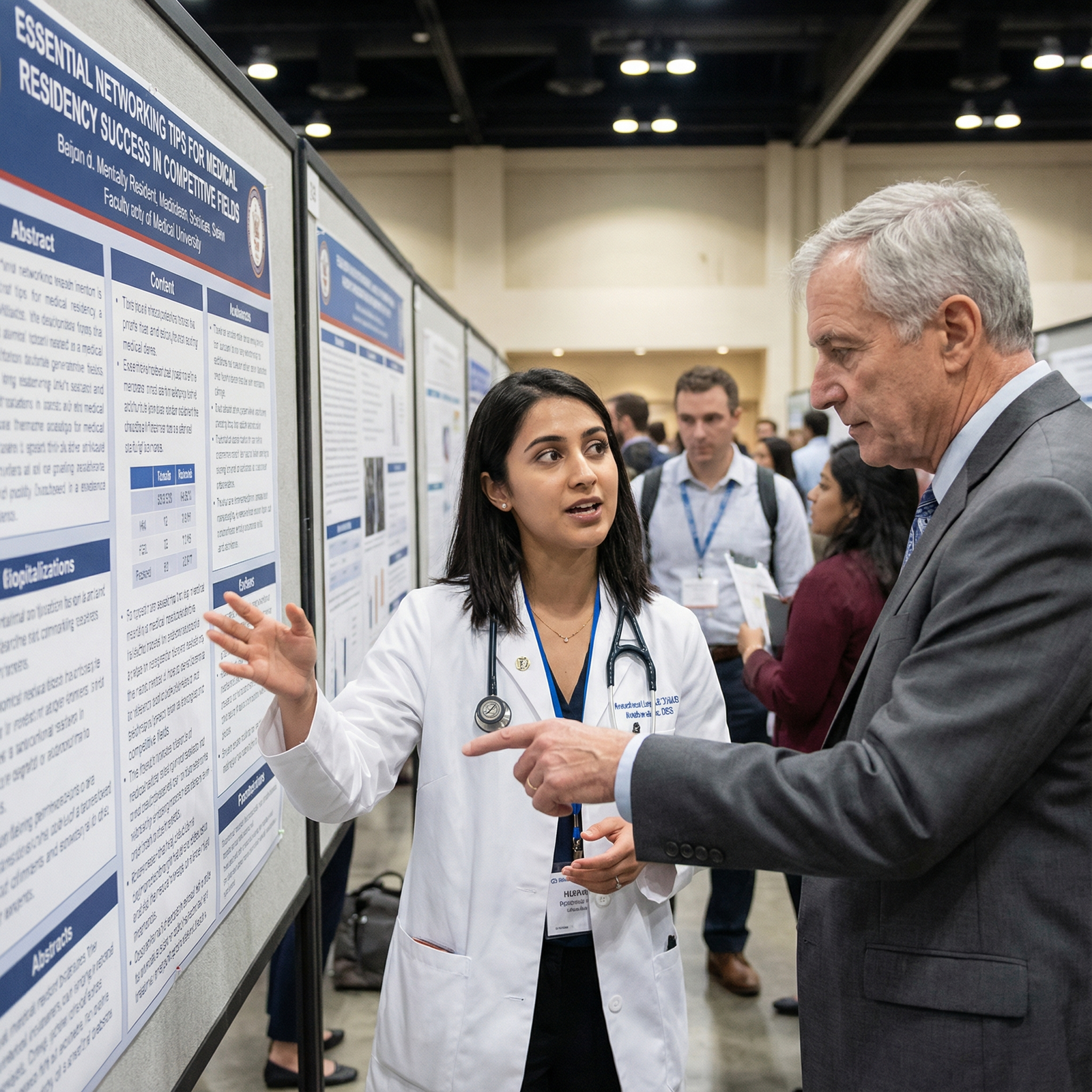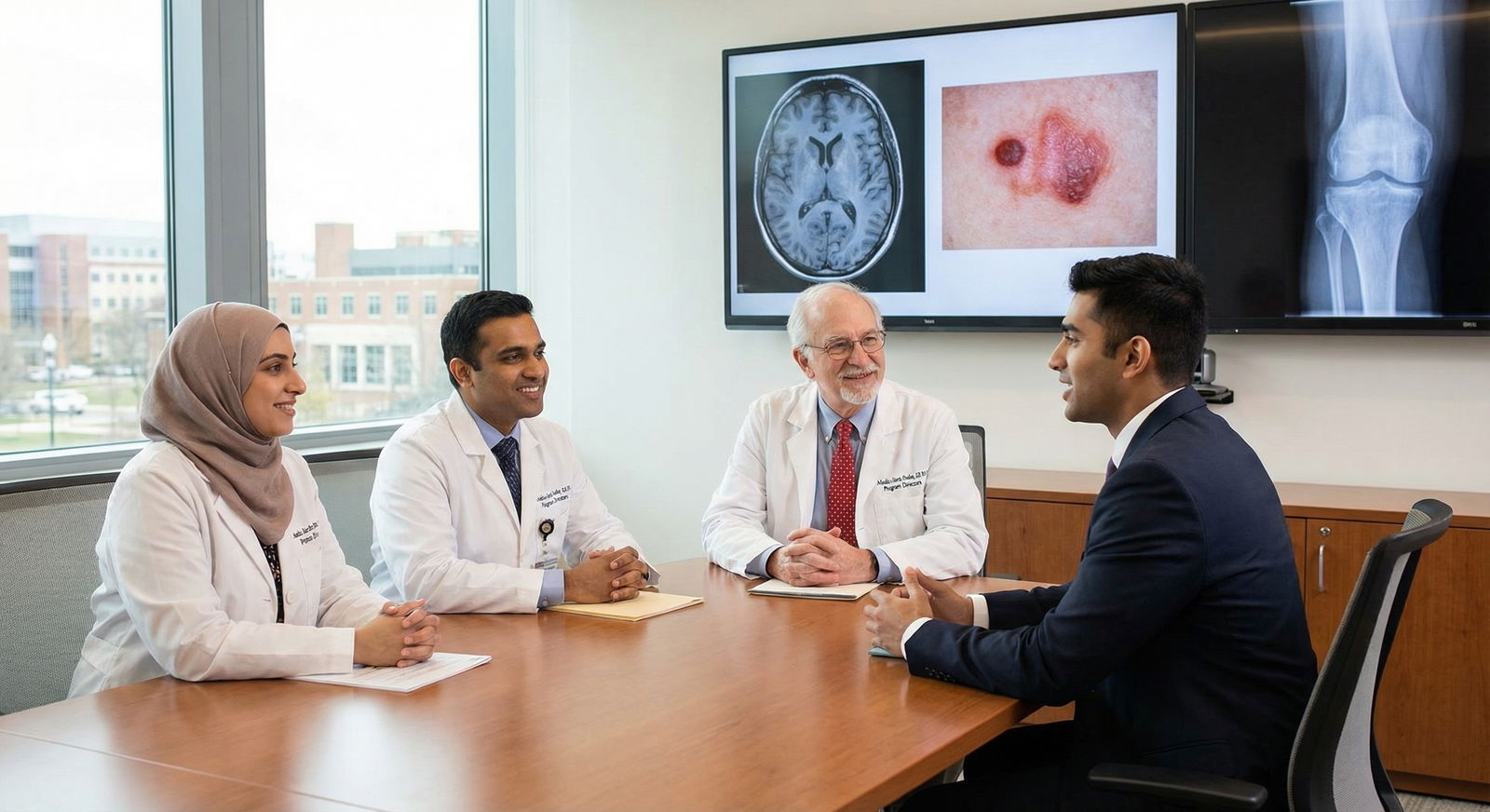
Introduction: What Competitive Specialty Interviewers Are Really Evaluating
Securing a position in highly competitive medical specialties—such as dermatology, orthopedic surgery, neurosurgery, ENT, urology, plastic surgery, and interventional radiology—is often compared to running a marathon at sprint speed. Nearly every applicant has stellar grades, strong USMLE scores, impressive research, and glowing letters. In that environment, Residency Interviews become less about proving you are “good enough” and more about differentiating yourself among a group of already exceptional candidates.
Interviewers are not just asking, “Can this person do the job?” They are asking:
- “Do I want to work with this person at 3:00 a.m. in the OR or ICU?”
- “Will this resident make our program better, not just fill a spot?”
- “Is there evidence this applicant will thrive in this specialty long-term?”
This guide breaks down what interviewers look for in candidates for competitive Medical Specialties, how they evaluate those criteria during Residency Interviews, and concrete strategies you can use to prepare. By understanding the “hidden curriculum” of interview expectations, you can approach your interviews with clarity, intention, and confidence—and better position yourself for success in a crowded field of top applicants.
Understanding the Competitive Landscape in Medical Specialties
Why Some Specialties Are So Hard to Match
Data from the National Resident Matching Program (NRMP) repeatedly show that certain specialties have extremely high applicant-to-position ratios. Dermatology, orthopedic surgery, plastic surgery, ophthalmology, neurosurgery, and some subspecialty tracks routinely attract far more qualified applicants than available positions.
Several factors drive this:
- Limited number of residency spots relative to applicant volume
- High prestige and visibility within the healthcare system
- Lifestyle considerations, including procedural focus, compensation, and call schedules
- Early specialty exposure, which encourages students to commit earlier and build competitive CVs
Because of this, many applicants meet or exceed the usual “filters” (exam scores, grades, research). Interviewers therefore focus heavily on less tangible but equally crucial qualities: interpersonal skills, resilience, maturity, alignment with the specialty’s culture, and long-term fit with the program.
The Interviewers’ Perspective
From the program’s point of view, selecting a resident is a high-stakes decision. Faculty and program directors are asking:
- Will this applicant be safe, reliable, and teachable?
- Will they integrate well into our team culture and support others?
- Are they committed to this specialty long-term, or likely to burn out or disengage?
- Do they bring something unique—leadership, scholarship, diversity of background or thought—that will enrich our program?
Your job in the interview is to provide clear, authentic evidence that the answer to these questions is “yes.”

Core Attributes Interviewers Seek in Competitive Specialty Candidates
1. Clinical Competence and Academic Excellence
In competitive fields, clinical and academic strength is the baseline expectation, not the final differentiator. Nonetheless, it remains the first screen.
Key Academic Indicators
Interviewers will typically consider:
USMLE/COMLEX Scores
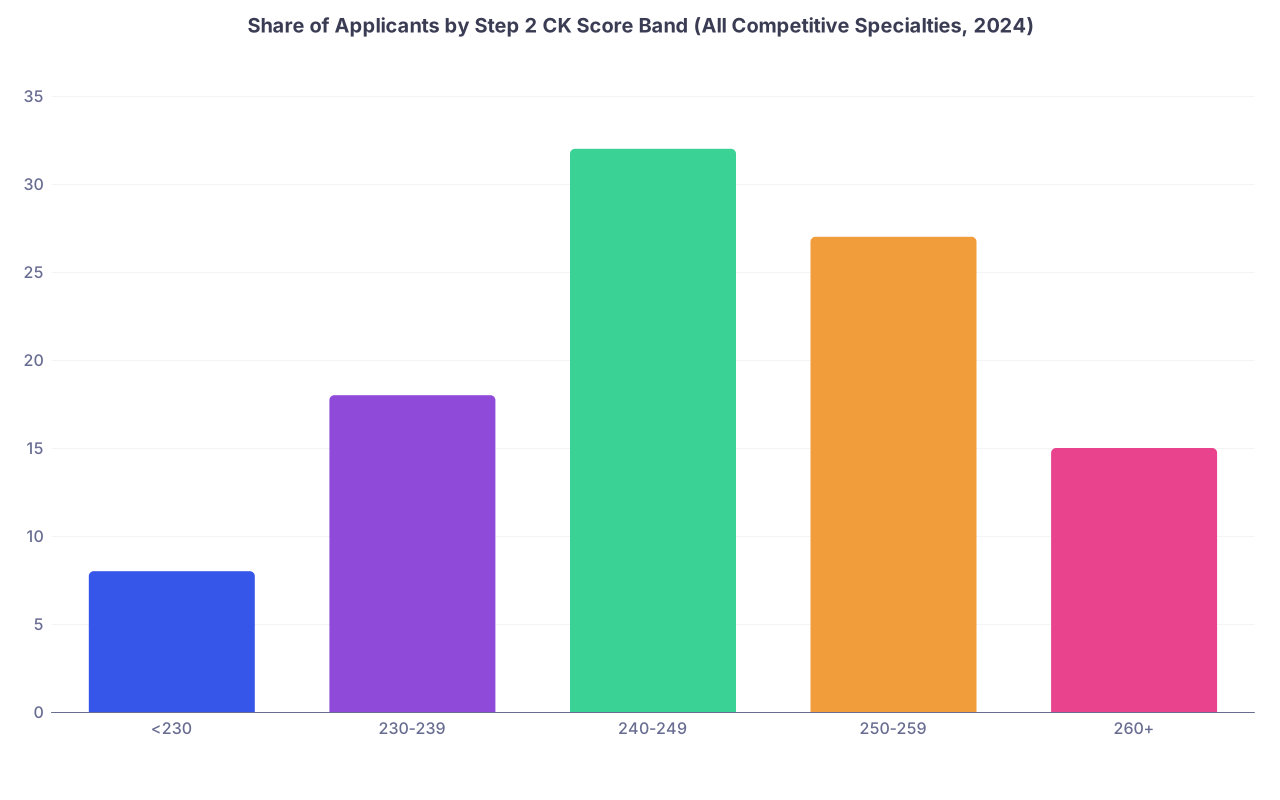
- High Step 2 CK (and Step 1 if available) scores reassure programs that you can handle the cognitive demands of complex patient care and pass boards on the first attempt.
- Some interviewers may ask how your scores reflect your study habits, discipline, or growth—be prepared to discuss this briefly and confidently.
Clerkship and Sub-Internship Performance
- Honors in core rotations (especially surgery, internal medicine, neurology, or others relevant to the specialty) demonstrate consistent clinical excellence.
- Evaluations that comment on your work ethic, clinical reasoning, and team contribution are often more persuasive than the grade alone.
- Performance on away rotations or sub-internships at target programs can be particularly influential.
Research and Scholarly Productivity
- In many competitive specialties, research is a major differentiator. Interviewers value:
- Peer-reviewed publications, particularly in specialty journals
- Abstracts, posters, and oral presentations at national meetings
- Longitudinal projects showing sustained commitment and follow-through
- You may be asked to discuss your most important project, your specific role, and what you learned—prepare a concise, non-technical summary for each major project.
- In many competitive specialties, research is a major differentiator. Interviewers value:
How to Highlight Clinical and Academic Excellence in the Interview
- When asked about strengths, connect them to examples: “On my ortho sub-I, I took ownership of pre-op planning and post-op follow-up, which improved my clinical confidence and efficiency.”
- Be ready with 1–2 clinical cases that reflect your clinical reasoning, preparation, and humility—especially where you learned from an error or knowledge gap.
2. Communication Skills and Professional Presence
In every Healthcare Career, but especially in highly specialized, procedure-heavy fields, communications skills can make the difference between safe, coordinated care and preventable complications. Interviewers observe how you communicate from the moment you walk in (or log on, for virtual interviews).
What Interviewers Assess
Verbal Clarity and Organization
- Are your answers structured, concise, and easy to follow?
- Do you respond directly to the question asked, or wander off-topic?
Active Listening
- Do you allow interviewers to finish their questions?
- Do you pick up on nuance and respond thoughtfully, or rely on pre-scripted answers?
Professional Demeanor and Nonverbal Communication
- Eye contact, posture, and facial expressions signal confidence, openness, and respect.
- In virtual interviews, this includes camera position, lighting, and minimizing distractions.
Empathy and Rapport-Building
- Many interviewers subconsciously ask: “Would patients feel comfortable with this doctor?”
- Your tone, choice of words, and responsiveness to patient-centered scenarios are closely scrutinized.
Practical Ways to Demonstrate Strong Communication
- Use the “STAR” approach (Situation, Task, Action, Result) when answering behavioral questions.
- Practice telling a 2–3 minute story about a meaningful patient interaction, focusing on:
- How you communicated
- What you learned about patient values
- How it influenced your practice or specialty choice
3. Authentic Passion and Informed Commitment to the Specialty
In competitive specialties, “I like procedures” or “I like the lifestyle” is not enough. Interviewers want to see deep, informed commitment backed by experience.
Demonstrating Genuine Interest
Be ready to answer convincingly:
“Why this specialty?”
Your answer should:- Reference specific experiences (e.g., a longitudinal research project, a sub-I, a mentor’s influence)
- Tie your personal strengths to the specialty’s demands (e.g., visual pattern recognition in derm, 3D spatial reasoning in surgery, neuroanatomy focus in neurosurgery)
- Show that you understand both the joys and challenges of the field
“What do you see yourself doing in 5–10 years?”
Strong responses:- Show a clear but flexible vision (e.g., “academic spine surgery with a focus on quality improvement and resident education”)
- Demonstrate awareness of the field’s trajectory (e.g., new technologies, telemedicine, health disparities)
- Avoid sounding overly rigid or unrealistic (e.g., “I will definitely be the world’s leading expert in X”).
Evidence of Long-Term Commitment
Interviewers look favorably on:
- Longstanding exposure (e.g., shadowing from early in medical school)
- Long-term research or quality improvement projects in the field
- Leadership or advocacy related to the specialty (student interest groups, conferences, initiatives)
When discussing these, emphasize growth over time—how your interest deepened and your understanding became more nuanced.
4. Teamwork, Collaboration, and Fit with Program Culture
Residency is a team sport. In procedure-heavy or high-acuity specialties, your ability to work within multidisciplinary teams is essential for patient safety and program harmony.
How Interviewers Assess Team Skills
Behavioral Questions
Examples:- “Tell me about a time you had a conflict on a team. How did you handle it?”
- “Describe a situation where you had to step up as a leader under pressure.”
- “Give an example of when you supported a struggling teammate.”
They’re listening for:
- Ownership without arrogance
- Respect toward others (even when describing difficult colleagues)
- Problem-solving oriented communication
Consistency Across Interactions
- How you treat coordinators, residents, and other staff is closely noted.
- Programs value residents who are kind and dependable as much as those who are brilliant.
Showing You Are a Strong Team Player
- Highlight experiences where you:
- Took on unglamorous tasks to support the team
- Shared credit and recognized others’ contributions
- Helped resolve tension or miscommunication
- Use phrases like “we” and “our team” when appropriate, but also be clear about your specific contributions.
5. Problem-Solving, Clinical Reasoning, and Critical Thinking
Competitive specialty interviewers often probe how you approach complex or ambiguous situations.
Clinical and Ethical Scenarios
You may be asked:
- To walk through your approach to a clinical vignette (e.g., acute neurologic deficit, complex wound problem, or suspicious skin lesion).
- To discuss a time you faced uncertainty or limited information and what you did.
- To describe how you would manage a systems or safety issue (e.g., near-miss event, communication breakdown).
Interviewers are less interested in whether you recall the rare diagnosis and more in:
- How you structure your thinking
- Your ability to prioritize safety and seek help appropriately
- Your humility and willingness to learn
How to Demonstrate Strong Problem-Solving
- Think out loud in an organized way: “First, I would stabilize ABCs; next, I’d focus on…”
- If you don’t know an answer, say so clearly, then explain how you would find the answer or escalate the issue.
- Tie your reasoning back to patient safety, evidence-based practice, and teamwork.
6. Professionalism, Ethics, and Integrity
Trust is non-negotiable in any Healthcare Career. Programs want residents who will uphold the highest ethical standards, especially in fields where procedures, cosmetic elements, or vulnerable populations are involved.
What Interviewers Look For
Honesty about your experiences
- Be transparent about red flags (a leave of absence, exam failure, gap in training) and focus on insight and growth.
Maturity in handling mistakes
- When asked about an error or regret, choose an example where you:
- Accept responsibility
- Describe what you learned
- Explain specific changes you made to improve
- When asked about an error or regret, choose an example where you:
Respect for Patients and Colleagues
- Negative or dismissive comments about patients, other specialties, or programs raise major red flags.
- Interviewers want residents who elevate the professional tone of the workplace.
Preparing for Ethical and Professional Questions
Reflect in advance on:
- A time you encountered an ethical dilemma (e.g., end-of-life decisions, resource limitations, confidentiality concerns)
- How you balanced competing values (patient autonomy, beneficence, nonmaleficence, justice)
- What you would do differently now, if anything
Being prepared with 1–2 thoughtful, specific examples can strongly reinforce your professionalism.
7. Resilience, Self-Awareness, and Stress Management
Highly competitive specialties are demanding—physically, cognitively, and emotionally. Programs look for residents who can handle the pressure without burning out or compromising care.
Signs of Resilience Interviewers Notice
Insight into your own limitations and growth areas
- Can you name a real weakness and describe a concrete plan to address it?
- Do you portray setbacks as learning opportunities?
Healthy Coping Strategies
- Interviewers often ask, “How do you manage stress?” or “What do you do outside of medicine?”
- They want to hear about sustainable, healthy habits—exercise, hobbies, social support, mindfulness—not solely “I study more.”
Consistency Between Your Words and Your CV
- If your experiences show consistent engagement over time, that’s more convincing than a last-minute surge of activities.
Communicating Resilience Effectively
- Share a specific challenge (academic, personal, or professional) and emphasize:
- What you felt
- How you sought support
- What concrete changes you made
- How it prepared you for the rigors of residency
This signals that you can endure and grow from difficulty—critical in any demanding specialty.
Practical Strategies to Prepare for Competitive Residency Interviews
1. Use Targeted Mock Interviews
General interview practice is helpful, but for top-tier Medical Specialties, specialty-specific mock interviews are invaluable.
Seek out:
- Faculty or fellows in your chosen specialty
- Senior residents who recently matched into that field
- Career advisors familiar with competitiveness benchmarks
Ask for feedback on:
- Content (clarity of your story and specialty fit)
- Delivery (pace, tone, confidence)
- Non-verbal communication (eye contact, posture, filler words)
Record yourself if possible—reviewing your own performance can reveal patterns you may not notice in real time.
2. Research Programs and Faculty Thoroughly
Interview Preparation should always include detailed research on each program:
Program structure and strengths
- Case volume and mix
- Research infrastructure
- Fellowship placement patterns
- Unique tracks (e.g., research, global health, education)
Faculty and resident interests
- Look up key faculty in your area of interest and read 1–2 recent publications.
- Note any shared interests or experiences you can reference in conversation.
Program culture and values
- Use the website, social media, and resident interactions to sense:
- Work-life balance
- Diversity, equity, and inclusion efforts
- Educational philosophy
- Use the website, social media, and resident interactions to sense:
Use this knowledge to tailor your answers and ask thoughtful questions that show genuine engagement.
3. Refine Your Personal Narrative
Competitive specialty interviews reward applicants who can present a cohesive, authentic narrative rather than a list of achievements.
Your narrative should connect:
- Who you are (background, values, strengths)
- What you’ve done (clinical work, research, leadership, service)
- Why this specialty (and not another)
- Why this program (fit between your goals and their strengths)
- Where you’re headed (short- and long-term career vision)
Practice your “story” so it feels natural, not rehearsed. You should be able to answer “Tell me about yourself” in about 1–2 minutes with a clear arc and smooth transitions.
4. Prepare for Common and Challenging Questions
Develop bullet-point responses (not scripts) for:
- “Why this specialty?”
- “Why our program?”
- “Tell me about a time you failed.”
- “Tell me about a difficult patient or colleague.”
- “What are your strengths and weaknesses?”
- “How do you see your career evolving over the next decade?”
For each, anchor your response with a specific example and end with how it shaped your growth or goals.
5. Optimize Logistics and Professional Presentation
Seemingly small details can influence first impressions:
For virtual interviews:
- Test your technology, camera, microphone, and internet connection.
- Choose a neutral, uncluttered background and good lighting.
- Minimize on-screen distractions and notifications.
For in-person interviews:
- Arrive early and be courteous to everyone.
- Dress in professional attire that fits well and makes you feel confident.
- Bring extra copies of your CV and a small notebook if needed.
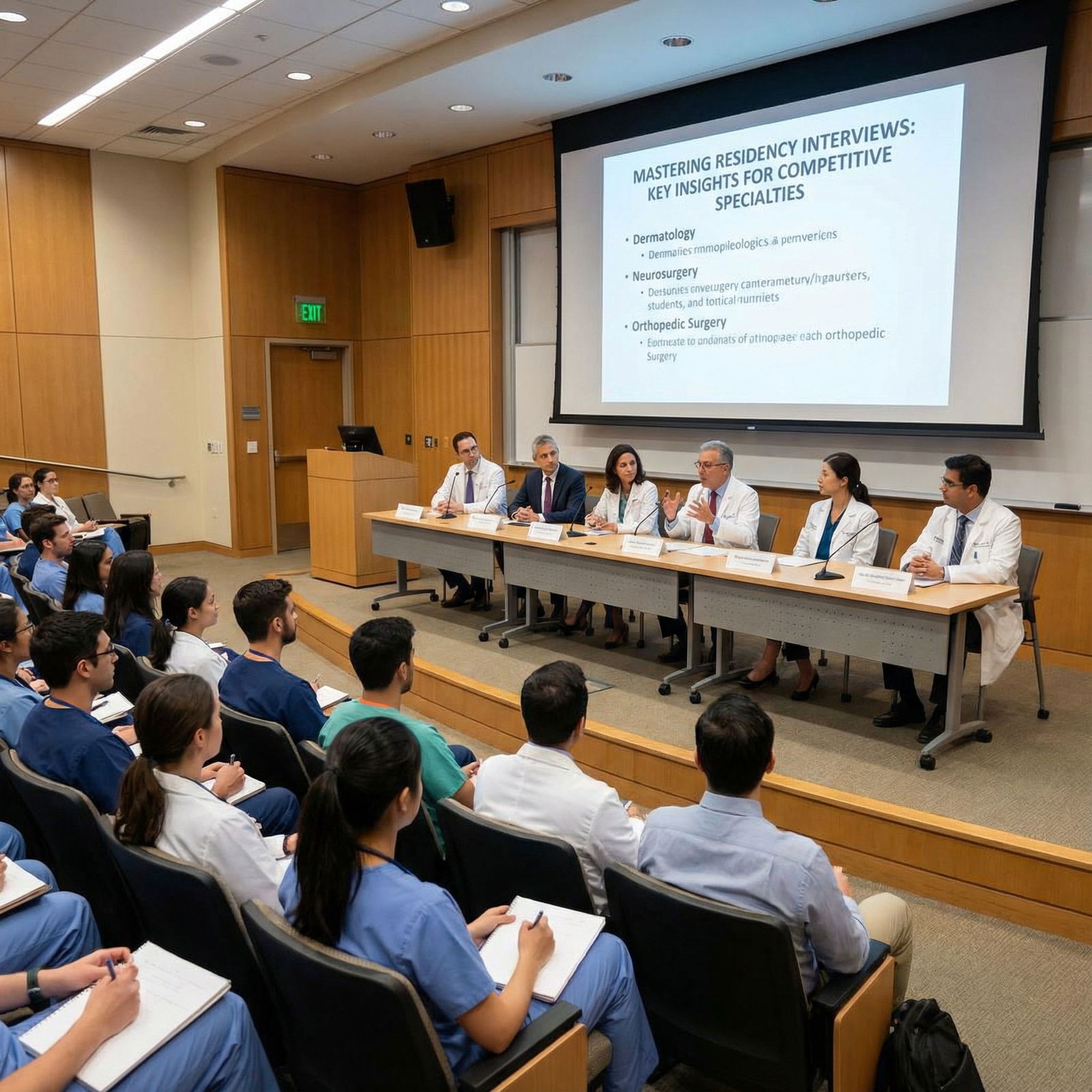
Frequently Asked Questions About Competitive Specialty Interviews
1. What is the single most important factor in Residency Interviews for competitive specialties?
There is no absolute “single” factor, but many interviewers emphasize a combination of interpersonal skills and program fit once baseline academic metrics are met. In other words, among applicants with strong scores and CVs, those who communicate clearly, work well with others, and align with the program’s culture and mission often rise to the top.
2. How can I convincingly show passion for a specific medical specialty?
Focus on specific, longitudinal experiences rather than generic statements:
- Describe 1–2 meaningful clinical encounters that solidified your interest.
- Highlight long-term research or projects in the field, explaining your role and what drew you in.
- Mention mentors who influenced your path and what you learned from them.
Above all, show that you understand both the strengths and the real challenges of the specialty—and still choose it enthusiastically.
3. What are common pitfalls to avoid during interviews for competitive Medical Specialties?
Avoid:
- Speaking negatively about other specialties, programs, or colleagues.
- Giving vague or generic answers that could apply to any specialty or program.
- Overemphasizing lifestyle or salary as your primary motivation.
- Failing to prepare thoughtful questions, which can signal lack of interest.
- Overly rehearsed or robotic responses—authenticity matters.
4. How should I handle unexpected, difficult, or “curveball” questions?
- Pause briefly, take a breath, and think out loud in a structured way.
- If you genuinely don’t know, acknowledge it and describe how you would approach finding the answer or handling the situation.
- Stay calm and professional; interviewers may be testing your composure more than your factual knowledge.
5. Is it important to ask questions at the end of the interview, and what kinds of questions work best?
Yes. Asking questions shows engagement, curiosity, and intentionality. Strong questions are:
- Program-specific (e.g., “How does your program support residents interested in academic research in [subfield]?”)
- Forward-looking (e.g., “What changes or innovations do you anticipate in the program over the next few years?”)
- Culture-oriented (e.g., “What characteristics do your most successful residents tend to share?”)
Avoid questions you could easily answer by reading the website.
Conclusion: Turning Insight into Interview Success
Standing out in interviews for highly competitive medical specialties requires far more than high test scores and an impressive CV. Interviewers are looking for colleagues and future leaders—residents who combine clinical excellence with integrity, resilience, curiosity, and the ability to thrive in a demanding team environment.
By:
- Understanding how programs assess clinical competence, communication, and professionalism
- Articulating a clear, authentic narrative about your path into the specialty
- Demonstrating maturity, ethical judgment, and resilience through concrete examples
- Preparing intentionally with specialty-specific mock interviews and program research
you can transform interviews from an intimidating hurdle into a powerful opportunity to showcase who you are as a physician and colleague.
Approach each conversation as a chance to explore mutual fit: Are you the right resident for them—and are they the right training environment for you? With thoughtful preparation, reflection, and authenticity, you can navigate the competitive landscape of Residency Interviews and move one step closer to the Healthcare Career you’ve worked so hard to build.