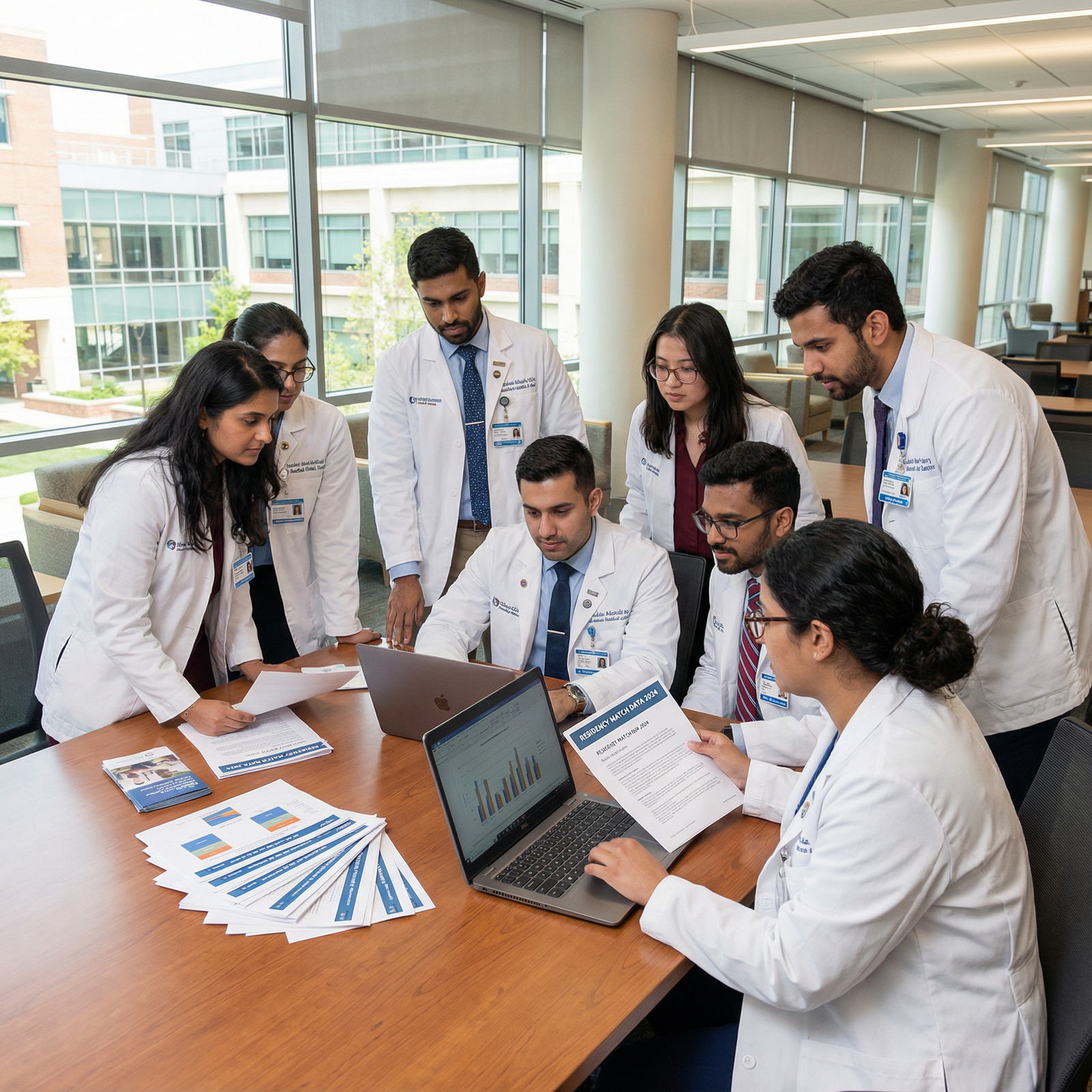
Embarking on a Medical Career is demanding in any context—but for students aiming at highly competitive specialties, the process can feel particularly high‑stakes and opaque. Dermatology, plastic surgery, neurosurgery, orthopedic surgery, otolaryngology, interventional radiology, urology, and other sought‑after fields often have far more applicants than positions, rigorous expectations, and high barriers to entry.
This guide breaks down the key challenges of matching into competitive specialties and offers concrete, step‑by‑step strategies to overcome them. Whether you are an M1 just starting to think about your future or an applicant preparing for the Match Process this year, you’ll find practical insights to strengthen your Residency Applications and make informed decisions about your Medical Career.
Understanding Competitive Specialties and the Match Landscape
Before you can optimize your application, you need a clear picture of what “competitive” actually means—and why it matters.
What Makes a Specialty “Competitive”?
A specialty is typically considered competitive when it consistently shows:
- High ratio of applicants to available positions
- Lower match rates compared with other fields
- Higher average board scores and academic metrics among matched applicants
- Strong emphasis on research, leadership, or advanced technical skills
- Geographic clustering of programs in highly desirable locations
Examples frequently listed as competitive include:
- Dermatology
- Plastic and Reconstructive Surgery (Integrated)
- Neurosurgery
- Orthopedic Surgery
- Otolaryngology–Head and Neck Surgery (ENT)
- Interventional Radiology (Integrated)
- Urology
- Radiation Oncology (historically)
- Some internal medicine subspecialty pathways at top-tier academic programs
These fields often attract students who are highly driven, academically strong, and deeply invested in their chosen specialty—raising the bar for everyone.
Why Competition Has Intensified
Several factors have made the Match Process more intense for certain specialties:
- Increasing number of graduates: More U.S. and international medical graduates are entering the system.
- Stable or slowly growing positions: Residency slots in some specialties have not expanded proportionately.
- Step 1 pass/fail transition: Programs may lean even more on Step 2 CK scores, research, and school reputation.
- Application inflation: Students apply to a larger number of programs, leading to higher volume for program directors and more difficulty standing out.
Understanding these systemic pressures helps you see that the challenge is not only about individual performance—it’s also about navigating a crowded, complex system strategically.
The Data: Match Rates and Expectations in Competitive Fields
While specific numbers change each year, NRMP data consistently show:
- Competitive specialties often have match rates below many primary care fields.
- Matched applicants in these specialties tend to have:
- Higher USMLE Step 2 CK scores
- More research experiences, abstracts, posters, and publications
- A greater number of specialty‑specific letters of recommendation
- Stronger honors in core clinical rotations, particularly in relevant fields
You don’t need a perfect profile to succeed, but you do need a coherent, well‑developed application story supported by metrics, experiences, and relationships aligned with your target specialty.

Core Challenges in Matching into Competitive Specialties
Below are the key obstacles most applicants face, along with detailed strategies to address each one. Think of these as levers you can pull—often simultaneously—to strengthen your position in the Match Process.
1. Limited Residency Positions and Intense Competition
In many competitive specialties, there are simply more strong applicants than positions. This leads to:
- Large interview “cuts” at the application review stage
- Heavy reliance on quick screeners (board scores, school, research)
- Geographic bottlenecks (e.g., many students applying to a small number of “name‑brand” programs)
How to Overcome Limited Positions
Start Early and Be Intentional
- M1–M2 years:
- Attend your school’s specialty interest groups (Derm SIG, Ortho SIG, etc.).
- Shadow in your target specialty to confirm your interest.
- Identify at least one faculty mentor in the field as early as possible.
- M3–M4 years:
- Use core rotations to refine your goals and assess your competitiveness honestly.
- Plan sub‑internships (sub‑Is) or away rotations strategically in your target specialty.
Build a Specialty‑Focused Profile
Programs want to see clear evidence that you genuinely understand and are committed to their field. Consider:
- Participating in departmental conferences, tumor boards, M&M conferences, and journal clubs.
- Taking electives or selectives that align with your specialty (e.g., rheumatology or radiology electives if considering orthopedics).
- Engaging with national specialty societies as a student member; many offer research, mentorship, and travel grants.
Apply Broadly and Strategically
- Geographic flexibility: Be open to multiple regions, including programs outside major academic “hubs.”
- Use ERAS filters and residency explorer tools to identify a balanced list of:
- “Reach” programs (highly competitive)
- “Target” programs (well‑aligned with your profile)
- “Safety” programs (where your metrics exceed historical norms)
- Consider the Supplemental ERAS application and signaling (when available) to highlight genuine interest in select programs.
2. High Academic Standards and Board Score Expectations
Competitive specialties often use Step 2 CK scores and clinical grades as major filters. While Step 1 is now pass/fail, performance in preclinical sciences still predicts later board exam success and can affect class rank and AOA eligibility.
How to Excel Academically and on Board Exams
Build a Sustainable Study System Early
During preclinical years:
- Use board‑style question banks (e.g., UWorld) as you go, not just during a dedicated period.
- Create a long‑term review schedule with spaced repetition (e.g., Anki).
- Integrate foundational resources (e.g., comprehensive board review texts or videos) with your school curriculum.
For Step 2 CK:
- Start question‑bank work early in third year, aligned with your current rotation.
- Track your performance and identify weak systems (e.g., cardiology, neurology) to target with extra resources or tutoring.
Protect Your Clinical Performance
Clinical grades, shelf exams, and narrative comments tell programs whether you can function effectively on wards.
- On rotations, prioritize:
- Reliability: Show up early, know your patients thoroughly.
- Teachability: Ask thoughtful questions; respond constructively to feedback.
- Professionalism: Be kind to staff, colleagues, and patients—everyone’s impressions matter.
- For shelves, treat them like “mini board exams”:
- Use rotation‑specific question banks.
- Study consistently across the block rather than cramming at the end.
Have a Contingency Plan for Lower Scores
If your Step 2 CK or grades are below the typical range for your desired field:
- Strengthen other aspects of your application:
- Research productivity
- Exceptional letters of recommendation
- Sub‑I performance and away rotations
- Discuss with a trusted mentor:
- Whether you should dual apply (e.g., orthopedic surgery + preliminary surgery or another specialty)
- Whether a dedicated research year could improve your competitiveness
3. Research Expectations: Quantity, Quality, and Relevance
For many Competitive Specialties, research is no longer optional—it’s expected. Programs look for:
- Demonstrated scholarly productivity
- Evidence you can ask questions, analyze data, and follow through
- Alignment between your research and that specialty’s typical academic focus
How to Build a Strong Research Portfolio
Get Involved Early and Be Proactive
- Start in M1 or early M2 if possible:
- Ask faculty in your department about ongoing projects needing help with data collection, chart review, or literature searches.
- Don’t wait for the “perfect” project—get your foot in the door and build trust.
- Use summer between M1–M2 for:
- Funded research programs
- Introductory projects you can complete or significantly advance in 8–10 weeks
Aim for Tangible Outputs
Your goal is not just participation; it’s products you can list on your CV:
- Abstracts and posters at local, regional, or national conferences
- Manuscripts submitted or accepted for publication (even as middle author)
- Case reports and case series, especially if you don’t yet have access to large projects
When possible, focus on specialty‑relevant projects (e.g., skin cancer outcomes for dermatology, craniofacial reconstruction outcomes for plastics).
Seek Mentorship and Collaborations
- Identify one or two primary research mentors who know you well.
- Ask for:
- Feedback on your research goals
- Opportunities to participate in new studies
- Letters of recommendation if the relationship becomes strong
- Collaborate with residents and fellows, who often have active projects and may be more accessible day‑to‑day.
Consider a Dedicated Research Year (When Appropriate)
A research year can be especially helpful if:
- You discovered your specialty interest late.
- Your academic metrics are marginal for your target field.
- You aim for particularly elite or academic‑heavy programs.
This is a major decision with financial and timeline implications, so discuss it thoroughly with mentors and your school’s advising office.
4. Letters of Recommendation: Depth Over Prestige
In Competitive Specialties, letters of recommendation (LoRs) are often make‑or‑break elements of your Residency Applications. Programs value letters that are:
- Written by faculty in the specialty (and sometimes specifically by program directors or chairpersons)
- Detailed and specific about your clinical performance
- Comparative (e.g., “top 5% of students I’ve worked with in 10 years”)
How to Earn Strong, Impactful Letters
Be Intentional About Who You Work With
- On your core and specialty rotations, identify faculty who:
- See you frequently and in varied contexts
- Are invested in teaching and mentorship
- Have a reputation for writing strong, honest letters
- During away rotations and sub‑Is:
- Proactively ask, near the end:
“Based on my performance, do you feel comfortable writing me a strong letter of recommendation for [specialty]?”
- Proactively ask, near the end:
Demonstrate Your Strengths Consistently
To earn strong letters:
- Volunteer for tasks, follow through, and communicate clearly.
- Take ownership of patients while staying within your scope.
- Show curiosity about the specialty’s nuances (e.g., operative indications, long‑term outcomes, current controversies).
Provide Letter Writers with Helpful Materials
When someone agrees to write a letter, send:
- Your CV
- Your personal statement draft (if available)
- A brief summary of:
- Your career goals
- Specific cases or projects you worked on together
- Personal qualities you hope they might highlight
This helps your writer craft a more personalized, persuasive letter that aligns with the rest of your application.
5. Writing a Personal Statement that Resonates
In a stack of similarly strong applications, a clear, compelling personal statement can shape how programs view your entire file.
What Competitive Programs Look For
- A coherent narrative explaining why you chose this specialty
- Evidence of maturity, self‑reflection, and insight
- Concrete experiences illustrating your:
- Clinical skills
- Work ethic
- Alignment with the specialty’s lifestyle and values
- Clear articulation of your career goals (e.g., academic vs. community, research interests)
Strategies for an Effective Personal Statement
- Start early: Begin drafting several months before ERAS submission.
- Avoid clichés and generic content: Phrases like “I’ve always wanted to be a doctor” or “I love working with my hands” are overused. Instead, show unique, specific experiences.
- Use one or two vivid clinical stories:
- Highlight moments that shaped your interest, revealed your strengths, or challenged your assumptions.
- Show, don’t just tell:
- Rather than “I am hardworking,” describe a situation where you arrived early to pre‑round, re‑checked imaging, or stayed late to comfort a patient and family.
- Have multiple reviewers:
- Ask a mentor in your target specialty, a trusted resident, and at least one non‑medical reader to critique clarity and impact.
- Make sure it aligns with the rest of your application:
- If you emphasize research passion, you should have research experiences to back that up.
6. Networking, Mentorship, and Professional Visibility
In many Competitive Specialties, the hidden curriculum of networking plays a significant role. Strong professional relationships can lead to:
- Research invitations
- Advocacy during rank meetings
- Insight into program culture and expectations
How to Build Authentic Professional Relationships
At Your Home Institution
- Attend departmental conferences, grand rounds, and teaching sessions regularly.
- Volunteer for departmental projects (e.g., quality improvement, curriculum development).
- Let trusted faculty know your interest early; ask for:
- Honest feedback on your competitiveness
- Suggestions for targeted experiences
- Introductions to colleagues at other institutions
Outside Your Institution
- Attend regional and national specialty conferences:
- Participate in student/resident sections.
- Present posters or oral abstracts if possible.
- Connect via professional social media (e.g., Twitter/X, LinkedIn):
- Follow specialty societies, program accounts, and leaders in the field.
- Engage respectfully in educational discussions, journal clubs, or tweetorials.
Focus on genuine curiosity and contribution, not transactional networking. Over time, people remember students who are engaged, thoughtful, and reliable.
7. Burnout, Mental Health, and Resilience in the Match Process
The drive to enter a competitive field can lead to overextension, anxiety, imposter syndrome, and burnout. Protecting your mental health is not optional—it directly affects your performance and your longevity in the profession.
Recognizing the Risks
Common signs of overstrain in this context include:
- Chronic exhaustion or difficulty concentrating
- Loss of enjoyment in learning or clinical work
- Obsessive comparison with peers’ metrics and accomplishments
- Feeling that your worth is tied entirely to your specialty outcome
Strategies to Maintain Well‑Being
- Set realistic, process‑focused goals:
- Instead of “I must match dermatology,” focus on things you can control: “I will complete 40 UWorld questions per day,” “I will submit one abstract this semester.”
- Establish boundaries:
- Protect time for sleep, exercise, relationships, and non‑medical interests.
- Use institutional resources:
- Student mental health services
- Peer support groups
- Wellness or resilience workshops
- Talk openly with mentors:
- About your fears, backup plans, and what success means to you beyond the Match.
- Normalize Plan B:
- Having an alternative specialty or path in mind is not a failure; it’s responsible career planning.
Remember: your Medical Career spans decades. Matching into a particular specialty is important, but it is not the only determinant of your fulfillment or impact.

Putting It All Together: A Strategic Roadmap by Training Year
M1–M2: Exploration and Foundations
- Explore specialties through shadowing and interest groups.
- Build strong study habits and master foundational sciences.
- Take on introductory research projects early.
- Start forming mentor relationships in potential fields.
M3: Clinical Excellence and Clarifying Your Path
- Excel on core clerkships—especially those adjacent to your target specialty.
- Use shelf exams as preparation for Step 2 CK.
- Solidify your specialty choice by mid‑M3 if possible.
- Begin specialty‑specific research if not already involved.
M4: Application Optimization and Execution
- Schedule sub‑Is and away rotations strategically in your chosen field.
- Secure strong letters of recommendation early.
- Finalize your personal statement and CV.
- Apply broadly and thoughtfully; prepare thoroughly for interviews.
- Develop a rank list based on fit, training quality, and personal priorities—not just prestige.
Frequently Asked Questions (FAQ)
1. What are the most competitive specialties to match into right now?
While this can shift year to year, specialties consistently considered highly competitive include dermatology, plastic surgery (integrated), neurosurgery, orthopedic surgery, otolaryngology (ENT), interventional radiology, and urology. Competitiveness can also vary by program; some internal medicine or pediatrics programs at elite academic centers are extremely selective despite the overall specialty being less competitive statistically.
2. If my Step scores or grades are below average for a competitive specialty, do I still have a chance?
Yes—but your strategy needs to be more deliberate. You can partially offset lower metrics with:
- Strong specialty‑specific research and publications
- Exceptional letters of recommendation from well‑known faculty
- Outstanding performance on sub‑Is and away rotations
- A clear, compelling personal statement and interview performance
At the same time, you should have candid conversations with mentors about realistic expectations and whether dual applying or a research year makes sense in your situation.
3. How important is research for matching into competitive specialties?
For most competitive fields, research is very important and often functions as a de facto requirement, especially for academic programs. Programs may weigh:
- Number and quality of publications
- Specialty relevance of your work
- Conference presentations and posters
- Evidence of sustained scholarly engagement
If your school has limited research infrastructure in your specialty of interest, seek opportunities at affiliated hospitals, regional collaborators, or through virtual/multicenter projects.
4. What should I highlight in my personal statement for a competitive specialty?
Focus on:
- Specific experiences that sparked and solidified your interest in the specialty
- Personal qualities and skills that align with the field (e.g., meticulousness in surgery, long‑term relationship‑building in dermatology or oncology)
- Meaningful clinical encounters that shaped your values and career goals
- Any unifying themes that connect your research, volunteer work, and clinical experiences
Keep it authentic, concise, and well‑structured; avoid exaggeration and avoid trying to cover your entire life story.
5. When should I start preparing for residency applications if I’m considering a competitive specialty?
Preparation ideally begins in M1, but it’s never too late to improve your trajectory. A rough timeline:
- M1–M2: Build foundations (academics, exploratory research, early mentorship)
- Early M3: Clarify specialty interests and understand competitiveness
- Late M3: Solidify research, identify letter writers, plan M4 rotations
- Early M4: Execute sub‑Is and away rotations, finalize ERAS materials
Even if you decide on a competitive specialty later in medical school, you can still be successful with an intensive, well‑planned strategy and strong mentorship.
Matching into a competitive specialty is challenging, but not mysterious. By understanding the unique expectations of these fields, starting early, cultivating mentorship, and taking intentional steps in your Medical Education, you can build a compelling application and navigate the Match Process with clarity and confidence—whatever specialty you ultimately choose.