Introduction: Why Networking Matters in Competitive Medical Residencies
Securing a residency in a competitive medical specialty—such as dermatology, orthopedic surgery, neurosurgery, plastic surgery, ophthalmology, otolaryngology, or radiology—requires far more than strong test scores and grades. When many applicants have similar academic metrics, networking and relationship-building often become the deciding factors.
In this context, networking is not about superficial connections or transactional interactions. It is about building authentic, professional relationships that support your career development, help you demonstrate genuine interest, and give you access to opportunities that may never be publicly advertised.
For aspiring residents targeting competitive specialties, strategic networking can:
- Help you secure key research or away rotation opportunities
- Connect you with mentors who advocate for you
- Provide insider insights into program culture and selection criteria
- Make you a recognizable, trusted name to decision-makers before interview season
This guide expands on foundational networking strategies and tailors them specifically to medical students and early trainees aiming for competitive residency positions. You will find concrete examples, scripts, and a stepwise approach to building a professional network that supports your long-term career in medicine.
Understanding the Strategic Value of Networking in Competitive Specialties
1. Access to Hidden Opportunities
In competitive specialties, many of the most valuable opportunities—research positions, sub-internships, QI projects, away rotation spots, and sometimes last-minute interview invitations—spread through informal channels:
- A chief resident needs a motivated student for a case report.
- A faculty member has a funded project and wants a student to help.
- A program suddenly has an open research year position.
These opportunities often go first to people who are on the radar: students who showed up consistently, expressed interest, or were recommended by someone trusted. Effective networking helps ensure that when an opportunity arises, your name is the one mentioned in the room.
2. Mentorship and Sponsorship
Networking is the pipeline through which both mentorship and sponsorship flow:
- Mentors guide you, give feedback, and help you plan your trajectory.
- Sponsors are senior individuals who actively advocate for you—by writing strong letters, inviting you onto projects, or directly speaking to program directors on your behalf.
In competitive specialties, it is very common for program leadership to ask, “Who knows this applicant?” or “What does Dr. X think of them?” A mentor who truly knows you can confidently advocate for you, which is invaluable when programs must differentiate among many strong candidates.
3. Insider Information and Program Fit
Every competitive specialty has its own “unwritten rules” and nuances:
- What specific programs prioritize (research, personality, technical skill, Step scores, ties to region)
- How many away rotations are optimal
- Whether a preliminary or research year is advisable
- Which faculty are most involved in resident selection
Through networking—especially with recent graduates and current residents—you gain insider information that shapes your strategy. This information can help you:
- Target programs where you are a strong fit
- Prepare for specialty-specific interview questions
- Avoid common missteps (e.g., misjudging how important research is in a given field)
4. Collaborative Learning and Peer Support
Your peers are an underestimated part of your professional network:
- Co-authors on research papers
- Co-presenters at conferences
- Co-leaders in student interest groups
In highly competitive specialties, having a supportive group of peers helps you stay informed about deadlines, opportunities, and evolving expectations—and offers emotional support during a stressful process.
5. Visibility to Faculty, Residents, and Program Directors
When residency applications arrive, faculty and program directors are not evaluating anonymous applications. They are often scanning for:
- Names they recognize from research collaborations or clinical interactions
- Students who made a strong impression on rotations
- Applicants recommended by trusted colleagues
Effective networking ensures that your application is not the first time your name appears in front of key decision-makers in your target specialty.
Networking Through Conferences, Workshops, and Specialty Events
Identifying High-Impact Conferences
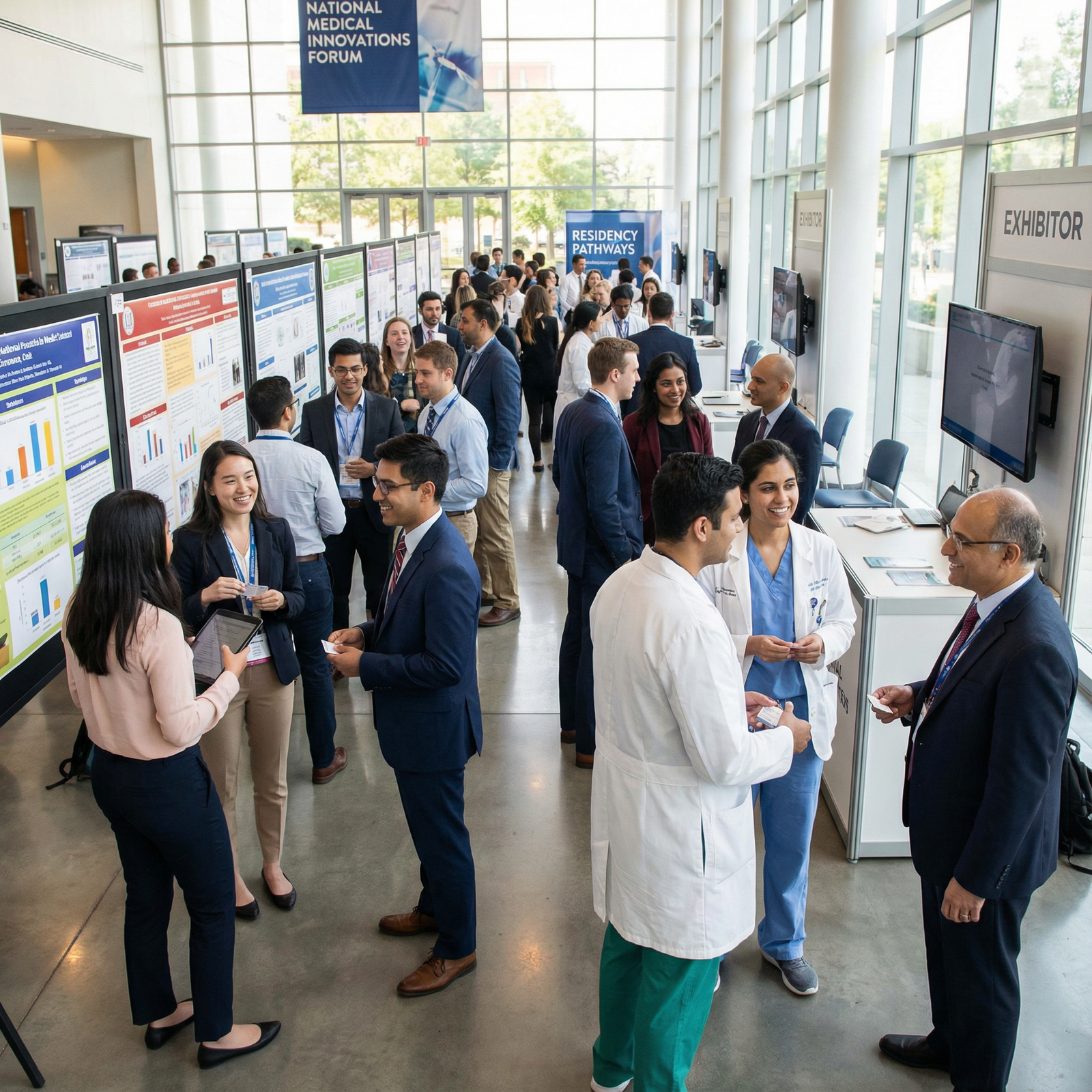
For competitive specialties, national and regional specialty meetings are some of the most powerful networking arenas. Examples include:
- American Academy of Dermatology (AAD) Annual Meeting
- American College of Surgeons (ACS) Clinical Congress
- American Academy of Neurology (AAN) Annual Meeting
- American Society of Plastic Surgeons (ASPS) meetings
- Radiological Society of North America (RSNA) conference
Action steps:
- Identify 1–2 key conferences within your specialty interest early (MS2–MS3).
- Explore:
- Student or resident tracks
- Abstract submission deadlines
- Travel scholarships or grants
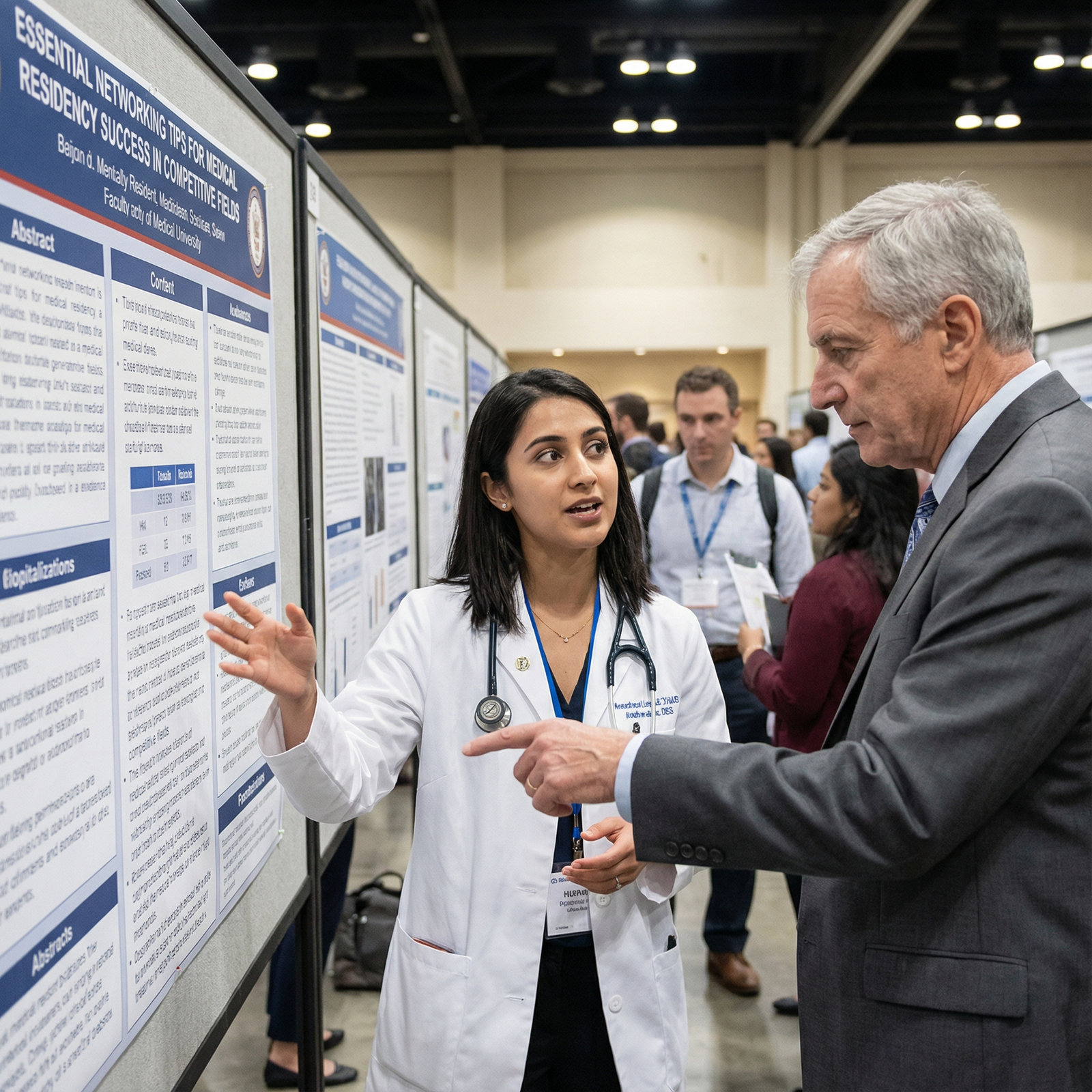
- Aim to attend at least one major meeting with a poster, oral presentation, or case report if possible.
Presenting even a small project gives you a natural reason to introduce yourself:
“Hi Dr. Smith, my name is [Name]. I’m a third-year student interested in [specialty]. I’m presenting a poster on [topic] this afternoon and would value your feedback if you have a few minutes.”
Maximizing Networking at Conferences
Simply attending a conference is not enough. Plan your networking strategically:
Before the conference:
- Email 3–5 faculty or residents you admire (from your institution or others).
- Introduce yourself briefly and say you’d love to meet for 10–15 minutes at the meeting.
- Prepare a short “elevator pitch” about who you are and your interests.
During the conference:
- Attend resident and student sessions—they’re designed for networking.
- Introduce yourself to speakers whose talks resonate with your interests.
- Ask focused, thoughtful questions after sessions.
- Visit program booths during residency fairs and talk to residents first; they often give the most honest perspective.
After the conference:
- Send a short thank-you email within 3–5 days.
- Mention one specific thing you learned or appreciated from the conversation.
- If appropriate, ask whether you can stay in touch or send an updated CV when you apply.
Using Local and Regional Events
If travel is limited by cost or time:
- Join local specialty society chapters and attend dinners, journal clubs, or small symposia.
- Ask your school’s specialty interest group (e.g., ENT, Derm, Ortho, Neurosurgery) to invite guest speakers and offer to help organize.
- Volunteer at local events (e.g., screening clinics, specialty-themed community outreach) where attendings and residents participate.
These smaller settings can sometimes be even more conducive to meaningful, longer conversations than national meetings.
Building an Online Professional Presence: Social Media and Digital Networking
In modern medical career development, digital platforms are powerful tools when used professionally and strategically.
LinkedIn: Your Professional Profile and Network
LinkedIn functions as your online CV plus a networking hub.
Optimize your profile:
- Use a professional headshot.
- Write a crisp headline: “MS3 aspiring dermatologist | Clinical research in skin cancer and health disparities.”
- Include:
- USMLE/COMLEX (optional, if strong and appropriate)
- Research experience and publications
- Leadership roles
- Volunteer work
- Specialty interest
Networking on LinkedIn:
Connect with:
- Alumni from your medical school in your target specialty
- Residents and fellows you meet at conferences or rotations
- Faculty from your home and away institutions
When sending connection requests, add a short note: “Hello Dr. Patel, I’m a third-year medical student at [School] interested in neurology. I enjoyed your recent talk on [topic] at [event] and would be grateful to stay connected and learn from your work.”
X (Twitter) and #MedTwitter: Real-Time Specialty Communities
Many specialties have vibrant communities on #MedTwitter where residents, fellows, and faculty:
- Share new research and guidelines
- Post about open research or education opportunities
- Discuss career paths and training experiences
How to use X effectively:
- Create a professional handle and bio:
“MS3 | Aspiring neurosurgeon | MedEd & spine research | Views my own.” - Follow:
- Leaders in your specialty
- Major societies and journals
- Residents and fellows at programs you’re interested in
- Engage by:
- Retweeting and commenting thoughtfully on academic content
- Sharing your own educational reflections (e.g., what you learned on a rotation)
- Celebrating academic milestones (presentations, posters, new publications)
Always maintain professionalism. Avoid commenting on clinical cases with identifiable details or sharing anything you would not want a program director to read.
Other Platforms: Instagram, Facebook, and Online Communities
Instagram and Facebook can be useful when used carefully:
- Follow departmental or program accounts to understand culture and priorities.
- Join specialty-specific student groups (e.g., dermatology, ENT, ortho interest groups).
- Participate in virtual journal clubs, webinars, or Q&A sessions promoted on these platforms.
You can also consider joining structured online communities or forums for medical trainees, but always verify credibility and protect patient privacy.
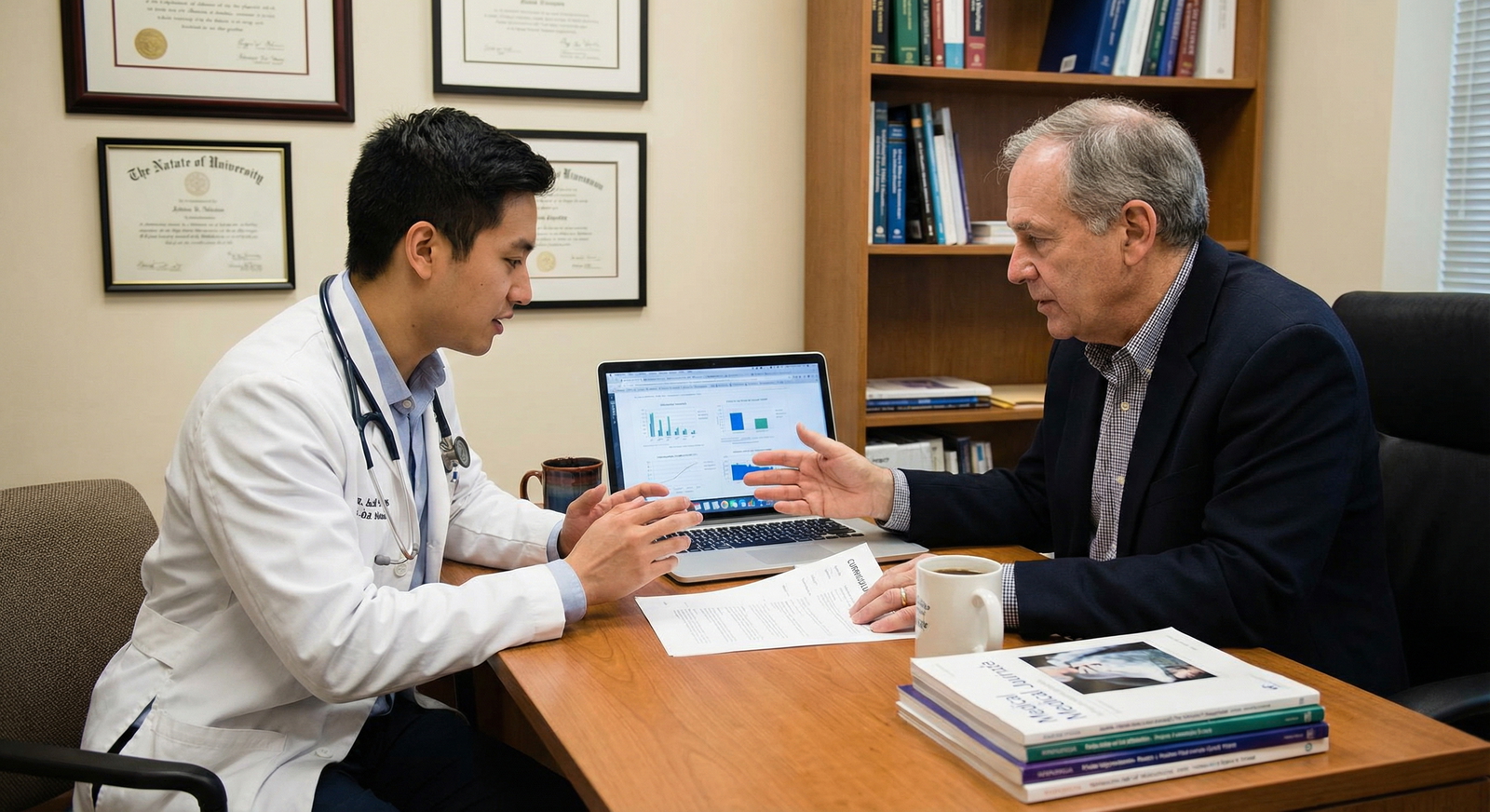
Engaging with Faculty, Residents, and Mentors at Your Home Institution
Your home institution is often the most important networking environment, especially if it has your target specialty.
Crafting Effective Introductory Emails
When reaching out to faculty:
Keep emails short, specific, and respectful. For example:
Subject: MS2 Interested in Dermatology Research
Dear Dr. [Name],
My name is [Name], and I am a second-year medical student at [School] with a strong interest in dermatology and [specific area, e.g., skin cancer prevention]. I have read your work on [brief reference to one paper or area] and would be grateful for the opportunity to learn more about your research.
If you have 15–20 minutes for a brief meeting, I would appreciate any advice you might have on how a student at my level can get involved in meaningful projects in this field.
Thank you for your time and consideration.
Sincerely,
[Name]
[Contact information]
Start by asking for advice or a brief meeting, not immediately for a research position. Often, the opportunity follows naturally if you show preparation and genuine curiosity.
Joining Research Projects and Scholarly Work
Participating in research is particularly important in many competitive specialties. To network effectively through research:
- Show up consistently and meet deadlines.
- Communicate clearly and professionally with your team.
- Ask for additional responsibility once you’ve proven reliable.
- Express interest in presenting your work at conferences.
Strong performance on research teams often leads to:
- Additional projects
- Co-authorships
- Personalized letters of recommendation
- Direct introductions to other faculty or program directors
Leveraging Formal and Informal Mentorship Programs
Many medical schools and specialty societies offer:
- Formal mentorship programs pairing students with residents or attendings.
- Specialty-specific mentorship (e.g., AANS mentorship programs for neurosurgery, AAD mentorship for dermatology).
To get the most from mentorship:
- Come to meetings prepared with an agenda (questions, updates, decisions you’re facing).
- Be honest about your goals and concerns (e.g., scores, geographic limitations).
- Ask for feedback on your CV, personal statement, and specialty strategy.
- Follow up on advice and report back on your progress.
Mentorship relationships deepen when mentors see you act on their guidance.
Networking During Clinical Rotations and Away Rotations
Your clinical rotations—especially sub-internships and away rotations—are some of the most powerful networking opportunities available.
Making a Strong Impression on Rotations
On core and specialty rotations:
- Be reliable, prepared, and engaged:
- Arrive early
- Read about your patients and upcoming cases
- Offer to help with tasks appropriate to your level
- Show sincere curiosity:
- Ask thoughtful questions (after you’ve tried to look things up)
- Show interest in the specialty beyond just “I want to match here”
- Demonstrate professionalism:
- Be kind to staff, nurses, and other students
- Avoid complaining or gossip
- Maintain patient-centered behavior at all times
Residents and attendings talk; a strong reputation spreads quickly and can turn into enthusiastic advocacy when it’s time for letters.
Asking for Feedback and Letters of Recommendation
Near the end of a rotation:
Ask for formative feedback mid-rotation:
- “What could I do differently over the next two weeks to improve my performance or be more helpful to the team?”
For letters of recommendation:
Ask faculty who:
- Have directly observed your clinical work
- Seem to value teaching and mentoring
- Expressed positive feedback about your performance
Phrase your request specifically:
- “Dr. [Name], I’ve really appreciated working with you this month. I’m applying to [specialty], and I was wondering if you would feel comfortable writing a strong letter of recommendation on my behalf?”
If they hesitate, thank them and consider asking someone else. You want letters that are enthusiastic, not lukewarm.
Staying in Touch After Rotations
After you finish a rotation, do not let the relationship end:
- Send a short thank-you email.
- Update your mentors when you:
- Present a poster or publish a paper
- Take a major exam
- Finalize your specialty choice
- Enter interview season or match
These small updates keep you on their radar and make it easier for them to advocate for you when opportunities arise.
Leveraging Professional Organizations and Specialty Societies
Professional organizations are networking hubs and powerful tools for career development in competitive specialties.
Joining Relevant Societies and Sections
Most specialties have:
- National organizations (e.g., American Academy of Ophthalmology, American Academy of Orthopaedic Surgeons)
- Student or resident sections
- Reduced or free membership rates for students
Benefits often include:
- Access to mentorship programs
- Discounted conference registration
- Access to specialty journals and educational resources
- Eligibility for student travel grants and awards
Joining early signals commitment to the field.
Volunteering and Leadership Roles
Consider volunteering for:
- Student or trainee committees
- Social media or communications teams
- Advocacy or outreach initiatives
- Educational content development
Leadership roles in these organizations:
- Expand your network beyond your home institution
- Provide experiences you can discuss during interviews
- Offer opportunities to collaborate directly with faculty leaders
Online Communities and Virtual Events
Many societies run:
- Virtual town halls
- Webinars on applying to residency in that specialty
- Mock interview sessions
- Panels with program directors and current residents
Treat these events as networking opportunities: ask questions, follow up with speakers you connected with, and introduce yourself concisely in chat when appropriate.

Preparing for Interview Season: Turning Connections into Opportunities
Mock Interviews with Mentors and Faculty
Well-structured mock interviews serve dual purposes:
- They improve your interview performance.
- They deepen relationships with mentors and faculty.
Ask mentors, residents, or faculty in your specialty to:
- Conduct a formal mock interview
- Provide feedback on:
- How authentically your interest in the specialty comes across
- Clarity of your career goals
- How you discuss any “red flags” (gaps, exam failures, career changes)
This makes them more invested in your success and more aware of your story when talking to colleagues.
Using Your Network to Learn About Programs
Before interviews:
Reach out to residents you know at each program:
- Ask for insights into:
- Culture and work-life balance
- Educational strengths and weaknesses
- Changes in leadership or structure
- Characteristics of successful residents
- Ask for insights into:
Use this information to:
- Tailor your questions during interviews
- Assess your own fit
- Build a more accurate rank list
Staying Current with Specialty Trends
Demonstrating awareness of current issues in your specialty shows genuine engagement. Use your network to stay updated on:
- New treatment guidelines or landmark trials
- Changing board or training requirements
- Shifts in workforce demand or fellowship trends
- Hot topics (e.g., AI in radiology, teledermatology, health equity in surgery)
You can then integrate this knowledge into interview conversations and personal statements to show thoughtful, forward-looking career development.
Frequently Asked Questions (FAQ)
1. When should I start networking if I’m interested in a competitive specialty?
Start as early as possible—ideally in preclinical years (MS1–MS2). In the beginning, focus on:
- Attending interest group events
- Meeting a few residents and faculty
- Exploring different specialties before you commit
By MS3, refine your focus and deepen relationships in your target specialty through rotations, research, and conferences. Consistency over time is more important than intensity over a short burst.
2. How do I network if my medical school doesn’t have my desired specialty?
If your home institution lacks your desired specialty (e.g., no neurosurgery or dermatology department), you can still build a strong network:
- Use national societies’ mentorship programs to connect with off-site mentors.
- Arrange away rotations or visiting student electives at institutions with strong programs.
- Attend national conferences and introduce yourself to faculty and residents.
- Use LinkedIn and X to connect with physicians in your target field.
- Seek out local specialists in the community and ask if you can shadow or assist with projects.
Many students from such schools successfully match into competitive specialties by being proactive and strategic in their networking.
3. How can I network without feeling fake or transactional?
Effective networking in medicine is grounded in authentic curiosity and mutual respect, not self-promotion. To keep interactions genuine:
- Focus on what you can learn, not only what you can gain.
- Ask about others’ experiences and perspectives.
- Follow through on suggestions and report back on your progress.
- Show appreciation for people’s time and guidance.
Remember that most physicians enjoy helping motivated students; mentorship and networking are part of the culture of academic medicine.
4. What if I’m introverted or uncomfortable approaching people?
You do not need to be extroverted to network effectively. Consider:
- Starting with email introductions, which give you time to think and write carefully.
- Setting small goals at conferences (e.g., “I will introduce myself to two people each day”).
- Preparing a short self-introduction in advance.
- Asking 2–3 thoughtful questions you can use to start conversations.
Many excellent clinicians and researchers are introverted; they succeed by being prepared, genuine, and consistent rather than overly outgoing.
5. How do I know if my networking is actually helping my residency chances?
Signs that your networking is having an impact include:
- Being offered research, leadership, or presentation opportunities.
- Receiving specific, enthusiastic mentorship and guidance.
- Having mentors who proactively introduce you to others (“You should meet Dr. X; I’ll connect you.”).
- Getting personalized advice about programs and strategy.
- Hearing that faculty or residents remember you from rotations or conferences.
Ultimately, you can’t control every outcome in a competitive process—but you can significantly increase your odds by ensuring that when decisions are made, you are a known, trusted, and respected name.
By integrating these networking strategies—both in-person and online—into your daily habits as a medical student or early trainee, you build a strong, supportive professional network that will serve you not just through the residency match, but throughout your entire medical career.