
Understanding the Most Competitive Medical Specialties: Requirements, Expectations, and Strategy
Choosing a medical specialty is one of the most consequential decisions in a physician’s training. For those drawn to highly sought-after fields, the path can be especially challenging. Limited residency positions, high academic expectations, and intense clinical demands make certain medical specialties far more competitive than others.
This guide explains the landscape of the most competitive specialties in modern healthcare, what residency programs are really looking for, and how you can strategically prepare. Whether you are a pre-clinical student, on clerkships, or already applying, understanding residency requirements and expectations early can significantly shape your career trajectory in competitive medicine.
The Landscape of Competitive Specialties in Medicine
Some specialties attract more applicants than available positions due to a mix of factors: perceived prestige, salary, lifestyle, procedural focus, or intellectual challenge. According to recurring patterns in NRMP (National Resident Matching Program) data and specialty match results, the following are consistently among the most competitive medical specialties:
- Dermatology
- Plastic Surgery
- Orthopedic Surgery
- Neurosurgery
- Cardiac (Cardiothoracic) Surgery
- Ophthalmology
- Radiation Oncology
- Anesthesiology (more variable by year, but still competitive at top programs)
These specialties share several common features:
- Limited residency spots relative to the number of strong applicants
- High expectations for academic achievement and clinical performance
- Extensive physician training periods, often with mandatory or highly encouraged fellowships
- High-stakes patient care, with significant procedural or surgical components
- Strong interest from applicants drawn by intellectual challenge, compensation, or lifestyle characteristics
Understanding your fit with these fields requires more than just knowing salary data or prestige. It means understanding day-to-day work, residency culture, training length, and long-term career sustainability.
Dermatology: High Demand, High Expectations
Dermatology is widely known as one of the most competitive specialties in medicine. Interest continues to grow due to an appealing combination of procedural work, outpatient focus, and relatively predictable hours, especially in private practice settings.
Core Residency Requirements
Academic performance
- Strong performance in pre-clinical and clinical courses
- Honors in dermatology and medicine rotations are common in successful applicants
- Evidence of excellence in physical diagnosis and pattern recognition
Board exams
- Historically, USMLE Step 1 scores for matched applicants have been in the upper percentiles
- With Step 1 now pass/fail, Step 2 CK and clinical grades carry even more weight
- Strong performance on Step 2 CK is increasingly critical
Research and scholarly activity
- Multiple dermatology-related publications, abstracts, or posters are common (though not strictly required) among matched applicants
- Involvement in quality improvement projects or case reports with dermatology faculty can be impactful
- A gap year for dedicated research at a strong academic department can be beneficial for borderline candidates
Letters of recommendation
- Strong, detailed letters from dermatology faculty who know you well
- At least one or two letters from dermatologists are typically expected
Extracurricular involvement
- Active participation in dermatology interest groups
- Community outreach: skin cancer screenings, patient education, free clinics
- Participation in national organizations (e.g., American Academy of Dermatology) when possible
Training Pathway and Expectations
Length of training
- Typically 1 preliminary or transitional year (often internal medicine or surgery)
- Followed by 3 years of dermatology residency (total of 4 years post-graduation)
Resident responsibilities
- Mastery of medical dermatology (rashes, autoimmune skin disease, infectious dermatoses)
- Procedural skills: biopsies, excisions, cryotherapy, cosmetic procedures (depending on program)
- Dermatopathology exposure and interpretation
- Outpatient-heavy workload, with some inpatient consults at academic centers
Lifestyle and career options
- Many graduates pursue fellowships (dermatopathology, Mohs surgery, pediatric dermatology, cosmetics)
- Private practice vs academic roles: substantial differences in schedule, income, and research opportunities
- Generally favorable work-life balance compared to many other surgical or procedural specialties
Plastic Surgery: Precision, Creativity, and Intense Training
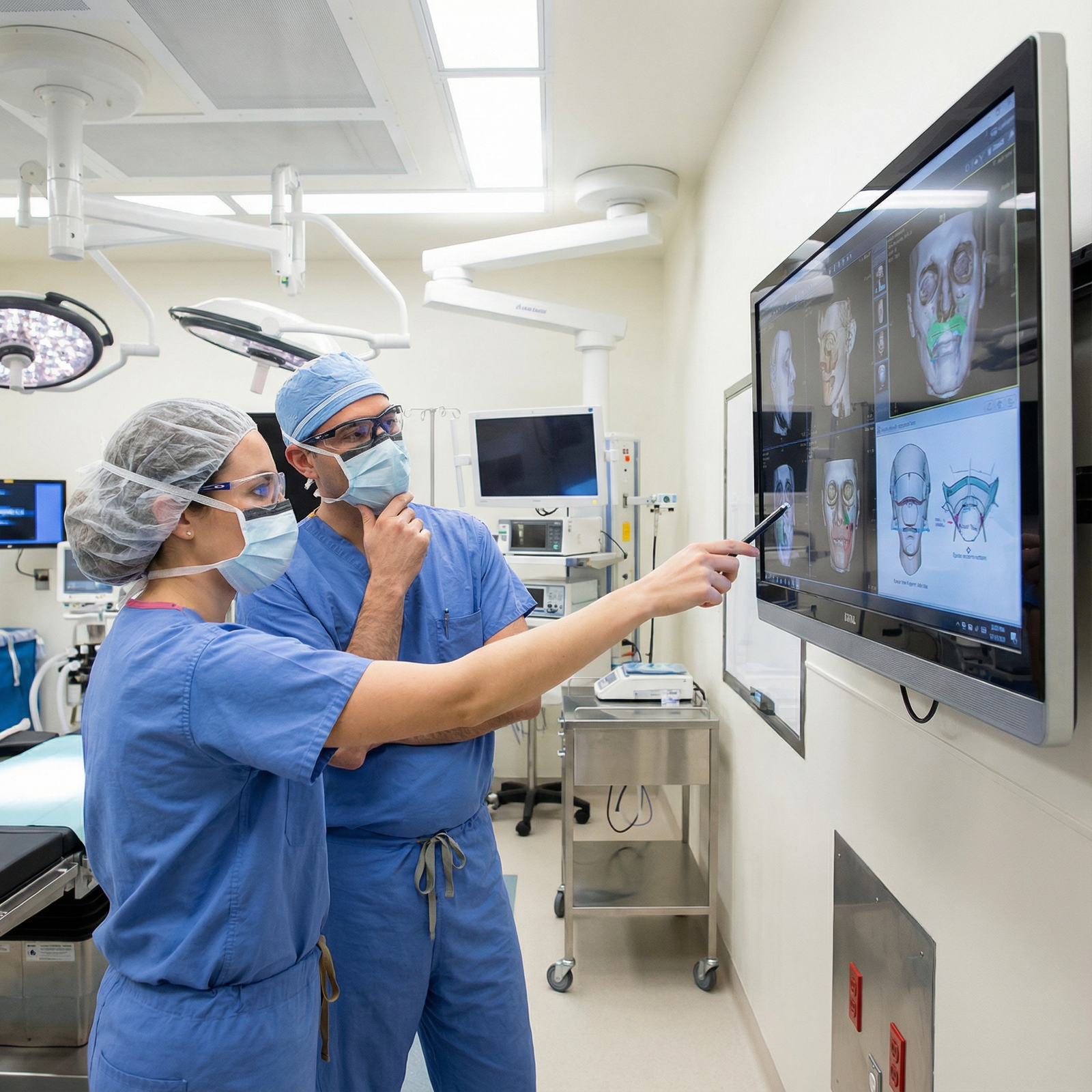
Plastic surgery is a hallmark of competitive medicine, encompassing reconstructive, hand, craniofacial, burn, and aesthetic surgery. This specialty combines meticulous technical skill with creativity and three-dimensional thinking.
Core Residency Requirements
Academic excellence
- Honors in surgery clerkships, strong performance in anatomy and surgical subspecialty electives
- Strong clinical evaluations emphasizing technical skill, professionalism, and teamwork
Training pathways
- Integrated plastic surgery residency (now the primary route):
- 6 years of integrated training directly after medical school
- Independent plastic surgery pathway (less common, more for international graduates or specific cases):
- 5 years of general surgery + 2–3 years of dedicated plastic surgery training
- Integrated plastic surgery residency (now the primary route):
Board exam performance
- Historically very strong USMLE Step scores among matched applicants
- Step 2 CK scores and shelf exam performance now strongly emphasized
Research
- Surgical research (plastic, reconstructive, craniofacial, microsurgery, or outcomes research) is highly valued
- Multiple publications or high-quality projects can distinguish you in a crowded field
- Presentations at plastic surgery conferences can help you network and gain visibility
Letters and mentorship
- Strong letters from plastic surgeons are essential
- Longitudinal mentorship with faculty in your home or away rotation programs is often a key deciding factor
- Away/audition rotations are common and can significantly influence match outcomes
Training Expectations and Lifestyle
Clinical expectations
- Long operative days, complex reconstructions (post-trauma, post-oncologic, congenital)
- Emergency coverage for facial trauma, hand injuries, and acute soft tissue problems
- Progressive independence in complex aesthetic and reconstructive cases
Work hours and intensity
- High-volume OR time and significant call responsibilities, especially in training
- Demanding residency, often comparable in intensity to other major surgical specialties
Career directions
- Academic reconstructive surgery, microsurgery, craniofacial surgery, hand surgery
- High-end aesthetic practice (solo or group practice)
- Combination practices with both reconstructive and cosmetic cases
Orthopedic Surgery: Musculoskeletal Mastery and Procedural Focus
Orthopedic surgery is known for its physically and intellectually demanding nature, focusing on the musculoskeletal system. It attracts students interested in sports medicine, trauma, joint replacement, spine surgery, and complex reconstruction.
Core Residency Requirements
Academic and clinical performance
- Strong performance in surgery and orthopedic electives
- Demonstrated procedural aptitude and stamina in the operating room
- Honors in surgery and medicine often helpful
Board exams
- Historically very high USMLE Step 1 and Step 2 CK scores among matched applicants
- With Step 1 pass/fail, Step 2 CK and clerkship grades are heavily weighted
Audition (away) rotations
- Often critical for orthopedic applicants
- Allow programs to assess your work ethic, team dynamics, technical potential, and cultural fit
- Key source of letters of recommendation and “reputation” within the field
Research and involvement
- Research is valued, but not always mandatory to match; quality often matters more than quantity
- Participation in orthopedic interest groups, sports coverage (e.g., team physician shadowing), or fracture clinics can demonstrate commitment
Training Expectations and Lifestyle
Training length
- Typically 5 years of orthopedic surgery residency
- Optional but common fellowships in sports medicine, adult reconstruction, spine, hand, pediatrics, or trauma
Day-to-day resident work
- Long OR cases, fracture reductions, trauma call, consults in the ED and inpatient wards
- Heavy call responsibilities, especially at trauma centers
- Managing pre- and post-operative care and rehabilitation coordination
Long-term practice
- Private practice, academic orthopedic surgery, or large group models
- High procedural volume and physical demands over a career
- Potential for high compensation but also risk of burnout if not balanced with personal priorities
Neurosurgery: The Longest Road in Physician Training
Neurosurgery is one of the most demanding specialties in all of medicine, both in competitiveness and training duration. It focuses on the brain, spine, and peripheral nervous system, often dealing with life-threatening pathology.
Core Residency Requirements
Academic distinction
- Top-tier performance in basic sciences, especially neuroanatomy and neuroscience
- Excellent evaluations on neurology and neurosurgery rotations
- Demonstrated resilience, maturity, and ability to function under pressure
Board exam and metrics
- Historically among the highest USMLE score ranges
- Step 2 CK scores, research productivity, and class rank (if applicable) are heavily scrutinized
Research intensity
- Research is almost universally expected (basic science, translational, or clinical neurosurgery)
- Many applicants have multiple publications and conference presentations
- Dedicated research time (1+ year) is common at academic neurosurgery departments
Mentorship and letters
- Strong letters from neurosurgeons at your home institution or away rotation sites are essential
- Evidence of long-term interest and commitment to neurosurgery is often assessed
Training Expectations and Lifestyle
Training length
- Typically 7 years of neurosurgery residency
- Often includes 1–2 years of protected research, depending on the program
- Additional fellowships (e.g., spine, neuro-oncology, vascular, functional, pediatrics) are common
Resident life
- Longest hours of any specialty in many programs, high call burden
- Frequent overnight emergencies: trauma, brain hemorrhage, spinal cord compression, aneurysms
- Intense responsibility, early exposure to high-stakes decision-making
Long-term considerations
- Highly rewarding for those passionate about complex neuroscience and surgery
- High burnout potential; requires careful evaluation of personal resilience and support systems
- Wide scope: academic neurosurgery, community practice, subspecialty referral centers
Cardiac (Cardiothoracic) Surgery: High Risk, High Reward
Cardiothoracic surgery focuses on diseases of the heart, lungs, and major vessels. This subspecialty of surgery is known for long operations, critically ill patients, and major physiologic complexity.
Core Residency Requirements
Training pathways
- Traditional route: 5 years general surgery + 2–3 years cardiothoracic surgery fellowship
- Integrated route (I-6 programs): 6-year combined cardiothoracic training directly after medical school
- Integrated programs are especially competitive due to limited positions
Academic and exam performance
- Strong performance in general surgery and cardiothoracic rotations
- High Step 2 CK scores and excellent clinical evaluations
- Evidence of comfort with complex physiology and critical care
Research and scholarly output
- Cardiothoracic outcomes research, valve or aortic surgery projects, transplant research, or basic science in cardiovascular physiology
- Publications and conference presentations improve competitiveness, particularly for integrated programs
Training Expectations and Lifestyle
Residency and fellowship
- Total training often 7–8 years depending on route
- Intensive exposure to ICU care, cardiopulmonary bypass, transplant, ECMO, and advanced perioperative management
Clinical work
- Long operations (valves, bypass, aortic repairs, transplant)
- Critically ill patients requiring minute-to-minute decision-making
- Close collaboration with cardiologists, intensivists, anesthesiologists, and perfusionists
Career outlook
- Academic centers, cardiac centers of excellence, or specialized group practices
- Evolving field with emerging technologies: TAVR, minimally invasive approaches, mechanical circulatory support
- High stress and high responsibility, but often deeply meaningful work
Ophthalmology: Precision, Microsurgery, and Visual Outcomes
Ophthalmology is a unique blend of medicine and microsurgery focused on diseases of the eye and visual system. It is among the most popular and competitive medical specialties, particularly for students seeking a balance of surgical work and relatively controlled hours.
Core Residency Requirements
Application process
- Ophthalmology uses a separate early match process (SF Match) in many regions, with different timelines from the NRMP Main Match
- Requires careful planning of letters, personal statement, and away rotations
Academic profile
- Strong performance in core clerkships, particularly surgery and medicine
- Step 2 CK score and clinical evaluations heavily considered
Research and engagement
- Ophthalmology or vision science research is advantageous but not mandatory
- Shadowing and clinic experience with ophthalmologists is important to demonstrate exposure and commitment
Training Expectations and Career
Training length
- 1 preliminary year (often internal medicine or transitional) + 3 years of ophthalmology residency
- Many pursue additional subspecialty fellowships (retina, cornea, glaucoma, pediatrics, oculoplastics, neuro-ophthalmology)
Day-to-day work
- Outpatient clinics, subspecialty consults, and OR time with microscopic, highly delicate surgeries
- Cataract surgery, retina procedures, glaucoma interventions, and various laser treatments
Lifestyle and practice options
- Generally favorable call schedules compared to many surgical fields
- Mix of medical and surgical practice with strong long-term career flexibility
Radiation Oncology: Technology, Oncology, and Longitudinal Care
Radiation oncology lies at the intersection of oncology, physics, and technology, using ionizing radiation to treat cancer. It commonly attracts students who enjoy longitudinal relationships with patients and innovative treatment planning.
Core Residency Requirements
Academic foundation
- Strong understanding of cancer biology, internal medicine, and radiology concepts
- Comfortable with physics and dosimetry concepts (formal physics background is helpful but not required)
Research profile
- Oncology or radiation oncology research is common among applicants
- Involvement in clinical trials, outcomes studies, or translational cancer research is viewed favorably
Board exams and fit
- Strong Step 2 CK performance and evidence of humanism, communication skills, and teamwork
- Programs assess your ability to work closely with multidisciplinary cancer teams (medical oncology, surgical oncology, palliative care)
Training and Practice Expectations
Training length
- Usually 1 preliminary/transitional year + 4 years of radiation oncology
- Subspecialty focus during or after residency (pediatrics, CNS, genitourinary, etc.) common in academic centers
Day-to-day responsibilities
- Treatment planning (contouring targets, working with medical physicists)
- Managing side effects, coordinating care with other specialists, long-term follow-up
- Relatively few emergencies, but intense emotional and ethical dimensions given cancer care
Career outlook
- Academic vs community practices, often in cancer centers
- Field continues to evolve with new technologies (proton therapy, stereotactic body radiation therapy, adaptive planning)
Anesthesiology: Perioperative Medicine and Critical Decision-Making
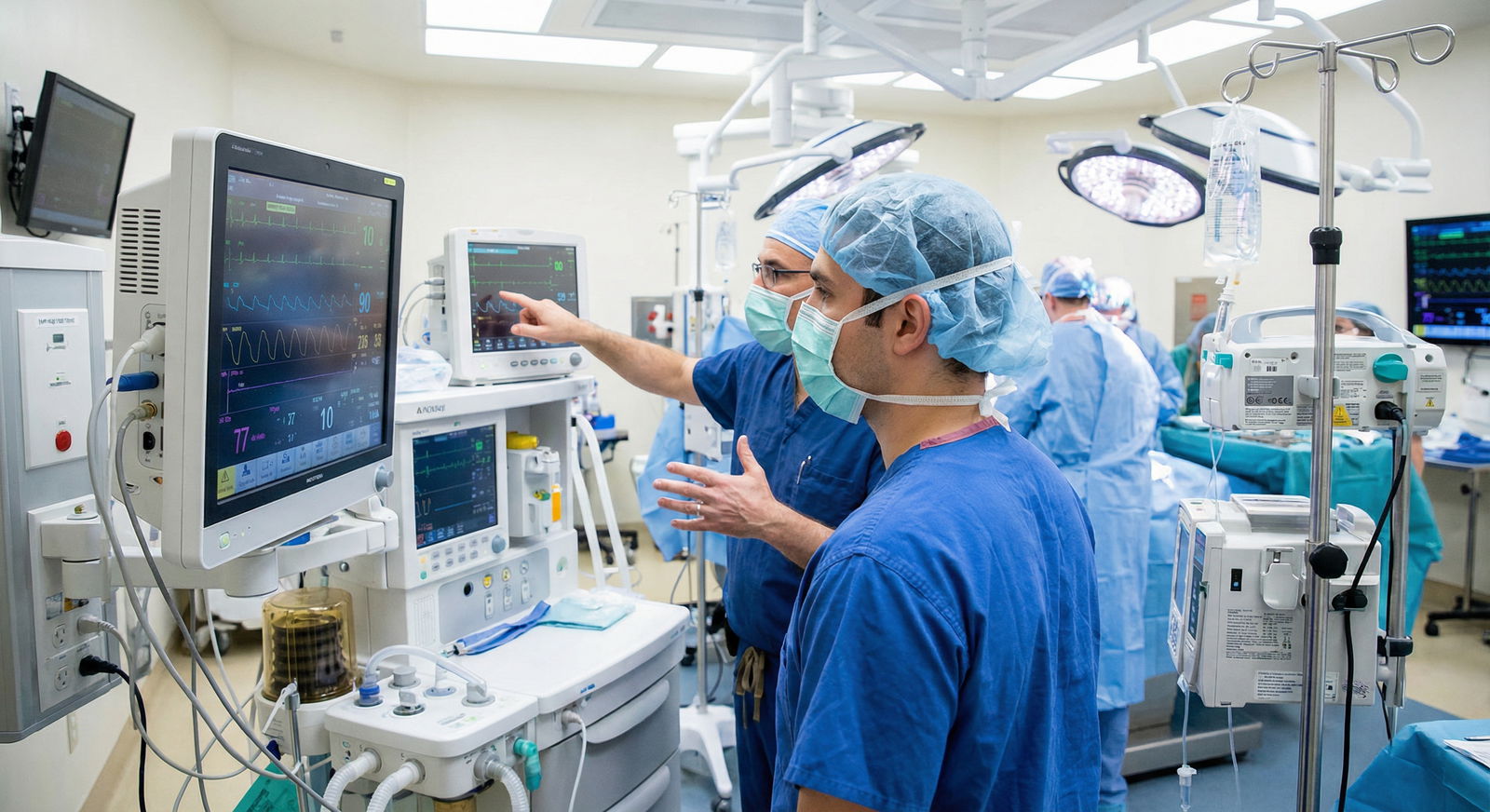
Anesthesiology centers on patient safety and physiology during surgery and procedures, as well as pain management and critical care. While competitiveness has fluctuated over time and by region, top anesthesiology programs remain quite selective.
Core Residency Requirements
Academic profile
- Solid performance across core clerkships, particularly medicine and surgery
- Step 2 CK performance is important; physiology and pharmacology knowledge are critical
Professional skills
- Ability to stay calm under pressure, make rapid decisions, and multitask
- Strong communication with surgeons, nurses, and patients (including pre-operative counseling)
Research and extracurriculars
- Not universally required, but anesthesiology or critical care research can help at competitive programs
- Participation in anesthesia interest groups, OR shadowing, or ICU experiences demonstrate genuine interest
Training and Career
Training length
- Typically 4 years (1 year clinical base/transitional + 3 years anesthesiology)
- Many pursue fellowships in critical care, pain medicine, cardiac anesthesia, regional anesthesia, or pediatric anesthesia
Scope of practice
- OR and procedural sedation, pre-op clinics, post-anesthesia care, ICU roles (depending on fellowship)
- Significant responsibility for airway management, hemodynamic stability, and crisis response
Lifestyle considerations
- Variable; can involve nights and weekends, especially early career and depending on practice setting
- Flexibility to work in academic centers, private groups, ambulatory surgery centers, or locum tenens roles
Strategic Tips for Matching into Competitive Medical Specialties
Regardless of which competitive specialty you pursue, several core strategies can improve your odds of success and help you build a sustainable healthcare career.
1. Start Exploring Early
- Seek early exposure through shadowing, interest groups, and summer research
- Use pre-clinical years to explore broadly before narrowing down
- Talk to residents and attendings honestly about lifestyle, training demands, and job markets
2. Excel Academically Where It Matters Most
- Prioritize strong performance in core clerkships and your specialty’s key rotations
- Treat Step 2 CK as a major priority; strong performance can compensate for other gaps
- Seek feedback regularly and remediate weaknesses early
3. Build Genuine Relationships and Mentors
- Identify at least one or two mentors in your field of interest
- Show consistency and reliability in research, clinics, and rotations
- Ask for honest feedback on your competitiveness and application strategy
4. Be Strategic About Research
- Aim for meaningful research experiences rather than just “checking a box”
- Try to complete at least one project that leads to a poster, oral presentation, or publication
- Don’t be afraid to start small (case reports, chart reviews) and build from there
5. Plan Audition/Away Rotations Thoughtfully
- Target programs where you are realistically competitive and genuinely interested
- Use away rotations to demonstrate work ethic, collegiality, and teachability
- Remember that every interaction is part of your unofficial interview
6. Protect Your Well-being
- Competitive specialties can foster perfectionism and burnout even before residency
- Maintain non-medical interests and social support
- Reflect honestly: do your values, personality, and life goals align with the realities of your chosen field?
FAQ: Competitive Medical Specialties, Residency Requirements, and Career Planning
1. What actually makes a medical specialty “competitive”?
A specialty is considered competitive when there are more strong applicants than available residency positions, leading to high thresholds for:
- Academic performance (grades, exam scores)
- Research and scholarly activity
- Strong letters of recommendation and demonstrated commitment
- Strong performance on away/audition rotations
Fields like dermatology, plastic surgery, neurosurgery, and orthopedic surgery consistently have high applicant-to-position ratios, making them among the most competitive in medicine.
2. Can I still match into a competitive specialty if my grades or Step scores are not stellar?
Yes, but it becomes more challenging and requires a strategic approach:
- Strengthen other aspects of your application: research, letters, clinical performance, and away rotations
- Consider doing a dedicated research year in your field of interest
- Apply broadly and include a realistic backup plan (e.g., a closely related specialty or preliminary year)
- Seek honest feedback from advisors and mentors based on your full application profile
Many successful physicians in competitive fields did not have “perfect” applications but matched through persistence, targeted improvement, and excellent mentorship.
3. How important is research for competitive specialties?
For most highly competitive specialties, research is a major differentiator, though not always mandatory:
- In fields like dermatology, neurosurgery, plastic surgery, and radiation oncology, research is often expected
- Quality generally matters more than sheer quantity; a few meaningful projects with clear outcomes (presentations, publications) can be enough
- Research demonstrates curiosity, perseverance, and familiarity with the academic side of your specialty
If your school has limited research options, look for summer research, remote collaborations, or national programs.
4. Are the most competitive specialties always the best choice for long-term career satisfaction?
Not necessarily. Competitiveness does not equal best fit. Long-term satisfaction depends more on:
- Day-to-day clinical work and patient population
- Call schedule, lifestyle, and flexibility as your life circumstances change
- Your tolerance for stress, responsibility, and procedural intensity
- Whether the culture and values of that specialty resonate with you
Many physicians in less competitive fields have deeply fulfilling, impactful careers with excellent work-life balance and job satisfaction.
5. When should I decide whether to pursue a competitive specialty, and how late is “too late” to switch?
Ideally, you should:
- Start exploring potential specialties during pre-clinical years
- Narrow to 1–2 main interests by the end of third year for planning research, letters, and away rotations
However, it is not impossible to change paths late:
- Late decisions may require rapid networking, targeted electives, and possibly a research or “bridge” year
- Honest conversations with advisors and program directors can help you assess feasibility and timelines
Ultimately, it is better to make a thoughtful “late” decision than to commit early to a field that doesn’t fit you.
Competitive medical specialties offer unique opportunities for challenge, impact, and growth. By understanding residency requirements, realistic expectations, and the full training pathway, you can make an informed decision that aligns with your strengths, values, and vision for your healthcare career.