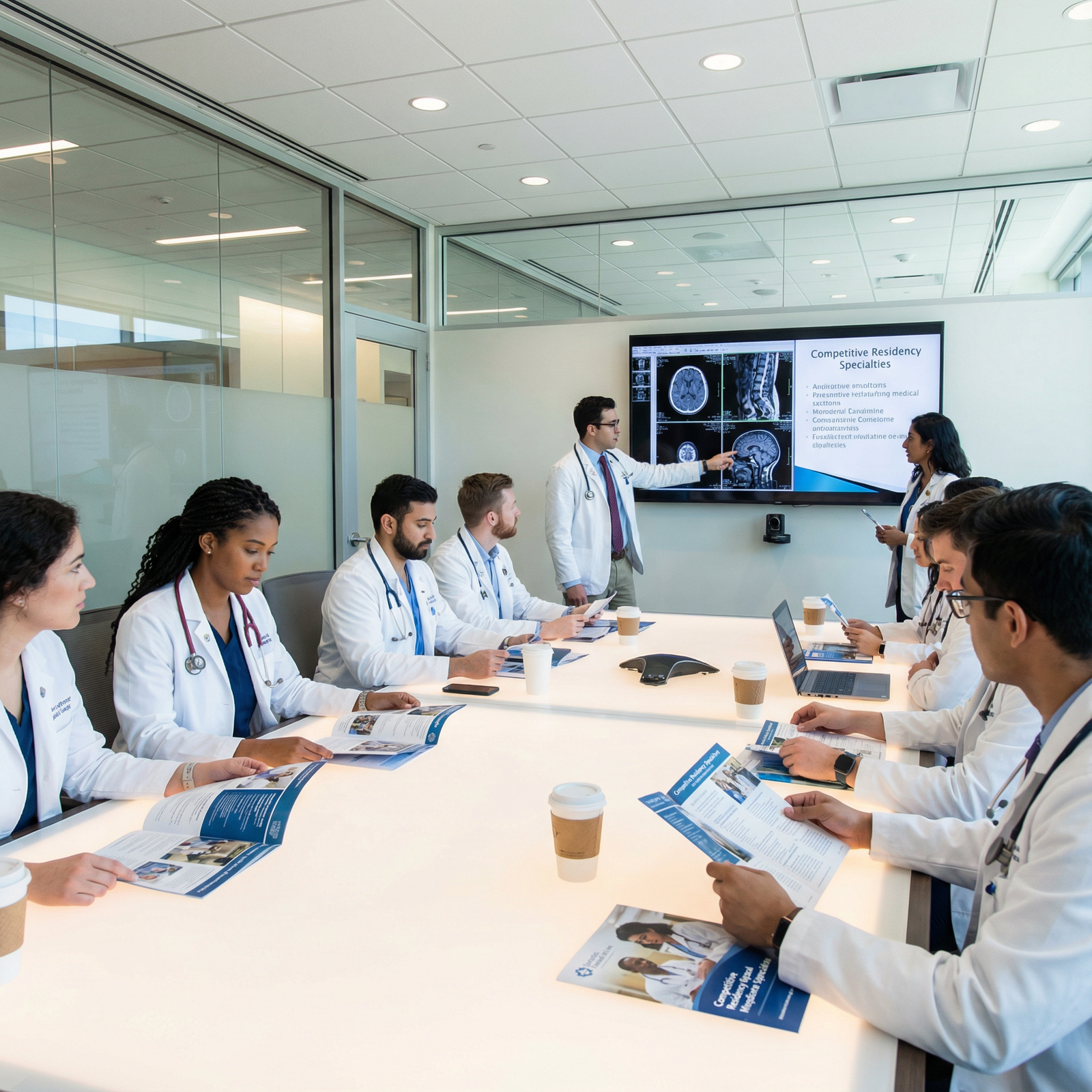
Entering residency is one of the most pivotal transitions in a medical career—and for those targeting the most competitive medical specialties, strategy and preparation matter as much as passion. With more medical graduates and relatively fixed residency slots, certain Residency Programs have become especially difficult to enter, demanding exceptional academic performance, robust clinical skills, and clear commitment to the field.
This guide outlines 10 of the most competitive Medical Specialties, explains why they are so sought after, and offers practical, specialty-specific advice for Aspiring Residents who want to stand out in a crowded field. Whether you are early in medical school or approaching application season, use these insights to make informed decisions about your Healthcare Career and strengthen your competitiveness.
Understanding Competitiveness in Medical Specialties
Before diving into each specialty, it’s important to understand what makes a residency particularly competitive.
Key Drivers of Competitiveness
- Limited Number of Positions: Some specialties have relatively few residency slots nationwide compared with the number of applicants (e.g., dermatology, neurosurgery).
- Lifestyle and Work–Life Balance: Specialties perceived to offer controllable hours and fewer overnight calls tend to attract more applicants.
- Earning Potential: Higher average compensation often draws more interest, especially when combined with appealing schedules.
- Prestige and Selectivity: Some fields are viewed as elite within Competitive Medicine, which can further increase applicant volume.
- Length and Intensity of Training: Paradoxically, very demanding fields (e.g., neurosurgery) attract highly driven candidates, raising the bar.
What Competitive Programs Look For
Across competitive specialties, programs often emphasize:
- Strong academic performance and board scores
- Honors in core clinical clerkships (especially those related to the specialty)
- Specialty-specific research experience and publications
- Enthusiastic, detailed letters of recommendation from faculty in the field
- Evidence of professionalism, resilience, and teamwork
- Clear, sustained interest in the specialty (early involvement, electives, shadowing)
With that context, let’s explore the 10 specialties and how to prepare for them.
1. Dermatology: High Demand, Limited Spots
Dermatology reliably ranks among the most competitive Medical Specialties due to an attractive combination of intellectual challenge, procedural work, lifestyle, and income.
Why Dermatology Is So Competitive
- Excellent work–life balance with relatively predictable hours
- High earning potential, especially with cosmetic dermatology
- Wide case variety: from complex inflammatory diseases and skin cancers to cosmetic procedures
- Limited residency positions relative to applicant demand
How Aspiring Dermatologists Can Stand Out
Academic Excellence
- Aim for top-tier performance in preclinical and clinical years.
- High board scores (particularly Step 2 CK now that Step 1 is pass/fail) often function as screening tools.
- Strive for honors in internal medicine, pediatrics, and dermatology electives.
Research and Scholarly Productivity
- Get involved early with dermatology faculty—case reports, retrospective reviews, or basic science projects.
- Aim for presentations and publications, even small projects; they demonstrate persistence and scholarly curiosity.
- Consider a research year if you are a latecomer to dermatology or if your application has gaps.
Clinical Exposure and Networking
- Complete dermatology electives at your home institution and, if possible, away rotations at programs where you’d like to match.
- Shadow both medical and cosmetic dermatologists to understand the breadth of practice.
- Join the dermatology interest group, attend local/national derm conferences, and seek mentors who can advocate for you.
Personal Qualities Programs Value
- Strong visual diagnostic skills and attention to detail
- Comfort with procedures and patient counseling on chronic conditions
- Longitudinal patient care mindset, especially in conditions like psoriasis, acne, and autoimmune skin disease
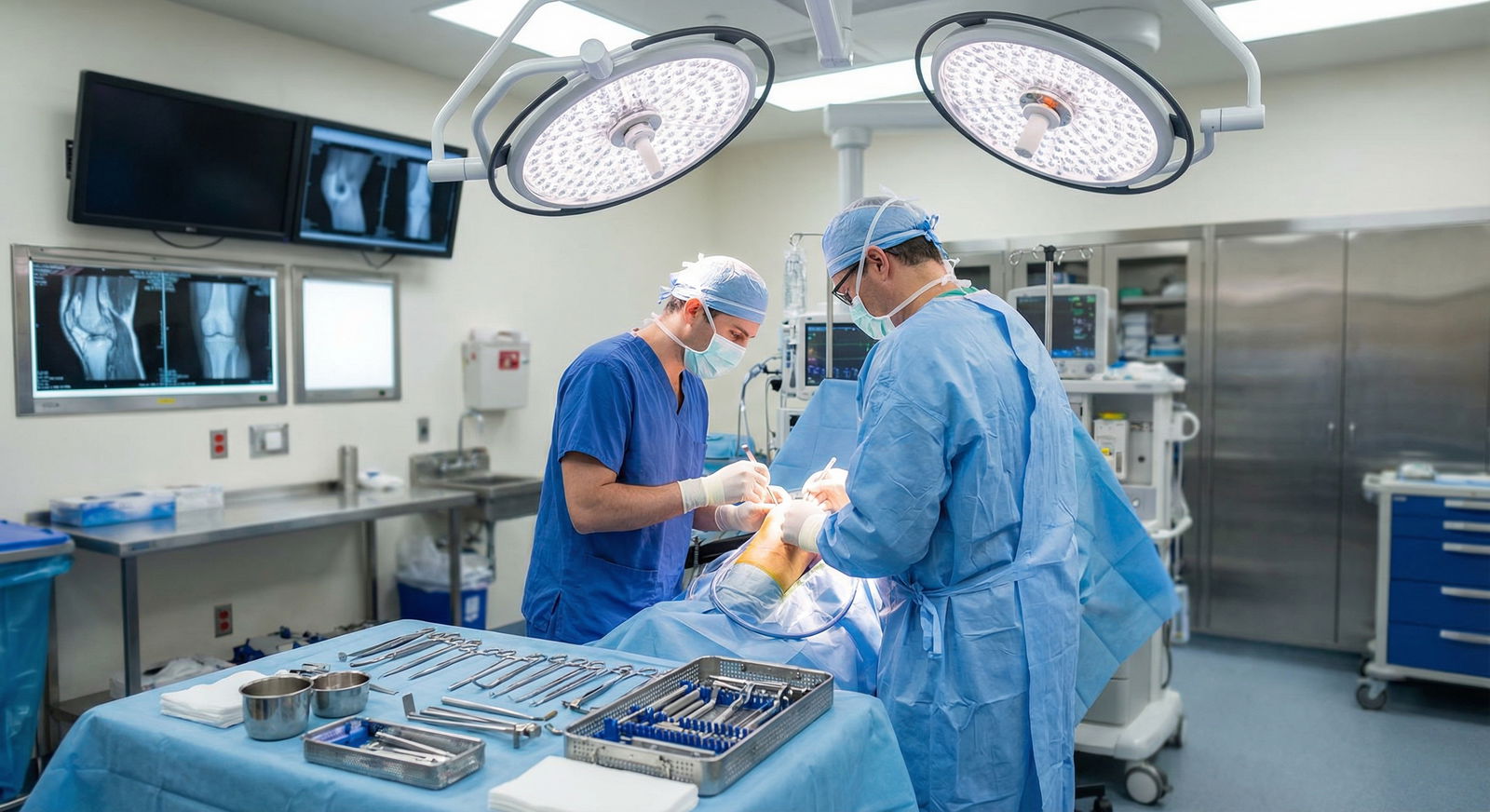
2. Orthopedic Surgery: Technical Mastery and Physical Demands
Orthopedic surgery attracts students interested in anatomy, biomechanics, sports medicine, and hands-on operating room work. It is known for being both physically and academically demanding.
Why Orthopedics Is Highly Competitive
- High compensation and robust job market
- Appealing subspecialties (sports medicine, spine, trauma, hand, pediatrics)
- Operative focus with opportunities to restore function and mobility
- Strong culture of mentorship and camaraderie, which draws many applicants
Keys to a Strong Orthopedic Application
Academic and Clinical Performance
- High Step 2 CK score and honors in surgery clerkship are often expected.
- Demonstrate mastery of musculoskeletal anatomy and radiographic interpretation.
- Strong performance on orthopedic sub-internships/AIs (acting internships) is especially important.
Letters and Reputation Within the Field
- Obtain letters from orthopedic surgeons who know you well and can speak to your work ethic, technical potential, and team skills.
- Build a reputation as reliable, teachable, and enthusiastic in the OR and on rounds.
Hands-On and Research Experience
- Participate in orthopedic research (clinical outcomes, biomechanics, quality improvement).
- Attend fracture conferences, journal clubs, and sports clinics when possible.
- Show progressive involvement: start with shadowing, then clinical research or OR assistance, then away rotations.
Physical and Personal Attributes
- Comfort with long hours in the OR and physically strenuous positioning.
- Strong teamwork; orthopedic surgery relies heavily on effective collaboration with residents, nurses, and allied health professionals.
3. Plastic Surgery: Precision, Creativity, and Innovation
Plastic surgery combines artistry with technical excellence, encompassing both cosmetic and reconstructive procedures.
Why Plastic Surgery Is Among the Most Competitive
- Integrated training programs with limited positions
- High earning potential, especially in cosmetic practice
- Diverse case mix: trauma reconstruction, burns, craniofacial surgery, microsurgery, hand, aesthetics
- Prestige and innovation within the surgical community
Pathways and Preparation
Plastic surgery can be pursued through:
- Integrated plastic surgery residency (most competitive route)
- Independent programs after completing a general surgery or other qualifying residency (still competitive)
Strengthening Your Application
- Exceptional academic record with high scores and honors in surgery, anatomy, and related rotations.
- Robust research portfolio in plastic or reconstructive surgery—case reports, technique papers, outcomes research.
- Early mentorship with plastic surgeons and involvement in their clinics and ORs.
- A strong portfolio of experiences: exposure to both reconstructive (e.g., oncologic reconstruction, trauma) and cosmetic procedures (e.g., rhinoplasty, breast surgery).
What Programs Look For
- Technical dexterity, fine motor skills, and attention to aesthetics
- Creativity in problem-solving and operative planning
- Professionalism and maturity—given the sensitive nature of many cases
- Clear commitment to the field over time, not a last-minute decision
4. Neurosurgery: The Long, Demanding Road
Neurosurgery epitomizes intensity and rigor in Competitive Medicine. It draws students who are fascinated by the brain, spine, and complex surgical interventions.
Why Neurosurgery Is So Difficult to Match
- Very limited residency positions and small program sizes
- Seven years (or more) of training, with long hours and high responsibility
- Life-and-death decision-making and complex, high-stakes cases
- Strong academic culture emphasizing research and innovation
Building a Neurosurgery-Ready Profile
Academic Achievements
- Aim for the top of your class with outstanding Step 2 CK performance.
- Honors in neurology, neurosurgery electives, and surgery are highly valued.
- Some applicants pursue dual degrees (e.g., MD/PhD), though this is not mandatory.
Research and Scholarly Output
- Longitudinal involvement in neurosurgery or neuroscience research (basic science, clinical trials, or outcomes research).
- Multiple abstracts, posters, or publications strongly strengthen your application.
- Presenting at neurosurgical meetings can help you build relationships in the field.
Demonstrated Commitment
- Early and sustained neurosurgery exposure—shadowing, OR time, on-call experiences.
- Willingness to handle demanding call schedules and emotionally intense cases.
- Mentorship relationships with neurosurgical faculty who can speak to your resilience, judgment, and technical promise.
Personal Considerations
- Reflect honestly on lifestyle, burnout risk, and long-term goals.
- Discuss with mentors and residents about the realities of training and practice.
5. Radiology: At the Intersection of Technology and Diagnosis
Radiology is central to modern Healthcare Careers, integrating clinical medicine, anatomy, and rapidly evolving imaging technologies.
Why Radiology Attracts Many Applicants
- Intellectual challenge of image-based diagnosis
- Broad application across nearly all medical and surgical fields
- Potential for relatively structured schedules and fewer overnight hours (varies by subspecialty and practice setting)
- High compensation, particularly in subspecialties like interventional radiology
Preparing for a Radiology Residency
Academic and Clinical Foundations
- Solid performance in all core clerkships, especially internal medicine and surgery.
- Demonstrate strong understanding of anatomy and pathophysiology.
- High Step 2 CK score remains important as a screening factor.
Radiology-Specific Experiences
- Schedule radiology electives early enough to build relationships and secure letters.
- Spend time in reading rooms, interventional suites, and multidisciplinary tumor boards.
- Develop familiarity with modalities: X-ray, CT, MRI, ultrasound, nuclear medicine.
Research and Career Development
- Participate in imaging-related research—radiomics, AI in imaging, outcomes research, or quality improvement.
- Consider exploring subspecialties early (neuro, body, MSK, IR, breast, pediatrics).
- For those interested in Interventional Radiology, aim for direct exposure to procedures and IR-focused mentors.
6. Anesthesiology: Physiology, Pharmacology, and Perioperative Care
Anesthesiology is a dynamic specialty focusing on patient safety, pain control, and critical perioperative physiology.
Why Anesthesiology Has Become More Competitive
- Broad practice settings: ORs, ICUs, procedural suites, pain clinics
- Increasing recognition of the anesthesiologist’s central role in perioperative medicine
- Flexibility in practice models (academic, private, locums, outpatient centers)
- Attractive compensation with potential for reasonable work–life balance in many practice environments
Building a Competitive Anesthesiology Application
Clinical Excellence
- Strong performance in surgery, internal medicine, and critical care rotations.
- Demonstrate comfort with acutely ill patients and rapid decision-making.
- Show familiarity with hemodynamics, airway management, and resuscitation.
Additional Strengths
- Certifications such as ACLS, BLS, and PALS are essential; experience in ICU, ED, or procedural sedation is a plus.
- Research in pain management, anesthetic techniques, or patient safety can differentiate you.
- Showcase communication skills—anesthesiologists coordinate with surgeons, nurses, and patients under time pressure.
Personality Traits Programs Value
- Calm under stress and able to multitask efficiently
- Detail-oriented, with a strong sense of patient safety
- Team player, since anesthesiology is highly collaborative
7. Emergency Medicine: High Acuity, High Impact
Emergency medicine (EM) attracts applicants who thrive on variety, unpredictability, and acute care.
Why Emergency Medicine Is Competitive
- Direct, rapid impact on patient outcomes
- Diverse case mix—trauma, cardiac, neurologic, pediatric, psychiatric emergencies
- Shift-based schedules that can offer flexibility (though nights and weekends are common)
- Strong identity and culture within the specialty, which many students find appealing
Becoming a Strong EM Applicant
Clinical Rotations and Evaluations
- EM audition rotations are critical—your performance in the ED often carries substantial weight.
- Strive for excellence in internal medicine, surgery, pediatrics, and ICU rotations.
- Seek strong Standardized Letters of Evaluation (SLOEs) from EM faculty at your rotation sites.
Skills and Certifications
- Obtain ACLS, ATLS, and PALS (when available).
- Build procedural experience: suturing, airway management, line placement, ultrasound.
- Demonstrate leadership and calm in chaotic situations—simulation labs and code experiences can help.
Leadership and Professionalism
- Leadership in EM interest groups, free clinics, or disaster response teams shows commitment.
- Highlight experiences serving diverse and underserved communities, as EM often cares for patients with limited access to primary care.
8. Otolaryngology (ENT): A Blend of Medicine and Advanced Surgery
Otolaryngology–Head and Neck Surgery is a small but highly competitive field combining intricate surgery with long-term outpatient care.
Why ENT Is Hard to Enter
- Few residency positions nationwide
- Wide scope: sinus and skull base surgery, head and neck oncology, otology, laryngology, facial plastics, pediatrics
- High degree of technical challenge and use of advanced technology (endoscopes, microscopes, lasers)
Strategies for Aspiring ENT Residents
Academic and Clinical Performance
- Honors in surgery and ENT-related rotations are particularly helpful.
- Solid Step 2 CK scores remain important in screening.
- Strong performance on ENT sub-internships is crucial.
Research and Clinical Involvement
- Participate in projects on head and neck cancer, hearing loss, sinus disease, or airway disorders.
- Attend ENT clinic and OR regularly; get comfortable with endoscopic anatomy and otologic exams.
- Engage in quality improvement projects or clinical trials if available.
Skills and Attributes
- Excellent manual dexterity and interest in microsurgery or endoscopic techniques
- Enjoyment of both adult and pediatric patient populations
- Strong communication skills, especially in managing chronic, quality-of-life conditions (e.g., voice, hearing, sinus issues)
9. Cardiology: A Competitive Fellowship Pathway
Cardiology itself is not a residency but a subspecialty pursued after Internal Medicine training. Nonetheless, as a career destination, it is one of the most competitive and sought-after paths in medicine.
Why Cardiology Remains a Top Choice
- Central role in managing leading causes of morbidity and mortality worldwide
- Variety of subspecialties: interventional, electrophysiology, heart failure, imaging, congenital, preventive
- High earning potential, especially in interventional and EP
- Technological innovation—structural heart interventions, advanced imaging, device therapy
How to Position Yourself for a Cardiology Career
During Internal Medicine Residency
- Match into a strong internal medicine residency program with a robust cardiology department.
- Excel on inpatient cardiology rotations, CCU, and echocardiography.
- Seek mentorship from cardiology faculty early in residency.
Research and Scholarly Activity
- Engage in cardiology research projects: heart failure, arrhythmias, coronary disease, structural heart, prevention.
- Aim for posters, presentations, and publications—fellowship programs place high value on academic productivity.
Clinical Skills and Professionalism
- Develop strong ECG interpretation skills, familiarity with echo and stress testing.
- Demonstrate reliability, teamwork, and compassionate care in high-stress settings like the CCU.
10. Psychiatry: Rapidly Growing Demand and Interest
Psychiatry has become substantially more competitive in recent years as awareness of mental health needs has grown and stigma has decreased.
Why Psychiatry Is Increasingly Competitive
- Rising demand for mental health services across all age groups
- Increasing interest among medical students in holistic, patient-centered care
- Good work–life balance in many practice settings
- Opportunities in outpatient, inpatient, consult–liaison, addiction, forensics, child and adolescent psychiatry, and more
Standing Out as a Psychiatry Applicant
Clinical and Personal Qualities
- Demonstrate strong interpersonal skills, empathy, and nonjudgmental listening.
- Obtain excellent evaluations in psychiatry, internal medicine, and neurology rotations.
- Show ability to manage complex, chronic conditions and collaborate with multidisciplinary teams.
Mental Health Engagement
- Volunteer or work in crisis centers, community mental health clinics, or inpatient psych units.
- Participate in advocacy for mental health awareness, stigma reduction, and policy.
- Involvement in student wellness initiatives can also reflect your commitment.
Academic Preparation
- Strong performance on psychiatry and neurology shelf exams and Step 2 CK.
- Research in psychiatry, neuroscience, addiction, or public mental health will strengthen your application but is not mandatory.

Strategic Tips for Matching Into Competitive Residency Programs
Regardless of which of these Competitive Medicine fields interests you, several core strategies apply across specialties:
1. Start Early and Explore Deliberately
- Use preclinical years to shadow across multiple specialties; confirm your genuine interest before committing.
- Join specialty interest groups and attend departmental conferences to understand the culture and expectations.
2. Optimize Academic Performance
- Treat core clerkships as “auditions” for your capabilities as a resident.
- Identify weak areas early and seek tutoring or additional practice questions to improve shelf and board performance.
3. Build a Coherent, Specialty-Focused Narrative
- Your CV, personal statement, and interview responses should tell a consistent story:
- Why this field?
- How have your experiences prepared you?
- What will you contribute to the specialty and to residency programs?
4. Seek Mentorship and Honest Feedback
- Identify at least one mentor in your target specialty and one in general medical education or advising.
- Ask for candid feedback on your competitiveness and ways to strengthen your portfolio—including whether to consider a research year, additional electives, or a parallel/backup specialty.
5. Consider Application Strategy and Backup Plans
- Some Aspiring Residents apply to both a highly competitive specialty and a less-competitive but still satisfying alternative.
- If you pursue a backup, choose one that aligns with your skills and interests rather than purely “easier to match.”
6. Take Care of Your Well-Being
- The path to these specialties can be stressful. Establish routines for sleep, exercise, and social connection.
- Seek support if you experience burnout, anxiety, or depression—caring for yourself now will make you a better physician later.
FAQ: Competitive Medical Specialties and Residency Applications
1. What factors make a medical specialty “most competitive”?
Competitiveness generally reflects a combination of:
- High applicant-to-position ratio
- Limited number of residency slots
- Perceived lifestyle benefits and/or high compensation
- Prestige and academic intensity
- Length and demands of training
Residency Programs in these fields often use strict screening thresholds (board scores, grades, research) and place high weight on specialty-specific letters and experiences.
2. How important is research for matching into competitive specialties?
Research is not always mandatory, but in highly competitive fields (e.g., dermatology, plastic surgery, neurosurgery, ENT, radiology), it can be a major differentiator. Programs look for:
- Evidence of sustained scholarly engagement
- Publications or presentations at conferences
- Projects directly related to the specialty
Even small projects (case reports, retrospective reviews) are valuable if they show initiative, follow-through, and interest in academic inquiry.
3. Can I still match into a competitive specialty with average board scores?
Yes, but it may require a more strategic approach:
- Excel in clinical rotations, especially sub-internships in your chosen specialty.
- Obtain outstanding letters from faculty who know you very well.
- Build a strong research and extracurricular profile that showcases your strengths.
- Consider broadening your application list and including programs of varying competitiveness.
- Discuss options with mentors—some may recommend a research year or a parallel plan.
4. Should I apply to a backup specialty, and how do I choose one?
A backup can be wise if:
- Your metrics are significantly below typical ranges for your target specialty.
- You are risk-averse or have geographic constraints.
Choose a backup that you would genuinely be happy practicing, ideally sharing overlapping interests or skill sets (e.g., internal medicine as a base for cardiology; general surgery for those also interested in surgical fields).
5. What are the most critical steps I can take during medical school to prepare for competitive residency applications?
- Prioritize strong academic performance and consistent improvement.
- Explore specialties early, then commit and build depth (electives, research, mentorship).
- Cultivate professionalism, reliability, and teamwork in all clinical environments.
- Develop a few standout elements in your application—research, leadership, advocacy, or unique experiences that align with your chosen field.
- Seek frequent, honest mentorship to refine your strategy and address weaknesses in real time.
Pursuing one of the most competitive Medical Specialties is challenging—but with intentional planning, mentorship, and sustained effort, many Aspiring Residents successfully match into their dream fields each year. Use these insights to guide your decisions, build a compelling application, and craft a Healthcare Career that aligns with your strengths, values, and long-term goals.