Understanding Networking as a Caribbean IMG in Cardiothoracic Surgery
Networking in medicine is not just socializing or collecting business cards—it is a deliberate, strategic way of building relationships that open doors to mentorship, research, electives, and ultimately competitive residency positions. For a Caribbean medical school residency applicant aiming for cardiothoracic surgery, networking is often the single biggest force multiplier you control.
Caribbean IMGs face specific realities:
- Limited built-in access to large academic centers
- Fewer home‑institution cardiothoracic surgery departments
- Visa and perception challenges
- Less automatic “name recognition” of their schools
At the same time, programs in cardiothoracic surgery (and the cardiac fellowships that follow general surgery) are small, tight-knit, and heavily relationship-driven. Recruiters frequently ask: “Who knows this applicant and can vouch for them?”
You are not just competing on grades and test scores; you are competing on who knows your work and character. Effective medical networking, conference networking, and mentorship medicine can partially offset institutional disadvantages.
This article focuses on practical, step-by-step strategies tailored to a Caribbean IMG interested in cardiothoracic surgery, whether your path is through integrated cardiothoracic surgery residency or the more traditional route: general surgery residency followed by a cardiothoracic fellowship.
Laying the Foundation: Clarifying Your Identity and Goals
Before sending a single email, you need clarity on three things:
Your current status
- Caribbean IMG (e.g., SGU, AUC, Ross, Saba, etc.)
- Preclinical vs. clinical years
- USMLE/COMLEX progress and scores
- Current geographic base (Caribbean, US, Canada, UK)
Your realistic near-term target
- Integrated cardiothoracic surgery residency (very competitive, few spots)
- Categorical general surgery with long-term goal of cardiothoracic fellowship
- Preliminary surgery or research year with a plan to reapply
- Country where you plan to train (US, Canada, UK, etc.)
Your networking “story”
- Why cardiothoracic surgery?
- Why you, given your background?
- What you already did to explore the field (shadowing, research, conferences, skills courses)
You do not need a perfect story; you need an authentic, consistent one. Networking conversations go much better when you can confidently say, in 1–2 sentences:
“I’m a 4th-year student at a Caribbean medical school with strong interest in cardiothoracic surgery. I’m currently applying to general surgery residency with the goal of pursuing a cardiothoracic fellowship, and I’m very interested in [research topic/clinical interest].”
That clarity helps potential mentors and program contacts see how they can help.
Building Your Core Network in a Caribbean Medical School Context
Caribbean schools typically don’t have a home cardiothoracic surgery department, but they do offer networking leverage points you should use fully.
1. Maximize the Caribbean Medical School Residency Ecosystem (e.g., SGU)
If you’re at a large school like SGU, AUC, or Ross, your institution has decades of alumni in US residency programs, including surgery and cardiothoracic surgery. Use:
Alumni databases and LinkedIn
- Search: “St. George’s University cardiothoracic surgery”, “SGU residency match cardiothoracic”, “general surgery SGU alumni”
- Create a spreadsheet of 20–50 alumni in:
- General surgery (especially academic programs)
- Cardiothoracic surgery fellowship
- Cardiac anesthesia, cardiology, ICU (adjacent fields can still help with networking)
Office of Career Guidance / Dean’s Office
- Ask specifically: “Do we have alumni in cardiothoracic surgery or at major cardiothoracic centers?”
- Request introductions to alumni who may mentor Caribbean IMGs.
School-sponsored networking events
- Virtual residency fairs
- Alumni panels
- Specialty interest webinars Treat these as formal networking opportunities, not passive webinars. Prepare questions and follow up with speakers.
2. Find and Use Early Mentorship
Mentorship in medicine divides roughly into three types:
- Career mentors – guide your long-term strategy (e.g., route through general surgery vs. integrated)
- Research mentors – help you build a publication and abstract portfolio
- Sponsorship mentors – actively put your name forward for positions, electives, or interviews
For a Caribbean IMG in cardiothoracic surgery, you ideally want:
- At least one general surgery attending or fellow who knows you well
- At least one cardiothoracic surgeon (or senior fellow) at an academic center
- One senior resident (PGY-3+ general surgery or cardiothoracic fellow) who can help with day-to-day tactical decisions
How to approach potential mentors:
Use concise, respectful emails. Example:
Subject: Caribbean IMG interested in cardiothoracic surgery – request for guidance
Dear Dr. [Last Name],
I’m a [3rd-year medical student at X Caribbean medical school] currently doing my clinical rotations at [Hospital/City]. I have a strong interest in cardiothoracic surgery and am working toward a career path through general surgery residency.
I’ve been [briefly mention one concrete step: completed a surgical rotation, started a small research project, attended a CT surgery webinar], but I would really value guidance from someone with your experience.
If you’re open to it, I would be grateful for a brief 15–20 minute conversation about how I can strengthen my application and get more exposure to cardiothoracic surgery as a Caribbean IMG.
Thank you for considering this,
[Full name, credentials]
[School, Expected graduation year]
[Phone]
[LinkedIn link, if professional]
Aim to send such emails weekly during key periods (earlier years as you explore, or pre-application year). Expect a 20–30% response rate; persistence is normal, not annoying, if you’re respectful.
3. Turn Rotations into Networking Engines
Your core clinical rotations and sub-internships (sub‑Is) are your best stage for in-person networking:
Before each rotation
- Identify: Who are the surgeons, chiefs, and program leadership?
- Read about the hospital’s cardiothoracic or cardiac surgery service.
- Know at least 1–2 recent publications from the department if they’re academic.
During the rotation
- Consistently be early, helpful, and prepared.
- Ask thoughtful, focused questions about careers and training:
- “What qualities do you see in residents who successfully match into cardiothoracic surgery?”
- “Are there research projects medical students can join?”
- Signal your interest without sounding entitled:
- “I’m considering general surgery with an eventual goal of cardiothoracic. I’d appreciate any advice on how to build my profile from where I am.”
After the rotation
- Ask one attending or senior resident:
- “Would it be okay if I stayed in touch and occasionally reached out for guidance as I progress?”
- Send a brief thank-you email summarizing what you learned and your gratitude.
- Ask one attending or senior resident:
Every strong evaluation and every attending who remembers you positively is a future letter writer or advocate.

Mastering Conference Networking in Cardiothoracic Surgery
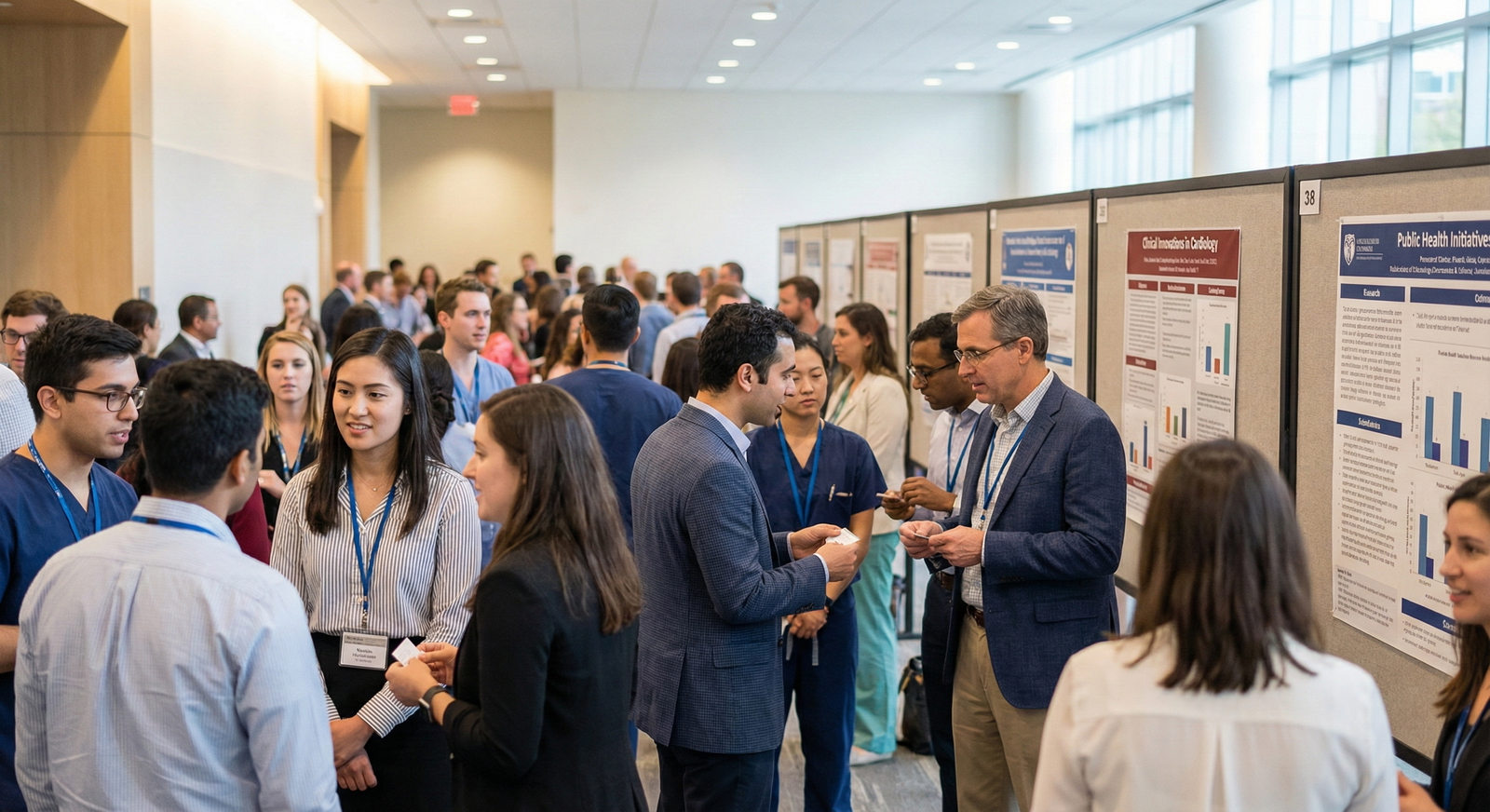
Conference networking is one of the highest-yield ways for a Caribbean IMG to overcome geographic and institutional barriers. You get face-to-face time with the same faculty who sit on residency and fellowship selection committees.
1. Key Conferences to Target
For cardiothoracic surgery and heart surgery training interests, prioritize:
- Society of Thoracic Surgeons (STS) Annual Meeting
- American Association for Thoracic Surgery (AATS) Annual Meeting
- American College of Surgeons (ACS) Clinical Congress
- Regional CT surgery or cardiac surgery conferences (state or regional professional societies)
- Institutional “Cardiothoracic Surgery Symposium” days at big centers
If finances are tight, consider:
- Virtual registrations (often discounted for students)
- Student travel scholarships or diversity scholarships
- Abstract submission fee waivers
2. How to Prepare for Conference Networking
Treat conference networking like a clinical rotation or OSCE: you prepare in advance.
Step-by-step preparation:
Review the program agenda
- Highlight:
- Sessions on cardiothoracic surgery residency pathways
- Sessions on heart surgery training innovations
- Panels with program directors
- Note names of speakers from programs you’re interested in (e.g., major academic surgery centers, places with Caribbean IMG-friendly histories).
- Highlight:
Research 10–15 people
- Look up:
- Their institution and role (program director, division chief, fellow)
- One recent publication or project
- Write 1–2 personalized points you can mention.
- Look up:
Practice your “30-second introduction” Include:
- Who you are (Caribbean medical student, year, school)
- Your interest (cardiothoracic surgery via general surgery or integrated route)
- One concrete thing you’re doing (research topic, clinical involvement)
Example:
“I’m a 4th-year at a Caribbean medical school doing my clinical rotations in [City]. I’m applying to general surgery with a long-term goal of cardiothoracic surgery, and I’ve been involved in a small project on post-CABG complications. I wanted to introduce myself because I’m very interested in your program’s cardiac surgery training.”
3. At the Conference: Making Contacts That Matter
During talks and sessions:
- Sit closer to the front—easier to chat with speakers afterward.
- Take notes on who asks insightful questions; they may be people to approach.
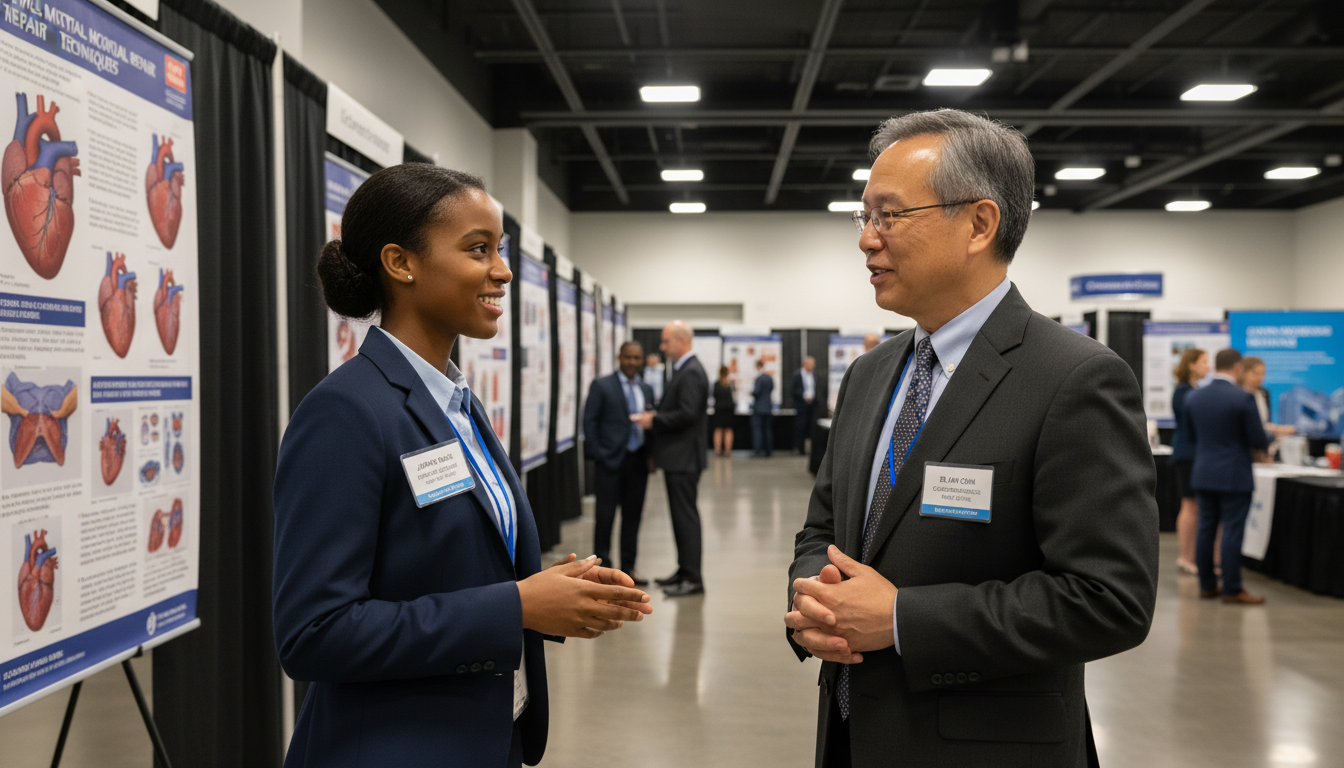
- After a session, introduce yourself to 1–2 speakers or panelists:
- “I really appreciated your point about [specific content]. As a Caribbean IMG interested in cardiothoracic surgery, I was wondering…”
Poster and exhibit halls:
- Poster sessions are excellent for low-pressure interactions.
- If you have a poster:
- Stand by your work, engage anyone who approaches.
- Prepare a 1–2 minute summary of your research.
- If you don’t have a poster:
- Visit posters in cardiothoracic or cardiac surgery:
- Ask the presenter: “How did you get involved with this project?”
- If they’re a resident or fellow, ask “Do you know if your department has opportunities for visiting students or research-year students?”
- Visit posters in cardiothoracic or cardiac surgery:
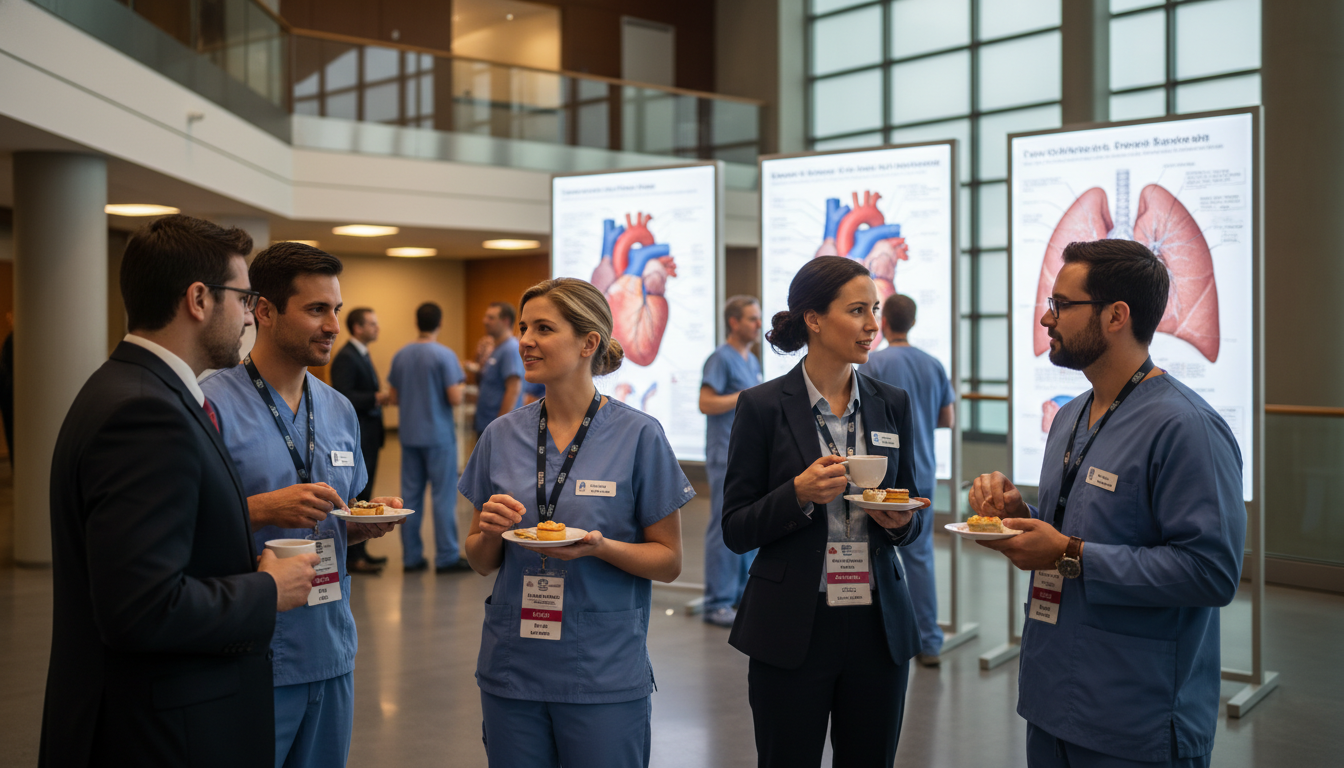
Social events and mixers:
Many conferences have:
- Student/resident receptions
- “Women in Thoracic Surgery” events
- Diversity and inclusion receptions
These are prime spots to meet people who are explicitly open to mentoring and helping younger trainees.
4. Following Up After the Conference
Within 48–72 hours, send personalized emails to each contact:
Subject: Follow-up from [Conference name] – Caribbean IMG interested in CT surgery
Dear Dr. [Last Name],
It was a pleasure meeting you at [Session/event] during the [Conference]. I especially appreciated your insights on [specific point].
As I mentioned, I’m a [year] Caribbean medical student with a strong interest in cardiothoracic surgery, planning to apply to [general surgery / integrated CT surgery] this upcoming cycle. If you’re open to it, I’d value the chance to stay in touch and perhaps ask for your guidance as I prepare my application.
Thank you again for your time,
[Full Name]
Keep a simple tracker (Excel/Notion/Google sheet) of:
- Name, institution, role
- Where you met them
- What you discussed
- When you last followed up
Consistent, respectful follow-up is what converts “contacts” into actual members of your network.
Using Research, Electives, and Digital Presence as Networking Tools
Strong scores and clinical performance are necessary but not sufficient for a serious cardiothoracic surgery trajectory as a Caribbean IMG. Research, away rotations, and your professional online presence can drastically strengthen your profile and networking reach.
1. Research as Networking
Research is not just about publications; it’s about building long-term, collaborative relationships.
Finding research as a Caribbean IMG:
- Cold email faculty in:
- General surgery
- Cardiothoracic surgery
- Cardiology or critical care (these can bridge you into CT surgery teams)
- Search PubMed / institution websites for:
- “Cardiac surgery [city or hospital]”
- “Thoracic surgery outcomes [institution]”
- Ask: your rotation attendings, “Are there any ongoing projects in the CT surgery or cardiac ICU teams that might need help with data collection or chart review?”
In your email:
- Emphasize reliability and willingness to do the “unsexy” work (data entry, literature review).
- Clarify your time zone and expected availability.
Networking payoff:
- Authors you work with can:
- Introduce you to CT surgery colleagues.
- Write strong, detailed letters.
- Bring you to conferences with abstracts.
Publishing 1–2 cardiac or thoracic-related abstracts/posters before residency applications can also amplify your value at conferences: it gives you a natural reason to introduce yourself to faculty.
2. Strategic Away Rotations and Observerships
For Caribbean IMGs, away rotations and observerships are often the only way for programs to see you up close.
For cardiothoracic interests, consider:
- General surgery sub-internships at CT-heavy centers
- Even if you can’t do a CT surgery sub-I, a strong general surgery rotation at an institution with a cardiac program lets you:
- Meet residents headed to CT fellowships
- Interact with CT surgeons during cases and consults
- Even if you can’t do a CT surgery sub-I, a strong general surgery rotation at an institution with a cardiac program lets you:
- Formal CT surgery electives (if available to IMGs)
- Some programs accept fourth-year international students for CT rotations.
- Even observational exposure can be valuable if you make connections.
How to network on these rotations:
- Meet the CT surgery fellow(s).
- Ask how they got into the program, and what the program looks for.
- Ask if there are:
- Morning conferences you can attend
- M&M conferences related to cardio/thoracic cases
- Towards the end of the rotation, if appropriate:
- “I’ve really enjoyed working with your team and learning more about [cardiac/thoracic] cases. If I apply for general surgery here, would it be okay if I mentioned that I worked with you?”
3. Your Digital Professional Presence
In the era of LinkedIn and institutional profiles, digital networking is part of medical networking.
LinkedIn:
- Use a professional photo and clear headline:
- “Caribbean Medical Student | Aspiring General Surgeon with interest in Cardiothoracic Surgery”
- List:
- School, expected graduation year
- USMLE status (if comfortable)
- Research projects, presentations, poster titles
- Relevant memberships (e.g., medical student section of STS or ACS)
How to use LinkedIn for networking:
- Connect with:
- Alumni in general surgery and cardiothoracic surgery
- Residents from your rotations
- Faculty you meet at conferences
- When connecting, always add a note:
- “We met at [event]/I’m a Caribbean medical student interested in CT surgery; I’d value staying in touch.”
Twitter/X and academic platforms:
- Many CT surgeons discuss research and training pathways on X.
- Follow:
- Major CT surgery societies (STS, AATS)
- Program accounts
- Prominent CT surgeons with educational content
- Engage lightly but professionally (like and occasionally comment thoughtfully on educational threads).
Converting Networking into Residency Opportunities
Networking is only as valuable as the outcomes it helps you achieve. For a Caribbean IMG targeting cardiothoracic surgery, the key milestones are:
- Getting into a strong general surgery (or integrated CT) residency
- Earning research, electives, and letters aligned with heart surgery training
- Positioning yourself for a cardiothoracic surgery fellowship or I-6 match
1. Letters of Recommendation (LORs) via Networking
Your goal is to secure:
- 2–3 strong surgery letters (ideally:
- 1 general surgery program director or chair
- 1–2 academic surgeons who know you well)
- If possible: 1 letter from a CT surgeon (even if applying to general surgery)
How networking helps:
- Mentors you’ve consistently updated about your progress are more likely to write detailed, supportive letters.
- Faculty at conferences who later supervise your research or rotation can offer unique letters highlighting your initiative as a Caribbean IMG.
Requesting letters:
- Ask in person if possible; if not, by email.
- Provide:
- Your CV
- Draft of your personal statement
- Brief bullet list: what you worked on together and any key strengths you hope they can address.
2. Program Signals and Preference Signaling
If you’re applying in a Match system that uses program signaling (e.g., some US specialties evolving this way):
- Ask trusted mentors:
- “Given my Caribbean IMG status and interest in cardiac surgery, where should I prioritize my signals?”
- Consider:
- Programs where you have:
- Completed rotations
- Research collaborations
- Alumni or mentors
- Programs where you have:
Signal where you have relationships, not just where you like the city.
3. Interview Season: Maintaining and Leveraging Your Network
Before and during interviews:
- Let close mentors know your interview list.
- Sometimes they can informally contact program faculty: “This student worked hard with us; please take a close look.”
- For programs you care most about:
- Reconnect with any residents or faculty you know there:
- “I’m excited to be interviewing at your program next month; any advice for how to best prepare?”
- Reconnect with any residents or faculty you know there:
After interviews:
- Send brief, honest thank-you notes:
- Emphasize what you specifically appreciated about their program.
- Continue updating key mentors about your progress and rank list philosophy (without asking them to violate NRMP/Match rules).
Common Pitfalls and How to Avoid Them
Caribbean IMGs often work incredibly hard; the limiting factor is usually strategy, not effort. Common networking mistakes include:
Being vague or unfocused
- Saying: “I might be interested in surgery, maybe cardiology,” makes it difficult for mentors to help you.
- Even if uncertain, choose a working direction: “I’m leaning toward general surgery with possible interest in CT or vascular.”
Only networking “up”
- Senior residents and fellows can be more accessible and just as helpful as attendings. They also give you insight into day-to-day life.
Transactional attitude
- If every email sounds like “Can you give me X?”, people disengage.
- Mix in genuine curiosity and gratitude. Ask about their journey and challenges.
Inconsistent follow-up
- Networking is a long game. Sending one email and disappearing for a year breaks relationship momentum.
- A simple update every few months (“I passed Step 2; started a small project on post-op atrial fibrillation…”) keeps doors open.
Neglecting performance
- Networking cannot compensate for poor professionalism, weak evaluations, or bad exam outcomes.
- Your daily work ethic is your most powerful “networking message.”
FAQ: Networking in Medicine for Caribbean IMG in Cardiothoracic Surgery
1. As a Caribbean IMG, is integrated cardiothoracic surgery residency realistic, or should I focus on general surgery first?
Integrated cardiothoracic surgery residency (I-6) is extremely competitive, even for US graduates with strong home institutions. For most Caribbean medical school residency applicants, the more realistic and safer approach is:
- Aim for a strong categorical general surgery residency (preferably at a program with a cardiothoracic fellowship or strong cardiac volume).
- Build a record of:
- Excellent clinical performance
- CT-related research
- Strong letters from surgeons
- Then apply for a cardiothoracic surgery fellowship.
Exceptional Caribbean IMGs with outstanding scores, publications, and direct advocacy from CT surgeons may still consider I-6, but should apply with a well-developed backup plan.
2. What if my Caribbean medical school doesn’t have cardiothoracic surgery faculty at all?
This is common. You compensate by:
- Leveraging general surgery faculty as primary mentors.
- Using clinical rotation hospitals to find cardiothoracic or cardiac surgeons.
- Aggressively seeking research opportunities at external institutions (often remote/chart-based).
- Attending conferences (even virtually) to meet CT surgeons and residents.
- Connecting with alumni in general surgery or cardiothoracic surgery via LinkedIn and your school.
You don’t need a home CT department to start building a CT-focused network.
3. How early should I start networking if I’m a preclinical Caribbean student?
Earlier is better, but your approach should match your level:
- Preclinical years:
- Learn the field: read basic CT surgery overviews, watch recorded surgeries, attend online webinars.
- Connect with alumni in surgery for general advice.
- Early clinical years:
- Focus on impressing in core rotations.
- Start emailing about shadowing or small research roles.
- Application year:
- Intensify conference attendance, research involvement, and direct contact with potential letter writers and program contacts.
You don’t need to “network like a resident” on day one; build progressively.
4. How do I handle bias or negative perceptions about Caribbean graduates when networking?
First, acknowledge that some bias exists, especially in extremely competitive fields. Your response should be grounded, not defensive:
- Let your work ethic and performance be your primary answer.
- Present your path with confidence:
- “I trained at [school] and have done my clinical rotations in [US/UK/Canada] hospitals, where I’ve focused on building strong clinical and research experience in surgery.”
- Highlight objective markers:
- Strong USMLE/COMLEX scores
- Publications, abstracts, presentations
- Detailed letters from respected surgeons
- Surround yourself with mentors who believe in you and are willing to advocate.
Your goal is not to convert everyone; it is to find and cultivate those who are open to your effort, talent, and growth.
Networking in medicine for a Caribbean IMG in cardiothoracic surgery is not a single event; it is a sustained, strategic habit. By combining conference networking, research engagement, targeted rotations, and mentorship medicine, you can transform institutional disadvantages into a compelling story of resilience, initiative, and genuine commitment to heart surgery training.