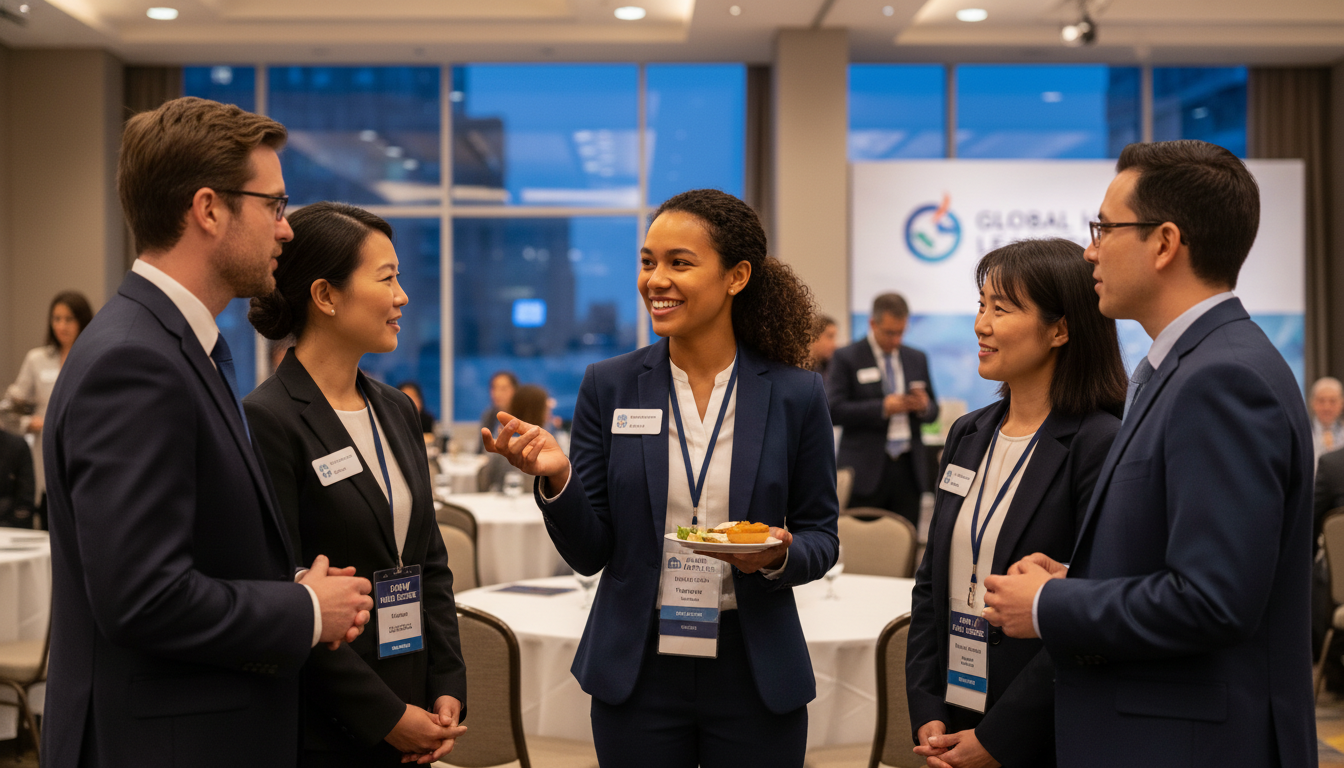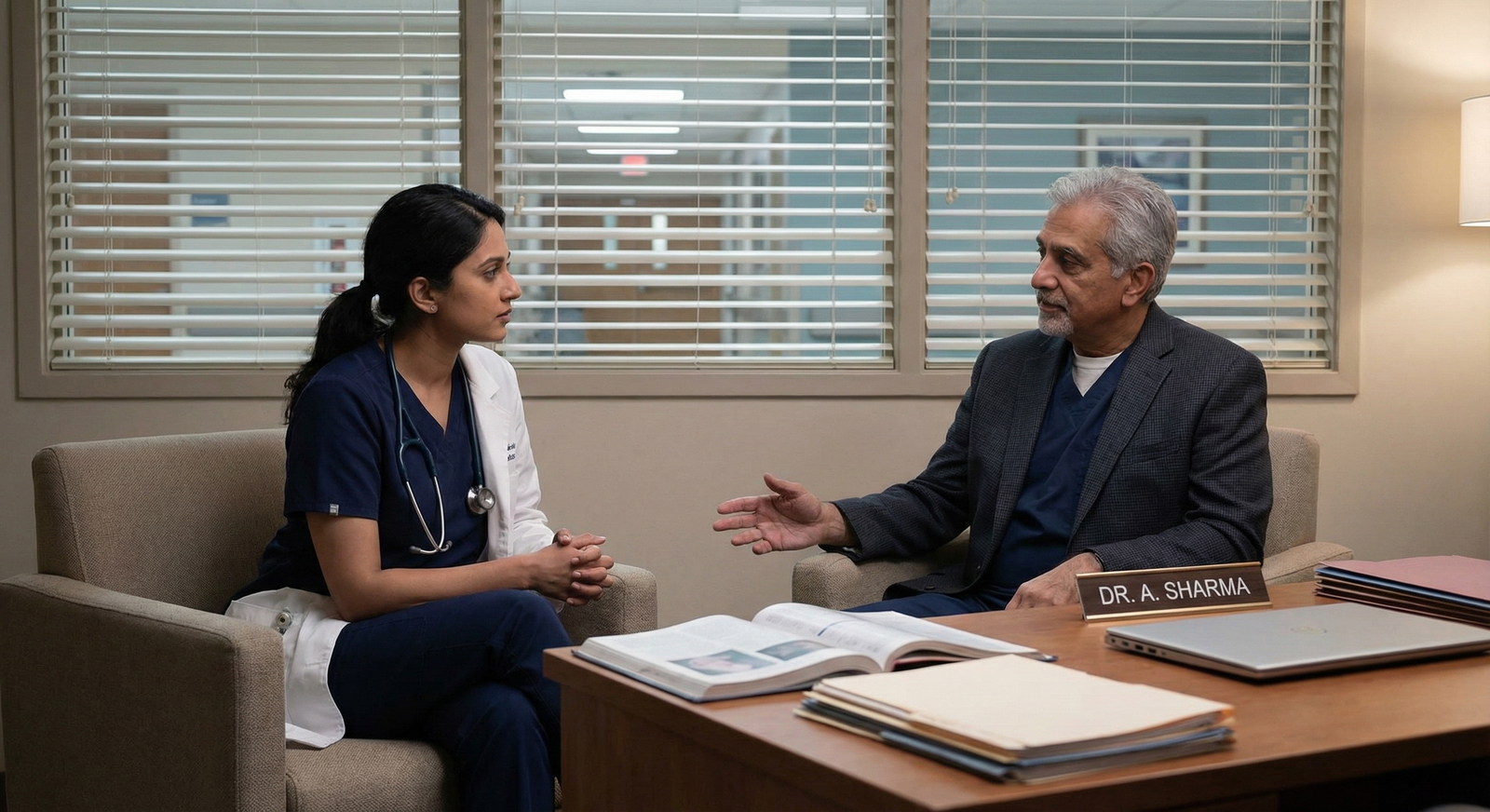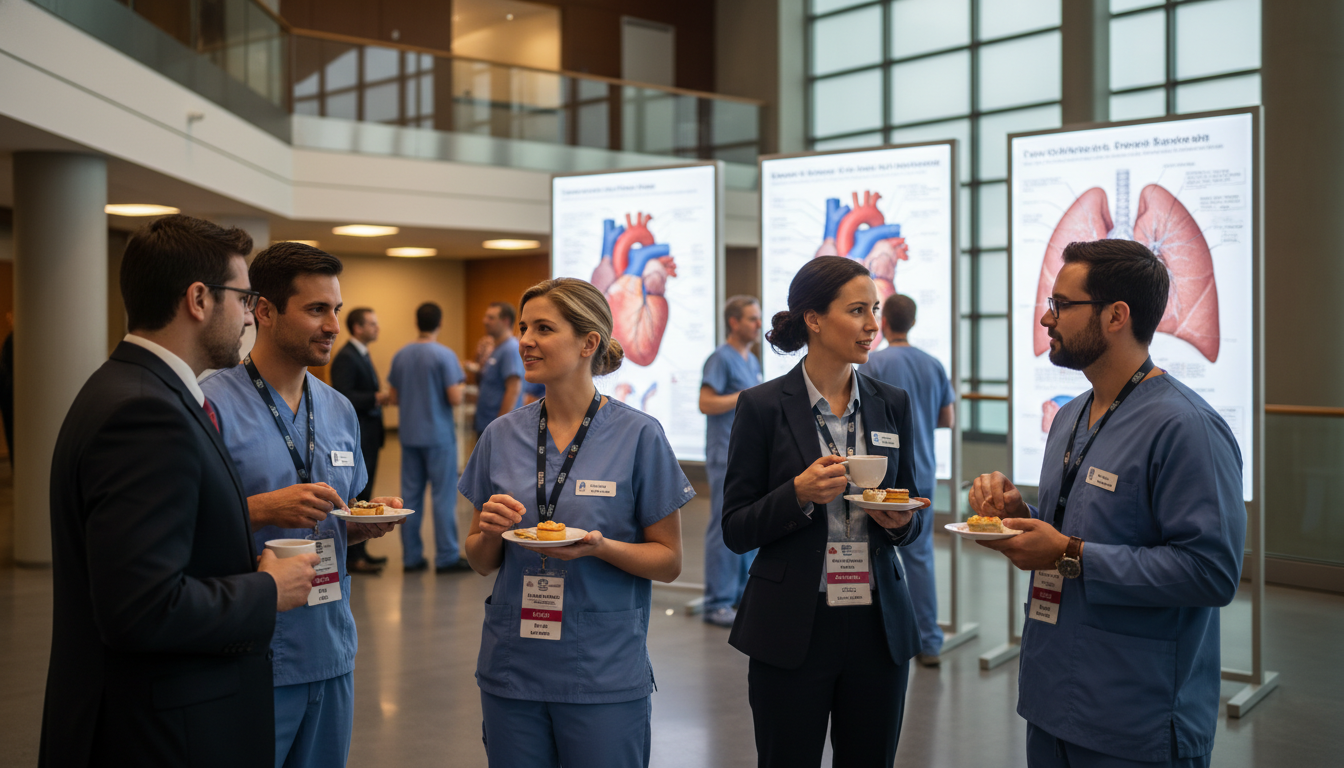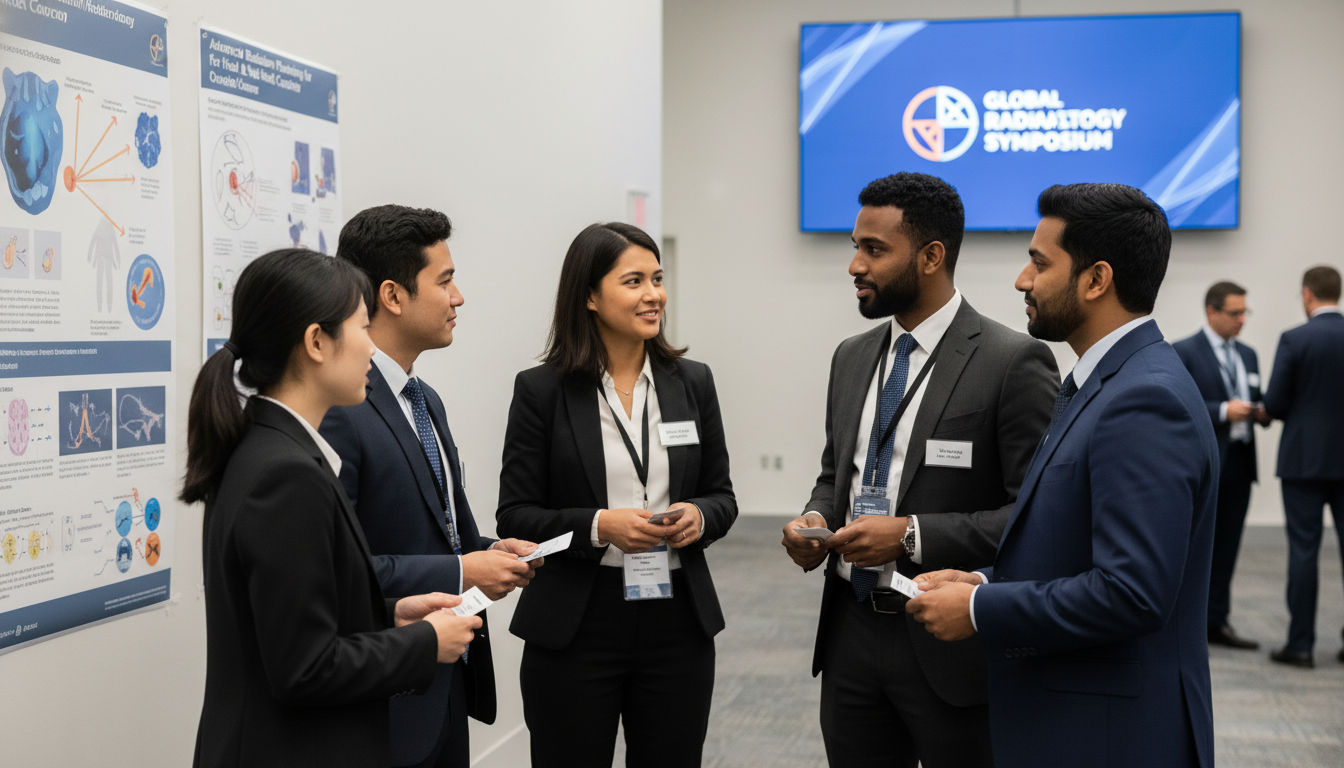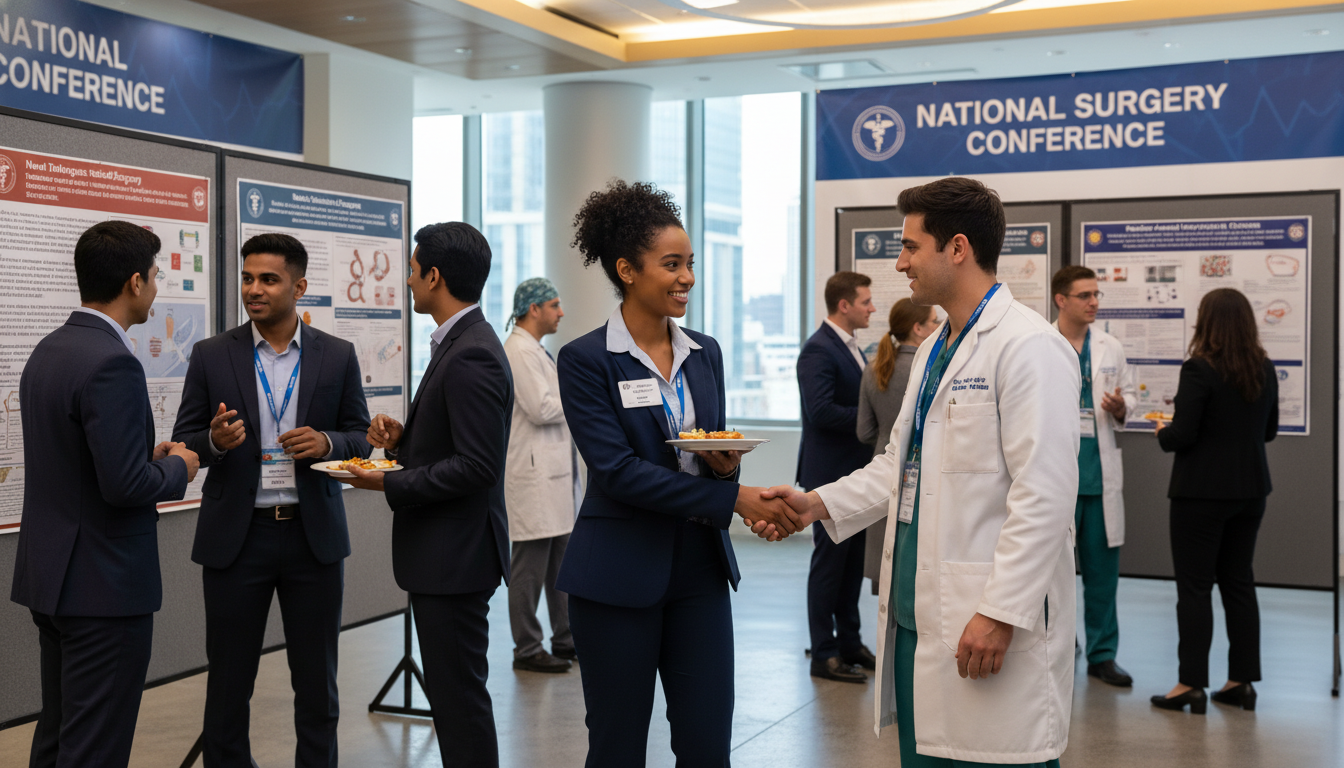
Networking in medicine is not about “schmoozing” or being extroverted; it’s about building genuine, professional relationships that open doors to mentorship, research, letters, and ultimately residency positions. For a Caribbean IMG interested in general surgery, strategic medical networking can be the difference between a generic application and a compelling, supported candidacy that stands out in an increasingly competitive surgery residency match.
This article focuses on practical, step‑by‑step strategies tailored specifically to Caribbean IMGs, including those from schools like SGU, AUC, Ross, and others. We’ll walk through how to build connections before, during, and after clinical rotations, how to leverage conferences and online platforms, and how to turn casual contacts into real advocates for your general surgery residency journey.
Understanding the Role of Networking for Caribbean IMGs in General Surgery
General surgery is competitive for every applicant, but there are distinct challenges for Caribbean IMGs:
- Fewer home programs and fewer “built‑in” mentors in academic surgery
- Limited automatic access to research networks at large teaching hospitals
- Concerns from programs about clinical preparation, exam performance, and integration into busy surgical services
In this context, networking serves several critical purposes:
1. Visibility and Humanization
Many programs receive hundreds of applications from IMGs. A personal connection can:
- Move your name from “unknown” to “familiar”
- Encourage a faculty member to actually open and read your application
- Humanize your file with comments like, “I’ve worked with this student,” or “I met this candidate at a conference—very motivated.”
2. Access to Opportunities
Strong professional relationships often lead to:
- Research or quality improvement (QI) projects with surgical faculty
- Informal observerships or short electives to gain US clinical exposure
- Invitations to attend local M&M conferences, journal clubs, or skills labs
- Early knowledge of institutional priorities or new fellowship tracks
3. Stronger Letters and Advocacy
Networking done right results in:
- Detailed letters of recommendation (LORs) from US surgeons
- Advocates who may email a program director (PD) or selection committee on your behalf
- Mentors who help shape, edit, and time your surgery residency applications
For Caribbean IMGs, especially those targeting US programs and aiming for Caribbean medical school residency success stories similar to the typical SGU residency match outcomes, networking is not optional—it is essential infrastructure for your career.
Building Your Network Early: From Caribbean Campus to Clinical Rotations
Many IMGs wait until clinical rotations or even application season to start networking. That’s too late. You should be networking from your first year of medical school.
Start on Campus: Faculty and Visiting Surgeons
Even on island campuses, you can build a foundation:
Identify surgery-aligned faculty
- Anatomy professors with surgical backgrounds
- Clinicians who fly in for simulation labs or skill workshops
- Faculty involved in surgical interest groups (SIGs)
Engage beyond the classroom
- Ask thoughtful questions after lectures about surgical training paths
- Request a brief 10–15 minute meeting to ask about their career and advice
- Follow up with a concise thank‑you email summarizing one thing you learned
Join or create a Surgery Interest Group
- Organize talks with alumni in surgery residency
- Coordinate suturing workshops or case discussions
- Use the group to invite virtual speakers from US general surgery programs
These early relationships often lead to upstream connections: “I trained with a PD at X program—let me introduce you,” or “I have a former student now in general surgery residency; you should talk with them.”
Use School Infrastructure: Alumni and Advising
Large Caribbean schools—like SGU, Ross, AUC—have well‑developed alumni networks:
Ask your school’s career advising office for:
- Lists of alumni in surgery residency or surgical fellowships
- Contact information for alumni who volunteer as mentors
- Historical data on which programs frequently take Caribbean IMGs
Reach out to alumni with:
- A short, respectful email
- A clear subject line (e.g., “SGU MS3 Interested in General Surgery – Request for Advice”)
- Two or three specific questions (not “Tell me everything”)
Alumni who matched into general surgery are uniquely equipped to explain how they leveraged networking to achieve an SGU residency match or similar outcome, and many are eager to help a motivated student who reminds them of themselves.
Networking During Clinical Rotations: Where Your Reputation Is Built
Your clinical years—especially core surgery and sub‑internships—are the most critical networking opportunity you will have before residency.

Become the Student People Want to Work With
Networking in a surgical environment starts with your clinical performance and professionalism:
- Arrive early and stay engaged; be the student who asks, “Is there anything else I can help with?”
- Know your patients in detail: labs, imaging, vital trends, overnight events
- Anticipate needs: have wound care supplies ready, know the consent status, find imaging before rounds
- Accept feedback with humility and act on it promptly
Residents and attendings talk. Comments like “This student is outstanding—very reliable” can be more powerful than a formal letter.
Use the Surgical Team Structure to Your Advantage
You are surrounded by potential network nodes:
- Attendings: Can write influential LORs and connect you to program leadership
- Chief residents: Often trusted by attendings to identify strong students
- Junior residents: More accessible; can teach, mentor, and advocate for you
- Fellows: Often research‑active and can recruit you into projects
Practical steps:
Express your interest early but humbly
- “I’m strongly interested in general surgery and would appreciate any feedback on how to improve as a student on this service.”
Ask for teaching and feedback
- “If it’s okay, could you observe my next patient presentation and let me know how I can make it more ‘surgery‑style’ and concise?”
Signal openness to research
- “If there are any ongoing QI or research projects that need help with data collection or chart review, I’d be very interested in contributing.”
Securing Strong Letters of Recommendation
Your goal in each key rotation is at least one potential letter writer. To build toward that:
Mid‑rotation check‑in
Ask for an informal evaluation after 2–3 weeks:- “I’m hoping to ask for a letter if I continue to perform well. Is there anything I should focus on improving over the next two weeks?”
End‑of‑rotation request
- Ask in person if possible:
“Working with you has confirmed my interest in general surgery. If you feel you know my work well enough, would you be comfortable writing a strong letter of recommendation for my surgery residency applications?”
- Ask in person if possible:
Follow with email
- Include your CV, a short personal statement, and a list of specific cases or patient encounters you shared that highlight your strengths.
Networking isn’t just exchanging business cards; it’s creating a track record with people who can vouch for you to a residency selection committee.
Conferences and Professional Societies: Expanding Beyond Your Local Circle
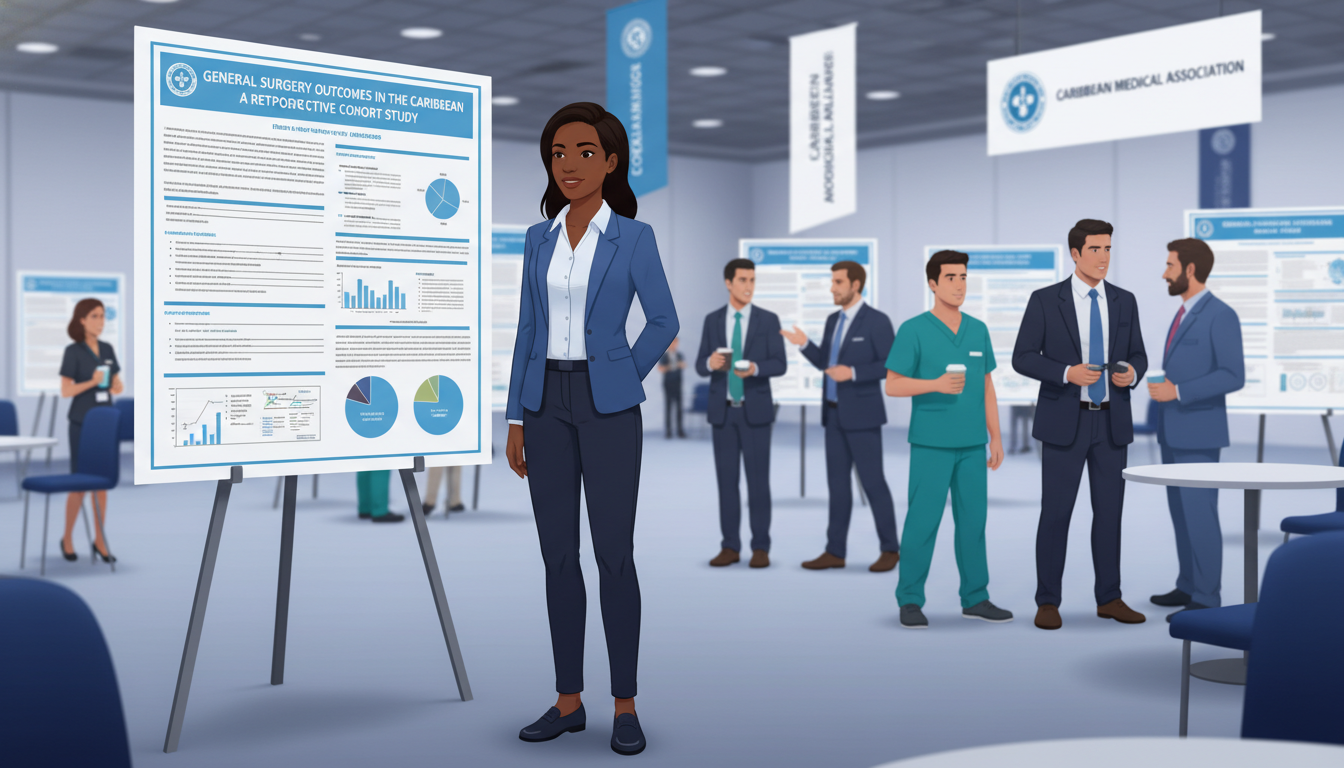
National and regional surgical meetings are high‑yield environments for conference networking and medical networking broadly. Even a single well‑planned conference can change your match trajectory.
Choosing the Right Meetings
For a Caribbean IMG targeting general surgery, prioritize:
- American College of Surgeons (ACS) Clinical Congress
- Society of American Gastrointestinal and Endoscopic Surgeons (SAGES)
- Association for Surgical Education (ASE)
- Regional ACS chapter meetings or state surgical society conferences
These meetings often host:
- Medical student and resident sections
- Skills labs (suturing, laparoscopic simulators)
- Dedicated sessions on residency applications, diversity, and mentorship in medicine
Go With a Purpose: Research, Posters, and Short Talks
Attending as an observer is helpful. Attending as a presenter is transformative:
- Work with faculty or residents during rotations to develop:
- Case reports
- Small retrospective reviews
- QI projects (e.g., reducing surgical site infections)
- Aim to submit abstracts to conferences 6–12 months before application season
- Even a poster presentation dramatically improves:
- Your CV strength
- Conversation starters with faculty (“I’m presenting a poster on …”)
- Credibility as a future academic surgeon
If you’re from a Caribbean school without robust on‑site research infrastructure, use your US rotation sites for project opportunities. Express your interest early to residents and attendings.
How to Network Effectively at a Conference
Use a simple three‑phase strategy:
Before the conference
- Browse the program for:
- PDs and APDs of programs you’re interested in
- Sessions on general surgery training, diversity, or IMG experiences
- Email 3–5 individuals:
- Introduce yourself briefly (Caribbean IMG, interested in general surgery)
- Mention your poster or what sessions you’re excited about
- Ask if they have 10–15 minutes to talk during a coffee break
- Browse the program for:
During the conference
- Wear your badge visibly and dress professionally
- Attend resident and student events—they are networking hot spots
- At your poster:
- Stand nearby and be ready with a 60‑second summary
- Ask visitors, “What is your role?” and listen actively
- Exchange contact information with people who show interest
After the conference
- Email anyone you spoke with:
- Thank them specifically for one piece of advice
- Attach your abstract or poster if appropriate
- Mention your match timeline and ask if they’d be open to future questions
- Email anyone you spoke with:
Example follow‑up:
Dear Dr. Patel,
It was a pleasure meeting you at ACS Clinical Congress and discussing your program’s approach to early operative exposure for PGY‑1s. I especially appreciated your advice about seeking out QI projects during sub‑internships.
As a Caribbean IMG strongly interested in a career in general surgery, I’m grateful for your time and would value staying in touch as I prepare for the upcoming surgery residency match.
Best regards,
[Name], [Caribbean Medical School], MS4
These small, professional touches build a recognizable identity within the surgical education community.
Leveraging Online Platforms and Structured Mentorship
Your network shouldn’t be limited to whoever happens to be at your rotation site. Smart use of digital tools can connect you to mentors, peers, and opportunities across institutions and countries.
Professional Social Media and Online Communities
Used thoughtfully, these can significantly amplify your medical networking efforts:
LinkedIn
- Create a polished profile:
- Professional headshot
- Clear headline (e.g., “Caribbean Medical Student Interested in General Surgery”)
- Summary that highlights your interests in surgery, research, and education
- Connect with:
- Alumni in general surgery
- Residents and faculty you meet in rotations or at conferences
- Post occasionally:
- Share conference experiences
- Highlight research presentations or publications
- Comment thoughtfully on surgical education posts
- Create a polished profile:
X (Twitter) / Academic Twitter
- Follow:
- Major surgical societies (ACS, SAGES, ASE)
- PDs, APDs, and academic surgeons
- Engage professionally:
- Comment on threads about residency selection, education, and new research
- Share your poster presentations or publications
- Avoid:
- Political or controversial content under the same professional handle
- Complaints about specific programs, attendings, or patient care
- Follow:
Specialized communities
- IMG forums and Caribbean school groups
- Discord/Slack groups for surgery‑interested students
- Peer‑to‑peer mentoring networks
These platforms expand your reach beyond your immediate environment and expose you to current conversations in surgical education.
Finding and Working with Mentors
Mentorship in medicine is a cornerstone of a strong network. For Caribbean IMGs, you generally need multiple mentors:
- A career mentor: Helps you plan your trajectory, choose programs, and strategize the match
- A research mentor: Involves you in projects and helps build your academic profile
- A near‑peer mentor: A current resident or fellow who recently navigated the match as an IMG
How to Seek Mentors Effectively
Identify potential mentors
- Surgeons at your rotation sites with an interest in education or research
- Caribbean alumni now in general surgery residency or fellowship
- Faculty you meet at conferences who show enthusiasm for teaching
Make the ask
- Start organic: Build a relationship through meaningful clinical or research engagement
- Then ask explicitly:
- “I’ve really appreciated your guidance over the past few months. Would you be comfortable if I reached out periodically for advice as I prepare for the surgery residency match?”
Be a good mentee
- Come prepared with specific questions or agenda items when you meet
- Follow through on tasks (send drafts, complete data collection, apply for opportunities)
- Respect their time and boundaries
A mentor who knows you well can be the person who emails a colleague PD to say, “This student is truly exceptional—please strongly consider their application.”
Putting It All Together for the Surgery Residency Match
Networking is only valuable if it translates into concrete outcomes: stronger applications, more interviews, and better alignment with your target programs.
How Networking Directly Impacts Your Application
Key elements of a competitive general surgery application for a Caribbean IMG:
- Strong clinical performance in US surgery rotations and sub‑internships
- Solid USMLE/COMLEX scores (as applicable)
- US surgery letters from people who truly know you
- Evidence of academic engagement: posters, QI, or research
- Clear commitment to general surgery in your personal statement and activities
Networking supports each of these:
- Rotations: Your reputation leads to strong evaluations and letters
- Research/QI: Network connections open doors to projects and conference presentations
- Letters and advocacy: Mentors and attendings become active champions
- Program knowledge: Conversations with residents and faculty help you target programs that are IMG‑friendly and mission‑aligned
Strategically Targeting Programs as a Caribbean IMG
Use your network to refine your application list:
- Ask mentors and alumni:
- “Which programs have historically been receptive to Caribbean IMGs?”
- “Are there programs where my profile would align particularly well?”
- Identify:
- Community programs with strong clinical exposure and IMG presence
- University‑affiliated programs that have previously matched Caribbean graduates
- Programs where you or your mentors have existing relationships
Programs may not openly advertise their stance on IMGs, but your network can tell you where Caribbean IMGs have successfully matched into general surgery residency or preliminary surgery positions that lead to categorical spots later.
During Interview Season: Continuing to Network
Interviews and virtual meet‑and‑greets are networking events in disguise:
- Ask residents about:
- Culture, operative autonomy, and how they support IMGs
- Research expectations and mentorship availability
- Ask faculty:
- How IMGs have performed in their program historically
- What they value most in their surgical residents
During pre‑interview virtual socials:
- Engage respectfully—don’t dominate the conversation, but ask good questions
- Connect on LinkedIn afterward with a short note:
- “Thank you for speaking with us during the pre‑interview social. I really appreciated your honest perspective on [topic].”
These interactions create a positive, lasting impression that often surfaces during rank list discussions.
Common Mistakes Caribbean IMGs Make in Networking—and How to Avoid Them
Waiting too long to start
- Start early in preclinical years and intensify during core rotations.
Seeing networking as purely transactional
- Relationships are two‑way; ask how you can help (research, data collection, presentations).
Overly aggressive or pushy communication
- Be persistent but respectful; if someone doesn’t respond, wait 1–2 weeks before a gentle follow‑up.
Not following up
- After meetings, rotations, or conferences, an email can cement the connection.
Relying only on cold emails
- Cold emails occasionally work, but warm introductions via faculty, alumni, or conferences are far more effective.
Neglecting professionalism online
- Assume PDs and faculty may see your public posts; keep your digital footprint aligned with your professional goals.
FAQs: Networking in Medicine for Caribbean IMGs in General Surgery
1. As a Caribbean IMG, do I really have a chance at matching into general surgery if I focus heavily on networking?
Yes, but networking is one component of a broader strategy. You still need solid academics, strong US clinical performance, and competitive exam scores. Networking improves your visibility, access to research and mentors, and strength of letters—factors that can significantly boost your probability of success in the surgery residency match.
2. How can I network with program directors without seeming intrusive?
Most PDs are extremely busy. The best approaches are:
- Meeting them at conferences in organized student/ resident events
- Being introduced by a shared contact (mentor, faculty, or alumnus)
- Sending a concise email with a clear reason for contact, such as thanking them for a talk they gave or asking one focused question related to their program’s culture or priorities
Always respect boundaries; if they don’t respond, do not repeatedly email.
3. I don’t have access to major research institutions. How can I still build research‑based connections?
Use your rotation sites creatively:
- Ask residents and attendings directly about ongoing QI, chart reviews, or case series
- Offer to help with data entry, literature reviews, or abstract drafting
- Submit even small projects to regional meetings or medical student research days
These experiences can lead to posters, publications, and long‑term mentorship, even from community settings.
4. What’s the best way to stay in touch with mentors and contacts over time?
A simple structure works well:
- Brief update every 3–4 months or at major milestones (exam results, research acceptance, interview offers)
- Share accomplishments and thank them for any role they played
- Closer to match season, ask if they’d be willing to review your personal statement or program list
This rhythm keeps relationships active without overwhelming your mentors.
Thoughtful, strategic networking transforms the typical Caribbean IMG trajectory from “hoping to be noticed” to “building a visible, supported candidacy in general surgery.” By starting early, engaging authentically, and consistently following up, you can build a network that not only helps you match, but sustains you throughout your surgical career.