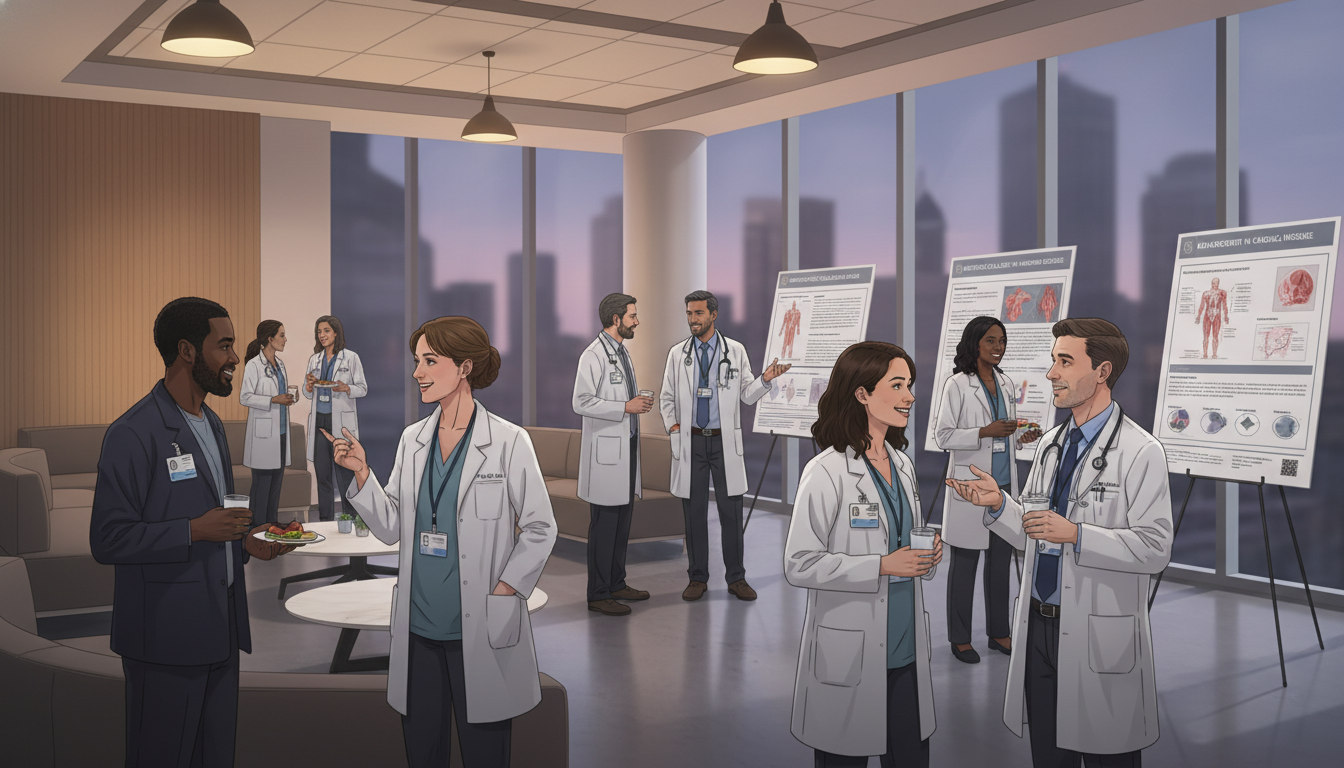
Why Networking Matters So Much in Radiation Oncology for DO Graduates
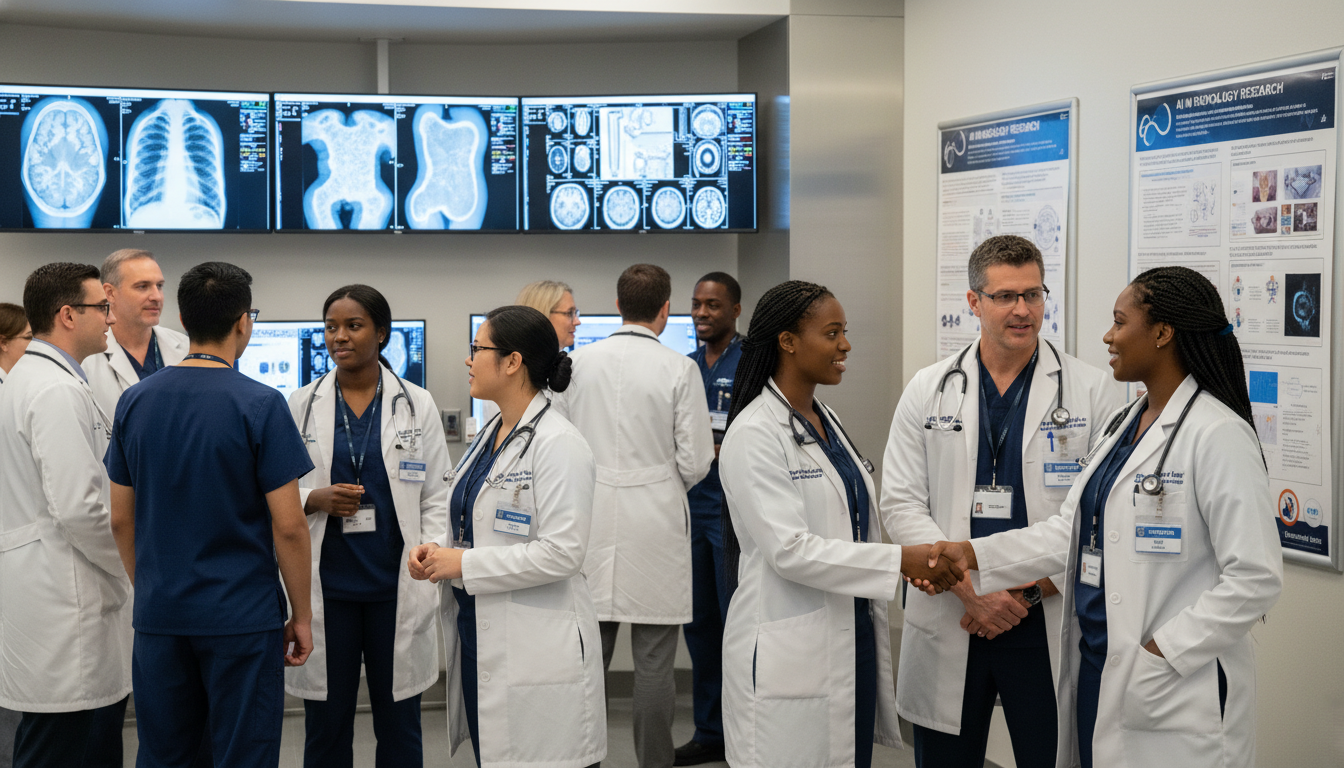
Radiation oncology is a small, highly competitive field where who knows your work often matters as much as what’s on your CV. For a DO graduate, the need for thoughtful, strategic networking is even more pronounced.
A few realities to keep in mind:
- Radiation oncology is a small community. Many faculty know each other, and reputations—good and bad—circulate quickly.
- The rad onc match is competitive, and DO applicants are still underrepresented in many academic departments, even as programs grow more inclusive.
- Many decision-makers may be less familiar with osteopathic training pathways, so direct relationships can help contextualize your background.
- Effective medical networking can uncover away rotations, research projects, and mentorship that don’t appear on public websites.
Your goal is not shallow self-promotion. Your goal is to become:
- Known (people recognize your name and face),
- Trusted (you follow through, act professionally, respect boundaries),
- Valued (you contribute meaningfully to teams, research, and patient care).
That combination will support you at every stage of your career—from osteopathic residency match through early attending life, whether you stay in academic radiation oncology or enter private practice.
In this article, we’ll focus on how a DO graduate in radiation oncology can build and leverage a strong network, with specific examples, sample scripts, and practical strategies tailored to your situation.
Understanding Your Unique Position as a DO Graduate in Radiation Oncology
Perceptions and Realities for DO Applicants
As a DO graduate, you bring real strengths:
- Training in whole-person care and communication
- Often strong clinical bedside skills and empathy
- Exposure to osteopathic principles that can translate into better survivorship and symptom management conversations
But there are also challenges:
- Some academic rad onc departments have limited experience training DOs.
- Program directors may be unfamiliar with your home institution or osteopathic grading structure.
- In very competitive fields like the radiation oncology residency pathway, implicit biases can still exist.
Networking is how you turn an unknown variable into a known asset. When a faculty member can say, “I’ve worked with this DO applicant, they’re excellent,” it changes the conversation in selection meetings.
How Networking Intersects With the Rad Onc Match
For the rad onc match, networking often influences:
- Who hears about you before your application hits ERAS
- Who advocates for you in rank meetings
- Where you can secure away/audition rotations
- Whether you’re invited for informal pre-interview or second-look opportunities
- Whether you land research collaborations that strengthen your CV
Think of networking as part of your application infrastructure: step scores, grades, research, and letters are the hardware; networking is the wiring that keeps everything connected and visible to programs.

Building Your Core Network: Mentors, Sponsors, and Peers
The Three Layers of a Strong Professional Network
For a DO graduate entering or pursuing radiation oncology, aim for a balanced, intentional network:
- Mentors – Guide your development, help you set strategy.
- Sponsors – Use their influence to open doors and advocate for you.
- Peers – Grow with you, share information and opportunities.
You need all three.
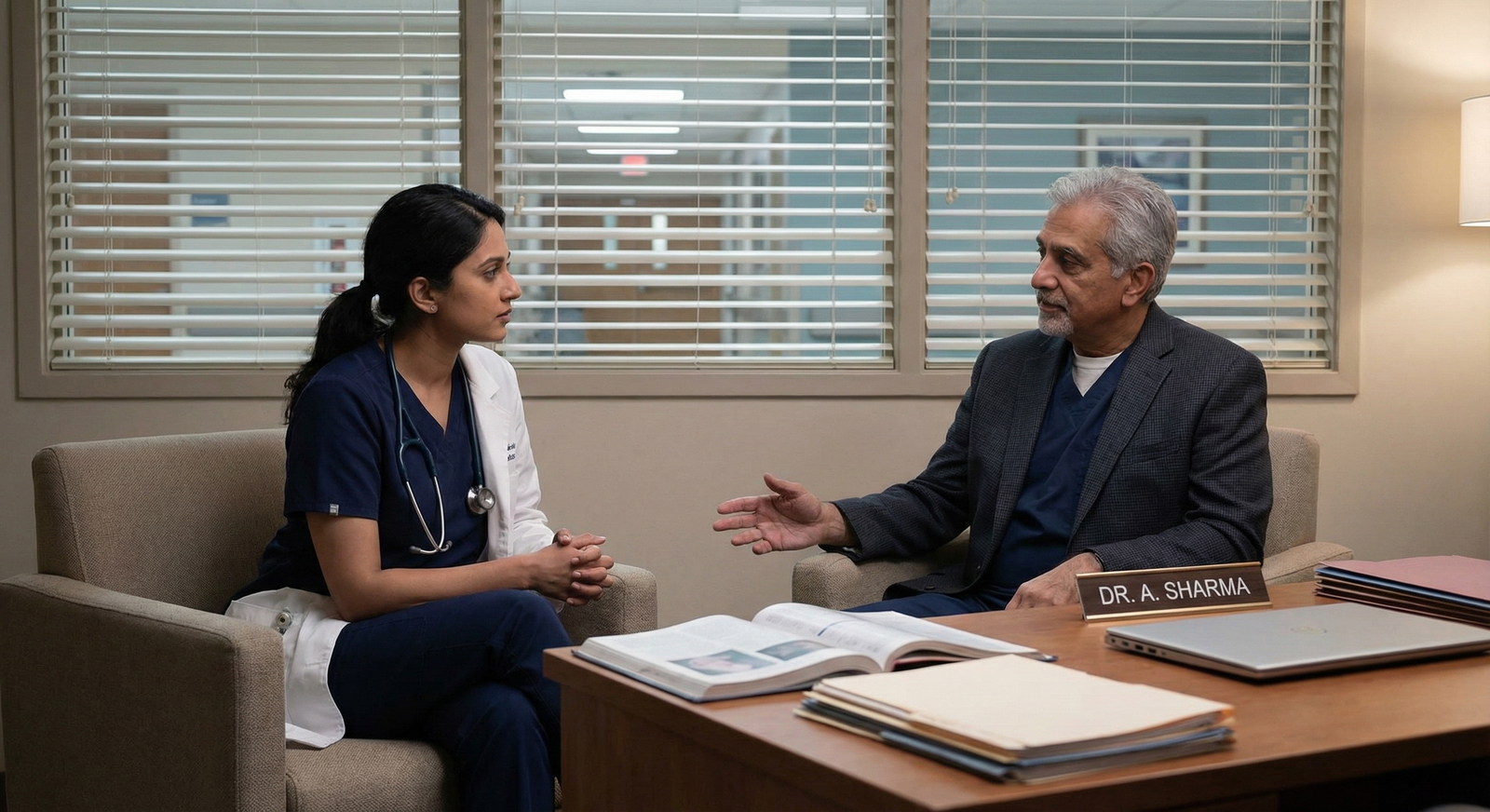
Finding and Working With Mentors in Radiation Oncology
Mentorship medicine in a niche field like rad onc often begins with finding 1–3 key people who:
- Know you well enough to comment on your growth and potential
- Are willing to invest time in your trajectory
- Have some visibility or influence in the field
Potential mentors for a DO graduate:
- Radiation oncologists at your home institution (even if there’s no formal residency)
- Faculty you meet during away rotations
- Investigators you collaborate with on research projects
- Leaders you meet through national societies like ASTRO
How to initiate:
Email example:
Subject: DO graduate interested in radiation oncology – request for brief meeting
Dear Dr. [Name],
I am a [PGY level / recent DO graduate] with a strong interest in radiation oncology, particularly in [your interest: e.g., GU, CNS, palliative care, survivorship]. I greatly admired your work on [paper/clinical trial/talk] and would be grateful for 15–20 minutes of your time to ask a few questions about career development and how a DO graduate can best position themselves in radiation oncology.I am happy to work around your schedule and can meet in person or via Zoom.
Sincerely,
[Your Full Name], DO
[Current Institution]
During the meeting:
- Prepare 3–4 focused questions (e.g., “What would you prioritize in my shoes?” “What skills do you wish you had developed earlier?”).
- Be honest about your background and any perceived weaknesses (e.g., no home rad onc program, limited research).
- End with: “Would it be alright if I reach out again as I work on these goals?” – this opens the door to an ongoing relationship.
Converting Mentors Into Sponsors
A sponsor is usually a senior person who:
- Recommends you to program directors
- Helps you secure interviews, rotations, or fellowships
- Introduces you to other leaders in the field
Not every mentor will be a sponsor, but sponsors almost always start as mentors.
To encourage sponsorship:
- Deliver when they give you tasks (e.g., draft a manuscript section, prepare a case presentation).
- Communicate clearly about your goals (e.g., “I plan to apply to radiation oncology residency this fall; I’d be grateful for any advice on programs that value DO graduates.”).
- Ask explicitly but respectfully for support:
“If, after working together, you feel comfortable, I’d be honored to have you as a letter writer / reference.”
Sponsors are particularly powerful in a small community like radiation oncology—one supportive email from a respected faculty member can meaningfully affect your rad onc match prospects.
The Often-Overlooked Power of Peer Networking
Your peers are:
- Co-residents in your transitional/prelim or categorical year
- Other DO graduates pursuing radiation oncology
- MD residents and fellows you meet on rotations or at conferences
Peer networks share:
- Intel on programs, culture, and hidden opportunities
- Early word about new positions, research projects, or away rotations
- Emotional support during the osteopathic residency match process and beyond
Actionable steps:
- Start or join small group chats (WhatsApp/Signal) of DOs applying to rad onc.
- Organize joint practice sessions for virtual interviews.
- Exchange honest, constructive feedback on CVs and personal statements.
Long-term, these peers become your referral network and future collaborators—for trials, multi-institutional projects, and job searches.
Mastering Medical and Conference Networking as a DO in Rad Onc
Preparing for Conference Networking
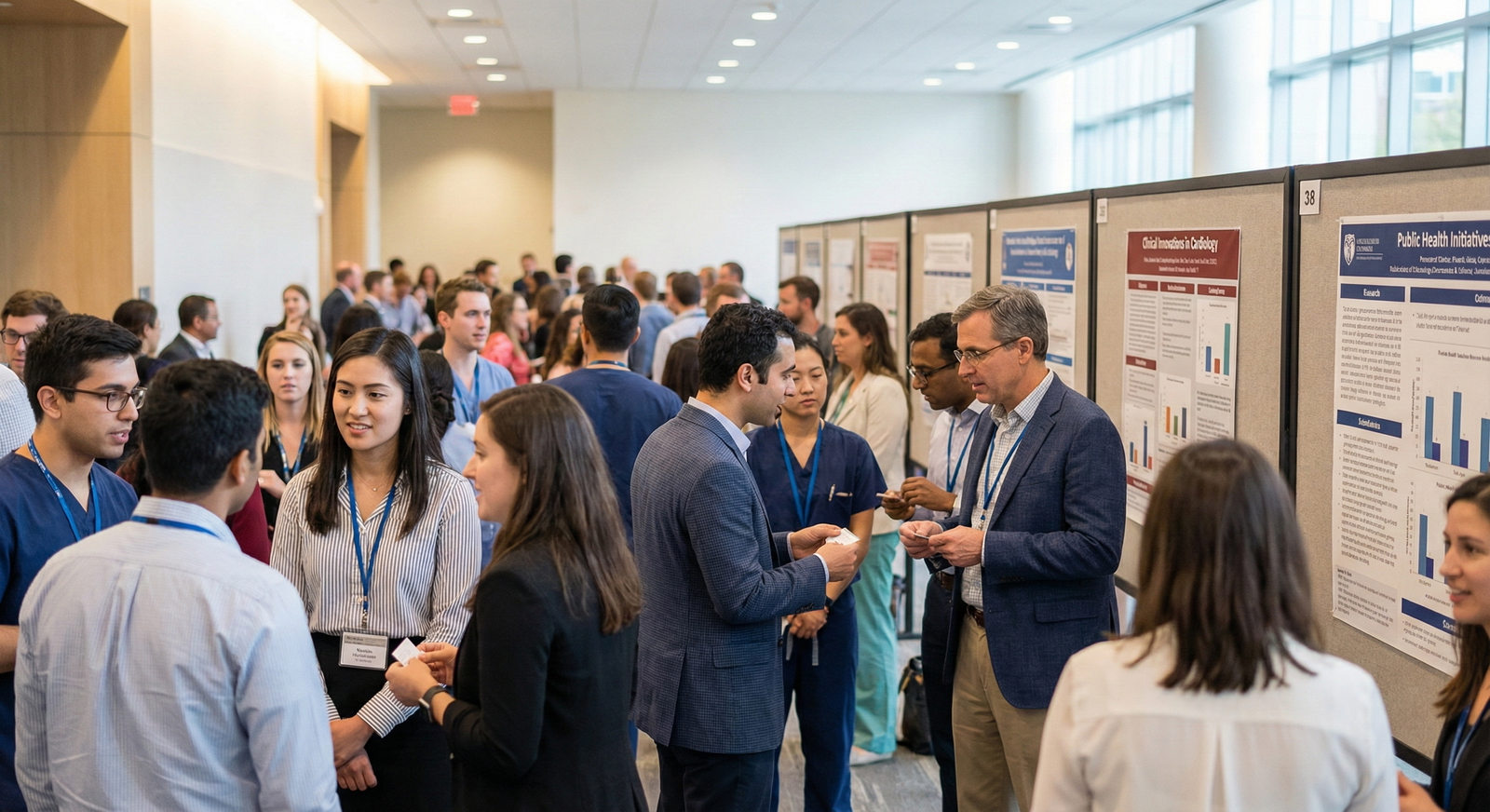
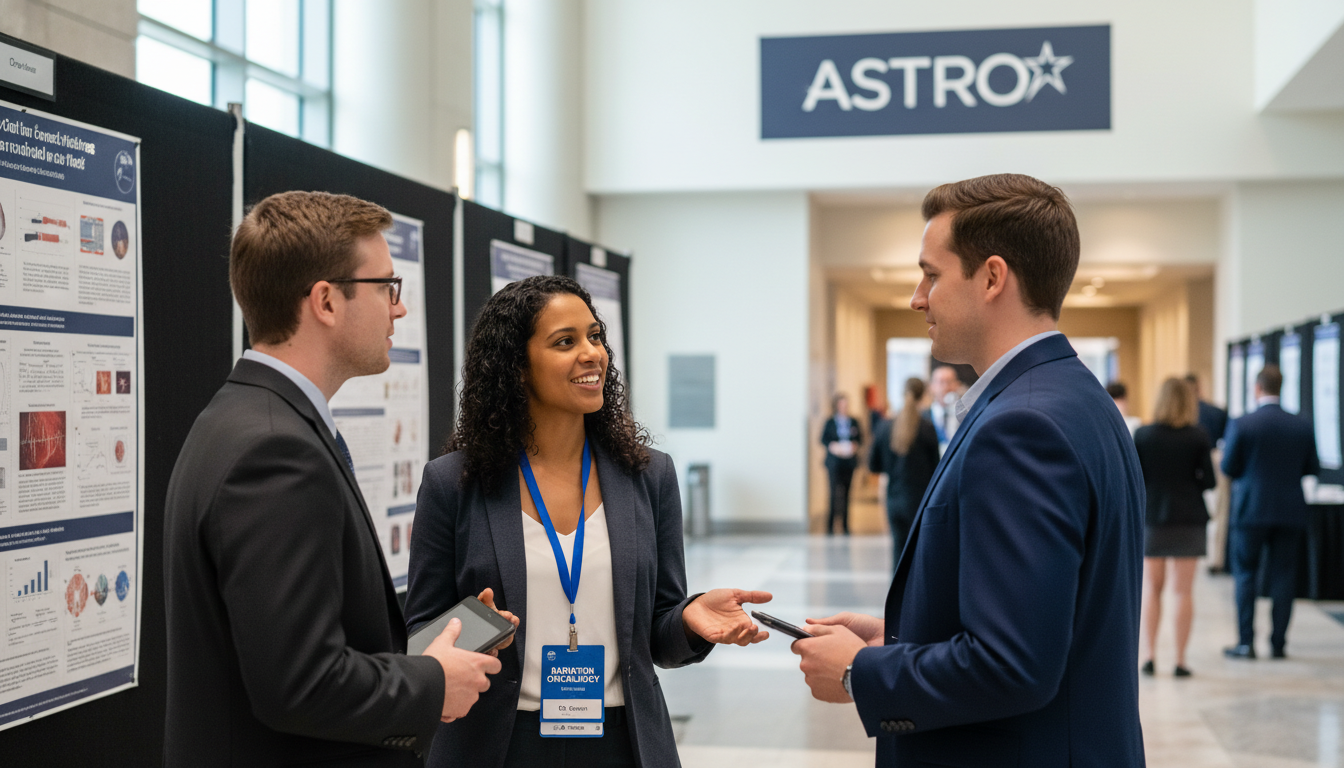
Conferences—especially ASTRO, RSNA, and disease-site symposia—are invaluable for medical networking in radiation oncology.
Before any conference:
Clarify goals:
- Meet 2–3 potential mentors or sponsors
- Learn about 3–5 programs you’re targeting
- Explore a specific interest (e.g., AI in RT planning, palliative rad onc)
Research attendees and sessions:
- Identify faculty whose work you admire
- Note any sessions led by PDs or chairs of programs of interest
- Look for events targeted at trainees or DO/IMG/URiM groups
Prepare your “short story” – a 20–30 second intro:
- Who you are: “I’m [Name], a DO graduate and [PGY level] at [Institution].”
- Your interest: “I’m interested in [disease site/topic], especially [niche].”
- Your ask: “I’m hoping to learn more about [program/field/trial] and get advice on preparing for radiation oncology residency.”
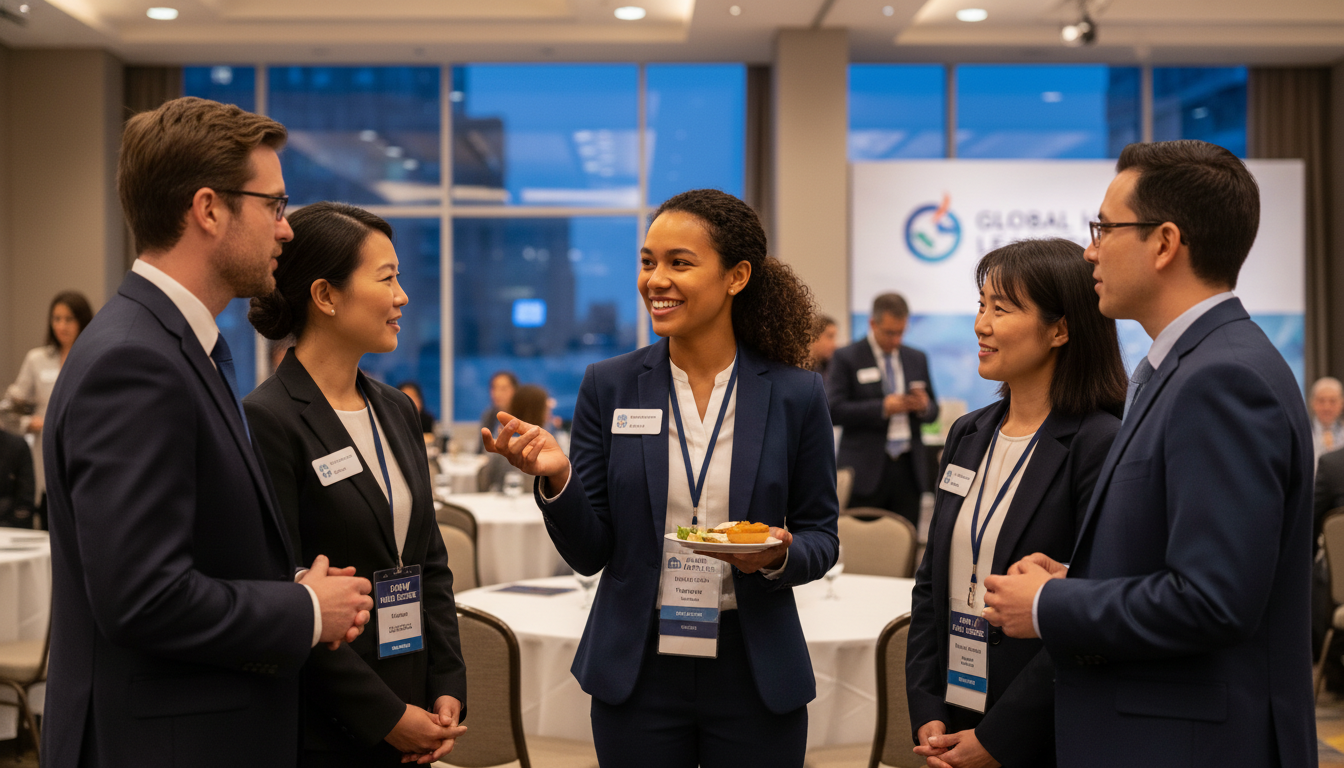
Conference Networking in Action: Step-by-Step
1. Use trainee and networking events:
Most conferences have:
- Trainee networking lunches
- Resident/fellow sections
- Specialty interest group meetings
Attend these even if it feels awkward. As a DO graduate, these are high-yield chances to meet people who are explicitly there to support early-career physicians.
2. Approach speakers after sessions (strategically):
Move quickly but respectfully after a talk and say something like:
“Dr. [Name], thank you for your excellent talk on [topic]. I’m a DO graduate with a strong interest in [related topic], and I’d love to ask a brief question if you have a moment.”
Keep it short, thoughtful, and focused. If the conversation goes well:
“I know you’re busy with the conference—would it be alright if I emailed you later this week with a few follow-up questions and possibly a CV for feedback?”
Then follow up within 3–5 days.
3. Leverage posters and exhibits:
- Visit disease-site posters that match your interests.
- Ask presenting residents/fellows: “How has your program supported your research?” “What’s it like as a trainee there?”
- This is also subtle intel-gathering for where you might want to rotate or match.
Effective Email Follow-Up After Conferences
Your follow-up email does three things: remind, connect, propose next steps.
Example:
Subject: Follow-up from ASTRO – DO graduate interested in [topic]
Dear Dr. [Name],
It was a pleasure meeting you after your session on [topic] at ASTRO. I especially appreciated your comments about [specific point].As I mentioned, I am a DO graduate and [PGY level] at [Institution], with plans to apply to radiation oncology residency. I am particularly interested in [your focus, e.g., palliative radiation for metastatic disease] and would be grateful for any guidance on:
- Skills or experiences I should prioritize before applying
- Whether there might be opportunities to contribute to ongoing projects at your institution
I’ve attached my CV for context, but I’m happy to provide any additional information. Thank you again for your time and for your work in this field.
Sincerely,
[Your Name], DO
If they don’t respond, one gentle follow-up 10–14 days later is reasonable. Beyond that, move on; not every contact will become a relationship.
Using Virtual Platforms and Social Media
Online communities can be powerful for a DO graduate aiming for rad onc:
- X (Twitter): Many rad onc attendings, residents, and program accounts are active.
- Follow: ASTRO, program accounts, disease-site leaders.
- Engage respectfully: ask questions, congratulate, comment substantively on threads.
- LinkedIn: Good for maintaining connections and sharing academic milestones.
- Slack/Discord/WhatsApp groups: Some trainee or specialty groups have invite-only channels for applicants and residents.
Key principles:
- Keep it professional: no venting about specific programs or individuals.
- Share useful content: articles, guidelines, case discussions (with no identifying details).
- Use DMs sparingly and purposefully, especially when first reaching out.
Making Networking Work for the Rad Onc Match and Beyond
Strategically Using Networking for Rotations and Research
For many DO graduates, the biggest hurdles in the osteopathic residency match to radiation oncology are:
- Limited rad onc exposure at the home institution
- Fewer research opportunities
- Less direct access to PDs and chairs
Networking can partially offset this:
Targeted Away Rotations
- Use contacts to identify rad onc departments that:
- Have a track record of taking DO residents
- Are open to “visiting scholars” or observers if formal electives are capped
- Ask mentors: “Which programs might be most receptive to a DO graduate for an away rotation, and would you be willing to introduce me to the clerkship director or PD?”
- Use contacts to identify rad onc departments that:
Remote or Multi-Institutional Research
- Offer to help with data abstraction, literature reviews, or survey distribution.
- Be reliable: research teams quickly stop working with people who miss deadlines.
- Ask to be involved in abstracts/posters; present if you can.
Letters of Recommendation
- Strong letters from well-known rad onc faculty can significantly strengthen your rad onc match application.
- Networking ensures that your letter writers actually know you and can describe you in specific, meaningful ways.
Navigating Being a DO in Mixed or MD-Dominant Environments
You may encounter subtle or overt questions about being a DO:
- “Why did you choose osteopathic school?”
- “Do DOs get as much research exposure?”
- “Will a DO background hurt me in academic radiation oncology?”
How to respond:
Be factual, not defensive.
- “I chose osteopathic training because I value whole-person care and communication, which I think aligns well with oncology and survivorship care.”
Highlight strengths.
- “My DO training helped me develop strong skills in symptom assessment and supportive care, which I’ve found very valuable in radiation oncology clinics.”
Show performance evidence.
- “On my rad onc rotations, I’ve worked to build a strong foundation in contouring, plan evaluation, and multidisciplinary care, and my feedback has been very positive.”
If you experience bias that affects evaluations or opportunities, discuss it privately with a trusted mentor or program leadership; don’t address it impulsively or on public social media.
Networking During Residency: Not Just for Applicants
Once you match (or if you’re already in a radiation oncology residency), networking remains crucial:
- Identify niche interests early (e.g., SBRT, brachytherapy, global oncology, health services research).
- Connect with national working groups or task forces (e.g., quality/safety, guidelines, resident committees).
- Seek cross-institutional mentorship if your program lacks depth in your interest area.
Examples:
- If your residency lacks a strong brachy program, a mentor at another institution might let you observe cases or collaborate on research.
- If you’re a DO graduate interested in academic leadership, seek out chairs or PDs who trained as DOs; they can provide especially relevant guidance.
These networks are what will support you when it’s time for:
- Fellowship applications (if applicable)
- First attending positions
- Moves between academic and community practice
- Multi-center trials and QI initiatives
Practical Networking Do’s and Don’ts for DO Graduates in Rad Onc
Do’s
- Start early. Ideally, begin networking during your last year of medical school or early PGY years.
- Keep a contact list. Simple spreadsheet with: name, institution, role, how you met, last contact, and next steps.
- Update mentors regularly. Brief emails every 3–6 months with progress updates and targeted questions.
- Offer value when you can. Share a relevant paper, volunteer to help with a project, connect people who might benefit from knowing each other.
- Practice your story. Be ready to clearly and confidently explain who you are, what you want, and why.
Don’ts
- Don’t treat people as stepping stones. Faculty sense when conversations are purely transactional.
- Don’t over-email. Two unanswered emails is usually your signal to step back.
- Don’t name-drop without permission. If you want to say “Dr. X suggested I contact you,” ask Dr. X first.
- Don’t misrepresent your abilities. In a small field, overclaiming experience (e.g., number of cases, contouring skills) can backfire quickly.
- Don’t neglect professionalism online. Tweets and posts live longer than you think—and rad onc is a tight-knit community.
FAQs About Networking in Medicine for DO Graduates in Radiation Oncology
1. As a DO graduate, do I really have a chance in the radiation oncology residency match?
Yes, you do. While the rad onc match is competitive and historically MD-dominant, programs are increasingly open to strong DO applicants. Your success depends on:
- Solid board scores and clinical performance
- Demonstrated commitment to radiation oncology (rotations, research, electives)
- Strong letters of recommendation from rad onc faculty
- Thoughtful, sustained networking that gets you onto the radar of programs that are DO-friendly or DO-curious
Networking cannot replace qualifications, but it can amplify them and reduce the impact of being “unknown” to a department.
2. What if my home institution doesn’t have a radiation oncology department?
This is common for DO graduates, and networking becomes even more important:
- Seek away rotations at institutions with rad onc programs.
- Use conference networking to meet faculty who might host you for an elective or observership.
- Ask your school’s dean or career advising office to connect you with alumni in radiation oncology.
- Join national societies (e.g., ASTRO) as a trainee member and participate in online or virtual events.
Clearly explain this limitation in your application and interviews, emphasizing how you proactively sought out rad onc exposure.
3. How many mentors do I need, and should they all be in radiation oncology?
You usually need:
- 1–2 primary mentors in radiation oncology (for specialty-specific advice and letters)
- 1–2 more general career mentors (e.g., program director in your transitional year, research mentor in oncology or palliative care)
Not all mentors must be in rad onc, but you should have at least one established rad onc mentor by the time you apply. A mix helps cover different aspects of your career: clinical growth, research, wellness, and long-term planning.
4. I feel awkward networking. How can I get more comfortable?
Most physicians—and especially trainees—feel awkward at first. To improve:
- Reframe networking as relationship-building and curiosity, not self-promotion.
- Have a few practiced scripts: your introduction, a question about someone’s work, a closing line.
- Start small: connect first with residents and junior faculty, who are often more approachable.
- Set realistic goals (e.g., “I’ll introduce myself to two new people at this event”) and celebrate small wins.
- Ask a mentor or friend to introduce you to people at conferences; warm introductions are much easier than cold ones.
Over time, as you see doors opening because of these efforts, the process will feel more natural—and you’ll find yourself mentoring and sponsoring others, including future DO students entering radiation oncology.
Thoughtful, consistent networking can transform your path as a DO graduate in radiation oncology—from securing a radiation oncology residency to thriving as a respected, well-connected attending. Start early, be genuine, follow through, and remember: in a small field like rad onc, your reputation and relationships are among your most valuable assets.