Understanding Networking in Medicine as an IMG in Family Medicine
Networking in medicine is not just “meeting people.” For an international medical graduate (IMG) targeting family medicine, it is a strategic, long-term process of building relationships that help you:
- Understand the U.S. healthcare environment
- Earn strong letters of recommendation
- Identify research and quality improvement opportunities
- Secure observerships and hands-on experiences
- Improve your chances in the FM match
- Navigate residency life and long-term career planning
As an IMG, you face unique hurdles—visa concerns, limited U.S. clinical experience, and often a smaller built-in support system. A well-planned networking strategy can help offset these challenges and highlight your strengths: adaptability, cultural competence, language skills, and often significant clinical maturity.
This IMG residency guide will focus on practical, step-by-step networking strategies tailored specifically to family medicine and the realities of international medical graduates.
Foundation: Mindset, Message, and Mapping Your Network
Before you reach out to anyone, you need clarity in three areas: mindset, message, and mapping.
1. Shifting Your Networking Mindset
Many IMGs feel uncomfortable with “networking” because it can feel transactional. Reframe it:
- Networking is relationship-building, not begging for favors.
- Aim to learn, contribute, and collaborate, not just “get a letter” or “get an interview.”
- Think long-term: a program director you meet at an MS3 conference could become your mentor, collaborator, or future employer.
Adopt a mindset of curiosity and service:
- Curiosity: “What can I learn from this person about family medicine or the FM match?”
- Service: “What can I offer in return—research help, language skills, knowledge of specific patient populations, or simply reliability and follow-through?”
2. Crafting Your Core Message as an IMG in Family Medicine
You should be able to introduce yourself in 30–45 seconds: who you are, where you are in your journey, what kind of opportunities you seek, and why family medicine.
Sample 30-second introduction (elevator pitch):
“My name is Dr. [Name], I’m an international medical graduate from [Country] with a strong interest in family medicine, particularly in caring for underserved communities. I’ve completed [X] months of primary care experience and recently worked on a quality improvement project to improve diabetes control in a community clinic. I’m currently looking for opportunities to deepen my understanding of U.S. outpatient family medicine and to contribute to research or QI projects while preparing for the FM match.”
Key components:
- Identity: Who you are (IMG, medical school, current stage)
- Direction: Why family medicine and what aspects you value (continuity, prevention, underserved care, geriatrics, etc.)
- Experience: A concise, relevant highlight
- Ask: What you are looking for (observerships, mentorship, research, career advice)
Practice saying this naturally so it sounds conversational, not memorized.
3. Mapping Your Existing and Potential Network
Your network is bigger than you think. Start with a network map:
Existing contacts:
- Former attendings and professors in your home country
- Co-residents, classmates, seniors who matched into family medicine
- Physicians from your community, religious center, or volunteer sites in the U.S.
- Alumni from your medical school now in the U.S.
Potential contacts:
- Faculty and residents at target FM programs
- Speakers at family medicine conferences (AAFP, state academies)
- Physicians at community health centers or FQHCs
- Research coordinators and QI leads in primary care clinics
Make a simple table or spreadsheet with:
- Name
- Role (resident, PD, faculty, alum)
- Institution
- How you know them / where you met
- Last contact date
- Next step (email, LinkedIn message, follow-up)
This helps turn “I don’t know anyone” into a structured networking plan.

Online Networking: Building a Professional Presence and Making First Contact
For many IMGs, online platforms are the first and most accessible networking tool.
1. Optimize Your Professional Profiles
For medical networking and professional identity in the U.S., LinkedIn is essential.
Include:
- Professional photo (clear, neutral background, business-casual)
- Headline: “International Medical Graduate | Aspiring Family Medicine Physician | Interested in [e.g., underserved care, women’s health, geriatrics]”
- About section: Short summary of your background, interest in family medicine, and current goals in preparation for the FM match.
- Experience: Clinical roles, observerships, research, leadership positions.
- Education: Medical school, relevant courses, public health degrees if applicable.
- Skills: Clinical research, QI, languages, EMR experience (Epic, Cerner, etc.).
Use keywords like international medical graduate, family medicine, and mentorship medicine naturally in your profile to increase visibility.
Other Platforms
- Doximity: Widely used by physicians; you can create a profile and connect with alumni and U.S. doctors.
- Twitter/X (professional): Many family physicians, program directors, and organizations post about opportunities, conferences, and webinars.
Keep all platforms consistent and professional—no conflicting information across profiles.
2. Reaching Out to Physicians and Residents Online
When you send a connection request:
- Always add a personalized note (LinkedIn allows this).
- Keep it concise and specific.
Example initial message to a resident:
“Hello Dr. [Last Name],
I am an international medical graduate interested in family medicine and currently preparing for the FM match. I noticed you are a PGY-2 at [Program] and previously completed [shared experience, e.g., research, same medical school, similar region]. I would greatly appreciate any brief advice you might have on how an IMG can strengthen their application for your program or similar family medicine residencies.
Thank you for your time,
[Name]”
Tips:
- Do not immediately ask for a letter of recommendation or observership in the first message.
- First ask for advice, insight, or a brief call (15–20 minutes).
- Show that you’ve done some homework about their program or background.
3. Engaging with Content Strategically
Don’t only send messages; interact with the community:
- Follow accounts like AAFP, state family medicine societies, and FM residencies.
- Comment thoughtfully on posts (e.g., about primary care redesign, telemedicine, social determinants of health).
- Share relevant articles or your reflections on family medicine issues (while protecting patient privacy).
This builds a visible track record of your interest in family medicine, which can be helpful when people look you up after you contact them.
4. Emailing for Observerships, Shadowing, and Informational Meetings
Many opportunities in family medicine are never advertised online; they come through targeted outreach.
Who to email:
- Family medicine program coordinators
- Clinic medical directors
- Faculty listed on FM department websites
- Community health center or FQHC family physicians
Sample email structure:
Subject: International Medical Graduate Interested in Family Medicine – Observership Inquiry
Dear Dr. [Last Name],
My name is Dr. [Full Name], an international medical graduate from [Medical School, Country] with a strong interest in family medicine, particularly in [e.g., chronic disease management, women’s health, care of underserved communities]. I am currently residing in [City/State], preparing for the FM match and seeking opportunities to observe and learn more about U.S. outpatient family medicine practice.
I would be grateful for the chance to observe your clinic or to discuss any potential educational opportunities (such as observerships, quality improvement projects, or research involvement) that may be available within your department.
My attached CV includes details of my prior primary care experience and my recent QI work on [brief topic]. I would be happy to adhere to any institutional requirements or confidentiality agreements.
Thank you very much for your time and consideration.
Sincerely,
[Name, Degrees]
[Phone number]
[LinkedIn or professional profile link]
Follow-up strategy:
- If no response in 10–14 days, send one polite follow-up.
- After two unanswered attempts, move on and continue expanding your outreach list.
In-Person Networking: Conferences, Clinics, and Local Opportunities
While online networking opens doors, in-person interactions often deepen trust and build memorable impressions—crucial for a successful FM match.
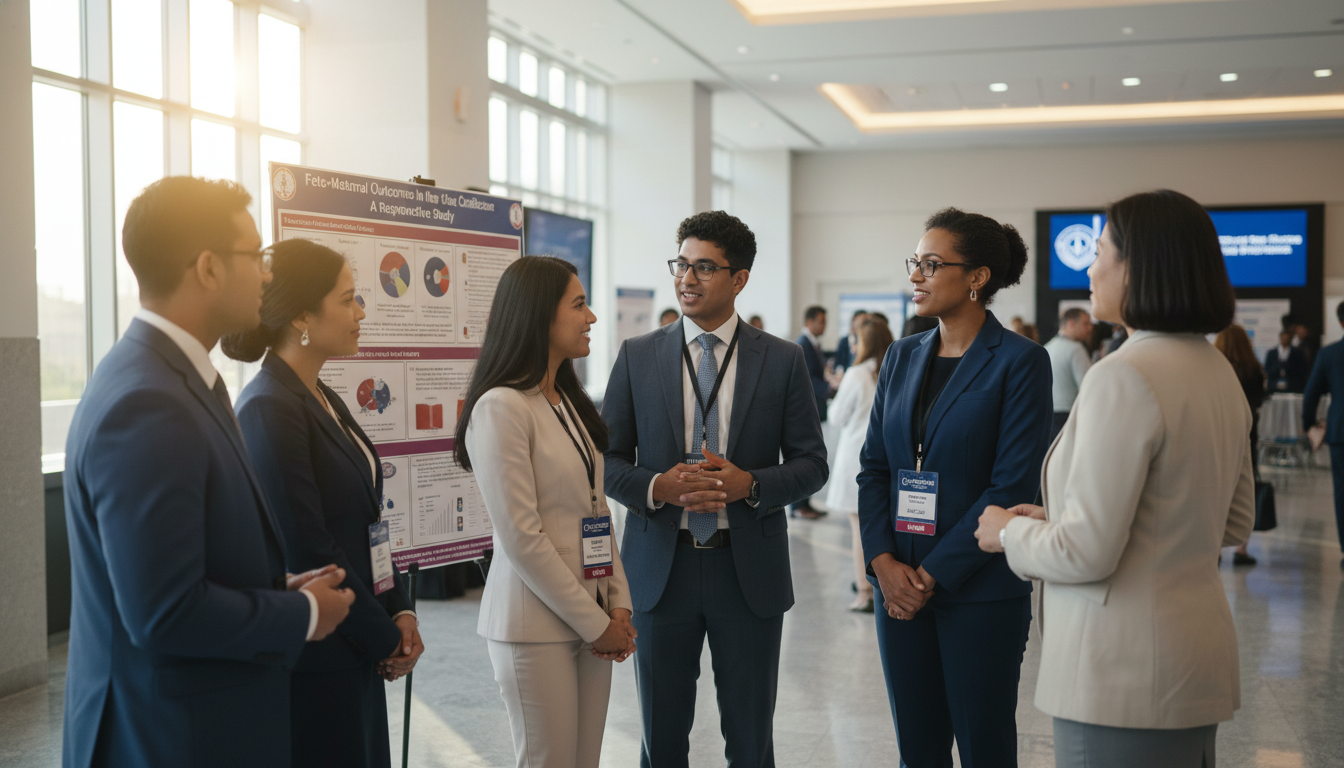
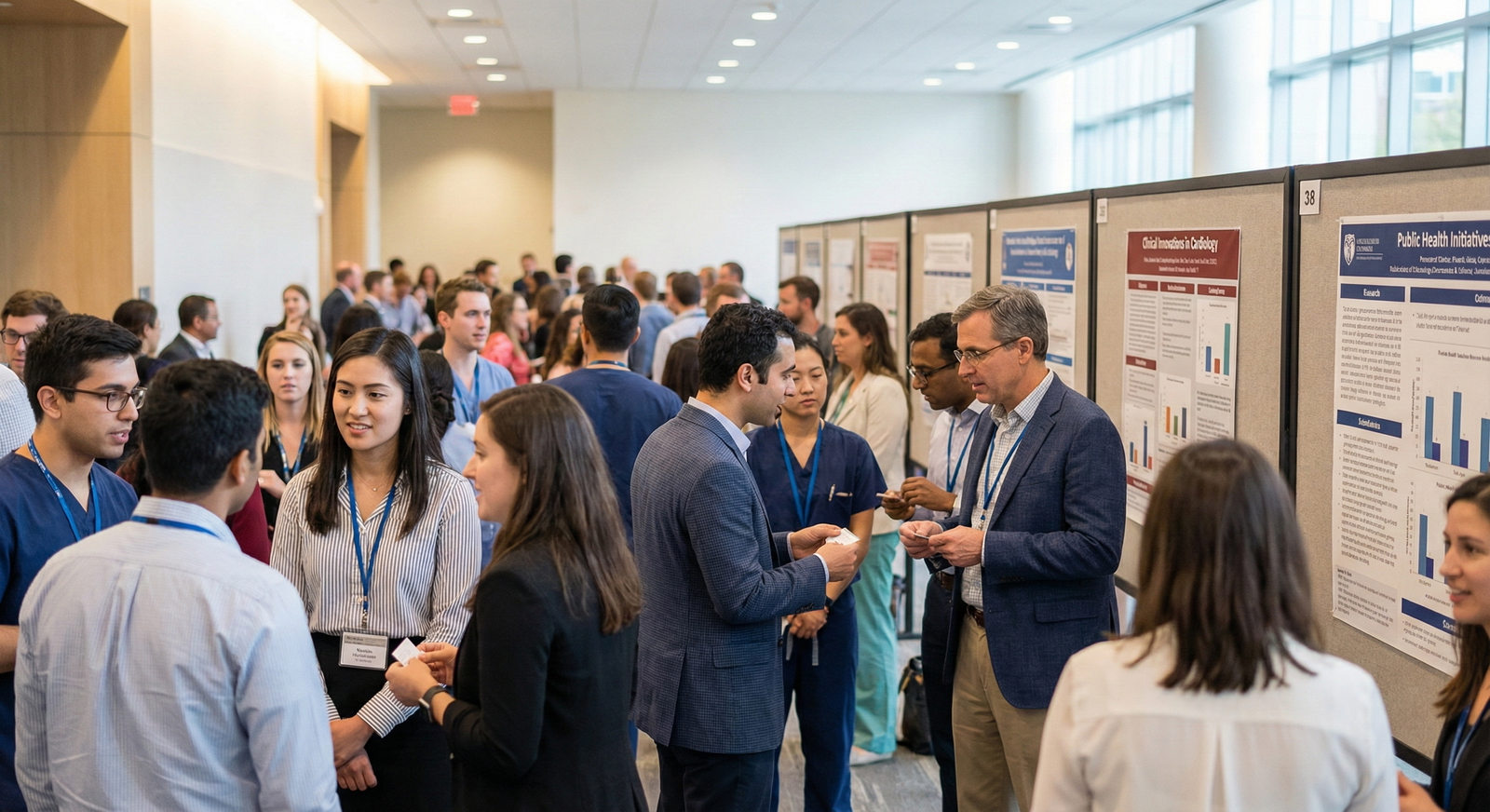
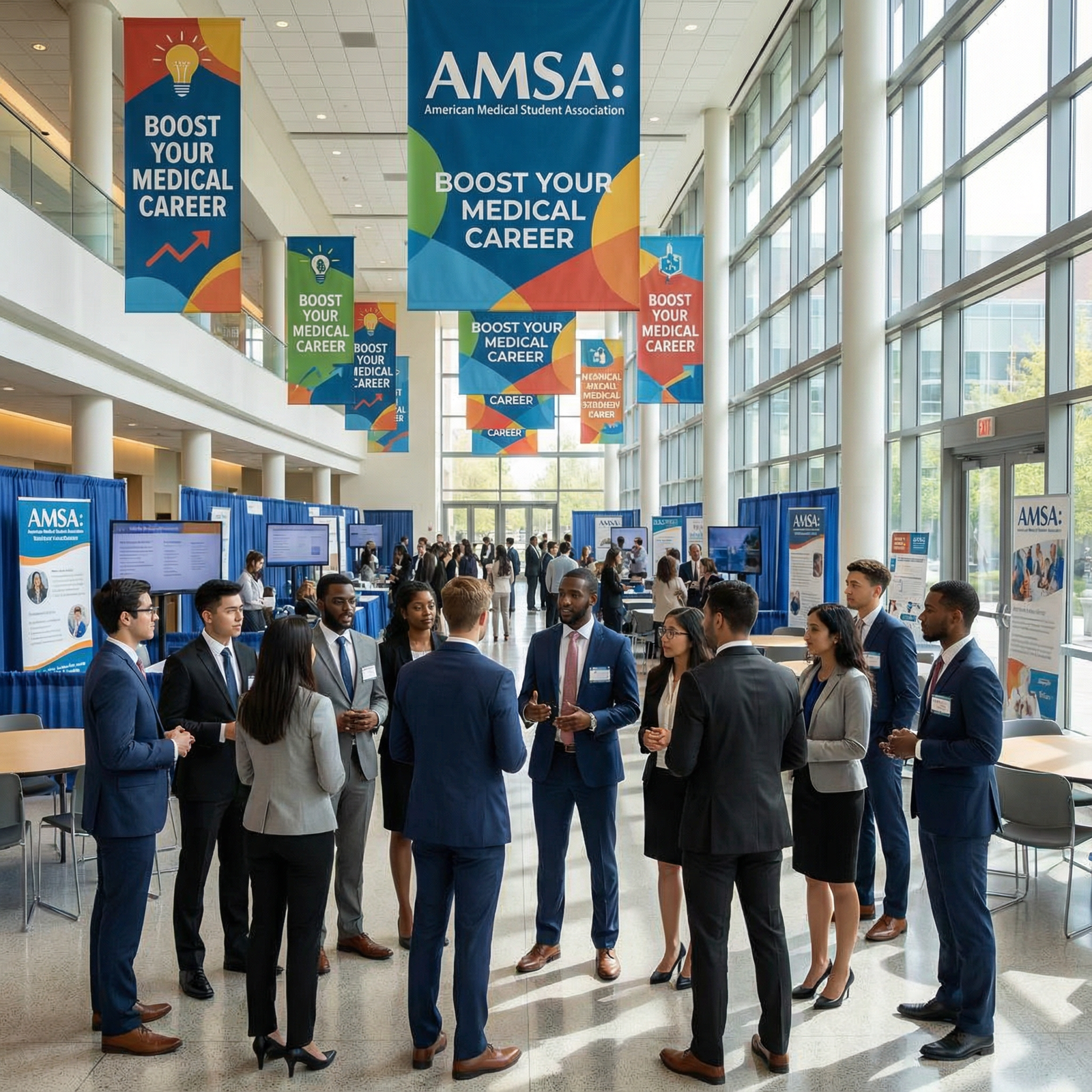
1. Conference Networking for IMGs in Family Medicine
Family medicine has a rich conference culture. Key activities for conference networking:
Major conferences to consider:
- AAFP National Conference (especially valuable for students and graduates exploring residency programs)
- State Academy of Family Physicians meetings (e.g., California AFP, Texas AFP)
- Local or regional FM residency fairs and IMG-focused events
How to Prepare for a Conference
- Research attending programs: Prioritize those with a history of accepting IMGs.
- Prepare a one-page “resume summary” or updated CV.
- Refine your elevator pitch and practice it.
- Set specific goals: “I will talk to at least 10 program representatives and attend 2 networking sessions.”
At the Conference: What to Say and Do
At program booths or socials:
Introduce yourself:
“Hello, I’m Dr. [Name], an IMG from [Country], deeply interested in family medicine. Could you tell me more about how your program engages with underserved communities and how IMGs have been integrated into your residency?”
Ask focused questions:
- “How do IMGs typically do in your program?”
- “What qualities do you value most in successful applicants?”
- “Are there opportunities for pre-residency observerships or research?”
Take notes right after each conversation:
- Name of faculty/resident
- Key points they mentioned
- Any opportunities or next steps discussed
After the conference, send a personalized thank-you email referencing the conversation, attaching your CV if appropriate.
2. Networking at Clinics, Hospitals, and Community Settings
If you are already in the U.S., local connections can be extremely valuable:
- Community health centers/FQHCs: Strong alignment with family medicine’s mission; they often welcome volunteers or observers.
- Free clinics: Volunteer roles can create regular contact with FM physicians.
- Hospital-sponsored events: Grand rounds, teaching sessions—often open to external learners or volunteers.
How to turn casual contact into networking:
At the end of a clinic day or volunteer shift:
“Dr. [Last Name], I really appreciate the chance to learn from your approach to managing [X case]. I’m an IMG preparing for a career in family medicine. If you have time, I’d love to schedule a short conversation about your pathway into FM and how someone like me can build a strong application.”
Most physicians are open to brief mentoring conversations, especially when approached respectfully.
3. Conference and Event Etiquette for IMGs
- Dress professionally (business or business-casual).
- Be on time, especially for pre-arranged meetings or calls.
- Respect others’ time: keep initial conversations brief unless they invite further discussion.
- Have a system to collect contact information: business cards, phone notes, or a simple card with your name and email to share.

Mentorship in Family Medicine: Finding, Nurturing, and Benefiting from Mentors
Mentorship is a powerful form of mentorship medicine—guidance that shapes not just your application, but your career, values, and resilience.
1. Types of Mentors an IMG Should Seek
- Career mentors: Help you strategize for the FM match, visas, and long-term career goals.
- Content mentors: Guide research or QI projects in primary care, population health, or specific FM interests.
- Peer mentors: IMGs who recently matched into family medicine; they understand the process from your perspective.
- Cultural/Systems mentors: Help you understand U.S. medical culture, EMR use, and interprofessional teamwork.
Having multiple mentors spreads the workload and offers diverse perspectives.
2. How to Ask for Mentorship
Start with informational conversations, not a formal mentorship request.
After 1–2 good meetings, you might say:
“I’ve found our conversations extremely helpful, especially your advice on [X]. I’m working toward a career in family medicine as an IMG, and I would really appreciate your continued guidance over the coming months, if you are open to it.”
Mentors are more likely to say yes if you:
- Are prepared for meetings (specific questions, updates).
- Follow through on their suggestions.
- Respect their time and express appreciation.
3. Making the Most of Mentorship
Bring structure to your mentorship:
- Set clear goals: e.g., “revise my CV,” “plan observership search,” “identify 5 suitable FM programs.”
- Send a brief agenda before meetings.
- After each meeting, send a thank-you message with bullet points of key takeaways and planned next steps.
Example follow-up email:
Dear Dr. [Last Name],
Thank you again for taking the time to speak with me today about preparing for family medicine residency. I especially appreciated your insights on [X] and your suggestion to [action item].
As discussed, my next steps are:
- [Step 1]
- [Step 2]
- [Step 3]
I will update you on my progress in about [time frame].
Sincerely,
[Name]
This reinforces your reliability and helps mentors invest in you more confidently—leading to stronger support, introductions, and potentially impactful letters of recommendation.
Turning Networking into Match Outcomes: Strategy for the FM Match
Networking is valuable only if you link it to concrete outcomes that strengthen your family medicine residency application.
1. Using Networking to Secure Strong Letters of Recommendation
Family medicine programs often value:
- Letters from U.S.-based family physicians
- Letters that speak to continuity, communication, cultural competence, and teamwork
Networking helps you:
- Find clinical roles or observerships where attendings get to know you.
- Engage in projects that show initiative (QI, patient education, registry clean-ups).
- Demonstrate your commitment to FM over time.
To request a letter:
- Ask only from physicians who know your work reasonably well.
- Give them your CV, personal statement draft, and a brief bullet list of what you hope they can highlight.
- Request early and provide the ERAS deadline.
2. Targeting Programs Using Network Intelligence
Your network can provide inside information:
- How supportive a program is toward IMGs
- Visa sponsorship history
- Resident wellness and workload
- Opportunities in women’s health, geriatrics, sports medicine, or OB—depending on your interests
Use this knowledge to:
- Prioritize programs that fit your profile and goals.
- Tailor your personal statements or preference signaling (if applicable).
- Prepare for interviews with program-specific talking points.
3. Networking During Interview Season
Residency interviews themselves are powerful networking opportunities.
- Treat every interaction—with residents, coordinators, and faculty—as part of your professional network, not just an evaluation.
- Ask thoughtful questions that show your knowledge of family medicine and genuine interest in their program.
- Follow up after interviews with short, sincere thank-you emails referencing specific conversation points.
Even if you do not match at a given program, individuals you meet there might:
- Serve as future references
- Collaborate on research
- Inform you of second-round positions, pre-match, or preliminary jobs
4. Maintaining Relationships After Match (and If You Do Not Match)
If you match:
- Send brief thank-you notes to mentors and key contacts, and keep them updated about your progress in residency.
- Your emerging family medicine residency network will be key for future fellowships, jobs, and leadership roles.
If you do not match:
- Inform your mentors and network honestly and professionally.
- Ask for feedback and help refining your strategy (additional experiences, different program list, strengthening exam performance).
- Continue nurturing your network rather than disappearing—persistence and professionalism are remembered.
Common Pitfalls and How IMGs Can Avoid Them
Being excessively transactional
- Constantly asking for letters, jobs, or exceptions without building relationships first can harm your reputation.
- Focus on learning, contributing, and showing long-term interest.
Overestimating a single connection
- Knowing one person at a program does not guarantee an interview or a spot.
- Aim for broad and deep networking: multiple contacts, multiple institutions.
Not following up
- Many opportunities are lost simply because IMGs don’t follow up on conversations or promised emails.
- Use reminders or a spreadsheet to track communications.
Lack of professionalism on social media
- Inappropriate posts, unprofessional comments, or political arguments can damage your image.
- Assume program directors may see your public online presence.
Under-valuing your unique strengths as an IMG
- You bring cross-cultural experience, resilience, and often multilingual skills—highly relevant to family medicine.
- Highlight these in conversations and applications as genuine assets, not afterthoughts.
FAQs: Networking in Medicine for IMGs in Family Medicine
1. I’m still in my home country. How can I start networking for family medicine in the U.S.?
Begin with online platforms and alumni connections:
- Optimize your LinkedIn profile with clear mention of your interest in family medicine.
- Reach out to alumni from your medical school who are now in U.S. FM residencies.
- Attend virtual conferences, webinars, and residency fairs organized by AAFP or state academies.
- Email FM departments to ask about virtual observerships, research, or QI collaboration.
Consistent, thoughtful engagement over time can make you a familiar and trusted name before you even arrive in the U.S.
2. How important is networking compared to scores and clinical experience for the FM match?
Scores and clinical experience are foundational, but networking often determines:
- Where you get interviews
- How strongly programs advocate for you in rank meetings
- Which opportunities you hear about (observerships, research, last-minute positions)
For family medicine, where fit and communication skills are critical, strong professional relationships can significantly differentiate you among other qualified candidates.
3. How can I tell if someone I meet could become a good mentor?
Look for:
- Willingness to give thoughtful, specific advice
- Genuine interest in your goals and background as an IMG
- A communication style you feel comfortable with
- Some alignment with your interests (e.g., community health, geriatrics, women’s health, academic FM)
Often, potential mentors start with small interactions—feedback on your CV, introduction to a colleague, or a brief discussion about the FM match. If you feel supported and understood, you can gradually deepen the relationship.
4. Is it acceptable to remind someone to send a promised email or letter of recommendation?
Yes—professionally and politely. People are busy; gentle reminders are often appreciated.
Example:
“Dear Dr. [Last Name],
I hope you’re doing well. I wanted to kindly follow up regarding the letter of recommendation for my family medicine residency application that we discussed. ERAS will close for uploads on [date], so I wanted to check if you needed any additional information from me.
Thank you again for your support.
Sincerely,
[Name]”
Give at least 1–2 weeks between reminders and always express appreciation for their time.
Effective networking in medicine for an international medical graduate targeting family medicine is not about charm or “knowing the right people” by chance. It is about intentional, respectful, and sustained relationship-building that showcases your genuine commitment to primary care and your unique strengths as an IMG. By combining a strong academic foundation with strategic online and in-person networking, you position yourself not only for a successful FM match, but also for a fulfilling and collaborative career in family medicine.