Understanding Networking in Medicine as an IMG in Interventional Radiology
Networking in medicine is not just “meeting people.” For an international medical graduate (IMG) pursuing interventional radiology (IR), it is a deliberate strategy to become known, trusted, and sponsored within a small and highly competitive community. In IR, where programs are relatively few and the IR match is tight, medical networking can be the factor that converts a strong application into an interview—or an interview into a rank.
This IMG residency guide will focus on how you, as an IMG interested in interventional radiology residency, can build effective professional connections in the United States. We will walk through specific, practical steps: where to start, how to approach people, what to say, how to follow up, and how to sustain relationships ethically and professionally.
Key ideas to keep in mind:
- Interventional radiology is a small, relationship-driven specialty. Most program directors, faculty, and fellows know each other through societies, conferences, and collaborations.
- As an international medical graduate, you start with less “embedded” social capital in the U.S. system—but you can absolutely compensate with targeted networking and strong performance.
- Networking is not manipulation; it is professional relationship-building based on genuine interest, value exchange, and consistent reliability.
The IR Landscape for IMGs: Why Networking Matters More Here
Interventional radiology has become one of the most competitive specialties in the U.S. following the introduction of the Integrated IR residency. For IMGs, the challenges are magnified:
- Limited number of IR residency spots
- Preference in some programs for U.S. graduates with early IR exposure
- Visa and funding constraints at particular institutions
- Heavy emphasis on letters of recommendation from U.S. IR faculty
In this environment, networking in medicine is not optional; it is part of your strategic preparation. It can help you:
- Gain Access to IR Experiences
- Shadowing in IR suites
- Hands-on simulation or skills labs
- Participation in vascular and interventional radiology clinics or tumor boards
- Secure Meaningful IR Research
- Case series, QI projects, database studies, educational articles
- Co-authorship with established IR physicians
- Earn Strong, Specific Letters of Recommendation
- Detailed letters from U.S.-based interventional radiologists who know your clinical abilities and character
- Move from “Unknown IMG” to “Trusted Candidate”
- Faculty advocacy during the IR match process
- Direct emails/calls from mentors to program directors endorsing your candidacy
For an IMG, this transition—from “cold CV” to “known person”—often happens through structured, persistent networking.
Core Principles of Effective Networking in Medicine for IMGs
Before diving into specific tactics, it helps to internalize a few core principles about medical networking and mentorship in medicine.
1. Networking is Long-Term, Not Transactional
Poor networking looks like:
“Hello Dr. X, can you write me a letter?” or “Can you help me get an IR residency?”
Effective networking looks like:
- “I admire your work in Y. I’ve read your recent paper on Z and learned A, B, C.”
- “I’d like to get involved in your research or quality improvement projects if there’s an opportunity.”
- “Could I shadow a few days to better understand image-guided oncology care?”
You are building a track record, not fishing for favors.
2. Relationships Grow from Repeated, Positive Interactions
In IR, those interactions might include:
- Regular attendance at case conferences or tumor boards
- Monthly email updates about your project progress
- Presenting together at a regional or national meeting
- Consistent reliability: responding to emails, meeting deadlines, preparing thoroughly
Faculty remember you not just by your CV, but by how easy (or difficult) you were to work with.
3. “Value First” Mindset
As an IMG, it’s easy to feel like you are always “asking” for help. Counter this by actively thinking:
- How can I make this faculty’s life easier?
- Can I help with data collection, slide preparation, literature review, or follow-up on cases?
- Can I volunteer for departmental initiatives (teaching sessions, educational handouts, audit projects)?
When faculty notice that you create value, they are more inclined to mentor, advocate, and open doors for you.
4. Consistent Professionalism and Humility
Networking in medicine is always conducted under the professional standards of the field:
- Respect time: concise emails, punctual attendance, clear agendas
- Maintain confidentiality and HIPAA compliance in all discussions of cases
- Be honest about your skills and limitations
- Accept feedback with gratitude and without defensiveness
In small specialties like IR, reputation travels quickly—either in your favor or against it.
Where and How IMGs Should Network in Interventional Radiology
A. Clinical Rotations, Observerships, and Visiting Positions
For an IMG without U.S. clinical experience, this is often the most important networking platform.
1. Securing an IR-related position
Options can include:
- IR-focused observerships
Many academic programs allow observerships in radiology/IR for IMGs. Check institutional policies and IR division websites. - Elective rotations during U.S. medical school (if you are an IMG in a U.S. MD/DO program)
Request IR electives early; they often fill quickly. - Research fellow or visiting scholar roles
These may be unpaid but can embed you long-term in an IR division.
When reaching out:
- Use a brief, structured email (3–4 short paragraphs):
- Who you are (IMG, current status, USMLE, relevant experience)
- Why IR, and specifically why that institution/faculty
- What you are asking for (observership, research involvement, shadowing)
- Attach a concise CV (2–3 pages) and highlight IR-related interest
2. Networking during the rotation
Once you have your foot in the door:
- Arrive early, leave late (within reason). Help set up rooms, review cases ahead of time, look up indications and evidence.
- Ask targeted questions. Instead of “How do I get into IR?” ask:
- “How do you evaluate IR residency applicants?”
- “What skills should I focus on developing now?”
- “Do you think my profile is more suitable for IR integrated or ESIR via diagnostic radiology?”
- Request feedback. Midway through and at the end of a rotation, ask:
- “Do you have suggestions on what I should improve to be a stronger IR applicant?”
- Identify a potential mentor. Notice who takes interest in teaching you, who interacts with trainees, or who does IR education/research.
B. Research as a Networking Engine
Research is not only about publications—it’s one of the most powerful forms of medical networking for IMGs.
1. Finding IR research opportunities
- Search IR faculty pages at academic centers; look for:
- Associate/assistant professors with active publication records
- Directors of IR research or education
- Look up authors of IR papers or posters you admire; note their affiliations.
- Use LinkedIn and ResearchGate to identify IR researchers who accept external collaborators.
Cold-email tips:
- Use a specific subject line:
“Prospective IMG IR applicant interested in your embolization outcomes research” - In the email body:
- Mention 1–2 of their specific papers you have read
- Offer concrete help: data abstraction, chart review, literature search, basic statistics (if competent)
- State your available time per week
2. Using research to deepen relationships
During the project:
- Send regular progress updates (every 1–2 weeks) with bullet points:
- Tasks completed
- Problems encountered
- Next steps proposed
- Proactively take ownership of parts of the project (e.g., IRB draft, data dictionary, initial figures).
- When the project matures, ask:
- “If this works out, would you be comfortable writing a letter of recommendation based on our work together?”
- Do this only after you have contributed meaningfully and reliably.
Over time, co-authors become advocates. They also introduce you to others in the field, including collaborators at other institutions that may be part of your IR match target list.

Using Conferences and Societies for High-Yield IR Networking
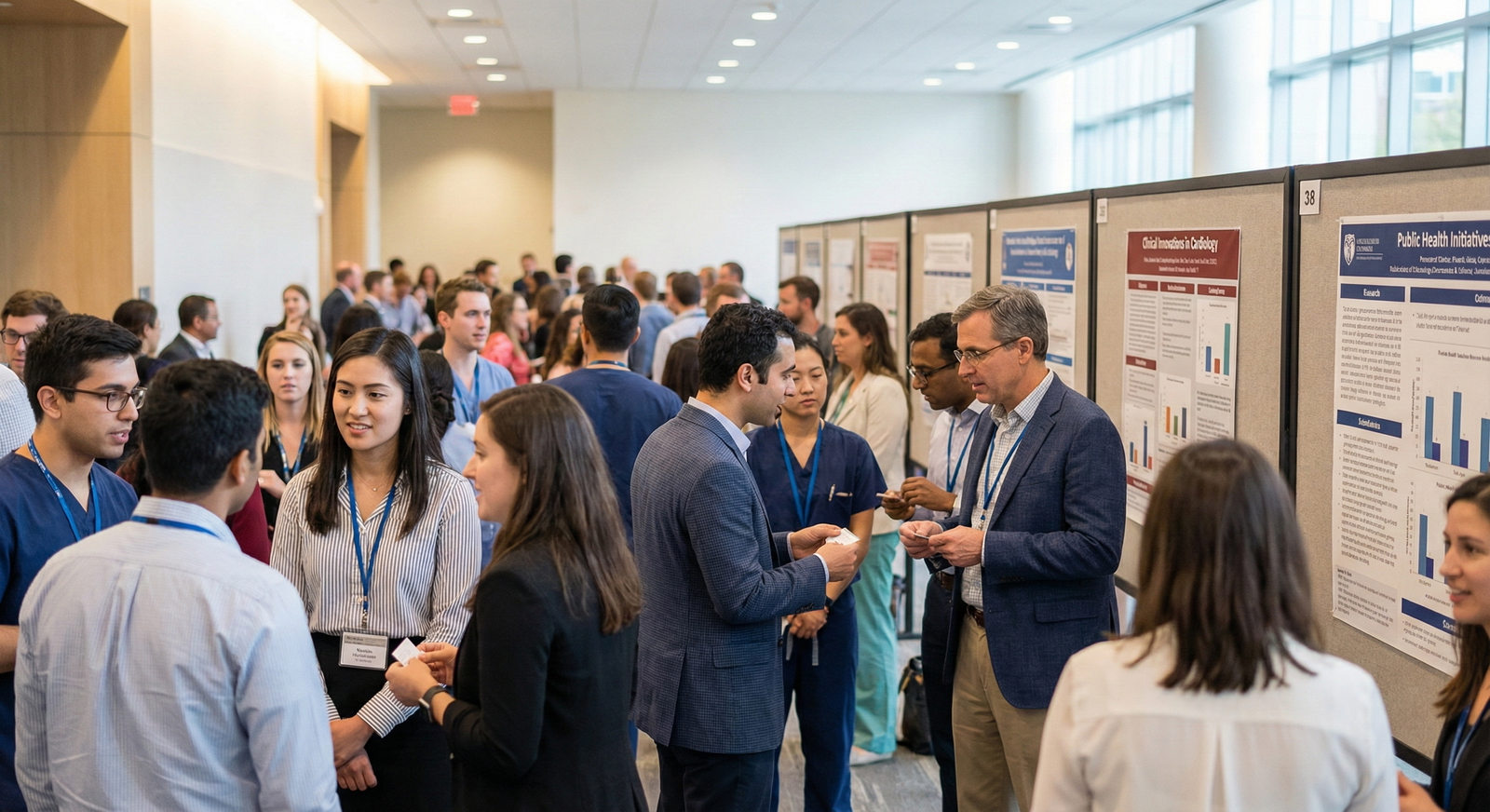
Conference networking is one of the most effective—and most underutilized—tools for IMGs.
A. Key IR Societies and Meetings for IMGs
For interventional radiology residency applicants, the following are particularly important:
- Society of Interventional Radiology (SIR) Annual Scientific Meeting
- Main U.S. IR conference; heavy resident/fellow/program director presence.
- SIR Medical Student Council (MSC) and Resident, Fellow & Student (RFS) Section
- Offers mentorship programs, workshops, and online events.
- Cardiovascular and Interventional Radiological Society of Europe (CIRSE)
- Useful if you trained or practiced in Europe but are aiming for U.S. IR.
- Regional IR or radiology meetings (e.g., state radiology societies, regional interventional meetings).
Many of these societies have reduced fees or travel scholarships for students and IMGs—check their websites.
B. Preparing for Conference Networking
Before attending:
- Register for student/trainee programs. Sign up for:
- Mentorship lounges or “meet the expert” sessions
- Residency program fairs or residency showcases
- Hands-on skills labs and IR simulation sessions
- Review the program schedule. Identify:
- IR residency panels
- Sessions on education, workforce, or training pathways
- Talks by faculty from programs you are targeting
- Make a short list of people you want to meet:
- IR residency program directors
- IR research leaders in your area of interest (e.g., IO, PAD, neuro, MSK, venous disease)
- Mentors you have previously emailed or worked with remotely
Prepare:
- A 30–60 second “elevator pitch”:
- Who you are (IMG, school, step scores or highlights if asked)
- Why IR (brief, specific reason)
- Your current focus (e.g., embolization research, PAD QI project)
- Your goal (e.g., “I’m applying to the integrated IR residency in the 2026 match cycle”)
- A clean, updated 1-page academic CV (paper or PDF on your phone/tablet, with sharable link).
C. Techniques for Effective Conference Networking
During the conference:
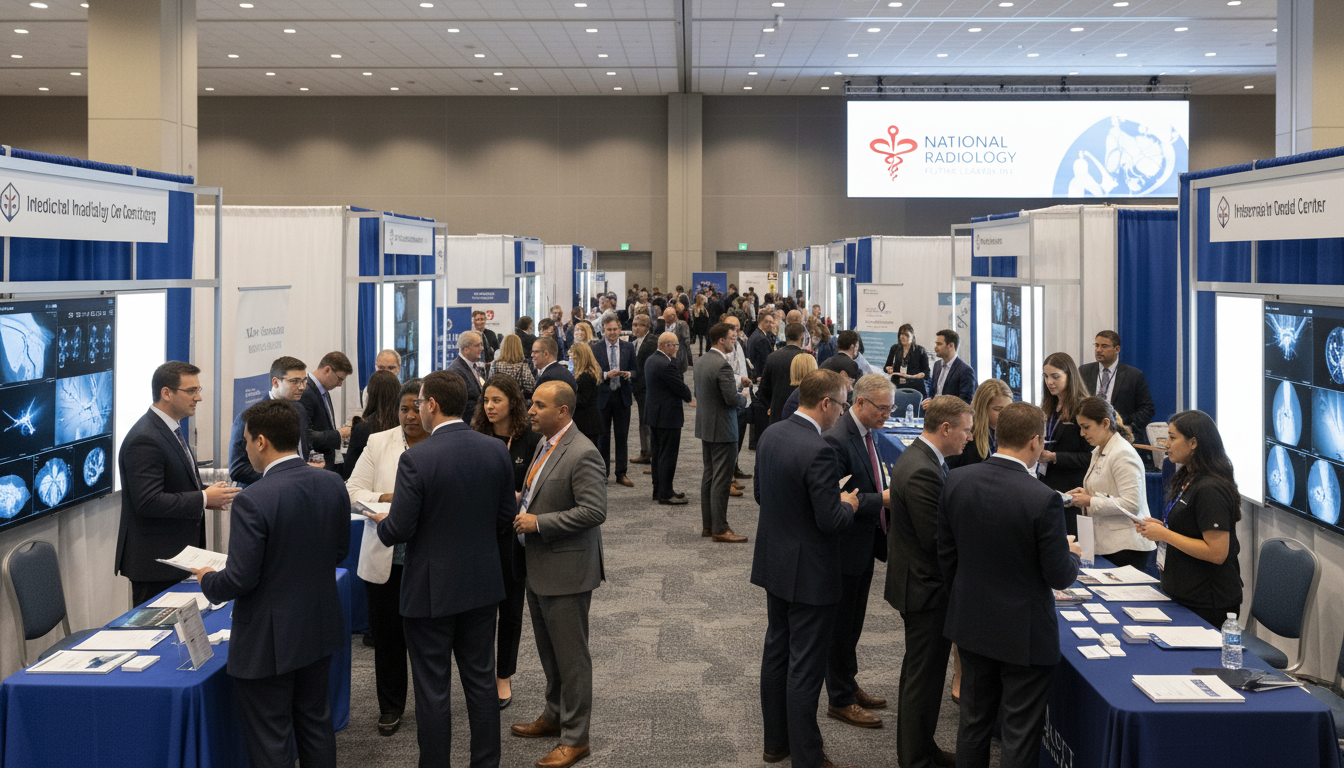
- Attend residency fairs and education sessions early. Many program tables get crowded; arriving early lets you have substantive conversations.
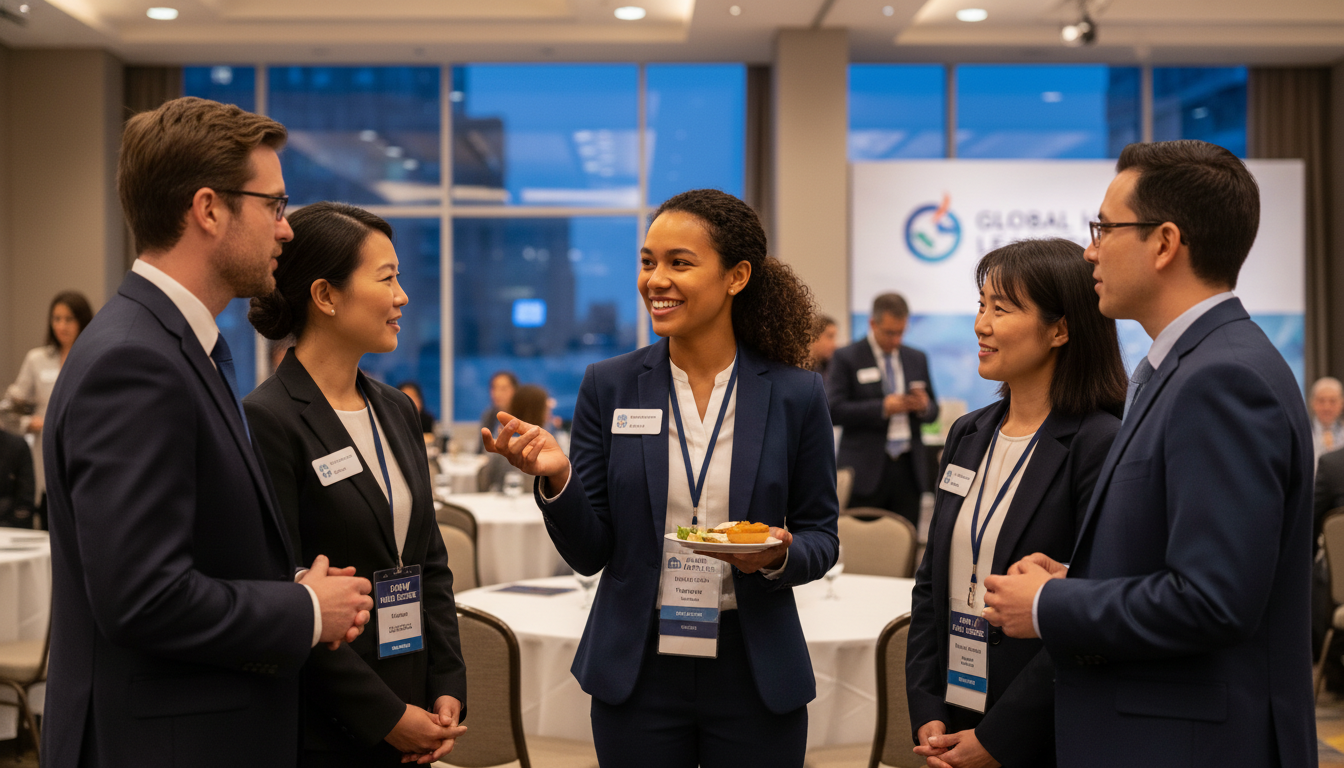
- Use professional, openers:
- “Good morning, Dr. Smith. I’m an IMG interested in IR residency. I enjoyed your talk on Y.”
- “I’ve read your recent paper on Z; could I ask you a brief question about it?”
- After a short conversation, ask:
- “Would you be open to a brief follow-up email with a couple of questions about IR training for IMGs?”
- Take notes immediately afterward (on your phone or in a small notebook):
- Name, institution, role
- Topics discussed
- Any specific advice or next steps they offered
Remember: Your goal is not to ask for a residency spot at the conference. It is to:
- Be memorable in a positive way
- Get permission to follow up
- Build multiple small connections with people across the IR community
D. Following Up After the Conference
Within 3–7 days after returning home:
- Send short, personalized follow-up emails:
- Thank them for their time.
- Mention a specific point from your conversation.
- Ask 1–2 thoughtful questions or request brief guidance (e.g., “Do you recommend any specific steps for IMGs to align their profile with your program’s expectations?”).
- If appropriate, connect on LinkedIn, including a personalized invitation referencing the conference.
Over months:
- Update those contacts 2–3 times a year:
- Share progress: “I’ve started an IR embolization project with Dr. X at my institution.”
- Ask focused advice: “I’m trying to decide whether to pursue a preliminary surgery year vs. DR-only prelim—what is common among residents in your program?”
This rhythm of conference networking plus consistent follow-up is one of the strongest ways to create genuine mentorship in medicine for an IMG in IR.
Building Mentorship and Sponsorship in Interventional Radiology
Networking is the starting point; mentorship and sponsorship are the deeper layers that often shape your IR match outcome.
A. Types of Mentors an IMG in IR Should Seek
Ideally, you want a small team of complementary mentors:
Clinical IR Mentor (Local)
- Supervises you during rotations or observerships
- Evaluates your procedural mindset, professionalism, and commitment
- Potentially writes a strong letter of recommendation
Research Mentor (IR or Radiology-Adjacent)
- Works with you on projects and abstracts
- Helps you build an academic profile and present at conferences
- Teaches you research methodology and critical reading
Career/Strategic Mentor (May Be Outside IR)
- Advises on timing of exams, visa strategies, and pathways (integrated IR vs DR–ESIR vs independent IR)
- Helps you interpret feedback and adjust your trajectory
Near-Peer Mentor (Current IR Resident or Fellow)
- Offers recent, practical insights into the IR match process
- Reviews your personal statement and application
- Shares informal information about programs and culture
As an IMG, you may not find all four at one institution—and that’s fine. Leverage online communities and professional networks to fill gaps.
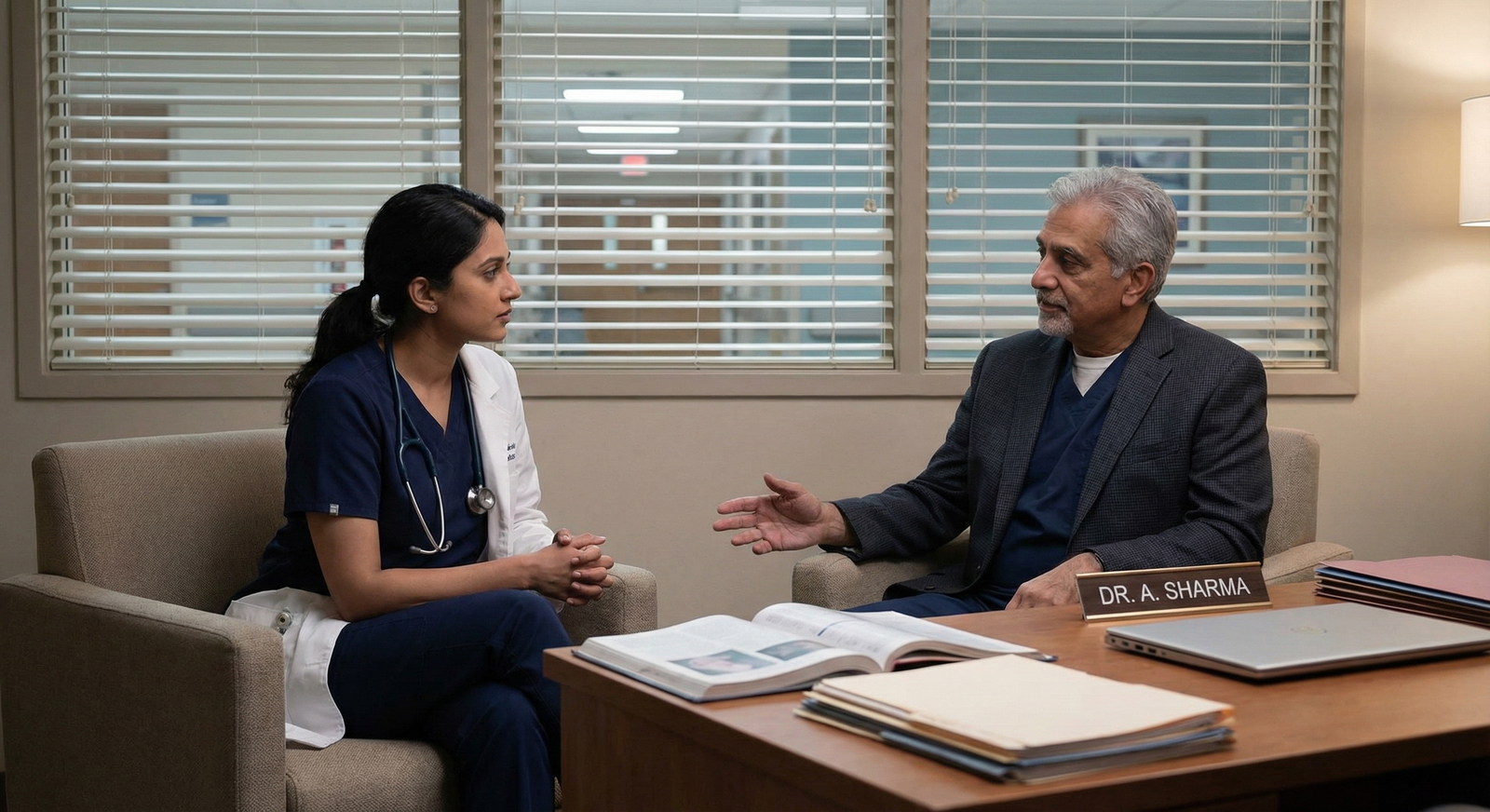
B. How to Initiate and Maintain Mentorship
1. Initiation
- Begin with a small ask, such as:
- “May I schedule a 15-minute meeting to ask about how IMGs can prepare for IR training?”
- “Would you be willing to give feedback on my plan for the next 12 months as I prepare for the IR match?”
- Provide context:
- A brief description of your background (school, graduation year, major experiences)
- Your current plan and uncertainties
2. Maintenance
- Send structured update emails every 2–3 months:
- Bullet points on milestones achieved (USMLE, research, rotations)
- Questions or forks in the road where their input would be valuable
- Always:
- Respect their time (concise updates)
- Implement their advice where reasonable—or explain thoughtfully if you choose a different path
Mentors stay engaged when they see you:
- Follow through
- Grow over time
- Appreciate their contributions
C. Understanding Sponsorship vs. Mentorship
For an IMG in IR, the distinction matters:
- Mentor: Advises, teaches, guides you.
- Sponsor: Uses their credibility and influence to actively open opportunities for you.
Examples of sponsorship in IR:
- An IR faculty member calls or emails a program director to recommend you.
- A mentor places you on a multi-institution collaborative project.
- A senior IR physician invites you to co-author guidelines, reviews, or book chapters.
- A program director flags your application for priority review because a trusted colleague endorsed you.
Sponsorship is earned through:
- Long-term reliability
- High-quality work
- Mutual trust
- Demonstrated commitment to IR as a career
Many IMGs underestimate how important sponsorship can be in the IR match; nurturing the relationships that can evolve into sponsorship is one of the most strategic uses of your time.
Digital Networking: Online Platforms and Virtual Communities for IR IMGs
In addition to in-person networking, digital tools are crucial, especially if you are abroad or limited by visas and funding.
A. LinkedIn and Professional Profiles
Use LinkedIn as your public academic face:
- Professional headshot, clear headline (e.g., “International Medical Graduate | Aspiring Interventional Radiologist | Clinical Research Fellow at X”)
- Concise summary:
- Your background
- IR interests (e.g., IO, PAD, venous interventions)
- Current projects and match year
- List:
- IR-related research, posters, presentations
- Conferences attended
- Professional memberships (SIR, CIRSE, etc.)
Networking actions:
- Follow IR societies, journals, and departments.
- Engage with posts by commenting meaningfully (e.g., “This study on Y will be very impactful for PAD patients because…”).
- Send invitations with a brief introduction and a non-demanding tone.
B. Email Etiquette and Relationship Management
Email remains the primary professional tool for medical networking.
Best practices:
- Use a professional email address (e.g., firstname.lastname@domain).
- Subject lines should be clear and specific:
- “Prospective IMG applicant seeking IR research opportunity”
- “Thank you for your insights at SIR 2025 – follow-up question”
- Keep messages:
- 150–250 words
- Scannable (short paragraphs, bullet points for key info)
- Respond within 48–72 hours when possible; if you need more time to answer, acknowledge and indicate when you’ll respond fully.
Use a simple spreadsheet or notes app to track:
- Contacts
- Date of first interaction
- Notes/reminders for follow-up
C. Virtual Events, Webinars, and Social Media
Many IR societies run:
- Webinars on IR residency pathways, ESIR, and independent IR
- Case conferences open to students and IMGs
- Virtual mentorship sessions or “office hours”
Actions:
- Register, attend live when possible, and ask concise questions in Q&A.
- After a session, send a brief thank-you note to key speakers whose advice was particularly helpful.
Twitter/X and other platforms:
- Follow IR leaders, program accounts, and societies.
- Observe how professionals discuss science, procedures, and training; be cautious:
- Maintain professionalism
- Avoid debating sensitive clinical topics without expertise
- Do not share identifiable clinical cases
Used correctly, digital platforms expand your reach far beyond your immediate geographic location—crucial for many IMGs.
Common Pitfalls and How to Avoid Them
Even motivated IMGs can unintentionally undermine their networking efforts. Watch for:
Mass, Generic Emails
- Problem: “Dear Sir/Madam, I want any research. Please help me.”
- Solution: Personalize each message, reference specific work, and propose how you can help.
Over-asking, Under-giving
- Problem: Repeatedly asking for letters, introductions, or interviews without contributing or following through on commitments.
- Solution: Demonstrate value and reliability before making larger requests.
Disappearing After Receiving Help
- Problem: After a rotation or project ends, you vanish.
- Solution: Keep mentors updated on your progress; thank them publicly (when appropriate) and privately.
Aggressive or Desperate Tone
- Problem: Expressing frustration or entitlement about the match process or being an IMG.
- Solution: Stay professional, calm, and solution-oriented, even when discussing challenges.
Ethical or Professional Lapses
- Problem: Cutting corners on research, misrepresenting your role in projects, violating confidentiality.
- Solution: Adhere to the highest ethical standards; the IR community is small, and trust is fragile.
Putting It All Together: A 12-Month Networking Plan for an IMG Targeting the IR Match
Below is a sample structured plan for a student or graduate 12–18 months before the IR match:
Months 1–3: Foundation
- Join SIR (student/trainee membership).
- Build/update LinkedIn and CV.
- Send 10–15 targeted emails to IR faculty asking about:
- Observerships or rotations
- Research opportunities
- Start attending virtual IR society events.
Months 4–6: Local Engagement
- Begin an IR-linked observership or rotation if obtained.
- Secure at least one research project with IR or diagnostic radiology faculty.
- Identify 1–2 potential primary mentors.
- Register for the next SIR Annual Meeting (apply for student/IMG discounts or travel scholarship if eligible).
Months 7–9: Broader Exposure
- Attend SIR (or another major IR conference) with:
- Prepared elevator pitch
- CV and business cards (optional but helpful)
- Meet program directors and residents at residency fairs.
- Submit abstracts/posters if your research is ready; present if accepted.
- Increase frequency of mentorship meetings (virtual or in-person).
Months 10–12: Consolidation and Match Preparation
- Request letters of recommendation from mentors who know you well.
- Seek detailed feedback on your IR residency personal statement and application list.
- Continue to engage with mentors and contacts via email and LinkedIn.
- Practice interview skills, emphasizing:
- Why IR
- How your experiences (especially with mentors) shaped you
- What you learned from research and clinical networking
By the time you submit your ERAS/NRMP application, you should ideally have:
- 2–3 strong letters from U.S.-based interventional or diagnostic radiologists
- IR-focused projects or presentations
- A network of 5–10 professionals aware of your goals and ready to advocate for you when appropriate
FAQs: Networking in Medicine for IMGs in Interventional Radiology
1. As an IMG with no U.S. contacts, where should I start networking for IR?
Begin with IR societies (especially SIR) and your closest academic institutions. Join SIR as a student/trainee, attend virtual events, and introduce yourself to speakers after webinars with brief, respectful emails. Simultaneously, identify radiology or IR departments within travel distance and email faculty requesting observerships or research roles. Even a single local contact can become a bridge to the wider IR community.
2. Do I need publications in big IR journals to be competitive for IR residency as an IMG?
Major IR journal publications help, but they are not mandatory for everyone. What matters more is evidence of sustained engagement, such as: small retrospective studies, QI projects, case reports, abstracts, posters, and consistent collaboration with IR teams. Many IMGs build their profile via smaller projects that demonstrate curiosity, reliability, and academic potential—networking turns these efforts into visibility.
3. How direct can I be about my goal of getting into IR residency when networking?
You can and should be clear about your long-term goal, but keep the focus on learning and contribution, not on “getting a spot.” For example: “I’m aiming for integrated IR residency in 2027, and I want to understand how to prepare effectively as an IMG. I’d like to learn from your experience and contribute to your projects if possible.” This signals seriousness without sounding transactional.
4. If I fail to match IR once, should I keep networking in IR or switch specialties?
Many successful interventional radiologists, including IMGs, matched via alternative pathways—Diagnostic Radiology with ESIR, then Independent IR. If you are still deeply committed to IR, maintain your IR network while also demonstrating excellence in DR or your chosen interim path. Be open with your mentors about your situation; they can help you decide whether to plan a reapplication to IR, pursue DR–ESIR intentionally, or pivot if your priorities change.
Building a career in interventional radiology as an international medical graduate is challenging, but it is entirely possible. Strategic, authentic networking in medicine—anchored in mentorship, research, conference engagement, and consistent professionalism—can transform you from a name on a CV into a respected colleague-in-training within the IR community.