Why Networking in Medicine Matters So Much for IMGs in Pediatrics
For an international medical graduate, networking in medicine is not a “nice-to-have”—it is one of the most powerful levers you have to succeed in the U.S. pediatrics residency pathway. Clinical skills and test scores matter, but relationships often determine whether your application gets a closer look, whether you find mentors who advocate for you, and how you navigate subtle elements of the peds match process.
In pediatrics, where culture, communication, and collaboration are central, residency programs place high value on your reputation, interpersonal skills, and how well you function on a team. Networking is how you make those qualities visible to the people who will be reading your application and interviewing you.
This IMG residency guide will walk you through:
- What networking actually means in medicine (and what it is not)
- Concrete networking strategies before, during, and after the match
- How to use conferences, social media, and mentorship in medicine strategically
- Typical mistakes IMGs make—especially in pediatrics—and how to avoid them
- Sample emails, conversation starters, and practical step-by-step advice
Understanding Networking in Medicine as an IMG in Pediatrics
Networking Is Relationship-Building, Not Transaction-Hunting
Many IMGs feel uncomfortable with “networking” because they associate it with asking for favors. In U.S. academic medicine, good networking is the opposite: it is about building genuine, professional relationships that are mutually beneficial.
Healthy medical networking typically involves:
- Curiosity – asking about others’ work and experiences
- Contribution – offering to help with projects, share knowledge, or connect people
- Consistency – following up, staying in touch, and showing reliability over time
- Respect – understanding boundaries and not pushing for outcomes (like letters) too early
Instead of thinking, “I need someone to help me get into residency,” reframe it as, “I want to become part of a professional pediatrics community where we help each other succeed and improve care for children.”
Why Networking Is Especially Critical for IMGs
As an international medical graduate entering pediatrics in the U.S., you face unique challenges:
- Less local footprint – Program directors and faculty may not know your school or training system.
- Limited built-in networks – U.S. graduates have classmates, home institutions, and advisors; you may not.
- Greater scrutiny of applications – Some programs are cautious with IMGs; strong advocates can make a real difference.
- Visa issues and logistics – You may need tailored advice from those who’ve navigated the same path.
Networking helps you:
- Get honest program insights (IMG-friendliness, culture, mentorship, research)
- Learn what matters most in pediatrics residency applications beyond scores
- Find research or quality improvement (QI) work to strengthen your CV
- Identify mentors who may later write strong, supportive letters
- Improve your communication and cultural fluency in the U.S. clinical environment
Building Your Foundation: Preparing to Network Effectively
Before jumping into conferences or emailing faculty, build a strong professional foundation. This makes every interaction more effective and gives people a clear reason to remember and support you.
Clarify Your Professional Story
In pediatrics, storytelling matters—a lot. Faculty will often ask: “Tell me about yourself” or “Why pediatrics?” You should be able to respond in 60–90 seconds in a clear, compelling way.
Include:
Who you are
- “I’m an international medical graduate from [Country] who completed medical school at [Institution]…”
Why pediatrics
- A brief, authentic reason: a formative experience, your enjoyment of longitudinal relationships with families, your interest in child development, etc.
Your current focus and goals
- “I’m particularly interested in [general pediatrics / pediatric pulmonology / neonatology / community pediatrics], and I’m working on [research, QI, observership] to strengthen my preparation for pediatrics residency in the U.S.”
Have 2–3 versions:
- A 30-second “elevator pitch”
- A 90-second more detailed version
- A 2–3 minute “full story” for mentoring meetings
Practice out loud until it feels natural—not memorized.
Build a Strong Professional Profile
You need a consistent, professional presence across platforms:
Curriculum Vitae (CV)
- Use a U.S.-style academic CV layout (chronological, with sections for education, exams, clinical experience, research, presentations, and volunteer work).
- Highlight any pediatrics-related activities (e.g., pediatric ward rotations, community child health projects, neonatal ICU experience).
- Emphasize your language skills and global health experiences, which are often valued in pediatrics.
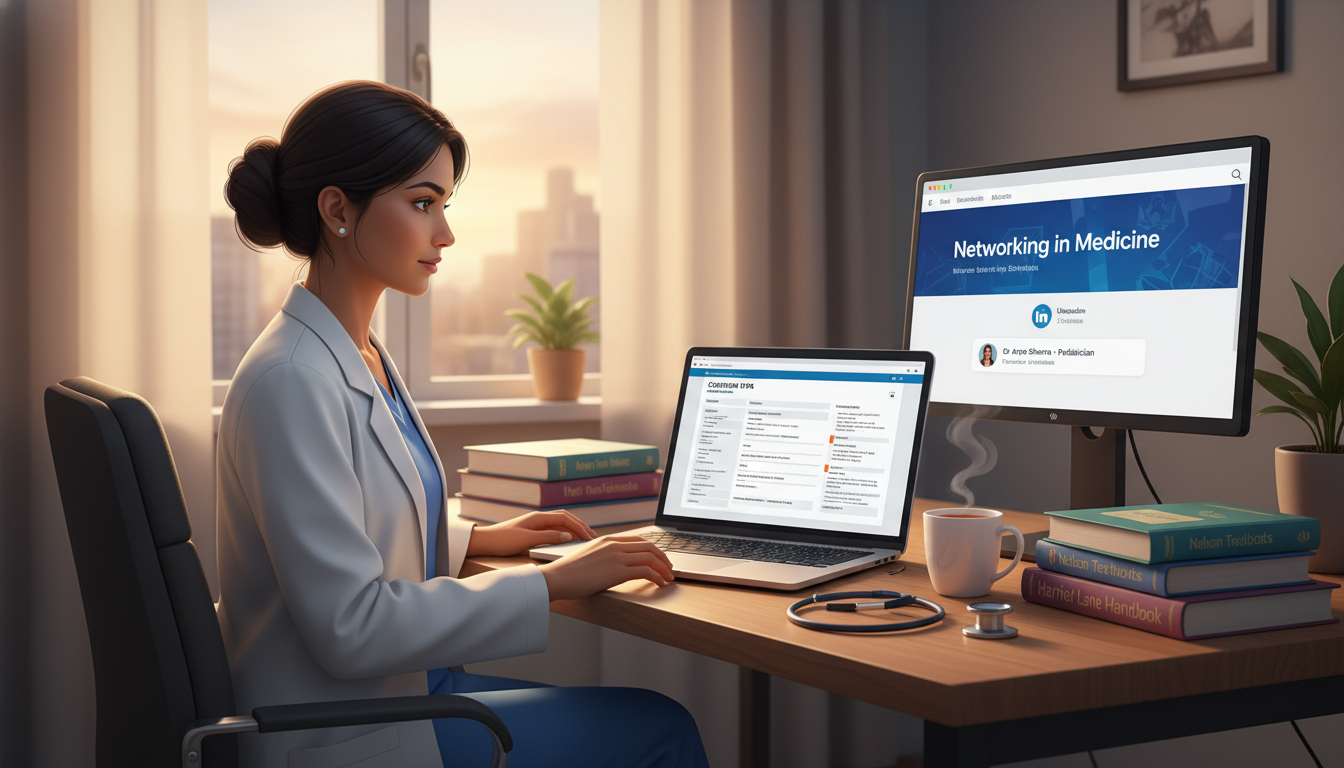
LinkedIn Profile
- Use a clear, professional headshot.
- Headline example:
“International Medical Graduate | Aspiring Pediatrician | Interested in [Subspecialty / Area] | USMLE [Step 1 / 2 status]” - Add a brief “About” section summarizing your goals in pediatrics and interest in U.S. residency.
- Connect with pediatricians, residents, and program coordinators over time (strategically, not randomly).
Professional Email
- Use a simple email address (e.g., firstname.lastname.md@gmail.com).
- Set a concise email signature:
- Name, medical degree (e.g., MD, MBBS)
- “International Medical Graduate, aspiring pediatrician”
- Phone (if appropriate), LinkedIn URL
High-Yield Networking Strategies for IMGs in Pediatrics
1. Clinical Rotations, Observerships, and Externships
For the peds match, clinical networking is often the single most valuable form of networking—because it allows faculty to see you in action.
How to Make the Most of These Experiences
Show up as your best professional self
- Be punctual, prepared, and engaged during rounds.
- Read about your patients and anticipate questions.
- Demonstrate reliability in small tasks (calling consults, following up labs, documenting).
Build relationships intentionally
- Introduce yourself clearly on day one to attending physicians and senior residents.
- Ask residents: “How did you choose this program?” “What do you appreciate about pediatrics here?”
- Ask faculty: “What qualities do you value most in a pediatric resident?”
Request feedback
- Mid-rotation: “I want to learn and improve. Is there one thing I could do better this week on the team?”
- This shows maturity and openness, traits highly valued in pediatrics.
Convert clinical impressions into future support
- At the end of the rotation, if you’ve done well:
“I’m applying to pediatrics residency next cycle. If you feel you know my work well enough, I would be honored to have your support with a letter of recommendation.” - Even if they say no, you’ve signaled your direction and seriousness.
- At the end of the rotation, if you’ve done well:
2. Research and Quality Improvement (QI) as Networking Tools
Research and QI in pediatrics are not only CV boosters—they are powerful networking vehicles.
Finding Opportunities as an IMG
- Email faculty with overlapping interests
- Identify pediatricians publishing in your areas of interest (e.g., asthma, autism, neonatology).
- Write concise, respectful emails indicating:
- Who you are (IMG, pediatrics-focused)
- Why their work interests you
- What skills you bring (data analysis, literature review, languages)
- How much time you can devote.
Example:
Dear Dr. [Name],
My name is [Your Name], an international medical graduate from [Country] with a strong interest in pediatrics, particularly [subspecialty/area]. I recently read your work on [specific topic/paper] and was especially interested in [brief, specific detail].
I am currently preparing for the peds match and looking for opportunities to contribute to ongoing projects through literature reviews, data organization, or manuscript drafting. I would be grateful for any chance to support your work in a way that is genuinely helpful to your team.
If you have 15–20 minutes for a brief call or Zoom meeting, I would appreciate the opportunity to learn more about your projects and see whether there might be a way I could contribute.
Sincerely,
[Full Name, degree]
[Contact info, LinkedIn]
Be realistic and reliable
- Don’t over-promise; under-promise and over-deliver.
- Meeting deadlines, responding promptly, and doing careful work are what make faculty remember you positively.
Stay visible within the team
- Join project meetings, ask clarifying questions, and offer to take on small but concrete tasks.
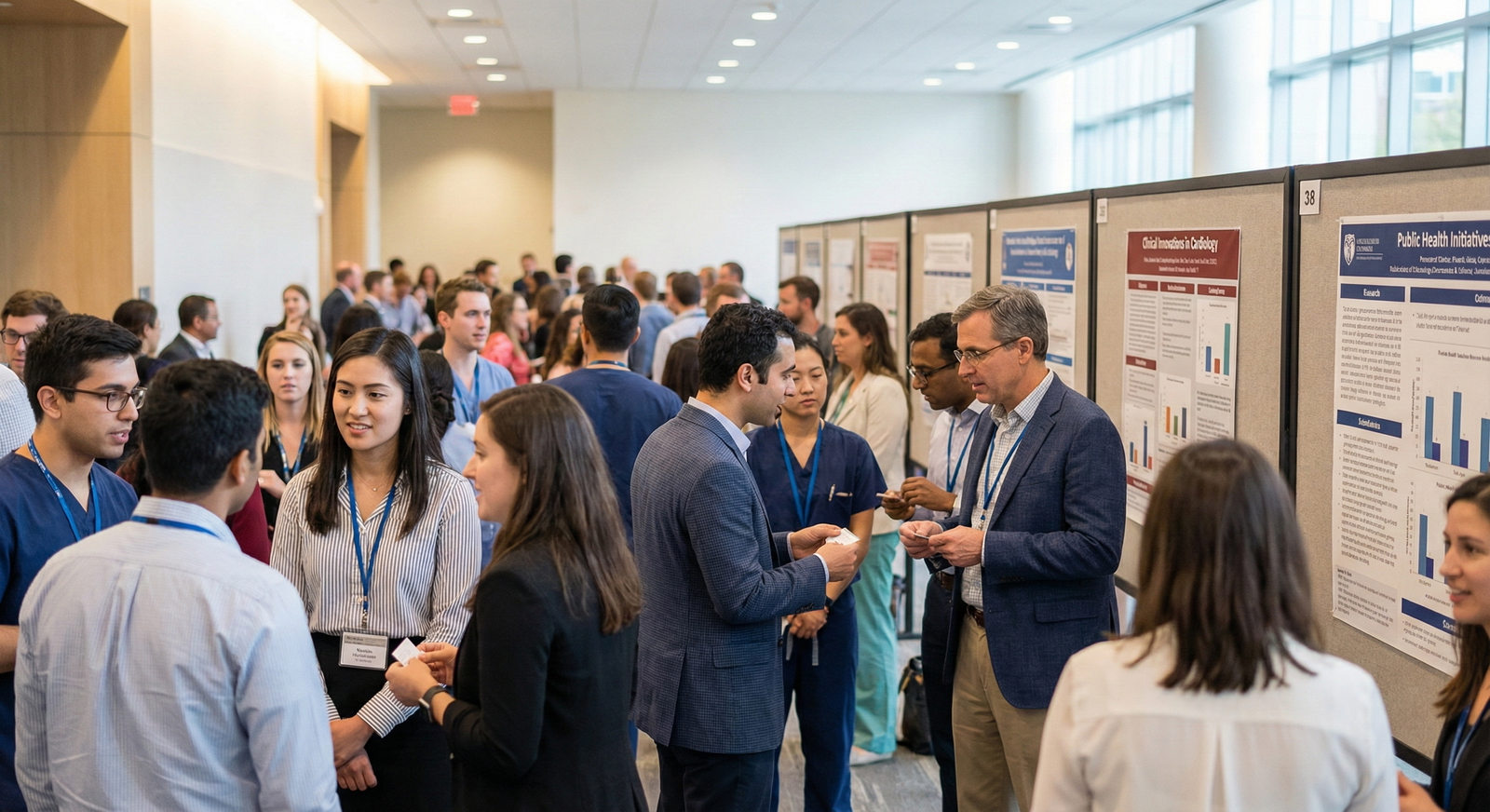
3. Conference Networking: Turning Events into Opportunities
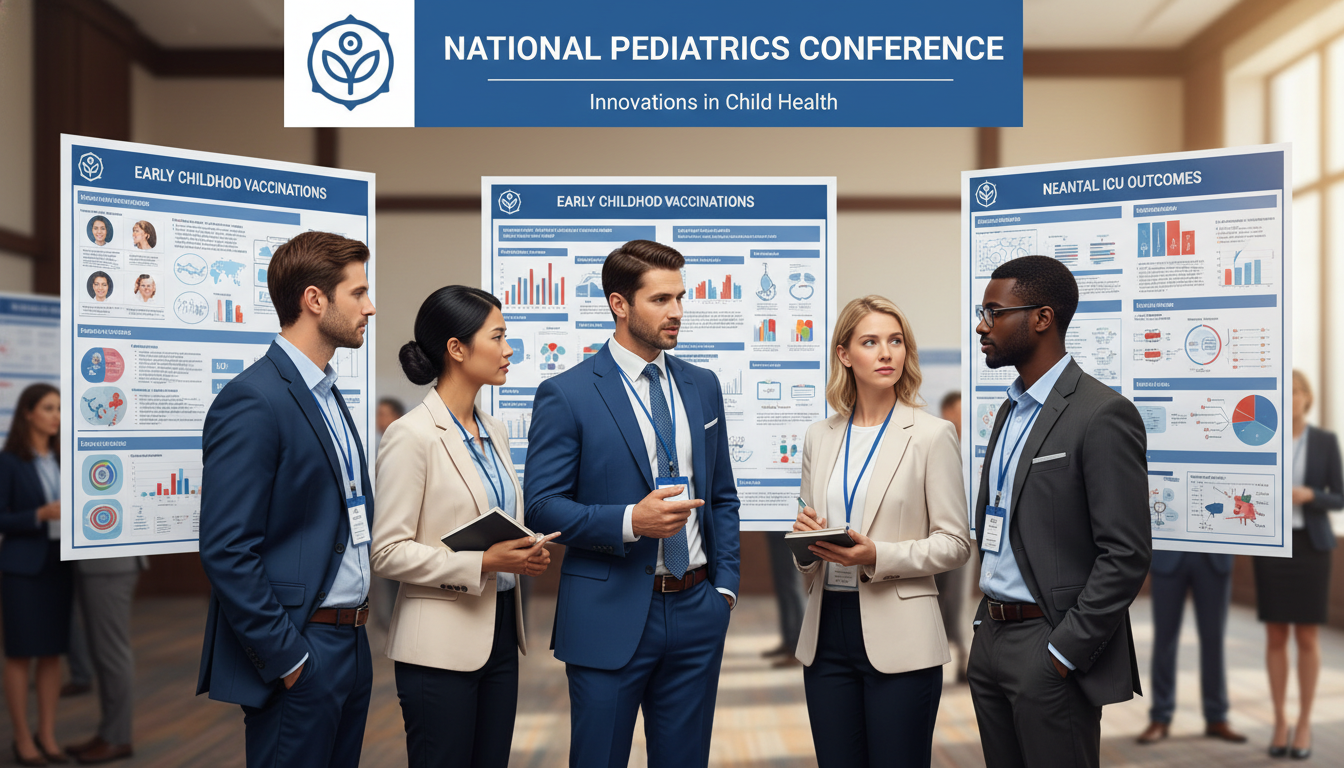
Conferences are high-yield for medical networking—especially for pediatrics, which has a strong culture of collaboration. The key is to attend with a plan.
Major pediatric conferences include:
- The Pediatric Academic Societies (PAS) Meeting
- American Academy of Pediatrics (AAP) National Conference & Exhibition
- Subspecialty conferences (e.g., pediatric cardiology, neonatology) if relevant
Before the Conference
- Register early; seek IMG discounts or virtual options if cost is an issue.
- Review the program:
- Identify sessions led by faculty from programs where you might apply.
- Mark posters or talks that match your interests.
- Schedule short meetings:
- Email potential mentors or authors of papers you admire:
- “I’ll be attending [Conference]. Would you have 10–15 minutes for a brief conversation about [topic] or your work in [area]?”
- Email potential mentors or authors of papers you admire:
During the Conference
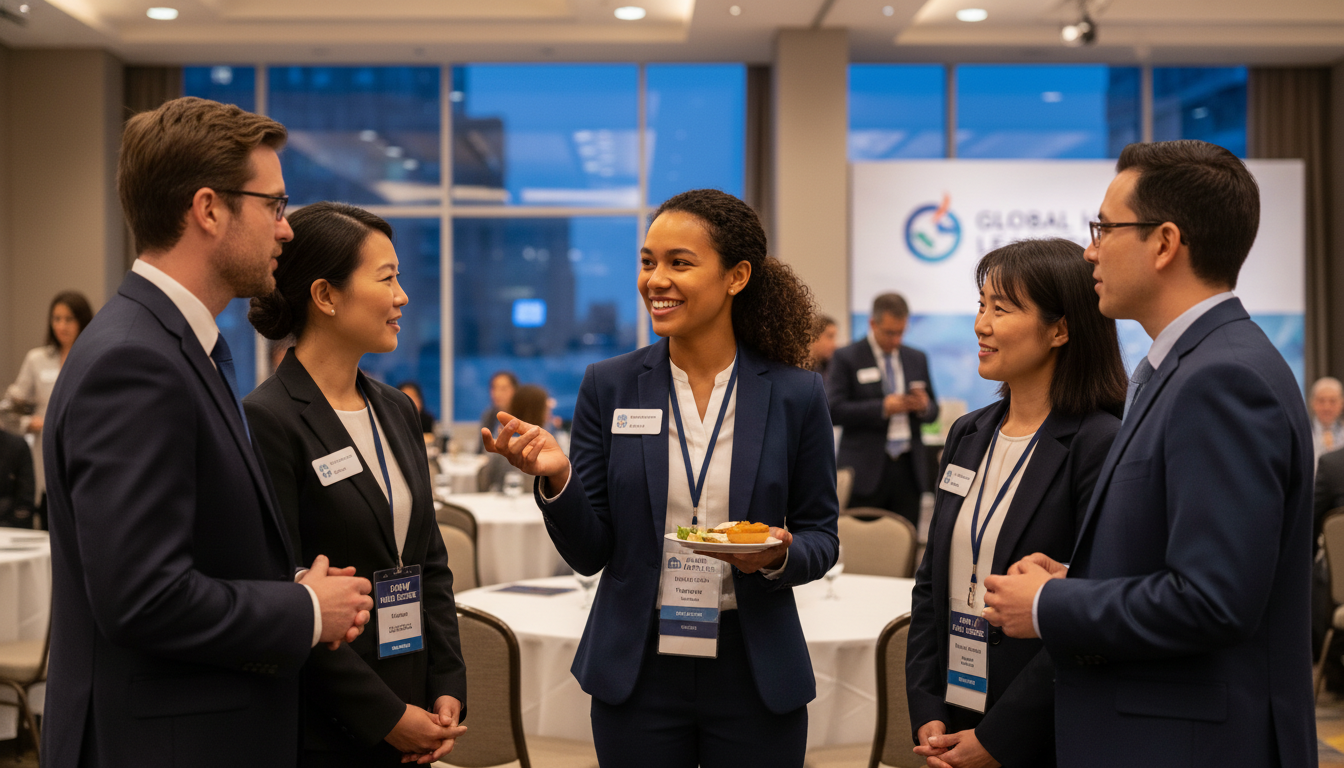
Use name badges as conversation starters:
- “Hi, I noticed you’re from [Institution]. I’m very interested in pediatrics training opportunities there. Could I ask you a quick question about your program?”
Ask smart, concise questions in Q&A or at posters:
- Focus on genuine scientific or clinical curiosity—not on trying to advertise yourself.
Practice your brief introduction each time you meet someone new:
- “I’m [Name], an international medical graduate from [Country] preparing for pediatrics residency in the U.S. I’m particularly interested in [area]. I really appreciated your points about [specific detail].”
Collect business cards or take notes:
- After each meaningful interaction, jot down:
- Name, role, institution
- What you talked about
- Any specific follow-up you promised
- After each meaningful interaction, jot down:
After the Conference
- Send personalized follow-up emails within 3–7 days:
- Reference a specific part of your conversation.
- Express appreciation and mention a next step if appropriate (e.g., sending a CV, asking about shadowing, future research involvement).
Using Online Platforms and Social Media for Medical Networking
LinkedIn for Professional Networking
For IMGs without an in-person network, LinkedIn can be a powerful equalizer.
How to Use LinkedIn Strategically
Connect with a purpose
- Focus on:
- Pediatric residents and fellows (especially IMGs)
- Pediatric faculty at institutions of interest
- Graduates from your medical school who matched into pediatrics
- Send a short, customized note:
- “I’m an IMG from [School] with a strong interest in pediatrics. I’d love to connect and learn from your experience in [Program/City].”
- Focus on:
Engage with content
- Share short reflections from pediatric articles or guidelines.
- Comment thoughtfully on posts from pediatric professionals (e.g., “Thank you for sharing this; I found X particularly helpful as an aspiring pediatrician.”).
Request informational interviews
- Ask residents or fellows:
- “Would you be open to a 15–20 minute conversation about your path into pediatrics and your experience as an IMG?”
- Ask residents or fellows:
X (Twitter) and Other Platforms in Academic Pediatrics
Many pediatricians and programs are active on X (formerly Twitter) and other platforms.
Follow:
- Pediatric departments and residency programs
- Key pediatric professional societies (AAP, PAS)
- Educators who post about pediatrics residency, medical education, and child health
Engage carefully and professionally:
- Retweet or comment on educational posts.
- Avoid controversial or unprofessional content; your digital footprint matters.
Virtual Events and Webinars
Post-pandemic, many pediatric departments offer:
- Virtual open houses
- Q&A sessions with program leadership
- Webinars about the peds match process or pediatrics as a career
Use these to:
- Learn about program culture
- Show sustained interest
- Ask thoughtful questions (avoid anything easily found on the website)
Mentorship in Medicine: Finding and Growing Mentoring Relationships
In pediatrics, where training emphasizes compassion, professionalism, and long-term child/family relationships, mentorship is central. For IMGs, good mentors can dramatically impact your trajectory.
Types of Mentors You Should Seek as an IMG in Pediatrics
Clinical Mentor in Pediatrics
- Helps you understand clinical expectations in U.S. pediatrics
- Provides feedback on your patient care and communication
- May later support letters of recommendation
Career/Professional Mentor
- Guides your overall strategy for the peds match
- Advises on program selection, timing, and exam strategy
- Helps you navigate visa and IMG-specific issues
Peer or Near-Peer Mentor
- An IMG resident or fellow in pediatrics
- Offers real-time, practical advice:
- How to handle interviews, what questions are commonly asked, how to manage time
Research/QI Mentor
- Introduces you to academic pediatrics
- Involves you in projects that build your CV
- Teaches you to present at conferences and write manuscripts
You may not find all four in one person. It’s normal—and healthy—to build a mentorship network rather than rely on a single “perfect” mentor.
How to Approach Potential Mentors
Start with genuine curiosity:
- “I’ve read about your work in [area] and would love to learn how you built your career in pediatrics.”
Ask for small, specific commitments:
- A 20-minute introductory call
- Feedback on your CV
- Guidance on your short-term plan for the next 6–12 months
Be prepared:
- Send your CV ahead of time, if requested.
- Prepare questions so you use their time efficiently.
Maintaining Mentoring Relationships
- Respect their time – Respond promptly, keep emails concise.
- Act on advice – Then update them:
- “Following your suggestion, I contacted Dr. X and started helping with her asthma QI project.”
- Express gratitude – A simple thank-you goes a long way.
- Share milestones – When you pass exams, secure a research role, or match into pediatrics, tell them. Mentors like seeing the impact of their support.
Common Mistakes IMGs Make in Networking—and How to Avoid Them
Being overly transactional
- Mistake: Asking for letters, observerships, or referrals in the first email or meeting.
- Fix: Focus first on learning, contributing, and building trust. Let support grow organically.
Sending generic, mass emails
- Mistake: Copy-pasting the same message to multiple faculty, often transparent and ineffective.
- Fix: Personalize your outreach. Reference specific articles, talks, or program details.
Underestimating conference networking
- Mistake: Attending sessions passively, leaving as soon as talks end.
- Fix: Use breaks, poster sessions, and receptions to talk to people; introduce yourself.
Not following up
- Mistake: Having a good conversation, then disappearing.
- Fix: Send a brief follow-up email and maintain light, periodic contact (every few months).
Focusing only on “big names”
- Mistake: Ignoring junior faculty or fellows who may have more time and be more accessible.
- Fix: Build a broad, layered network including residents, fellows, junior and senior faculty.
Being passive in mentoring relationships
- Mistake: Expecting mentors to lead every interaction.
- Fix: You are the driver. Bring questions, propose agenda items, and suggest next steps.
Ignoring professionalism online
- Mistake: Posting unprofessional content or engaging in heated arguments on social media.
- Fix: Assume program leadership or future colleagues may see anything you post.
Putting It All Together: A Step-by-Step Networking Plan for IMGs in Pediatrics
Here is a practical, staged approach you can adapt:
Over the next 3 months:
- Refine your professional story and CV.
- Create or update LinkedIn.
- Reach out to:
- 2–3 pediatric residents (ideally IMGs)
- 1–2 pediatric faculty for informational conversations
- Join at least one pediatrics-focused webinar or virtual open house.
Over the next 6–9 months:
- Secure a pediatrics observership, externship, or research/QI role.
- Attend at least one major or regional pediatrics conference (even virtually).
- Aim to:
- Present a poster or case report, if possible.
- Build relationships with at least 5–10 professionals (residents, fellows, faculty).
During the application/match cycle:
- Maintain communication with mentors and key contacts:
- Update them when you submit ERAS, when you receive interviews, and when you match.
- Use your network to:
- Learn about program culture before interviews.
- Practice mock interview questions with residents/fellows.
- Continue participating in department conferences, journal clubs, or research meetings.
After matching into pediatrics:
- Networking doesn’t stop:
- Expand your mentorship network for fellowship or academic goals.
- Help the next generation of IMGs—your experience becomes part of their network.
FAQ: Networking in Medicine for IMG Pediatrics Applicants
1. Do I really need networking if I have strong USMLE scores for the peds match?
Strong scores help, but they do not show who you are as a colleague, team member, or communicator. Pediatrics is relationship-driven and family-centered; programs want to see evidence of professionalism, communication skills, and teamwork. Networking provides this context and helps you gain letters, clinical experience, and advocates who can speak about you personally.
2. Is it appropriate to ask someone I met at a conference for a letter of recommendation?
Only if:
- You later work with them directly (e.g., on a project or clinical experience)
- They have had enough time to evaluate you
Simply meeting briefly at a conference is not enough. However, that contact can evolve into a research or clinical opportunity that eventually leads to a strong letter. Focus first on building that deeper collaboration.
3. How can I network effectively if I am not yet in the U.S.?
You can still:
- Attend virtual pediatrics conferences and webinars.
- Connect with pediatricians, residents, and programs on LinkedIn and X.
- Reach out via email to faculty about remote research (e.g., literature reviews, data analysis).
- Join international chapters of pediatric societies or groups with IMG-focused initiatives.
When you eventually arrive in the U.S., these early virtual relationships can convert into in-person opportunities.
4. How do I overcome shyness or fear when approaching people?
Practice helps. Start with low-stakes interactions:
- Commenting thoughtfully on a LinkedIn post
- Asking one question at a virtual webinar
- Introducing yourself to a resident rather than a senior faculty member
Use simple openers:
- “Hello, my name is [Name]. I’m an IMG interested in pediatrics. I really liked what you said about [X]. Could I ask a quick follow-up question?”
Remember: most pediatricians chose this specialty because they care about people and teaching. Many will be kind and receptive, especially when you approach them respectfully and authentically.
Networking in medicine as an international medical graduate in pediatrics is not about manipulation or luck—it is about intentionally building relationships, contributing meaningfully, and letting others see the kind of pediatrician you are becoming. With thoughtful strategy, persistence, and professionalism, you can turn the challenge of being an IMG into a unique strength and find your place in the pediatrics community.