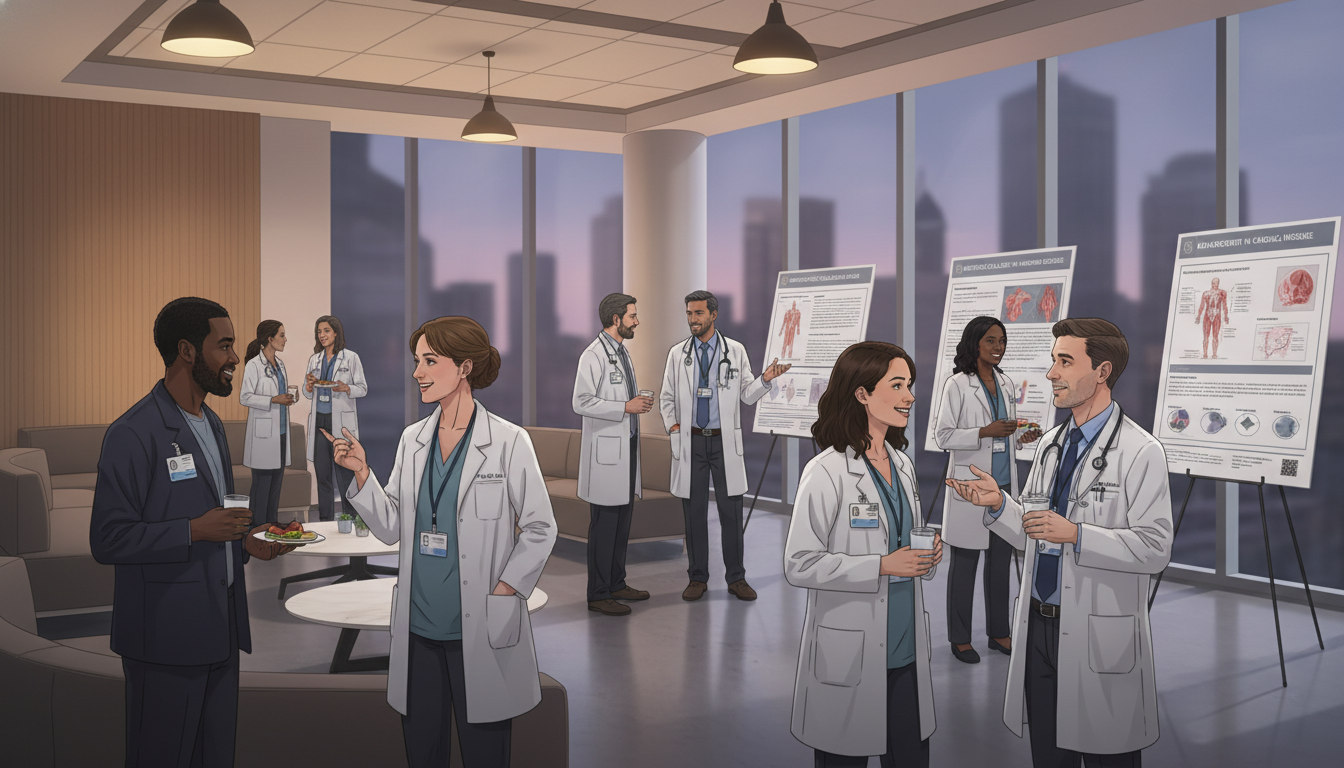
Why Networking Matters So Much for IMGs in Urology
Urology is one of the more competitive specialties in the United States, and this is even more true for an international medical graduate. In the urology match, program directors often know a large portion of the applicant pool by name, reputation, or mutual connections. For IMGs, this makes networking in medicine not just helpful but mission‑critical.
Unlike some other specialties, urology residencies are relatively small. Many programs take just 2–3 residents per year. With fewer seats and many applicants, having credible advocates—mentors, sponsors, and colleagues who know you and your work—can significantly change how your application is perceived.
For an IMG, networking helps you:
- Overcome lack of a U.S. medical school “brand name”
- Demonstrate cultural and clinical integration into the U.S. system
- Secure research positions, observerships, or externships in urology
- Earn strong, personalized letters of recommendation
- Learn unwritten rules of the urology residency application process
- Stand out in a small, close-knit specialty where reputation spreads quickly
This IMG residency guide focuses specifically on building and using medical networking to strengthen your candidacy for urology. It covers strategies you can start using today—before you have U.S. experience, during research or clinical rotations, at conferences, and through the match year.
Understanding the Urology Networking Landscape
Before you can network effectively, you need to understand who matters, where they gather, and how relationships form in urology.
Key Stakeholders in Urology Networking
Within urology, the people who can impact your career and urology match prospects include:
- Urology program directors (PDs)
Lead selection of residents; often central decision-makers. - Associate/assistant program directors and core faculty
Influence ranking and write letters; may be more accessible than PDs. - Research mentors (MDs, DOs, or PhDs) in urology
Can provide publications, presentations, and strong recommendation letters. - Chief residents and senior residents
Often trusted by PDs; can advocate for you, give insight into program culture, and help with interview prep. - Junior faculty and fellows
Sometimes easier to connect with; may become future recommenders and collaborators. - Administrative coordinators
Not academic mentors but crucial gatekeepers for rotations, observerships, and communication.
For an international medical graduate, forming authentic connections with people in these roles is one of the fastest ways to build credibility in a new system.
Where Networking Happens in Urology
Networking in medicine doesn’t just happen at big conferences. It is created in multiple environments:
Home institution (if you already have a U.S. base)
- Departments of urology at academic or community programs
- Grand rounds, M&M conferences, tumor boards
- Urology clinic and OR time, where day‑to‑day interactions build trust
Externships, observerships, and visiting student rotations
- Full sub‑internships or acting internships (if allowed)
- Observer roles (for IMGs without ECFMG or visa yet)
- Rotations arranged via VSLO or directly with departments
Research environments
- Urology clinical or basic science labs
- Outcomes research groups (urologic oncology, endourology, reconstructive urology, etc.)
- Health services research teams and registries
- Quality improvement and database projects
National and regional conferences
- AUA (American Urological Association) Annual Meeting
- Sectional AUA meetings (e.g., Northeastern, Southeastern, Western)
- Subspecialty meetings (SUO, SUFU, pediatric urology meetings, endourology society, etc.)
- Statewide or hospital‑system urology symposia
Online platforms and digital communities
- LinkedIn and X (Twitter) for academic urology networking
- Institution-based virtual grand rounds or journal clubs
- Specialty interest groups and mentorship programs (e.g., AUA sections, diversity initiatives)
Recognizing these “arenas” helps you be intentional about where to invest your limited time and resources.
Building a Strategic Networking Plan as an IMG in Urology
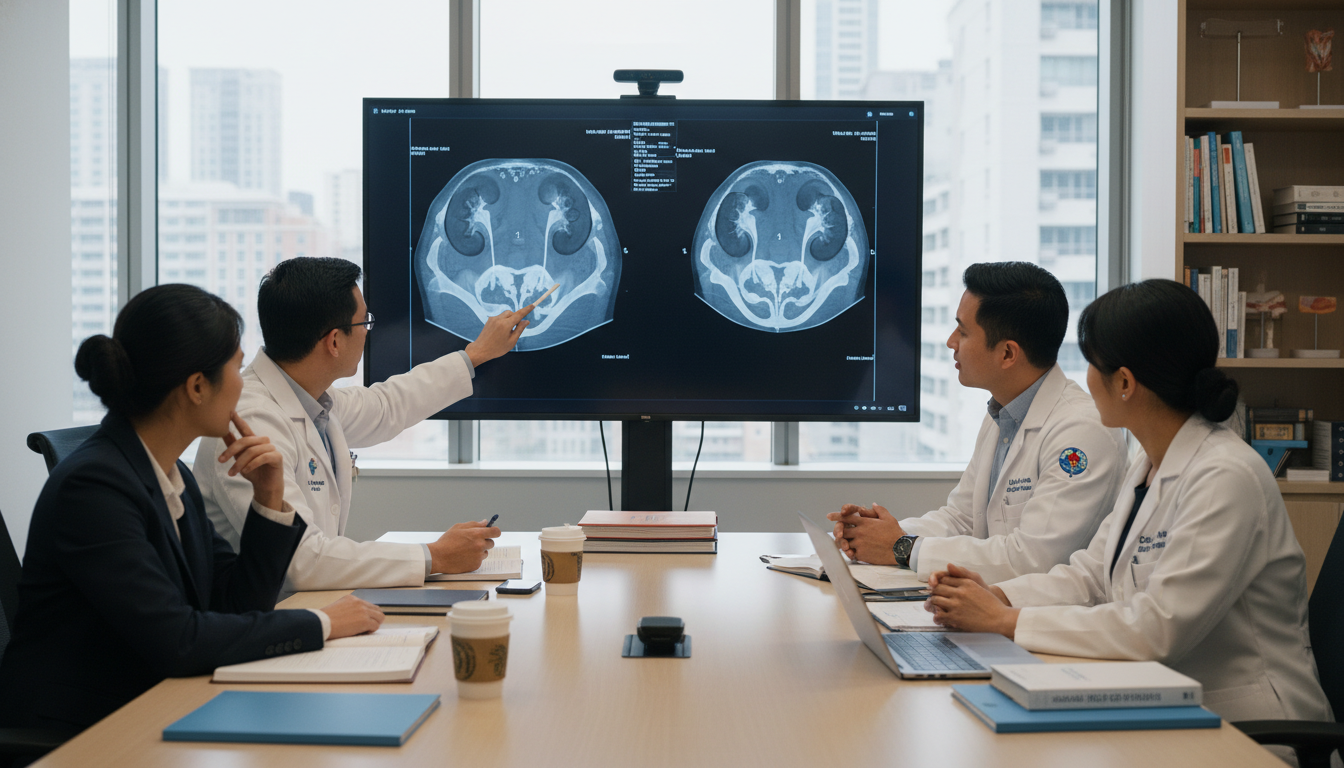
You are not just “meeting people”; you are constructing a support system that will last beyond residency. A strategic plan helps you avoid randomness and burnout.
Step 1: Clarify Your Timeline and Goals
Start by mapping your next 18–24 months:
- When will you take/retake USMLE/COMLEX steps (if applicable)?
- When do you plan to enter the urology match (remember: urology uses the AUA/SAU match, separate from NRMP)?
- How much time can you realistically devote to research, observerships, or rotations?
- What are your main gaps as an international medical graduate (e.g., no U.S. clinical experience, few publications, visa issues)?
Translate these into specific networking goals, such as:
- “Within 6 months, secure a research position in a U.S. urology department.”
- “Obtain at least 2 strong U.S. urologist letters of recommendation before ERAS submission.”
- “Present at one national or regional urology meeting within 12–18 months.”
- “Develop meaningful contact with faculty at 3–5 programs where I might be a realistic applicant.”
Step 2: Identify Your “Core” Institutions
Your strongest connections tend to form in 1–3 “home bases,” such as:
- A hospital or university where you are doing research
- A urology department that granted you a sub‑internship or observership
- A mentor’s institution where you collaborate regularly
Focus on depth over breadth: a single department where several people know you well is more valuable than 20 places where a single person has seen your CV.
For each core institution:
- Learn the faculty interests (oncology, endourology, female pelvic medicine, etc.)
- Identify residents who are approachable and supportive
- Understand the department culture—collegial, research‑heavy, clinically intense, etc.
- Attend everything you are allowed to: grand rounds, teaching conferences, journal clubs
Step 3: Build a Personal “Networking Package”
Before you approach mentors or attend events, prepare:
A polished CV
- Emphasize urology‑relevant experiences: procedures, rotations, research, audits, QI projects, leadership in surgery/urology interest groups.
- Clarify your IMG status and visa situation briefly but clearly.
Short professional bio (3–4 sentences)
Example:
“I am an international medical graduate from [Country] with strong interest in urologic oncology and minimally invasive surgery. I am currently engaged in outcomes research on [topic] in the Department of Urology at [Institution]. I plan to apply to the urology residency match in [Year] and am eager to build long‑term academic collaborations.”30-second and 2-minute “story”
Be ready to explain:- Why urology?
- Why the U.S.?
- What you are working on now?
- What you hope to learn or contribute?
Updated online profile
- LinkedIn: professional photo, short headline (“IMG aspiring urologist | Clinical researcher at [Institution]”).
- If you use X (Twitter): follow academic urologists, AUA, and major journals; keep posts professional.
Having this structure makes your interactions more confident and consistent.
Practical Networking Tactics for IMGs: Daily, Monthly, and Conference-Level
Networking becomes effective when it’s translated into small, repeatable behaviors. Below are concrete tactics tailored to urology and IMGs.
Daily and Weekly Tactics: On Rotations and in Research
1. Be Present and Prepared at Every Teaching Event
At grand rounds, tumor board, and journal club:
- Read the topic beforehand, even briefly
- Have one thoughtful question ready (if appropriate for your level)
- Introduce yourself to at least one new person at each event:
“Hi, I’m Dr. [Name], I’m an international medical graduate doing research with Dr. [Mentor] in urology. I really enjoyed the discussion about [topic].”
This shows curiosity and situates you clearly as an IMG aspiring urologist.
2. Add Value in Every Interaction
Program directors and faculty notice IMGs who contribute rather than just observe. Examples:
In clinic:
- Arrive early, help with rooming patients (if allowed), have charts pre‑reviewed
- Learn the common urology consult issues at that hospital (renal colic, urinary retention, hematuria) and be prepared
In the OR:
- Know indications and basic steps of the case beforehand
- Ask the resident or fellow what you can safely do (positioning, holding the scope, camera, or retractor)
In research:
- Be reliable with data extraction and IRB tasks
- Volunteer to prepare drafts of abstracts, posters, or introductory sections of manuscripts
Reliability is one of the most valuable networking currencies in medicine.
3. Follow Up After Positive Interactions
If a faculty member spends time teaching you, sends resources, or compliments your work:
- Send a brief thank‑you email that same day or next day:
“Thank you for letting me observe the flexible ureteroscopy case today. I learned a lot about stone management and preoperative decision-making. I look forward to continuing to learn from your cases.”
This reinforces the relationship and keeps your name in their mind.
Email and Cold Outreach for IMGs
When you don’t yet have local contacts, you may need to cold‑email for observerships, research, or mentorship.
Principles for effective cold emails:
- Keep it concise—8–10 sentences.
- State clearly that you are an international medical graduate and what you are looking for.
- Highlight 1–2 specific skills or experiences relevant to urology.
- Make it easy for them to say “yes” to something small (e.g., a 15‑minute call or sending your CV to the research team).
Example structure:
- Who you are (IMG from X, step scores or clinical status, current location)
- Why you’re reaching out to them specifically (their research interest, role, talk you saw, paper you read)
- What you are seeking (research opportunity, brief informational interview, chance to sit in on rounds)
- Attach CV, thank them for their time whether or not they respond
Expect a low response rate and don’t take silence personally. Persistence—tempered with professionalism—is crucial.
Mastering Conference Networking as an International Medical Graduate
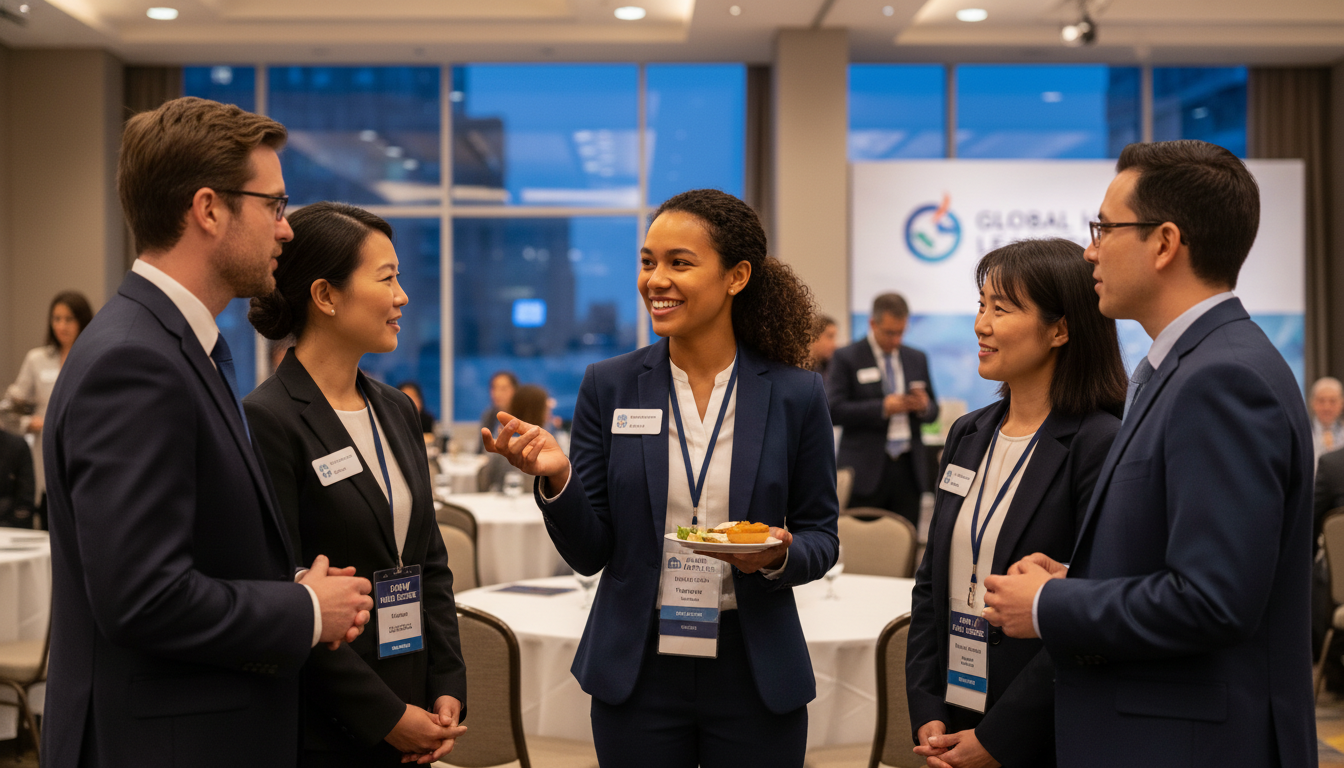
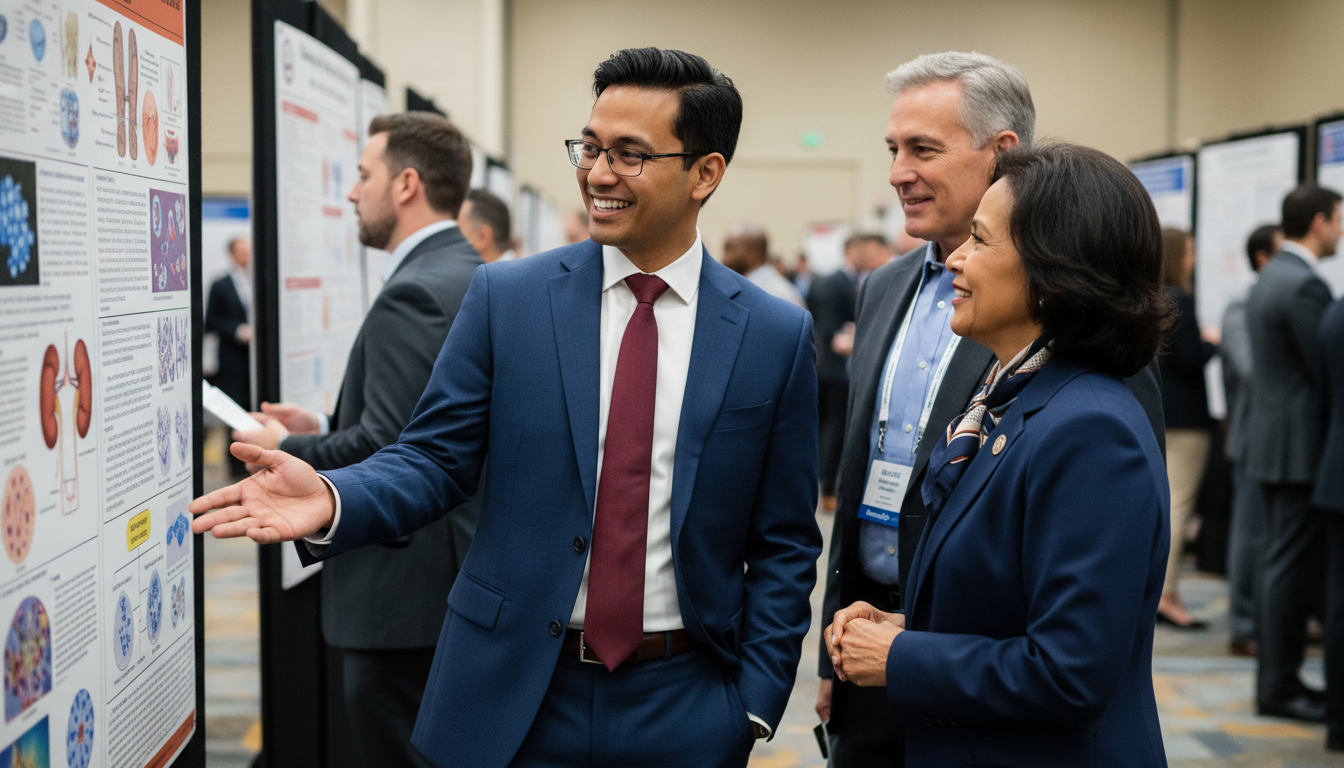
Conferences are high-yield but can be intimidating, especially for IMGs who may feel like outsiders. With planning, they can transform your candidacy.
Before the Conference
Identify target meetings
Prioritize:- AUA Annual Meeting (highest yield for broad networking)
- Your AUA section meeting (more intimate, regionally focused)
- Disease- or subspecialty-specific meetings that match your research topic
Prepare your “assets”
- Try to submit an abstract or poster; presenting dramatically increases how faculty view you.
- Print business cards with your name, “International Medical Graduate aspiring urologist,” email, and LinkedIn.
- Update your LinkedIn profile and have a short, clear headline.
Schedule meetings in advance
Use medical networking tools like email and LinkedIn to request 10–15‑minute coffee meetings with:- Former or current research collaborators
- Faculty whose work you cited
- Alumni from your home country’s medical school now in U.S. urology
Example message:
“I will be attending AUA in [city] this year and have been following your work on [topic]. I am an IMG urology applicant and would be grateful for 10–15 minutes of your time during the conference for brief career advice.”
During the Conference: How to Actively, Not Passively, Network
Attend targeted sessions
Beyond scientific talks, look for:- Residents’ forums or early-career urologist sessions
- Diversity and inclusion events (often supportive places for IMGs)
- “Meet the Professor” sessions
These are ideal venues for introductions.
Approach people around shared content
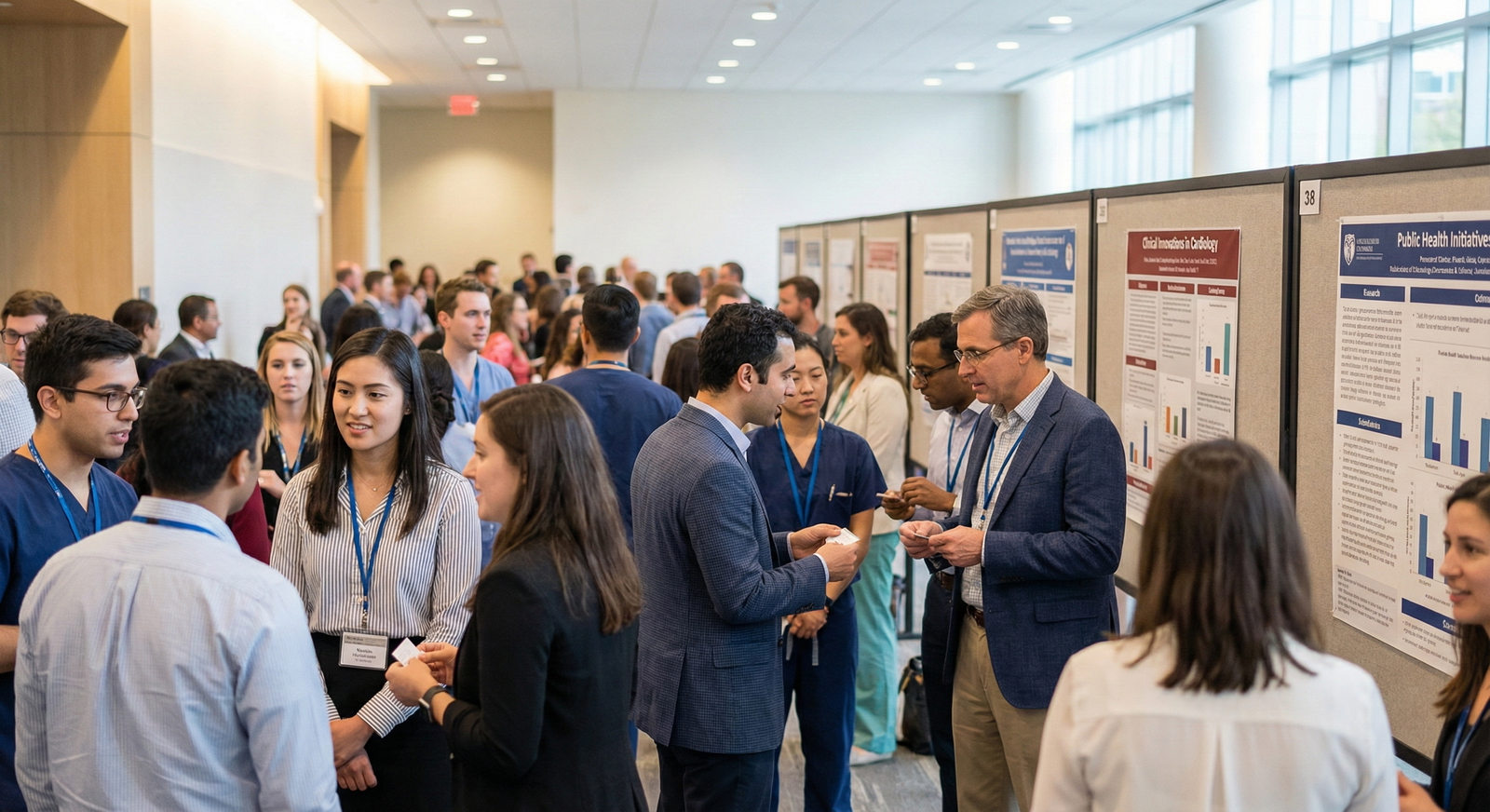
It is easier to network around a poster or talk than in a random hallway. For example:
After a talk:
“Thank you for your presentation about [topic]. I’m an IMG planning to apply in [year] and am interested in similar research. Could I ask how you got started in this area?”At a poster:
“I work on a similar question at my institution. I especially liked your methodology. Would you mind if I followed up by email to learn more about your analysis?”
- Use “soft introductions” when possible
If your mentor knows someone important in the field, ask:
“Would you be comfortable introducing me to Dr. X at AUA? I have been really interested in their program’s approach to [topic].”
Introductions from trusted colleagues can accelerate relationship-building.
- Track your contacts
After each day, write down:
- Names, institutions, and areas of interest
- What you discussed
- Any promised follow-up (sending a manuscript, connecting on LinkedIn)
Then send brief, personalized follow-up emails within 3–5 days of the conference.
Mentorship, Sponsorship, and Long-Term Relationship Building in Urology
Networking that leads to success in the urology residency match is not based on a single conversation. It grows through mentorship and, ideally, sponsorship.
Mentorship vs. Sponsorship in Medicine
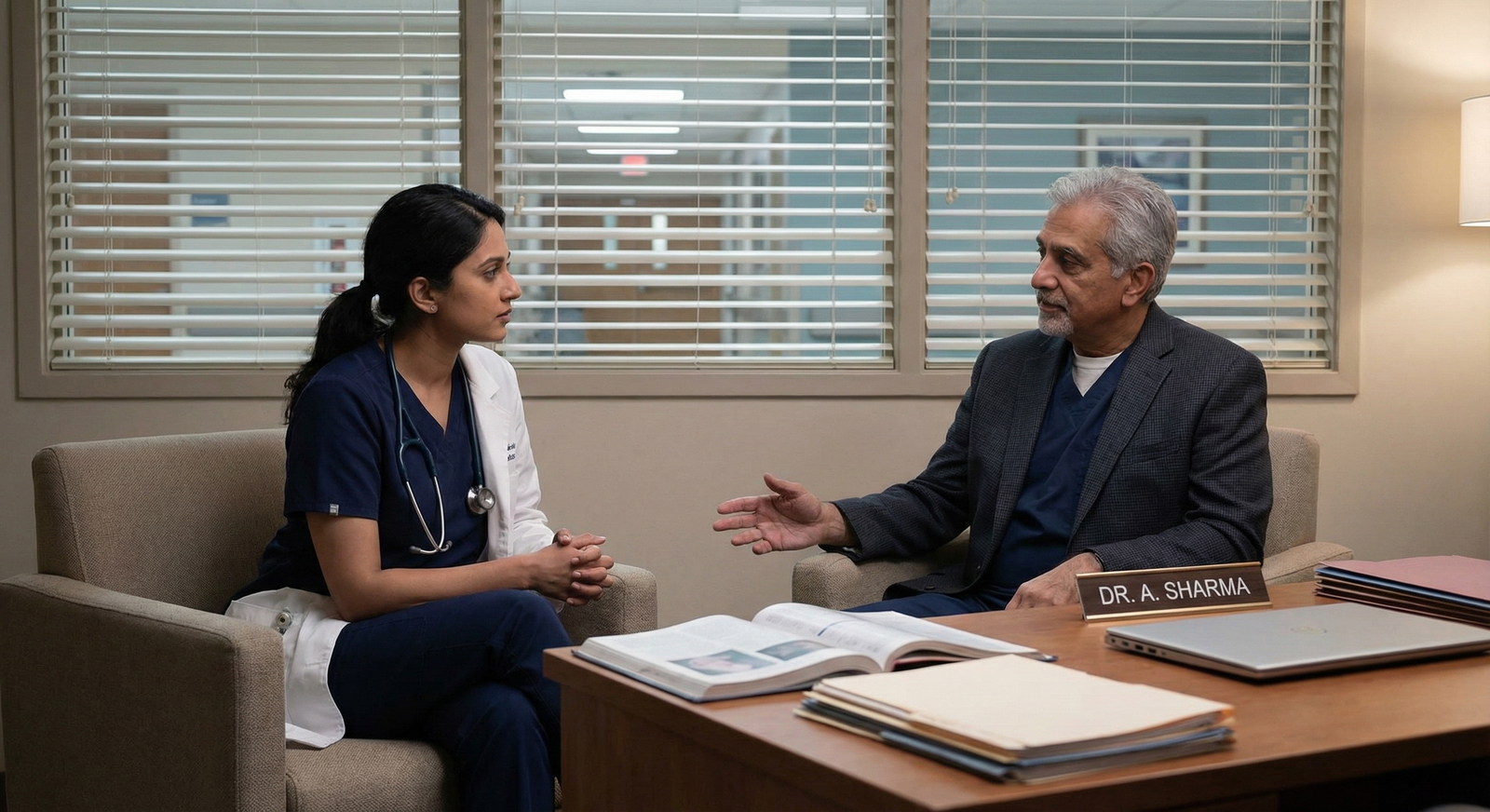
- Mentors advise you. They give feedback on your CV, guide research choices, and coach you on the match process.
- Sponsors actively advocate for you. They call other PDs, invite you to co-author papers, and recommend you for positions or interviews.
For an international medical graduate, you often need both. The same person may serve in both roles, but not always.
How to Find and Cultivate Mentors in Urology
- Start with accessible mentors
These might be:
- Research supervisors in a urology lab or outcomes group
- Young faculty or fellows who remember the match recently
- Senior residents who are enthusiastic teachers
- Be a “good mentee”
Show traits that make mentors willing to invest in you:
- Reliability and meeting deadlines
- Openness to feedback (and implementing it)
- Respect for their time (coming prepared to meetings, clear questions)
- Long-term consistency, not disappearing after a project ends
- Clarify expectations
In an early mentorship meeting, you can say:
“As an IMG hoping to match into urology, I am looking for guidance on building a competitive profile and understanding the urology match process. I would value your advice on [research, rotations, letters, etc.]. I’m happy to take on tasks that help your projects move forward as well.”
This frames the relationship as mutually beneficial.
Transforming Mentors into Sponsors
Sponsorship often emerges when:
- You have repeatedly demonstrated excellence and reliability
- The mentor understands your goals clearly
- Timing aligns with opportunities (a new project, introduction, or job)
You can gently invite sponsorship by:
Updating them before ERAS/AUA applications:
“I plan to apply this cycle and have a draft of my program list. I would appreciate any advice on where I may be a good fit and whether there are programs where you might be comfortable reaching out on my behalf.”Being specific about your interests:
“I’m particularly drawn to programs strong in endourology and with active clinical research—like [Program A] and [Program B].”
Mentors cannot—and should not—call every program. But strategic, honest advocacy from even one respected urologist can be a powerful asset.
Leveraging Mentorship Programs and Formal Structures
Many urology organizations now offer mentorship medicine initiatives that are welcoming to IMGs:
- AUA and section-level mentorship programs for students and residents
- Diversity and inclusion committees (which may support IMGs, women, and underrepresented minorities)
- Institution-level global health or international scholar programs in urology
Apply proactively, and when matched with a mentor:
- Schedule regular, brief check‑ins (e.g., every 2–3 months)
- Send updates before meetings so they can review your progress
- Ask not only “What should I do?” but also “What should I avoid doing?” as an IMG in urology
Avoiding Common Networking Mistakes IMGs Make in Urology
Understanding pitfalls can save you time and protect your reputation.
Mistake 1: Treating Networking as Transactional
Faculty notice when every conversation feels like: “Can you write me a letter?” or “Can you give me a rotation?” Instead, focus on:
- Building genuine interest in their work
- Contributing value through research or clinic help
- Allowing trust to grow over months, not days
Ask for favors only when there is a relationship that can reasonably support such a request.
Mistake 2: Overemphasizing Quantity Over Quality
Attending 10 conferences with no follow-up is less useful than:
- Doing 1–2 rotations where you excel
- Completing 2–3 papers or presentations with a mentor
- Developing strong connections at 2–3 programs
Networking in a small field like urology is about depth and reputation, not numbers alone.
Mistake 3: Ignoring Cultural Norms
As an international medical graduate, be mindful of:
- Professional boundaries (e.g., not over-sharing personal issues early, not texting late at night unless invited)
- Email etiquette (formal greeting, concise content, closing with “Sincerely” or “Best regards”)
- Hierarchy (being respectful but not excessively deferential; confident, but not arrogant)
If unsure, ask a trusted resident or fellow for feedback on how you come across in professional settings.
Mistake 4: Failing to Maintain Relationships
Networking is not “once and done.” After you rotate or finish research with someone:
- Update them periodically (every 4–6 months) with major milestones: exam scores, abstracts, manuscript acceptances, application season plans.
- Send a short thank‑you email during the holidays or after match results.
If you match, especially in urology, write a sincere note telling them where you matched and how grateful you are. These relationships may shape your fellowship, research, and career far beyond residency.
Frequently Asked Questions (FAQ)
1. As an IMG with no U.S. experience, where should I start with networking for urology?
Begin remotely: identify urology departments with active research and email potential mentors about unpaid research positions, observerships, or virtual involvement in projects. Simultaneously, attend virtual grand rounds or webinars hosted by urology societies. Once you secure a research or observership position in the U.S., focus your networking efforts heavily at that institution and its affiliated conferences.
2. How important is attending AUA or other conferences for the urology match as an IMG?
Attending at least one major meeting—especially the AUA Annual Meeting—can be very helpful, particularly if you are presenting. It increases your visibility, allows face‑to‑face networking, and signals commitment to the field. However, if finances are limited, prioritize a strong research or clinical position over conference travel, and try to attend local or sectional meetings that are more affordable.
3. Do I need letters of recommendation from urologists only, or will other specialties help?
For urology residency, letters from urologists—especially those known in the field—carry the greatest weight. Ideally, you should have at least 2–3 letters from U.S. urologists who know your work well. A strong letter from another surgical or procedural specialty (e.g., general surgery) can support your application, but should not replace urology letters if you can avoid it.
4. How can I network effectively on LinkedIn or X (Twitter) as an IMG aspiring urologist?
Use these platforms to follow academic urologists, residency programs, and urology journals. Engage professionally: comment thoughtfully on new publications, share your own research or presentations, and celebrate colleagues’ achievements. When sending a connection request, personalize it with a brief note about why you admire their work or how you encountered it. Keep all content professional and aligned with your identity as a future urology resident.
Networking in urology as an international medical graduate is not about being the loudest person in the room. It is about showing up consistently, contributing meaningfully, and building trust over time. With a strategic approach to medical networking, effective use of conferences and mentorship, and attention to professional norms, you can significantly strengthen your position in the urology match and lay the foundation for a successful career in this close‑knit specialty.