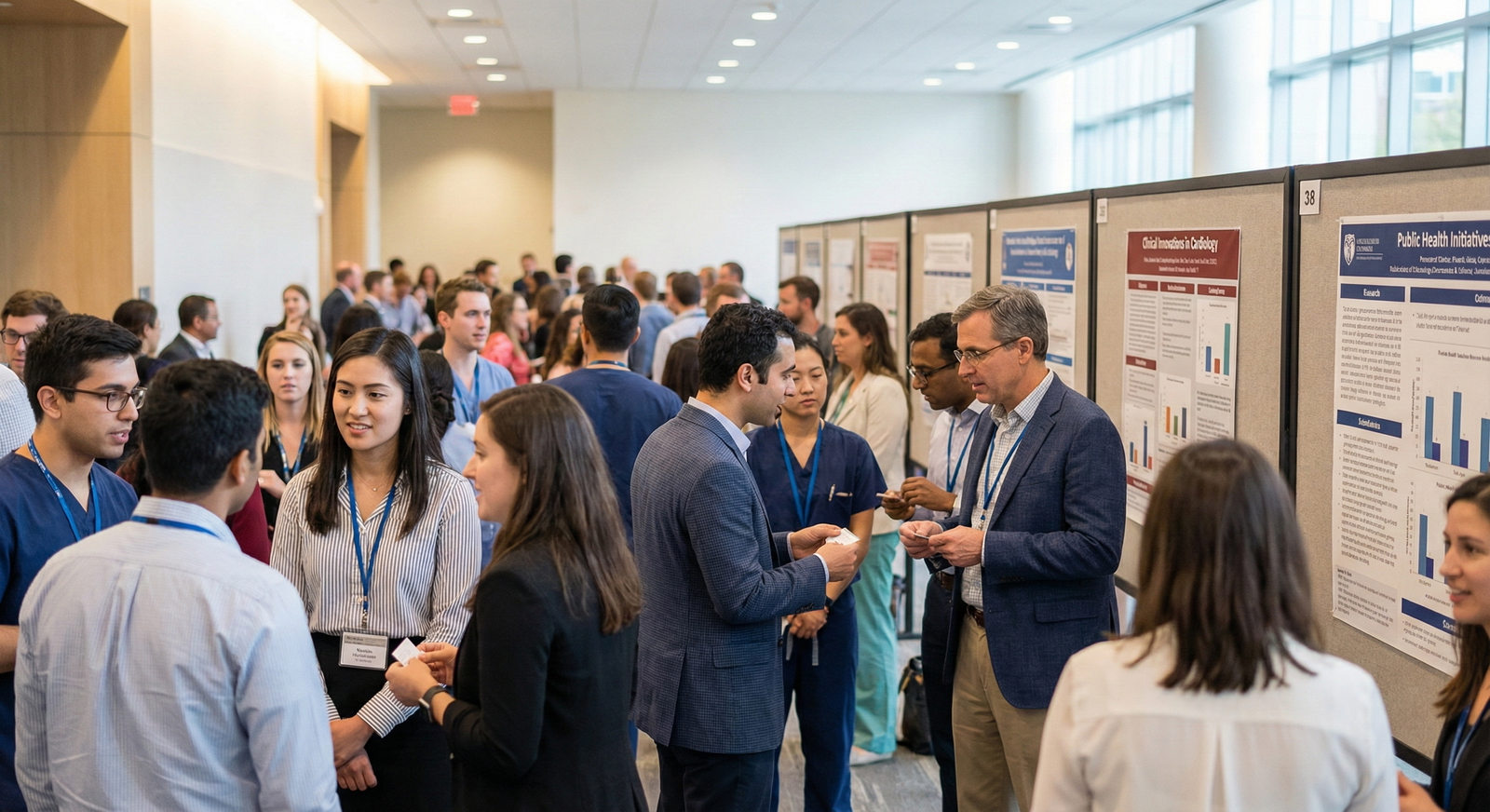
Understanding Networking in Medicine as an IMG in Preliminary Surgery
Networking in medicine is not just “meeting people”; it is the deliberate process of building professional relationships that create opportunities, support, and mentorship over time. For an international medical graduate (IMG) pursuing a preliminary surgery year in the U.S., networking is often the most powerful lever you control—especially when visas, lack of U.S. clinical experience, and unfamiliar systems place you at a disadvantage.
In preliminary surgery, the stakes are even higher. Many IMGs pursue a prelim surgery residency as a stepping stone: to gain U.S. clinical experience, to later match into categorical surgery or another specialty, or to strengthen their overall residency application. In all of these paths, your network will strongly influence:
- Whether attendings advocate for you
- Who writes your letters of recommendation
- Which faculty think of you when a spot unexpectedly opens
- Who is willing to mentor or sponsor you for long‑term career growth
This IMG residency guide will help you understand not only why networking matters, but how to do it strategically, authentically, and effectively during your preliminary surgery year and even before you start.
The Unique Networking Challenges and Advantages for IMGs in Prelim Surgery
As an international medical graduate, you bring both obstacles and unique assets to the world of medical networking. Recognizing both sides will help you network with confidence and purpose.
Common Challenges for IMGs
Limited U.S. Contacts Before Match
- Many IMGs start with no alumni in U.S. surgery programs and no natural entry points.
- You may lack faculty back home who actively collaborate with U.S. surgeons.
Cultural and Communication Differences
- Styles of hierarchy, feedback, and self-promotion differ widely from country to country.
- In some cultures, “selling yourself” is frowned upon; in U.S. academic medicine, you must be visible and vocal about your work and goals—without being arrogant.
Short Timelines in Preliminary Surgery
- A preliminary surgery year is often just 12 months, sometimes with high call burden and minimal elective time.
- Building deep relationships while managing demanding rotations takes deliberate planning.
Visa and Immigration Uncertainty
- Attendings may (quietly) worry about visa sponsorship or long-term availability.
- This makes it even more important to demonstrate reliability, maturity, and clear goals.
Unique Strengths You Bring as an IMG
Resilience and Adaptability
- You already navigated exams, travel, and a new medical system.
- Program leadership often respects IMGs who prove they can handle steep learning curves.
Global Perspective and Cultural Competence
- You can connect with diverse patients and families, and often speak multiple languages.
- This can be a networking asset: faculty appreciate residents who improve patient communication.
Strong Motivation and Work Ethic
- Many IMGs in prelim surgery are highly driven and willing to go the extra mile.
- When combined with smart networking, this can turn into strong advocacy from attendings.
Underdog Advantage
- Because expectations are sometimes unfairly lower for IMGs, exceeding them makes you memorable.
- A faculty member who sees you consistently overperform is more likely to become a strong sponsor.
Foundations of Effective Networking in a Preliminary Surgery Year
Networking in medicine during your prelim year is not about collecting business cards; it is about building a reputation and relationships. That starts with how you show up every day on the wards and in the OR.
1. Develop a Clear, Honest Narrative
Before you network, know your own story. Faculty will inevitably ask:
- “Why surgery?”
- “Why did you choose a preliminary surgery year?”
- “What are your long-term career goals?”
Prepare a concise, authentic narrative:
- Background: Where you trained, any significant experiences or research.
- Current stage: Why you are in a prelim surgery residency (e.g., strengthening your application, gaining U.S. experience, aiming to switch specialties like anesthesia or radiology, or eventually securing a categorical surgery spot).
- Future direction: What you hope to achieve and why (e.g., academic surgery, community practice, surgical oncology, etc.).
A clear, consistent narrative helps others understand how they can help you.
Example narrative (for categorical surgery goal):
“I completed medical school in India and became very interested in emergency and trauma care. I chose a preliminary surgery year to gain strong U.S. clinical experience, demonstrate my work ethic, and hopefully transition into a categorical general surgery residency. Long term, I’m interested in trauma and acute care surgery in an academic center.”
2. Anchor Your Network in Your Daily Work
Your most powerful networking tool is your day-to-day performance:
- Be reliable: Show up early, know your patients thoroughly, follow through on tasks.
- Be teachable: Ask focused questions, accept feedback, and avoid being defensive.
- Be a team player: Help co-residents, support nurses, and avoid gossip.
When attendings, chiefs, and program directors see you as a consistently dependable prelim, they are far more likely to advocate for you—whether for letters, research, or off-cycle openings.
Actionable habit:
At the end of each rotation, ask yourself:
- Which attending have I worked with closely?
- Did they see me on call, in clinic, and in the OR?
- Have I had at least one substantive conversation about my goals?
If not, plan how to create those interactions on the next rotation.
3. Understand the Types of Relationships You Need
During your preliminary year, you should build at least four categories of relationships:
Mentors (Guidance)
- Provide advice, feedback, and career direction.
- May be surgeons, but can also be from other specialties if aligned with your eventual path.
Sponsors (Advocacy)
- Use their status to open doors for you: recommend you for positions, call program directors, or suggest you when a PGY-2 spot opens.
- Typically senior faculty or program leadership.
Peers (Support and Information)
- Co-residents, especially categorical surgery residents, can share “unwritten rules” and insider information.
- They can also introduce you to their own mentors.
Allies in Other Professions
- Advanced practice providers, nurses, OR staff, and coordinators.
- Their support indirectly affects how faculty perceive you and can facilitate opportunities.
Your networking strategy should intentionally cultivate all four groups, not just “big-name” surgeons.

Practical Networking Strategies During a Preliminary Surgery Year
1. Networking on Rotations: Wards, OR, and Clinic
Your clinical rotations are your primary stage for medical networking.
On the Wards
- Pre-round deliberately so you know your patients better than anyone else on the team.
- Offer brief, focused updates to attendings that show you understand the “big picture.”
- Use down-time for micro-conversations:
- “Dr. Smith, I’m currently in a preliminary surgery year and aiming for a categorical spot. I’d really value any advice you have on making the most of this year.”
In the Operating Room
- Be prepared: read about the case, review anatomy, steps, and potential complications.
- Ask one or two good questions per case; avoid constant interruptions.
- Volunteer for extra cases within reason (and without violating duty hours).
- At the end of a case, a simple line like:
- “Dr. Lee, thank you for letting me assist today. I’m hoping to grow in surgery during my prelim year—if you ever have feedback on how I can improve in the OR, I’d really appreciate it.” opens the door for future mentorship.
In Clinic
Clinic is an underrated place for networking in medicine:
- Attending surgeons are often less rushed than in the OR.
- You can show communication skills and patient-centered care.
- You can ask:
- “Do you have any ongoing projects where a prelim resident could help with data collection or chart reviews?”
This can lead to research opportunities that strengthen your CV and deepen your relationship with that attending.
2. Turning Attendings into Mentors and Sponsors
Step 1: Identify Potential Mentors
Look for faculty who:
- Regularly work with residents (not only senior researchers).
- Have an interest in teaching.
- Show respect for IMGs and preliminary residents.
You don’t need many—two to three strong mentors can be more valuable than a dozen superficial connections.
Step 2: Request a Brief Meeting
Send a short, professional email:
Subject: Brief meeting for career advice – Preliminary Surgery Resident
Dear Dr. [Name],
My name is [Your Name], and I’m a preliminary surgery resident on your [service]. I’ve really appreciated the opportunity to work with you, especially on [specific case, clinic, or teaching moment].
I’m an international medical graduate hoping to [transition into a categorical general surgery position / pursue a career in surgical oncology / explore another surgical specialty]. If you have 15–20 minutes sometime this month, I would be very grateful for your advice on how to make the most of this year and strengthen my application.
Sincerely,
[Your Name], MD
Preliminary Surgery Resident
Step 3: Prepare for the Meeting
Bring:
- A concise CV
- A one-page summary of your goals and timeline
- Specific questions, such as:
- “What strengths and weaknesses do you see in my application?”
- “Who else in the department would you recommend I get to know?”
- “What can I do over the next 6 months to position myself for a categorical spot?”
Step 4: Maintain the Relationship
- Send brief updates every 2–3 months (or at major milestones).
- Share successes: conference abstracts, strong rotation evaluations, interview invitations.
- Ask for feedback periodically, not just right before you need a letter.
Over time, a mentor who sees your growth is more likely to become a sponsor—the person who calls another program director on your behalf or recommends you when a PGY-2 opening appears.
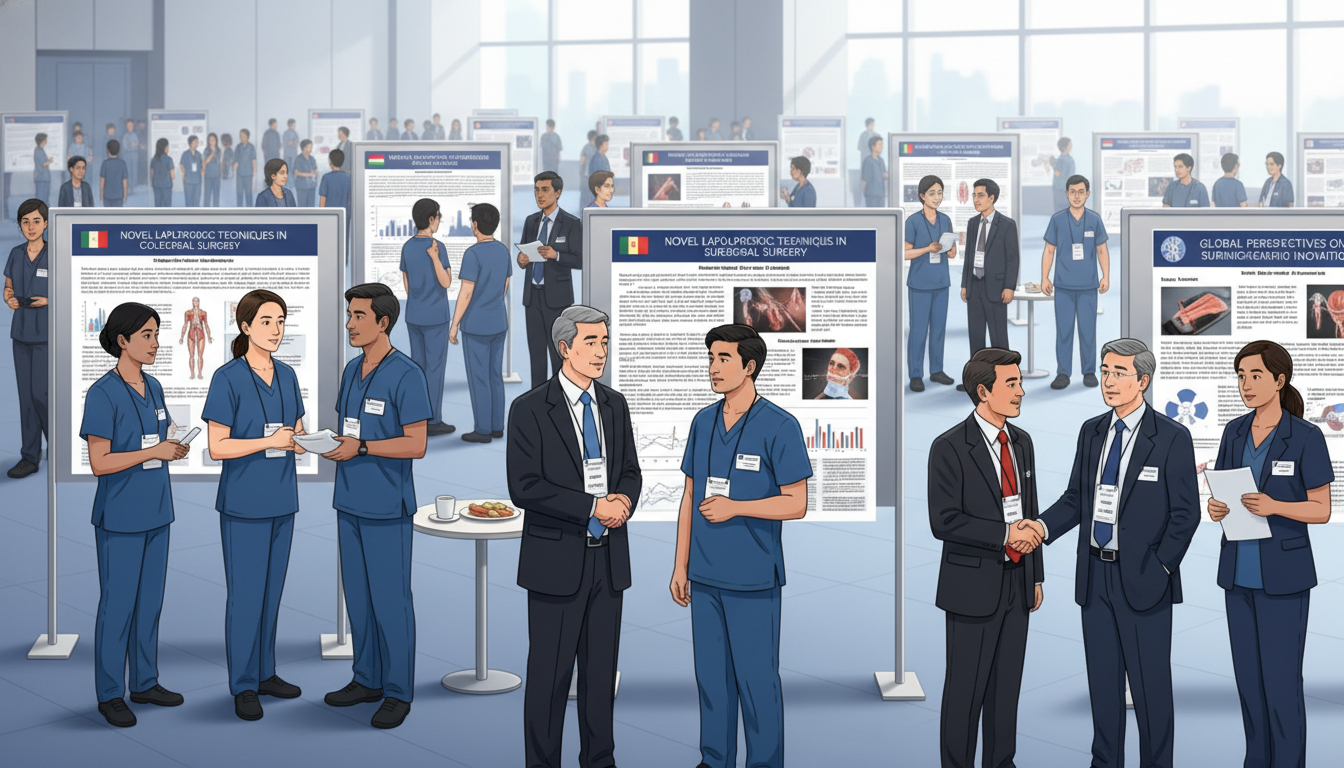
3. Leveraging Conference Networking as an IMG
Conference networking is especially powerful for IMGs in a prelim surgery residency because it allows you to expand beyond your home institution.
Before the Conference
Select Strategic Meetings
- Look for meetings relevant to general surgery or your interest area (e.g., ACS, SAGES, regional surgical society meetings).
- Apply for travel grants or institutional support if available.
Submit Something
- Even a small retrospective study, case report, or QI project can become a poster.
- Presenting gives you a natural reason to start conversations.
Plan Your Targets
- Review the program: note speakers, program directors, and researchers who align with your goals.
- Ask your mentor:
- “Is there anyone at [Conference] you think I should try to meet?”
During the Conference
Effective conference networking is intentional:
- Attend smaller breakout sessions and workshops where interaction is easier.
- Prepare a 20–30 second self-introduction:
- “Hi, I’m Dr. [Name], a preliminary surgery resident at [Institution]. I’m originally from [Country], and I’m interested in [area]. I really enjoyed your talk on [topic] and wanted to ask…”
- Ask good, brief questions during Q&A; afterwards, approach the speaker:
- “Thank you for your session. I’m an IMG in a preliminary surgery year, aiming to pursue [specific interest]. Could I email you with a few follow-up questions or for advice?”
After the Conference
- Send follow-up emails within 3–5 days.
- Reference specifically what you discussed.
- Keep the door open for future contact:
- “If you’re ever aware of opportunities for visiting research or elective rotations, I’d be grateful to hear about them.”
This is medical networking at scale—one conference can generate multiple new connections, especially if supported by your mentors’ introductions.
Using Research, Social Media, and Digital Tools to Build Your Network
Networking is no longer limited to in-person interactions. As an IMG in preliminary surgery, you can use research collaborations and online platforms to expand your reach.
1. Research as a Networking Engine
Even modest research involvement can:
- Increase your visibility within your department.
- Connect you to faculty at other institutions (through multi-center studies).
- Provide content for presentations and publications.
How to start:
- Ask faculty: “Do you have any data that needs to be analyzed or manuscripts that need help with writing or revising?”
- Reach out to residents known for research productivity: “If you ever need help with chart review or data entry, I’d be happy to assist in my off-time.”
As you prove reliability—meeting deadlines, responding to feedback—you become someone others want on their projects. Over months, this can translate into lighter but higher-impact roles, like writing sections of a paper or presenting at conferences.
2. Thoughtful Use of Social Media (Twitter/X, LinkedIn, etc.)
When done professionally, social media is a powerful, low-barrier form of medical networking:
Twitter/X (MedTwitter)
- Follow surgical societies, academic surgeons, and residency programs.
- Share your work (e.g., “Honored to present our poster on [topic] at [meeting].”) while staying HIPAA-compliant.
- Engage positively: comment on educational threads, ask brief questions, thank speakers.
LinkedIn
- Maintain an updated profile with your prelim surgery role and goals.
- Connect with alumni from your medical school who are now in surgery or other U.S. specialties.
- Send short, purposeful connection messages:
- “I’m a fellow IMG pursuing a preliminary surgery year and interested in [field]. I’d love to learn from your path whenever possible.”
Program and Department Pages
- Many programs now announce open positions or research opportunities online.
- Following these channels can alert you to unadvertised positions.
3. Email Etiquette and Follow-up
Digital networking lives or dies on your communication style:
- Keep emails short, respectful, and specific.
- Use professional subject lines: “Inquiry about research opportunities – Preliminary Surgery Resident (IMG)”
- If you don’t get a reply, one polite follow-up after 7–10 days is reasonable.
- Avoid sending generic mass emails; tailor each message.
Over time, consistent, professional digital communication builds your reputation beyond your immediate institution.
Sustaining Relationships and Planning Beyond the Preliminary Year
Networking is not just about immediate outcomes; it’s about long-term professional growth—especially if your goal is ultimately a categorical surgery or another residency position.
1. Creating a Networking Timeline During Your Prelim Year
Because a preliminary surgery year is short and intense, you need a structured approach.
First 3 months:
- Establish your reputation as reliable and hardworking.
- Identify 2–3 potential mentors.
- Get involved in 1–2 small research or QI projects.
Months 4–6:
- Formalize at least 1–2 mentorship relationships (short meetings, clear goals).
- Ask mentors for feedback on your strengths and weaknesses.
- Attend at least one regional or national meeting if possible for conference networking.
Months 7–9:
- Decide your primary target for the next step: categorical surgery, another specialty, research year, or additional prelim.
- Request letters of recommendation early, while your work is fresh in attendings’ minds.
- With your mentors, identify programs where your profile would be a strong fit.
Months 10–12:
- Focus on application strategy, interviews, and maintaining performance.
- Keep mentors updated on application outcomes; ask if they are willing to advocate on your behalf, including phone calls or emails to program directors where appropriate.
2. Turning Networking into Opportunities
Networking by itself does not guarantee a position, but it dramatically increases your chances of:
- Being considered for off-cycle categorical positions (e.g., when a PGY-2 spot opens).
- Securing a research fellowship or clinical research position that strengthens your application.
- Pivoting into a related specialty (e.g., anesthesia, radiology, emergency medicine) with strong letters and advocacy from surgeons.
When opportunities arise:
- Respond quickly and professionally.
- Discuss decisions with your mentors.
- Weigh clinical exposure, visa support, research potential, and overall fit.
3. Maintaining Relationships After You Move On
Whether you transition into a categorical spot at the same institution, move to another program, or take a research position, keep your network alive:
- Send brief annual updates to key mentors.
- Share milestones: match results, promotions, major publications, board passes.
- Offer to help others:
- Support newer IMGs, serve as a contact for your previous program, help with multicenter studies.
This turns networking from a one-way “help me” request into a reciprocal, long-term professional ecosystem.
Frequently Asked Questions (FAQ)
1. As an IMG in a preliminary surgery year, is networking really more important than exam scores?
They work together. Board scores and clinical performance get you noticed; networking and advocacy often differentiate you from similarly qualified applicants. For IMGs—especially prelim residents looking for categorical or off-cycle positions—personal recommendations from trusted faculty can be decisive. Rather than choosing one over the other, aim for:
- Solid exam and clinical performance, and
- Strong relationships with mentors and sponsors who know your work well.
2. How do I overcome shyness or cultural discomfort with self-promotion?
Focus on curiosity and gratitude, not self-promotion. Instead of “selling” yourself, try:
- Asking faculty about their career journeys.
- Requesting feedback: “What could I be doing better at this stage?”
- Expressing your goals clearly but modestly: “I’m hoping to pursue categorical surgery and would value any advice.”
Over time, these small, authentic conversations build relationships without feeling inauthentic or boastful.
3. Is it appropriate to ask an attending directly if they can help me get a categorical position?
You can ask, but the wording and timing matter. First, ensure they know you well—typically after a full rotation or several months of working together. A better approach is:
- “Dr. [Name], I’m very interested in transitioning to a categorical general surgery position if possible. Based on your experience with residents, do you think my performance is competitive, and is there anything more I should do? If you ever hear of any opportunities where I might be a fit, I’d be grateful if you’d keep me in mind.”
This invites honest feedback and opens the door for advocacy without putting them on the spot.
4. Can networking help if I ultimately decide to switch to a different specialty after prelim surgery?
Yes. Your prelim surgery residency network is still valuable. Program directors in other specialties (anesthesia, radiology, internal medicine, etc.) respect strong letters from surgeons who can attest to your work ethic, teamwork, and resilience. Be honest with your surgical mentors about your evolving goals; many will still support you if they see that you are thoughtful and committed to patient care. Good networking in medicine is about relationships, not just matching into one specific field.
By using your preliminary surgery year strategically—anchoring your network in excellent clinical work, cultivating mentors and sponsors, leveraging conference networking, and maintaining long-term relationships—you can transform a one-year position into a powerful launching pad for your career as an international medical graduate in U.S. medicine.