Understanding Networking in Medicine as a Caribbean IMG
Networking in medicine is not “schmoozing” or collecting business cards—it is the deliberate process of building real professional relationships that help you learn, grow, and open doors for training and career opportunities. For a Caribbean IMG aiming for an Emergency Medicine–Internal Medicine (EM IM combined) residency, networking is not optional; it is one of your most powerful tools.
As a Caribbean medical student or graduate, you may feel you’re starting from a disadvantage compared with U.S. MD or DO students. You may not have a home EM IM program, easily accessible faculty mentors, or a strong hospital alumni network. However, many Caribbean graduates do match into highly competitive specialties and programs every year, including EM, IM, and combined tracks—often because they used networking strategically.
This article focuses on networking in medicine for Caribbean IMGs specifically interested in:
- Emergency Medicine-Internal Medicine combined programs (EM IM combined)
- Parallel planning in Emergency Medicine internal medicine separately
- Overcoming the geographic and perception barriers of being a Caribbean IMG
- Leveraging tools like SGU residency match and alumni networks as models, even if you’re from another Caribbean school
By the end, you should have a step-by-step plan to build meaningful connections that strengthen your application, expand your options, and support you throughout residency and beyond.
Why Networking Matters Even More for Caribbean IMGs
Networking is important for every applicant, but as a Caribbean IMG—especially targeting something as specialized as EM IM combined—it’s critical. Here’s why.
1. Overcoming Limited Home-Program Access
Most Caribbean schools do not have a “home” academic EM IM program. U.S. students may:
- Work directly with EM IM faculty from M1
- Do longitudinal research with program-affiliated attendings
- Get letters from well-known U.S. academic physicians
You often need to create your own network at clinical sites, conferences, and online platforms to compensate.
2. Humanizing Your Application
Program directors see hundreds of applications. When they see a Caribbean medical school residency applicant, they may have questions about:
- Quality of clinical training
- Board exam preparation
- Communication skills and professionalism
Networking allows you to be more than an ERAS file. When a faculty member can say, “I know this applicant—they rotated with us,” or “We met at a conference; they’re impressive,” you immediately stand out.
3. Access to Insider Information
Good networking gives you real-world intelligence that you won’t get from program websites:
- Which EM IM combined programs are genuinely IMG-friendly?
- How do they view Caribbean graduates specifically?
- Are there hidden pathways through prelim/transition year spots or combined training alternatives?
- How are applicants from SGU, AUC, Ross, etc., historically perceived?
This kind of information comes from conversations, not brochures.
4. Mentorship and Sponsorship
Mentorship medicine and sponsorship (mentors who actively advocate for you) can dramatically change your path:
- Mentors can advise on how to balance EM vs. IM applications
- Sponsors can call a program director, vouch for you, or invite you into research projects
- They can help you understand the EM IM lifestyle and whether it truly fits you
For Caribbean IMGs, who often lack a built-in mentoring system, intentional networking is the only way to find these people.
Building Your Core Network: People You Must Have in Your Corner
Think of your network in medicine as a core circle plus expanded reach. Your core circle is the group that knows you well enough to support you concretely—through letters, phone calls, and career advice.
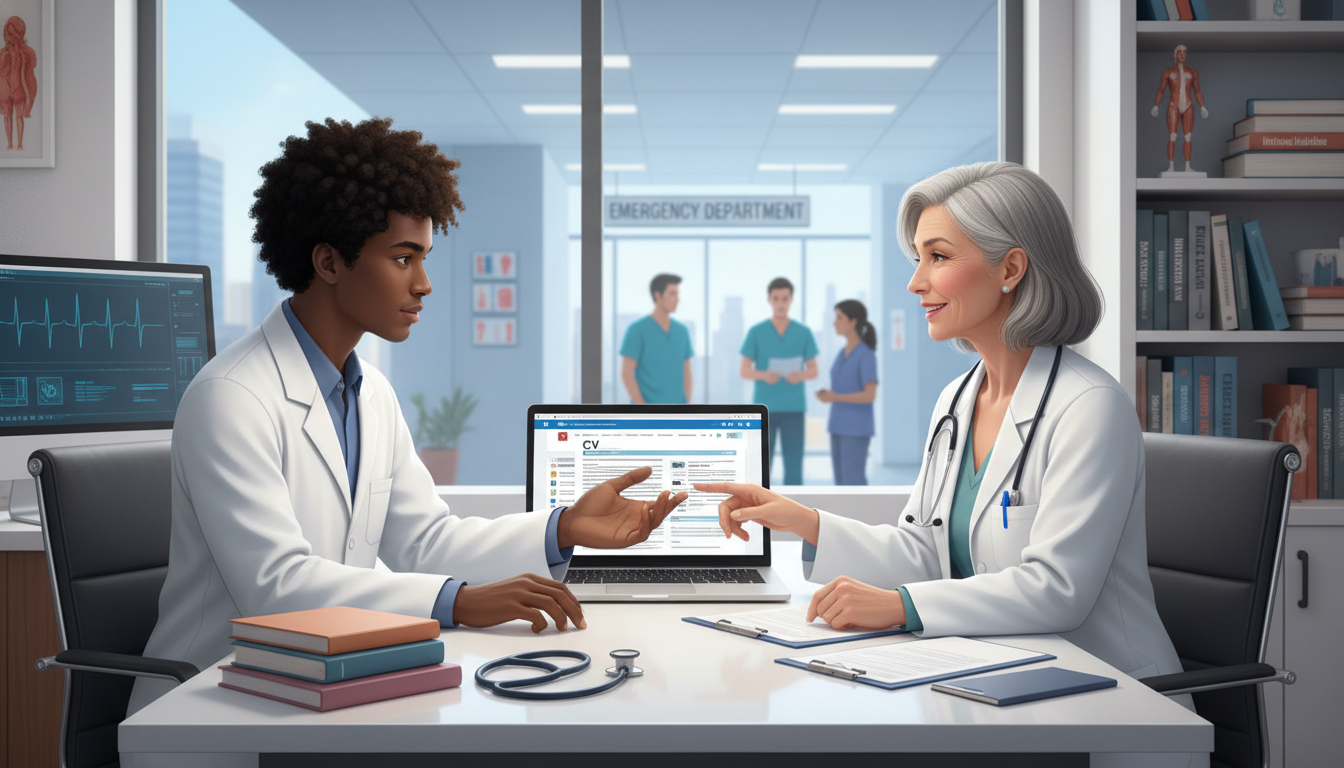
1. Clinical Faculty in EM and IM
For EM IM combined, you need strong relationships in both Emergency Medicine and Internal Medicine.
Target at least:
- 2 EM faculty who can write detailed, supportive letters
- 2 IM faculty (ideally academic or residency-affiliated)
- If possible, at least one dual-trained EM IM physician
How to build these relationships during rotations:
- Be early, prepared, and teachable.
- Read about your patients the night before.
- Ask thoughtful, case-based questions: “Can we walk through the initial EM approach to undifferentiated hypotension?”
- Express your interest clearly.
- “I’m strongly considering Emergency Medicine-Internal Medicine combined training. I’d love any advice you have about programs or preparation.”
- Ask for feedback regularly.
- “Do you have any suggestions for how I can become a stronger EM IM applicant?”
- Follow up after the rotation.
- Send a brief email update every few months: USMLE scores, research progress, interview invites.
- This keeps you in their mental “active file” when opportunities arise.
Actionable step:
Create a simple spreadsheet with columns for:
- Faculty name
- Specialty (EM/IM/EM-IM)
- Institution
- How you know them
- Last contact date
- Next planned touchpoint
Update it monthly.
2. Program Coordinators and Residents
Program coordinators and residents are often overlooked in medical networking—but they can be your best allies.
Program coordinators:
- Know which applicants are considered “serious”
- May flag your application when there is a prior connection
- Can advise whether a Caribbean IMG is realistically competitive at their program
Residents (especially EM IM residents):
- Provide honest, unfiltered perspectives on:
- Workload and culture
- IMG friendliness
- Program support for career goals (critical care, administration, global EM, etc.)
- Can forward your name to program leadership if you’ve made a good impression
How to engage:
- After an away/audition rotation, email the coordinator:
- Thank them for the experience.
- Mention your interest in EM IM combined.
- Ask if it’s appropriate for you to keep them updated on your application.
- During rotations or virtual meet-and-greets, ask residents:
- “How have you seen Caribbean graduates or SGU residency match applicants fare in EM or EM IM here?”
- “What makes an outside rotator memorable to your program?”
3. Alumni Networks (Not Just Your Own School)
If you’re from a large Caribbean school (SGU, Ross, AUC, etc.), your alumni network is a major asset. The SGU residency match lists illustrate how widely Caribbean graduates are placed across the U.S. and Canada.
Practical steps:
- Check your school’s career services or website for:
- Alumni match lists (e.g., SGU residency match results by specialty and institution)
- Alumni willing to mentor current students
- Specifically search for:
- Alumni in Emergency Medicine or Internal Medicine
- Alumni in EM IM combined (even just one or two is valuable)
- If your school doesn’t have a formal system:
- Use LinkedIn and filter by medical school + specialty (e.g., “St. George’s University Emergency Medicine”).
- Use Doximity, if available, to search for graduates of your school in your desired specialties.
How to cold-email alumni:
- Subject: “Caribbean IMG interested in EM-IM seeking your advice”
- Keep it short and respectful:
- Introduce yourself and your school.
- Mention any shared connections (e.g., same rotation site).
- Explain your EM IM interest in 1–2 sentences.
- Ask for a brief 15–20 minute call to get advice, not favors.
Mastering Conference and In-Person Networking for EM IM
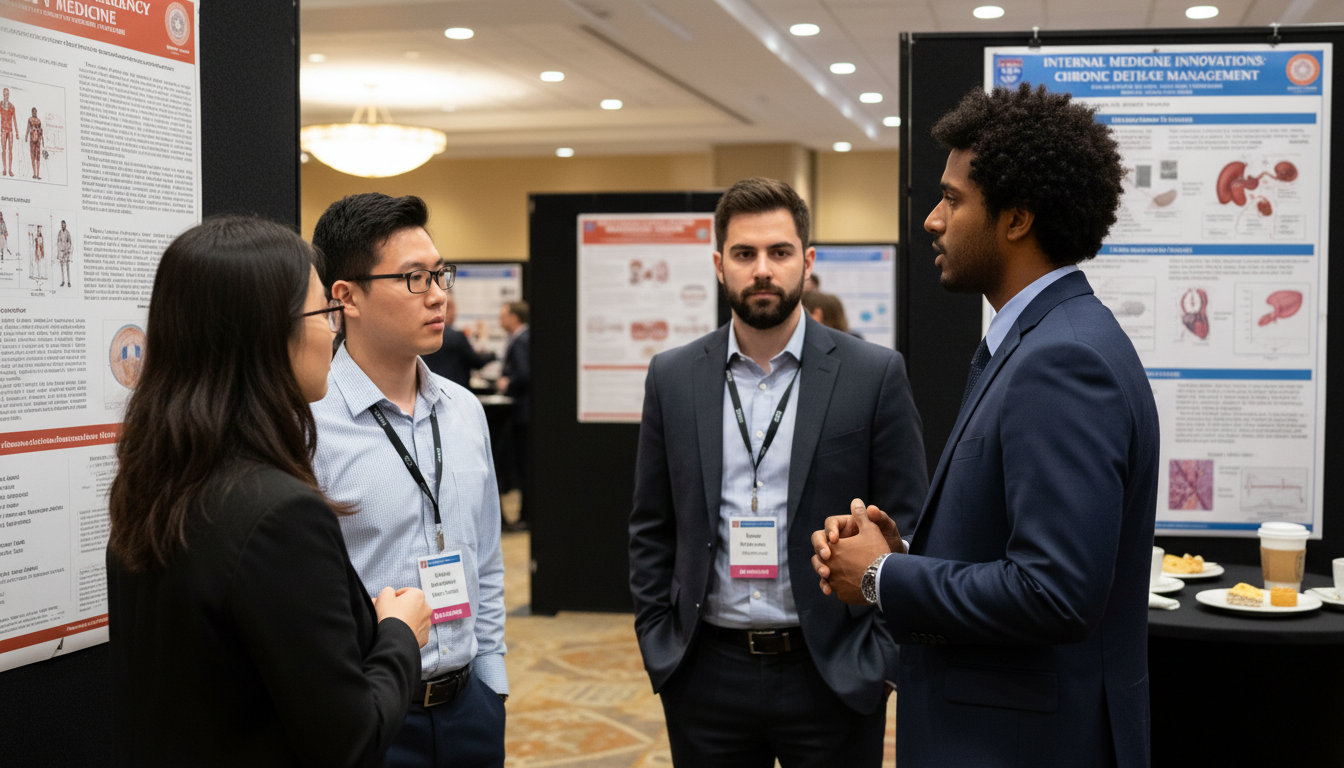
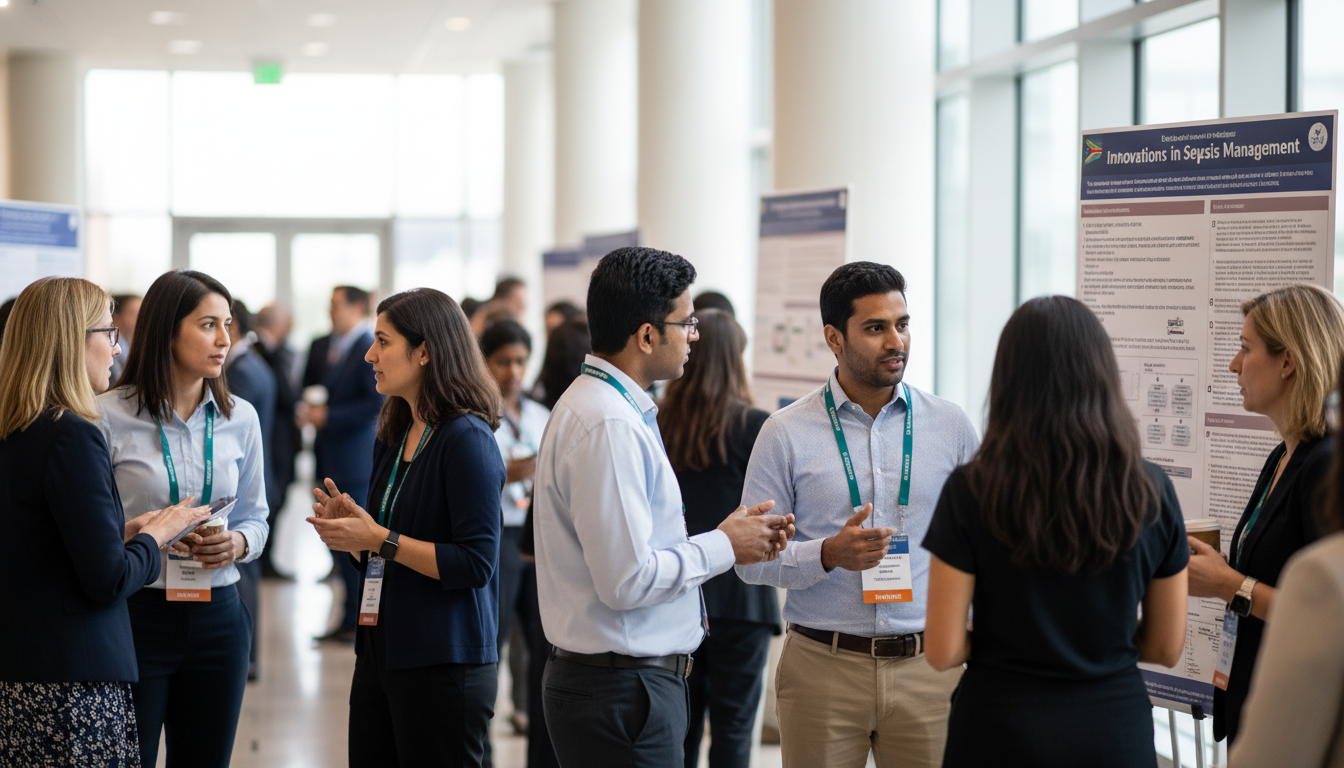
Conferences are some of the highest-yield environments for medical networking, especially when you’re targeting a niche like EM IM combined.
1. Which Conferences Are Most Valuable?
For someone interested in emergency medicine internal medicine pathways:
- Emergency Medicine-focused
- ACEP Scientific Assembly
- SAEM (Society for Academic Emergency Medicine)
- EMRA events (Emergency Medicine Residents’ Association)
- Internal Medicine-focused
- ACP (American College of Physicians) Internal Medicine Meeting
- Regional ACP or hospitalist conferences
- Student/IMG-friendly
- National IMG-focused career events
- Specialty interest group conferences (critical care, ultrasound, global health) where EM/IM overlap is high
Look for:
- “Student” or “Resident” tracks
- Mentorship sessions (formal “mentorship medicine” events)
- EM IM panels or dual-boarded speakers
2. Preparing Before the Conference
To make conference networking meaningful, preparation is essential.
Research speakers and programs:
- Identify:
- Faculty who are EM IM trained
- Representatives from EM IM combined programs
- EM and IM faculty at institutions you are targeting
- Prepare a short priority list of people you absolutely want to meet.
Create and practice your “micro-introduction”:
- 20–30 seconds, including:
- Your name and Caribbean medical school
- Your current stage (M3/M4/grad)
- Your interest: “I’m very interested in Emergency Medicine-Internal Medicine combined training”
- A brief, authentic connection: a topic, talk, or research area you share
Example:
“Hi, I’m Maria Lopez, a fourth-year at a Caribbean medical school currently doing my clinicals in New York. I’m very interested in Emergency Medicine-Internal Medicine combined training, especially with a focus on critical care. I saw you’re giving a talk on sepsis in the ED and would love to learn how you got started in dual training.”
3. How to Approach People Without Feeling Awkward
Most students feel uncomfortable at first, especially IMGs who may worry about bias. The key is to approach with curiosity, not desperation.
Simple opener scripts:
- After a talk:
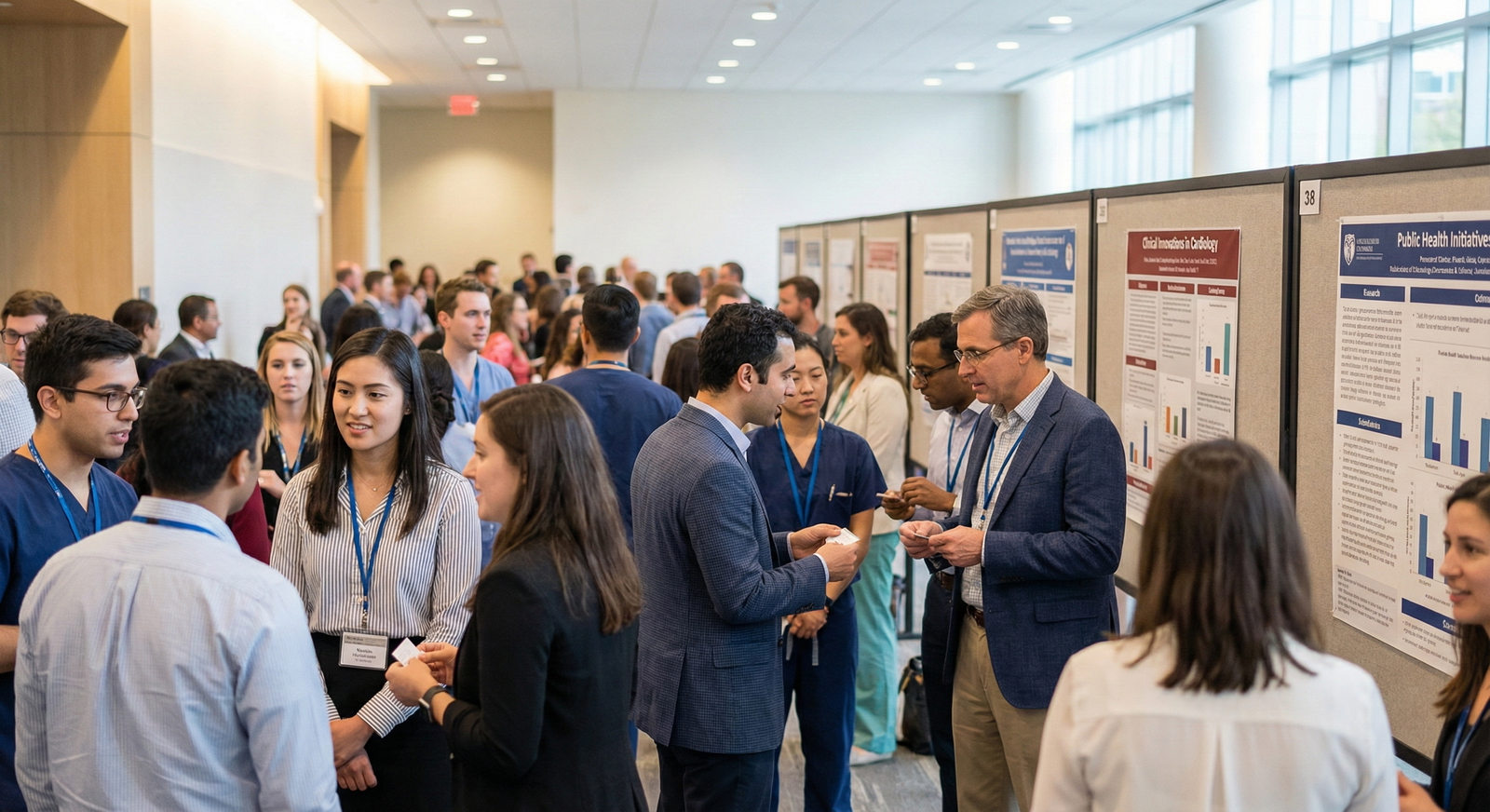
“Thank you for your session. I’m a Caribbean IMG interested in EM IM combined training. Could I ask you one quick question about how you’d advise someone in my position?” - At a poster session:
“I’m a student interested in EM IM. Your poster caught my eye because of ___. Could you tell me a bit more about how this project started?”
Then, ask a good closing question like:
- “If you were me—Caribbean IMG, passionate about EM and IM—what would you focus on in the next year?”
- “Are there specific EM IM programs you’d suggest I learn more about?”
Always end with:
- “Would it be okay if I followed up with you by email?”
- Exchange contact info (email/LinkedIn) on the spot.
4. Turning One-Time Encounters into Long-Term Relationships
One of the biggest mistakes in conference networking is not following up.
Within 48–72 hours:
- Send a concise email:
- Thank them for their time.
- Reference a specific detail from your conversation.
- Attach your CV only if they asked or invited it.
- Ask a small, specific next step (e.g., “Is there anyone you recommend I speak with about EM IM at your institution?”).
Keep a simple log of:
- Who you met
- Where
- Topics discussed
- What you plan to do next (send article, ask question, schedule brief call)
Strategic Online Networking: LinkedIn, Email, and Beyond
You may not be able to attend every conference in person, especially as a Caribbean IMG. Online networking becomes your “equalizer”—if you use it intentionally.
1. Optimizing Your Online Presence
At minimum, you should have:
- A professional LinkedIn profile:
- Full name consistent with ERAS
- Clear headline: “Caribbean IMG | Aspiring Emergency Medicine–Internal Medicine Physician”
- Location: Where you’re doing clinicals or plan to practice
- Summary showcasing:
- Your EM and IM interests
- Relevant research, quality improvement, or volunteer work
- A professional headshot (solid background, business casual or white coat)
Optional but helpful:
- A Doximity profile (if accessible)
- Limited, professional presence on Twitter/X if you engage with #MedTwitter, #FOAMed (free open-access medical education), or #meded
2. How to Reach Out to EM, IM, and EM IM Faculty
Target:
- EM faculty at your clinical hospitals
- IM faculty where you rotate
- EM IM combined program directors or faculty mentors
- Caribbean alumni in EM or IM
Cold email format:
Subject line:
“Caribbean IMG interested in EM-IM seeking brief advice”
or
“Prospective EM-IM applicant rotating at [Hospital Name]”Body:
- 1–2 sentences introducing who you are and where you train
- 1–2 sentences showing you’ve done your homework (e.g., referencing their work or role)
- Clear, respectful ask:
- “I’d be grateful for 15–20 minutes of your time to hear your perspective on EM IM combined training.”
- Professional sign-off with your full name and contact info
If there’s no reply after 10–14 days, one polite follow-up is reasonable. If still nothing, move on—do not push.
3. Using Social Platforms for Educational AND Networking Value
For emergency medicine internal medicine interests, online communities can be high-yield:
- EMRA (Emergency Medicine Residents’ Association):
- Join as a student member.
- Attend virtual events, mentorship programs, and EM IM panels.
- ACP & EM interest groups:
- Virtual journal clubs, case conferences.
- #MedTwitter / #FOAMed:
- Follow EM, IM, and EM IM thought leaders.
- Engage respectfully with case discussions and educational threads.
- Occasionally share your learning (never patient-identifiable information).
When engaging online:
- Focus on learning first, networking second.
- Comment with substance: ask clarifying questions, share relevant resources.
- Over time, people begin to recognize your name and seriousness.
Mentorship Medicine: Finding, Using, and Honoring Mentors
A mentor in medicine is not just someone who signs a letter. Good mentors:
- Help you interpret feedback
- Guide your step exam and rotation strategy
- Prepare you for interviews
- Encourage realistic but ambitious planning (e.g., EM IM combined plus a strong parallel plan)
1. Types of Mentors You Need as a Caribbean IMG in EM IM
Ideally, you will have:
- Career mentor (EM or EM IM):
- Helps you explore whether EM IM combined is truly right for your goals
- Advises on which programs fit you best
- Process mentor:
- Familiar with ERAS, NRMP, and the nuances of Caribbean medical school residency outcomes
- Helps with application strategy and interview preparation
- Peer mentor:
- Someone 1–3 years ahead of you (e.g., EM IM resident, recent Caribbean IMG match)
- Provides real-time tips on away rotations, case logs, and interview days
No single person may play all roles; that’s why networking widely matters.
2. How to Ask Someone to Be a Mentor
You don’t need a dramatic “Will you be my mentor?” moment. Often, mentoring relationships start informally and deepen over time.
Practical steps:
- Start by asking specific advice:
- “Could I ask for your perspective on choosing between EM IM combined and categorical EM for a Caribbean IMG?”
- Show that you listen and act on their advice:
- Follow up with updates on what you did and what came of it.
- If the relationship feels natural, you can say:
- “I’ve found your guidance incredibly helpful as an aspiring EM IM applicant. Would you be comfortable if I reached out occasionally as I move through my application cycle?”
3. Being a Good Mentee
To sustain strong mentoring relationships:
- Be prepared for meetings:
- Send a brief agenda and updated CV in advance.
- Respect time:
- Be on time, keep to the agreed duration.
- Execute:
- If you ask for advice, act on it—or explain respectfully why you chose differently.
- Practice gratitude:
- Thank them regularly.
- Share good news (e.g., “I matched at X, and your support was crucial.”)
Remember, mentors also have careers and families. Responsible mentees are the ones mentors are willing to sponsor (advocate for) later.
Putting It All Together: A Networking Strategy Tailored to EM IM–Bound Caribbean IMGs
To make this actionable, here’s a mapped-out strategy by stage.
Pre-Clinical and Early Clinical Years (M1–Early M3 Equivalent)
Goals:
- Learn about EM, IM, and EM IM combined pathways.
- Build foundational professional habits and online profile.
Actions:
- Create or update LinkedIn with a clear, professional profile.
- Join student chapters of EMRA and ACP (or equivalents).
- Attend at least one virtual EM or IM conference or webinar.
- Identify one faculty or senior trainee at your clinical site who can discuss EM vs IM vs EM IM.
Core Clinical Rotations (M3–Early M4)
Goals:
- Build relationships with faculty who could become core advocates.
- Get early feedback on your competitiveness as a Caribbean IMG in EM IM combined.
Actions:
- On EM and IM rotations:
- Introduce your EM IM interest to at least 1–2 attendings per rotation.
- Request mid-rotation feedback and use it to improve.
- Ask one EM and one IM faculty if they’d be open to advising you periodically.
- Begin tracking programs with EM IM combined tracks and their stance toward IMGs.
Late Clinical Years and Application Preparation (Late M4–Grad)
Goals:
- Target EM IM combined programs plus a parallel EM/IM plan.
- Solidify letters, mentorship, and visibility.
Actions:
- Schedule formal or informal meetings with:
- EM mentors
- IM mentors
- Any EM IM contacts (even if they’re at other institutions)
- Attend at least one EM or IM conference (in-person if possible) with a clear networking plan.
- Reach out to Caribbean alumni (e.g., via SGU residency match-like lists) in:
- EM programs
- IM programs
- Any existing EM IM combined programs
- Practice interview-style conversations with mentors and peers.
During Interview Season
Goals:
- Convert networking into interviews and ranking clarity.
- Demonstrate fit and genuine interest in EM IM combined.
Actions:
- Send targeted interest emails to EM IM programs:
- Highlight your EM + IM exposure and reasons for dual training.
- Mention any prior connections: conference contacts, emails, alumni.
- During interviews:
- Ask residents and faculty about:
- Experience with Caribbean IMGs
- Flexibility between EM and IM career paths post-training
- Ask residents and faculty about:
- After interviews:
- Send specific, personalized thank-you notes.
- Update key mentors on your progress and reflections.
After Match and Into Residency
Networking does not end when you match; it evolves.
During residency:
- Continue conference networking, now as a resident.
- Maintain contact with your Caribbean medical school and offer to mentor younger students.
- Build relationships within your EM and IM departments—these will shape fellowship and job opportunities later.
FAQs: Networking in Medicine for Caribbean IMGs in EM-IM
1. I’m a Caribbean IMG with no EM IM combined program at my rotation sites. Can I still be competitive?
Yes, but you must be proactive. Build strong relationships with both EM and IM faculty separately, and seek at least one mentor with EM IM experience (even at another institution). Use conferences, online networking, and alumni connections to reach dual-trained physicians. Your goal is to show consistent commitment to both specialties and to secure letters that support your fit for combined training.
2. How important is networking compared with Step scores and clinical grades for EM IM?
Scores and clinical performance are foundational—they get you past basic filters. Networking doesn’t replace them; it amplifies them. For Caribbean medical school residency applicants, networking often determines whether a program takes a closer look at your file, invites you for an interview, or feels confident about ranking you highly. Strong relationships can help explain context (e.g., a single low score) and highlight your strengths beyond the numbers.
3. Are SGU residency match outcomes or other Caribbean match lists useful for my networking strategy?
Absolutely. Even if you’re not from SGU, reviewing SGU residency match lists (and those from your own school) helps you identify which programs have historically taken Caribbean graduates, especially in EM and IM. These programs may be more open to considering you. From there, look up alumni currently in those programs and reach out respectfully for advice and perspective.
4. I feel uncomfortable “asking for favors” when networking. How do I approach people without seeming opportunistic?
Focus on learning and relationship-building, not immediate gains. Good networking in medicine is about curiosity, respect, and follow-through. When you reach out, ask for advice, not for a letter or a phone call right away. Over time, if you show reliability and growth, faculty and mentors often choose to advocate for you without being asked. Networking done well feels mutual—mentors enjoy seeing you succeed, and you pay it forward later to others.
Networking in medicine is a skill you can learn and refine—especially as a Caribbean IMG pursuing Emergency Medicine-Internal Medicine. With intentional effort, you can build a powerful support network that opens doors, guides your choices, and sustains you throughout a demanding but deeply rewarding career.