Understanding Networking in Medicine as a DO EM–IM Graduate
As a DO graduate entering or navigating an Emergency Medicine–Internal Medicine (EM IM combined) path, your clinical training is only half of the success equation. The other half is strategic networking in medicine—building meaningful professional relationships that open doors to opportunities, mentorship, jobs, research, and leadership.
Networking often feels nebulous or transactional, especially for physicians who are used to formal structures like rotations, exams, and residency applications. But for DO graduates in emergency medicine internal medicine, networking is a powerful, learnable skill that can compensate for systemic disadvantages, help you stand out in competitive environments, and shape a long, fulfilling career.
This guide is tailored to:
- DO graduates in EM–IM combined programs or pursuing that path
- Residents considering fellowships, academic careers, or hybrid practice roles
- Physicians wanting to leverage medical networking to build a sustainable, flexible, and impactful professional life
We’ll cover practical steps to build a network from day one, use conference networking effectively, find and work with mentors, and position yourself uniquely as an EM–IM–trained DO.
Why Networking Matters More for DO Graduates in EM–IM
Networking is not just a way to “get a job later.” For a DO graduate, particularly in a dual pathway like EM–IM, it directly influences:
- Residency and fellowship opportunities (including osteopathic residency match–adjacent options, such as ACGME programs historically welcoming DOs)
- Academic appointments and leadership positions
- Locums, hybrid roles, and niche clinical positions
- Research collaborations and QI projects
- Mentorship and sponsorship in medicine
- Early warning about new roles, departmental needs, or institutional shifts
The DO Perspective: Why You Can’t Ignore Networking
While the single accreditation system has helped unify graduate medical education, DO graduates may still:
- Encounter bias or lack of familiarity with osteopathic training
- Have fewer “automatic” connections at historically MD-heavy institutions
- Need to be proactive in showcasing their value and dual-board skills in EM and IM
Networking helps you:
Overcome structural disadvantage
By building relationships with program leaders, chairs, and mentors who understand and champion DO training, you open doors that might otherwise stay closed.Leverage your EM–IM combined identity
Your unique training positions you for roles in:- ED-based observation units
- ICU–ED hybrid models
- Hospital administration and throughput optimization
- Rural medicine with broad scope of practice
These roles are often never formally posted; they’re filled via who knows you and trusts your skillset.
Accelerate your growth curve
Networking allows you to learn from others’ mistakes and strategies—shortcutting years of trial and error.
Laying the Foundation: Networking During DO School and Early Residency
Your networking journey should begin long before graduation. Even if you’re now a PGY1 or PGY2, you can retroactively leverage earlier contacts and expand outward.
Step 1: Map Your Existing Network
Start with what you already have:
- Osteopathic medical school classmates and alumni
- Attendings from rotations (especially EM and IM)
- Advisors and deans from your DO program
- Residents and fellows who supervised you on rotations
- Professional staff (program coordinators, clinic managers)
Create a simple document or spreadsheet:
- Name
- Role (attending, co-resident, admin, etc.)
- Specialty and institution
- How you met
- Potential ways you might collaborate in future (research, job intel, letters, etc.)
- Last contact date
This becomes your personal professional CRM—a living database you’ll maintain throughout residency and beyond.
Step 2: Use Digital Platforms Strategically
Digital presence is part of modern medical networking:
LinkedIn:
- Complete your profile with DO, EM–IM combined training, rotations, and any scholarly work.
- Write a concise headline:
“DO Resident – Emergency Medicine-Internal Medicine | Interested in ED operations, critical care interfaces, and hospital throughput.”
- Connect with:
- Faculty from EM and IM
- Program directors, APDs
- Residents from EM–IM and categorical EM or IM
- People you meet at conferences
Doximity:
- Claim your profile, update training info, publications, and areas of interest.
- Use it to quietly research faculty or alumni before you meet them.
Twitter/X (optional but powerful in medicine):
- Follow EM and IM educators, FOAMed leaders, and EM–IM programs.
- Occasionally engage with posts (“Thank you for this algorithm on DKA management—will share with our EM–IM team.”).
- Keep content professional and constructive.
Step 3: Network Within Your Own Program
Before you start cold-emailing national leaders, make sure you’re visible in your own institution.
Actionable strategies:
Request a brief meeting with your PD or APD
- Clarify your interests (e.g., ED–ICU hybrid, administrative medicine, ultrasound, toxicology, hospitalist-ED interface).
- Ask: “Who else at this institution should I talk to, given my dual EM–IM background?”
Volunteer for projects with system-level impact
- Sepsis pathways
- ED boarding and throughput initiatives
- Observation unit protocols
EM–IM physicians are naturally positioned to bridge ED and inpatient worlds, making you uniquely valuable in such projects.
Attend departmental and hospital committees when feasible
- Morbidity & Mortality
- Quality improvement or patient safety councils
- Throughput or transitions-of-care meetings
Every multidisciplinary room you enter is a networking microenvironment.
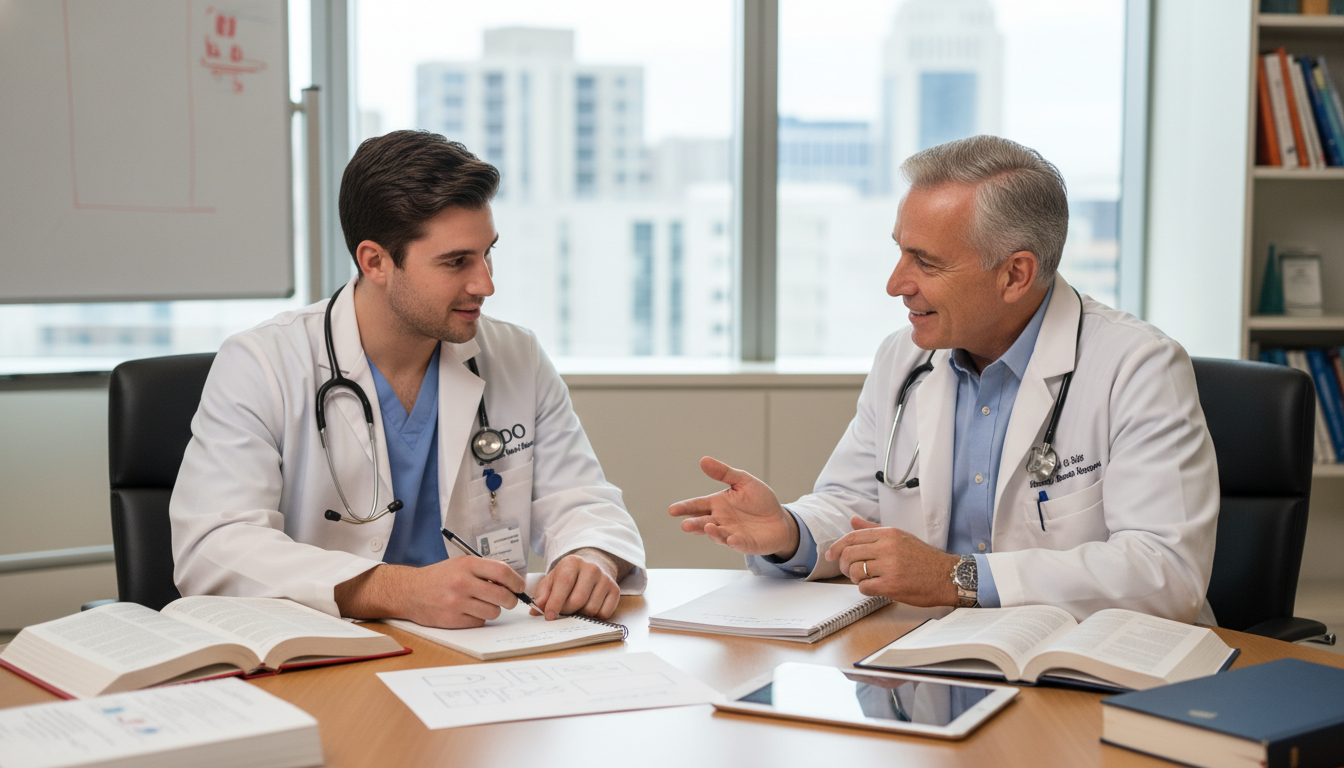
Mastering Conference Networking as an EM–IM DO
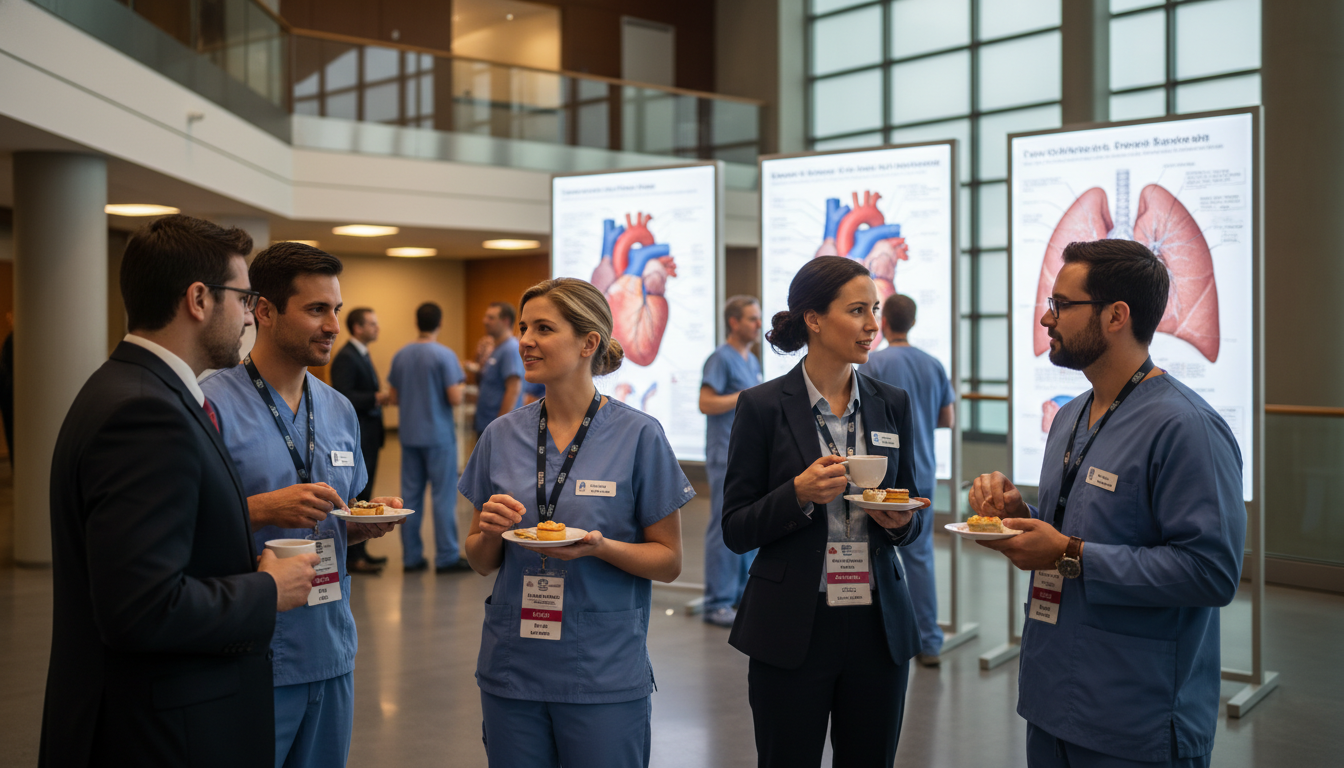
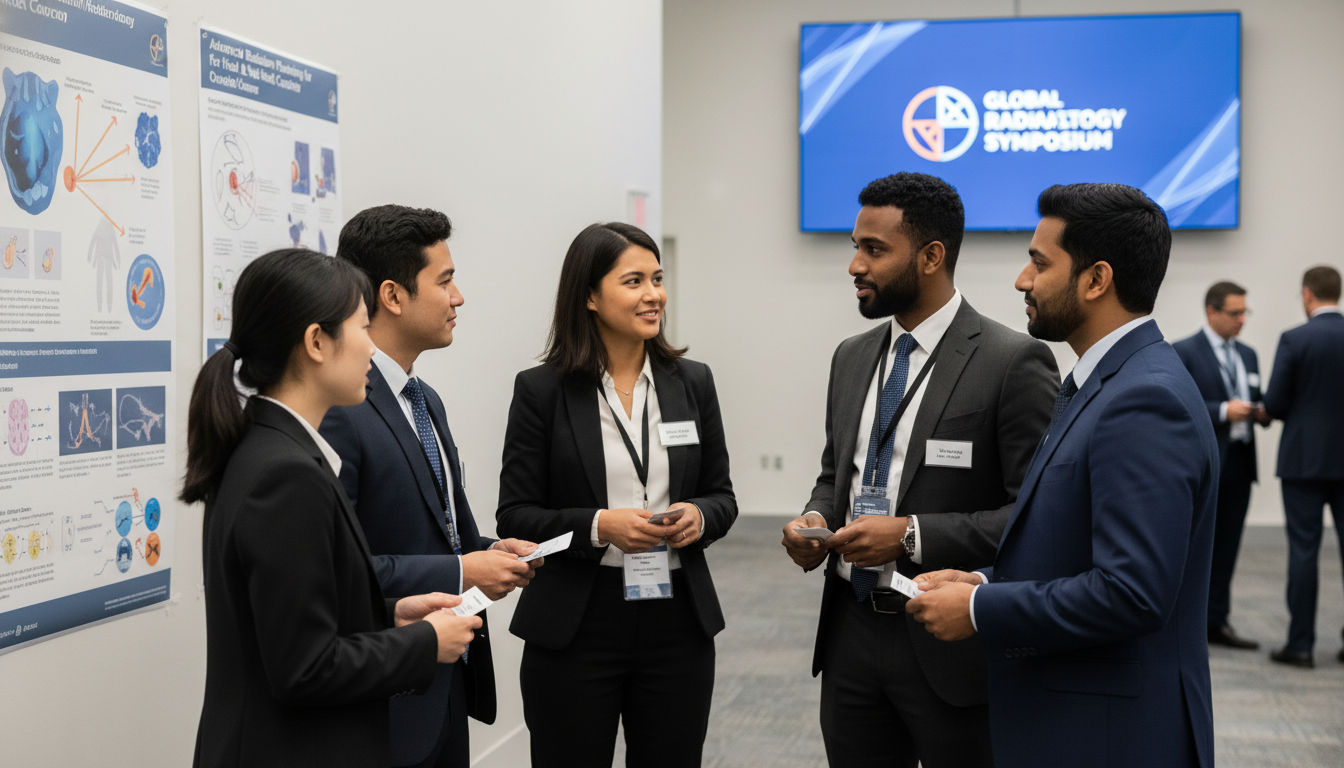
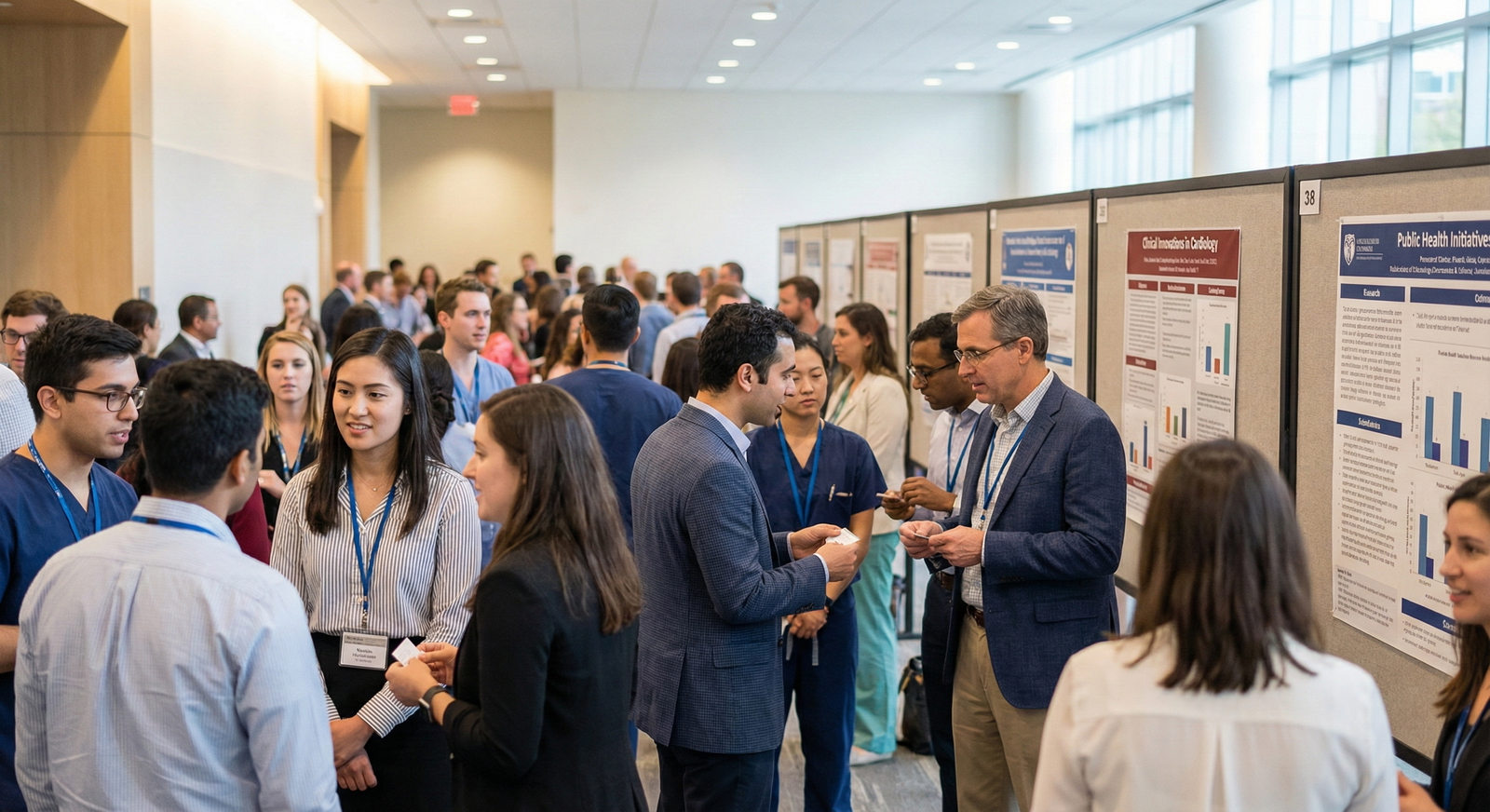
Conference networking is one of the highest-yield, highest-density ways to expand your professional connections. For EM–IM physicians, certain meetings are especially valuable.
Choose the Right Conferences
Examples:
- SAEM (Society for Academic Emergency Medicine) – EM academics, education, research
- ACEP (American College of Emergency Physicians) – Practice, advocacy, broad EM networking
- ACP Internal Medicine or SHM (Society of Hospital Medicine) – Internal medicine and hospitalist opportunities
- AAEM, AAEM/RSA, or EM–IM–specific gatherings, if available
- Osteopathic-focused meetings (e.g., ACOEP) for osteopathic residency match and DO-oriented mentorship
As an EM–IM DO, attending both EM and IM conferences differentiates you and exposes you to hybrid opportunities.
Prepare Before You Go
Set clear goals
Examples:- Meet 3–5 physicians who practice in both ED and inpatient settings.
- Identify 1–2 potential mentors in EM education or critical care.
- Learn about 2 fellowships or hybrid jobs suited to EM–IM.
Research people and sessions ahead of time
- Review the conference program. Highlight:
- EM–IM–related talks (ED-ICU, observation units, complex comorbidities)
- Sessions led by DOs in leadership roles
- Look up speakers on LinkedIn/Doximity.
- Review the conference program. Highlight:
Prepare a concise “professional introduction”
A 15–20 second self-introduction focused on your DO background and combined training:“I’m Dr. [Name], a DO EM–IM resident at [Institution]. I’m particularly interested in how emergency departments interface with inpatient care—especially ED–ICU models and observation units. I’d love to hear about your experience in that space.”
How to Approach People at Conferences
Practical tactics:
Use the hallway time
After a talk you enjoyed, walk up to the speaker with a specific comment:- “I appreciated your emphasis on ED boarding’s effect on inpatient flow. As an EM–IM resident, I’m seeing both sides. Do you know of any institutional models that have improved that interface?”
Attend networking and mentorship events purposefully
Many conferences host:- Resident/medical student meetups
- Speed networking sessions
- Special interest group meetings (e.g., EM administration, critical care, ultrasound)
Use your EM–IM identity as a conversation starter
- “I’m doing EM–IM combined, and I’m curious how your institution integrates ED and inpatient teams.”
This naturally leads to deeper discussion and possible collaboration.
- “I’m doing EM–IM combined, and I’m curious how your institution integrates ED and inpatient teams.”
Following Up After Conferences
After you return:
Within 48–72 hours, send brief follow-up emails:
- Reference how you met:
“We met after your session on ED boarding at SAEM.”
- Thank them for their time.
- Add a small, specific hook:
“You mentioned that your observation unit is run jointly by EM and hospital medicine—could I email you later this month with a few questions? Our EM–IM group is exploring something similar.”
- Reference how you met:
Connect on LinkedIn or Doximity with a personalized note.
Add them to your networking spreadsheet with follow-up dates and notes.
Mentorship and Sponsorship in Medicine: Turning Contacts into Supporters
Networking without mentorship can feel shallow. The real power is when your professional connections evolve into mentorship medicine and eventually sponsorship.
Understanding the Difference
Mentor
- Advises, teaches, listens, gives feedback.
- Helps with questions like “Should I pursue a fellowship?” or “How do I navigate my EM–IM schedule to fit research?”
Sponsor
- Uses their influence to advocate for you.
- Recommends you for committees, talks, jobs, or leadership roles.
- Often appears later in your relationship, once they trust your reliability and skill.
You will likely need multiple mentors:
- EM-focused mentor (clinical and operational EM)
- IM or hospitalist mentor (ward medicine, chronic disease, inpatient systems)
- EM–IM combined or hybrid-practice mentor (if available)
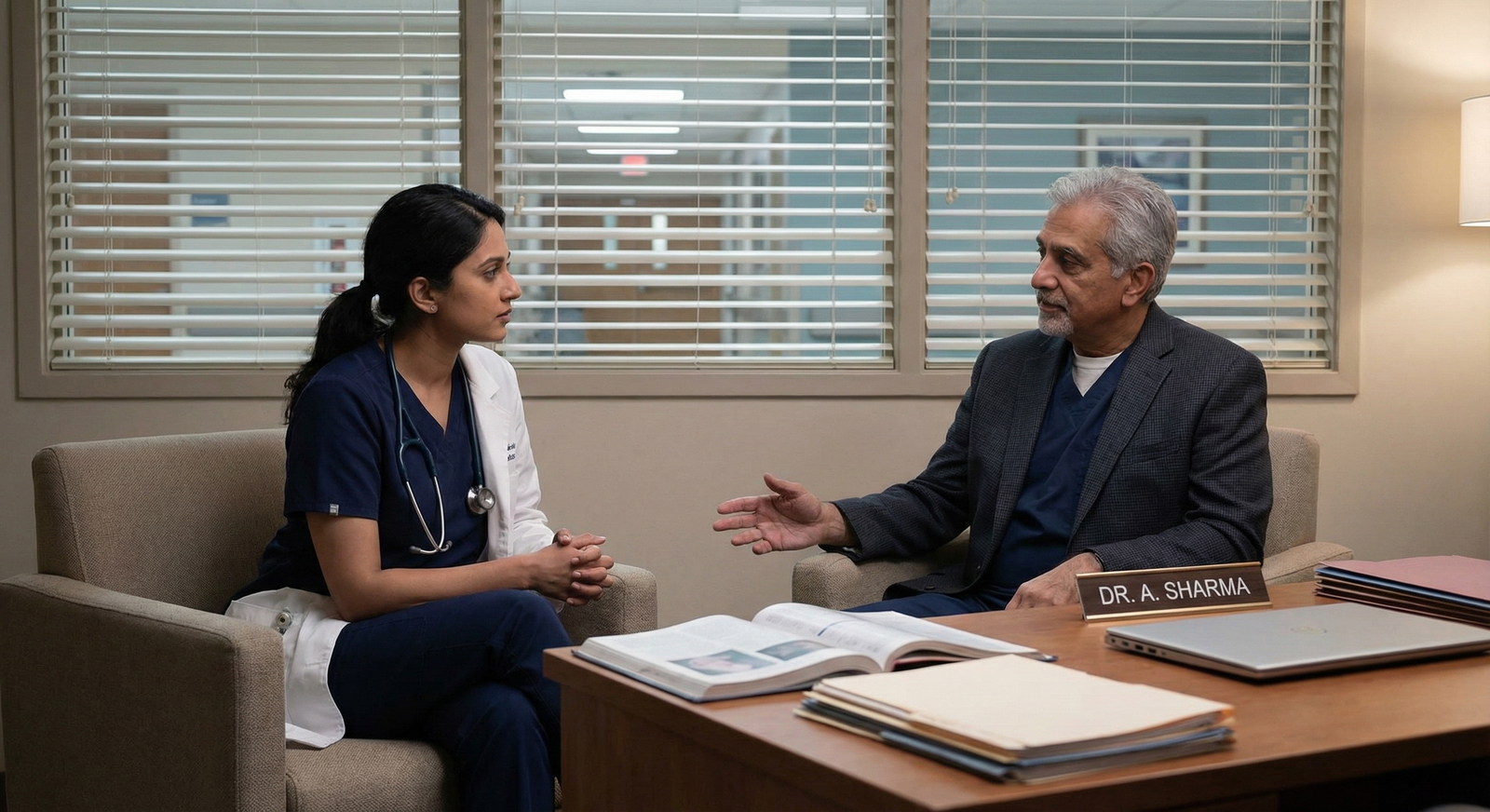
- DO mentor (who understands osteopathic training, osteopathic residency match history, and DO-specific challenges)
How to Find Good Mentors as an EM–IM DO
Strategies:
Start local
- Identify attendings in EM and IM who:
- Enjoy teaching
- Share career or research interests with you
- Speak positively about dual training or systems-level work
Ask for a 20–30 minute meeting; frame it as career guidance, not “Will you be my mentor?”
- Identify attendings in EM and IM who:
Leverage your DO network
- Reach out to DO graduates from your school who matched into EM–IM, EM, IM, or hospitalist tracks.
- Many DOs are eager to help those behind them in the pipeline.
Use professional organizations
- SAEM, ACEP, ACP, and SHM often have mentorship programs.
- Mention that you are a DO EM–IM resident—this uniqueness can actually help you get matched with high-level mentors.
Look for EM–IM role models explicitly
- Search institutional websites for physicians with dual board certification in EM and IM.
- Attend or watch recorded talks where EM–IM clinicians present; reach out afterward.
How to Be a Good Mentee
Mentorship is a two-way relationship. You’ll get more out of it if you:
Prepare for meetings
- Send a short agenda: “I’d like to discuss fellowship vs. hybrid job paths, and how to position my EM–IM background on my CV.”
- Share a current CV or updated ERAS-style resume in advance if you’re early in training.
Ask specific, actionable questions
Avoid: “What should I do with my life?”
Use:- “What options do people with EM–IM training typically have in your system?”
- “If I’m interested in ED administration, which committees or projects should I try to join now?”
Follow through on advice
- If they suggest you contact someone or read something, do it.
- Then circle back and let them know the outcome. This builds trust—critical if they are to later sponsor you.
Over time, mentors may put your name forward for:
- Department roles (e.g., ED throughput lead, observation unit liaison)
- Conference speaking opportunities
- Co-authorship on papers or collaborations
That shift from advice to advocacy is the transition from mentor to sponsor.
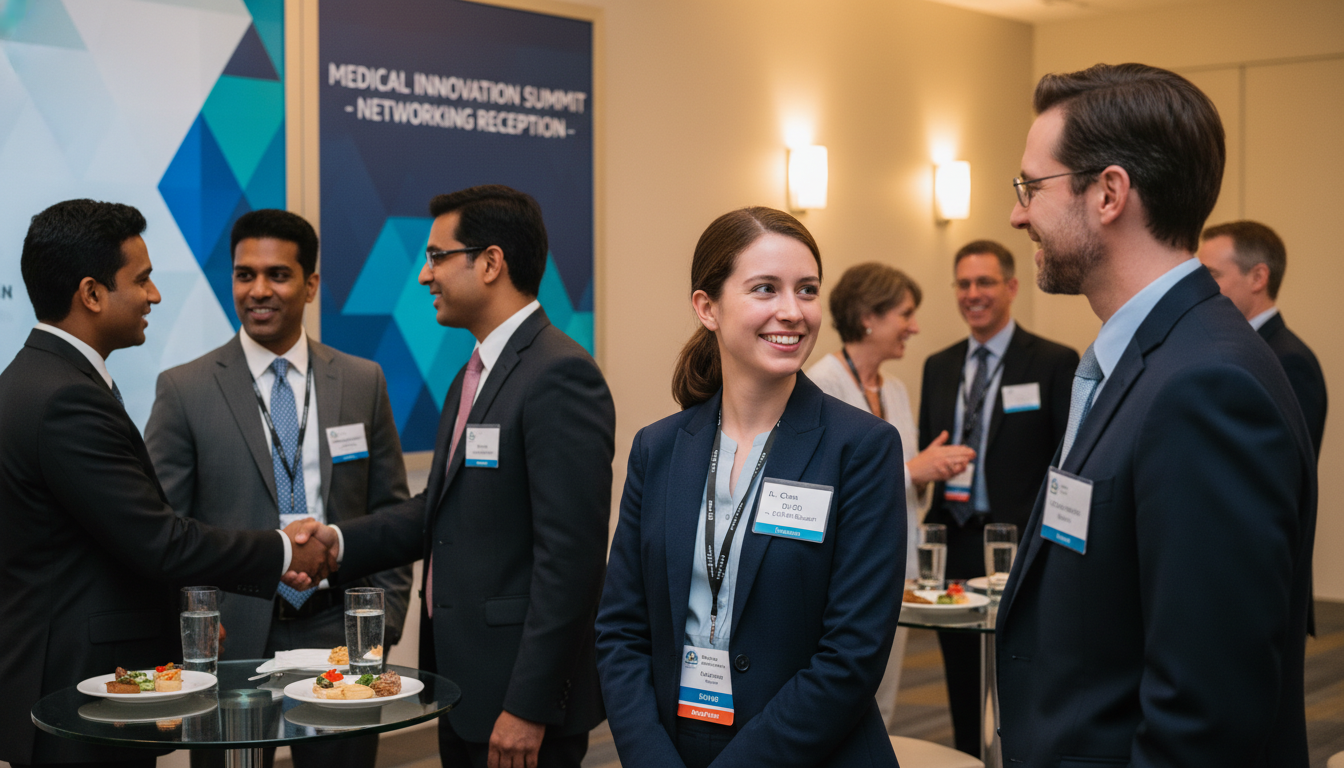
Networking for Jobs, Fellowships, and Hybrid EM–IM Roles
As you approach graduation or think about your long-term path, networking in medicine directly intersects with your career transitions.
Using Networking in the Residency and Fellowship Space
For DO graduates, especially those considering EM–IM or related fellowships (critical care, ultrasound, administration, hospitalist-ED hybrids):
Early, informal conversations matter
- Talk with fellowship directors at conferences or via email 12–18 months before official applications.
- Ask:
“I’m a DO EM–IM resident with interests in [X]. How do fellows in your program with dual training tend to shape their careers?”
Highlight your combined skillset
Your EM–IM background equips you with:- Comfort with high acuity and chronic disease management
- Systems-level insight into ED boarding, floor capacity, ICU transfers
- Flexibility for roles that cross traditional boundaries
Programs that understand this will see your training as an asset, not a complication.
Job Hunting: The Hidden Market
Many positions are filled without ever being publicly advertised, especially:
- ED medical director or assistant director roles
- Observation unit leadership
- ED–hospitalist co-management teams
- Hybrid clinical positions (e.g., 0.5 FTE ED, 0.5 FTE hospitalist or ICU)
To access this “hidden job market”:
Tell your mentors and contacts early
- “I’m starting to explore job options where I can practice both EM and IM. If you hear of any ED–ICU or ED–hospitalist hybrid roles, I’d be grateful to hear about them.”
Informally visit potential institutions
- Ask if you can do an elective, off-service rotation, or brief visiting stint.
- Attend their conferences (grand rounds, M&M) even virtually.
- Meet with both EM and IM leaders.
Ask structured questions in interviews
- “How have you used EM–IM trained physicians here?”
- “Are there opportunities to work on throughput, observation units, or ED-to-floor pathways?”
The way they respond tells you whether your EM–IM training is valued.
Leverage your DO network again
- DO-heavy institutions may be more familiar with your training and more flexible in creating hybrid roles.
- Alumni from your DO school currently in practice can be powerful connectors.
Positioning Yourself in Written Materials
In your CV, cover letters, and professional bios, clearly articulate the value of EM–IM:
CV Summary (if used)
“Dual-board-eligible DO physician in Emergency Medicine and Internal Medicine, with clinical and systems expertise at the ED–inpatient interface, ED throughput, and complex comorbidity care.”
Cover letter emphasis
- Mention specific contributions during residency:
- “Led a QI project on ED boarding reduction by redesigning handoff protocols between ED and medicine teams.”
- “Served as EM–IM liaison on throughput committee, aligning ED and inpatient priorities.”
- Mention specific contributions during residency:
This creates a narrative that aligns with the networking stories you’ve been telling in person.
Sustaining and Growing Your Network Over a Career
Networking is not a one-time residency task; it’s a long-term professional habit.
Build a Simple System
Once or twice a month:
- Review your networking spreadsheet.
- Send 3–5 brief check-ins:
- “Saw your recent talk/article—congratulations!”
- “We just implemented a similar sepsis pathway and thought of your work.”
Once or twice a year:
- Update your mentors on career milestones:
- “Just finished my EM–IM training and accepted a hybrid ED–hospitalist role at [Institution]. Could not have done this without your guidance.”
Give Back Early and Often
Even as a resident or early-career DO physician, you can:
- Mentor DO medical students interested in EM, IM, or EM–IM combined training.
- Share advice about the osteopathic residency match era and integrating into ACGME EM–IM programs.
- Present at your medical school’s career nights or residency panels.
Teaching and uplifting others make your network bidirectional, which is where trust and opportunity flourish.
Protect Your Reputation: The Core of Networking
In medicine, reputation spreads quickly. To protect and enhance it:
- Be reliable: meet deadlines, show up on time, complete tasks.
- Be professional in all written communication (email, social media).
- Own mistakes and show you learn from them.
- Be kind—to staff, colleagues, students; people notice.
Your clinical performance and interpersonal behavior are the foundation on which all networking rests. No amount of conference networking or mentorship medicine can override a pattern of unreliability or disrespect.
FAQs: Networking in Medicine for DO EM–IM Graduates
1. I’m introverted and dislike “small talk.” How can I still network effectively?
Focus on purposeful, one-on-one conversations rather than large social events. Prepare 2–3 questions you can ask anyone (e.g., “How did you choose your current role?”). It’s better to have two meaningful 10-minute conversations than 20 superficial greetings. Follow up by email after; that matters more than charm at the reception.
2. As a DO, should I bring up my osteopathic background directly when networking?
Yes, but frame it positively and confidently. You might say, “I trained at [DO school], and my osteopathic background has really shaped how I approach complex chronic disease in the ED and inpatient settings.” Most colleagues respond well to pride and clarity. If bias appears, that’s useful data about where you might not want to invest your career.
3. How can I find mentors specifically with EM–IM combined training?
Use a three-part approach:
- Search institutional and department websites for “Emergency Medicine and Internal Medicine” or “dual-boarded EM and IM.”
- Ask your PD and faculty: “Do we have any EM–IM graduates in our extended network?”
- Connect at conferences—attend sessions or special interest groups focusing on ED–ICU, observation units, or throughput; many EM–IM physicians gravitate there and often introduce themselves as such.
4. I’m already late in residency and haven’t networked much. Is it too late?
Not at all. Start with your immediate environment—program faculty, co-residents, hospital leadership. Then, attend at least one major conference with clear networking goals. You can compress a lot of networking into 6–12 months with deliberate effort: targeted emails, brief informational meetings, and conference networking backed by a strong follow-up habit. Your EM–IM training and DO background still provide a compelling story—it just needs to be intentionally told.