Understanding Networking in Medicine as a DO in a Preliminary Surgery Year
Networking in medicine is not just about “who you know.” For a DO graduate in a preliminary surgery residency, networking is about building genuine professional relationships that can open doors to categorical positions, fellowships, research, and long‑term career satisfaction.
Your situation is unique: you’ve navigated the osteopathic residency match (or hybrid NRMP/ERAS landscape), landed a prelim surgery residency or preliminary surgery year, and now you’re balancing heavy clinical responsibilities with strategic career planning. Done intentionally, networking can turn a temporary prelim position into a launchpad for your preferred specialty or a categorical general surgery spot.
In this article, we’ll break down:
- Why networking is especially critical for DO graduates in a preliminary surgery track
- How to build effective relationships inside your own program
- How to use conferences, professional societies, and online platforms for medical networking
- Strategies to convert networking into tangible opportunities (interviews, letters, jobs)
- Common pitfalls and how to avoid them, especially around professionalism and time management
Throughout, we’ll focus on practical, step‑by‑step strategies you can start using on your next shift or at your next conference.
Why Networking Matters More for DO Graduates in a Prelim Surgery Residency
For many DO graduates, the path into surgery is less linear than for MD peers. A preliminary surgery year is often:
- A bridge into a categorical general surgery position
- A stepping stone into another surgical field (urology, ortho, ENT, etc.)
- A transition year to reposition for another specialty entirely (anesthesia, radiology, EM, etc.)
Because a prelim surgery residency is time‑limited and non‑guaranteed, your performance alone may not be enough. Decision makers often have multiple qualified candidates; networking helps ensure:
You’re known and remembered.
Program directors (PDs), associate PDs (APDs), and faculty are more likely to interview someone they’ve spoken with, seen on rounds, or heard about from colleagues.Your DO background is contextualized positively.
Being a DO graduate is increasingly common in surgery, but biases and unfamiliarity still exist in some institutions. Personal interactions allow you to:- Showcase your clinical ability and work ethic
- Demonstrate that osteopathic and allopathic training meet similar standards
- Clarify any questions about COMLEX vs USMLE or prior training
You hear about unadvertised opportunities.
Many categorical PGY‑2 or PGY‑3 positions open late, off‑cycle, or quietly. These may be shared via:- PD listservs
- Word of mouth at conferences
- Informal conversations between faculty
Well‑developed professional relationships put you in the loop for positions you’ll never see on a public website.
- You gain sponsors, not just mentors.
- Mentorship in medicine means advice, feedback, and guidance.
- Sponsorship means someone actively advocates for you—emails a colleague, calls a PD, or pushes your application at rank list time.
Networking is how mentors get to know you well enough to become true sponsors.
Building Your Network Inside Your Preliminary Surgery Program
Your most powerful networking environment is the hospital where you work every day. Even in a busy prelim surgery year, you can cultivate meaningful connections without adding hours to your schedule.
1. Start With Intentional Relationship Mapping
Make a short, prioritized list of people to know and impress:
Program Leadership
- Program Director (PD)
- Associate PDs (APDs)
- Chief Residents
Key Faculty
- Service chiefs (trauma, colorectal, vascular, surgical oncology, etc.)
- Education-oriented attending surgeons
- Research-active faculty (especially those with multi-institutional collaborations)
Supportive Allies
- Senior residents who are well‑liked by leadership
- OR charge nurses, PAs, NPs (their opinions reach surgeons)
- GME office staff and residency coordinators
Aim to gradually build relationships with this core group across your preliminary surgery year.
2. Use Clinical Work as Your Primary Networking Tool
Your day-to-day behavior on the wards and in the OR is your most visible “business card.” To strengthen your clinical networking:
Be predictably reliable.
- Show up early, prepared, and ready to work.
- Anticipate tasks (consents, pre-op orders, discharge paperwork).
- Volunteer for difficult or unpopular jobs when reasonable.
Communicate clearly.
- Present concisely on rounds—know vitals, labs, imaging, and clear plans.
- Close the loop with attendings: “I’ll update you once the CT is done and radiology has read it.”
Ask targeted, thoughtful questions.
Instead of “Any tips for this case?” try:“For this laparoscopic cholecystectomy, what are the main anatomic landmarks you want interns to identify reliably?”
Attention, curiosity, and teachability are remembered as strongly as technical skill.
3. Turn Short Interactions Into Longer-Term Relationships
You don’t need long sit‑down meetings to network. Use existing interactions and add one or two intentional steps:
After a good case or rotation:
- Say, “I really enjoyed working with you on trauma—may I email you later this month to ask for career advice?”
- Then follow through within 1–2 weeks.
Ask for a brief “career check-in” meeting.
- 15–20 minutes via Zoom or in person is enough.
- Prepare:
- A short overview of your background as a DO graduate
- Your goals (e.g., “I’m hoping to secure a categorical general surgery position after this preliminary surgery year”)
- Three specific questions (e.g., “What do you look for in transfer applicants?”)
Email structure example:
Subject: DO prelim surgery resident seeking advice on categorical positions
Dear Dr. [Last Name],
I’m Dr. [Your Name], a DO graduate currently in my preliminary surgery year on your service. I appreciated the opportunity to work with you on [X rotation/cases], especially [brief detail].
I’m hoping to pursue a categorical general surgery position after my preliminary year. Would you be willing to meet for 15–20 minutes to discuss how I can best position myself and whether there may be opportunities within or outside our institution?
Thank you for your time and consideration.
Sincerely,
[Your Full Name], DO
PGY-1 Preliminary Surgery
[Program Name]
This keeps the ask small, respectful, and specific—key principles in medical networking.
4. Seek Mentorship in Medicine, Not Just a Letter
Avoid focusing exclusively on “Can you write me a letter?” early on. Prioritize mentorship medicine relationships:
- Ask for feedback: “What are one or two things I should work on this month to be a stronger surgery candidate?”
- Follow up and demonstrate improvement: “Last month you suggested I work on my presentations; I’ve been using a new structure. Could I get quick feedback on my rounds today?”
When an attending sees consistent growth, they are much more willing to:
- Write a strong, detailed letter
- Personally contact other PDs on your behalf
- Alert you to open categorical or PGY‑2 spots

Leveraging Conferences and Professional Societies for Medical Networking
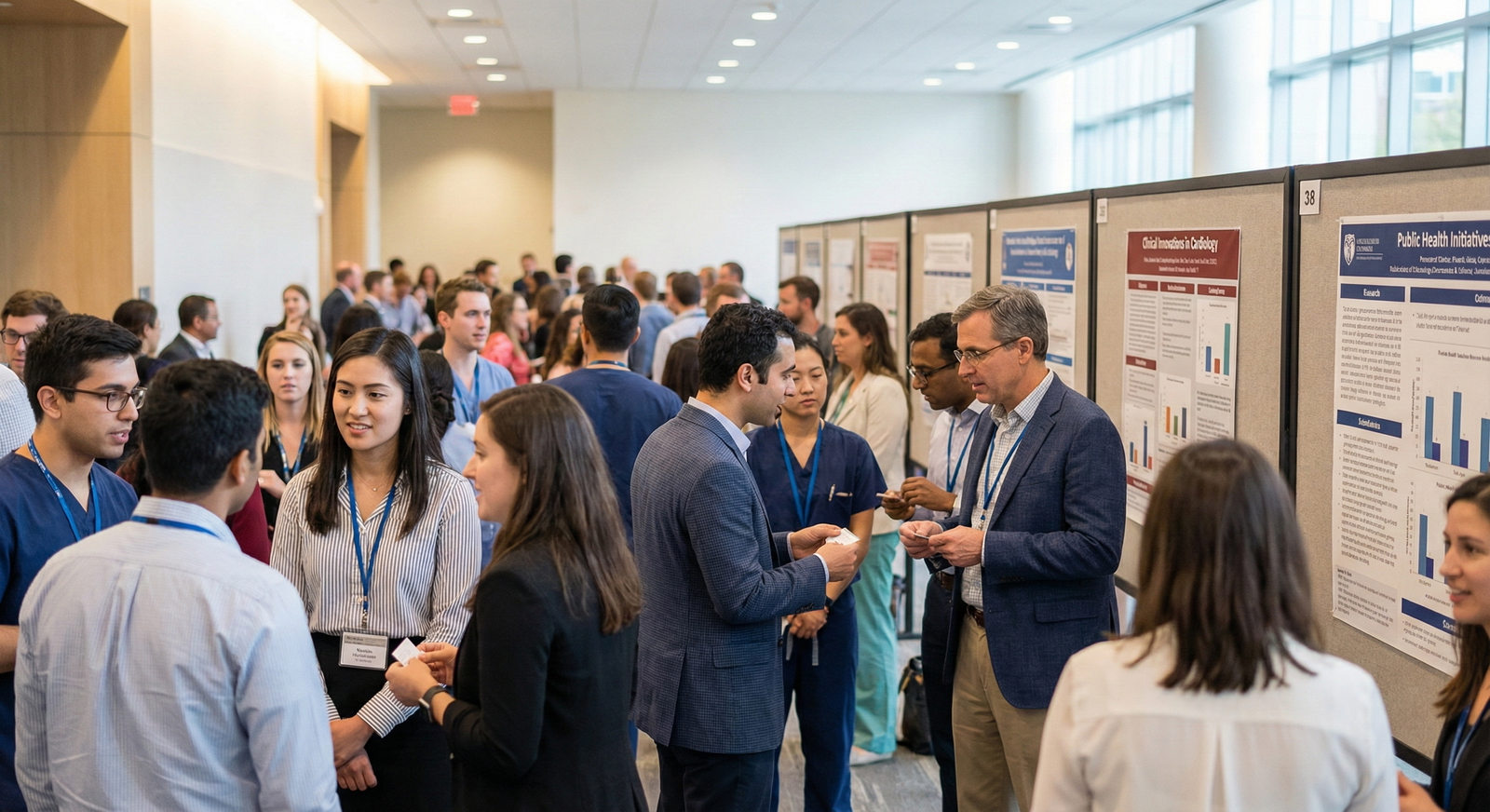
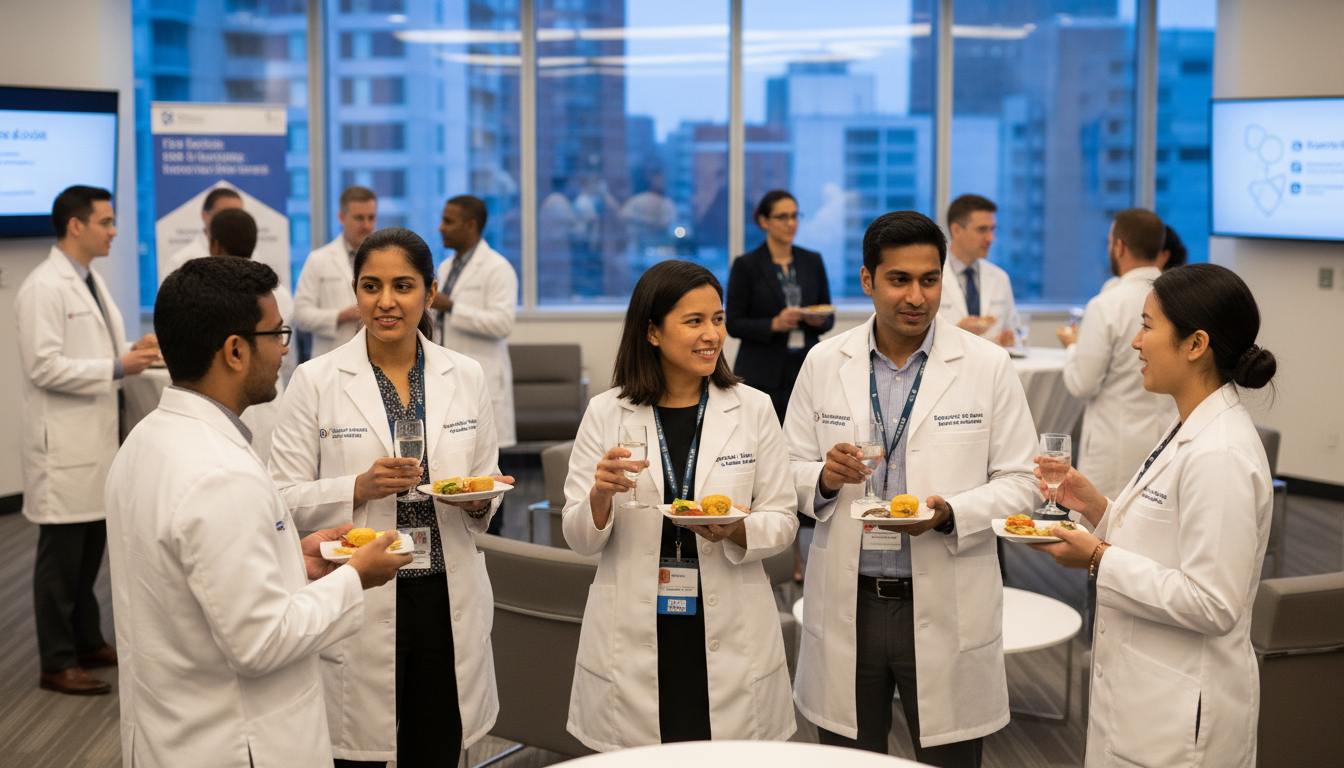
Beyond your home institution, conference networking and involvement in professional organizations can significantly expand your opportunities—especially if local categorical positions are limited.
1. Choose the Right Meetings for a Prelim Surgery Resident
For a DO graduate focusing on a preliminary surgery year, consider:
- American College of Surgeons (ACS) Clinical Congress
- Association of Program Directors in Surgery (APDS)–related sessions (when accessible)
- Specialty conferences aligned with your interests (e.g., trauma, vascular, surgical oncology)
- Regional/state surgical society meetings (often easier to attend and more intimate)
Ask faculty or chief residents:
“Which surgical meetings are most useful for someone in a prelim surgery position looking for categorical spots or networking opportunities?”
2. Prepare for Conference Networking Like an Interview
Treat each meeting as a compressed residency fair.
Before the conference:
Review the program and identify:
- Sessions run by residency program leadership
- Panels on education, training pathways, or early-career development
- DO surgeons or faculty (when listed)
Reach out to anyone you have a connection with:
- “Dr. X from my institution suggested I introduce myself if you’re attending ACS. Would you have 10–15 minutes during the meeting for a brief conversation about training pathways?”
Prepare a 30-second introduction tailored to your situation:
“I’m Dr. [Name], a DO graduate in a preliminary surgery residency at [Institution]. I’m very interested in pursuing a categorical general surgery position and have particular interests in [e.g., acute care surgery, minimally invasive]. I’m here to learn more about training environments and potential opportunities.”
During the conference:
- Attend resident and early-career sessions and ask one well-phrased question if appropriate.
- Introduce yourself after relevant talks:
- “Dr. [Last Name], I really appreciated your talk on [topic], especially your point about [detail]. I’m a DO prelim surgery resident considering categorical spots. Would you be open to a brief email follow-up after the meeting?”
After the conference:
- Send concise follow-up emails within 3–5 days:
- Remind them who you are and what you discussed
- Ask one or two specific questions or request ongoing advice
- If relevant, mention your search for open categorical positions
This structured approach to conference networking is far more effective than just collecting business cards.
3. Presenting Research as a Networking Accelerator
Even small projects can dramatically increase your visibility:
- Ask attendings: “Are there any quality improvement projects, chart reviews, or case series I can help with that might be ready for a poster or abstract?”
- Aim to submit abstracts to regional or national meetings, especially if they involve:
- Surgical education
- Outcomes research
- Quality improvement
At the poster:
- Stand presentably, with a clear 2-minute explanation of your work.
- When PDs or faculty stop by:
- Share your prelim status and goals briefly.
- Ask: “Does your program ever take prelims into categorical positions?”
Your poster becomes a natural way to start conversations about your path.
Using Digital Platforms and Informal Channels Strategically
Networking today extends far beyond in-person interactions. For a time-pressed prelim surgery resident, online tools can amplify your efforts.
1. Optimize Your Professional Online Presence
LinkedIn and X (Twitter) can be powerful if used intentionally.
Profile basics:
- Professional headshot
- Headline: “Preliminary Surgery Resident | DO Graduate | Interested in Categorical General Surgery”
- Brief summary of training, research interests, and goals
Content strategy:
- Share updates about:
- Poster presentations
- Accepted abstracts
- QI projects you’ve participated in
- Engage with posts by:
- Surgical education leaders
- Program directors and residency accounts
- Specialty societies
- Share updates about:
Example introduction message to a PD or faculty member you followed online:
“Dear Dr. [Last Name],
I’m a DO graduate currently in a preliminary surgery year at [Institution]. I’ve learned a lot from your posts about [topic]. I’m very interested in pursuing a categorical general surgery position and would be grateful for any general guidance you have for prelim residents navigating that process.
Best, [Name], DO”
2. Email and Listservs for Off-Cycle Positions
Many open categorical or PGY‑2 positions in surgery never hit the main job boards.
- Ask your PD or faculty mentors:
- “If you hear of categorical or PGY‑2 openings suitable for a prelim DO graduate, would you be willing to keep me in mind or share contacts?”
- PDs often circulate openings via:
- APDS listservs
- Professional society emails
Your goal is to sit in the “top of mind” category when these opportunities surface.
3. Respect Professional Boundaries
Digital medical networking must always preserve professionalism:
- Use institutional email for most professional communication.
- Avoid posting patient details or venting about your program.
- Keep messages concise, polite, and avoid sending late-night emails unless time‑sensitive.
For a DO graduate trying to move from a preliminary surgery residency into categorical training, your digital behavior is part of your reputation.

Turning Networking into Concrete Opportunities During a Preliminary Surgery Year
Networking only matters if it leads to tangible outcomes: interviews, letters, opportunities, or clear decisions about your path. Converting relationships into real career momentum is especially urgent in a time-limited prelim surgery residency.
1. Clarify Your Goal Early in the Year
By the first 3–4 months, you should have a primary plan and at least one backup:
- Primary goal examples:
- Transition into a categorical general surgery position
- Pivot from prelim surgery to anesthesiology, radiology, or EM
- Pursue another surgical specialty (e.g., urology) after a prelim year
Communicate this clearly but tactfully to mentors:
“My primary goal is a categorical general surgery position, ideally starting PGY‑2. If that becomes unlikely, I’m also considering applying to [backup specialty]. I’d value your honest opinion on my competitiveness and strategy.”
Honesty allows mentors to tailor their sponsorship—whether that’s promoting you internally or recommending programs that routinely take prelims.
2. Ask Directly About Internal Options
If you want to stay at your current institution:
- Around mid‑year, have a transparent conversation with your PD:
- “Are there historically opportunities for prelim residents to convert to categorical spots here?”
- “What specific benchmarks would I need to meet for serious consideration?”
If internal conversion is unlikely, you’ve learned this early enough to intensify external networking.
3. Use Networking to Strengthen Your Application Narrative
In your personal statements and interviews, emphasize:
- What you learned from your preliminary surgery year:
- Teamwork, resilience, high-acuity care, procedural skills
- Evidence that surgeons know and trust you:
- Letters from respected surgical faculty
- Mentors willing to speak by phone with PDs
A DO graduate with a prelim surgery year and strong sponsor letters can be very attractive to programs needing residents who can “hit the ground running.”
4. Coordinate Mentors and References Strategically
Aim for 2–3 strong advocates who:
- Know you well clinically
- Understand and support your career goals
- Are willing to:
- Write detailed letters
- Respond to calls from PDs
- Provide honest, constructive feedback
Help them help you:
- Send an updated CV
- Provide a short summary of your year and accomplishments
- Share your list of target programs and timelines
This turns organic mentorship medicine into structured sponsorship.
5. Manage Time and Burnout While Networking
A preliminary surgery residency is intense; adding “networking” can feel overwhelming. Protect yourself with structure:
- Micro-networking:
- 5–10 minute conversations on call nights or after cases
- One strategic email per week
- Batch tasks:
- Set aside 30–45 minutes once a week to:
- Update your CV
- Send follow-ups
- Log potential opportunities
- Set aside 30–45 minutes once a week to:
Remember: Consistency beats intensity. A small, steady networking effort over a year outperforms frantic, last-minute outreach.
Common Pitfalls in Networking for DO Prelim Surgery Residents (and How to Avoid Them)
Pitfall 1: Being Vague About Your Goals
If you tell everyone, “I’m keeping my options open,” they won’t know how to help. Instead:
- Choose a primary and secondary plan.
- Communicate them clearly to mentors and sponsors.
Pitfall 2: Treating Networking as Transactional
People sense when you’re only interested in what they can do for you. Focus instead on:
- Genuine curiosity about their career path
- Asking thoughtful questions
- Showcasing your dedication to patient care and learning
When faculty feel respected and valued, they’re more inclined to advocate for you.
Pitfall 3: Waiting Too Late in the Year to Start
Many prelims delay networking until late PGY‑1, when some positions are already gone. Start early:
- Months 1–3: Build relationships and prove yourself clinically.
- Months 4–8: Actively seek information about openings, secure letters, attend a conference if possible.
- Months 9–12: Intensify outreach, submit applications, and follow up on leads.
Pitfall 4: Overemphasizing the DO vs MD Issue
As a DO graduate, you may feel pressure to “explain” your credential. Address it simply and confidently:
- Highlight your osteopathic training strengths (holistic care, MSK skills—if relevant).
- Emphasize that your performance in a rigorous preliminary surgery year demonstrates your capability in any environment.
- Then move the conversation toward your goals, skills, and contributions.
Over-focusing on DO vs MD can obscure your unique strengths.
FAQs: Networking in Medicine for DO Graduates in Preliminary Surgery
1. As a DO graduate, will my preliminary surgery year actually help me match into a categorical spot?
Yes—if you use it strategically. A strong prelim surgery residency year shows:
- You can function at the level of a categorical intern
- You’ve handled high acuity, long hours, and complex patients
- Surgeons have directly observed and evaluated you
When combined with targeted networking, strong letters, and active mentorship, your prelim year can significantly improve your chances in the next cycle—sometimes even leading to mid‑year openings.
2. How should I introduce my prelim status when networking at conferences or online?
Use a confident, concise script:
“I’m Dr. [Name], a DO graduate currently in a preliminary surgery residency at [Institution]. I’m working toward a categorical position in general surgery and am especially interested in [specific area].”
State your status straightforwardly and move quickly to your strengths—interests, experience, and goals.
3. What if my program has limited opportunities and minimal interest in converting prelims to categorical?
This is where external networking becomes crucial:
- Seek mentorship from attendings who have connections at other institutions.
- Attend at least one regional or national meeting if possible.
- Use professional social media and email to reach PDs at programs known to accept prelims into categorical spots.
- Ask your PD and mentors honestly:
- “If internal conversion is unlikely here, which programs would you recommend I target given my performance so far?”
Your performance plus strong advocacy from respected surgeons can overcome structural limitations at your home institution.
4. How do I balance clinical excellence with networking without burning out?
Think of networking as integrated into your clinical work, not separate from it:
- Turn cases, rounds, and sign-outs into opportunities to learn and build rapport.
- Schedule small, regular blocks for follow-ups (e.g., 20–30 minutes on one post-call day).
- Say no to extra commitments that don’t align with your goals or values.
Protecting your own well‑being makes your networking more sustainable—and more authentic.
A preliminary surgery year as a DO graduate can feel uncertain, but it is also a powerful proving ground. By approaching networking in medicine deliberately—leveraging your day-to-day work, conferences, digital tools, and mentorship—you can transform a time-limited prelim role into a strong foundation for the next step in your surgical or medical career.