Why Networking Matters in Emergency Medicine
Networking in medicine is not about collecting business cards or awkward small talk at conferences. In emergency medicine (EM), it is a strategic, relational skill that can shape your training, your EM match outcomes, and your entire career path.
Emergency medicine is a relatively small, interconnected specialty. Attendings know each other across regions, program directors talk frequently, and reputations—both good and bad—travel fast. Thoughtful, authentic networking helps you:
- Strengthen your EM residency applications and interview invitations
- Identify mentors and sponsors who will advocate for you
- Discover away rotations, research, QI, and leadership opportunities
- Gain insider insight into programs before rank lists
- Build a support system for the emotional challenges of EM
- Position yourself for fellowships and early career jobs
In this guide, you’ll learn how to build a strategic network in emergency medicine at every phase—pre-clinical, clinical, and early residency—with concrete steps, examples, and scripts you can start using immediately.
Foundations of Networking in Emergency Medicine
Before diving into tactics, it’s critical to reframe what “medical networking” actually is.
Networking vs. “Schmoozing”
Unhelpful view:
“Networking is transactional—I talk to people so I can get something from them (a letter, an interview, a position).”
Productive view:
“Networking is building professional relationships grounded in respect, reciprocity, and shared interests over time.”
In EM in particular, people value:
- Directness and clarity
- Reliability and follow-through
- Willingness to pitch in and help the team
- Humility and teachability
If your networking reflects those values, you’ll stand out.
The Three Core Pillars: Mentors, Sponsors, and Peers
To build a durable EM network, you need three types of relationships:
Mentors (Mentorship in Medicine)
- Help you think through decisions, develop skills, and navigate setbacks.
- Examples: Clerkship director, ultrasound faculty, EM research PI, senior resident.
Sponsors
- Use their influence to open doors: recommending you for away rotations, awards, committees, fellowships, or jobs.
- Often program leadership, well-connected attendings, national committee members.
Peers
- Co-students, residents, and early-career physicians who grow with you.
- Provide real-time support, study partnerships, wellness checks, and insider knowledge about programs.
Strong EM networking is intentionally cultivating all three.
How Networking Directly Impacts the EM Match
The EM match is holistic but highly relationship-driven. Effective networking can:
- Secure strong, detailed SLOEs (Standardized Letters of Evaluation) from EM rotations
- Lead to additional interview invitations via word-of-mouth recommendations
- Improve fit assessment—you better understand a program’s culture and expectations
- Create backchannel support—someone at Program A vouching for you to Program B
Example: A student rotates at Hospital X, works closely with Dr. Lopez, who later introduces them to a colleague at Hospital Y’s EM residency during a conference. When the student submits an application to Hospital Y, the PD already has a positive impression from Dr. Lopez’s recommendation and is more likely to take a close look.
Building Your EM Network in Medical School
Pre‑Clinical Years: Laying the Groundwork
You don’t need to know 100% that EM is your path to start networking in EM. Early exposure and relationships can help you decide.
Low-lift steps you can take before 3rd year:
Join EM Interest Groups (EMIG)
- Volunteer for a leadership role: workshop coordinator, speaker liaison, or research chair.
- Organize events like:
- Suture and splinting workshops
- EM physician career panels
- Nights in the ED shadowing program
This naturally puts you in contact with EM faculty and residents.
Seek an EM Faculty Advisor
Email your EMIG advisor or clerkship director:
“I’m an M1/M2 interested in learning more about emergency medicine. Would you be willing to meet for 20–30 minutes to talk about EM as a career and how I can prepare for EM rotations and the EM match?”
Have questions ready: lifestyle, training pathways, how they chose EM, what they wish they had known.
Get Involved in EM‑Relevant Projects
- Quality improvement: triage flow, sepsis protocols, ultrasound education modules
- Research: chart reviews on ED outcomes, education studies, simulation curricula
Even small roles—data entry, literature reviews—create reasons to connect with faculty over months, not minutes.
Start Building a Professional Online Presence
- Clean up social media or make accounts private.
- Create a professional LinkedIn profile.
- Consider a simple online CV/portfolio highlighting:
- EM-related activities
- Presentations or posters
- Leadership roles
This quiet groundwork pays off when you enter clinical years and need letters, opportunities, or advice about the EM match.
Clinical Years: Networking on Rotations (Home and Away)
Your EM rotations are the single most powerful networking opportunity you will have before residency.
Principles for Networking on Shift
On every EM shift, you are simultaneously:
- Learning clinical medicine
- Being informally evaluated
- Building a professional brand
Your “networking” is mostly your work ethic and behavior in real time.
Key behaviors that build a strong reputation:
- Show up early; introduce yourself to the attending, senior resident, nurses, and techs.
- Ask, “How do you like to run the team?” and adapt quickly.
- Present clearly and concisely; accept feedback without defensiveness.
- Volunteer: “I can grab that EKG,” “I’ll put in those orders,” “Can I try this procedure?”
- Close the loop: always follow up on lab results and patient disposition.
Later, when you ask for a SLOE or a letter, the attending remembers you as a competent, enthusiastic, reliable team member—not just a name.
Turning Clinical Impressions into Lasting Connections
Instead of ending a rotation with “Thank you, this was great!”, try:
End-of-Rotation Check‑In
- “I’ve really appreciated working with you. I’m planning to apply emergency medicine this cycle. Could I get 10–15 minutes of feedback on how I can strengthen my application and performance on away rotations?”
Ask for Permission to Stay in Touch
- “Would it be okay if I email you in a few months with updates or a few questions as I navigate the EM match?”
Most EM faculty will say yes—and they mean it.
Maintain the Connection
- A “light touch” email every few months:
- 3–4 months later: “I just completed my first away rotation at ___ and wanted to share an update…”
- After interviews: “I appreciated your advice about ___; it helped me handle interview questions about ___. I’ll let you know how things turn out.”
- A “light touch” email every few months:
Authentic, spaced-out communication avoids coming off as transactional.
Away Rotations: High‑Yield, High‑Visibility Networking
Away rotations are your audition months—both for that program and indirectly for others. They are also intense networking incubators.
On away rotations, focus on three groups:
Program Leadership
Introduce yourself to the PD and APDs early:
“I’m excited to be here this month. I’m planning to apply to emergency medicine and would appreciate any feedback along the way.”Ask for mid-rotation and end-rotation feedback; it signals maturity and coachability.
Core EM Faculty
- Identify a few attendings you work especially well with.
- Ask:
- “I’ve really enjoyed working with you this month. Would you feel comfortable writing a SLOE for me?”
- “Do you have any suggestions for programs I should look at based on my goals and academic profile?”
Residents
- Learn from them:
- “What made you choose this program?”
- “If you were redoing your EM match, what’s one thing you would do differently?”
- Residents are often the most honest sources about culture, workload, and how the program treats learners.
- Learn from them:
Conference Networking: From Awkward Mingling to Strategic Connections
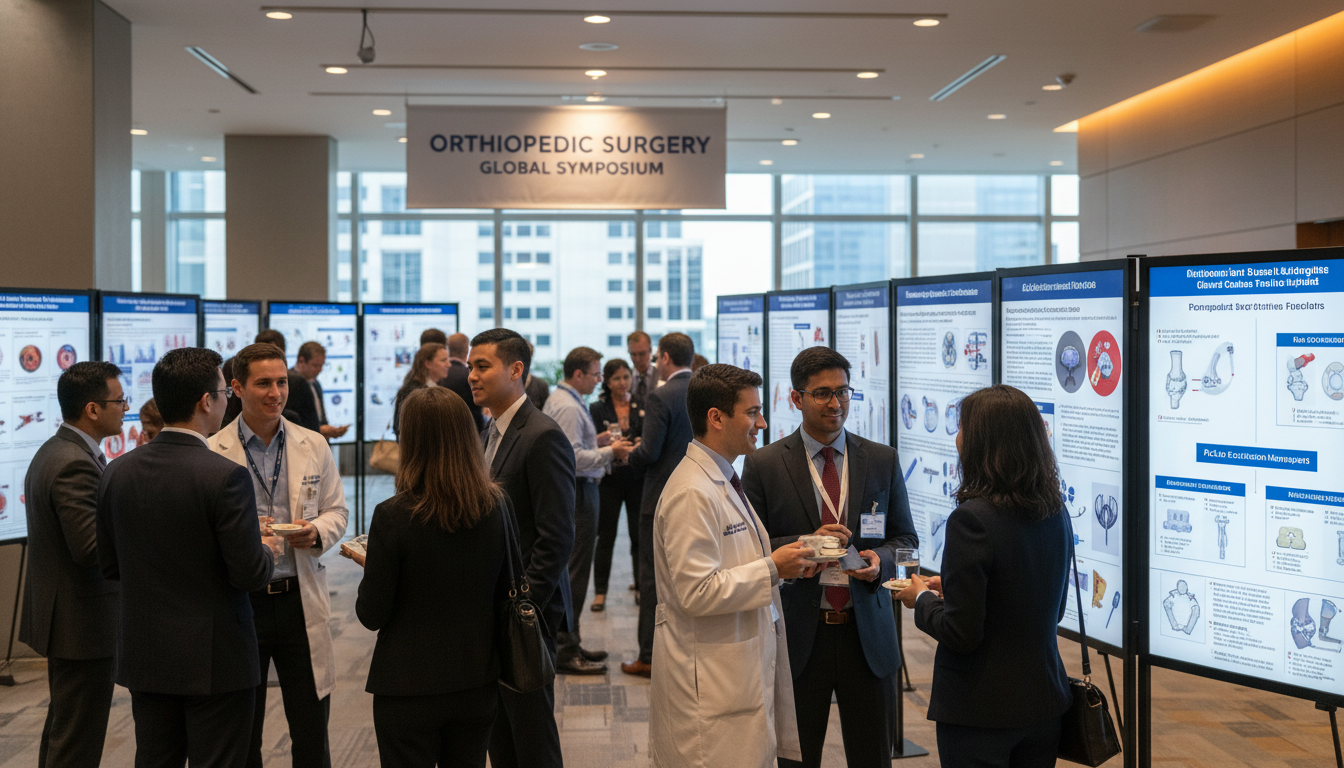
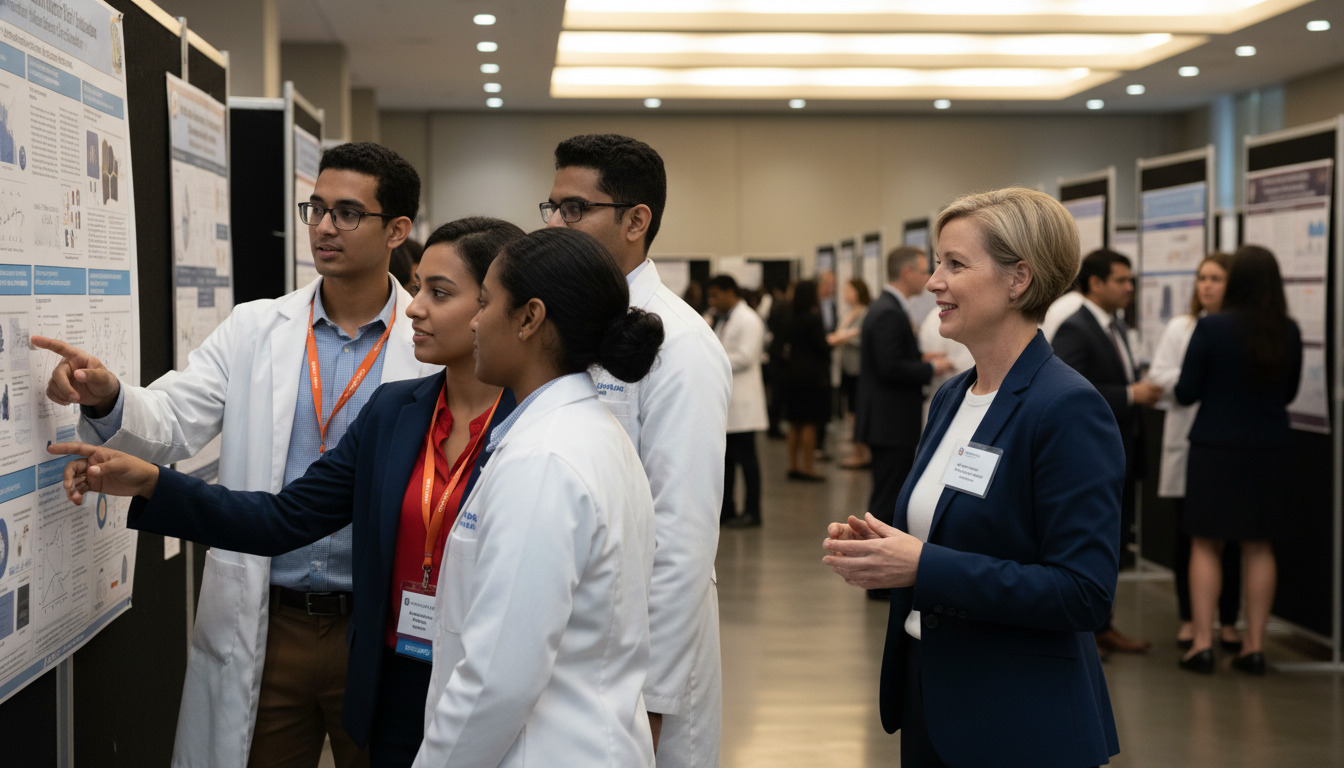
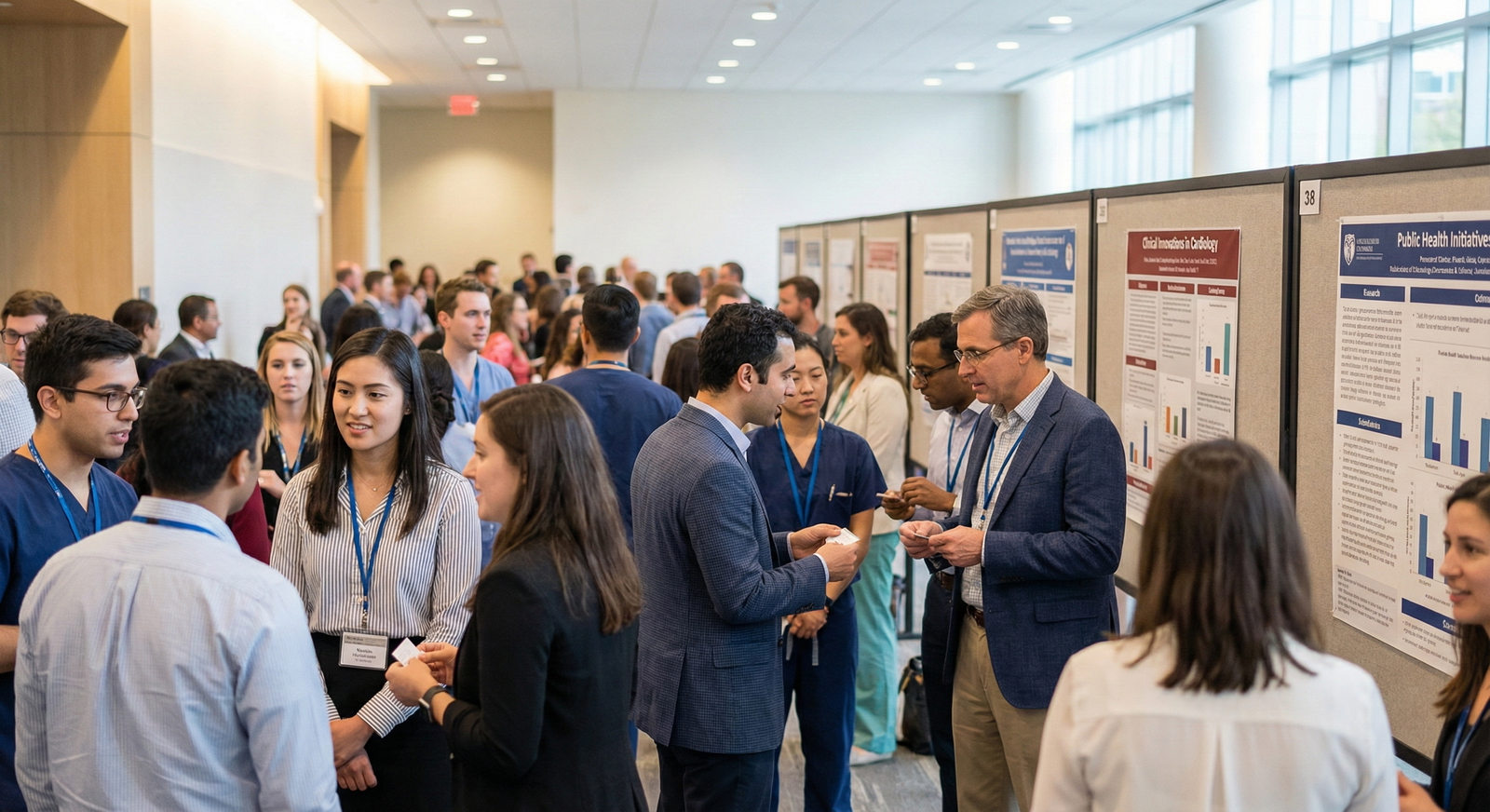
Conferences are some of the highest-yield venues for medical networking in emergency medicine—if you use them well.
National EM conferences include:
- SAEM (Society for Academic Emergency Medicine)
- ACEP (American College of Emergency Physicians)
- AAEM (American Academy of Emergency Medicine)
- CORD (Council of Residency Directors in EM) – especially valuable in the EM match era
- Regional and state EM society meetings
Before the Conference: Plan Your Networking Targets
Identify People and Programs
- Look at the agenda and faculty lists: who is speaking on EM education, ultrasound, toxicology, global EM, or topics you care about?
- Note program showcases, residency fairs, or “EM match” panels.
Reach Out Briefly Ahead of Time
- For a faculty member whose work interests you:
“Dear Dr. ___, I’m a third-year medical student interested in emergency medicine and very interested in your work on ___. I’ll be attending ___ Conference and noticed you’re speaking on ___. If you have 5–10 minutes after your session, I’d appreciate the chance to briefly introduce myself and ask one or two questions.”
Pre‑contact makes an in‑person interaction less cold.
- For a faculty member whose work interests you:
Prepare Your “One‑Minute Story” Be ready to succinctly answer:
- Who you are (year, school, current stage)
- Why EM
- What you’re interested in within EM (e.g., ultrasound, education, critical care, advocacy)
- What you’re hoping to learn/do at this conference
During the Conference: Concrete Scripts and Moves
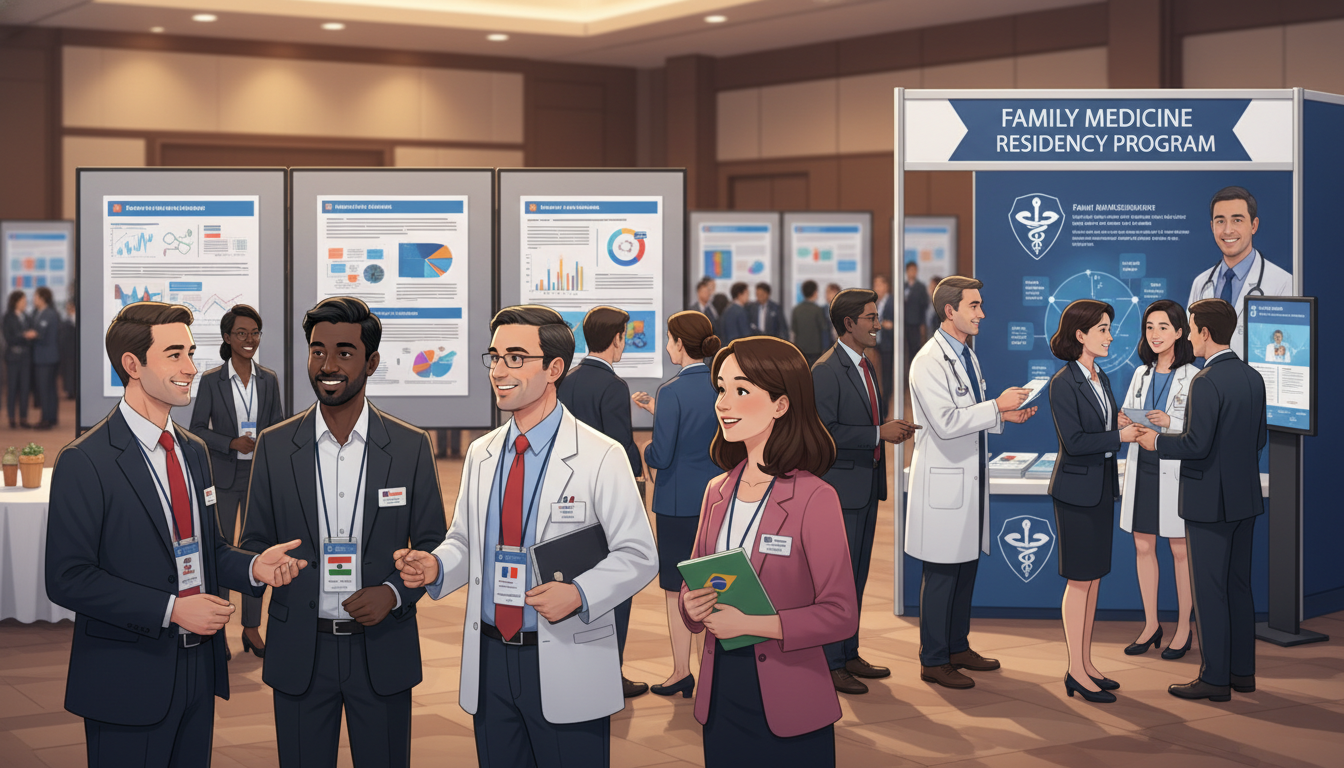
At Residency Fairs:
Introduce yourself to residents first; they make it easier to approach faculty:
“Hi, I’m ___, an M3 from ___ interested in emergency medicine. Can you tell me what you like most about your program’s culture and what kind of residents tend to thrive there?”Then approach faculty with a specific angle:
“I’m particularly interested in ___ (global EM, ultrasound, etc.). I saw your program has ___ (international rotation, ultrasound fellowship). Could you share a bit more about that?”
After a Talk or Panel:
- Let 1–2 people go first; then approach the speaker:
“Thank you for your talk on ___. I’m a medical student interested in EM and especially in ___ (topic). One question I had was ___.”- If conversation goes well:
“Would it be okay if I sent you an email to follow up about potential ways for a student to get involved in similar projects?”
- If conversation goes well:
At Social Events or Receptions:
Use simple entry lines:
- “Hi, I don’t think we’ve met yet—I’m ___. What brings you to this conference?”
- “Are you with a residency program or medical school?”
When approaching a group with name badges:
- Join the circle, wait for a lull, smile:
“I’m ___. I’m a student looking at emergency medicine. Mind if I join you?”
- Join the circle, wait for a lull, smile:
EM people are generally friendly and remember what it felt like to be in your position.
After the Conference: Turn Contacts into Relationships
Within 3–5 days, send targeted follow‑up emails:
- Basic template:
Subject: Great to meet you at [Conference Name]
Dear Dr. ___,
It was a pleasure meeting you at [event/session] at [conference]. I appreciated your insights about [specific topic you discussed].As I move toward the EM match, I’m particularly interested in [topic or program feature]. If you have any suggestions for next steps or people I should connect with, I’d be grateful for your advice.
Thank you again for your time,
[Name, medical school, class year, contact info]
Include one specific callback to your conversation so they can remember who you are.
Mentorship and Sponsorship in EM: Finding and Working with Mentors
Mentorship in medicine is often talked about but rarely taught. In emergency medicine, where careers can take many directions—clinical, academic, administrative, global, fellowship—it’s especially important.
Finding the Right Mentors in EM
You will likely need more than one mentor:
- Career Mentor: Guides big-picture choices: EM vs other fields, academic vs community, fellowship decisions.
- Content Mentor: In a niche area like ultrasound, simulation, global EM, administration.
- Application Mentor: Familiar with EM match trends, SLOEs, and program reputations.
- Wellness/Life Mentor: Someone you can talk to candidly about burnout, work‑life integration.
Potential sources:
- EMIG and clerkship directors
- Attendings you clicked with on rotation
- Residents one or two years ahead of you
- Faculty at other institutions you met through conferences or virtual events
How to Ask Someone to Mentor You (Without Making it Awkward)
You don’t have to say “Will you be my mentor forever?” Start small and specific:
- “Would you be open to a 20–30 minute meeting to discuss my interest in emergency medicine and get your perspective on my next steps?”
- After a helpful meeting:
- “This was really valuable—would you be open to my checking in intermittently as I move toward the EM match?”
A relationship becomes mentorship over time as you show:
- You’re accountable (act on their advice)
- You’re respectful of their time
- You’re honest about your goals and concerns
Being a Good Mentee
Your behavior shapes whether mentors and sponsors are willing to go to bat for you.
Best practices:
- Come prepared: Send a brief agenda or list of questions before meetings.
- Be honest about your record: Share exam scores, any leaves, failures, or concerns upfront; they can’t help you navigate what they don’t know.
- Follow through: If they suggest next steps (e.g., “email Dr. X,” “read this article”), do it and later report back.
- Express appreciation: A sincere thank-you email or note goes a long way.
Over time, solid mentorship medicine naturally evolves into sponsorship: they’ll think of you when opportunities arise and speak highly of you to colleagues and program directors.
Networking During and After EM Residency
Networking does not end when you match—it accelerates.
Networking as an EM Resident
As a resident, you now represent your program. Your “networking in medicine” happens daily:
- On shift with consultants: how you negotiate admissions and consults shapes your reputation.
- With nurses, EMS, and ancillary staff: word spreads fast about which EM residents are respectful team players.
- Across other departments: these people may later be your colleagues, partners, or references.
Specific networking moves during residency:
Get Involved in Departmental Projects
- Sepsis pathway redesign, ultrasound teaching, resident wellness committee, scheduling committee.
- This brings you into close contact with leaders who can recommend you for fellowships and jobs.
Attend Regional and National EM Conferences
- Present posters or talks; join early-career sections of ACEP/SAEM/AAEM.
- Introduce yourself as:
“I’m a PGY‑2 at [Program]. I’m particularly interested in [topic]. I enjoyed your session on ___. Could I ask how you got involved in that area?”
Join Specialty Interest Sections
- EM/critical care, ultrasound, global EM, administration, pediatrics.
- Many have listservs, mentorship programs, and virtual meetups.
Build Long‑Term Peer Networks
- Your co-residents and co-fellows will disperse nationwide; maintaining these relationships creates:
- Job leads
- Collaboration opportunities
- Emotional support when things get hard
- Your co-residents and co-fellows will disperse nationwide; maintaining these relationships creates:
Transitioning from Residency to Fellowship or First Job
By PGY‑2/PGY‑3, networking becomes directly tied to your next career step.
For Fellowship (e.g., ultrasound, critical care, toxicology, EMS, global EM):
- Seek mentors in your subspecialty early.
- Ask:
- “Which fellowships have the culture and training volume I’m looking for?”
- “Who should I talk to at [Institution] about their program?”
- Ask your mentors:
- “Would you feel comfortable reaching out to Dr. ___ on my behalf when I apply?”
For Your First Job:
Many positions are filled before they’re publicly posted—via:
- Former residents now at other groups
- Attendings with contacts in regional systems
- Fellowship directors connected with hiring groups
Let your network know what you’re seeking:
“I’ll be finishing residency next year and am looking for a position in [region] with a [community/academic] environment, strong [teaching/trauma/peds] exposure. If you hear of anything that might fit, I’d appreciate any leads.”
Consistent, respectful communication over years makes people want to help when you reach this stage.
Practical Networking Tips and Pitfalls to Avoid
Do’s for Effective EM Networking
- Do be specific with your asks (“Can you review my ERAS list?” vs. “Can you help me with applications?”).
- Do respect boundaries and time (plan 20–30 minute meetings; show up prepared and on time).
- Do keep a simple contact list (spreadsheet or notes app with names, roles, where you met, and follow-up dates).
- Do offer value when you can (send useful articles, volunteer, help with a project, serve on committees).
- Do show longitudinal interest (stay in touch beyond the moment you “need” something).
Common Mistakes in Medical Networking
Being purely transactional
- Only contacting someone when you need a letter or favor.
- Fix: Start building relationships well before you need anything.
Oversharing or unprofessional behavior
- Complaining about other programs or badmouthing colleagues. EM is small; this travels.
- Fix: Keep your tone professional, curious, and constructive.
Neglecting residents and peers
- Focusing only on attendings and PDs.
- Fix: Recognize residents and co-students as key parts of your long-term network.
Forgetting follow-up
- Not updating mentors who advocated for you after the EM match or job search.
- Fix: Close the loop—share outcomes and gratitude.
FAQs: Networking in Emergency Medicine for Residency Applicants
1. I’m introverted. Can I still be effective at networking in medicine?
Yes. You do not have to be extroverted to build a strong EM network. Focus on:
- One-on-one or small‑group conversations rather than large receptions.
- Prepared questions so you don’t rely on improvising small talk.
- Written follow-up (emails, short updates), where many introverts shine.
Authenticity matters more than volume. Thoughtful, quiet dependability is very respected in emergency medicine.
2. How early should I start networking for an emergency medicine residency?
Ideally by M1/M2, but it’s never too late:
- M1/M2: EMIG, shadowing, early research/QI exposure.
- M3: Strong home rotation performance; start connecting with EM faculty.
- Early M4: Away rotations, conferences, program outreach, SLOE requests.
Even if you decide on EM late, you can still build a concentrated network through rotations, the EMIG, and targeted outreach.
3. Is it okay to email a program director directly during the EM match season?
Yes—if you do it thoughtfully and sparingly. Appropriate reasons include:
- Clarifying application questions
- Expressing genuine, specific interest in the program
- Updating them on a major change (new SLOE, significant new publication, major exam result)
Avoid mass, generic emails. Keep it concise, professional, and grounded in clear reasons why you are interested in that specific program.
4. How do I maintain relationships after matching into an emergency medicine residency?
After the EM match:
- Email mentors to share where you matched and thank them for their help.
- Send yearly updates on milestones (rotations, presentations, fellowships).
- Offer help if you can (e.g., talk to their interested students about your program).
Mentors and sponsors value seeing your trajectory and often become lifelong contacts as you grow into the specialty.
Networking in medicine in emergency medicine is not a one-time project; it’s a career-long habit. By approaching EM networking as relationship‑building—grounded in curiosity, reliability, and respect—you position yourself not just for a successful EM match, but for a sustainable, fulfilling life in this demanding and rewarding specialty.