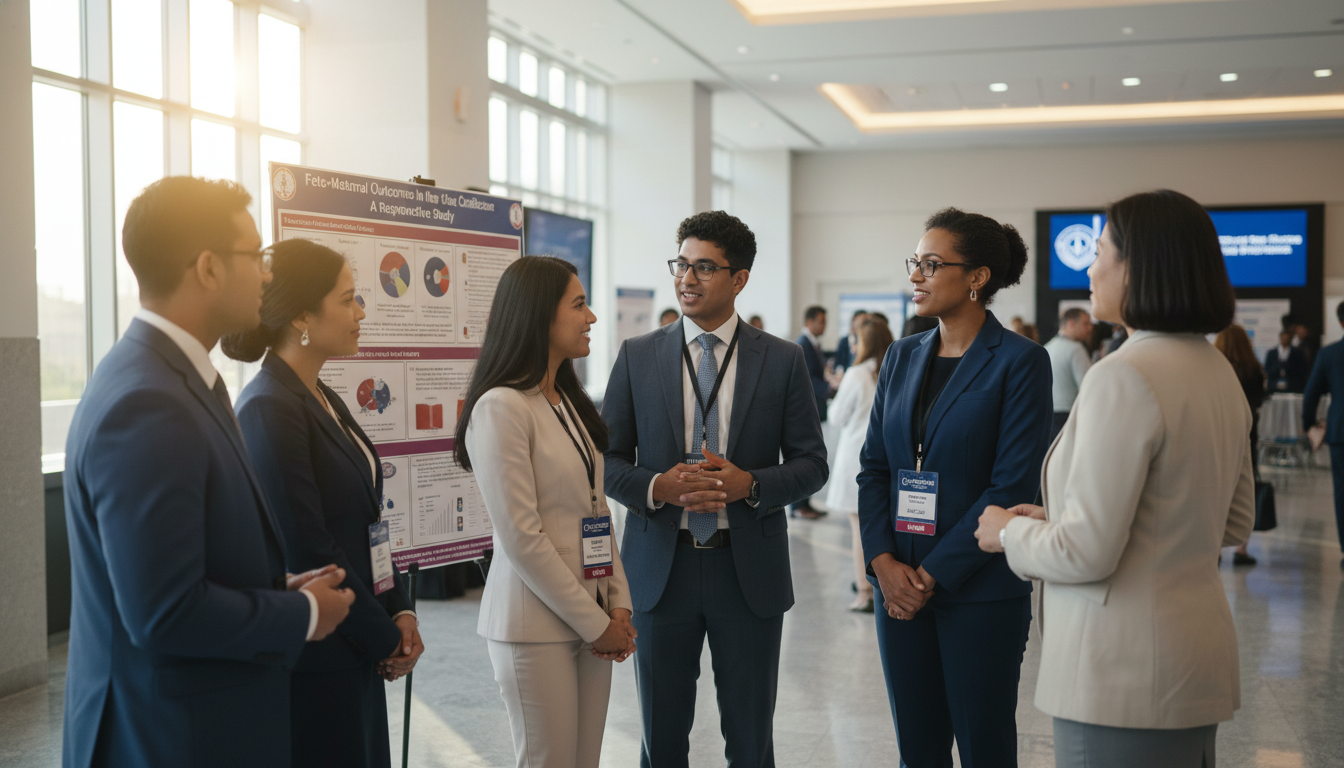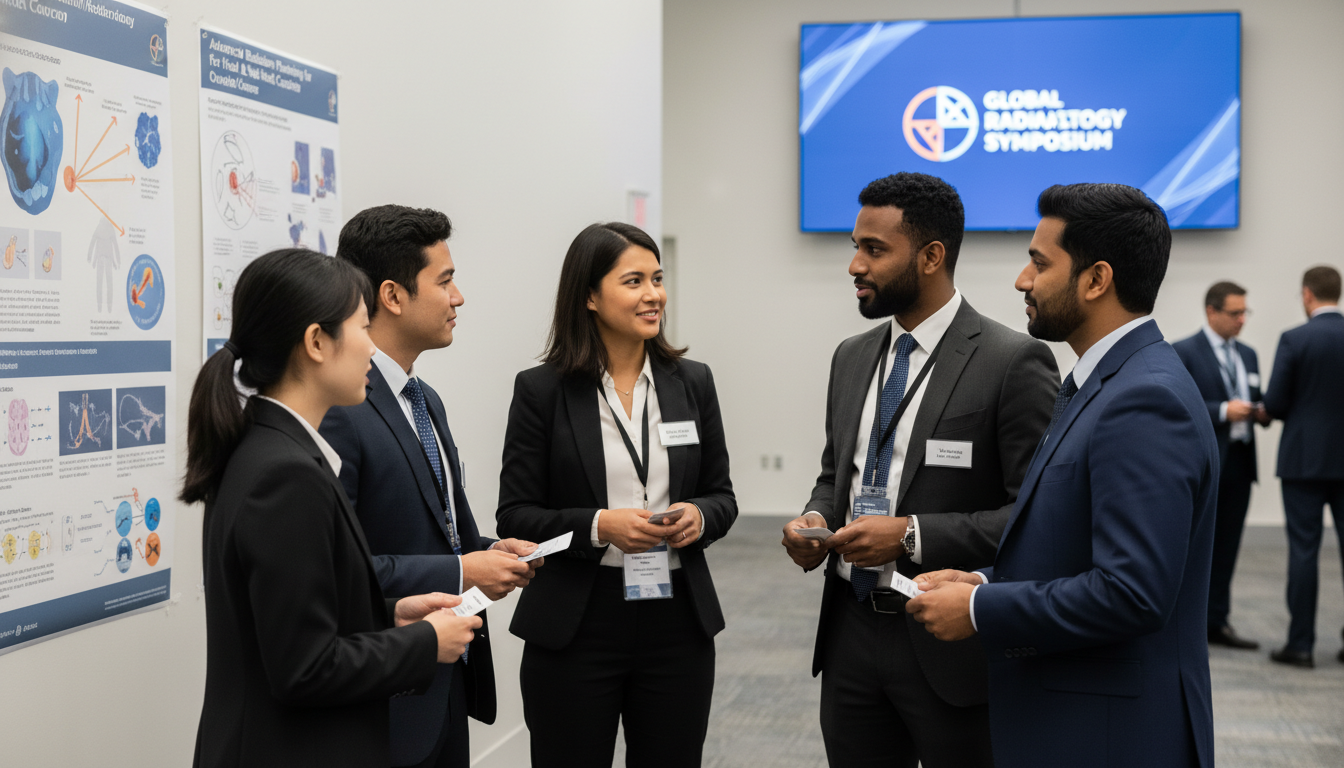
Networking in medicine can feel intimidating for any trainee, but for a non-US citizen IMG targeting radiation oncology residency it’s often the decisive factor between matching and going unmatched. Radiation oncology is a small, relationship‑driven field; program directors and faculty frequently know each other, share impressions of applicants, and remember faces from conferences and research collaborations.
This article focuses on how a foreign national medical graduate can build a powerful, authentic professional network in radiation oncology—even if you’re overseas and have no initial US connections.
Why Networking Matters So Much in Radiation Oncology
Radiation oncology is uniquely dependent on medical networking for several reasons:
Small specialty, tight community
Most US radiation oncology departments are relatively small (often 6–20 residents total). Faculty attend the same national meetings and are active in overlapping research groups. Word travels quickly—both positive and negative.Research and academic focus
Many departments expect residents to be comfortable with research, clinical trials, and multi‑disciplinary collaboration. The easiest way for faculty to assess this is via your real-world interactions, research mentorship, and presence at conferences.Limited spots, high signaling value of relationships
The number of radiation oncology residency positions is much smaller than Internal Medicine or Pediatrics. A strong known advocate—a mentor who can personally vouch for you—often carries more weight than an additional publication.Visa and IMG considerations
As a non-US citizen IMG, you face extra scrutiny regarding:- Visa sponsorship (J‑1 vs H‑1B)
- Perceived readiness for US clinical practice
- Communication skills and cultural adaptability
A strong reputation built through networking and mentorship can counteract many of these concerns.
Bottom line: In the rad onc match, networking is not “extra”; it is a core strategy—especially for a foreign national medical graduate competing for limited spots.
Foundations of Effective Networking as a Non-US Citizen IMG
Before diving into conferences and emails, you need a clear, intentional strategy.
1. Clarify Your Radiation Oncology Story
People remember stories, not lists of achievements. You should be able to explain in 60–90 seconds:
- Who you are (medical school, country, stage of training)
- Why radiation oncology specifically (not just “I like oncology”)
- What you’ve done so far in rad onc (research, observerships, electives, patient care)
- What you’re looking for now (mentorship, research, away rotation, residency)
Example 60-second pitch:
“My name is Dr. Ahmed Hassan. I graduated from Cairo University and completed a rotating internship in Egypt. During my oncology rotation, I was drawn to radiation oncology because of its blend of physics, technology, and long‑term patient relationships. I’ve since worked on a small retrospective project on head‑and‑neck radiotherapy outcomes, and I’m now preparing for the rad onc match. I’m especially interested in gaining more US‑based clinical and research exposure, and I’d really value your advice on how someone with my background can become a competitive applicant.”
Practice this out loud. Adjust it depending on whom you’re speaking with (resident vs program director vs physicist).
2. Understand the Cultural Norms of US Medical Networking
As a non-US citizen IMG, there may be differences from your home country’s medical culture:
- It’s acceptable—and expected—to reach out by email or LinkedIn to ask for advice, feedback, or brief meetings.
- Hierarchy exists, but many US faculty are approachable if you are respectful, concise, and prepared.
- Following up is normal; you are not “bothering” people if done politely and with spacing (e.g., 7–14 days).
- People value reciprocity—even as a student you can give back via hard work, reliability, and helping with projects.
3. Build a Targeted Network Map
Networking is not just “talking to as many people as possible.” Focus on:
- US-based rad onc faculty with IMG experience
They understand the path and can advocate for you. - Program directors and associate program directors
Even brief positive interactions can shape how they view your application. - Radiation oncology residents
They are often the easiest entry point, giving honest insights and insider tips. - Medical physicists and dosimetrists
Valuable for research opportunities, especially if clinical research slots are limited. - Alumni from your home school or country now in US rad onc
Shared background = stronger connection, higher chances of support.
Create a spreadsheet with columns like: Name, Role, Institution, Email, How I found them, Date contacted, Response, Next step.
Building Your Network from Abroad (Before You’re in the US)
Many non-US citizen IMGs are still outside the US during their early networking efforts. You can still build a robust network before ever stepping foot in the country.
1. Leverage Digital Professional Platforms
Optimize your profile:
- Professional photo, clear headline (e.g., “International Medical Graduate Aspiring Radiation Oncologist”)
- About section: brief version of your radiation oncology story
- Experience: clinical roles, internships, research, teaching
- Featured section: PDFs of posters, first-author papers, or accepted abstracts if allowed
Strategies:
Follow major rad onc organizations (ASTRO, ESTRO, CARO).
Connect with:
- Residents in US radiation oncology programs
- Faculty whose papers you’ve read
- IMG rad onc residents (search “radiation oncology resident” + your country name)
Send personalized connection notes, e.g.:
“Dear Dr. ____, I’m a non-US citizen IMG from [country] interested in radiation oncology. I recently read your paper on [topic] and found [specific detail] especially insightful. I’m exploring how IMGs can become strong rad onc applicants in the US and would be grateful to connect and possibly learn from your experience.”
X (Twitter) / “MedTwitter”
Many radiation oncologists and residents are active on X:
- Follow hashtags: #radonc, #MedTwitter, #ASTRO24, #radiationoncology
- Engage by:
- Liking and commenting thoughtfully on educational threads
- Sharing brief reflections on articles you read
- Asking specific, respectful questions
This is a low‑barrier way to begin informal medical networking with leaders in the field.
2. Virtual Conference Networking
Many major meetings have virtual or hybrid access. For a foreign national medical graduate, this is a powerful, lower‑cost way to enter the community.
Key meetings:
- ASTRO Annual Meeting (core for US rad onc)
- ARRO (Association of Residents in Radiation Oncology) sessions
- Disease‑site specific meetings (e.g., SNO, ASCO, GU symposiums when radiation oncologists are heavily involved)
Action steps:
Register early; look for trainee/IMG discounts or scholarships.
Attend:
- Resident‑led panels (“How to Match in Rad Onc,” “Careers in Radiation Oncology”)
- Mentorship medicine events or “speed networking” sessions
- Meet-the-expert discussions
Use the meeting app or chat functions to ask brief, thoughtful questions.
After sessions, email speakers:
“Dear Dr. ____,
I’m a non-US citizen IMG from [country] who attended your ARRO session on [topic]. Your points about [specific detail] were especially helpful as I consider the rad onc match. If you have time, I’d be grateful for a brief email or 10–15 minute virtual conversation on how someone with my background might best prepare for a career in radiation oncology.”
This is targeted conference networking without needing to travel.
3. Remote Research and Collaboration
Remote research is one of the best ways for an IMG to convert networking into tangible outcomes.
Approach:
Identify potential mentors:
- Faculty with publications in areas you care about (e.g., SBRT, global oncology, health disparities)
- People who are active on Twitter/LinkedIn and seem open to mentorship
- Program websites listing research interests
Send a concise email (5–7 sentences):
- Who you are
- Why radiation oncology
- Why they specifically (reference a paper or talk)
- Your skills (data analysis, literature review, statistics software, languages)
- Ask if they have small, defined projects where you could help remotely
Example:
“I have experience with Excel and basic R, and have completed retrospective chart reviews in my home institution. I’d be very grateful if there were any small components of an ongoing project—such as data extraction or literature review—where I could contribute remotely under your supervision.”
Deliver excellence:
- Meet every deadline.
- Communicate clearly.
- Ask for feedback and respond professionally.
Good remote work often leads to:
- Co‑authorship on abstracts or manuscripts
- Strong letters of recommendation
- Invitations to visit the department or do an observership

In-Person Networking: Making the Most of US Exposure
When you do get to the US—whether for an observership, elective, research fellowship, or interview season—you must maximize every interaction.
1. On-Site Rotations and Observerships
These are often the single most powerful networking tools for a non-US citizen IMG.
Behaviors That Build a Strong Reputation
- Reliability: Be early, prepared, and present for the full day.
- Engagement: Ask thoughtful questions, but not during critical times (e.g., during complex contour review or time-pressured tasks).
- Initiative: Volunteer for:
- Drafting notes (if allowed)
- Preparing literature summaries on cases
- Helping residents with research tasks
- Professionalism:
- Introduce yourself confidently to each attending.
- Dress professionally and maintain appropriate boundaries.
- Be respectful to all staff—therapists, nurses, front desk. Word spreads.
Turning Daily Interactions into Mentorship
Don’t only focus on the program director; often it’s one engaged faculty member or one resident who becomes your primary advocate.
Examples of small asks:
- “Dr. ___, I’m very interested in radiation oncology but come from a non-US citizen IMG background. Would it be okay if I emailed you to set up a 15-minute meeting to get your advice on my long-term path?”
- “I really enjoyed working with you this week. If there are any small research projects I can help with—data collection or literature review—I’d be very enthusiastic to contribute.”
Over time, these small requests crystallize into formal mentorship relationships.
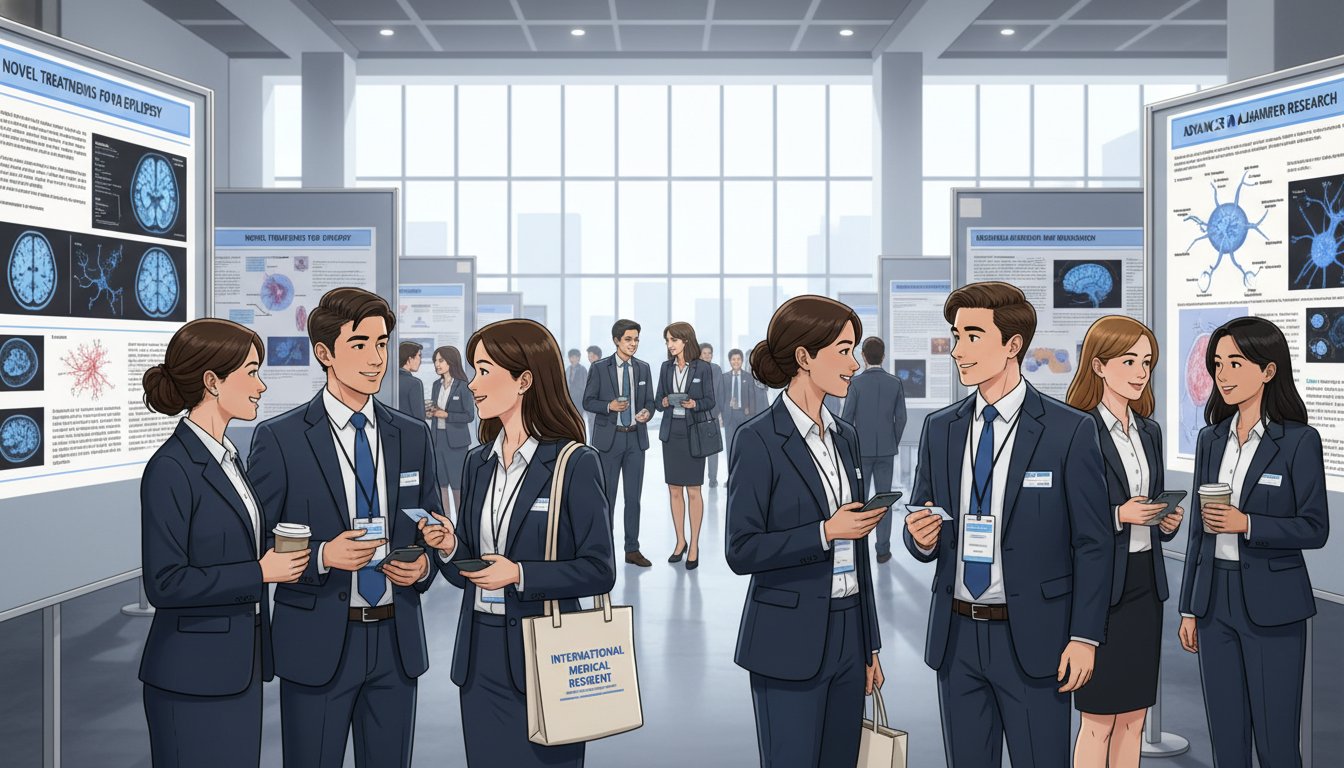
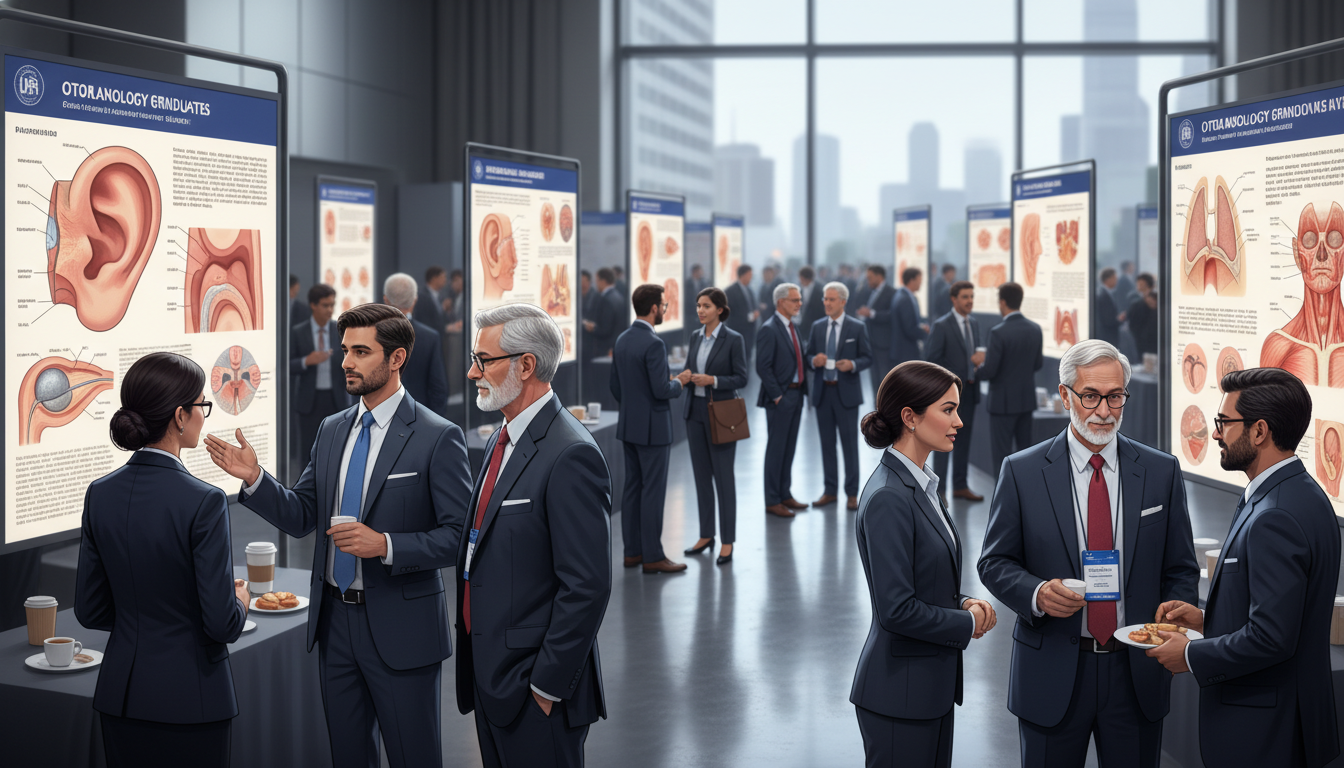
2. Using Conferences for High-Impact Contacts
When you attend ASTRO or similar meetings in person, you have a concentrated opportunity to interact with many programs in a short time.
Concrete tactics:
- Prepare in advance:
- Review the program and highlight:
- Sessions led by faculty from your target programs
- ARRO events and residency‑focused talks
- Poster sessions where residents from your target programs are presenting
- Review the program and highlight:
- Resident-focused events:
- ARRO usually organizes dedicated sessions—these are prime for mentorship medicine and conference networking.
- Introduce yourself to residents afterward:
- “I’m an IMG interested in rad onc and planning to apply in [year]. Could I ask you one or two quick questions about your program and the application process?”
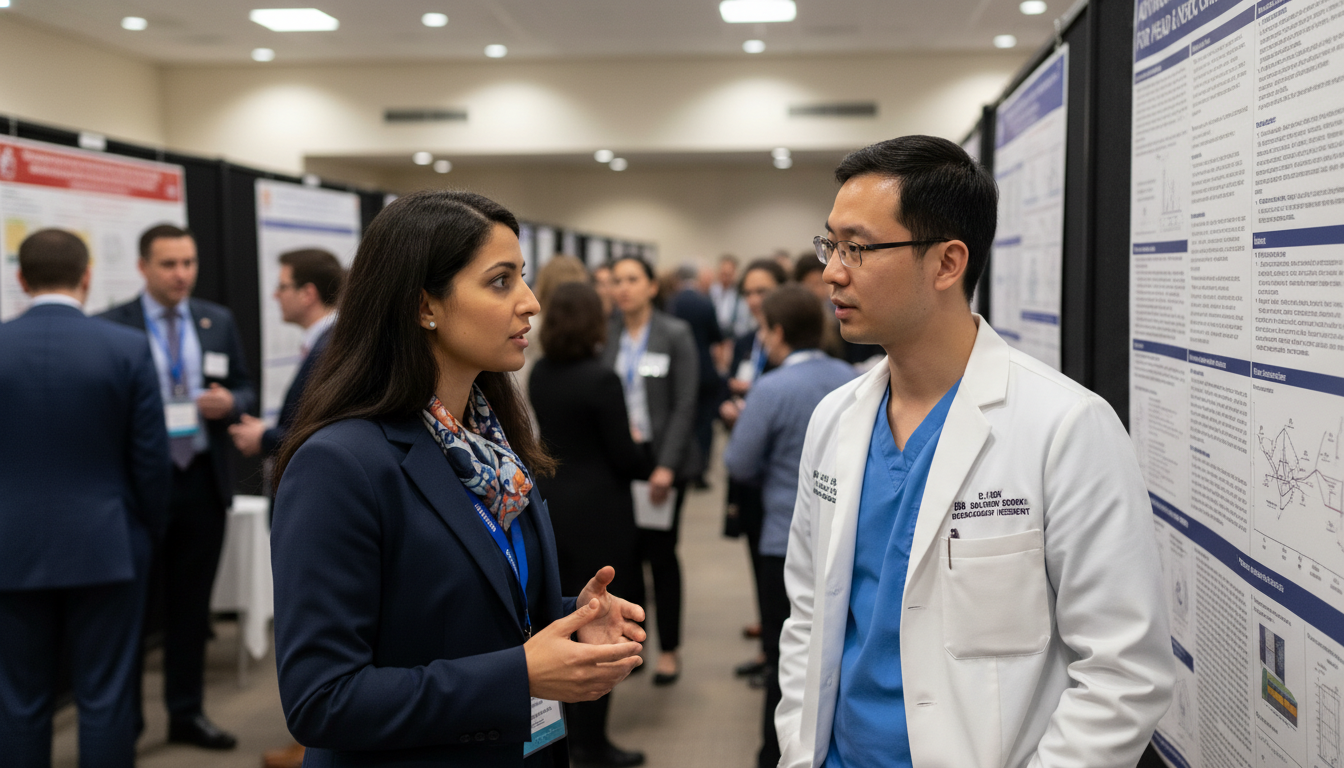
- Poster sessions:
- Visit posters from departments you’re targeting.
- Ask 1–2 specific questions about the project.
- At the end: “I’m very interested in your program. Would it be okay if I follow up by email with a couple of questions about research opportunities or the rad onc match from an IMG perspective?”
Always follow up by email within 48–72 hours.
Turning Contacts into Long-Term Mentorship and Support
Networking is not just about collecting business cards or LinkedIn connections. The goal is to create enduring, mutually respectful relationships that support your growth through the rad onc match and beyond.
1. Identifying True Mentors vs. Friendly Contacts
A mentor in medicine typically:
- Knows your background and goals in detail
- Provides strategic advice (e.g., “You should apply broadly including X, Y, Z programs”)
- Is willing to review your CV, personal statement, or rank list
- May introduce you to others in their network
- Potentially writes strong, personalized recommendation letters
Not everyone will become a mentor. Many will simply be supportive contacts—still valuable, but with different expectations.
2. How to Nurture Mentorship Relationships
Be organized:
Send a concise email before meetings:- Brief update (1–2 sentences)
- Clear agenda with 2–3 topics (e.g., “Feedback on my research plan,” “Rad onc match timeline,” “Whether I should pursue an extra research year”)
Respect their time:
- Aim for 20–30 minutes unless they suggest more.
- Come with specific questions instead of “What should I do?”
Implement their advice:
Mentors become more invested when they see you act on their suggestions and report back.Example follow-up:
“Based on your advice, I reached out to Dr. ___ about a remote research project in lung SBRT, and we’re now working on a retrospective review. Thank you again for guiding me toward this opportunity.”
3. Asking for Letters of Recommendation
As a non-US citizen IMG, you must be strategic with letters:
Ideal referees:
- US radiation oncologists who have directly supervised your clinical or research work
- Research mentors who can attest to your work ethic and intellectual curiosity
- Directors of observerships or electives
How to ask:
- Request at least 4–6 weeks before deadlines.
- Provide:
- Updated CV
- Draft of your personal statement
- Summary of projects and interactions you had with them
- A short reminder of key qualities they have observed in you (e.g., reliability, communication skills, compassion with patients)
Example:
“If you feel you know my work well enough to write a strong letter, I would be honored to include your recommendation in my ERAS application for radiation oncology residency.”
This wording gives them an easy way to decline if they cannot write a strong letter.
4. Using Your Network in the Rad Onc Match Process
Effective ways your network can support you:
Program insight:
Residents and faculty can tell you:- Which programs genuinely support IMGs and visas
- Where your profile might be competitive
- Which rotations or research experiences are especially valued
Application polishing:
Mentors can help refine:- Personal statement (tailored to radiation oncology)
- CV structure
- List of programs
Signal boosting (when appropriate):
- Some mentors may email program directors to say:
- “We have a very strong foreign national medical graduate applicant you may want to take a close look at.”
- This is not guaranteed—but if your relationship is strong, it happens more often than you might expect.
- Some mentors may email program directors to say:
Common Challenges for Non-US Citizen IMGs—and How to Overcome Them
1. Feeling Like an Outsider
Many foreign national medical graduates feel:
- Their English or accent is a barrier
- They lack prestigious home institutions
- They are “behind” US graduates
Counter-strategies:
- Focus on what you control: preparation, professionalism, and persistence.
- Practice small talk and clinical communication (role-play with friends or online speaking tutors).
- Use your international background as a strength: experience with different systems, diverse patient populations, and often strong adaptability.
2. Limited Financial Resources for Travel and Conferences
Prioritize:
- Remote research first (often cost-free and high‑impact)
- Targeted observerships or research positions at departments that:
- Are IMG‑friendly
- Historically sponsor visas
- Have a track record of supporting non-US citizen IMG residents
Seek:
- Conference scholarships for trainees/IMGs
- Institutional support from your home school or hospital
- Virtual or hybrid conference options as a lower-cost alternative
3. Visa Uncertainty
This is where networking can be crucial:
- Early in your journey, openly ask mentors:
- “Does your institution sponsor J‑1 and/or H‑1B visas for radiation oncology residents?”
- “Are there specific concerns programs have about visas that I can proactively address?”
- Some mentors may guide you to:
- Programs known to support H‑1B for rad onc
- Institutions with established IMG pipelines
- Include a brief clarification in your ERAS application or interviews about your visa readiness if appropriate (e.g., USMLEs completed, ECFMG certified, clear plan for J‑1).
FAQs: Networking in Medicine for Non-US Citizen IMGs in Radiation Oncology
1. Do I need existing US connections to successfully network into a radiation oncology residency?
No. Many successful non-US citizen IMGs began with zero US contacts. They built connections through:
- Cold emails to faculty based on shared research interests
- Virtual conference attendance and follow-up emails
- Social media engagement (Twitter, LinkedIn)
- Remote research collaborations
What matters is consistent, respectful effort over time—not where you start.
2. How early should I start networking if I plan to apply to rad onc residency?
Ideally:
- 18–24 months before your target application cycle:
- Begin exploring the field, attending virtual events, and identifying potential mentors.
- 12–18 months before:
- Actively pursue research, virtual or in-person rotations, and deeper mentorship.
- 6–12 months before:
- Focus on solidifying letters, refining your application, and using your network for program targeting and interview preparation.
Earlier is always better, especially for foreign national medical graduates who may need extra time for visas and logistics.
3. Is it appropriate to directly ask faculty to help me get interviews?
It’s better to first focus on building a real relationship and demonstrating your value. Once that exists, some mentors may voluntarily reach out to programs on your behalf. You can, however, say:
“If you feel comfortable and think it is appropriate, I would really appreciate any guidance or support you could provide as I apply to radiation oncology programs.”
This keeps the decision entirely in their hands.
4. How many mentors do I need as a non-US citizen IMG?
Quality matters more than quantity. A realistic goal:
- 1–2 primary mentors in radiation oncology (ideally US-based)
- 1–3 additional supportive contacts (residents, research collaborators, or faculty outside rad onc who know you well)
One deeply invested mentor is far more valuable than 10 superficial connections.
By combining purposeful networking, strategic use of conferences and digital platforms, and genuine mentorship relationships, a non-US citizen IMG can absolutely build a competitive path to radiation oncology residency. You may face additional obstacles in the rad onc match compared with US graduates—but strong medical networking and sustained effort can transform those obstacles into opportunities.