Why Networking Matters So Much for Caribbean IMGs in Diagnostic Radiology
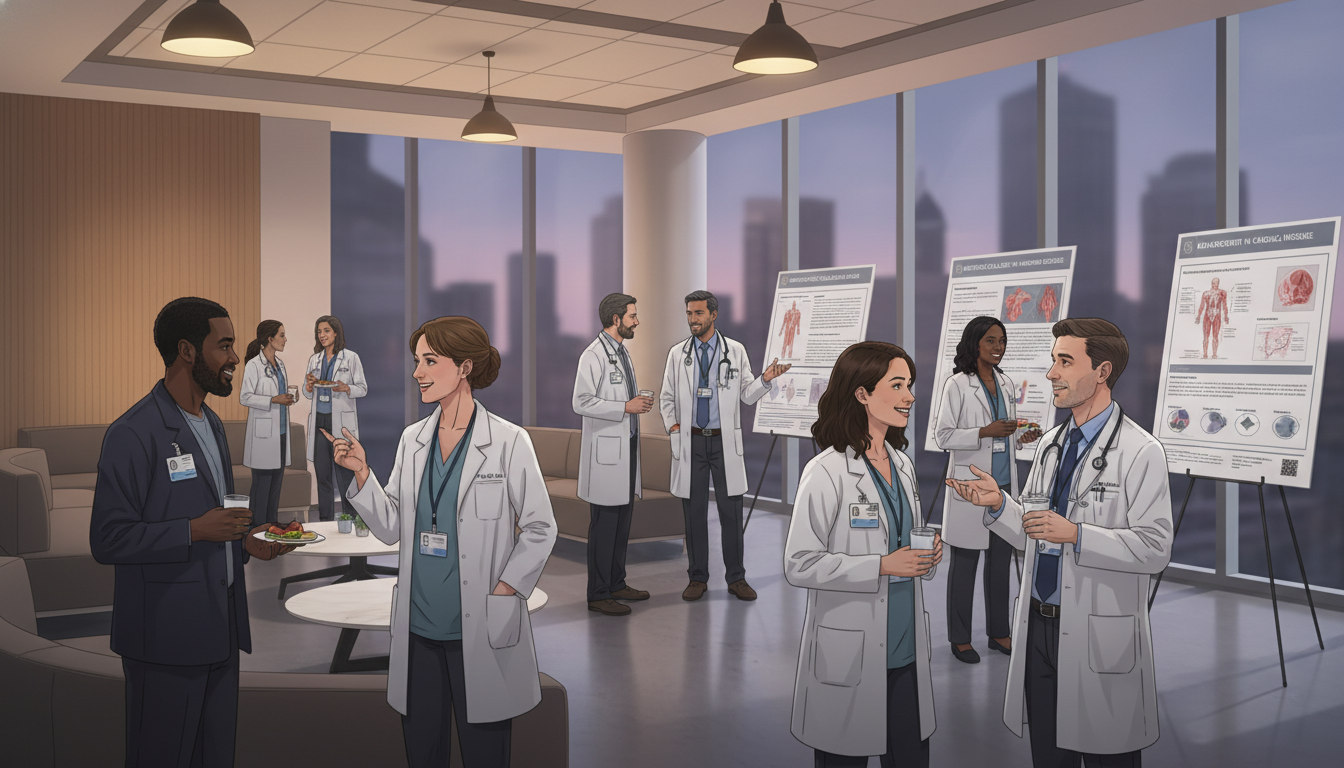
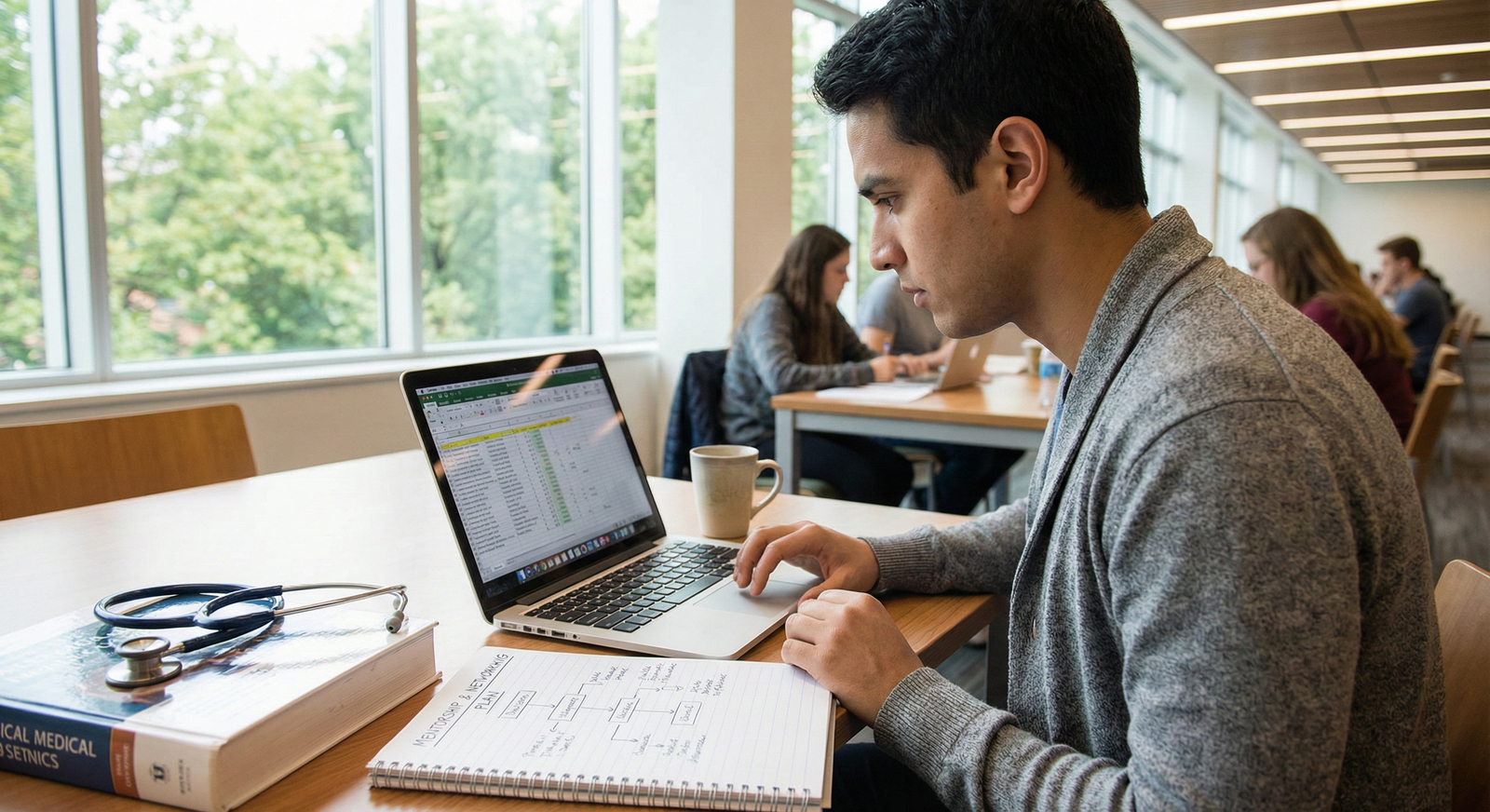
For a Caribbean medical school graduate aiming for a diagnostic radiology match, networking in medicine is not optional—it is a strategic necessity. Diagnostic radiology is highly competitive, and as an international medical graduate (IMG), you are compared against U.S. MD and DO applicants who often have built-in access to department events, home programs, and established faculty advocates.
Networking is how you:
- Convert “cold” applications into known names
- Earn strong, personalized letters of recommendation
- Access unadvertised interview spots and research projects
- Get honest feedback on your competitiveness and application gaps
- Build mentorship in medicine that will guide your long-term career
For Caribbean IMGs, especially those at schools like SGU, AUC, or Ross, strong professional connections can be the difference between a generic ERAS application and a competitive Caribbean medical school residency story that program directors remember.
This article breaks down practical, step-by-step strategies tailored to Caribbean IMGs targeting diagnostic radiology residency in the U.S., with a special eye on applicants from large schools where the SGU residency match is a major pathway.
Understanding the Radiology Landscape as a Caribbean IMG
Diagnostic radiology is attractive because of intellectual challenge, lifestyle, and broad subspecialty options. But you need a realistic sense of where you stand as a Caribbean IMG and how networking reshapes the odds.
Why Diagnostic Radiology Is Competitive for IMGs
Several factors raise the bar:
- Programs often receive hundreds of applications per spot
- Many programs have few or no IMGs historically
- Radiology PDs heavily weigh:
- USMLE scores
- Letters of recommendation from U.S. radiologists
- U.S. clinical or research experience
- Perceived “fit” and professionalism
In this environment, networking does three things:
Humanizes your application
Instead of being “one of 700 ERAS PDFs,” you become “the SGU student who helped with our chest imaging project and impressed Dr. X.”Builds institutional trust
When an attending or resident personally recommends you, programs are more comfortable investing an interview or even a rank position.Opens hidden doors
Programs may informally “hold” an interview slot for a mentored student or invite them last minute if there’s a cancellation. That rarely happens for strangers.
The Unique Position of Caribbean IMGs
Caribbean IMGs often face:
- Limited formal home residency programs in radiology
- Shorter or less structured radiology electives
- Visa questions (for non-U.S. citizens)
- Persistent bias or skepticism about Caribbean training
Networking cannot erase these realities, but it can:
- Connect you to “IMG-friendly” radiology programs
- Provide honest guidance on where to apply and what’s realistic
- Help you craft a narrative that addresses concerns proactively
- Get your name in front of decision-makers at places that have matched Caribbean IMGs before, including via the SGU residency match and other Caribbean medical school partnerships
Core Principles of Effective Networking in Medicine
Before tactics, you need a mindset. Poor networking feels transactional and awkward; good networking feels like professional collaboration and curiosity.
Principle 1: Value First, Ask Later
People are more willing to support you when you’ve shown value. As a student, your “value” includes:
- Reliability (doing what you say, on time)
- Being well-prepared (reading before a case, clinic, or meeting)
- Taking initiative (volunteering to help with slides, abstracts, chart review)
- Being pleasant to work with (respectful, low-drama, organized)
If you consistently show these traits, asking for advice, mentorship, or even letters becomes natural, not forced.
Principle 2: Aim for Relationships, Not One-Off Favors
True networking in medicine is relationship-building over time:
- You attend the same radiology journal club each month.
- You keep your research mentor updated on your progress.
- You reconnect with a resident you shadowed during interview season.
Think: five-year relationships, not five-minute conversations.
Principle 3: Be Specific and Respectful in Your Ask
Busy radiologists and PDs see many vague requests like “Can we meet? I want to pick your brain.”
Instead, try:
- “Could we schedule 15–20 minutes to discuss how to strengthen my diagnostic radiology application as a Caribbean IMG?”
- “Would you be willing to give me feedback on my personal statement from a radiology perspective?”
- “I’m particularly interested in thoracic imaging. Is there a small project or task I could help with?”
Specific requests are easier to say yes to and more likely to lead to concrete help.
Building Your Radiology Network: Step-by-Step Strategy
This section walks you through where and how to build connections, tailored to the Caribbean IMG reality.

1. Start with Your Medical School and Alumni Network
Even if your Caribbean school does not have a home radiology residency, it likely has:
- Radiology faculty who teach imaging modules or run electives
- Alumni who matched into radiology residency in the U.S.
- A Dean’s office or career services team keeping track of matches
Action steps:
Identify all radiology-related faculty:
Email a brief introduction, express interest in diagnostic radiology, and ask:- “Are you aware of alumni currently in radiology residency who might be open to speaking with a Caribbean IMG interested in the field?”
Work with your school’s residency advising office:
- Ask specifically for lists of recent Caribbean medical school residency matches in radiology, including those through SGU residency match or similar pathways.
- Request introductions, not just names, when possible.
Example email:
Dear Dr. Smith,
My name is [Name], a third-year student at [Caribbean School] with a strong interest in diagnostic radiology. I’ve greatly enjoyed your radiology teaching sessions and would appreciate any guidance you might have on building my competitiveness as an IMG.
If you are aware of any alumni currently in radiology residency who might be open to a brief conversation, I would be grateful for an introduction.
Thank you for your time and for your teaching.
Sincerely,
[Name]
Even one alum who matched into diagnostic radiology can be a goldmine of advice, sample personal statements, program suggestions, and even future referrals.
2. Maximize Clinical Rotations and Electives
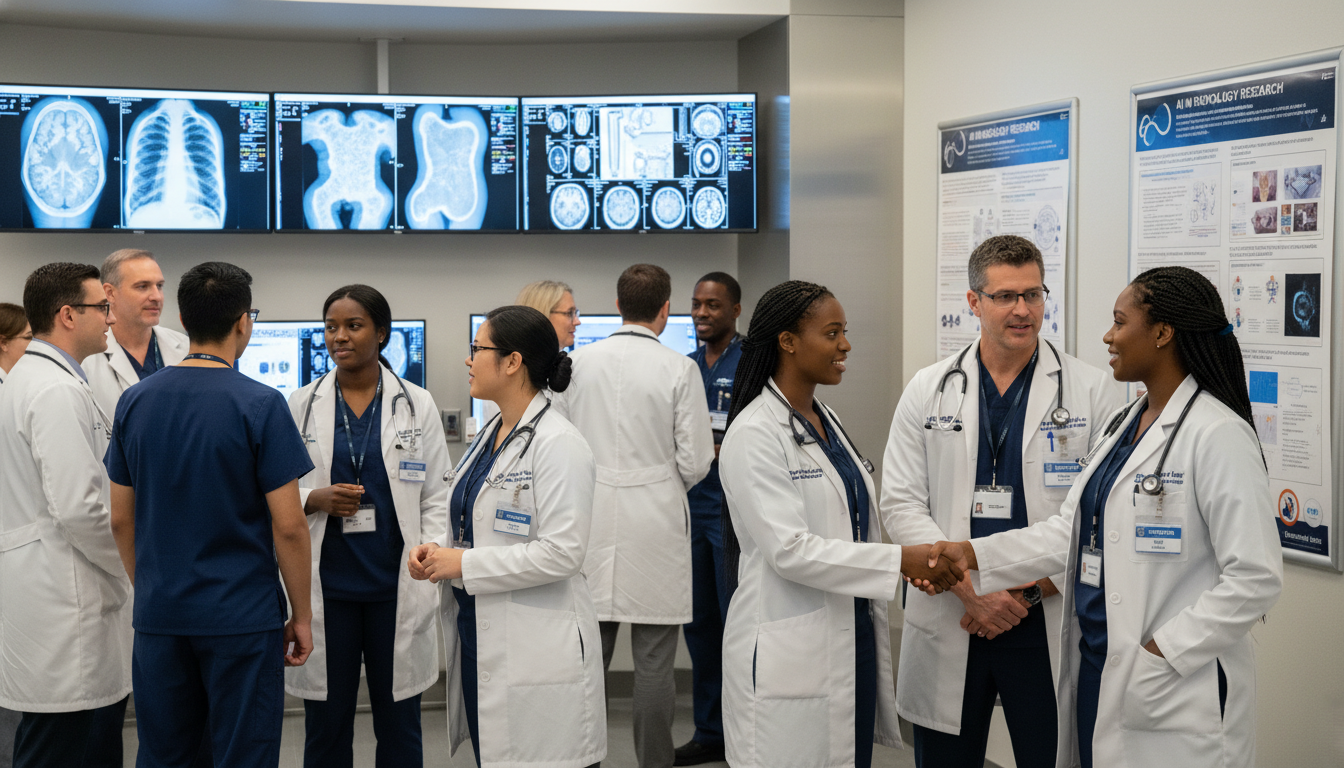
Your rotations are live networking environments. For a Caribbean IMG, every radiology exposure in the U.S. is an audition.
On any radiology elective or shadowing:
- Arrive early; ask the techs and residents what cases are most educational.
- Read about common studies you see (e.g., chest CT, abdominal CT, MRI brain).
- Ask structured questions:
- “How do you systematically approach this CT scan?”
- “What are common pitfalls for residents reading this type of study?”
- Respect reading room etiquette:
Don’t interrupt during high-intensity periods; ask between cases or when invited.
End-of-rotation networking moves:
- Ask your attending:
- “I really enjoyed working with you and I’m committed to diagnostic radiology. Do you have any advice on the types of programs I should target as a Caribbean IMG?”
- “Would it be alright if I stayed in touch by email as I go through the application process?”
If you perform well, later you can carefully ask about a letter of recommendation and, eventually, if they’re willing to advocate for you with their contacts.
3. Conference Networking: Turning Meetings into Opportunities
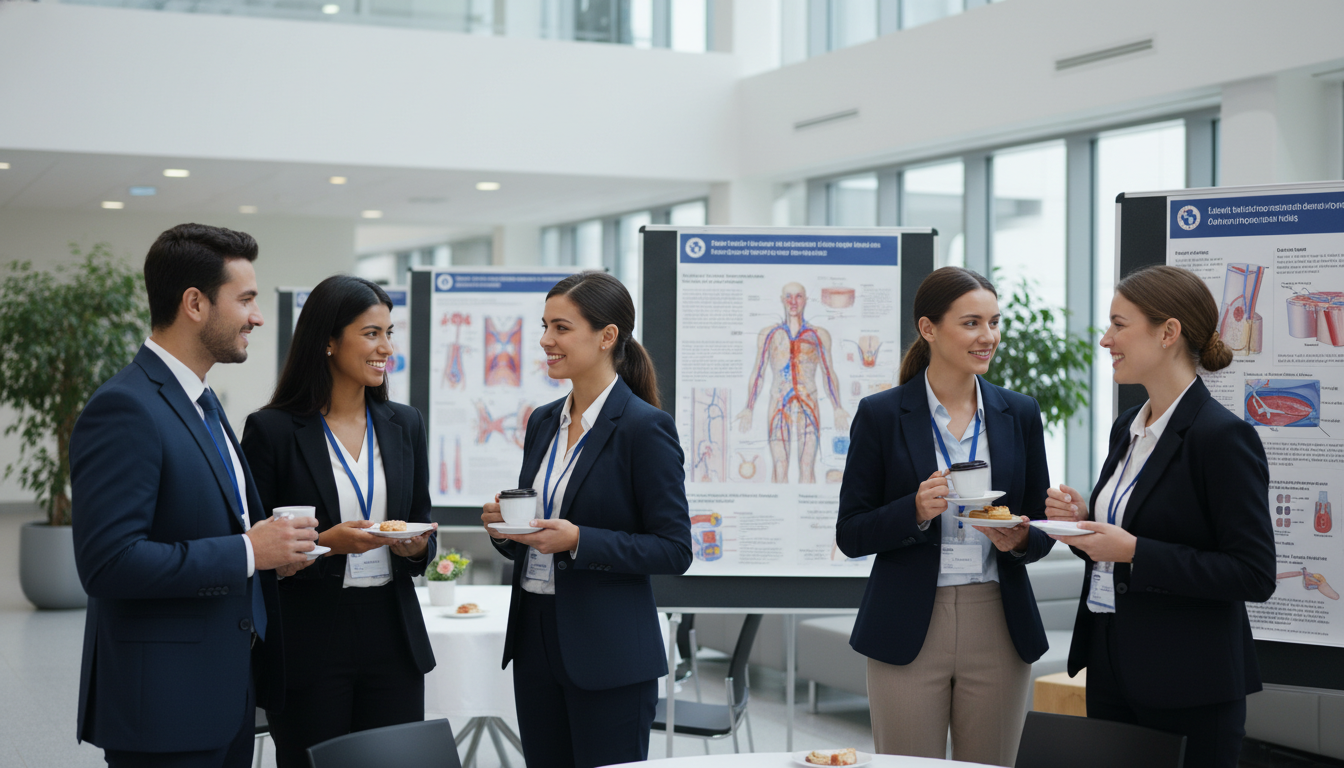
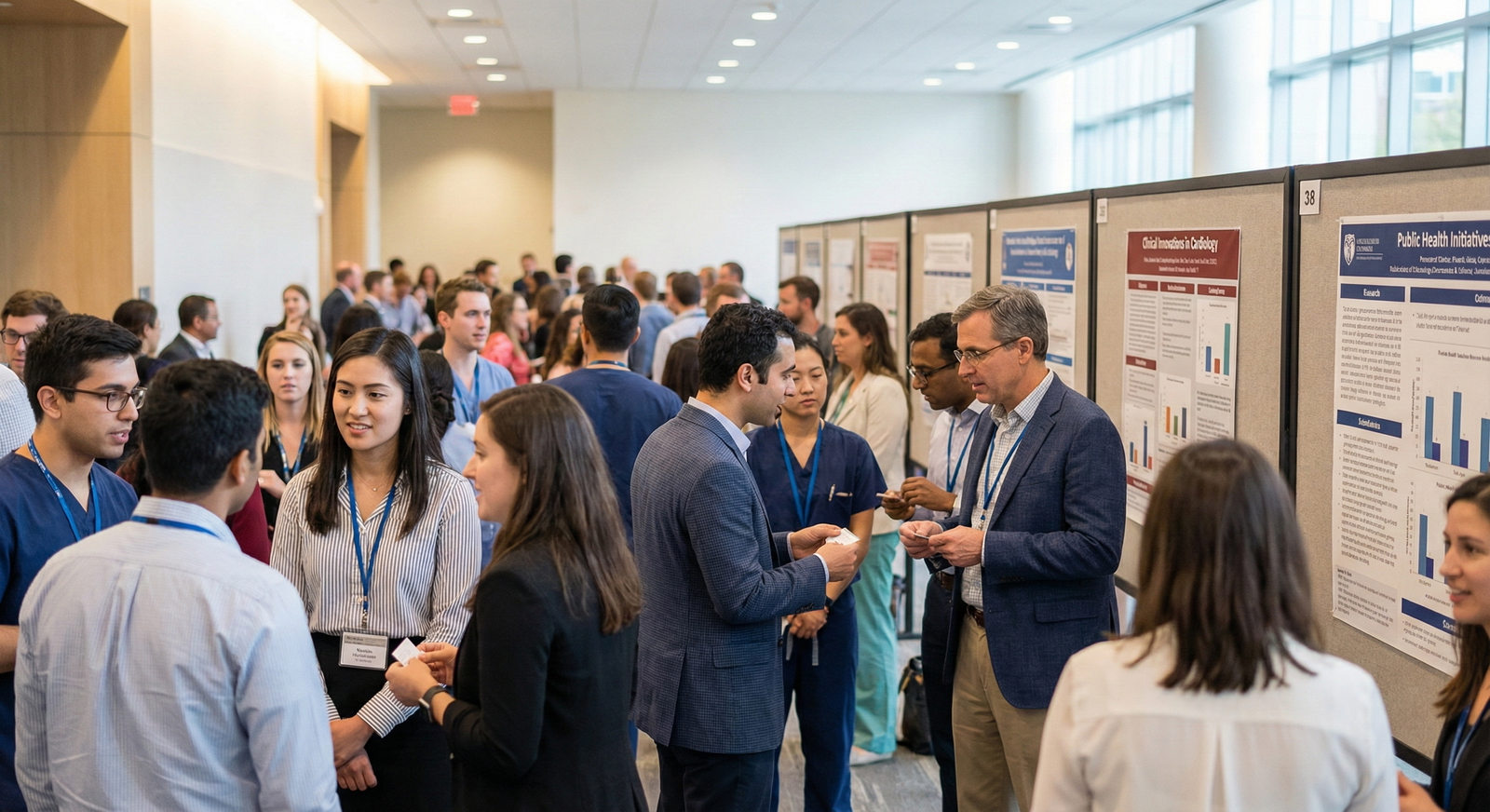
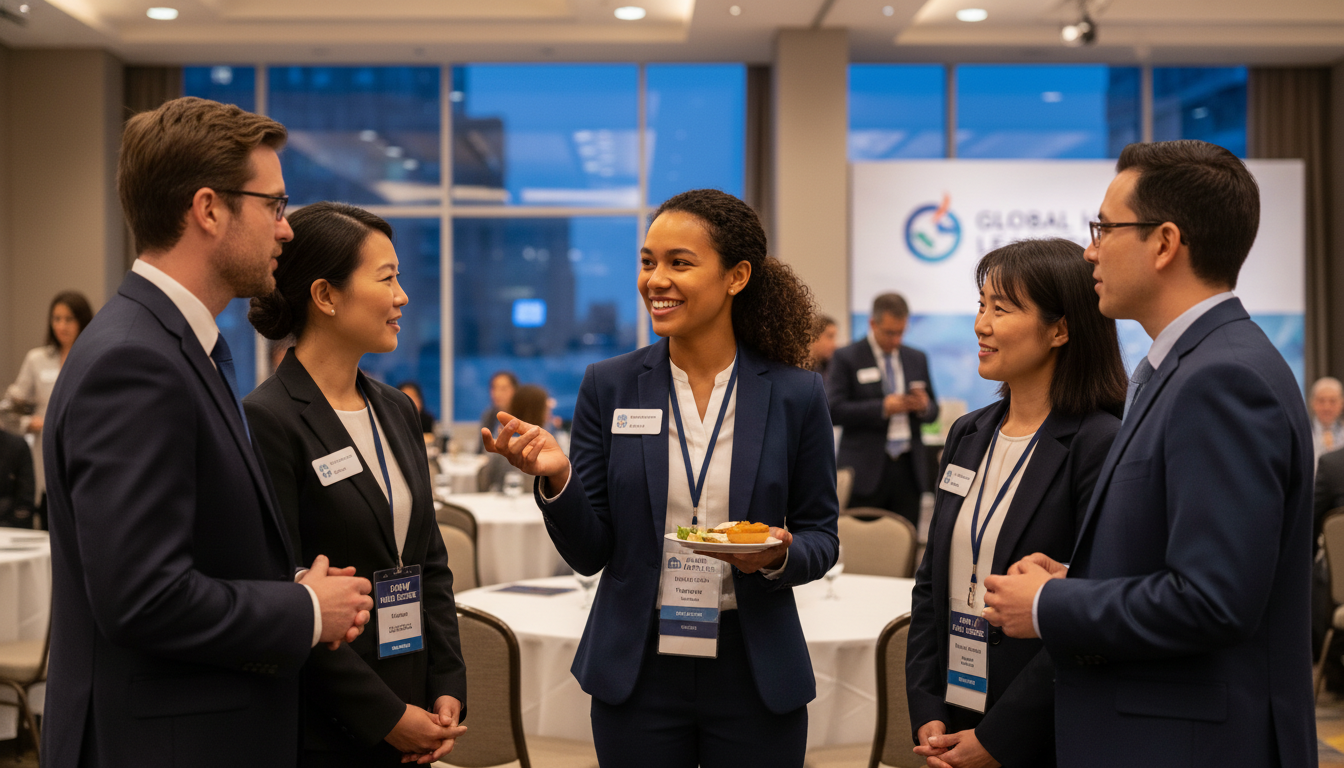
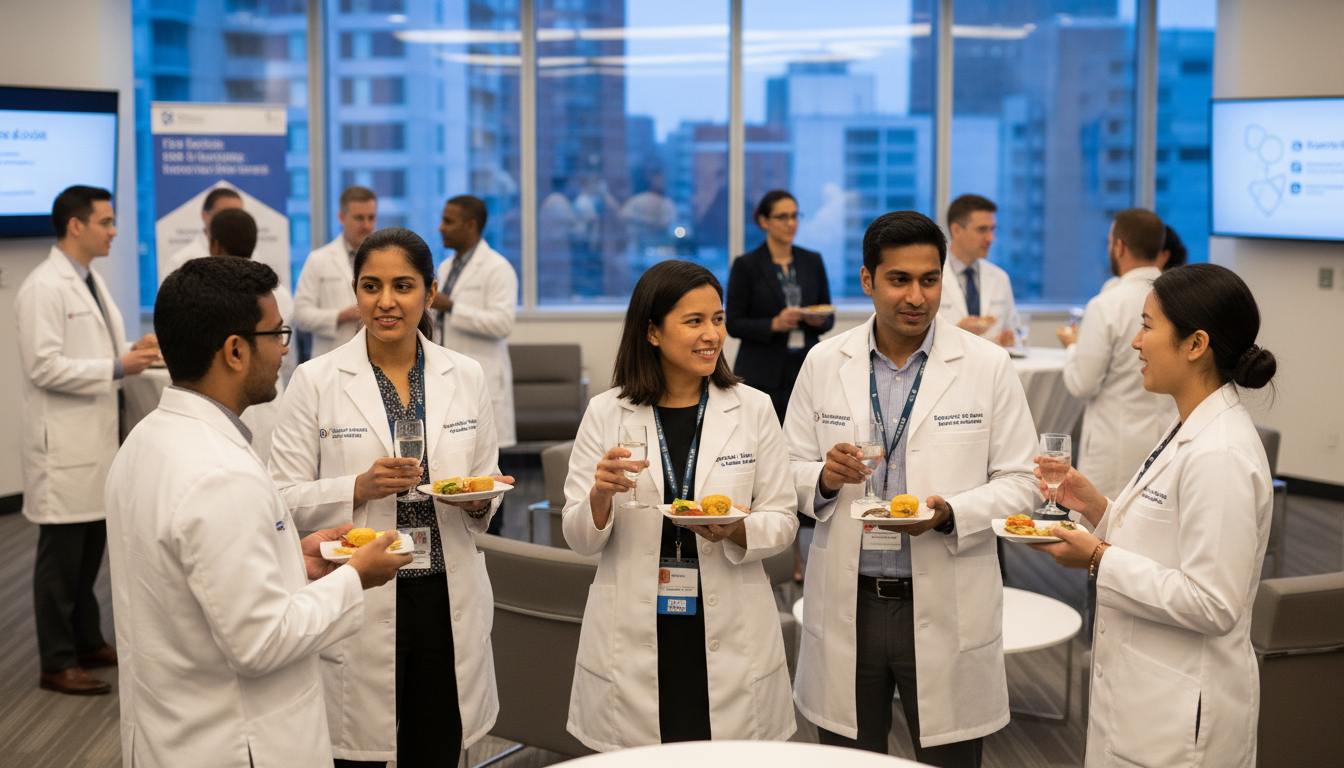
Conference networking is one of the most efficient ways to meet many radiologists in a short time. For diagnostic radiology, that often means:
- RSNA (Radiological Society of North America)
- ACR (American College of Radiology)
- Specialty meetings (e.g., neuroradiology, MSK, thoracic)
- Regional or state radiology society meetings
As a Caribbean IMG, money and travel are constraints—so be strategic.
Before the conference:
- Register early and look for:
- Student/trainee discounts
- Virtual or hybrid options (often cheaper)
- Identify:
- Sessions on mentorship in medicine
- IMG-focused or diversity-in-radiology events
- Program director or residency panels
- Use LinkedIn or email to say:
- “I saw you’re speaking on radiology training pathways at [Conference]. I’m a Caribbean IMG interested in diagnostic radiology and I plan to attend your session. Could I briefly introduce myself afterward and ask one or two questions about application strategy?”
At the conference:
Prepare a 20–30 second “introduction”:
- Who you are (Caribbean IMG, year)
- Your interest (diagnostic radiology, maybe a specific area)
- A concise question or aim (looking for advice/mentorship)
When you approach someone after a talk:
- Thank them for a specific point they made.
- Share your intro.
- Ask one focused question.
- Ask permission to follow up by email or LinkedIn.
Example in-person script:
“Dr. Lee, thank you for your talk on resident education in thoracic imaging. I’m [Name], a 4th-year Caribbean medical student very interested in diagnostic radiology. As an IMG, I’m trying to understand which types of programs are most open to international graduates. Would you be open to a brief email exchange later so I can ask a couple of more detailed questions? I’d really value your perspective.”
This is conference networking with a clear purpose, not just random card collecting.
4. Online Networking: LinkedIn, Email, and Digital Presence
You may have limited in-person access to radiologists during basic sciences. Online platforms help bridge the gap.
LinkedIn Strategy:
Build a professional profile:
- Clean, professional photo
- Headline: “Caribbean Medical Student (IMG) | Aspiring Diagnostic Radiologist”
- About section: brief story of your background and goals
- List clinical rotations, research, and presentations
Connect with:
- Radiology residents (especially IMGs)
- Alumni from your school in radiology
- Faculty you meet at conferences or online events
Template connection note:
Hello Dr. [Name],
I’m a Caribbean medical student interested in diagnostic radiology. I heard your talk/read your article on [topic] and found it very helpful. I’d appreciate the opportunity to follow your work and occasionally ask for brief advice as I prepare for the diagnostic radiology match as an IMG.
Thank you,
[Name]
Email Etiquette:
- Use a clear subject: “Caribbean IMG Seeking Brief Radiology Application Advice”
- Keep the email short, respectful, and specific.
- Don’t attach your CV or personal statement unless they request it; you can offer it.
Mentorship, Research, and Letters: Networking That Directly Impacts Your Match
This is where networking becomes tangible: mentors, research output, and letters of recommendation.
Mentorship in Medicine: Finding and Keeping Radiology Mentors
A strong radiology mentor can:
- Advise you on program selection and match strategy
- Help you get research projects
- Write personalized, advocacy-level letters
- Introduce you to other radiologists
How to identify potential mentors:
- Faculty who:
- Take time to teach you on rotations
- Respond positively to your questions
- Have experience working with IMGs
- Alumni who:
- Recently matched into diagnostic radiology or are early-career attending radiologists
Maintaining the relationship:
- Send brief updates 3–4 times per year:
- Exam results
- New research involvement
- Application milestones, interview offers
- Respect their time; don’t expect instant replies.
- Follow through on any tasks they assign (e.g., reading papers, drafting abstracts).
Research: Strategic Projects for Caribbean IMGs in Radiology
Research is both an academic asset and a networking vehicle.
Types of projects that are realistic and valuable:
- Chart review projects (e.g., imaging findings in a specific disease)
- Case reports or case series (especially with interesting imaging)
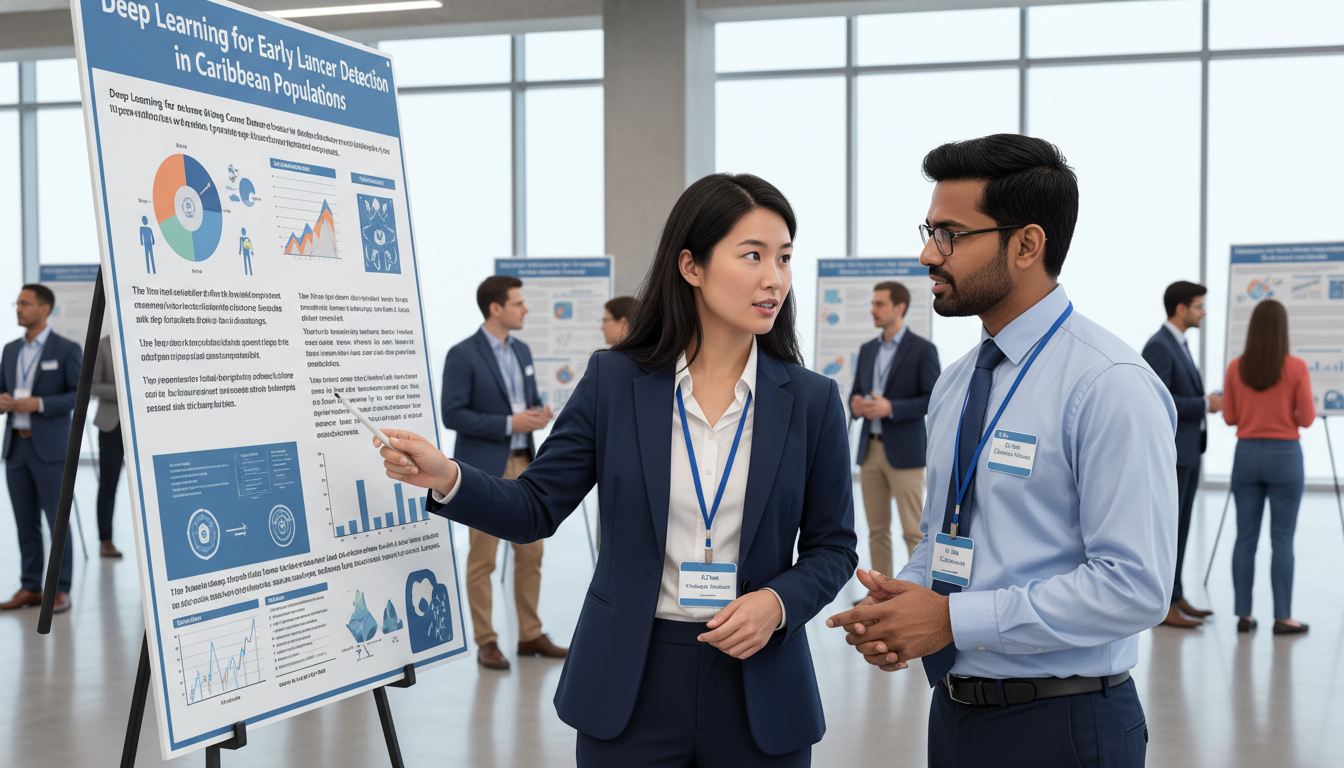
- Educational posters or electronic exhibits (RSNA, ACR, local meetings)
- Quality improvement (QI) projects in imaging workflows
How to ask for research opportunities:
“Dr. Patel, I’ve really enjoyed our chest CT readouts, and I’m committed to applying to diagnostic radiology. I was wondering if you or your colleagues have any small research projects or cases I could help with—even something like data collection or literature review. I’d like to build experience and contribute meaningfully.”
You are not asking to be handed a first-author paper; you’re offering labor and interest. Once you prove reliability, doors open.
Letters of Recommendation: From Network to Advocacy
In a diagnostic radiology match, strong specialty letters from U.S. radiologists are vital, especially for Caribbean IMGs.
What makes a letter strong:
- The writer knows you well.
- They comment on your:
- Knowledge
- Work ethic
- Reliability
- Professionalism
- Growth over time
- They are enthusiastic and specific: “I would be delighted to work with [Name] as a resident in my own program.”
How networking feeds into letters:
- Longitudinal interactions (research + rotations + conferences) give faculty more to write about.
- A mentor who believes in you is more likely to contact programs you’re applying to, not just upload a letter.
Timing your request:
- Ask near the end of a rotation when your performance is freshest.
- Frame it respectfully:
“Dr. Jones, I’ve learned a tremendous amount during this elective and I plan to apply to diagnostic radiology this upcoming ERAS cycle. If you feel that you know my work well enough to write a strong, supportive letter of recommendation, I would be very grateful.”
If they hesitate or use lukewarm language, consider that a sign to ask someone else as your primary advocate.
Applying This to the Diagnostic Radiology Match as a Caribbean IMG
Now tie it together: how networking shapes your diagnostic radiology match strategy.
Building a Realistic Radiology Program List Using Your Network
Your mentors and contacts can:
- Tell you which programs:
- Have a history of matching Caribbean IMGs
- Are open to IMGs with certain score profiles
- De-prioritize IMGs, so you don’t waste applications
- Help you segment programs into:
- Reach: very competitive, minimal IMG history
- Target: solid programs with some IMG presence
- Safety (if such exists in radiology): historically IMG-friendly, community-based, smaller or newer programs
Use alumni who matched through Caribbean medical school residency pathways to gain insight into which programs saw their Caribbean training as an asset rather than a liability.
Intelligent Use of Away Rotations and Visiting Electives
As a Caribbean IMG, away rotations (audition electives) are powerful networking moments.
Choosing where to rotate:
- Prioritize:
- Programs already friendly to IMGs
- Places where your mentor has contacts
- Regions where you have geographic ties (family, prior work)
Maximizing away rotation impact:
- Treat it as a month-long interview.
- Ask early:
- “How can I be most helpful to the team?”
- “Are there any imaging topics you recommend I study before starting?”
- At the end:
- Ask for feedback on your performance.
- Clarify your interest if genuine:
“I’m very interested in your program and would be grateful for any advocacy you feel comfortable offering when I apply.”
Post-Interview Networking: Following Up Without Being Annoying
After interviews for radiology residency, a few polite follow-ups can reinforce your interest and professionalism.
Do:
- Send a concise thank-you email 24–72 hours after the interview.
- Reference specific things you discussed.
- Reaffirm your interest (honestly; don’t claim “number one” status to multiple programs).
Don’t:
- Over-email (weekly messages are excessive).
- Try to bargain or pressure PDs.
- Ask directly where you are on their rank list (unprofessional).
Your pre-existing network (mentors, research collaborators, attendings) may quietly reach out to programs on your behalf—this is where the true power of networking often plays out, behind the scenes.
FAQs: Networking and the Radiology Match for Caribbean IMGs
1. I’m early in medical school at a Caribbean program. What is the single best networking step I can take now?
Prioritize finding one radiology mentor within the next 6–12 months. That might be:
- A radiologist affiliated with your school
- An alumnus in diagnostic radiology willing to advise you
- A radiology resident who is an IMG and understands your path
From there, ask for specific, small steps (recommended readings, possible observerships or electives, research leads). A single strong, long-term mentor often has more impact than 20 superficial contacts.
2. I have no radiology research. Can networking still help me get projects in time?
Yes, if you start now and are realistic. Use your network to:
- Ask specifically for small, well-defined tasks (chart reviews, data entry, literature search).
- Offer to help on ongoing manuscripts or poster projects.
- Work with residents who often need data help and can introduce you to attendings.
Even one or two completed projects—especially if presented as posters or abstracts—signal initiative and genuine interest in diagnostic radiology.
3. How important is conference networking if my budget is limited?
Conference networking is valuable but not mandatory. If your budget is tight:
- Prioritize virtual conferences or regional/state meetings over expensive national trips.
- Focus on getting your work accepted (poster, e-poster, or short talk) so you have a concrete reason to attend and an easy conversation starter.
- Many radiology societies offer student/IMG discounts or travel grants—ask early.
If you can’t attend at all, intensify your online networking via LinkedIn, email, and virtual educational events.
4. As a Caribbean IMG, will networking really change a program’s willingness to interview me?
Networking cannot completely override program policies, but it can move you from the “anonymous” pile to the “consider seriously” group. When:
- A respected radiologist vouches for you
- You’ve rotated or researched at the institution
- Residents know you and speak well of you
Programs are far more likely to offer an interview and to see your Caribbean background as a known quantity rather than a risk. Many successful SGU residency match and broader Caribbean medical school residency stories in radiology share one theme: someone in the department knew the applicant and believed in them.
Networking in medicine, especially for a Caribbean IMG targeting a diagnostic radiology match, is about building authentic, professional relationships over time. Start early, be consistent, provide value, and gradually assemble a network of mentors, colleagues, and advocates who can open doors that a CV alone cannot.