Why Networking Matters So Much for Caribbean IMGs in Preliminary Surgery
For a Caribbean international medical graduate (IMG) in a preliminary surgery year, networking is not a “nice-to-have”—it is an essential survival skill.
Unlike categorical residents, prelim surgery residents must actively position themselves for the next step: a categorical surgery spot, another specialty, or a different pathway. Your clinical performance matters tremendously, but who knows you, what they have seen you do, and whether they are willing to vouch for you can decisively shape your future.
Specific reasons networking in medicine is especially crucial for Caribbean IMGs in preliminary surgery:
- Limited security of position: A preliminary surgery year is time-limited; you must secure your next role early.
- Visa and IMG factors: Program directors (PDs) may have less experience with Caribbean medical school residency applications; strong personal advocates and mentors can make a big difference.
- Higher competition for categorical spots: Many prelim surgery residency positions exist because programs need service coverage; converting to categorical requires standing out.
- Reputation gap: Your Caribbean medical school may not be as well-known as US schools. Direct observation and strong relationships help bridge this gap.
Networking is not about handing out business cards; it’s about:
- Being seen doing good work.
- Being remembered for specific strengths.
- Being trusted enough that someone is willing to put their name next to yours.
In preliminary surgery, you have one year (sometimes less, practically) to achieve this. The rest of this article will walk you through concrete, realistic strategies to use networking in medicine—on the wards, in conferences, and online—to turn your prelim surgery residency into a launchpad rather than a dead end.
Everyday Networking on the Wards: Turning Daily Work into Opportunities
The most powerful networking happens where you already are: on the floors, in the operating room, and in morning conference. For a Caribbean IMG in a prelim surgery residency, these are the key stages where reputations are made.
1. Build a Strong Clinical Brand
People remember you in short labels. Whether fair or not, you’ll be “the intern who always calls back quickly” or “the resident who presents clearly” or “the IMG who’s always late and unprepared.”
Your goal is to shape a deliberate clinical brand:
Aim for things people say like:
- “She’s the prelim who always follows through.”
- “He writes excellent, clear notes.”
- “She really knows her patients.”
Concrete actions:
Be early, consistently
- Aim to be 10–15 minutes early for sign-out and cases.
- Surgeons notice reliability more than you think; this translates to trust.
Master your patient list
- Know your patients’ labs, imaging, overnight events, and pending tests without needing to look everything up.
- When an attending asks a question on rounds, your quick, concise answer builds your credibility.
Communicate clearly
- Use structured formats (e.g., SBAR) when calling consults or senior residents.
- Take ownership: “I’ve checked the CT myself; here’s what I see. Radiology read is pending.”
Networking effect: When people experience you as competent and reliable, they become more willing to mentor, recommend, and refer you.
2. Turn Routine Interactions into Relationships
Your everyday interactions with attendings, fellows, and senior residents are your primary networking opportunities in a preliminary surgery year.
Practical steps:
Micro-introductions
- On first meeting: “Good morning Dr. Patel, I’m Dr. Smith, the preliminary surgery intern. I’m originally from SGU and very interested in pursuing a categorical surgery position.”
- This plants the seed: you’re prelim, focused, and have a clear goal.
Closing the loop after cases
- After a case: “Thank you for letting me assist today. Is there anything I could do better for next time?”
- This brief question signals humility and growth mindset; attendings remember that.
Follow-up gratitude with purpose
- After a particularly educational case/teaching session, send a short email:
- “Dr. Lee, thank you for your teaching on managing small bowel obstructions in clinic today. I reviewed the UpToDate article you mentioned and it really helped clarify the indications for non-operative management. I hope to work with you again this year. Best, [Name], PGY-1 Preliminary Surgery.”
- This keeps your name in their inbox and memory, and demonstrates initiative.
- After a particularly educational case/teaching session, send a short email:
3. Identify Potential Allies: Who to Invest Time With
Not everyone has the time or interest to help you. Your energy is limited in a busy prelim surgery residency, so be strategic.
Look for:
- Attendings who enjoy teaching
- They ask questions in a supportive way, give explanations, or ask for your thoughts.
- Program leadership and key influencers
- Program director, associate PD, clerkship director, chiefs—they often have direct influence on categorical positions and letters.
- Senior residents who are well-respected
- They know the unspoken politics: which attendings support prelims, who has connections to other programs, and which pathways have worked for prior Caribbean medical school residency graduates.
How to approach them:
- Ask for specific, time-limited advice:
- “Dr. Jones, I know you’re very busy. Could I schedule a 10–15 minute meeting to get your advice on how a prelim surgery resident like me can best position myself for a categorical spot, here or elsewhere?”
- Be prepared with a short list of questions and your CV if appropriate.
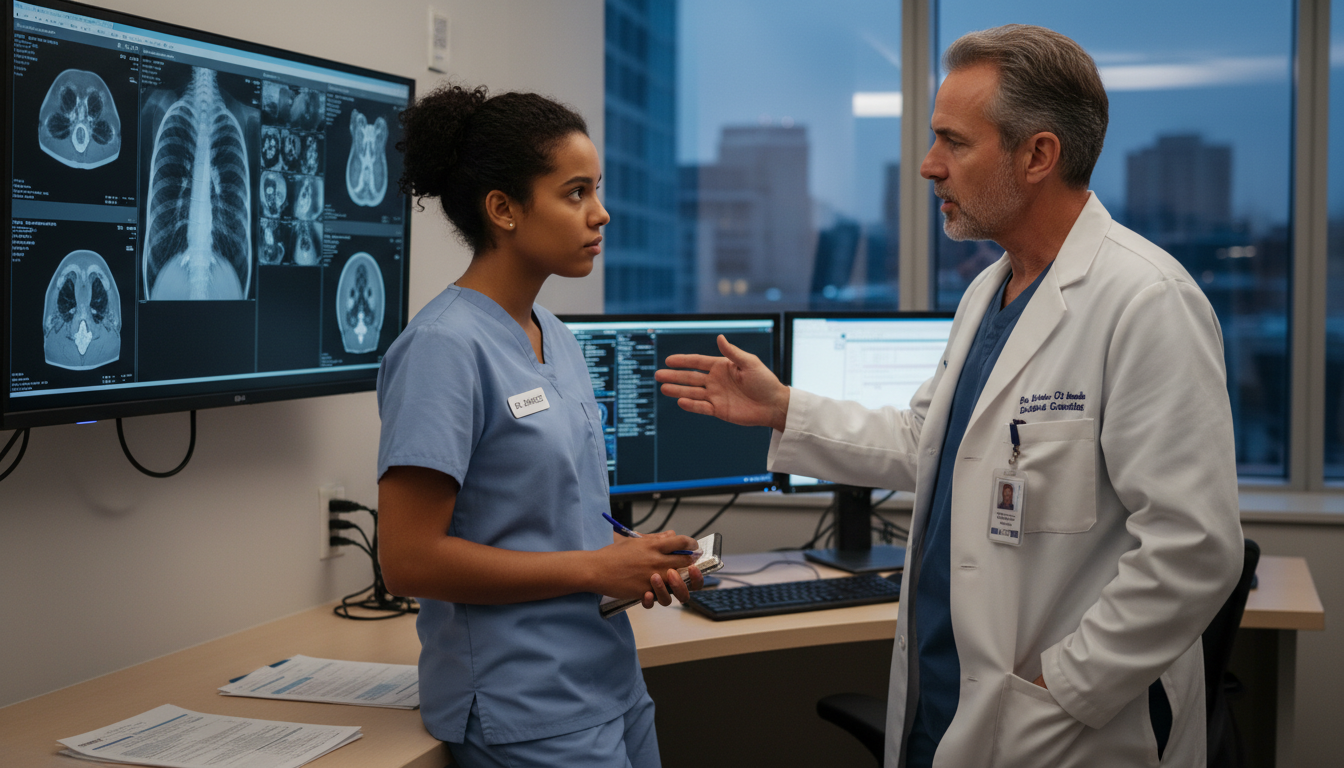
Formal Mentorship in Medicine: How to Find It and Make It Work for You
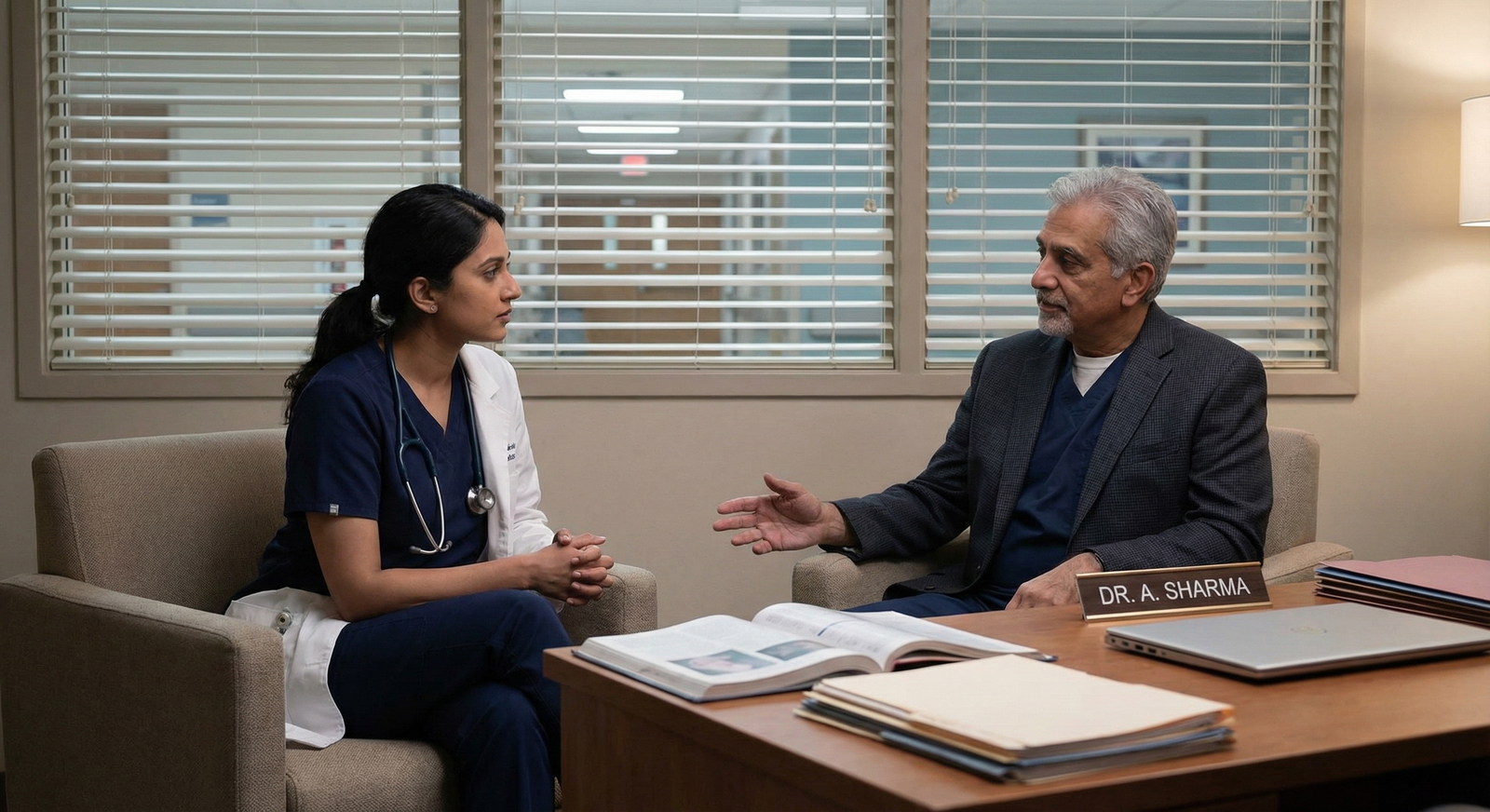
For Caribbean IMGs, mentorship in medicine is a critical antidote to uncertainty. A good mentor helps you understand the system, avoid common mistakes, and identify realistic opportunities.
1. Types of Mentors You Need as a Prelim Surgery Resident
Ideally, you’ll have more than one mentor, each with a different function:
Career Mentor (Strategist)
- Helps you plan your path after the prelim year: categorical surgery, transition to another specialty (e.g., anesthesia, radiology, IM), research year, etc.
- Typically a faculty member or senior resident who understands the landscape for Caribbean IMGs.
Skills Mentor (Clinical Coach)
- Focuses on building your day-to-day surgical and clinical skills.
- Often a chief resident, fellow, or attending you work closely with.
Advocacy Mentor (Sponsor)
- Someone willing to actively recommend you to other programs or within your own.
- May write a strong letter of recommendation and make direct calls on your behalf.
One person can be more than one of these—but not always. Identifying at least one advocate is particularly important.
2. How to Approach Potential Mentors
When you’ve identified someone you’d like as a mentor:
Start with existing interactions
- Work hard on their service.
- Be reliable, prepared, and engaged in teaching.
- Let them see your work before you ask for mentorship.
Request a brief meeting
- “Dr. Ahmed, I’ve really appreciated your teaching on our trauma service. I’m a prelim surgery resident originally from a Caribbean medical school, and I’m trying to figure out my path for next year. Would you be willing to meet for 15 minutes sometime to give me advice?”
Be specific about what you want
- “I’d like your guidance on how to:
- Strengthen my application for a categorical position,
- Improve my OR skills, and
- Identify programs that are IMG-friendly.”
- “I’d like your guidance on how to:
Follow through on their advice
- If they suggest you:
- Start a small QI project—do it.
- Attend M&M regularly and present—do it.
- Email a certain colleague—do it.
- Then update them briefly:
- “I followed your advice and contacted Dr. X. We’re planning a small chart review on [topic]. Thank you again for the suggestion.”
- If they suggest you:
This positive feedback loop reinforces their investment in you.
3. Setting Up an Ongoing Mentorship Relationship
To transform a one-time meeting into ongoing mentorship in medicine:
- Ask for permission to follow up
- “Would it be okay if I touch base with you every couple of months as I work on my goals?”
- Be respectful of time
- Keep check-ins brief: 10–20 minutes, focused, and prepared.
- Bring updates and questions
- “Since we last spoke, I’ve:
- Completed my research abstract,
- Earned strong feedback from trauma service,
- Identified 10 programs for categorical surgery.
- My main question now is how to prioritize research vs. clinical exposure for the next 6 months.”
- “Since we last spoke, I’ve:
A good mentor is much more willing to sponsor someone who is organized, motivated, and follows through.
Conference and Professional Networking: Expanding Beyond Your Hospital
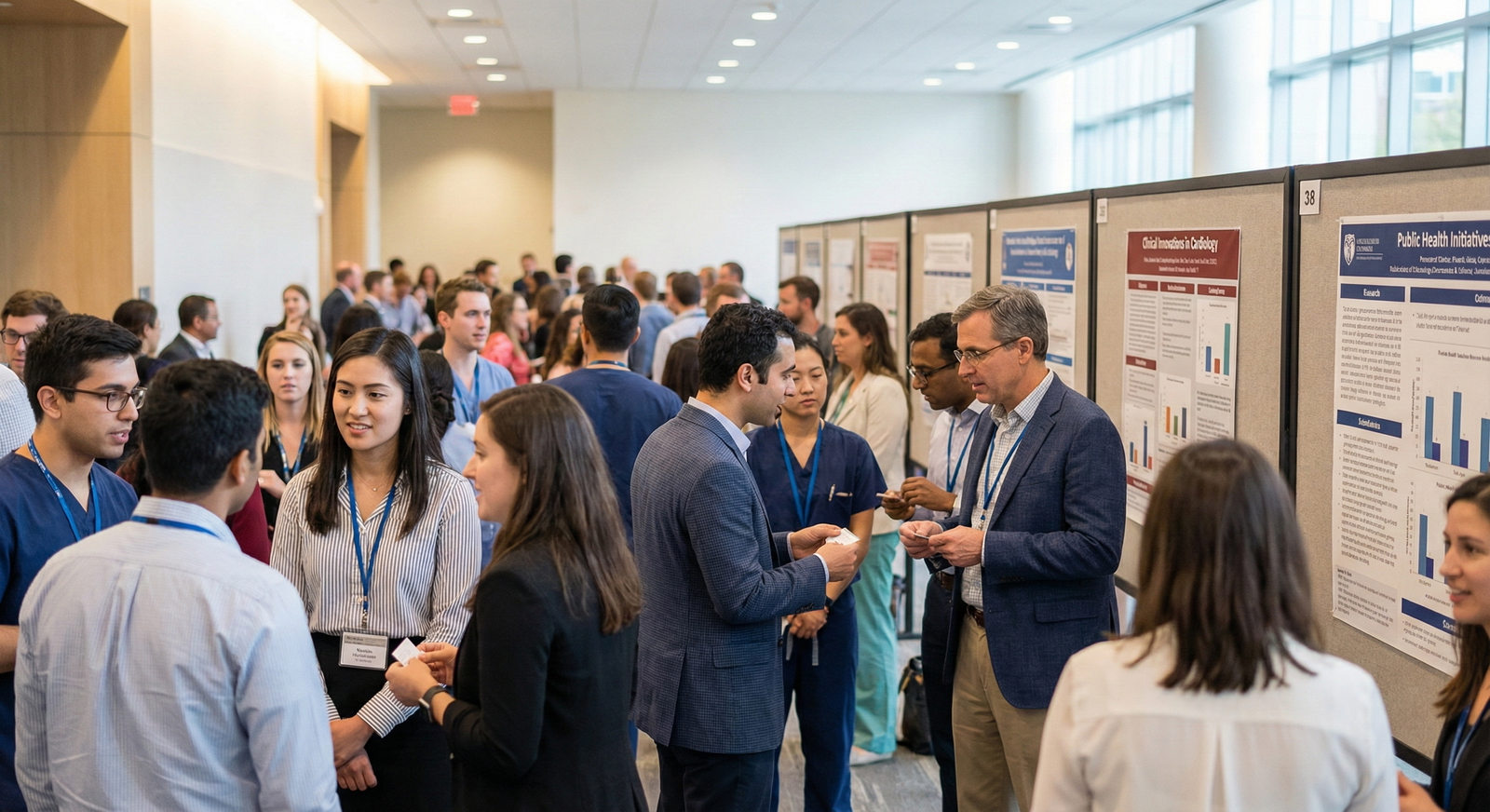
While day-to-day interactions are your networking backbone, medical networking at conferences and via professional societies can open doors to programs that don’t yet know you.
1. Why Conferences Matter for a Prelim Surgery Resident
Conference networking allows you to:
- Meet surgeons from other institutions who may have open categorical or PGY-2 spots.
- Show program directors you are more than a CV from a Caribbean medical school.
- Present research or QI work, which strengthens your academic profile.
- Join committees and interest groups that include people with hiring power.
For a Caribbean IMG, SGU residency match and similar success stories often include an element of conference involvement—presenting posters, meeting faculty, and getting informal feedback on their applications.
2. How to Prepare for Conference Networking
Before the conference:
Review the attendee list and program
- Identify:
- Programs that historically accept IMGs.
- Faculty who train at places you’re targeting.
- Highlight sessions or panels led by people from those institutions.
- Identify:
Prepare your brief “story” (30–45 seconds)
- “Hi, I’m Dr. [Name]. I’m currently a preliminary surgery resident at [Hospital] and a graduate of [Caribbean medical school]. I’m interested in [general surgery / trauma / vascular, etc.] and I’m hoping to transition into a categorical position for next year. I’ve been working on [brief research or clinical interest].”
Bring or prepare:
- Updated CV (digital; printed if recommended).
- A short list of target programs.
- A professional email signature and LinkedIn profile (if you use it).
3. At the Conference: Concrete Networking Moves
Focus on quality conversations, not collecting as many contacts as possible.
Actions:
Ask questions at sessions
- If relevant: “Thank you for your talk. I’m a prelim surgery resident and I’ve seen similar challenges with [topic] on our service. How do you implement [specific intervention] at your institution?”
- After the session, introduce yourself briefly and ask if you can follow up by email.
Use breaks and poster sessions strategically
- Visit posters from institutions of interest.
- Ask presenters about their training programs and whether they take IMGs.
- “Does your program typically have prelim positions? Have any transitioned to categorical recently?”
Be honest but professional about your status
- “I’m in a preliminary surgery residency and I’m hoping to secure a categorical position. I’d really appreciate any advice on programs that consider strong IMG applicants.”
4. Following Up After Conferences
Networking is only as good as the follow-up.
Within 3–5 days:
Send concise emails:
“Dear Dr. [Name],
It was a pleasure meeting you at [Conference] after your session on [topic]. I appreciated your insight about [specific detail]. As I mentioned, I’m a preliminary surgery resident at [Institution] and a graduate of [Caribbean medical school]. I’m exploring options for a categorical position and would value any advice you have on applying to [their institution / similar programs].
Thank you again for your time, [Name]”
Connect on professional platforms (LinkedIn or Doximity) where appropriate.
Keep a networking log (simple spreadsheet or note):
- Name, role, institution
- Where you met
- What you discussed
- Date of follow-up
- Potential next steps

Digital Networking and Reputation: Using Online Tools Wisely
In addition to in-person networking, digital presence can strengthen your profile and unlock hidden opportunities.
1. Email and Professional Communication
Your email style is part of your professional brand.
Best practices:
- Use a professional address (e.g., firstname.lastname@hospital.org or similar).
- Subject lines that are specific:
- “Prelim Surgery Resident Seeking Advice About Categorical Positions”
- Emails that are:
- Polite but concise.
- Free of major grammar and spelling errors.
- Clearly structured with a brief intro, purpose, and closing.
Avoid mass, generic messages like “Dear Sir/Madam, I am an IMG looking for a residency spot.” These are ignored.
Instead:
- Personalize:
- Mention how you know them (“we worked together on acute care surgery” / “we met at ACS last month”).
- Reference something specific they said or did.
2. LinkedIn, Doximity, and Program Websites
While social media won’t replace solid performance, it can:
- Help you identify IMG-friendly programs.
- Show you alumni pathways (e.g., which SGU residency match graduates matched into surgery, at which programs).
- Provide names and roles of:
- PDs and APDs,
- Surgery faculty,
- Residents you can reach out to.
Tips:
- Keep your profiles consistent with your CV.
- Highlight:
- Preliminary surgery residency,
- Medical school (Caribbean),
- Research projects/posters,
- Interests within surgery.
When messaging residents from other programs:
- “Hi Dr. [Name], I’m a current prelim surgery resident at [Institution] and a graduate of [Caribbean school]. I’m very interested in your program and wondered if you’d be willing to share any advice on how a prelim resident can be a competitive applicant there.”
3. Avoiding Pitfalls Online
- Don’t over-share frustrations about your prelim year, program, or colleagues.
- Don’t criticize other programs publicly.
- Don’t present yourself inconsistently (different titles, dates, or credentials).
Your digital footprint is discoverable—and surgery programs are tight-knit; reputational hits spread quickly.
Strategically Leveraging Networking for Your Next Step After Prelim Surgery
Networking is only as useful as your ability to connect it to clear goals. As a Caribbean IMG in a preliminary surgery residency, you typically have several broad pathways:
- Transition to a categorical general surgery position (same institution or another).
- Switch to a different specialty (e.g., anesthesia, radiology, internal medicine, family medicine, neurology, EM).
- Pursue a research or non-ACGME clinical year while re-applying.
Your networking should be shaped by which of these paths you’re most interested in.
1. If You Want a Categorical General Surgery Spot
Actions:
Early, open conversation with your PD or APD
- Around 3–6 months into your prelim year:
- “I would like to be considered for any potential categorical surgery positions here or to be as strong as possible for other programs. Could you share what qualities you look for when converting a prelim to categorical?”
- Around 3–6 months into your prelim year:
Ask specifically about your performance
- “In what areas do I need to improve to be competitive—clinical skills, OR performance, communication, research?”
Identify internal champions
- Attendings and senior residents who’ve seen your best work and might speak up for you if a spot opens.
Explore external opportunities early
- Use medical networking—conferences, mentors, alumni of your Caribbean medical school residency—to find programs that:
- Frequently hire preliminary residents into categorical positions,
- Are open to late PGY-1 or PGY-2 transfers,
- Have historically taken IMGs.
- Use medical networking—conferences, mentors, alumni of your Caribbean medical school residency—to find programs that:
2. If You Are Open to Other Specialties
Realistically, not every prelim surgery resident can or will land a categorical surgery spot—especially as an IMG. This does not mean you’ve failed. Many outstanding physicians found their true fit in another field.
Networking moves:
Talk to faculty in other departments
- Anesthesia, radiology, internal medicine, etc.
- “I’m currently a preliminary surgery resident considering applying to [specialty]. Could I have 10–15 minutes of your time to learn what makes a strong applicant for your field, especially from a surgery prelim background?”
Use your mentors
- They may have contacts in other specialties, even at other institutions.
Focus on transferable strengths
- Work ethic, procedural skills, acute care experience, clinical reasoning.
Your story can be powerful: “I started in preliminary surgery residency, realized that [other specialty] is a better fit for these specific reasons, and here is how my surgical training strengthens my application.”
3. Using Alumni and Caribbean Medical School Networks
Your Caribbean medical school—whether SGU or another—likely has a significant alumni base in the US.
Leverage this for:
- Program-specific insights:
- Which programs are open to Caribbean IMGs?
- Which PDs value prelim experiences?
- Introductions:
- Alumni can sometimes email PDs on your behalf.
- Realistic expectations:
- Alumni who completed SGU residency match into surgery or other specialties can share what it took.
How to connect:
- Join official alumni networks.
- Ask your school’s career services office for:
- Lists of alumni in surgery or your target specialties.
- Contact info for those who volunteered to support current students/trainees.
When reaching out to alumni:
- Be respectful of their time.
- Ask for advice, not favors:
- “What do you wish you had known as a Caribbean IMG applying for categorical surgery after a preliminary year?”
- “Are there specific programs you recommend I consider—or avoid?”
FAQs: Networking in Medicine for Caribbean IMGs in Preliminary Surgery
1. As a busy prelim surgery resident, how much time should I realistically spend on networking?
Think in terms of integration, not addition. Most of your medical networking can occur:
- On rounds and in the OR (by doing excellent work and asking focused questions).
- In brief, scheduled meetings (10–15 minutes) every few weeks with mentors.
- Through short, well-crafted follow-up emails after meaningful interactions.
Aim for 1–2 hours per week of deliberate networking activities (emails, planning, brief meetings), recognizing that your everyday behavior on the wards is also core networking.
2. Does being from a Caribbean medical school hurt my chances at a categorical surgery spot, and can networking overcome this?
Being a Caribbean IMG can make the path more competitive, but it does not make it impossible. Many SGU residency match stories and other Caribbean medical school residency successes in surgery involve:
- Strong performance in US rotations and residency.
- Excellent letters from US faculty.
- Persistent, targeted networking with programs that have a history of accepting IMGs. Networking can’t erase weak performance, but it can:
- Get your application read more carefully.
- Help you access unadvertised or late-opening positions.
- Provide advocates who can vouch for your abilities beyond your school’s name.
3. How do I ask for a strong letter of recommendation without sounding pushy?
Timing and relationship matter. Ask:
- After you’ve worked closely with someone (at least a few weeks),
- When you’ve received positive feedback.
Phrase it like this:
- “Dr. [Name], I’ve really valued working with you on [service]. I’m applying for [categorical surgery / another specialty] positions and would be honored if you felt you could write me a strong letter of recommendation. If you’re not comfortable doing so, I completely understand—I want to be sure my letters are an accurate reflection of my performance.”
This gives them an honest way to decline if they cannot write a strong letter.
4. I’m introverted and find conference networking intimidating. How can I still be effective?
You don’t need to be the most outgoing person in the room. Focus on:
- One-on-one conversations rather than large groups.
- Preparing 2–3 specific questions for each person you’d like to meet.
- Setting small goals:
- “I will introduce myself to 3 faculty from programs I’m interested in.”
- Following up thoughtfully by email after the conference.
Depth matters more than breadth. Even a handful of meaningful connections, combined with a strong clinical record, can be enough to significantly change your trajectory after a preliminary surgery year.
By combining consistent excellence in your daily work with deliberate, strategic networking in medicine—on the wards, at conferences, and online—you can transform a precarious preliminary surgery residency into a powerful stepping stone, even as a Caribbean IMG.