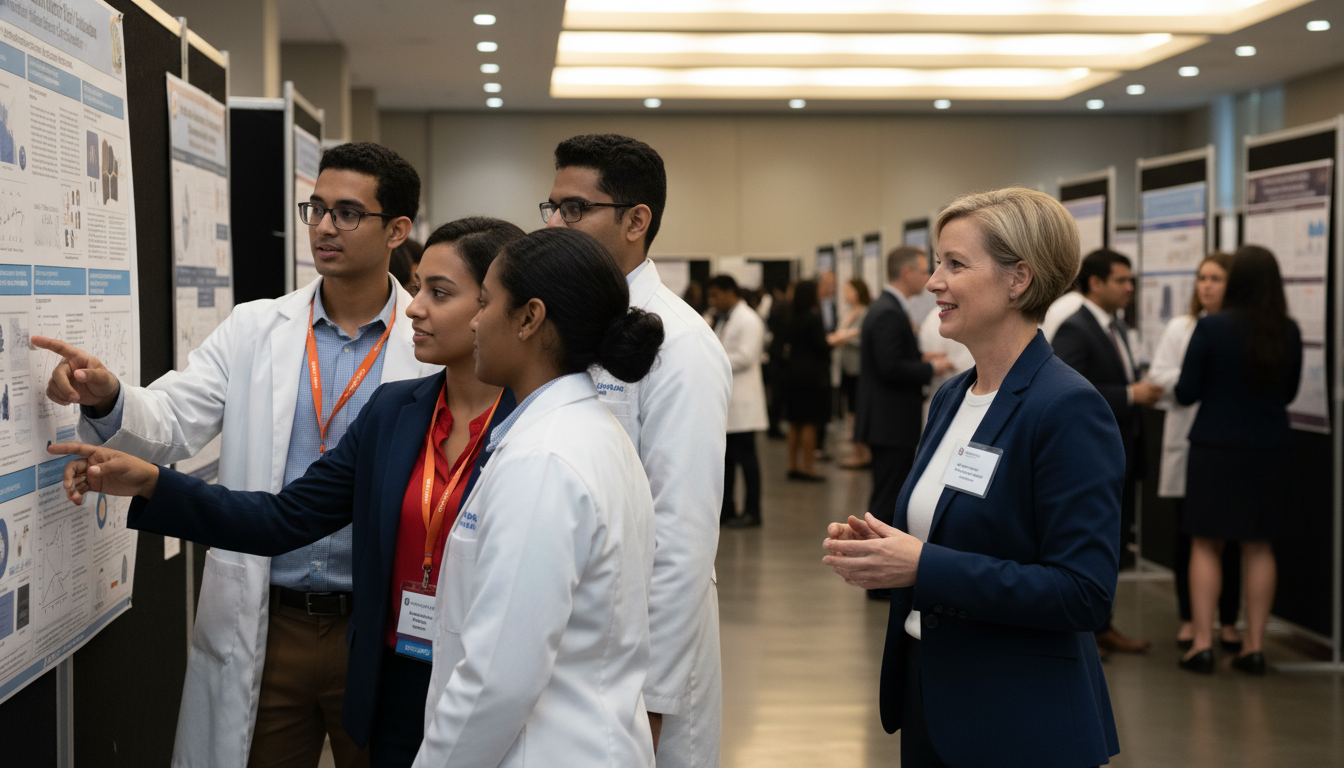
Networking in medicine is one of the most powerful—and most misunderstood—tools you have as a Caribbean IMG pursuing psychiatry. It’s not about schmoozing or “who you know” in a superficial sense. Done well, networking is about forming authentic, mutually beneficial professional relationships that help you grow, learn, and ultimately secure a strong psychiatry residency position.
For a Caribbean medical school student or recent graduate, especially from schools like SGU, AUC, Ross, or SABA, strategic networking can be the difference between an average application and a compelling story that programs remember. This is especially true in psychiatry, a specialty that values emotional intelligence, communication, and team collaboration—skills you can actively demonstrate through how you build and maintain your network.
Why Networking Matters Even More for Caribbean IMG Psychiatry Applicants
As a Caribbean IMG, you face structural challenges: visa issues, program bias, fewer home programs, and sometimes limited access to U.S.-based mentors. Networking doesn’t erase these barriers, but it can significantly reduce their impact.
1. Humanizing Your Application
Program directors receive hundreds of applications. Many will have similar USMLE scores and similar psychiatry rotations. What stands out?
- A faculty member who personally vouches for your work ethic
- A chief resident who emails the PD to say, “We had this student on our inpatient psych service—fantastic clinical skills and a great team player”
- A research collaborator who co-authors a poster with you and introduces you to colleagues at a major conference
When a program director sees your name and can attach a story or face to it, your application shifts from “one of many” to “this is that student who…”
2. Mitigating Bias Against Caribbean Medical School Graduates
Some programs are cautious about Caribbean medical school residency applicants because they’re unfamiliar with the curriculum or concerned about variability in training. Strategic networking helps by:
- Giving programs direct evidence of your capabilities through letters and personal interactions
- Allowing you to align yourself with trusted faculty, mentors, and institutions
- Demonstrating your initiative and professionalism in ways that a CV alone cannot
If you can say, “I worked with Dr. X at [U.S. hospital name] on a psych consult service,” you are no longer just “a Caribbean IMG” in their mind—you are a colleague whose work has been vetted locally.
3. Building a Psychiatric “Identity” Early
Psychiatry is a relationship-centered field. Programs notice:
- Who shows up at psychiatry grand rounds
- Who volunteers for community mental health outreach
- Who attends (and presents at) APA or local psychiatry society meetings
- Who keeps in touch with supervisors and asks thoughtful questions
Networking is how you slowly build a psychiatric identity—someone clearly committed to the field, well-integrated into its communities, and invested in its future.
Foundations of Effective Networking: Mindset and Strategy
Before diving into conferences and cold emails, you need the right mindset. Networking in medicine is not about transactional asks (“Can you write me a letter?”); it’s about long-term, authentic professional relationships.
Adopt the “Give Before You Ask” Mindset
You might feel you have little to offer as a Caribbean IMG student. You actually have more than you think:
- Time and energy for research projects, QI initiatives, or educational material
- Unique perspectives on cross-cultural psychiatry, immigration stress, and global mental health
- Willingness to help with tasks like data collection, literature reviews, or manuscript formatting
When you approach someone, think: How can I be useful to them and their work? That mindset creates goodwill and trust, which later makes it natural to ask for advice, mentorship, or letters.
Be Specific About Your Goals
Networking without clarity leads to scattered, superficial contacts. As a Caribbean IMG targeting psychiatry, define:
Short-term goals:
- Secure 1–2 strong U.S. psychiatry letters of recommendation
- Get involved in at least one psychiatry-related project (research, QI, education, advocacy)
- Build meaningful relationships at 2–3 programs of interest
Long-term goals:
- Develop a mentor in psychiatry who will guide your early career
- Build a reputation in one niche interest within psychiatry (e.g., addiction, child and adolescent, CL, global mental health)
- Create a stable professional network for future fellowships or academic roles
Knowing your goals helps you decide where to show up, who to contact, and what to say.
Leveraging Medical School, Rotations, and SGU-Style Alumni Networks
Caribbean schools, especially larger ones such as SGU, have extensive alumni networks spread across U.S. psychiatry residency programs. Tapping into these is one of your most powerful tools.
Use Your Caribbean Medical School Residency and Alumni Network
If you’re from SGU or a similar Caribbean school:
Ask your Office of Career Guidance or Alumni Office for:
- Lists of alumni in psychiatry
- Alumni who participated in SGU residency match success stories in psych
- Contact emails or LinkedIn profiles (when available)
Join:
- Official and unofficial alumni Facebook/WhatsApp/Telegram groups
- LinkedIn groups for SGU or your medical school’s graduates in the U.S.
When reaching out, keep it focused and respectful:
“Dear Dr. [Name],
I’m a current [Year] student at [Caribbean school] with a strong interest in psychiatry. I saw that you completed residency at [Program] and are now working in [Field]. I would be incredibly grateful for 15–20 minutes of your time to hear about your path as a Caribbean IMG in psychiatry and any advice you might have for someone planning to apply in the next cycle.
Thank you for considering this.
Best,
[Name]”
Your ask is advice and perspective, not a letter or a position. If the conversation goes well, you can follow up over time. That’s how relationships grow.
Maximize Every Psychiatry Rotation
Every rotation—especially core psych, sub-Is, and electives—is a live networking opportunity. Programs pay close attention to how you behave on the wards.
Actionable steps:
- Show up early, stay appropriately late: Be reliable and engaged.
- Ask for more responsibility once you’ve proven you can handle basic tasks.
- Volunteer to present at case conferences or journal clubs.
- Request mid-rotation feedback: Then visibly act on it. That builds trust.
At the end of the rotation:
- Ask your attending:
- “Could I stay in touch with you by email? I really appreciated your teaching on [specific topic].”
- If there’s a clear strong connection and they’ve seen your work: “Would you be comfortable writing a letter of recommendation for my psychiatry residency applications?”
For an IMG, especially Caribbean-based, strong letters from U.S. psychiatrists are often more influential than marginally higher test scores.

Use Student Organizations and Interest Groups
If your school has a Psychiatry Interest Group or mental health club:
- Volunteer for a leadership role
- Organize events with guest psychiatrists from U.S. institutions
- Coordinate virtual grand rounds or panel discussions with alumni in psychiatry
You’re not just learning; you’re building a visible profile as someone committed to psychiatry and comfortable interacting with faculty.
Conference Networking: Turning Meetings into Opportunities
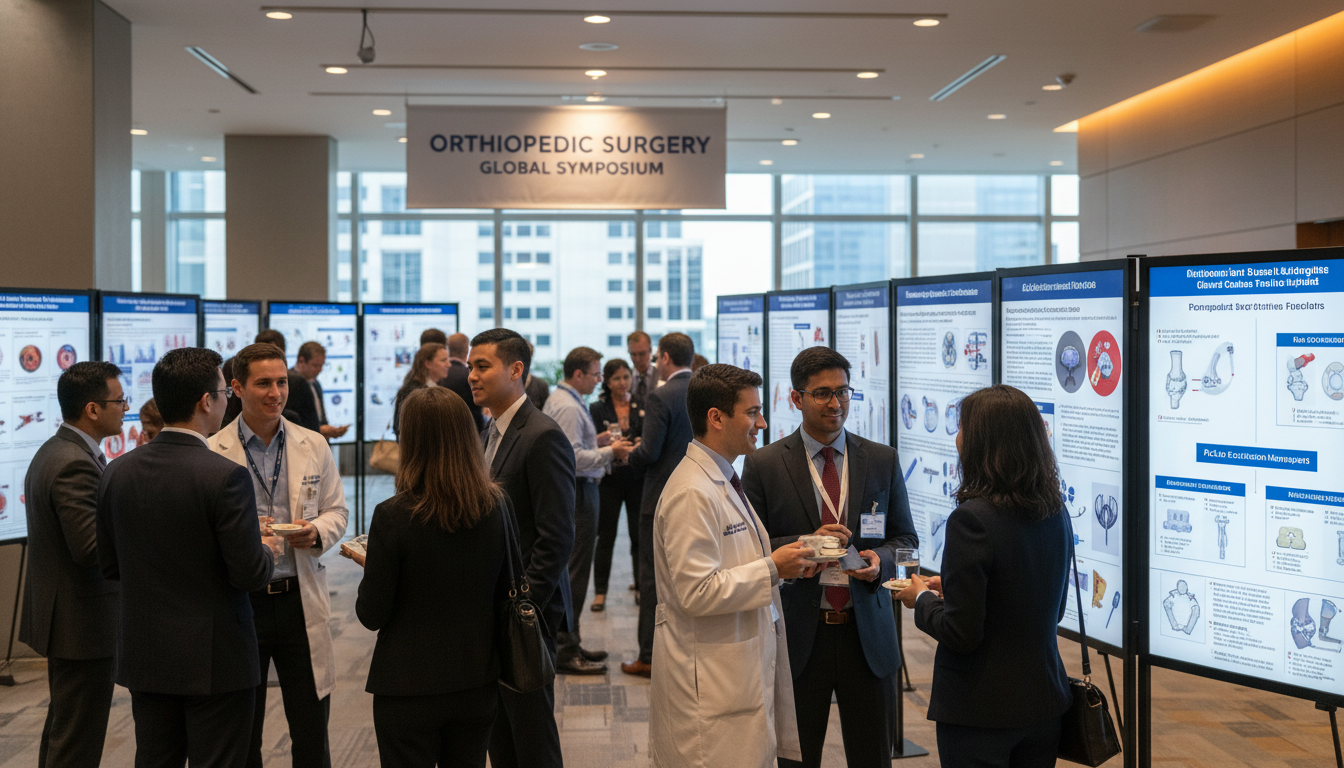
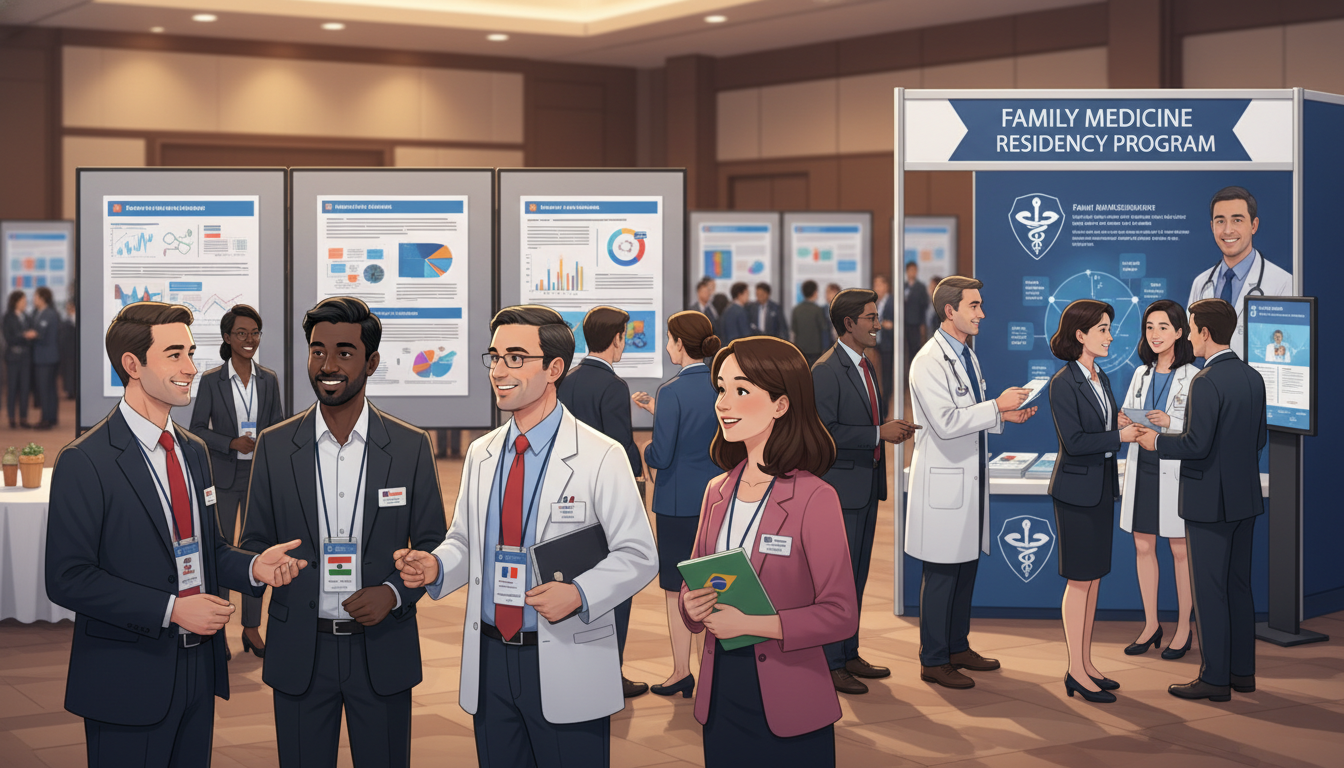
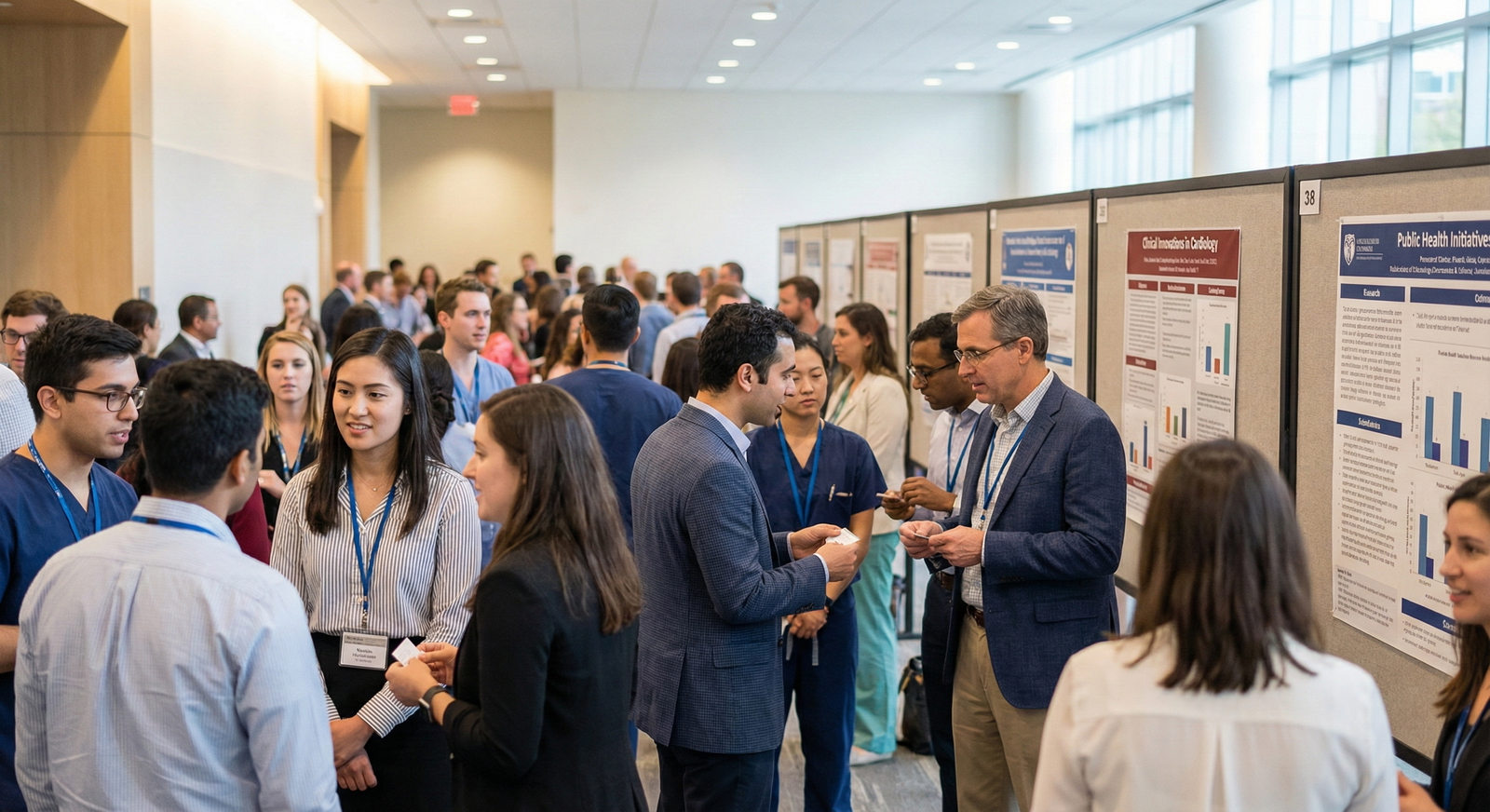
Conferences are high-yield networking environments—dense with faculty, residents, and fellows who are passionate about psychiatry. For a Caribbean IMG, conference networking can be your direct bridge into U.S. academic psychiatry.
Which Conferences Matter for Psychiatry?
Options include:
- APA Annual Meeting (American Psychiatric Association) – Flagship conference, large and busy but full of opportunities.
- AACAP (Child & Adolescent Psychiatry) if you’re interested in peds/psych.
- Local/state APA chapter meetings – Smaller, more intimate, easier to build real connections.
- Institutional research days, grand rounds, and regional psychiatry symposia near your rotation sites.
If travel is limited, prioritize virtual offerings, which often have Q&A sessions and breakout rooms where you can still practice conference networking.
Presenting: A Powerful Way to Stand Out
Even a poster presentation adds a layer of credibility and a structured reason to talk to people.
How to generate projects as an IMG:
Ask rotation attendings:
- “Is there a case that we could write up?”
- “Are there any ongoing QI or research projects that might need a student?”
Look for:
- Quality improvement projects (e.g., screening rates for depression, suicide risk documentation).
- Chart reviews.
- Simple education projects (e.g., creating teaching materials or evaluating a brief curriculum).
Then aim to submit abstracts to:
- APA (they accept posters, workshops, and symposia).
- Local psychiatry society meetings.
- Your medical school’s or affiliated hospitals’ academic days.
When you present, you’re not just another attendee—you’re a contributor.
How to Approach People at Conferences
Many IMGs hesitate to approach faculty, fearing they’re “bothering” them. The key is to be polite, concise, and specific.
Example script when approaching someone after a talk:
“Dr. [Name], thank you for your presentation on [topic]. I’m a Caribbean medical student with a strong interest in psychiatry and [relevant subspecialty]. I really appreciated your point about [specific detail]. Would you mind if I emailed you a question or two as I’m planning my path to residency?”
Or, at a poster:
“Hi, I’m [Name], a Caribbean IMG interested in psychiatry. Your poster on [topic] caught my attention because [reason]. Could you tell me a bit about how you got involved in this project as a trainee?”
Keep interactions short unless they invite longer conversation. Then, exchange emails or connect on LinkedIn.
Follow-Up After the Conference
The most critical part of conference networking is what happens after.
Within 48–72 hours:
- Send a brief email:
- Thank them for the conversation.
- Mention a specific detail to jog their memory.
- If appropriate, ask a small, clear question (e.g., about their program’s approach to IMGs in psychiatry, recommended readings, or advice on sub-specialty interests).
Every few months:
- Send occasional updates:
- A new poster or publication.
- A completed psych rotation and what you learned.
- Your plans for the coming application cycle.
Over time, some of these contacts become mentors or advocates.

Mentorship in Medicine: Building Support for Your Psychiatry Journey
Mentorship is the backbone of successful networking in medicine, especially for Caribbean IMGs who may not have an obvious support system in U.S. psychiatry.
Types of Mentors You Need
Career Mentor (Psychiatry-focused)
- Helps you understand the field, subspecialties, and career trajectories.
- Advises on which programs to target and how to build a psychiatric niche.
Application Mentor (IMG-aware)
- Knows the realities of Caribbean medical school residency transitions.
- Can guide you on exam timing, U.S. clinical experience, and how to address any red flags.
Near-Peer Mentor (Resident/Fellow)
- Can share unfiltered insight about psych match strategy, interviews, and day-to-day residency life.
- Easier to approach with “small” questions you might hesitate to ask senior faculty.
These roles can overlap; one person might play more than one role for you.
How to Find Mentors as a Caribbean IMG
During Rotations:
- Identify attendings who seem invested in teaching and open to questions.
- After a good rotation, ask: “Would you be open to staying in touch and possibly serving as a mentor as I apply to psychiatry?”
Through Alumni Networks:
- Look specifically for alumni in psychiatry who share your path (e.g., SGU → psych residency → fellowship).
- Ask for a call focused on “learning from your journey as a Caribbean IMG.”
Through Conferences and Societies:
- Join APA subgroups, such as the Minority and Underrepresented groups sections, IMG-focused committees, or student/trainee sections.
- Participate actively in their events; over time, mentors naturally emerge.
Being a Good Mentee
Your behavior either encourages or discourages mentors from investing in you.
- Be prepared for meetings: send a brief agenda or questions in advance.
- Respect their time: if you ask for 20 minutes, keep it near 20 minutes.
- Act on advice and update them on how it worked out.
- Express appreciation, not flattery. A simple, “Your advice on X really helped; here’s what happened,” goes a long way.
This is mentorship in medicine as a two-way relationship, not a one-time transaction.
Digital Networking: Email, LinkedIn, and Online Communities
As a Caribbean IMG often outside the mainland U.S., virtual networking becomes essential. Used well, it’s as impactful as in-person networking.
Crafting Effective Cold Emails
Cold emailing faculty, program coordinators, or researchers is appropriate when done respectfully. A strong email is:
- Short (under 200–250 words)
- Specific about why you’re contacting them
- Concrete in your ask (advice call vs. research opportunity vs. information on electives)
Basic template:
Subject: Caribbean IMG interested in Psychiatry & [Specific Area]
Dear Dr. [Name],
I am a [Year] medical student at [Caribbean school], planning to apply to psychiatry residency in [Year]. I came across your work on [topic / paper / program initiative] and was particularly interested in [specific detail].As an IMG with a strong interest in [subspecialty/interest], I would be very grateful for any brief advice you might have regarding [specific question: research involvement, psych match preparation, electives, etc.]. If you have 15 minutes available sometime in the next month for a brief phone or Zoom call, I would greatly appreciate it.
Thank you for your time and consideration.
Sincerely,
[Name]
[School, expected graduation, USMLE status if relevant]
[LinkedIn link if professional]
Avoid asking for a letter of recommendation or observership in your first email. Focus on building rapport and seeking guidance.
Using LinkedIn Strategically
LinkedIn is especially useful for Caribbean IMGs, because it:
- Surfaces alumni and IMGs in psychiatry more reliably than many school directories.
- Lets you demonstrate professionalism and interests publicly.
Make your profile strong:
- Professional photo, clear headline (“Caribbean medical student aspiring psychiatrist | Interested in [niche]”)
- About section highlighting psychiatry interest, research, and psych-specific experiences
- List psychiatry rotations, presentations, and volunteer experiences
Networking actions:
Connect with:
- Residents and faculty at programs you’re interested in
- Alumni from your Caribbean school in psychiatry
- Leaders in your subspecialty interest
When sending a connection request, add a 1–2 sentence note:
- Who you are
- Why you’re connecting (shared school, interest, or field)
Online Communities and Webinars
Look for:
- APA webinars for students and trainees
- IMG-focused psychiatry forums and social media groups
- Mental health podcasts or panels where you can ask questions live
While social media (Twitter/X, Instagram) can help you keep up with psychiatry trends, keep your public posts professional and respectful, especially under your real name.
Putting It All Together: Networking to Support Your Psychiatry Match
Ultimately, networking should tie directly into your psych match strategy.
How Networking Improves Your Psych Match Chances
Stronger Letters of Recommendation
- Well-developed relationships with psychiatry attendings and mentors yield letters that include detailed, specific praise—far more powerful than generic letters.
Better Program Fit Targeting
- Mentors can help you identify which programs are more IMG-friendly, which value Caribbean medical school residency backgrounds, and where your profile would be competitive.
More Confident Interviews
- Speaking regularly with psychiatrists, attending conferences, and being active in psychiatry communities will make you more fluent in the language, trends, and culture of the field.
- You’ll have concrete stories to share from research, advocacy, and clinical interactions.
Advocacy Behind the Scenes
- A faculty contact at a program can email, “We interviewed this candidate; I’ve also worked with them,” which can tip borderline decisions in your favor.
Practical 12–18 Month Networking Timeline Before Applying
12–18 months before ERAS:
- Join psychiatry organizations (APA, local chapters).
- Begin or deepen mentorship relationships.
- Seek involvement in at least one psych project (case report, QI, research).
9–12 months before ERAS:
- Attend at least one major or regional psychiatry conference (APA if possible).
- Present a poster if you can.
- Strengthen ties with psychiatry attendings during rotations.
6–9 months before ERAS:
- Ask key mentors to write letters of recommendation.
- Keep mentors updated on exam results, CV updates, and your program list.
3–6 months before ERAS:
- Use digital networking and alumni connections to learn about specific programs.
- Reach out to residents at those programs with targeted questions about environment, IMG support, and case mix.
Interview season:
- Maintain contact with mentors and keep them updated on interview invites.
- After interviews, send personalized thank-you notes referencing specific conversations.
Over time, this layered networking strategy—alumni, rotations, conferences, digital outreach, and mentorship—builds a robust support structure around you as a Caribbean IMG in psychiatry.
FAQs: Networking in Medicine for Caribbean IMG Psychiatry Applicants
1. I’m starting late and have limited contacts. Is it too late to network before applying?
No. Even within 6–9 months, you can:
- Build or strengthen relationships with rotation attendings.
- Attend at least one local or virtual psychiatry conference.
- Reach out to alumni in your target programs for advice.
Focus on depth (a few strong connections) rather than quantity.
2. How important is the SGU residency match or other Caribbean school match data when planning networking?
Match lists from SGU or other Caribbean schools show you which programs have historically taken Caribbean IMGs, including in psychiatry. These data help you:
- Identify potential alumni mentors.
- Prioritize programs where your networking efforts are more likely to be fruitful.
They don’t guarantee acceptance, but they’re a powerful guide to where to invest your energy.
3. Can networking compensate for lower USMLE scores as a Caribbean IMG?
Networking can’t erase objective metrics, but it can:
- Help programs see your full potential beyond scores.
- Position you to get interviews at programs that might otherwise pass over you.
- Enable strong letters and personal advocacy that contextualize any weaknesses.
For borderline applicants, networking can absolutely be the deciding factor in securing interviews and ranking highly.
4. How do I avoid coming across as pushy or transactional when networking?
- Lead with curiosity and genuine interest in the person’s work and journey.
- Ask for advice or perspective, not favors, on first contact.
- Space out your follow-ups (every few months) and ensure each one has a purpose (update, question, or shared milestone).
- Show appreciation and act on the guidance you receive.
If you approach networking as building long-term professional relationships—rooted in respect, curiosity, and contribution—you’ll be aligning perfectly with the culture and values of psychiatry itself.