Why Networking Matters Even More for Caribbean IMGs in Addiction Medicine
As a Caribbean international medical graduate (IMG) interested in Addiction Medicine, networking in medicine isn’t a “nice to have”—it is mission‑critical. Compared with U.S. grads, Caribbean IMGs often face additional barriers: less name recognition of their schools, visa needs, and fewer built‑in alumni pipelines. Thoughtful, strategic networking can help close that gap.
For those from Caribbean schools, including popular programs like SGU, residency and fellowship success often correlates strongly with how well they build and use professional relationships. Your network can:
- Open doors to interviews and observerships
- Strengthen your chances in the residency and SGU residency match process
- Connect you with mentors who understand the path into Addiction Medicine
- Lead to research, QI, or advocacy projects in substance use and public health
- Provide insider knowledge about addiction medicine fellowship opportunities
This article breaks down, step‑by‑step, how a Caribbean IMG can build a powerful, authentic network in medicine, with a special focus on Addiction Medicine and substance abuse training.
Laying the Foundation: Understanding the Landscape of Addiction Medicine
Before you start networking, you need clarity on where you’re heading. Addiction Medicine is a rapidly evolving specialty, and being knowledgeable about the field makes networking conversations more natural and more impactful.
Key Settings Where Addiction Medicine Lives
Addiction Medicine is practiced across a wide range of clinical environments:
- Primary care clinics (integrated behavioral health and MAT programs)
- Hospitalist services and consult teams (managing withdrawal, toxicology, complex comorbidities)
- Psychiatry departments and dual-diagnosis units
- Opioid treatment programs and methadone clinics
- Outpatient buprenorphine and naltrexone programs
- VA hospitals with robust substance use disorder (SUD) services
- Community mental health centers and harm reduction programs
- Correctional health systems (jails, prisons, re-entry programs)
Understanding these settings helps you ask smarter questions, identify potential mentors, and target your networking.
The Training Path: Where Networking Fits In
Most Addiction Medicine physicians arrive via residency in:
- Internal Medicine
- Family Medicine
- Psychiatry
- Pediatrics (less common but possible)
- Emergency Medicine
- Occasionally other specialties (e.g., OB/GYN, Anesthesia)
Then they pursue:
- Addiction Medicine Fellowship (ACGME-accredited)
- Or addiction psychiatry fellowship (for psychiatrists)
Networking impacts each step:
As a student or Caribbean IMG early graduate:
- Securing electives/observerships in addiction or behavioral health
- Getting strong letters of recommendation from U.S. clinicians
During residency:
- Joining or starting SUD-related QI or research projects
- Meeting fellowship program directors and faculty informally at conferences
When applying to an Addiction Medicine fellowship:
- Getting your name known by programs before you apply
- Having mentors who will advocate for you
Think of networking as the thread that stitches all these steps together into a coherent career path.

Core Networking Strategies for Caribbean IMGs
Networking in medicine is not about collecting business cards or spamming emails. It’s about building genuine, professional relationships over time. As a Caribbean IMG, you’ll want to be intentional, organized, and persistent.
1. Start With Your Immediate Circles
Even if you feel you “don’t know anyone,” you already have a network.
Leverage your Caribbean medical school community
- Reach out to recent graduates who matched into IM, FM, Psych, EM, or directly into Addiction Medicine fellowship.
- Many SGU residency match and other Caribbean match success stories happen because upper‑year students or alumni flagged opportunities to juniors.
- Ask your school’s alumni office or career services for:
- Lists of alumni in Addiction Medicine or behavioral health
- Alumni practicing in your target cities or hospitals
Clinical supervisors and preceptors
During rotations, especially in internal medicine, family medicine, psychiatry, emergency, or pediatrics:
- Let them know: “I’m exploring a career in Addiction Medicine. Do you have advice, or anyone you think I should talk to?”
- Ask for feedback and longitudinal contact: “Would you mind if I reach out periodically for career advice?”
This is how mentorship in medicine often begins—informally, then gradually more structured.
2. Use Online Platforms Strategically (Not Passively)
Create or refine a professional profile:
- Professional headshot, clear headline: “Caribbean IMG aspiring Addiction Medicine physician”
- Brief summary with your interests: opioid use disorder, harm reduction, health equity, global health, etc.
- List rotations, research, QI, volunteer experiences (especially any SUD/mental health related).
Then actively network:
- Connect with:
- Program directors, associate program directors, and fellows in Addiction Medicine
- Alumni from your school in any specialty
- Physicians who publish or speak on substance abuse training or SUD topics
- When sending connection requests, always write a short, specific note:
- “I’m a Caribbean IMG interested in Addiction Medicine and really appreciated your recent talk on buprenorphine in primary care. I’d value the chance to follow your work and possibly ask for brief career advice by email.”
Twitter / X and Other Professional Social Media
Many addiction specialists, harm reduction advocates, and academic departments are active on X:
- Follow hashtags like #AddictionMedicine, #MedEd, #FOAMed, #HarmReduction, #Recovery
- Share articles (with brief insights), ask thoughtful questions, and engage with discussions
- Avoid heated personal debates—maintain a professional, evidence‑based tone
Used well, these platforms give you a direct line to leaders who may later remember your name when reviewing fellowship applications.
3. Master the Art of the Cold Email
Cold emailing is uncomfortable at first, but hugely valuable for Caribbean IMGs trying to establish themselves in U.S. academic circles.
Targets for cold emails:
- Addiction Medicine fellowship program directors
- Faculty leading SUD research, MAT clinics, detox units, or consult services
- Public health officers involved in opioid response initiatives
- Clinicians you’ve heard speak at conferences or on webinars
Structure of an effective cold email:
- Subject line:
- “Caribbean IMG interested in Addiction Medicine – seeking brief career advice”
- Opening (1–2 lines):
- Who you are (Caribbean IMG, stage of training)
- How you found them (talk, paper, conference, referral)
- Specific interest (2–3 lines):
- Why you’re drawn to Addiction Medicine and/or their specific work
- Clear, modest ask (1–2 lines):
- 15–20 minute Zoom/phone call for advice
- Feedback on how to strengthen your profile for future addiction medicine fellowship applications
- Professional sign‑off and CV attached
Send a polite follow‑up in 10–14 days if no response. Many busy clinicians miss or forget emails and appreciate a gentle reminder.
4. Build Credibility Through Substance Abuse Training
Nothing makes networking conversations easier than having real work and training to discuss.
Look for opportunities to gain substance abuse training:
- Online SUD courses (NIDA, SAMHSA, ASAM)
- Free buprenorphine trainings (often online, sometimes with CME)
- Mini‑fellowships, observerships, or addiction electives in the U.S.
- Local or online NA/AA meeting observations (where appropriate and permitted)
- Volunteer work at syringe service programs, rehab centers, or recovery organizations
When you can say, “I completed X course and volunteered with Y program supporting people with opioid use disorder,” your conversations become richer and more memorable.
Conference Networking: Turning Events Into Long-Term Relationships
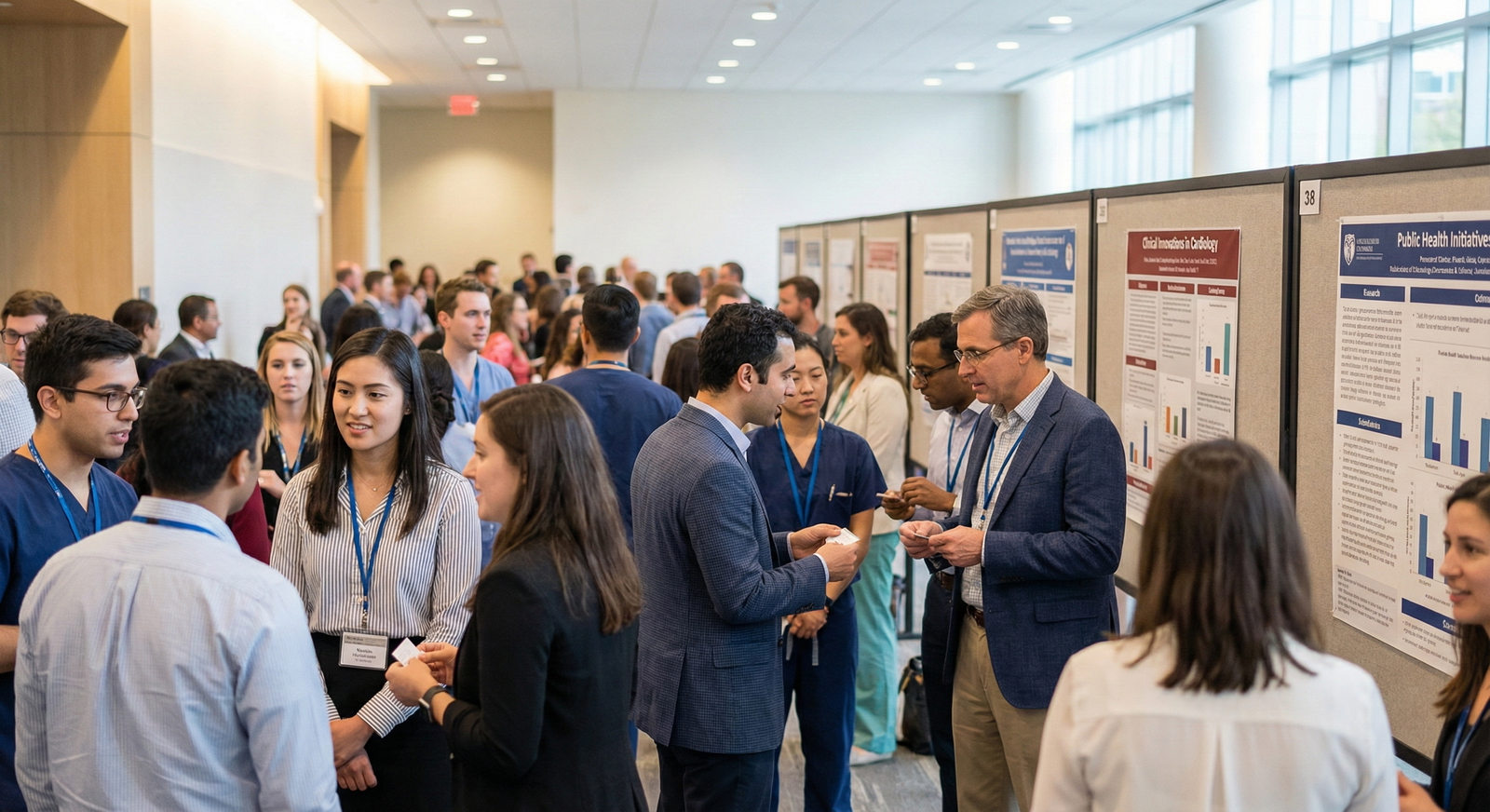
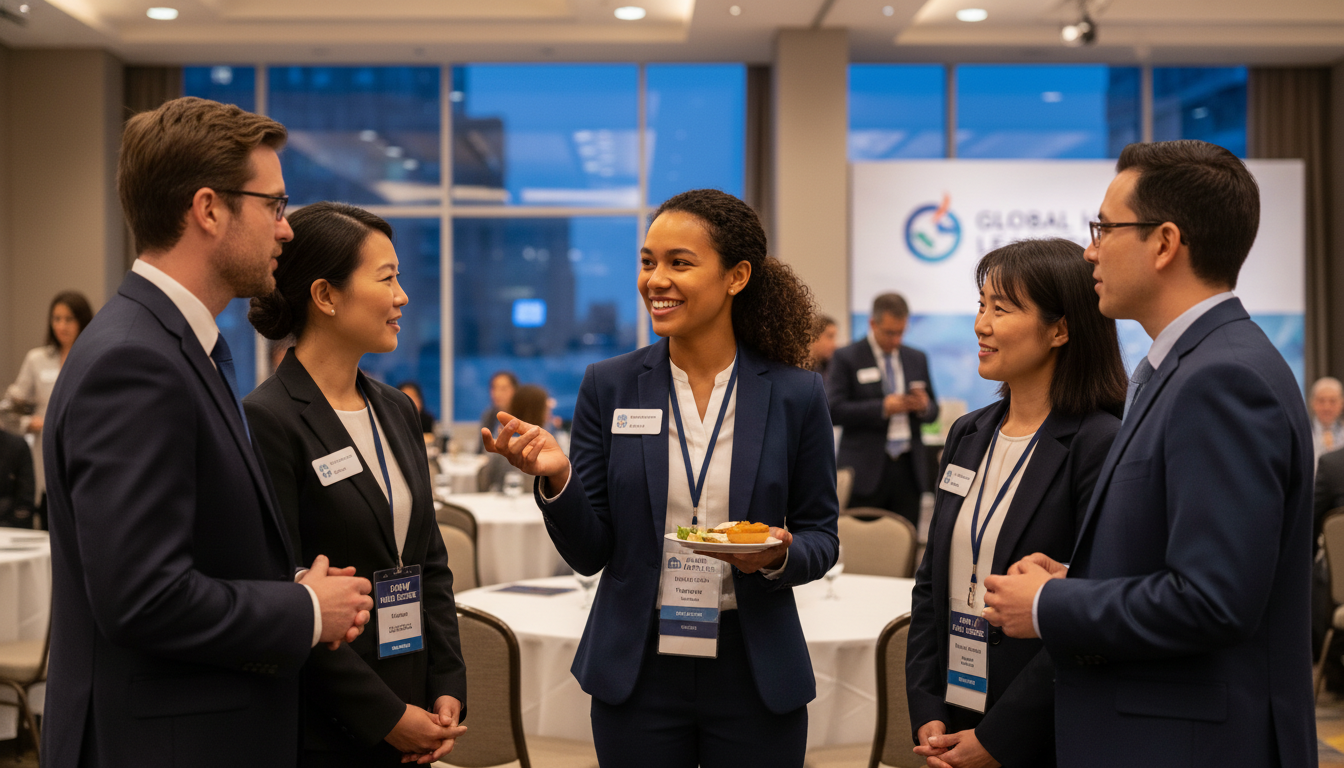
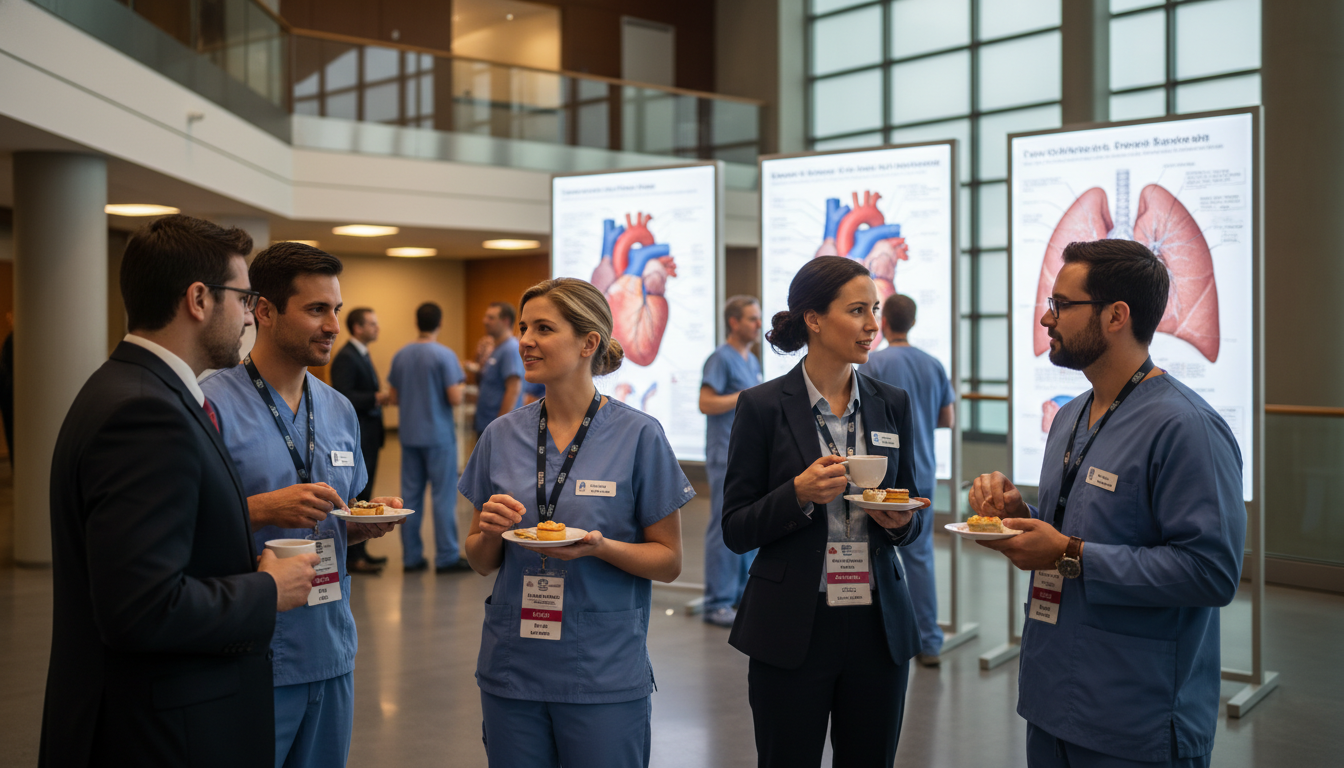
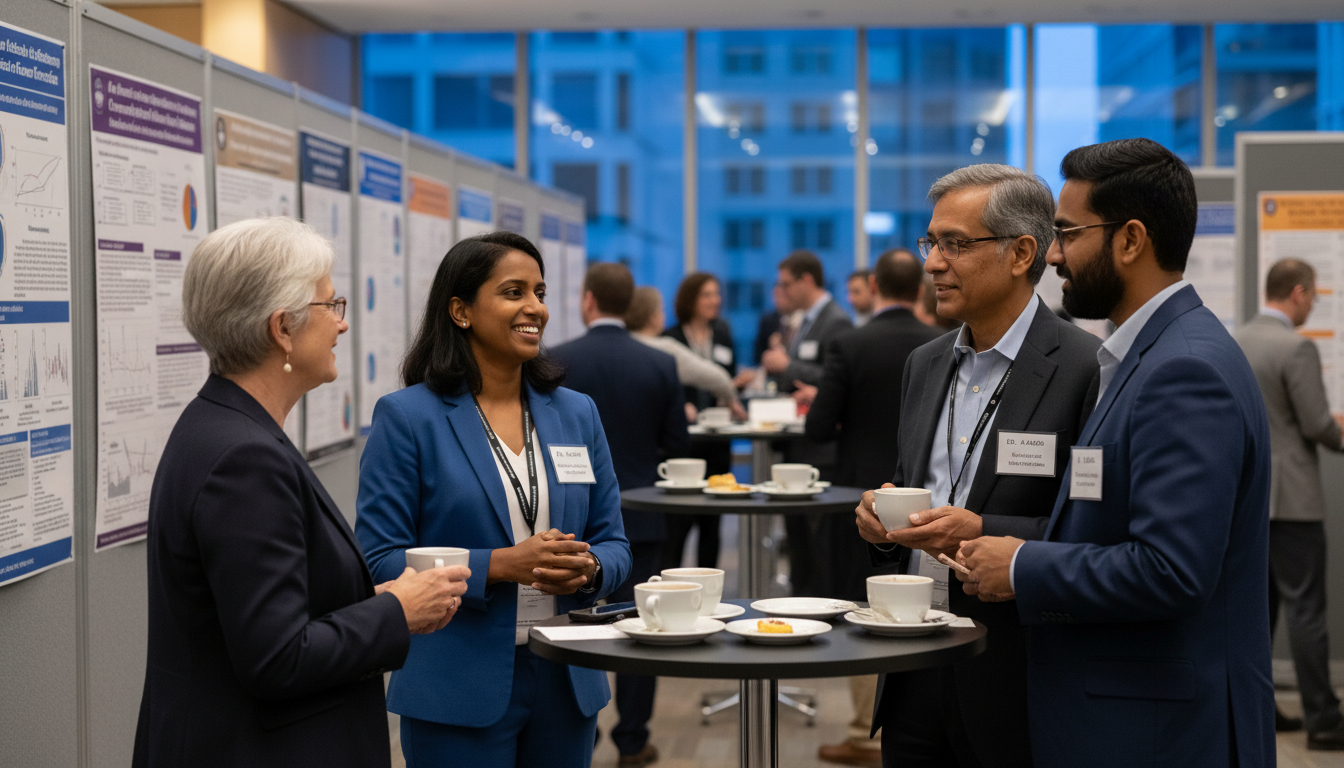
Conference networking is one of the highest-yield strategies for anyone entering a small, relationship‑driven field like Addiction Medicine—especially for Caribbean IMGs who may have fewer institutional connections in the U.S. or Canada.
Which Conferences to Target
Consider budgeting time and funds (or seeking travel grants) for:
- ASAM (American Society of Addiction Medicine) Annual Conference – premier U.S. addiction meeting
- AAAP (American Academy of Addiction Psychiatry) – especially for those leaning toward psychiatry-related Addiction Medicine
- Local or regional SUD conferences – often more intimate and approachable
- Primary care, internal medicine, family medicine, or psychiatry meetings with addiction tracks
- Webinars and virtual symposia hosted by large systems (e.g., VA, academic centers)
Many conferences offer discounted student/trainee registration and sometimes travel awards for poster presenters—ideal for Caribbean IMGs willing to submit case reports or small projects.
How to Prepare Before You Go
Study the program:
- Flag sessions led by people at institutions where you might apply for residency or addiction medicine fellowship.
- Identify talks on topics that genuinely interest you: harm reduction, trauma‑informed care, stimulant use, pregnancy and addiction, etc.
Create a short “elevator pitch”:
Be ready to say in 30–45 seconds:- Who you are (Caribbean IMG, current location, training status)
- Your clinical interests (“I’m especially interested in integrating Addiction Medicine into primary care and working with underserved communities.”)
- What you hope to do next (residency, research, addiction medicine fellowship later).
Print/update your business cards or QR code:
- Professional email, LinkedIn, and maybe a basic academic website if you have one
What to Do During the Conference
- Attend smaller workshops and breakout sessions where it’s easier to ask questions and meet people.
- Introduce yourself to speakers after their sessions with a simple, respectful approach:
- “Thank you for your talk. I’m a Caribbean IMG interested in Addiction Medicine, especially X. I’d love to follow your work—may I connect by email or LinkedIn?”
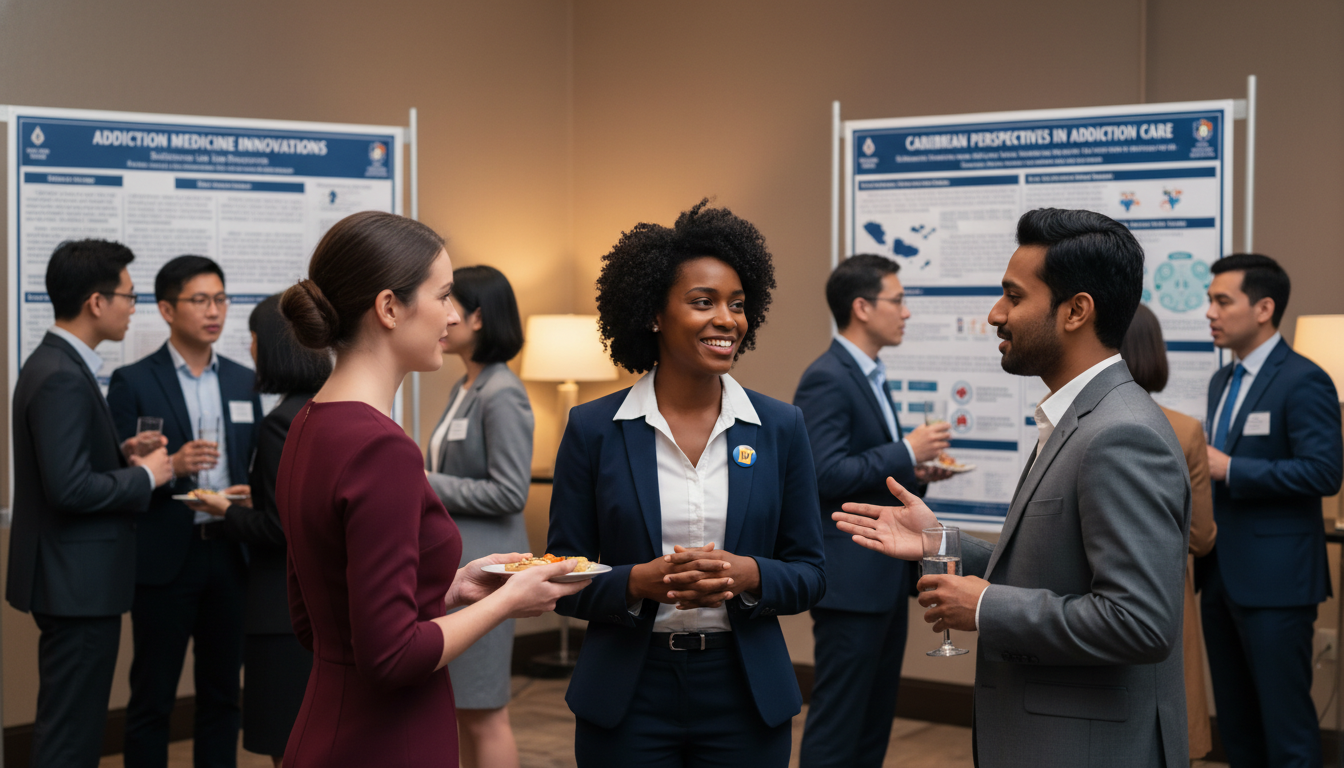
- Visit posters related to SUD, overdose prevention, and substance use treatment:
- Ask 1–2 specific questions; if the presenter is a fellow or junior faculty, they’re often very approachable.
Example conversation starter:
“I’m really interested in how you implemented buprenorphine in the ED. I’m a Caribbean IMG hoping to integrate Addiction Medicine into my future practice. If you had to give one piece of advice for someone at my stage, what would it be?”
Following Up After the Conference
This step is where conference networking turns into genuine medical networking.
Within 3–7 days:
- Send brief emails or LinkedIn messages:
- Thank them for their time
- Mention what you found helpful
- Propose a small next step if appropriate (a 15‑minute call, a request to hear about any upcoming projects or electives).
Keep a simple spreadsheet of:
- Names, roles, institutions
- Where you met
- What you discussed
- Next follow‑up date
Consistent, organized follow‑up is what converts one‑time interactions into real mentoring relationships.
Mentorship in Medicine: Building Your Personal Advisory Board
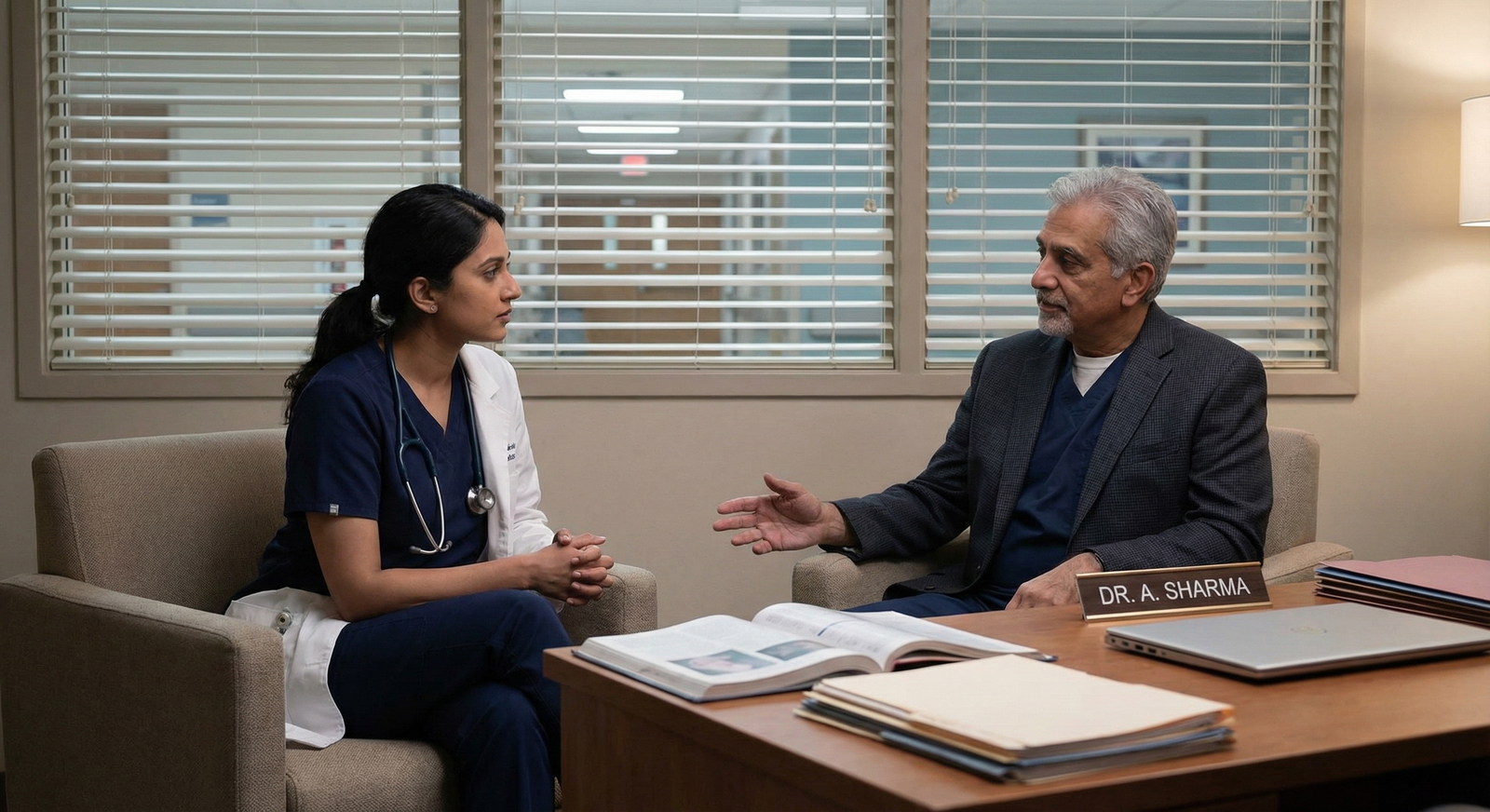
For a Caribbean IMG in Addiction Medicine, mentorship is not optional. You will benefit from multiple mentors, each filling different roles.
Types of Mentors You Should Seek
Clinical mentor in Addiction Medicine
- Helps you understand the day‑to‑day realities of the field
- Guides you on which skills to prioritize (e.g., motivational interviewing, MAT management, dual diagnosis care)
Residency process mentor
- Often not an addiction specialist, but someone who understands the Caribbean medical school residency and IMG landscape
- May advise you on which programs are historically IMG‑friendly
Research/QI mentor
- Helps you build a track record of scholarly work (posters, case reports, QI projects) that support your Addiction Medicine narrative
Near-peer mentor
- An IMG resident or fellow 1–4 years ahead of you
- Often the most honest about challenges, strategies, and unwritten rules
How to Nurture Mentor Relationships
- Be reliable: show up on time, meet deadlines, respond to emails.
- Bring an agenda to meetings:
- Recent accomplishments
- Decisions you’re struggling with
- Questions about Addiction Medicine and training steps
- Ask how you can add value:
- “Can I help with literature review, data collection, or drafting a poster?”
- Share your progress and wins; mentors feel invested when they see impact.
Over time, these mentors become your sponsors—people willing to recommend you for interviews, electives, or positions, which is especially valuable when applying to residency or addiction medicine fellowship programs.
Putting It All Together: A Stepwise Networking Plan for Caribbean IMGs
Below is a practical roadmap you can adapt depending on your current stage.
If You Are Still in Caribbean Medical School
- Clarify your interest in Addiction Medicine through reading, webinars, and any available SUD exposure on the island.
- Contact your school’s career services or alumni office about addiction‑related alumni.
- Join ASAM as a student member, if possible, and attend virtual events.
- Start building a LinkedIn presence, following addiction medicine leaders and programs.
- Seek U.S. electives or observerships with addiction focus: IM, FM, Psych with strong SUD services.
If You Are in the Match Process or a Transitional Year
- Frame your story:
- Why Addiction Medicine? What personal or clinical experiences led you there?
- Use every rotation as a networking opportunity:
- Share your interest in addiction work with attendings, residents, and social workers.
- Request letters of recommendation from clinicians who can speak to your communication skills, empathy, and clinical reasoning—traits highly valued in Addiction Medicine.
- If you’re connected to schools like SGU, ask specifically how past SGU residency match candidates interested in Addiction Medicine built their path.
If You Are Already in Residency
- Seek out SUD‑related clinical experiences:
- Detox units, consult services, outpatient MAT, VA SUD clinics.
- Find or propose QI or research projects on:
- Reducing stigma in treating SUD
- Improving MAT initiation
- Overdose prevention and naloxone distribution
- Attend at least one national/regional addiction conference by PGY2 or early PGY3.
- Start direct conversations with fellowship programs by late PGY2:
- Ask what they look for in applicants, especially IMGs.
- Keep growing your network through conference networking, social media, and local collaborations.
By the time you apply for an addiction medicine fellowship, you want multiple people in the field to recognize your name and be able to vouch for your commitment.
Common Pitfalls for Caribbean IMGs—and How to Avoid Them
Pitfall 1: Waiting Until You Need Something to Network
Only contacting people when you need a letter or an observership can come across as transactional.
Solution: Start early. Focus first on learning and relationship building; opportunities will naturally follow.
Pitfall 2: Being Too Vague About Your Goals
Saying “I want to help people” is admirable but not specific enough to guide your contacts in helping you.
Solution: Articulate clearer aims, such as:
- “I want to practice Addiction Medicine in a safety‑net system in a major U.S. city.”
- “I’m especially interested in integrating SUD treatment into primary care.”
Specificity helps mentors point you toward the right people and programs.
Pitfall 3: Ignoring Non‑Physician Allies
Addiction Medicine is deeply interdisciplinary.
Solution: Network with:
- Social workers
- Psychologists
- Peer recovery specialists
- Nurses and pharmacists
These professionals often know where the most innovative addiction programs are happening and can connect you to physician champions.
Pitfall 4: Underestimating the Power of Consistency
Many people make a “networking push” for a month and then stop.
Solution: Treat networking like maintaining professional relationships:
- Schedule a small block of time weekly for emails, follow‑ups, and LinkedIn touches.
- Reconnect with key contacts every 3–6 months with meaningful updates.
FAQs: Networking in Medicine for Caribbean IMGs in Addiction Medicine
1. As a Caribbean IMG, when should I start networking if I’m interested in Addiction Medicine?
Start as early as possible—ideally during your clinical years. However, it’s never “too late.” Even if you’re already in residency, you can begin now by identifying Addiction Medicine faculty, joining professional societies like ASAM, and connecting with alumni. The key is to be intentional and consistent from wherever you are.
2. How can I stand out when I don’t have strong research experience yet?
You can stand out by:
- Completing structured substance abuse training (online courses, buprenorphine training, webinars)
- Volunteering in community SUD or harm reduction programs
- Writing case reports or small QI projects related to SUD in your current clinical setting
- Clearly articulating a thoughtful, patient‑centered reason for your interest in Addiction Medicine.
Many programs value sincere commitment and practical experience as much as traditional research.
3. Are Addiction Medicine fellowships open to Caribbean IMGs?
Yes. Many addiction medicine fellowship programs have accepted international graduates, including Caribbean IMGs, particularly those who trained in U.S. residencies and can work in the U.S. Programs differ in their familiarity with Caribbean medical school residency backgrounds and visa policies, so early communication is vital. Strong clinical evaluations, meaningful SUD experiences, and supportive mentors can significantly improve your chances.
4. How do I approach a potential mentor without feeling like I’m bothering them?
Approach with respect, clarity, and modest asks:
- Start with a concise email explaining who you are and why you’re interested in their work.
- Ask for a brief 15–20 minute conversation for advice—not a big commitment.
- Come prepared with specific questions and show that you’ve done your homework.
Most clinicians enjoy helping motivated learners, especially in a mission‑driven field like Addiction Medicine. If they are too busy, they will usually say so or refer you to someone else.
By thoughtfully combining conference networking, online engagement, substantive training, and meaningful mentorship in medicine, a Caribbean IMG can build a strong, visible presence in Addiction Medicine. With patience and strategy, your network can become one of your greatest assets—from the Caribbean medical school residency and SGU residency match stage all the way through securing an Addiction Medicine fellowship and beyond.