Why Networking Matters So Much for Caribbean IMGs in ENT
For a Caribbean international medical graduate aiming for otolaryngology (ENT), networking in medicine is not optional—it is strategic survival.
Otolaryngology is consistently one of the most competitive specialties in the NRMP. At the same time, Caribbean medical school graduates and other IMGs face structural challenges: fewer home programs, limited research infrastructure, and bias (implicit or explicit) against non‑US schools. Strong scores and solid clinical performance are necessary but often not sufficient.
Networking—done authentically and systematically—helps you:
- Overcome barriers associated with being a Caribbean IMG
- Get on the radar of ENT faculty and program directors
- Learn the unwritten rules of the otolaryngology match
- Secure meaningful letters of recommendation (LORs)
- Find research and away-rotation opportunities
- Build a reputation that supports your SGU residency match or other Caribbean medical school residency goals
Think of networking as building your professional reputation long before your application is uploaded to ERAS. The goal isn’t collecting business cards or LinkedIn connections; it’s building long-term, bidirectional professional relationships within otolaryngology.
Laying the Foundation: Clarifying Your Goals and Story
Before you start serious medical networking, you need clarity on two things:
- What you are aiming for
- How you will be perceived
Define your ENT and residency goals
Have clear, concrete targets. For example:
- Specialty: Otolaryngology (ENT)
- Timeline: Match year (e.g., 2027)
- Geography: Open to any US program vs. specific regions
- Program type: Academic vs. community with academic affiliation
- Flexibility: Backup specialty if you do not match
Having this clarity allows mentors and faculty to help you more effectively.
Craft a concise professional narrative
Everyone you meet—especially as a Caribbean medical school student—will silently ask two questions:
- Who are you?
- Why ENT?
Prepare a 20–30 second “professional snapshot” you can adapt for different settings:
Example (student from SGU):
“I’m a fourth-year student at St. George’s University with a strong interest in otolaryngology. I developed that interest while working on a sinusitis quality-improvement project and doing research on outcomes after endoscopic sinus surgery. I’m applying to the 2026 otolaryngology match and I’m especially interested in academic programs with a strong emphasis on resident education and head & neck oncology.”
Refine this over time. Make it:
- Specific (ENT-focused, not “maybe ENT or derm or anesthesia”)
- Grounded in actions (research, QI, leadership, patient experiences)
- Forward-looking (where you want to go and how they might help)
Build a professional presence (online and offline)
As a Caribbean IMG, your online presence can help counter stereotypes and showcase your professionalism and productivity.
LinkedIn:
- Professional headshot
- Clear headline: “SGU Medical Student | Otolaryngology (ENT) Residency Applicant 2027”
- Add research projects, presentations, and volunteer work
PubMed / ResearchGate / Google Scholar (if applicable):
- Keep publications up to date
- Link to your institutional profile if you have one
Email identity:
- Simple, professional email (e.g., firstname.lastname@med.school.edu or Gmail equivalent)
- A brief email signature: Name, Caribbean school, class year, phone (US-based if possible), LinkedIn link
This foundation makes every subsequent networking step more effective.

High-Yield Networking Channels for Caribbean IMGs in ENT
1. Clinical Rotations: Your Most Powerful Stage
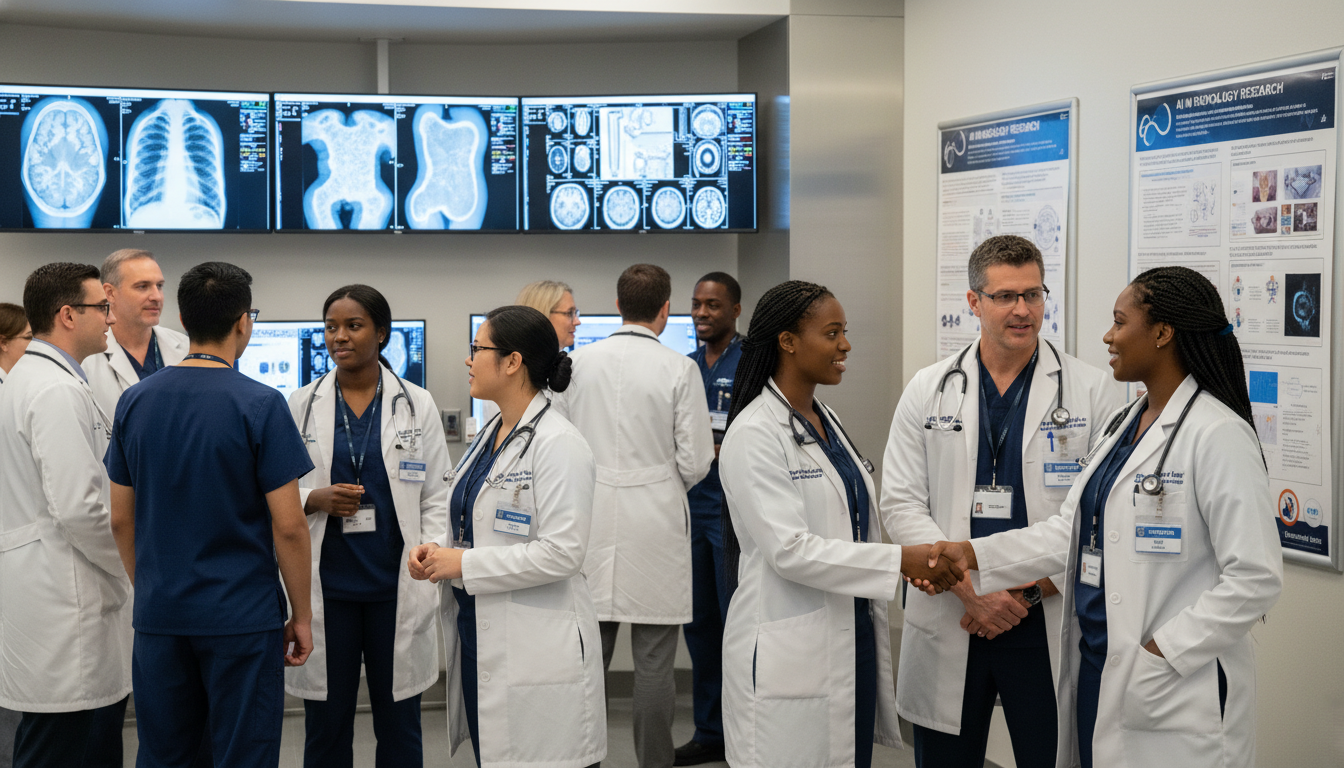
Every patient encounter and case discussion is a networking moment. Faculty and residents evaluate you constantly, and their impressions shape your letters and informal advocacy.
Strategies to stand out:
Be predictably excellent:
- Show up early, stay late when appropriate
- Know your patients in detail
- Read on tomorrow’s cases the night before
Signal your interest in ENT:
- Ask thoughtful, content-based questions: “I read about the latest guidelines on pediatric OSA. How has that changed your adenotonsillectomy criteria?”
- Volunteer for ENT-related tasks (clinic follow-ups, pre-op counseling, patient education handouts)
Ask for feedback—and act on it:
- “Dr. Smith, I’m very interested in otolaryngology and would value any feedback on how I can improve on this rotation.”
- When you adjust based on their advice, you demonstrate maturity and teachability—key traits residents and faculty remember.
For Caribbean students doing US rotations (e.g., SGU clinical sites):
Use these rotations to show that you can perform on par with, or better than, US students. Faculty who see this first-hand can become your strongest advocates in your SGU residency match or in your otolaryngology match elsewhere.
2. Away Rotations and Sub-Internships in ENT
Away rotations (audition rotations) are arguably the single most powerful tool for an IMG pursuing ENT.
They allow you to:
- Work directly with ENT faculty and residents
- Demonstrate clinical and team skills over 4 weeks
- Earn specialty-specific LORs from US otolaryngologists
- Show programs you are more than just a Caribbean medical school name on paper
Key points for Caribbean IMGs:
Timing:
- Plan at least 1–2 ENT away rotations in your intended application cycle
- Some IMGs benefit from additional away rotations if financially and logistically feasible
Program selection strategy:
- Target programs with a history of interviewing or matching IMGs or Caribbean graduates
- Look up residency program rosters and alumni—if you see Caribbean IMGs, that’s a positive sign
How to network during an away rotation:
- Be reliable and enthusiastic—not overbearing
- Offer to help with small research or QI projects
- Ask one or two residents: “If I wanted to become more involved in research or departmental activities, whom should I talk to?”
- At the end: ask directly if they’d be comfortable writing a strong ENT-specific letter for your application
3. Research and Academic Networking in ENT
In a competitive field like otolaryngology, research is both a credential and a networking engine.
Finding research as a Caribbean IMG:
Use your school’s alumni network
- SGU, Ross, AUC, etc., often have graduates in US ENT programs
- Ask your dean’s office or alumni office for ENT alumni contacts
- Reach out with a short email:
- Who you are (Caribbean IMG, year, school)
- Why ENT
- Any prior research skills
- Polite request: “I was wondering if you might know of any ongoing ENT research projects where a motivated student could contribute remotely or in-person.”
Cold emails to ENT faculty
- Target faculty who publish regularly and may have larger research groups
- Keep the email short, respectful, and specific to their area of work
- Attach a 1-page CV
Use research as long-term networking:
- Regular Zoom or in-person check-ins with your research mentor
- Ask about conferences where you can submit abstracts
- Request feedback on presentations and posters
- Express your long-term ENT goals; mentors are more likely to introduce you to colleagues when you’ve contributed meaningfully over time.
Conference and Society Networking: Where ENT Leaders Gather
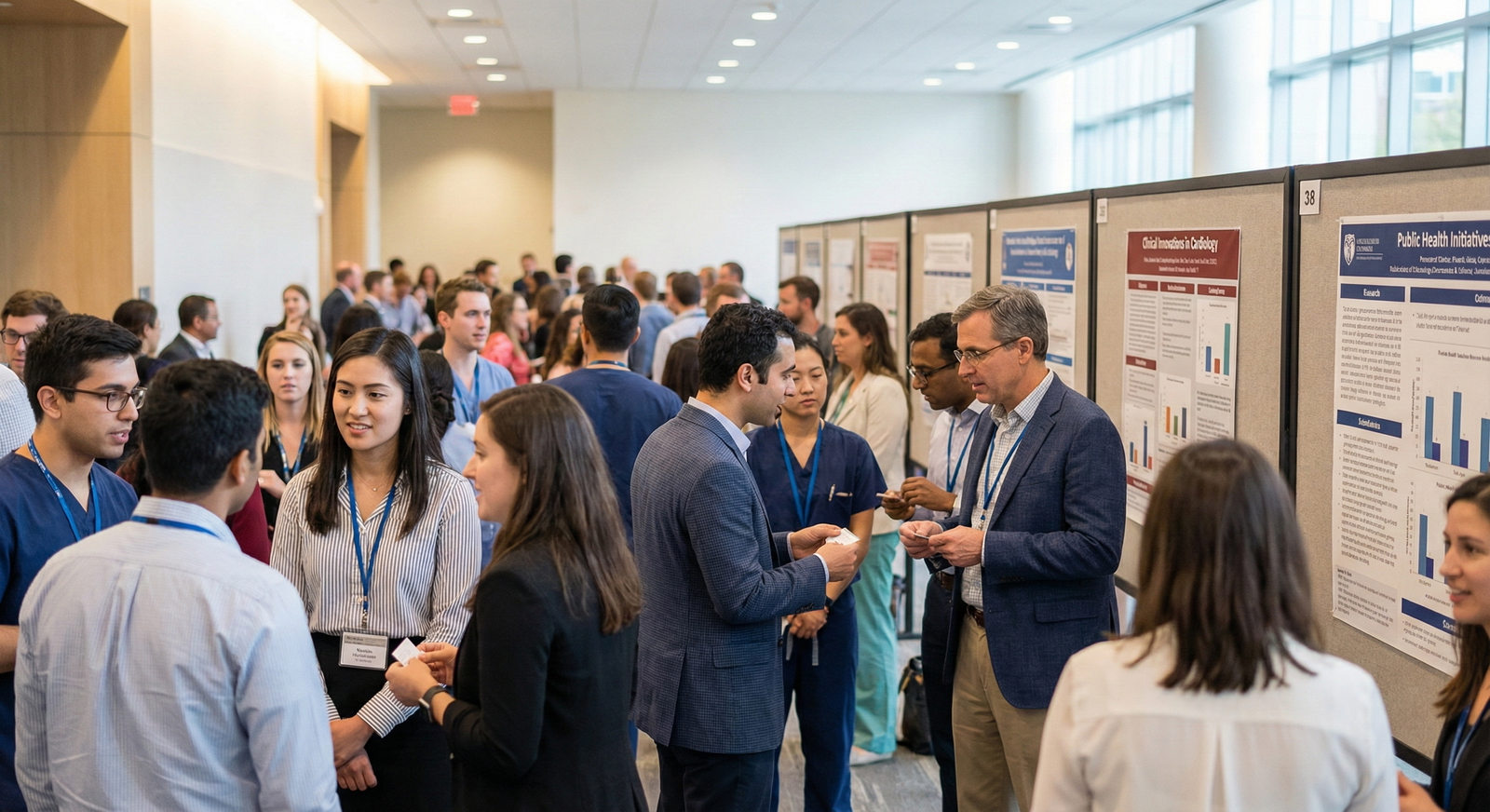
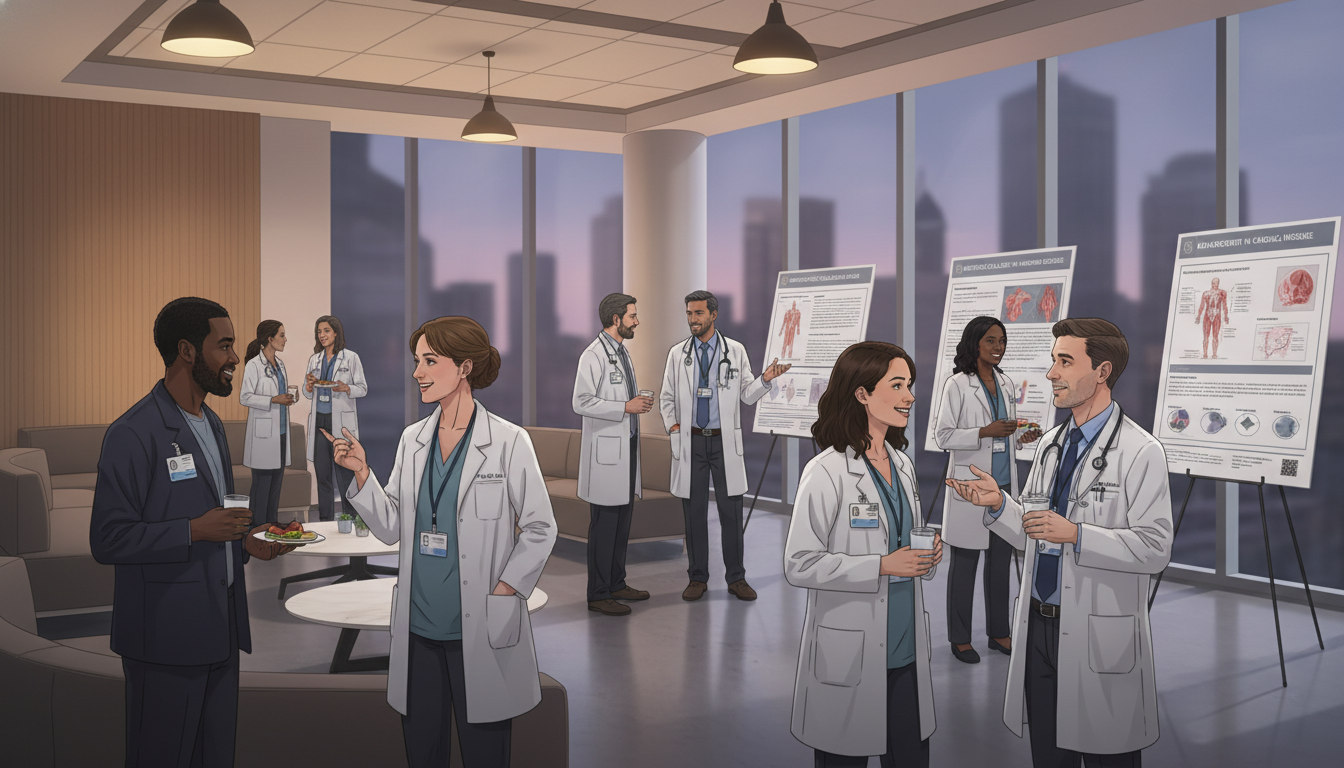
Professional meetings are high-yield networking environments if you prepare and follow through.
Target organizations for ENT residency hopefuls
- American Academy of Otolaryngology–Head and Neck Surgery (AAO-HNS)
- Triological Society (research-focused)
- Specialty societies (e.g., American Rhinologic Society, American Laryngological Association)
- State and regional otolaryngology societies
Even as a Caribbean IMG, you can usually join as a student member at reduced cost.
Before the conference: Set a networking plan
Register early and apply for travel scholarships
- Many societies support medical students, including IMGs
- A scholarship itself can become a talking point in your application
Study the program
- Identify sessions and panels that relate to your interests (e.g., sleep surgery, otology, head and neck oncology)
- Note speakers whose work you’ve read or cited
Reach out in advance
- “Dear Dr. X, I am a fourth-year student at [Caribbean school] interested in ENT and will be attending [Conference]. I have been following your work on [topic]. If you have 10 minutes during the conference, I’d be very grateful for the chance to ask a few questions about pursuing ENT as an IMG.”
Even a couple of such meetings can be transformative.
At the conference: How to actually network
Elevator intros:
Have your short professional narrative ready (from earlier). Adapt based on who you’re speaking to—resident, junior faculty, or senior leader.
Poster and oral presentations:
If you’re presenting:
- Stand by your poster during the official session
- Invite conversation: “Hi, I’m [Name], a student at [School]. I’d be happy to walk you through our study on [topic].”
- Ask everyone you speak with for a card, or at least their email
If you’re not presenting:
- Attending other posters is still powerful
- Ask genuine, thoughtful questions; later, you can email the presenter and mention your brief interaction
Common questions to ask ENT residents and faculty:
- “How did you decide on otolaryngology as a specialty?”
- “What qualities do you think distinguish a strong ENT applicant?”
- “For someone training at a Caribbean medical school, what would you prioritize in preparing for the otolaryngology match?”
After the conference: Follow-up is where relationships form
Within a week:
- Send a short, specific thank-you email:
- Mention something concrete you discussed
- Express appreciation and briefly restate your goals
- If appropriate, ask one specific follow-up question or request (e.g., recommendation for readings, advice on away rotations, or permission to contact them in the future for mentorship)
This simple habit builds a mentorship medicine network that can support you for years.

Mentorship in ENT: Building Your Personal Advisory Board
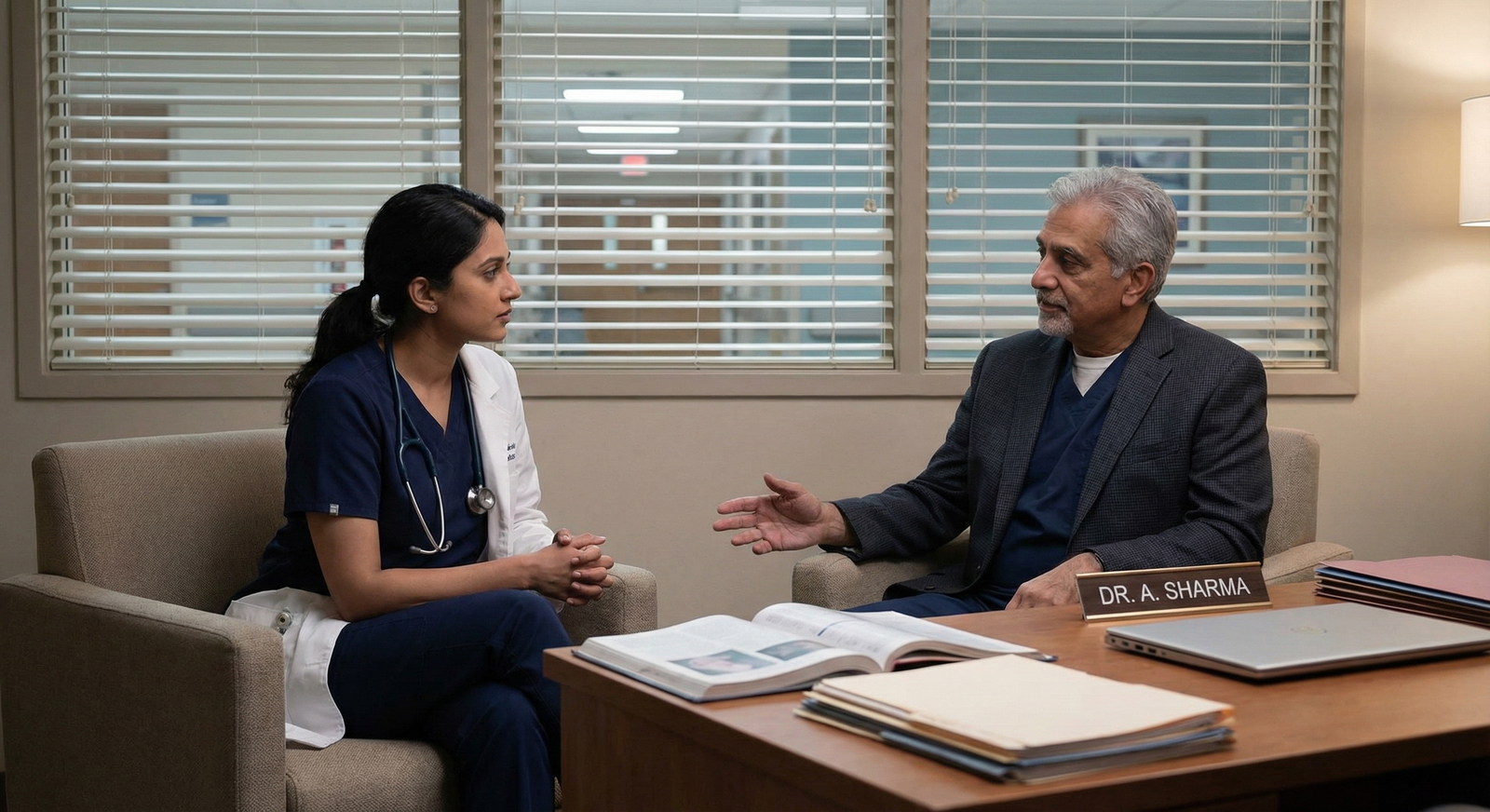
For a Caribbean IMG pursuing ENT, you want more than “a mentor.” You want a mentorship ecosystem—a small group of people who can advise and advocate for you in different ways.
Types of mentors you should aim to have
Specialty mentor (ENT faculty)
- Helps shape your otolaryngology match strategy
- Guides away rotation selection
- Advises on research focus and conference choices
- Potentially writes key specialty letters
Near-peer mentor (ENT resident, ideally IMG or Caribbean graduate)
- Provides real-time, practical advice
- Shares example emails, personal statements, schedules
- Understands the unique IMG and Caribbean medical school residency pathway
Institutional advocate (a dean or core clerkship director)
- Knows your full academic story
- Can explain any red flags or delays in training
- Writes a strong MSPE and supports your applications broadly
Career/life mentor (possibly outside ENT)
- Helps you maintain perspective on wellness, backup plans, and long-term goals
How to initiate a mentorship relationship
A good approach is gradual and respectful:
- Start with a short, focused email or meeting request
- Ask 2–3 specific questions, not “can you be my mentor?”
- After the meeting, follow advice and circle back with updates
Example email to a potential ENT mentor:
Subject: Caribbean IMG interested in Otolaryngology – seeking brief guidance
Dear Dr. [Last Name],
My name is [Name], and I am a [Year] medical student at [Caribbean medical school] with a strong interest in otolaryngology. I learned about your work in [area] through [context: conference, article, rotation].
I am planning to apply to the otolaryngology match in [Year] and would be very grateful for 15–20 minutes of your time (phone or Zoom) to ask a few questions about research focus and away rotation strategy as an IMG.
Thank you very much for considering this,
[Your full name]
[School, class year]
[Phone]
[LinkedIn or other professional link if appropriate]
If the relationship develops over months, then it’s natural to say:
“You’ve been incredibly helpful over this past year; if you’re comfortable with it, I’d be honored to consider you a mentor as I move forward in the ENT application process.”
Making mentorship medicine work for you
To make the most of your mentors:
- Be organized: Send an agenda before meetings and a brief summary afterward
- Respect time: Keep meetings concise, show up prepared
- Deliver on commitments: If a mentor gives you a research task or connection, follow through promptly
- Give credit: Acknowledge their guidance in presentations, emails, and when talking to others
Over time, your mentors become the people who email colleagues, introduce you at conferences, and pick up the phone on your behalf when a program director is reviewing your file.
Practical Networking Tactics for Caribbean IMG ENT Applicants
Mastering email and message etiquette
Your written communication is part of how people judge your professionalism.
Key principles:
- Use clear subject lines: “Medical student interested in ENT research – brief inquiry”
- Short paragraphs, specific asks
- Always proofread for errors
- If no response: one polite follow-up after 7–10 days is acceptable
Using social media and digital platforms carefully
Social media can extend your medical networking reach if used strategically.
Twitter/X (“MedTwitter”):
- Follow otolaryngology societies, residency programs, and ENT thought leaders
- Like and share academic posts; occasionally add brief, professional comments
- Avoid controversial or unprofessional content—it will be seen
LinkedIn:
- Connect with residents and faculty after you’ve met them or interacted meaningfully
- Post major achievements (publications, presentations, scholarships)
- Ask for informational interviews (“15-minute call to learn about your path into ENT as an IMG”)
Turning every interaction into a networking opportunity
Common high-yield, often-overlooked settings:
- Resident teaching sessions:
- Stay a few minutes after to ask one or two thoughtful questions
- Hospital committees or QI meetings:
- Volunteer to help with ENT-relevant projects (surgical safety, perioperative protocols, airway management)
- Interdisciplinary rounds (ICU, oncology):
- Show interest whenever ENT is consulted; ask ENT residents about common consult pitfalls
The more people see you as consistently engaged, dependable, and kind, the more your reputation grows.
Tracking your networking efforts
Because you’ll meet many people over months and years, keep a simple spreadsheet or document with:
- Name, role (resident, faculty, etc.), institution
- How you met (rotation, conference, email)
- Date of last interaction
- Notes (interests, projects discussed, advice received)
- Follow-up tasks
Review this every month. It keeps relationships active and intentional rather than random.
Navigating Unique Challenges as a Caribbean IMG in ENT
Even with excellent networking, you will face obstacles tied to being a Caribbean medical school graduate. How you respond matters.
Common challenges
- Fewer built-in ENT mentors at your home institution
- Limited or no home otolaryngology residency program
- Skepticism from some programs about Caribbean medical training
- Visa issues (for non-US citizens)
- Need for extra time to build a competitive academic and clinical profile
Strategies to counter these challenges through networking
Leverage the Caribbean alumni network
- Target alumni in ENT, but also in surgery, anesthesia, or related fields who may know ENT faculty
- Ask explicitly: “Do you know any otolaryngologists who might be open to talking with a motivated student from [School]?”
Demonstrate longitudinal relationships
- Show you’ve worked with certain mentors or research groups over 1–2 years
- Long-term engagement counters assumptions that you’re “just collecting names”
Be transparent but positive about your background
- Do not apologize for being a Caribbean IMG
- Emphasize what you did with the opportunities you had:
- “My school has limited in-house ENT resources, so I proactively sought out external research collaborations and away rotations to gain meaningful exposure.”
Prepare for plan B without broadcasting it prematurely
- Have a backup specialty if needed (general surgery, internal medicine with ENT-related research, etc.)
- However, when speaking with ENT mentors and programs, remain clearly committed to ENT unless they specifically ask you about backups
Through sustained networking, you want to send a consistent message: “I am serious about ENT, I have acted on that seriousness, and respected people in the field can vouch for me.”
Putting It All Together: A Sample 2-Year Networking Roadmap
Assume you are a Caribbean IMG about 18–24 months before your intended otolaryngology match.
Year -2 (Early Clinical Years / Start of Clerkships)
- Clarify your interest in ENT and start reading core texts
- Join AAO-HNS as a student member
- Identify potential ENT mentors and send initial outreach emails
- Begin or join a small research project (even chart review) related to ENT
- Clean up your LinkedIn profile and start following ENT programs on social media
Year -1 (Late Clinical Years)
- Secure at least one ENT-focused research project with potential for abstract or publication
- Plan and apply for ENT away rotations
- Attend at least one regional or national ENT meeting if finances allow, ideally with a poster
- Strengthen relationships with 2–3 key mentors (ENT faculty, ENT resident, home dean)
- Request specialty LORs with enough lead time and provide updated CVs to letter writers
Match Year
- Execute away rotations with maximum professionalism
- Stay in touch with faculty at away sites after rotations end
- Finalize ERAS application highlighting ENT research, presentations, and mentorship
- Use your mentorship network to get feedback on your program list, personal statement, and interview preparation
- During interviews, reference sustained relationships and long-term commitment to ENT
Across this entire timeline, networking in medicine is not a separate activity; it is the context in which your entire ENT journey unfolds.
FAQs: Networking in Medicine for Caribbean IMGs in Otolaryngology
1. I’m from a Caribbean medical school with no ENT department. How can I still build strong ENT connections?
You’ll need to be more intentional and external in your approach:
- Use your school’s alumni office to identify any otolaryngologists among graduates
- Cold email ENT faculty at nearby institutions or those you meet through conferences
- Pursue visiting student rotations at institutions with ENT programs
- Join national societies (AAO-HNS) and attend sessions virtually or in person
- Engage in remote or multi-institution research projects if local opportunities are limited
Over time, these external connections can function much like a home department network.
2. How many away rotations should I do as a Caribbean IMG applying to ENT?
There is no fixed number, but:
- Many competitive ENT applicants, especially IMGs, aim for 2–3 away rotations
- Quality matters more than quantity—a single rotation where you truly excel and build strong relationships can outweigh several mediocre ones
- Consider financial and travel constraints; prioritize programs where IMGs have historically been interviewed or matched
Discuss your specific situation with your ENT mentors before committing.
3. What if I’m introverted and find networking uncomfortable?
Networking does not require being extroverted; it requires being prepared, curious, and reliable:
- Focus on one-on-one conversations rather than large-group mingling
- Prepare a few open-ended questions in advance for residents and faculty
- Set small goals at conferences (e.g., “I will have three meaningful conversations today”)
- Use email follow-up to deepen relationships after brief in-person meetings
Authentic, low-key interactions often leave more lasting impressions than overly performative networking.
4. How important is research for a Caribbean IMG in the otolaryngology match?
Research is not absolutely mandatory, but for a Caribbean IMG targeting ENT, it is highly advantageous:
- Demonstrates academic curiosity and persistence
- Creates natural opportunities for mentorship medicine
- Provides posters and presentations that facilitate conference networking
- Strengthens your application relative to US grads with built-in research access
Aim for at least one sustained ENT-related project with a tangible outcome (poster, abstract, or paper). Even small contributions to a larger project can be valuable if you can speak about them thoughtfully.
By approaching networking in medicine deliberately—through rotations, research, conference networking, and mentorship—you can significantly improve your chances in the otolaryngology match as a Caribbean IMG. Your background may require extra steps and persistence, but with a strategic and sincere approach, you can build the professional relationships that help you move from a Caribbean medical school to a successful ENT residency in the US.