Why Networking Matters Even More for Caribbean IMGs in Global Health
For a Caribbean IMG interested in global health, networking is not optional—it is strategic survival. You may come from a Caribbean medical school with less name recognition, be pursuing a path (global health) that’s often “non‑linear,” and be competing in a U.S. system that doesn’t fully understand your training background. The right relationships can help you:
- Translate your Caribbean medical school experience into U.S. residency opportunities
- Navigate the Caribbean medical school residency pipeline and match more effectively
- Access mentors and sponsors who open doors to global health residency tracks
- Get involved in international medicine projects, research, and fieldwork
- Build visibility that offsets bias or lack of familiarity with your school
Networking in medicine is not about being extroverted or “salesy.” It is about systematically building professional relationships that create mutual value over time—especially across borders, cultures, and disciplines.
This article will walk you through a practical, step‑by‑step networking strategy tailored specifically for Caribbean IMGs in global health.
Understanding the Landscape: Where Global Health and Networking Overlap
Global health is inherently collaborative and relationship‑driven. No one advances in international medicine alone—projects require cross‑country teams, multi‑institutional research, and partnerships between hospitals, NGOs, and governments. That makes your professional network not just helpful, but central to your career.
Key Networking Arenas for Caribbean IMGs
Caribbean Medical School Networks
- Your own school’s alumni (e.g., SGU, AUC, Ross, Saba, etc.)
- Caribbean medical school residency advisors and match offices
- Peer networks from clinical rotations across U.S. hospitals
Example: The SGU residency match data often shows alumni entering primary care, internal medicine, emergency medicine, and sometimes global health–oriented tracks. Those alumni are exactly the people who can tell you how they did it and who else you should meet.
Global Health Residency Track Programs
- U.S. residencies with a global health pathway, track, or certificate (especially in internal medicine, family medicine, pediatrics, EM, OB/GYN)
- These programs often know and accept Caribbean grads but may not actively recruit you without visibility.
Networking with residents and faculty in these programs can help you understand:
- Which programs are most IMG‑friendly
- What global health experiences they value
- How to position your Caribbean background as an asset (e.g., multilingual, culturally adaptable)
Academic Global Health Centers & NGOs
- University global health institutes
- Nonprofits working in the Caribbean, Latin America, Africa, Asia
- International organizations (WHO, PAHO, MSF, Partners In Health, etc.)
These are critical for:
- Research and field experiences to strengthen your CV
- Letters of recommendation from global health leaders
- Future fellowship or job opportunities after residency
Conferences and Professional Societies
- Global health conferences (e.g., Consortium of Universities for Global Health, ASTMH, APHA, global EM or global surgery meetings)
- Specialty societies with global health or international medicine sections
Conference networking is one of the fastest ways to grow your circle if you use a deliberate strategy (we’ll cover this in detail later).
Laying the Foundation: Clarify Your Global Health Story
You cannot network effectively if you are not clear about who you are and where you’re going. Before reaching out to others, develop a concise narrative that ties together:
Your Identity
- Caribbean IMG (name your school)
- Year in training (pre‑clinical, clinical, grad/Unmatched, resident)
- Key interests in global health (e.g., non‑communicable diseases in the Caribbean, emergency care systems, maternal health, climate and health, health systems strengthening)
Your “Why” for Global Health
Avoid generic statements (“I want to help underserved people”). Make it specific and grounded in lived or clinical experience.Example:
“I grew up in [Country] and saw how hurricanes disrupted chronic disease care. During my third‑year rotations, I realized that emergency departments are often the only point of contact for many patients. I’m interested in building resilient emergency care systems in Caribbean small‑island states.”
Your Near‑Term Goals (Next 2–3 Years)
- Secure a U.S. residency in [Internal Medicine / Family Medicine / Pediatrics / EM, etc.] with a global health residency track
- Gain experience in [research / quality improvement / field projects] in [region or topic]
- Develop mentorship relationships with physicians in global health and mentorship medicine programs
Your Value Proposition as a Caribbean IMG
- Experience living/studying in resource‑limited settings
- Comfort adapting to new clinical environments (across multiple U.S. hospitals during rotations)
- Linguistic skills (English + Spanish/French/Creole, etc.)
- Cultural competence and lived understanding of health disparities
Turn this into a 30–45 second “professional introduction” you can use in emails, at conferences, and on Zoom calls. Practice it out loud.

Building Your Network Online: LinkedIn, Email, and Digital Communities
For a Caribbean IMG, physical proximity to major U.S. institutions is often limited. That makes online networking especially powerful.
Step 1: Optimize Your Digital Presence
LinkedIn Profile Essentials
- Professional photo (clear, neutral background, business casual or professional attire)
- Headline: Include “Caribbean medical graduate,” specialty interest, and “Global Health”
- Example: “Caribbean Medical Graduate | Aspiring Internal Medicine Resident | Global Health & Health Systems”
- About section: 3–6 sentences summarizing your path, global health focus, and career goals.
- Experience:
- List clinical rotations (especially in underserved or international contexts)
- Research or quality improvement projects
- Leadership roles (e.g., Global Health Interest Group, student orgs)
- Featured: Link any posters, abstracts, or publications related to international medicine or global health.
Professional Email Address
- Use a simple, professional email: firstname.lastname.md@gmail.com (or similar)
- Add an email signature:
- Name, degree (MD candidate / MD)
- Caribbean medical school and graduation year
- Global health interests (1–2 keywords)
- LinkedIn profile link
Step 2: Find the Right People
Targeted connections matter more than sheer volume. Prioritize:
Alumni from Your School in Global Health or Related Specialties
- Search LinkedIn: “St. George’s University global health,” “SGU internal medicine global health,” etc.
- Use alumni search features if available.
- Check your school’s site for SGU residency match lists or alumni stories highlighting global health; track those names down.
Residents and Faculty in Global Health Residency Tracks
- Search: “[Program Name] Global Health residency”
- Visit program websites for track directors and resident spotlights.
- Look those people up on LinkedIn or on the institution’s faculty directory.
Leaders in NGOs and Global Health Centers
- Target those working in or with the Caribbean or low‑resource settings similar to your home context.
- Focus on early- to mid‑career physicians—they are often more approachable and remember what it felt like to be in your position.
Other Caribbean IMGs Active in International Medicine
- Join Facebook or WhatsApp groups for Caribbean IMGs in the match.
- Look for those posting about global health fellowships, conferences, or research.
Step 3: Send Effective Cold Messages
A concise, respectful message with a clear ask is far more likely to get a response. Use a short template like this:
Subject: Caribbean IMG interested in global health – brief advice?
Dear Dr. [Last Name],
My name is [Name], and I am a [Year] Caribbean medical graduate from [School]. I am pursuing internal medicine residency with a strong interest in global health, particularly [specific area, e.g., NCD care in the Caribbean].
I came across your work on [briefly reference paper, program, or talk] and was especially interested in [1 sentence showing you actually read it].
If you have 15–20 minutes in the next few weeks, I would be grateful for the opportunity to ask a few questions about your career path and any advice you might have for a Caribbean IMG interested in global health–focused training in the U.S.
Thank you for considering this,
[Full Name, credentials]
[Caribbean Medical School, Grad Year]
[LinkedIn link]
Key points:
- Be specific, not generic.
- Ask for advice, not for a job or letter.
- Aim for a short conversation, not a long commitment.
Step 4: Turn One Conversation into Multiple Connections
At the end of a Zoom call or email exchange, always ask:
“Is there anyone else you would recommend I speak with, given my interest in global health and [specific area]?”
This is how mentorship medicine truly scales—through warm introductions that expand your circle while keeping quality high.
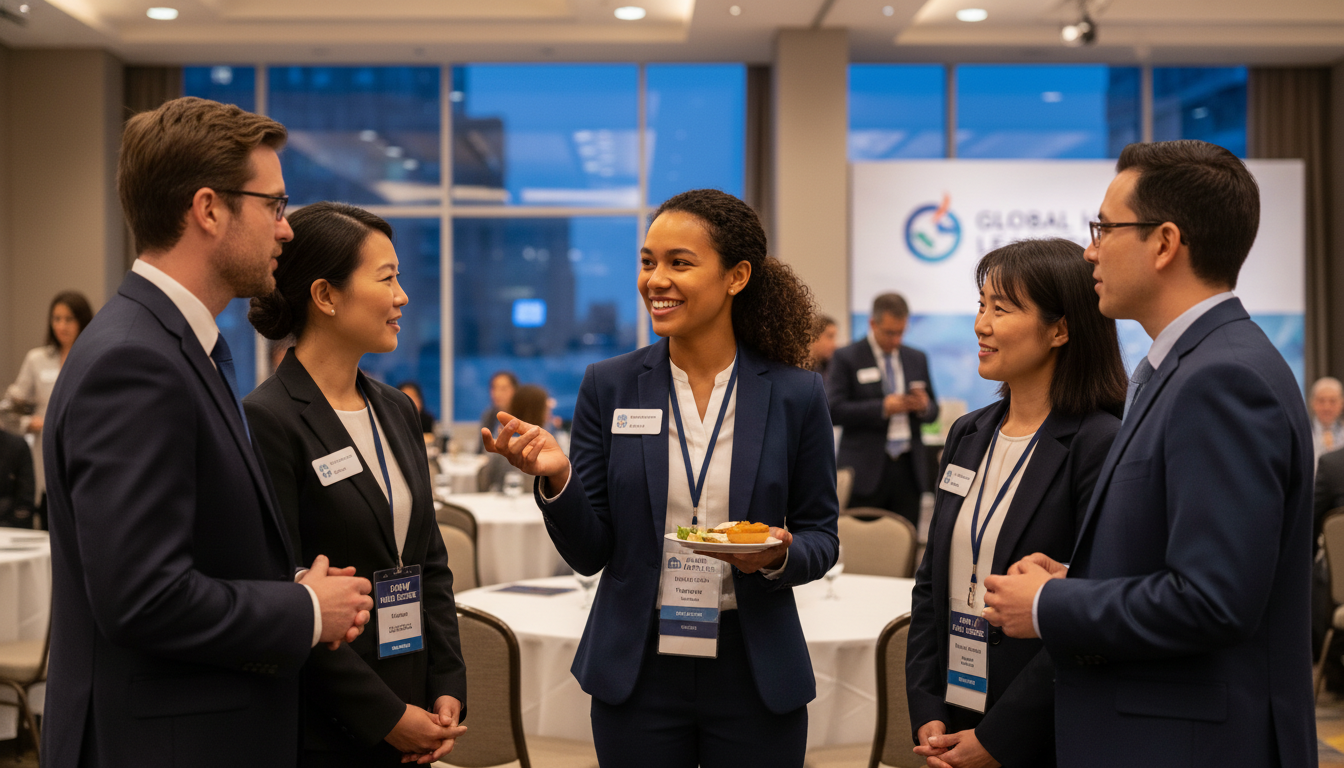
Conference Networking: Turning Brief Meetings into Long-Term Allies
Conference networking is powerful for a Caribbean IMG, especially if you strategically choose events where people care about global health and international medicine.
Choosing the Right Conferences
Prioritize conferences that:
- Have a dedicated global health track or are wholly focused on global health
- Are known to welcome trainees and IMGs
- Offer travel scholarships or student/trainee discounts
Examples (check current availability and locations):
- Consortium of Universities for Global Health (CUGH)
- American Society of Tropical Medicine and Hygiene (ASTMH)
- American Public Health Association (APHA – Global Health Section)
- Specialty conferences with global health sessions (e.g., global EM, global surgery, family medicine global health sessions)
If you are connected to an SGU residency match advisor or global health program director, ask which meetings they recommend and where past residents have presented.
Before the Conference
List 10–20 People You Want to Meet
- Speakers in sessions aligned with your interests
- Program directors or track leaders of global health residency tracks
- Caribbean IMGs or international faculty working in similar regions
Send Brief Pre‑Conference Emails Example:
Dear Dr. [Last Name],
I see you will be speaking at [Conference] on [Topic]. I am a Caribbean medical graduate and aspiring [specialty] resident with an interest in [aligned topic]. I will be attending your session and wondered if you might have 5 minutes afterward for a quick introduction or question.Thank you,
[Name]Prepare Your Materials
- 1–2 sentence “elevator introduction” tailored to global health
- A simple 1‑page CV focusing on global health experiences (for in‑person meetings or scans via QR)
- A list of 3–5 thoughtful questions you can ask multiple people (e.g., about career paths, recommended training, or how they perceive Caribbean IMGs)
During the Conference
Ask Good Questions in Sessions
- Stand up, state your name, school, and global health interest in one sentence, then ask your question:
“My name is [Name], I’m a Caribbean medical graduate pursuing internal medicine with a focus on global health in the Caribbean. My question is…”
This plants your identity in the minds of speakers and attendees.
- Stand up, state your name, school, and global health interest in one sentence, then ask your question:
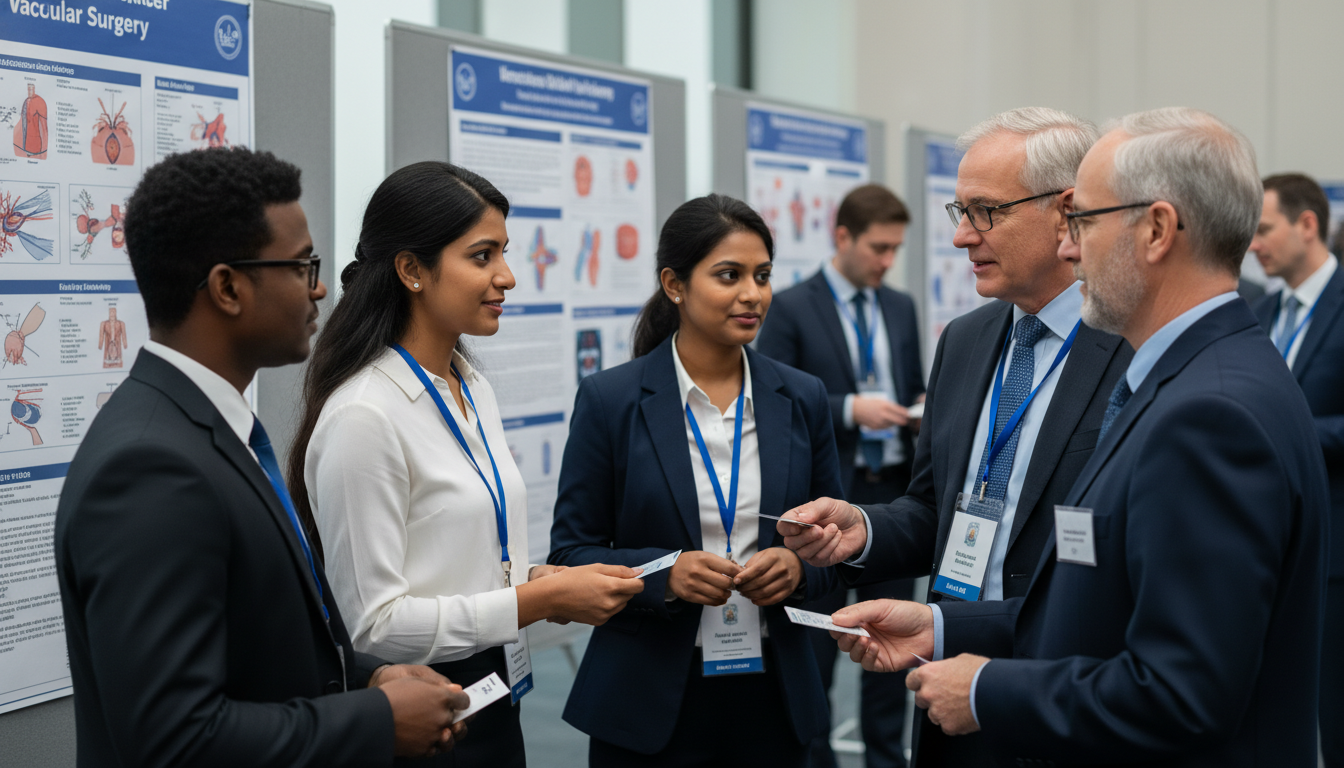
Approach Speakers Immediately After Talks
- Introduce yourself briefly.
- Mention one specific thing you liked about their talk.
- Ask if you can follow up by email or schedule a short Zoom.
Use Social Events Strategically
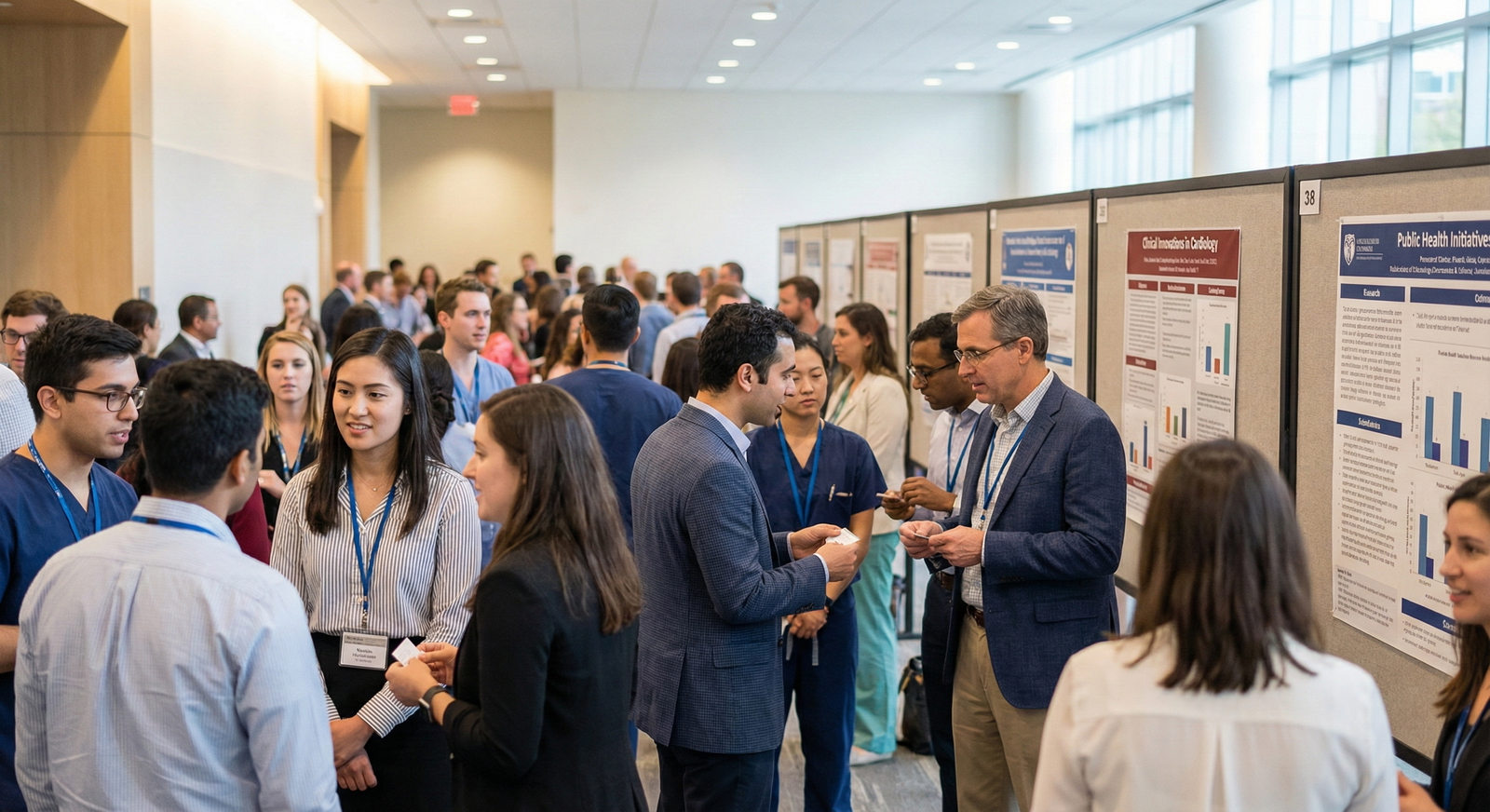
- Attend poster sessions, trainee mixers, and global health interest group events.
- Aim for 3–5 meaningful conversations per day, not dozens of superficial ones.
Take Notes
- After each interaction, jot down:
- Where you met
- Key topics discussed
- Any offers they made (“Let me know if you’d like to join our research group…”)
- After each interaction, jot down:
After the Conference: Follow-Up that Actually Builds Relationships
Within 48–72 hours, send personalized emails:
Dear Dr. [Last Name],
It was a pleasure meeting you at [Conference] after your session on [topic]. I appreciated our brief discussion about [specific point]. As a Caribbean IMG interested in [your niche], your advice about [X] was particularly helpful.
I’d be grateful to stay in touch as I navigate residency applications and seek global health–oriented training. If appropriate, I would also be interested in learning more about any opportunities to get involved with [their program/project].
Thank you again,
[Name]
Then:
- Connect on LinkedIn with a custom note.
- Add them to a simple spreadsheet of contacts (name, institution, where you met, last contact date, topics).
- Reach out every 3–6 months with brief updates or relevant questions.

Leveraging Mentorship, Sponsorship, and Alumni Ties as a Caribbean IMG
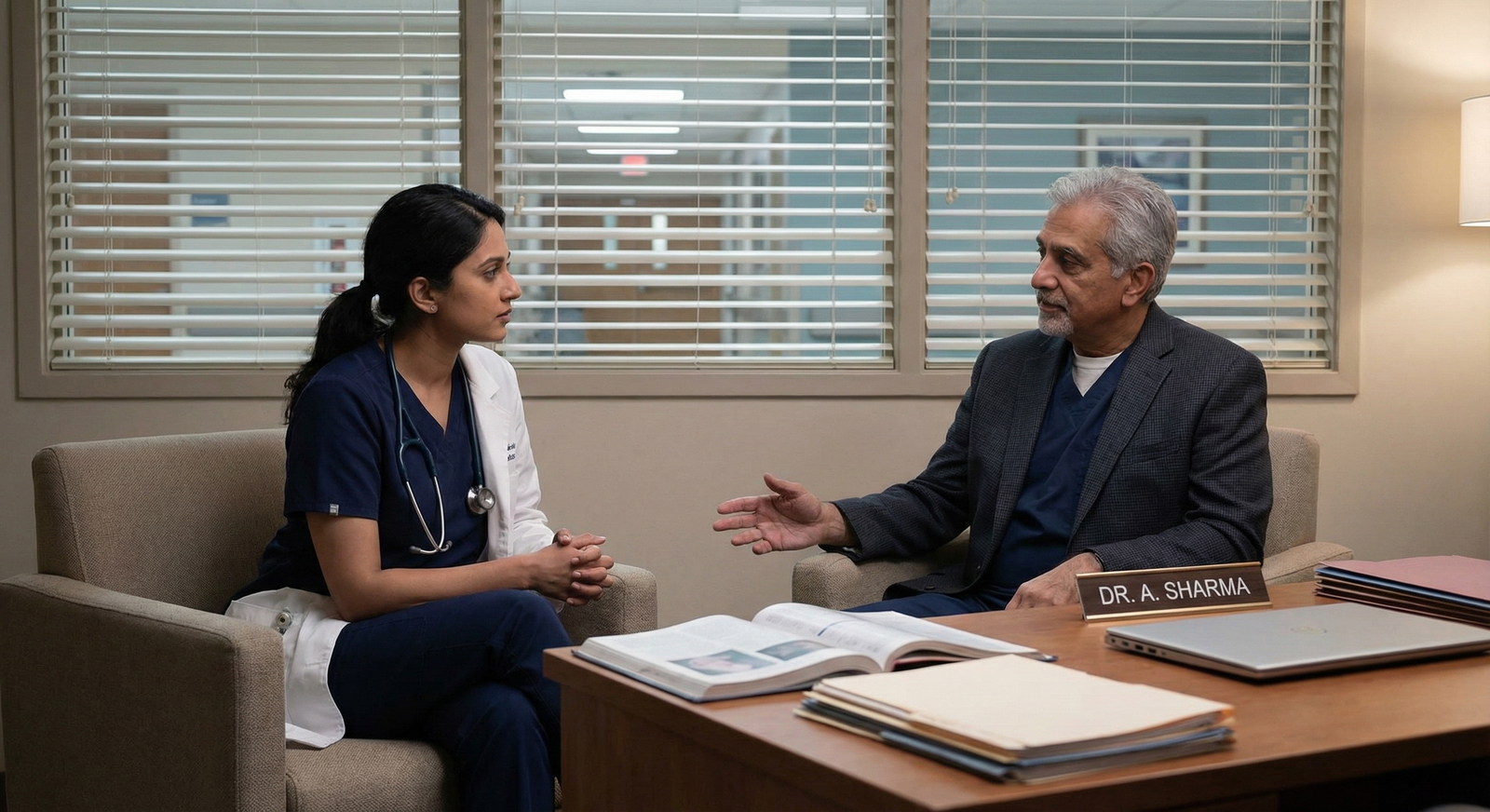
For Caribbean IMGs, structured mentorship medicine is often less visible than at U.S. schools—but you can still build a strong support system by understanding three different roles: mentors, sponsors, and peers.
Mentors: Guidance and Wisdom
Mentors:
- Give advice on career direction, training choices, and personal development
- Help you avoid common pitfalls (e.g., unrealistic specialty choices for Caribbean IMGs)
- Provide feedback on your CV, personal statement, and global health narrative
You should aim for:
- 1–2 career mentors (big-picture, long‑term guidance)
- 1–2 content mentors in specific global health areas (e.g., HIV/ID in resource-limited settings, health policy, emergency systems in LMICs)
- 1 process mentor who has recently gone through the Caribbean medical school residency journey and U.S. match
Be clear in your ask:
“I’m looking for long‑term guidance as I navigate the U.S. match as a Caribbean graduate with global health interests. Would you be open to occasional check‑ins a few times per year?”
Sponsors: Doors and Opportunities
Sponsors are often senior people (program directors, global health leaders) who:
- Recommend you for positions, projects, or fellowships
- Speak your name in rooms where you aren’t present
- Support your applications with powerful letters
To cultivate sponsors:
- First demonstrate reliability and competence (through research work, project involvement, or consistent professionalism).
- Raise your hand for responsibilities and follow through.
- Make your goals clear so they know how to help you (e.g., “I’m applying to internal medicine programs with strong global health residency tracks this cycle.”)
Peers: Support and Shared Strategy
Your peers (other Caribbean IMGs, residents, early‑career physicians) are critical for:
- Sharing resources (contacts, templates, study strategies)
- Emotional support during exam and match cycles
- Co‑authorship on research or quality improvement projects in international medicine
Ways to build peer networks:
- Form small “global health accountability groups” with 3–5 others to share opportunities and keep each other on track.
- Co‑submit posters to conferences from your shared projects.
- Join Caribbean IMG–specific online communities and be visibly helpful.
Making Networking Work for the Match: Practical Integration into Your Residency Strategy
Your goal is not networking for its own sake—it is networking integrated into a credible path to residency and beyond.
Align Your Network with Your Target Programs
Identify Programs with Global Health Tracks Friendly to IMGs
- Look at their current residents—are any Caribbean grads?
- Do they highlight international graduates on their websites?
- Contact current residents and ask directly:
“Have Caribbean IMGs matched here before? What made them strong candidates?”
Use Networking to Strengthen Your Application
- Ask mentors where you should apply based on your profile and test scores.
- Request feedback on your personal statement emphasizing global health and your Caribbean perspective.
- Seek small, concrete roles in research or QI projects that can lead to posters or abstracts before application season.
Example: How Networking Can Transform Your Path
Consider a fictional Caribbean IMG, Dr. Ana James from a well‑known Caribbean medical school:
- She attends an online seminar hosted by a U.S. university’s global health center.
- She asks a smart question in the Q&A and follows up by email with the speaker, a faculty member who co-directs a global health residency track.
- They have a brief Zoom call where Ana explains her interests in NCD prevention in Caribbean populations and shares that she’s doing a small QI project during her clinical rotations.
- The faculty member connects her with a current resident who is also an IMG.
- The resident helps her understand how to frame her Caribbean experience and suggests programs that are IMG‑friendly.
- Months later, Ana applies to that residency, mentions her conversations, and updates them on a poster she presented at a regional global health conference.
- Her application stands out because she is no longer “just” a Caribbean IMG—she is a known quantity with clear commitment to international medicine and a program‑aligned focus.
This is how intentional networking can shift probability in your favor.
Common Pitfalls Caribbean IMGs Should Avoid in Networking
Only Reaching Out When You Need Something (Letters, Positions)
- Build relationships long before you need direct help.
Being Vague About Your Goals
- “I’m interested in global health” is too general. Specify topic, region, or population.
Not Following Up
- Lack of follow‑through signals unreliability—fatal in tight-knit global health communities.
Ignoring Boundaries or Over‑Requesting
- Don’t ask for research positions, letters, and introductions in the first email. Start with advice; let trust build.
Underestimating the Value of Your Caribbean Perspective
- You bring real lived experience of health systems differences, social determinants, and the realities of care in lower‑resource settings. Articulate that confidently, not apologetically.
FAQs: Networking in Medicine for Caribbean IMGs in Global Health
1. How early in medical school should I start networking for a global health–focused residency?
Start as early as possible—ideally during pre‑clinical years—but it’s never too late. In pre‑clinical years, focus on:
- Learning about global health fields and career paths
- Attending virtual talks and joining interest groups
- Identifying potential mentors
During clinical years, shift toward:
- Seeking concrete roles in research or QI
- Connecting with residents and program directors
- Presenting at conferences (even small or regional ones)
If you have already graduated, lean more heavily on alumni and early‑career physicians who understand the Caribbean medical school residency pathway.
2. As a Caribbean IMG, will networking really make a difference in my SGU residency match or applications from other schools?
Yes. While board scores, clinical performance, and visas remain crucial, networking can:
- Help you target programs that historically accept Caribbean IMGs
- Provide letters from known global health faculty that carry weight
- Turn a “cold” application into a “known” one, especially when faculty or residents recognize your name from conferences or prior communication
- Clarify how to present your Caribbean training as a strength in global health
For SGU residency match or similar outcomes from other Caribbean schools, alumni who matched into global health–friendly programs are some of your most valuable networking targets.
3. How can I build a global health portfolio if I can’t travel internationally during medical school?
You don’t need international travel to be credible in global health. You can:
- Work on research projects using existing datasets about LMICs or Caribbean health issues
- Join domestic projects serving migrant, refugee, or underserved communities
- Collaborate virtually with global partners on literature reviews, policy briefs, or implementation science projects
- Engage in local public health initiatives with global relevance (e.g., climate and health, disaster preparedness, infectious disease surveillance)
Networking with global health researchers and NGOs can help you identify remote or hybrid roles that fit your situation.
4. What if I’m introverted or new to professional networking?
Introversion is not a barrier. Focus on:
- Depth over breadth: aim for a few meaningful relationships rather than many shallow ones.
- Preparation: rehearse your introduction, prepare questions in advance, and research people before meetings.
- Asynchronous communication: use email and LinkedIn as low‑pressure starting points.
- Structured events: small group workshops, mentoring sessions, or virtual office hours can feel less intimidating than large receptions.
Over time, as you see small wins from your efforts, confidence will grow.
Networking in medicine for a Caribbean IMG in global health is not about “knowing the right people” by luck. It is a deliberate, teachable, and repeatable process: clarify your story, build an online presence, reach out strategically, invest in mentorship and sponsorship, and integrate every relationship into a coherent path toward your residency and beyond.