Why Networking Matters Even More for Caribbean IMGs in Interventional Radiology
As a Caribbean IMG aiming for interventional radiology, you’re pursuing one of the most competitive and relationship‑driven specialties in medicine. Numbers (scores, publications, CV lines) matter, but in IR, people who know you and are willing to vouch for you often matter just as much.
For Caribbean graduates, especially those from schools like SGU, AUA, Ross, and others, networking can help:
- Offset bias about Caribbean medical education
- Turn brief rotations into strong letters and advocacy
- Open doors to research, away rotations, and subinternships
- Improve your odds in the IR match and related preliminary or transitional years
- Build a support system for challenges during residency and beyond
Networking in medicine is not just “schmoozing.” It’s a deliberate, ethical process of building mutually beneficial professional relationships. Done right, it feels natural and aligned with patient care and professional growth—not forced or fake.
This article walks through a step‑by‑step networking strategy tailored to Caribbean IMGs pursuing an interventional radiology residency, with a special focus on those coming from Caribbean medical schools and aiming for a strong SGU residency match–style outcome or similar.
Understanding the IR Landscape as a Caribbean IMG
Before you network effectively, you need to understand the environment you’re entering.
The Structural Reality: Why IR Is Relationship‑Heavy
Interventional radiology is:
- Small and tightly knit – Many IRs know each other from training, societies, and conferences.
- Procedure‑based and team‑oriented – IRs rely heavily on referrals from surgeons, oncologists, and internists; collaboration and communication are central.
- Rapidly evolving – New techniques, devices, and trials demand constant learning and information exchange.
Because of this, your reputation—even as a student—is built early and often through direct contact: rotations, conferences, email exchanges, research collaborations, and mentorship in medicine.
Caribbean IMGs: Advantages and Challenges
You bring several potential advantages:
- Clinical resilience – Many Caribbean students adapt quickly to different hospital systems and patient populations.
- Work ethic – You’ve already navigated a non‑traditional path, USMLE pressure, and the logistics of returning to the U.S.
- Diverse perspective – International or multicultural backgrounds can be an asset in patient‑centered specialties like IR.
And you face some predictable obstacles:
- Program directors may not be familiar with your Caribbean medical school or may hold outdated biases.
- You may have fewer built‑in home program connections—especially a home IR residency or integrated IR pathway.
- Access to research and IR‑specific mentorship may be limited at your clinical sites.
Networking is what helps level this playing field: it converts anonymous, “just another IMG” status into “I know this person; they’re excellent and I’d take them in our program”.
Core Principles of Effective Medical Networking for IR
Think of medical networking as a long‑term professional investment rather than a one‑time tactic around application season.
Principle 1: Relationships > Transactions
Goal: move from “Can you write me a letter?” to “How can we work together and help each other?”
- Offer value: help with data collection, literature review, QI projects, or clinical tasks within your scope.
- Be genuinely curious about their career path, research interests, and perspectives on IR.
- Stay in touch before you need a favor (e.g., 3–6 months before ERAS).
Principle 2: Consistency Over Intensity
A single impressive conversation at a conference is less valuable than light but consistent contact over a year:
- Occasional updates: “Just wanted to share that our abstract was accepted at SIR—thank you again for your guidance.”
- Quick check‑ins: “I read your recent paper on Y90 in HCC—fantastic work. May I share it with my school’s IR interest group?”
These small touches keep you on a mentor’s radar.
Principle 3: Authenticity and Professionalism
You don’t need to pretend you know everything about interventional radiology. Instead:
- Admit what you don’t know, but show that you’re willing to learn.
- Follow through on every commitment—deadlines, meetings, manuscript tasks.
- Be respectful of time; concise emails and clear asks are appreciated.
Building Your IR Network Step by Step
This is where you convert theory into a concrete action plan.

Step 1: Start Where You Are – Local and School‑Based Networking
Even if your Caribbean school doesn’t have a home IR residency, you still have resources.
A. Leverage your Caribbean medical school network
Alumni databases
Ask your school’s alumni office or career services:- “Can you help me identify alumni in interventional radiology or diagnostic radiology?”
- “Do we have grads in IR or DR at U.S. academic centers where I could do electives?”
SGU residency match and similar match lists
If you’re at SGU or a similar school, review yearly residency match lists to identify graduates who matched into IR, DR, or surgical subspecialties at institutions that also have IR programs. Those people are potential allies.Example outreach email:
Dear Dr. [Name],
I’m a [MS3/MS4] at [Caribbean school] with a strong interest in interventional radiology. I saw that you matched into [IR/DR] at [Institution] from our school, and I’d be grateful for 15 minutes of your time to ask about your path, what you found most helpful, and any advice you might have for someone in my position.
Thank you for considering this,
[Your Name]
B. Radiology and IR exposure at your clinical sites
Even if there’s no formal IR elective:
- Introduce yourself to radiology attendings and residents at your rotation hospital.
- Ask to shadow in IR for a few days, even informally.
- Volunteer to help with basic tasks: case logs, literature searches, patient education material.
If a DR attending has a good impression of you, they can:
- Introduce you to IR faculty
- Help you secure an away rotation at their institution
- Write an informed letter commenting on your curiosity and reliability
Step 2: Use Conference Networking Strategically
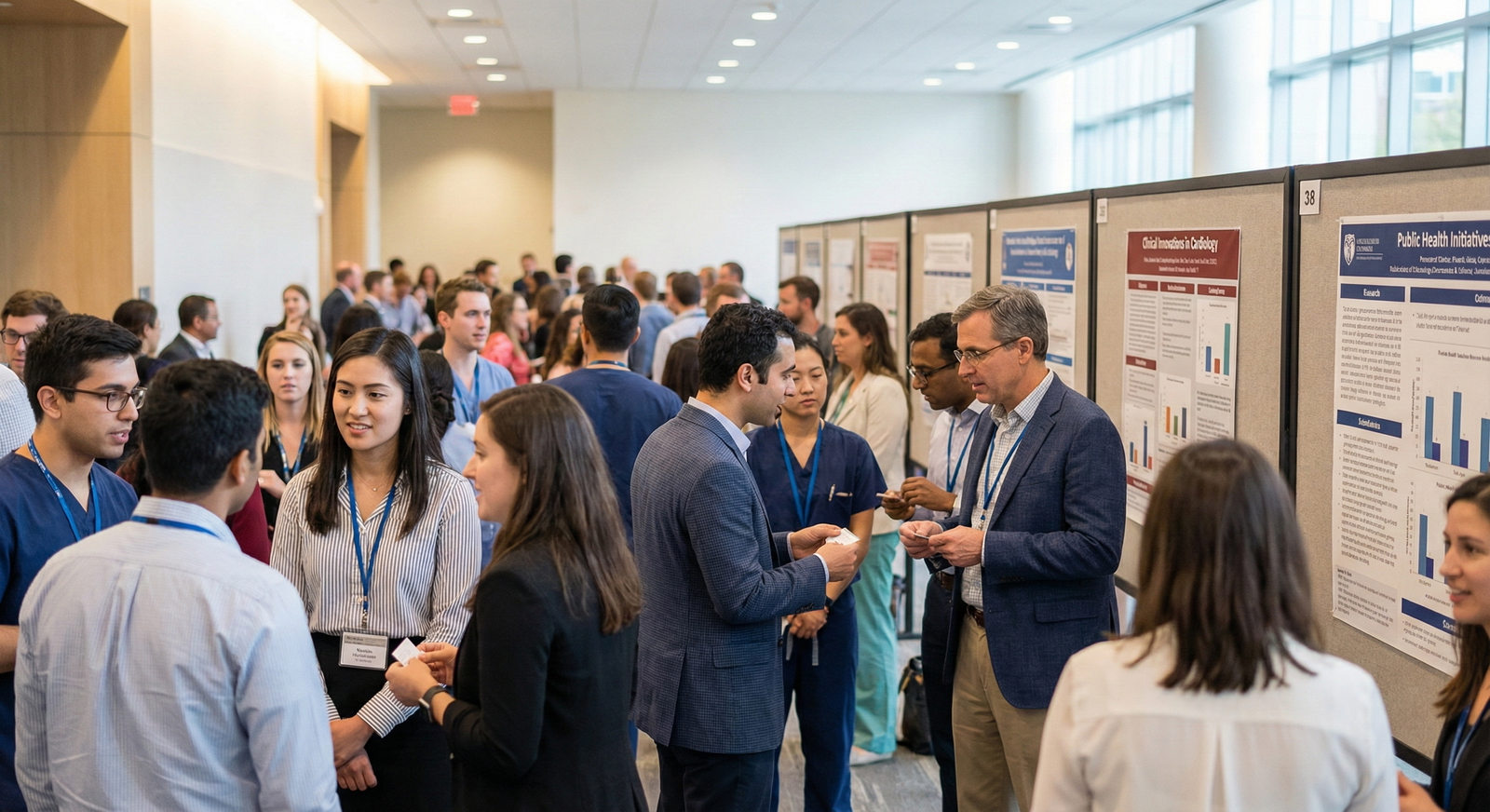
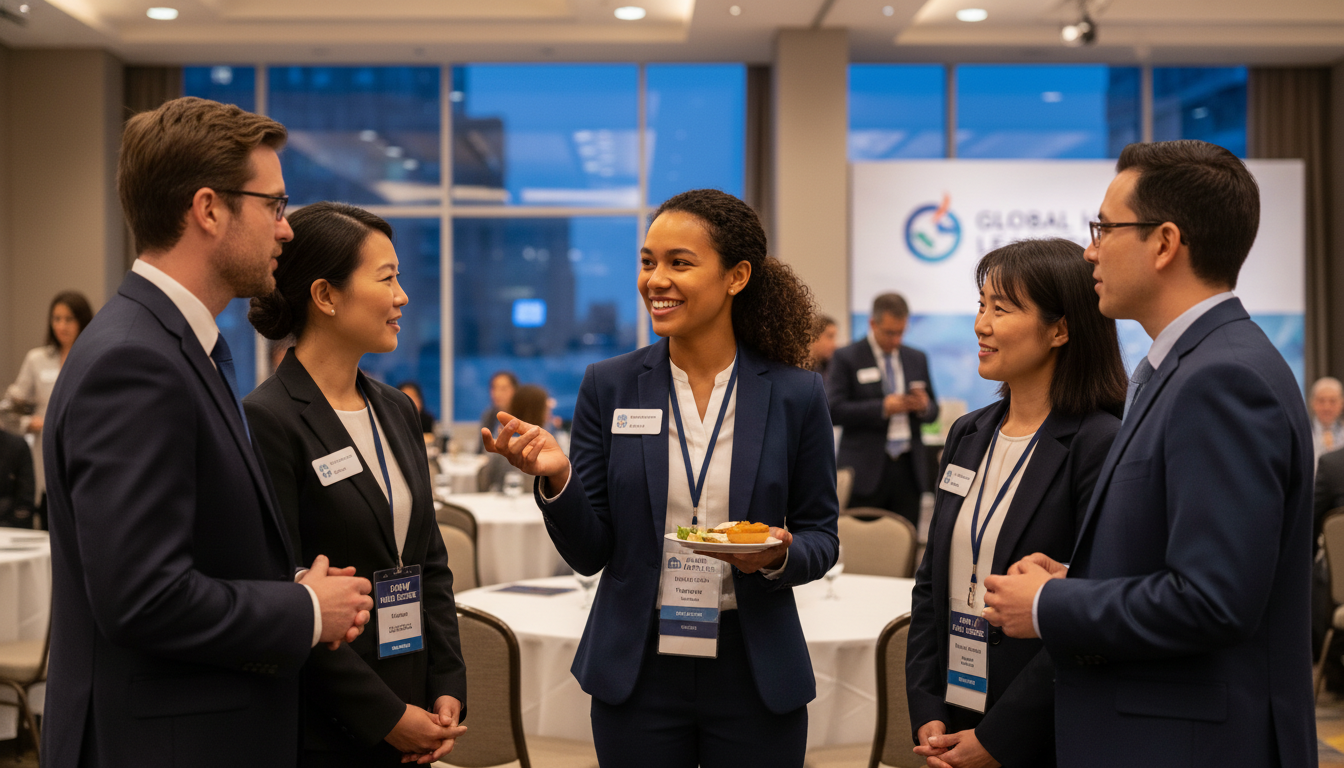
Professional conferences are high‑value nodes in the medical networking web, especially in IR.
Key conferences for a Caribbean IMG in IR:
- SIR (Society of Interventional Radiology) Annual Scientific Meeting
- RSNA (Radiological Society of North America)
- SIO (Society of Interventional Oncology)
- Regional SIR chapter meetings or local/state radiology meetings
A. Before the conference
Set goals:
- X number of mentors to meet
- Y residents/fellows to talk to about training programs
- Z programs to learn more about for your IR match list
Scan the program:
- Identify speakers who are PDs, APDs, or key faculty from IR residency programs.
- Note sessions with “resident/fellow” or “medical student” tracks.
Pre‑conference outreach:
Email 3–5 people in advance:Dear Dr. [Name],
I’m a [MS3/MS4] at [Caribbean school] interested in interventional radiology. I’ve been following your work on [specific project/area], and I’ll be attending [SIR/RSNA]. If you have 10–15 minutes during the meeting, I’d be very grateful for the chance to briefly introduce myself and ask a few questions about pursuing IR as an IMG.
Respectfully,
[Your Name]
Many will say no or not reply—but a few will say yes, and those few can change your trajectory.
B. During the conference
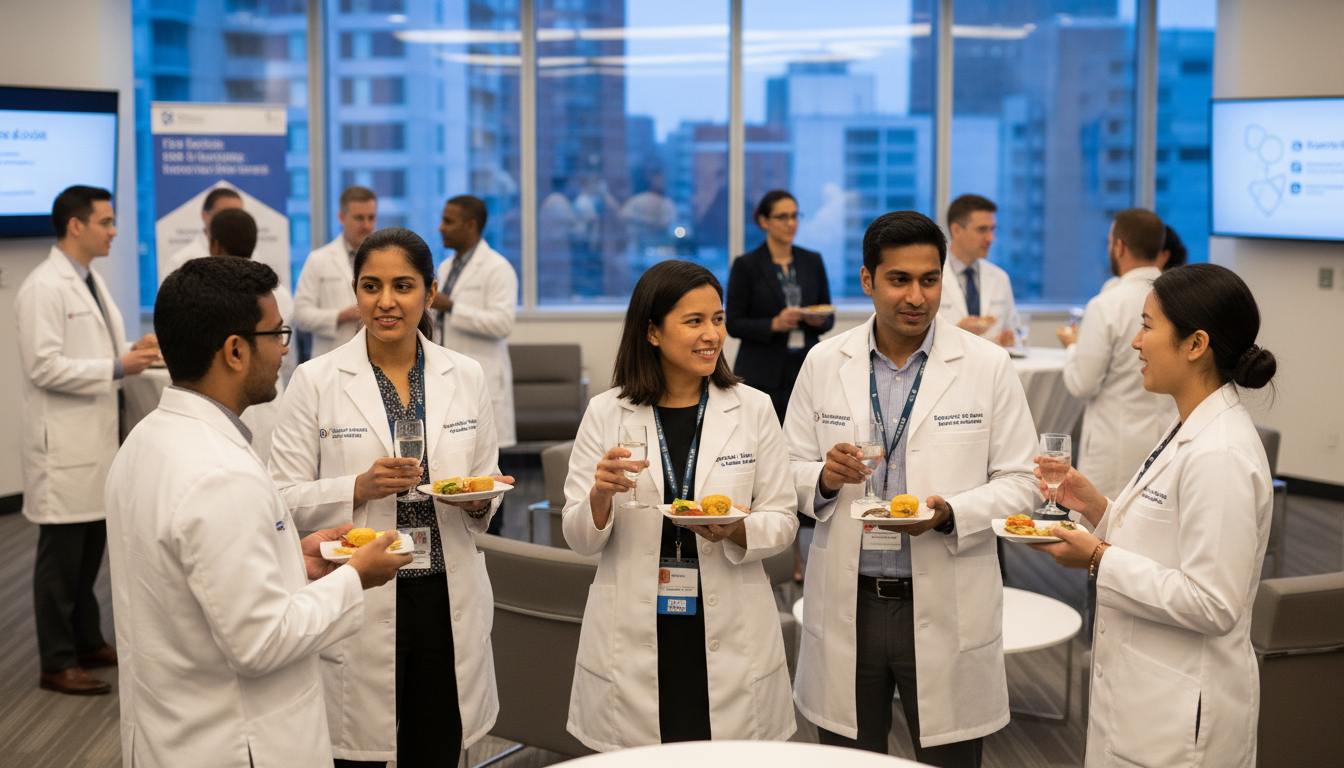
- Attend student and trainee networking events; these are lower‑pressure environments.
- Ask good questions during Q&A that show thoughtful engagement (not self‑promotion).
- After a talk, approach the speaker with a specific comment or question, not “Can I get a job?”
Example:
I enjoyed your talk on radial access in PAD. I’m an IMG medical student hoping to go into IR. Are there particular skills or experiences you think are especially important for students in my position to develop early?
C. After the conference
- Send a follow‑up email within 3–5 days:
- Thank them for their time
- Mention one concrete thing you learned or will act on
- If appropriate, ask if you may keep them updated on your progress
This is conference networking done correctly: clear, respectful, and focused on learning.
Step 3: Digital Networking – LinkedIn, X (Twitter), and Email
Online platforms are powerful for Caribbean IMGs who may not have easy in‑person access to IR mentors.
A. LinkedIn for IR
Build a professional profile:
- Clear headshot
- Headline like “Caribbean Medical Student (MS3) | Aspiring Interventional Radiologist”
- Brief “About” section highlighting your interest in IR and key experiences
Follow and connect with:
- IR societies (SIR, SIO, CIRSE)
- IR faculty and residents
- Alumni from your Caribbean medical school in radiology and surgery
When sending a connection request:
Hello Dr. [Name], I’m an IMG medical student pursuing interventional radiology. I’ve been following your posts on [topic], and I’d appreciate staying connected and learning from your insights.
B. X (Twitter) and professional IR communities
- Many IRs share research, case discussions, and education threads on X.
- Observe first: like and retweet educational content, and gradually participate.
- Avoid unprofessional posts; assume everything is visible to PDs.
C. Email etiquette that earns respect
When reaching out cold, keep emails:
- Short (8–12 lines)
- Specific about why you’re writing
- Clear about your ask (e.g., 15‑minute call, research help, guidance on electives)
Avoid asking for:
- “Any opportunities you have” (too vague)
- Letters of recommendation from someone who doesn’t know you
- Guaranteed help in the IR match
Instead, ask for:
- Feedback on your strategy
- Suggestions for skills, readings, or rotations
- Whether they know colleagues who involve students in projects
Step 4: Mentorship in Medicine – Finding, Nurturing, and Using Mentors Wisely
Mentorship is the backbone of networking in medicine, especially in a niche like IR.

Types of mentors you need
- IR Content Mentor – Teaches you procedures, field knowledge, and clinical reasoning in IR.
- Career Strategy Mentor – Helps with IR vs DR/ESIR decisions, program selection, and IR match strategy.
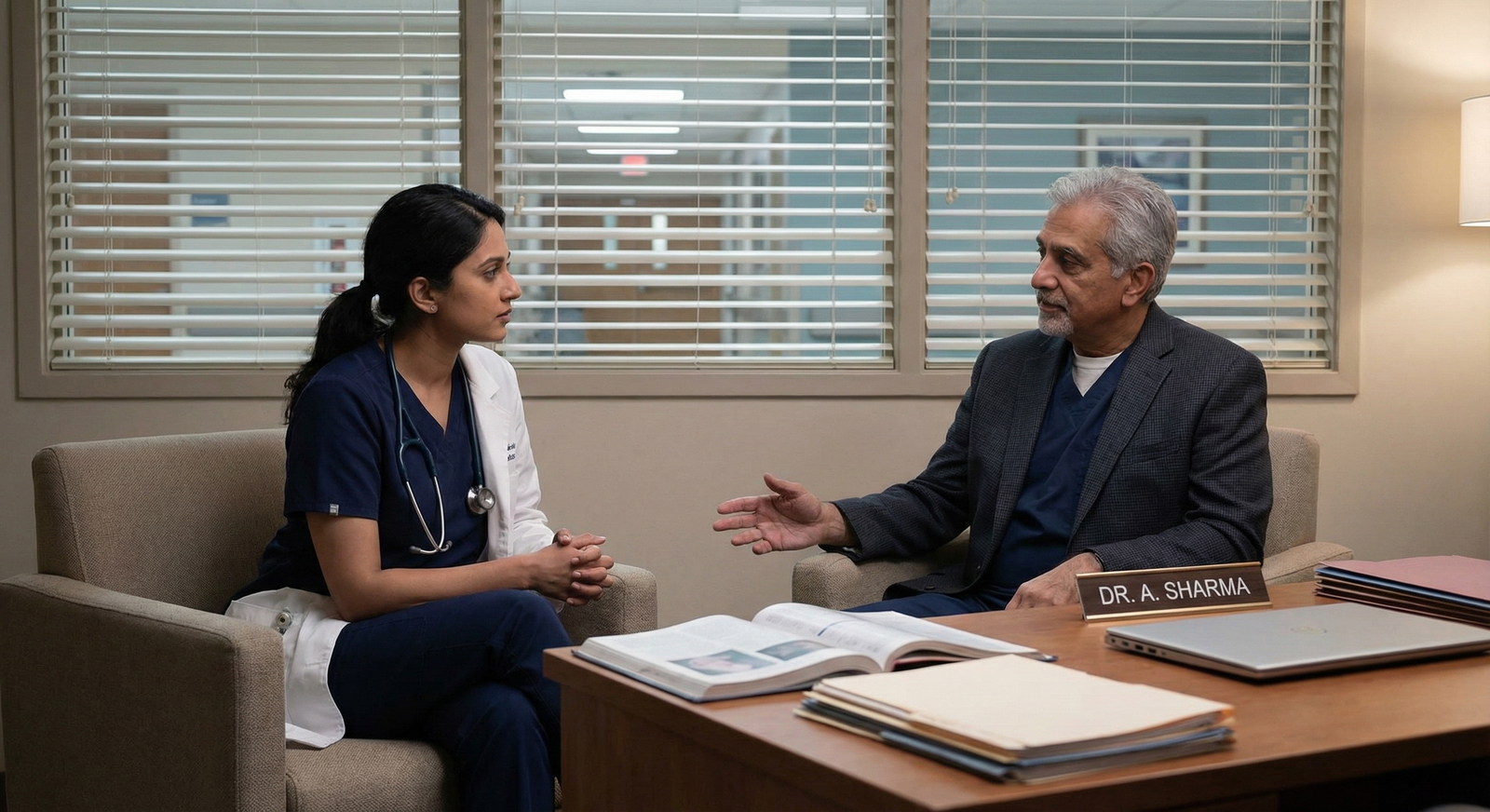
- Systems Mentor – Understands Caribbean medical school dynamics, visa issues, and IMG challenges.
- Peer Mentors – Residents or fellows, especially those who were IMGs or from Caribbean schools.
You may find each of these functions in different people.
How to turn an informal contact into a mentor
Signs someone might be open to mentorship:
- They respond thoughtfully to your initial outreach.
- They ask follow‑up questions about your goals.
- They offer resources or introductions.
You can bridge the gap by saying:
I truly appreciate your guidance—would it be okay if I checked in every couple of months as I work through this process?
Then you must do your part:
- Come prepared to each conversation (updated CV, specific questions).
- Implement their advice when reasonable and report back:
- “Based on your suggestion, I applied for an IR‑focused research elective; I was accepted and start in July.”
- Respect their time; 15–20 minutes is usually plenty per interaction.
Using mentorship ethically in the IR match
A strong mentor can:
- Suggest programs where you’ll be a good fit
- Reach out to colleagues on your behalf (“We have an IMG I’d stake my reputation on…”)
- Contribute a powerful letter of recommendation
Your job:
- Give them enough time (ideally >2–3 months of knowing you) and material (CV, personal statement, key accomplishments) to write effectively.
- Never pressure them into exaggerating or misrepresenting your performance.
- Be transparent about your IR match list and strategy if they’re advising you.
Translating Networking into Concrete IR Match Outcomes
Networking is not an abstract good; it should move you closer to a successful interventional radiology residency or related training pathway.
Pathways into IR for Caribbean IMGs
As of recent match cycles, most IR training in the U.S. occurs through:
- Integrated IR Residency (IR/DR) – Categorical programs starting after medical school.
- Independent IR Residency – After completing a DR residency.
- ESIR (Early Specialization in IR) – Built into DR residency, shortens independent IR training.
For many Caribbean graduates, the most realistic primary door may be:
- Strong DR residency first (especially with ESIR), then independent IR.
However, an increasing number of Caribbean IMGs have successfully matched directly into integrated IR—often those with:
- Excellent scores
- Robust research
- Strong letters
- And crucially, deep relationships and advocacy in IR
How networking helps at specific stages
Preclinical / Early Clinical Years
- Finding your first IR mentors
- Getting basic research or case report experience
- Building an IR‑oriented narrative for your CV and personal statement
Core Rotations and Electives
- Securing IR observerships or electives at teaching hospitals
- Connecting with DR and IR faculty for letters
- Learning how different programs structure IR vs DR vs ESIR
Application Season (ERAS)
- Choosing where to apply for integrated IR vs DR/ESIR based on mentor input
- Having mentors who can email or call PDs about your application
- Tailoring personal statements to highlight IR‑appropriate qualities mentors have observed in you (grit, communication, procedural aptitude)
Interview Season
- Mentors help you prepare with mock interviews, including questions about:
- Why IR instead of surgery or cardiology
- How you handle complications and stress
- How you’ll adapt as an IMG from a Caribbean medical school
- Residents or fellows in your network can give insight into specific program culture (“This place values research heavily” vs “They love clinically strong team players”).
- Mentors help you prepare with mock interviews, including questions about:
Ranking and IR Match Strategy
- Deciding on balance of integrated IR, DR with ESIR potential, and strong DR programs where independent IR is realistic
- Getting honest feedback about the competitiveness of your profile
Practical Networking Scenarios and Scripts for Caribbean IMGs
To make this concrete, here are realistic scenarios and what to say.
Scenario 1: You’re rotating at a U.S. hospital with an IR department
You’re on internal medicine at a hospital that also has an IR service.
Ask your attending or senior:
Would it be possible for me to spend a half‑day or two shadowing IR while still meeting my responsibilities here? I’m very interested in the field and would like to understand how we collaborate with them.
When you meet an IR attending:
I’m a Caribbean IMG medical student rotating here on medicine, and I’m very interested in interventional radiology. Do you mind if I observe a few cases and maybe ask some questions about pathways into the field as an IMG?
Then, follow up by email with a brief thank‑you and request for continued guidance.
Scenario 2: Emailing a program’s IR resident who was an IMG
Dear Dr. [Resident Name],
My name is [Name], and I’m an MS3 at [Caribbean school]. I saw on [program website/LinkedIn] that you’re an IMG currently training in [IR/DR with ESIR] at [Institution]. I’m hoping to follow a similar path and would be very grateful if you might spare 15–20 minutes for a brief conversation about your journey and any advice you’d give someone coming from a Caribbean background.
Best regards,
[Your Name]
They can help you understand:
- How receptive their program is to IMGs
- How to frame your Caribbean background
- What concrete steps helped them succeed
Scenario 3: Following up after a conference talk
Dear Dr. [Speaker],
Thank you for your excellent presentation on [topic] at [SIR/RSNA]. I’m an IMG medical student from [Caribbean school], deeply interested in interventional radiology. Your comments about [specific point] resonated with me, especially regarding [brief reflection].
If you ever involve students in your research or educationalprojects, I’d be honored to contribute—especially in [literature review, data entry, figure creation, etc.]. In any case, I truly appreciate your work and hope to stay connected as I progress toward residency.
Respectfully,
[Your Name]
You won’t always get a project from this—but you may get occasional guidance and name recognition.
Common Pitfalls Caribbean IMGs Should Avoid in Networking
- Being purely transactional – Only contacting people when you need letters or favors.
- Over‑disclosing frustration or bitterness about being an IMG or from a Caribbean medical school; it’s okay to mention challenges, but keep the tone solution‑oriented.
- Mass‑emailing generic requests; personalize each outreach.
- Neglecting professionalism online – off‑color jokes, politically charged arguments, or patient‑related content on social media can hurt you.
- Burning bridges by disappearing – If you commit to a project or meeting, follow through. If you must step back, communicate promptly and clearly.
Final Thoughts: Networking as a Long‑Term Career Skill
Effective networking in medicine isn’t a trick—it’s learning how to:
- Show up consistently and professionally
- Be curious and teachable
- Contribute value to others
- Ask for help with humility and clarity
For a Caribbean IMG pursuing interventional radiology residency, these skills transform your story from “non‑traditional and risky” to “proven, connected, and recommended.” Whether you ultimately match integrated IR, DR with ESIR, or independent IR later, your network will continue to shape your opportunities, collaborations, and satisfaction in the field.
Start early, act intentionally, and remember: every rotation, email, and conference interaction is an opportunity to show who you are—not just on paper, but in person.
FAQ: Networking in Medicine for Caribbean IMG in Interventional Radiology
1. I’m a preclinical Caribbean student. Is it too early to start IR networking?
No. You can start by:
- Joining IR interest groups or radiology societies with student memberships (e.g., SIR has student resources).
- Reaching out to alumni from your Caribbean school who are in DR or IR.
- Attending virtual IR webinars and introducing yourself in chat or follow‑up emails.
You don’t need a perfect CV to begin; you’re building relationships and knowledge early.
2. How important is conference networking if I can’t afford to travel?
Conferences are valuable, but not mandatory. Alternatives:
- Attend virtual components of major meetings (SIR, RSNA).
- Join online IR communities and webinars.
- Use email and LinkedIn to connect with IR faculty and residents.
If you do attend in person, maximize it: target specific people to meet, attend trainee events, and follow up afterward.
3. Can networking really overcome bias against Caribbean medical schools?
Networking can’t erase every bias, but it can:
- Put a face and story behind your application.
- Provide trusted advocates who reassure PDs about your training, reliability, and performance.
- Help you access experiences (research, away rotations, electives) that strengthen your file.
Many Caribbean IMGs in IR and DR have matched because someone who knew them personally spoke up strongly on their behalf.
4. How do I know if a mentor actually supports my IR aspirations?
Signs of a supportive mentor:
- They respond to your questions and respect your interest in IR.
- They offer concrete next steps (“You should apply for this elective / talk to this colleague / read this resource”).
- They’re honest about your competitiveness but still help you improve.
If someone consistently discourages you without offering alternatives or guidance, you may need additional mentors who can give more balanced and constructive advice.